Window Installation How-To for Your Home
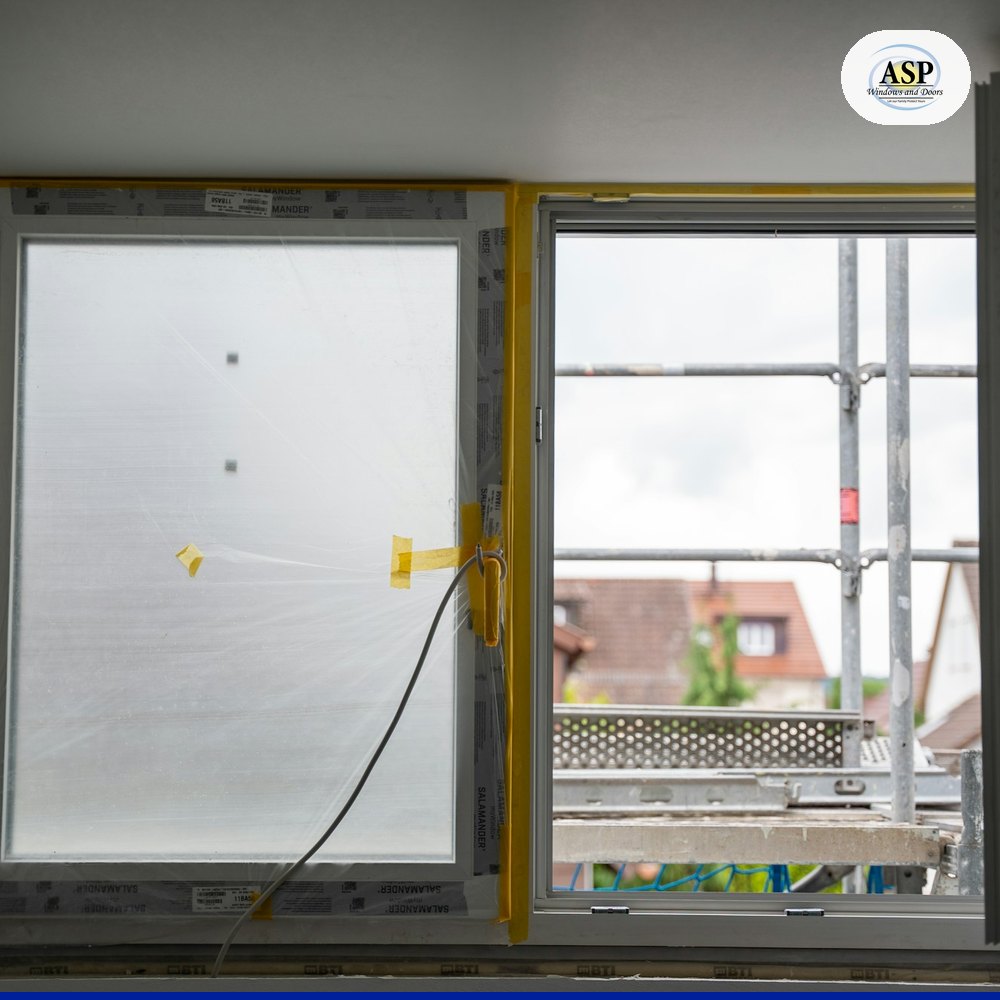

To prepare for window installation, clear 2 to 3 feet around every window, take down blinds and wall decor, and cover furniture. Crews also need a clear walkway, trimmed shrubs and a plan for pets and alarm sensors. These steps protect your belongings and help the team work faster. Knowing how to prepare for window installation also helps each step move with fewer delays.
Key Takeaways
- Clear 2 to 3 feet around each window inside the home and remove blinds, drapes and nearby wall decor.
- Trim shrubs, move vehicles and open gates so the crew can reach every opening from outside.
- Installers may need to enter the home, so plan access and keep pets in a closed room.
- Professional installation follows a set order: measure, permit, remove, prepare the opening, set, anchor, seal, finish and inspect.
- Impact windows need a permit and must be installed to their product approval, so they are a job for licensed crews.
How to Prepare for Window Installation in Your Home
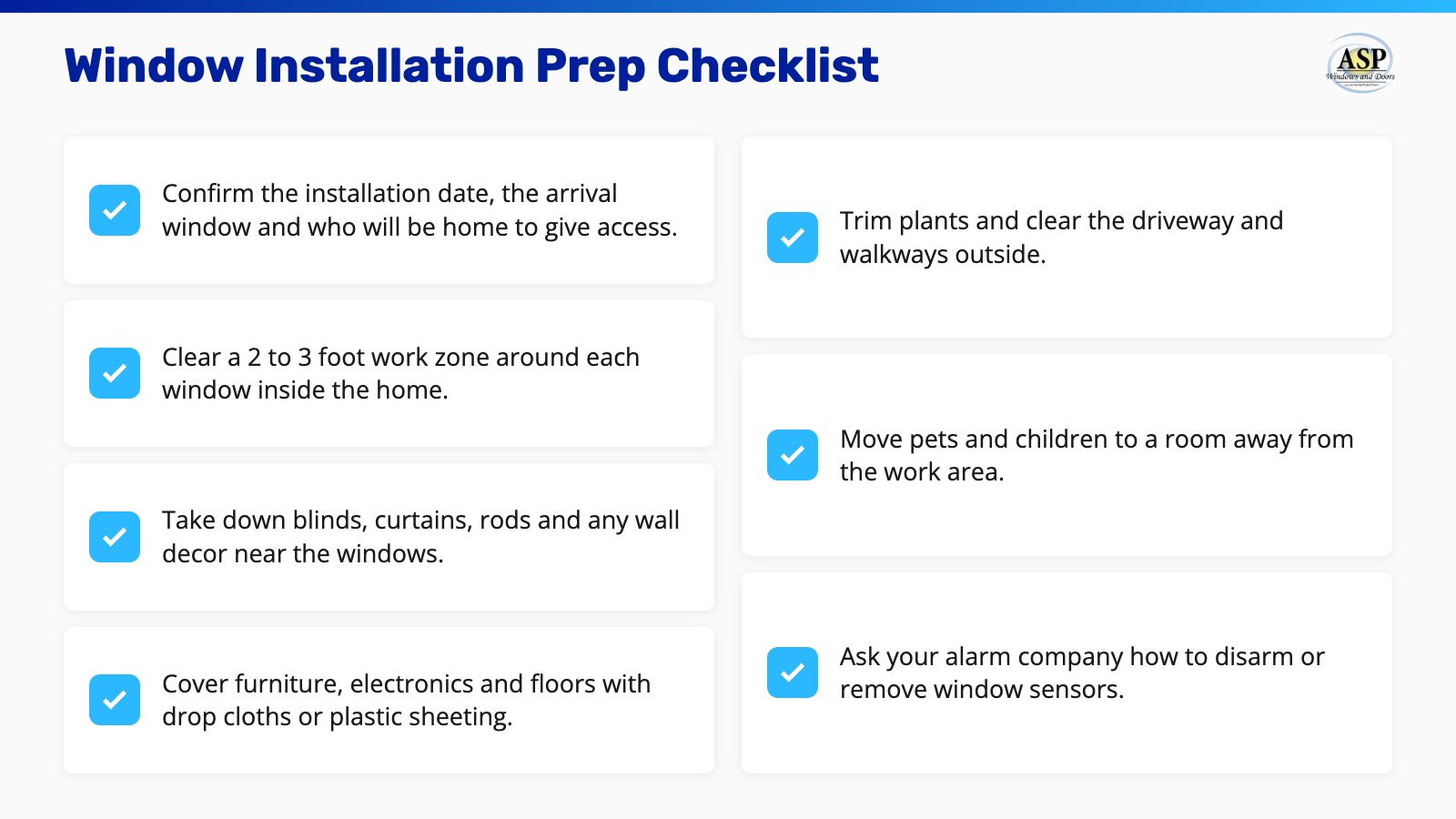
To prepare for window installation, clear the work area, protect your belongings and give the crew easy access to every opening. A short checklist keeps the job on schedule and limits dust and clutter. Follow these steps in order, starting a few days before the crew arrives.
- Confirm the installation date, the arrival window and who will be home to give access.
- Clear a 2 to 3 foot work zone around each window inside the home.
- Take down blinds, curtains, rods and any wall decor near the windows.
- Cover furniture, electronics and floors with drop cloths or plastic sheeting.
- Trim plants and clear the driveway and walkways outside.
- Move pets and children to a room away from the work area.
- Ask your alarm company how to disarm or remove window sensors.
Homeowners planning replacement impact windows follow the same checklist, plus a few permit steps handled before installation day. The next sections cover each part of the checklist in more detail, starting indoors.
What Should You Do Inside the House Before Window Installation
Before window installation, move furniture, decor and valuables at least 2 to 3 feet away from every window the crew will replace. That space gives installers room to carry tools and glass safely. It also keeps your belongings out of the dust zone.
Take these steps in each room that has a window on the schedule:
- Remove curtains, drapes, valances and rods.
- Take down pictures, mirrors and shelves on nearby walls, because vibration can loosen them.
- Cover large items, such as pianos and televisions, with plastic sheeting or drop cloths.
- Clear window sills of plants and keepsakes.
- Vacuum the floor near each window so dust is easy to spot and remove afterward.
Window coverings need their own plan, because they attach right at the window frame.
Do You Have to Remove Blinds When Replacing Windows
You do have to remove blinds when replacing windows, because the brackets and tracks sit in the opening or on the frame. Crews need a bare frame to remove the old window and set the new one. Blinds left in place can bend, scratch or fall.
Many homeowners take down blinds the night before the crew arrives. Keep the brackets and screws in a labeled bag so everything stays together. New windows can have a different frame depth, so old brackets sometimes need new holes or a different mount.
Some homeowners choose new custom blinds to match the new frames, and that choice is easy to make before the crew arrives. Outdoor preparation follows the same logic, because the crew also works outside the home.
What Should You Do Outside the House Before Installation Day
Before installation day, clear the driveway, trim plants against the walls and open gates so the crew reaches every window. Crews set up a work station near the home to cut, stage and carry materials. Open parking space nearby saves time.
Use this outdoor checklist the day before:
- Prune shrubs, branches and flower beds that touch the windows.
- Move cars, bikes, grills and patio furniture away from the walls.
- Open side gates and make outdoor water and power easy to reach.
- Leave a clear path from the driveway to each window.
- Tell neighbors about the work if the crew will share a driveway or street space.
With the yard clear, the next question is whether the crew will also walk through your living space.
Do Window Installers Have to Come Inside
Window installers do have to come inside the home for many replacement jobs. They remove interior trim, check the opening and finish the inside edge. Even a window installed from outside needs interior access for sealing and trim work. Plan for the crew to pass through the main rooms.
An adult should be home, or a trusted person should give access, on installation day. Keep pets in a closed room, because open doors and loud tools can upset them. Disarm any contact sensors on the windows, since the alarm will trigger when the old window comes out.
Expect some noise, and expect vibration as the crew works. Many homeowners also ask how much mess comes with all that activity.
How Messy Is New Window Installation
New window installation is moderately messy, with dust, debris and noise. A good crew protects floors and cleans up each day. Removing old frames and sealant releases dust and fragments. Drop cloths and plastic sheeting keep dust off your belongings.
Homes built before 1978 can contain lead-based paint. The U.S. Environmental Protection Agency (EPA) Renovation, Repair and Painting rule requires certified contractors to use lead-safe work practices in those homes. Tell the crew the age of your home so they can plan for it.
A crew that cleans as it goes leaves the room ready to use again. Knowing the steps behind the work makes the day easier to follow.
How Are Replacement Windows Installed Step by Step
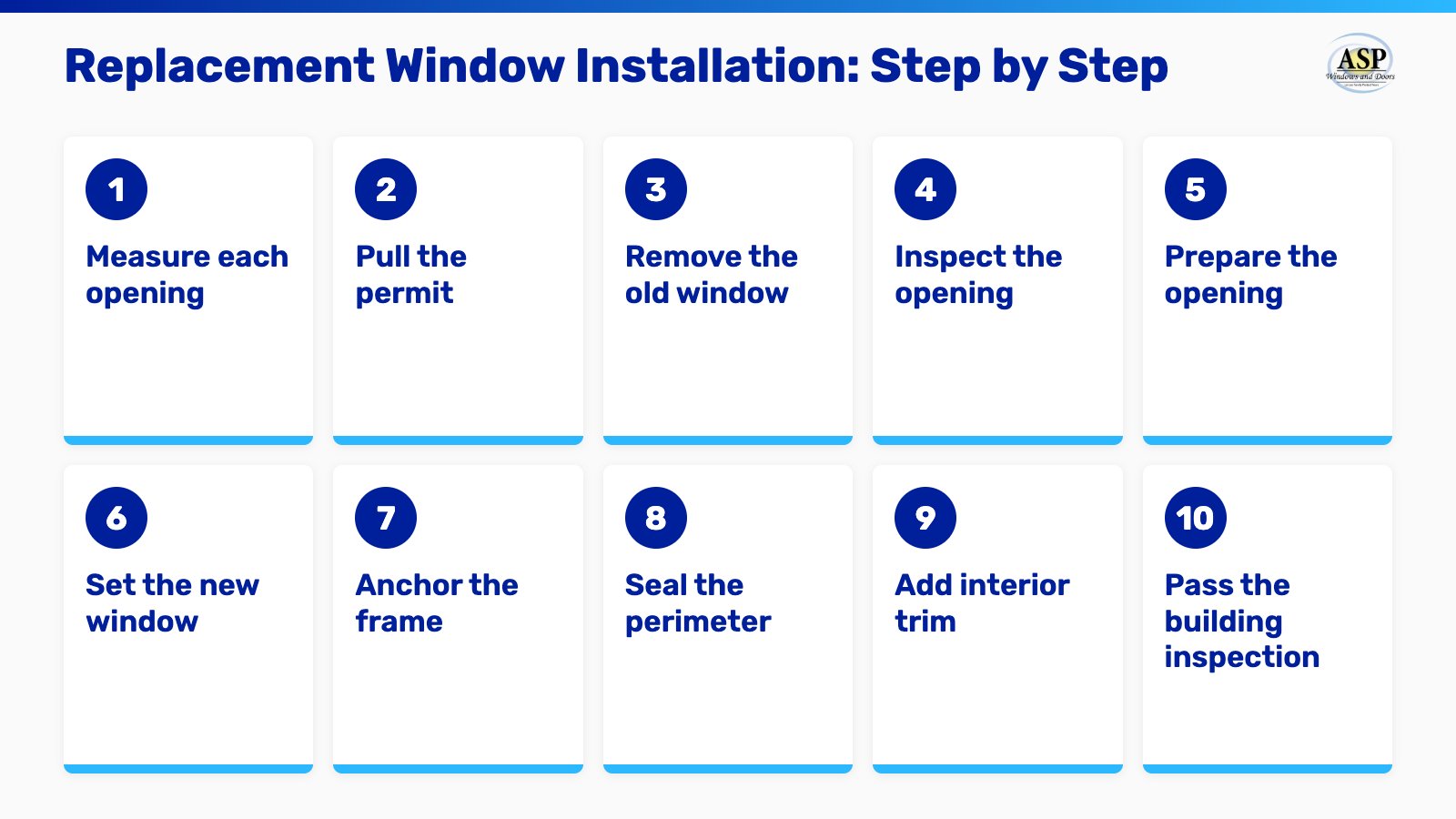
Replacement windows are installed step by step, from measuring and permitting to removal, setting, anchoring, sealing and finishing. A licensed crew follows the manufacturer's instructions and the product approval for each window. The order below shows what happens on and before installation day.
- Measure each opening. Accurate sizes decide whether the new window fits, and our guide to measuring openings explains the process.
- Pull the permit. Impact windows need a building permit before work starts.
- Remove the old window, including the sash, hardware and any loose trim.
- Inspect the opening for rot, cracks or damage and repair it.
- Prepare the opening with waterproofing at the sill and clean surfaces on all sides.
- Set the new window, then check that it is level, plumb and square.
- Anchor the frame with the fasteners and spacing that the product approval requires.
- Seal the perimeter with sealant or foam made for window installation.
- Add interior trim and finish the edges.
- Pass the building inspection, which confirms the work meets code.
The window installation process we follow covers each stage.
The guide to window opening prep adds detail on the opening itself. Sealing raises a common question, so it gets its own section.
Do You Caulk the Bottom of a Window When Installing
You do caulk the bottom of a window when installing. The sill also needs waterproofing under the window. The sill is the lowest part of the opening and the place where water collects. Crews seal it with flashing tape or sealant before setting the window.
Sealant then goes around the outside perimeter to block air and rain. Interior sealant or foam fills the gap between the frame and the wall. Crews use low-expansion foam, because high-expansion foam can push frames out of shape.
Poor sealing is one of the common installation problems that show up later as drafts or stains. Sealing only works when the window is anchored correctly, which raises the question of what holds it in place.
What Holds Replacement Windows in Place
Replacement windows are held in place by fasteners that pass through the frame into the wall opening, along with shims and sealant. Shims are thin wedges that keep the frame level and evenly spaced in the opening. The fasteners do the structural work.
Some windows have a nailing flange, which is a thin fin around the frame that fastens to the wall. Replacement windows installed in an existing opening usually do not use one. They are fastened through the frame sides instead. The type, number and spacing of fasteners come from the manufacturer's instructions and the product approval.
Guessing at screw counts does not work for hurricane-rated products. How to prepare for window installation also means choosing a licensed crew. An expert installation follows the tested pattern for each window. A few side questions about cost, timing and older windows come up next.
What Else Should You Know About Window Installation
Window installation also raises questions about timing, cost, siding, the installation side and older windows. The short answers below cover each one.
How Long Does It Take a Professional to Install a New Window
A professional usually takes a few hours per window, and a whole-home job is usually finished within a few days. The count of openings, their size and the wall type change the schedule. Permitting happens before the crew arrives, so it adds time before the first day.
Do You Install Windows From Inside or Outside
You install windows from inside or outside depending on the window type, the wall and the access. Many replacement windows go in from the outside, while some are set from the inside. Either way, the crew works on both sides to seal and trim the opening.
Do You Remove Siding When Replacing Windows
You do not always remove siding when replacing windows, because many replacement windows fit inside the existing opening. Crews remove trim or siding only when the frame, flashing or wall needs repair. Many South Florida homes have stucco, which the crew patches and finishes around the new frame.
Is It Easy to Install a Window Yourself
Installing a window yourself is not easy, because it takes exact measuring, leveling, flashing and sealing. A small error can let water into the wall. Impact windows add permit and product approval rules, so our post on why it is not a do-it-yourself job explains the risks.
What Is the Average Labor Cost to Install a Window
The labor cost to install a window varies with window size, the number of openings, the wall and any repair work. A written, itemized estimate shows labor and materials separately. Comparing estimates from installation companies is easier when each one lists the same scope.
Is It Worth Replacing 50 Year Old Windows
Replacing 50 year old windows is worth considering, because windows that age usually have worn frames, failing seals and older glass. They were built before current Florida wind and impact standards. A professional can inspect the frames and tell you whether repair or replacement fits the home.
How ASP Windows & Doors Helps With Window Installation
ASP Windows & Doors helps with window installation by managing the process from the first consultation through permitting, installation and inspections. Our in-house team handles the details, so you only need to prepare the home. All of our impact products are approved under the Florida Building Code and Miami-Dade rules.
Our crews install retrofit and new-construction windows, and residential installations are usually completed within a few days.
A manufacturer and workmanship installation warranty covers the products we install. Homeowners who want to plan the payment can ask our team about financing options during the visit.
To start, send an estimate request or call (888) 782-8342 to schedule a free estimate.
Our team and services are introduced at ASP Windows & Doors for every homeowner.
Now Accepting Appointments
Proudly serving homeowners and businesses across South Florida and Southwest Florida. Book your visit and let our experts help protect and upgrade your space.


Insights & Resources
Stay informed with expert tips on impact windows, hurricane protection, and South Florida building standards.