.avif)


Do You Need a Building Permit for Impact Windows?

Yes, you need a building permit for impact window installation in Florida because Section 104.1.1 of the Florida Building Code requires permits for any window replacement, alteration, or installation work. The Florida Building Code specifically mandates permit applications for "any owner, authorized agent, or contractor who desires to construct, enlarge, alter, repair, move, demolish, or change" building components including windows. Miami-Dade and Broward counties enforce stricter High Velocity Hurricane Zone requirements with additional product certification and inspection protocols.
Building permits cost $200-800 for typical residential impact window projects depending on property value, window count, and municipality fee schedules. The permitting process takes 10-30 business days for plan review and approval with inspections required during and after installation. The International Code Council reports that unpermitted window installations create insurance claim denials, resale complications, and code violation fines reaching $500-5,000 in Florida jurisdictions.
This guide explains Florida permitting requirements, High Velocity Hurricane Zone regulations, application procedures, inspection processes, and compliance verification for Doral, Kendall, and Fort Lauderdale impact window installations.
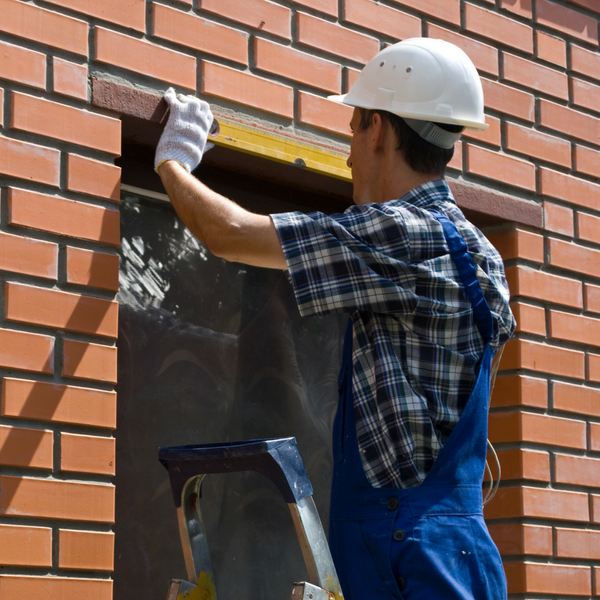
Do You Need a Building Permit for Impact Windows? Complete Florida Permitting Guide
Yes, you need a building permit for impact window installation in Florida because Section 104.1.1 of the Florida Building Code requires permits for any window replacement, alteration, or installation work. The Florida Building Code specifically mandates permit applications for "any owner, authorized agent, or contractor who desires to construct, enlarge, alter, repair, move, demolish, or change" building components including windows. Miami-Dade and Broward counties enforce stricter High Velocity Hurricane Zone requirements with additional product certification and inspection protocols.
Building permits cost $200-800 for typical residential impact window projects depending on property value, window count, and municipality fee schedules. The permitting process takes 10-30 business days for plan review and approval with inspections required during and after installation. The International Code Council reports that unpermitted window installations create insurance claim denials, resale complications, and code violation fines reaching $500-5,000 in Florida jurisdictions.
This guide explains Florida permitting requirements, High Velocity Hurricane Zone regulations, application procedures, inspection processes, and compliance verification for Doral, Kendall, and Fort Lauderdale impact window installations.
What Are Impact-Rated Windows in Florida?
Impact-rated windows in Florida are laminated glass window systems tested and certified to withstand debris impacts and wind pressures specified in Florida Building Code Section 1609 and Miami-Dade County Product Control Division standards. These windows use two sheets of tempered glass bonded to polyvinyl butyral interlayers surviving 9-pound 2x4 lumber projectiles at 50 feet per second without breaching. The Federal Alliance for Safe Homes confirms impact-rated windows provide permanent hurricane protection eliminating needs for storm shutters or plywood boarding.
Florida Building Code Requirements
Florida Building Code establishes wind speed zones ranging from 140-180 mph ultimate design wind speeds across the state. Coastal counties including Miami-Dade, Broward, Palm Beach, Monroe, Lee, and Collier require impact-resistant coverings or impact-resistant glazing for all fenestration products. These requirements apply to new construction, additions, alterations, and repairs exceeding 25% of building value.
Section 1609.1.2 defines Wind-Borne Debris Regions as areas within one mile of coastal mean high water where basic wind speed equals or exceeds 130 mph, or areas where basic wind speed equals or exceeds 140 mph. All windows and doors in these regions must meet ASTM E1996 and ASTM E1886 testing standards for impact resistance and cyclic pressure performance.
The Florida Building Commission updates code requirements every three years incorporating new testing standards, product approvals, and construction techniques. Current code editions include 2023 Florida Building Code based on 2021 International Building Code with Florida-specific amendments. Local jurisdictions adopt state code with possible additional requirements for historic districts or coastal construction zones.
Miami-Dade County Notice of Acceptance
Miami-Dade County Product Control Division operates the most stringent impact testing program in the United States. Products must obtain Notice of Acceptance certification before installation in Miami-Dade County High Velocity Hurricane Zone. This certification requires large missile impact testing, small missile impact testing, and cyclic pressure testing exceeding Florida Building Code minimum standards.
NOA numbers appear on permanent labels affixed to certified products identifying manufacturer, product line, and approval scope. Building inspectors verify NOA labels during final inspections confirming code compliance. Products lacking valid NOA numbers fail inspection requiring removal and replacement with certified products at contractor expense.
The Product Control Division maintains online databases at miamidade.gov/building listing all approved products with testing reports and installation instructions. Homeowners and contractors search databases by manufacturer, product type, or NOA number verifying current approval status. Expired or revoked approvals require product replacement during permit processes.
Testing Standards and Classifications
ASTM E1996 establishes performance requirements for exterior windows, curtain walls, doors, and impact-protective systems subjected to windborne debris. Large missile testing uses 9-pound 2x4 lumber projectiles 8 feet long impacting at speeds determined by building height and wind zone. Small missile testing uses 2-gram steel balls impacting at 80 feet per second simulating gravel and small debris.
ASTM E1886 defines test methods including specimen mounting, impact apparatus specifications, and cyclic pressure application protocols. Testing requires 9,000 positive and negative pressure cycles at 1.5 times design pressure following debris impacts. Products maintaining weathertight integrity throughout testing receive passing grades supporting code approval applications.
Texas Tech Wind Science & Engineering Center and other accredited laboratories conduct impact testing following these standards. Test reports document impact locations, glass cracking patterns, opening sizes, water infiltration rates, and structural performance. Miami-Dade County reviews reports verifying compliance before issuing Notice of Acceptance certifications.
Product Labeling Requirements
Certified impact windows display permanent labels identifying manufacturer, product approval number, design pressure rating, and installation requirements. Labels must remain legible and attached for building lifespan providing inspection verification and warranty documentation. The American Architectural Manufacturers Association requires labels placed in visible locations accessible without window removal.
Temporary labels affixed during manufacturing often fall off or fade within months. Permanent labels use etching, embossing, or durable adhesives resisting UV degradation and weather exposure. Missing labels create inspection failures requiring manufacturer documentation proving product certification and proper installation.
Some manufacturers include QR codes on labels linking to online product data, installation guides, and warranty registration. These digital enhancements streamline inspection processes and provide homeowners easy access to product information. Building departments increasingly accept digital documentation supplementing physical labels.

What Is the Hurricane Code for Exterior Doors in Florida?
The hurricane code for exterior doors in Florida requires impact-resistant doors or approved protection systems meeting ASTM E1996 impact standards and design pressure ratings of 30-70 PSF depending on wind zone and building height per Florida Building Code Section 1609. Exterior doors in Wind-Borne Debris Regions must survive large missile testing using 9-pound 2x4 lumber projectiles at specified velocities without breaching. The International Building Code recognizes impact-rated doors as permanent protection eliminating requirements for removable panels or storm shutters.
Door Impact Testing Requirements
Exterior doors at heights of 30 feet or less above grade require large missile impact testing. The 9-pound 2x4 lumber projectile 8 feet long impacts door surfaces at 50 feet per second for wind zones with basic wind speeds of 130-150 mph. Higher wind zones require impact velocities up to 80 feet per second simulating extreme debris conditions during Category 4-5 hurricanes.
Doors at heights exceeding 30 feet require small missile testing using 2-gram steel balls traveling at 80 feet per second. Building codes assume debris lofts to limited heights during hurricanes with small particles reaching upper floors while large objects remain ground level. This assumption reduces testing requirements for high-rise installations while maintaining adequate protection.
French doors, sliding glass doors, and other multi-panel systems require testing of complete assemblies including frames, hardware, and glazing. Individual component testing proves insufficient because system performance depends on interactions between panels, locks, and structural attachments. The Federal Alliance for Safe Homes emphasizes whole-system certification preventing weak link failures.
Design Pressure Ratings
Design pressure ratings measure door capacity to resist wind loads without exceeding deflection limits or experiencing structural failure. Ratings express as positive and negative pressure in pounds per square foot. Residential doors typically require 30-50 PSF ratings while commercial and high-rise installations need 50-70 PSF depending on building height and exposure.
Structural testing applies pressure cycles simulating hours of sustained hurricane winds. Products must survive 9,000 cycles alternating between positive and negative pressures without seal failure, frame deflection, or hardware malfunction. This cyclic testing reveals weaknesses that single-load testing misses.
The American Architectural Manufacturers Association publishes performance grades aligning with design pressure requirements. Performance Grade 30 handles residential applications while PG 40-50 suits commercial projects. Higher grades indicate more robust construction suitable for extreme exposure conditions.
Door Hardware and Locking Systems
Multi-point locking mechanisms provide superior wind resistance compared to single-point locksets. These systems engage 3-5 locking points along door perimeters distributing closure forces preventing single-point failures. Active shoot bolts at top and bottom secure panels to headers and thresholds creating rigid assemblies resisting pressure differentials.
Hardware testing includes operation cycles simulating 20-30 years of residential use. Locks must function smoothly after 100,000+ cycles demonstrating long-term reliability. Corrosion resistance testing exposes hardware to salt spray conditions for 1,000+ hours confirming coastal environment suitability.
The Builders Hardware Manufacturers Association establishes grading systems for commercial locksets with Grade 1 representing highest quality. Impact door installations require Grade 1 or Grade 2 hardware providing adequate security and wind resistance. Lower grades prove insufficient for hurricane applications despite lower costs.
How Long Does the Building Permit Process Take?
The building permit process for impact windows takes 10-30 business days for application review and approval depending on jurisdiction, application completeness, and plan complexity. Miami-Dade County reviews residential window permits within 10-15 business days while Broward County processes applications in 15-20 business days according to municipal building department statistics. Complex commercial projects or historic district applications require 30-60 days for multi-department reviews and approvals.
Application Submission Requirements
Permit applications require completed forms identifying property location, owner information, contractor licensing, scope of work, and project value. The International Code Council publishes standardized application forms adopted by most Florida jurisdictions with local modifications. Electronic submission through online portals expedites processing compared to paper applications requiring manual data entry.
Product specifications including manufacturer data sheets, NOA numbers, installation instructions, and engineering calculations support applications. Building departments verify product certifications against approved lists before issuing permits. Missing documentation triggers review holds requiring resubmission delaying approval timelines.
Contractor licensing verification confirms installers hold valid state certifications and local business tax receipts. Florida requires General Contractors or Building Contractors licenses for impact window installation with some jurisdictions accepting specialty glazing contractor certifications. Unlicensed contractors cannot obtain permits regardless of project scope or homeowner preferences.
Plan Review Process
Building officials review applications verifying code compliance, product certifications, and installation methods. Simple like-for-like window replacements receive expedited approval within 3-5 business days. Projects involving structural modifications, opening size changes, or historic properties require detailed plan reviews taking 15-30 business days.
Structural calculations by licensed engineers prove necessary for large openings, non-standard installations, or unusual building conditions. Professional engineers seal drawings certifying designs meet wind load requirements and structural safety standards. The Florida Board of Professional Engineers regulates these services ensuring qualified professionals provide calculations.
Review corrections or requests for additional information extend approval timelines. Incomplete applications missing product data or contractor information create 7-10 day delays for resubmission and secondary review. Thorough initial applications minimize delays expediting project start dates.
Permit Fees and Costs
Permit fees calculate based on project valuation using standardized fee schedules. Florida jurisdictions typically charge $1.50-3.00 per $1,000 of project value with minimum fees of $150-300. A $20,000 impact window installation costs $300-600 in permit fees depending on municipality.
Additional fees include plan review charges, re-inspection fees, and contractor registration costs. Plan reviews add $100-200 to total permit expenses while re-inspections for failed work cost $75-150 per visit. Some jurisdictions charge annual contractor registration fees of $50-150 separate from individual permit costs.
Miami-Dade County Product Control fees apply to NOA product verifications adding $50-100 per permit. These fees support the county's testing program and database maintenance. Expedited review services cost 50-100% premium fees reducing approval times to 3-5 business days for urgent projects.
Inspection Requirements
Initial inspections occur after window removal before new unit installation. Inspectors verify rough opening conditions, structural framing adequacy, and proper flashing installation. This inspection prevents covering deficient conditions with new windows hiding code violations or structural issues.
Final inspections occur after complete installation verifying product labels, proper fastening, weather seal integrity, and operational functionality. Inspectors confirm NOA numbers match permit applications and products install according to manufacturer instructions. Failed inspections require corrections and re-inspection appointments delaying project completion.
Some jurisdictions require third-party inspections by private inspection agencies supplementing building department resources. These inspections cost $150-300 providing detailed reports documenting code compliance. Private inspectors schedule appointments more flexibly than government inspectors reducing project timeline impacts.
What Happens If You Install Impact Windows Without a Permit?
Installing impact windows without permits creates code violations subject to $500-5,000 fines, requires retroactive permit applications, may void insurance coverage and manufacturer warranties, and complicates property sales requiring expensive corrections. The Florida Building Code Section 105.1 prohibits construction work without proper permits with violations classified as misdemeanors. County code enforcement divisions investigate unpermitted work through neighbor complaints, aerial photography reviews, and real estate transaction discoveries.
Code Enforcement Actions
Building departments issue stop-work orders when discovering unpermitted installations. These orders require immediate work cessation until proper permits obtain approval. Continuing work despite stop-work orders escalates fines to $1,000-10,000 and potential criminal prosecution for willful code violations.
Violation notices provide 30-60 days for permit application and correction. Homeowners must submit retroactive permit applications including product documentation, installation photos, and contractor information. Building officials conduct inspections verifying code compliance despite completed installations.
Uncorrectable violations require complete removal and reinstallation under proper permits. This doubles project costs through wasted materials and duplicated labor. Some installations using non-certified products cannot obtain retroactive permits requiring replacement with approved products.
Insurance Coverage Risks
Homeowners insurance policies contain clauses requiring code-compliant construction and proper permits. Claims for storm damage to unpermitted windows face denial based on policy violations. The Insurance Information Institute reports 15-20% of hurricane damage claims experience complications from unpermitted work.
Insurance adjusters investigate installation dates, contractor licensing, and permit records during claims processing. Discovered violations provide grounds for coverage denial on damaged components and related losses. Some carriers cancel policies upon discovering unpermitted major improvements.
Impact window insurance discounts of 8-45% require inspection reports verifying permitted installations with certified products. Unpermitted work disqualifies properties from these valuable discounts costing homeowners hundreds to thousands in annual premium savings.
Real Estate Transaction Problems
Title companies discover unpermitted work during property sales through building department record searches. Outstanding violations create title issues preventing sales until resolution. Buyers demand repairs, price reductions, or walk away from purchases when major unpermitted work surfaces.
Retroactive permitting during sales transactions delays closings by 30-60 days. Sellers bear costs of permits, inspections, and any required corrections. These unexpected expenses reduce sale proceeds by $2,000-10,000 depending on violation severity.
Some buyers insist on complete removal and replacement of unpermitted work despite functioning installations. This extreme response protects buyers from future liability and insurance complications. Sellers face full replacement costs of $15,000-40,000 for whole-house impact window installations.
If you need properly permitted impact window installation for your Doral, Kendall, or Fort Lauderdale property, ASP Windows & Doors handles complete permitting processes including application submission, product certification verification, and inspection coordination. Our licensed contractors ensure Miami-Dade County Notice of Acceptance compliance and Florida Building Code adherence for all installations. Call (888) 782-8342 to schedule your free consultation with permit cost estimates and timeline projections. We serve residential and commercial properties throughout Miami-Dade, Broward, and Palm Beach counties with comprehensive warranty support and insurance documentation.
Now Accepting Appointments
Proudly serving homeowners and businesses across South Florida and Southwest Florida. Book your visit and let our experts help protect and upgrade your space.
.avif)
.avif)
.avif)
%201.avif)
Insights & Resources
Stay informed with expert tips on impact windows, hurricane protection, and South Florida building standards.


%201.webp)
%201%20(1).webp)

%201.svg)
%201%20(1)%20(1).webp)
.png%20(1).webp)
.png.webp)
.avif)
.avif)


.avif)


.png)
.png)