.avif)


Window Replacement Warning Signs
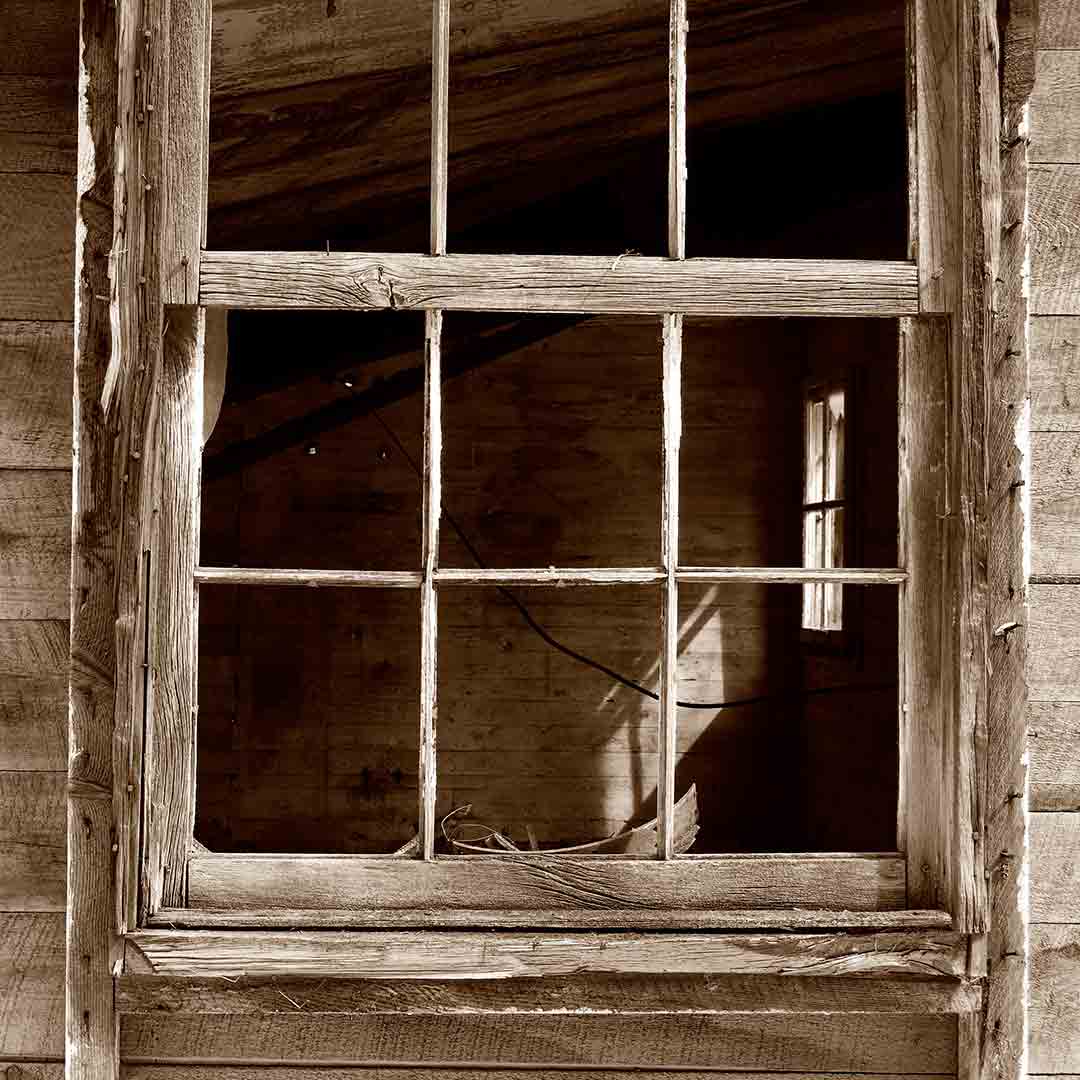

Window replacement warning signs include drafts, condensation between glass panes, rising energy bills, difficulty opening or closing, visible frame rot or warping, and increased outside noise. Most windows have a lifespan of 15 to 20 years, and once they start showing these symptoms, they are no longer protecting your home the way they should. Ignoring these warning signs leads to higher utility costs, water damage, mold growth, and a home that is more vulnerable to storms and break-ins.
In this article, we cover every major warning sign that tells you it is time to replace your windows. We explain what causes each problem, why it matters, and what to do about it. If you recognize even two or three of these signs in your home, your windows are likely past the point of repair.
The Top Window Replacement Warning Signs Every Homeowner Should Know
Most windows do not fail all at once. They deteriorate slowly over months and years, making it easy to overlook the damage until it becomes a bigger problem. According to the U.S. Department of Energy, heat loss and heat gain through windows account for 25 to 30 percent of residential heating and cooling energy use. When your windows start to fail, that number climbs even higher.
The warning signs below apply to every type of window, whether it is single-pane, double-pane, vinyl, aluminum, or wood. If your home has older windows that lack impact rating, these signs become even more urgent in hurricane-prone areas where a failed window can compromise the entire structure during a storm.
What Are Signs That Windows Need to Be Replaced?
The signs that windows need to be replaced include noticeable drafts, foggy or hazy glass between panes, frames that are cracked or rotting, windows that stick or will not lock, rising energy bills, fading furniture from UV exposure, and excessive outside noise. Any one of these on its own is a concern. Two or more together is a strong signal that your windows have reached the end of their useful life.
According to Pella, the five clearest signs are difficulty operating the window, poor energy efficiency, excessive outdoor noise, an outdated appearance, and visible damage like fogging or cracked glass. Each of these points to a breakdown in the window's seal, frame, or glass that cannot be fully fixed with a simple repair.
Drafts and Air Leaks Around Closed Windows
How Do You Know If Your Windows Are Drafty?
You know your windows are drafty if you feel a breeze, cold spot, or temperature change when standing near a closed window. According to Lone Wolf Exteriors, you can test for drafts by holding a lit candle or incense stick near the window frame. If the flame flickers or the smoke shifts, you have found an air leak. Dust buildup around window frames is another common sign of air movement through gaps.
Drafts happen when seals, weatherstripping, or caulking around the window deteriorate over time. In older homes, the frames themselves may have warped or shifted, creating gaps that let outside air flow in. According to Remodelcost Calculator, air infiltration through worn seals is often the biggest source of energy loss in older homes, and even budget replacement windows will dramatically reduce it compared to 20-year-old windows.
A drafty window forces your HVAC system to work harder to maintain your set temperature. That means higher monthly bills and faster wear on your cooling equipment. Replacing old windows with properly sealed, impact-rated ones eliminates drafts entirely and restores your home's thermal envelope.
Condensation or Fog Between Glass Panes
How to Tell If Windows Install Is Bad?
You can tell if a window installation is bad, or if the window itself has failed, by looking for persistent condensation or fog between the glass panes. This haze cannot be wiped away from either side because the moisture is trapped inside the sealed unit. According to McCloud Windows, condensation between panes is a sign that the weathertight seal is broken, the insulating gas has leaked out, and moisture has entered the space.
Exterior condensation on windows is normal and usually indicates that the glass is insulating properly. Interior condensation can signal high humidity levels inside the home. But fog between the panes is always a problem. Once that seal fails, the window loses its insulating properties and becomes little more than a single pane of glass in terms of energy performance.
A bad installation can also cause premature seal failure. If the window was not shimmed, leveled, or sealed correctly during installation, stress on the frame can break the glass seal within just a few years. This is one reason we emphasize professional, code-compliant installation on every project.
Difficulty Opening, Closing, or Locking Windows
Windows that stick, jam, or refuse to lock properly are a clear warning sign. According to Modernize, if you find yourself wrestling with a window every time you try to open or close it, the frame may be warped, the hardware may be failing, or the foundation beneath the window may have shifted. All of these indicate that the window is no longer functioning safely.
A window that does not close completely lets outside air, moisture, and pests into your home. A window that does not lock is a security risk, giving intruders an easy entry point. The same goes for entry doors with worn locks or damaged frames. And a window that is stuck shut is a safety hazard during an emergency when you may need to escape or let in fresh air.
Most aging windows develop balance issues that lead to sticking, according to Next Door and Window. Rust, mold, and warping of the frame material accelerate the problem. At a certain point, adjusting or lubricating the hardware is no longer enough, and replacement is the only lasting fix. Modern sliding doors and windows are designed with corrosion-resistant hardware and reinforced tracks that operate smoothly for decades.
Rising Energy Bills Without Increased Usage
Rising energy bills are one of the sneakiest window replacement warning signs because they happen gradually. According to the U.S. Department of Energy, old or inefficient windows can account for up to 30 percent of a home's energy loss. If your electricity costs have been climbing steadily without a change in your habits, your windows may be the source of the problem.
According to Taylors Windows, replacing outdated windows with energy-efficient models can cut energy bills by 12 percent or more annually. On a home with a 200-dollar monthly energy bill, losing 30 percent of heating or cooling energy through bad windows adds up to about 720 dollars wasted per year. Over 10 years, that is 7,200 dollars gone just because of worn-out windows.
Newer windows with Low-E coatings, double or triple panes, and argon gas fills dramatically reduce heat transfer. ENERGY STAR reports that certified windows can lower energy bills by an average of up to 13 percent nationwide. In hot climates, glass glazing with a low Solar Heat Gain Coefficient makes the biggest difference in cooling costs.
Visible Frame Damage, Rot, or Warping
Visible damage to your window frames is one of the most obvious replacement signals. Cracked wood, peeling paint, soft spots, and warped vinyl all mean the frame material is breaking down. According to Modernize, years of exposure to UV rays, rain, wind, and temperature changes will eventually cause visible damage to any window frame, no matter the material.
Wood frames are especially vulnerable. You can test for rot by pressing the tip of a screwdriver into the wood. If it sinks in easily, the wood is decayed and the frame is failing. Vinyl frames can become brittle, chalky, and discolored from prolonged UV exposure, especially in hot climates. Aluminum frames may develop pitting or corrosion, particularly near the coast where salt air is a constant factor.
Damaged frames compromise both energy efficiency and structural integrity. In hurricane-prone areas, a weakened frame cannot hold the glass in place during high winds. Replacing old frames with impact glass and a reinforced frame gives you a complete system that meets modern building codes and protects your home.
Excessive Outside Noise Coming Through Windows
If you can hear every car, dog bark, and airplane clearly through your closed windows, your glass and seals are not doing their job. Older single-pane windows and windows with failed seals offer almost no sound dampening. According to Alco Impact, modern impact windows can reduce external noise by as much as 40 percent compared to standard single-pane windows.
Noise infiltration is a quality-of-life issue that many homeowners underestimate. It affects sleep, concentration, and the overall comfort of your living space. Newer laminated glass, which is the same construction used in impact-rated windows, provides significantly better sound insulation than standard glass because the PVB interlayer acts as a noise barrier.
If your home is near a busy road, airport, or commercial area in South Florida, upgrading to impact-rated windows with thicker glass solves both the noise problem and the storm protection problem at the same time.
Should 20-Year-Old Windows Be Replaced?
Yes, 20-year-old windows should be replaced in most cases. Most windows have an average lifespan of 15 to 20 years, according to Energy Windows LLC. Once a window reaches the end of its lifespan, seals break down, frames deteriorate, and the window becomes significantly less energy-efficient than modern options. According to Ringsend Lumber, old and inefficient windows can account for up to 30 percent of a home's energy loss.
Windows built 20 years ago typically used double-pane glass without Low-E coatings, gas fills, or laminated construction. Today's windows feature triple-pane options, advanced coatings, and impact-rated assemblies that far outperform anything available two decades ago. The difference in comfort, energy savings, noise reduction, and security is substantial.
Even if your 20-year-old windows still open and close fine, their seals and insulating gas have likely degraded enough to affect performance. A professional inspection can confirm whether repair or full replacement is the right move. We offer free in-home evaluations to help homeowners decide. You can request a free estimate to get started.
Fading Furniture, Floors, and Artwork
If your furniture, hardwood floors, or artwork are fading faster than expected, your windows may be letting too much UV radiation into the home. According to Baker Roofing, increased fading is an indication that your windows are not doing enough to block ultraviolet light. Older single-pane windows and even some double-pane windows without Low-E coatings allow 75 percent or more of the sun's UV rays to pass through.
Modern impact glass with a PVB interlayer blocks approximately 99 percent of UV rays, according to manufacturer specifications. Adding a Low-E coating blocks even more solar heat without reducing visible light. This protects your belongings and reduces the amount of heat entering your home, which lowers cooling costs.
Water Leaks and Moisture Damage Around Windows
Water stains, peeling paint, or soft drywall near your windows are signs that moisture is getting in. According to Energy Windows LLC, old windows can allow moisture to seep into your home, leading to rot, mold, and structural damage. If moisture builds up between window panes, it can create mold growth that affects both the window's visibility and your indoor air quality.
In hurricane-prone regions, water intrusion through failed windows is one of the primary causes of interior damage during storms. Even a small gap in the seal can allow wind-driven rain to penetrate the wall cavity, causing problems that go far beyond the window itself. Properly installed impact windows with intact seals and reinforced frames keep water out under the most extreme conditions.
Warning Signs Comparison Table
Sources: U.S. Department of Energy, Pella, Modernize, ENERGY STAR, Taylors Windows, McCloud Windows, Lone Wolf Exteriors, Energy Windows LLC, Ringsend Lumber, Baker Roofing, Alco Impact
What Is the Cheapest Time of Year to Replace Windows?
The cheapest time of year to replace windows is typically late fall and winter. During these months, demand for window installation drops, and many contractors and manufacturers offer discounts to keep their crews busy. According to multiple industry sources, scheduling your project in the off-season can save you money on both materials and labor compared to the busy spring and summer months.
In South Florida, the off-season is slightly different than the rest of the country. Demand tends to spike before and during hurricane season (June through November) as homeowners rush to upgrade their protection. Planning your window installation for December through April can help you avoid the rush and potentially lock in better scheduling and pricing.
Are There Tax Credits for New Windows?
The federal Energy Efficient Home Improvement Credit (Section 25C) provided a 30 percent tax credit, up to 600 dollars, for qualifying energy-efficient windows. However, according to the IRS and the Alliance to Save Energy, this credit expired on December 31, 2025, following the passage of the One Big Beautiful Bill Act. Windows placed in service after that date no longer qualify for this specific federal credit.
Florida does offer additional incentives through programs like My Safe Florida Home, which provides free wind-mitigation inspections and matching grants of up to 10,000 dollars for upgrades like impact windows and doors. Insurance discounts are another ongoing benefit. According to the Florida Department of Financial Services, homeowners can receive 10 to 45 percent off windstorm premiums for approved wind mitigation upgrades. These savings continue every year for as long as you own the home.
Frequently Asked Questions
How Long Do Windows Typically Last?
Windows typically last 15 to 30 years depending on the frame material, glass type, installation quality, and climate. According to Ringsend Lumber, wood windows last 15 to 30 years, aluminum windows last 15 to 30 years, vinyl windows last 20 to 40 years, and fiberglass windows last 30 to 50 years. In hot, humid, and coastal climates, exposure to UV, salt air, and moisture can shorten these lifespans significantly.
Can I Just Repair My Old Windows Instead of Replacing Them?
You can sometimes repair old windows if the issue is limited to worn weatherstripping, a broken latch, or a minor crack. However, if the seals have failed, the frame is rotting, or the glass is fogged between panes, repair will not restore the window's performance. According to Lone Wolf Exteriors, persistent drafts usually signal deeper structural issues that worsen over time, making full replacement the most cost-effective long-term solution.
Do New Windows Increase Home Value?
Yes, new windows increase home value. According to Ringsend Lumber, replacement windows are one of the top home improvement projects for return on investment, recouping up to 70 to 78 percent of their cost upon resale. In hurricane-prone markets, impact glass windows add even more value because buyers actively seek homes with built-in storm protection and lower insurance costs.
How Do I Know If My Windows Qualify for Insurance Discounts?
You know if your windows qualify for insurance discounts by scheduling a certified wind mitigation inspection. The inspector will evaluate your windows, doors, roof, and overall building envelope and complete the Florida OIR-B1-1802 form. This form is submitted to your insurance company, which then determines the discount based on the level of protection your home has. Impact-rated windows with a valid Notice of Acceptance (NOA) qualify for the highest discounts.
What Happens If You Do Not Replace Failing Windows?
If you do not replace failing windows, the problems get worse over time. Energy bills continue to rise. Water intrusion can lead to mold growth inside the walls. Frame rot spreads to the surrounding structure. Security is compromised through windows that do not lock. And in a hurricane, a failed window can allow wind to enter the home and pressurize the interior, which can lift the roof and collapse walls. According to NOAA, tropical cyclones have caused over 1.5 trillion dollars in total U.S. damage since 1980.
Can I Get a Grant to Upgrade My Windows?
Yes, in Florida, you may qualify for a grant through the My Safe Florida Home program, which offers matching grants of up to 10,000 dollars for hurricane-hardening improvements like impact doors and windows. Eligibility depends on factors like your home's age, location, and insured value. A free wind mitigation inspection through the program can determine what upgrades your home needs and what funding you may qualify for.
How Many Windows Can I Replace at Once?
You can replace as many windows as you want at once, and doing the entire home in a single project is usually the most cost-effective approach. Replacing all windows at the same time gives your contractor better pricing on materials, reduces labor costs from multiple trips, and allows you to qualify for maximum insurance discounts since all openings will be protected at once.
The Bottom Line
Your windows do not last forever. Drafts, fog between the glass, rising bills, sticking frames, and visible damage are all telling you that the clock has run out. The longer you wait, the more money you waste on energy, the more damage moisture causes behind the scenes, and the more vulnerable your home becomes to severe weather. Replacing your windows is not just a cosmetic upgrade. It is a structural, financial, and safety decision that affects your home every single day.
If you are noticing any of these warning signs, we can help you figure out the right next step. Reach out to ASP Windows and Doors at (888) 782-8342 for a free evaluation and honest guidance on whether your windows need repair or full replacement.
Now Accepting Appointments
Proudly serving homeowners and businesses across South Florida and Southwest Florida. Book your visit and let our experts help protect and upgrade your space.
.avif)
.avif)
.avif)
%201.avif)
Insights & Resources
Stay informed with expert tips on impact windows, hurricane protection, and South Florida building standards.


%201.webp)
%201%20(1).webp)

%201.svg)
%201%20(1)%20(1).webp)
.png%20(1).webp)
.png.webp)
.avif)
.avif)


.avif)


.png)
.png)