.avif)


Door Alignment Problems Explained
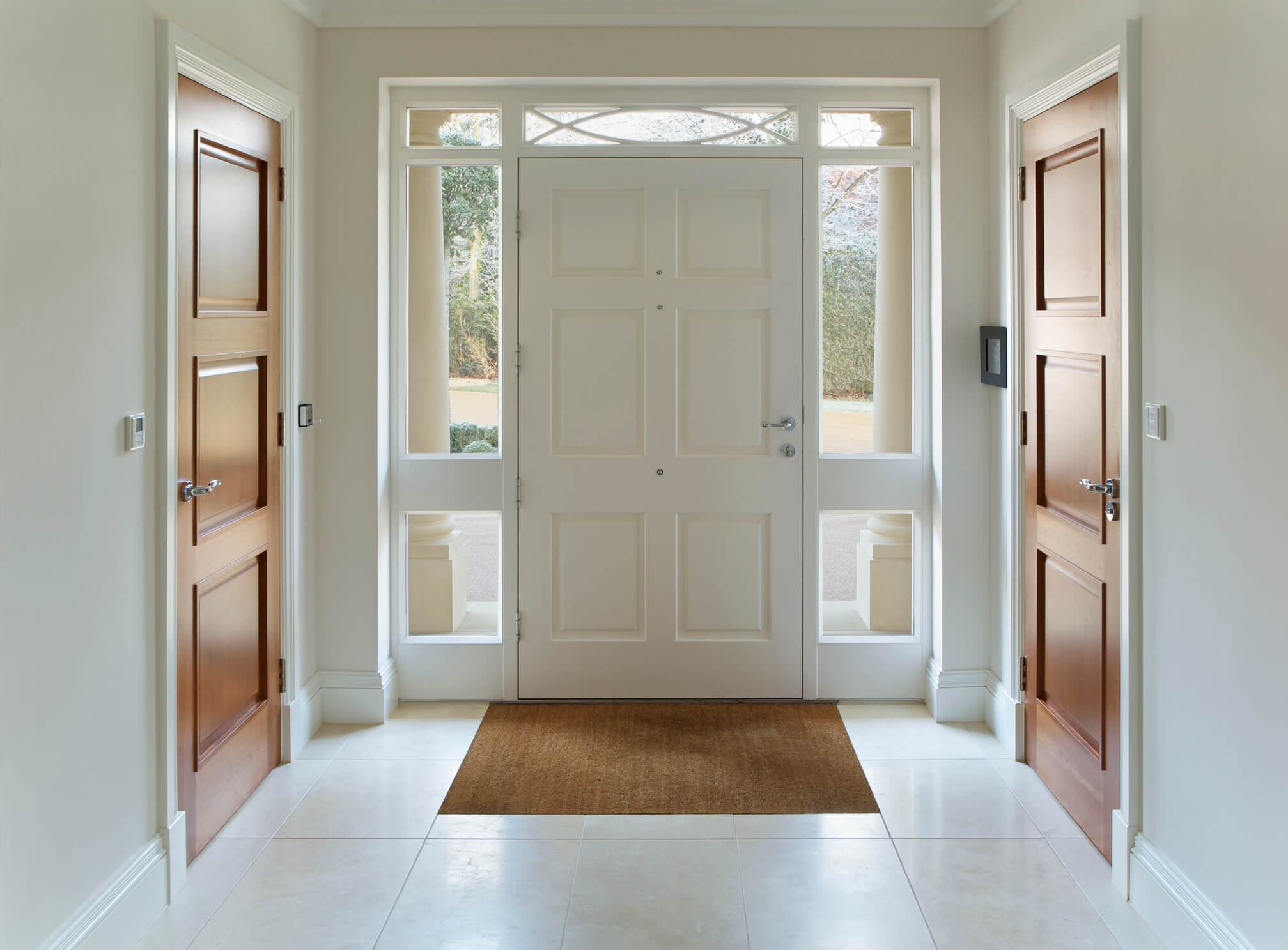

Door alignment problems happen when a door no longer sits square in its frame. The most common causes are loose hinges, foundation settling, humidity changes, and improper installation. Signs include sticking, rubbing, uneven gaps between the door and frame, difficulty latching, and drafts. Left alone, a misaligned door wastes energy, weakens your home's security, and can cause long-term damage to the frame and surrounding walls.
In this article, we explain every cause of door misalignment, how to identify what is going wrong, when a simple fix will work, and when full replacement is the better option. Whether it is an entry door, sliding glass door, or interior door, the principles are the same. A door that does not close properly is telling you something, and knowing what to look for saves you time, money, and frustration.
Door Alignment Problems: What Causes Them and How to Spot Them
Door alignment problems are caused by five main issues: loose or worn hinges, foundation settling, humidity and temperature changes, improper installation, and heavy or repeated use over time. According to CS Doors, misaligned doors often result from settling foundations, loose hinges, or improper installation, and small changes in humidity or temperature can make the problem worse.
The global doors market is expected to grow from 150.52 billion dollars in 2024 to 164.69 billion dollars in 2025, a 9.4 percent compound annual growth rate, according to a global market report cited by Gladiator Window and Doors. That growth is driven in part by construction, renovations, and increased emphasis on energy efficiency. As more homeowners invest in quality doors, knowing how to maintain alignment becomes even more valuable.
A properly aligned door has consistent gaps on all sides, roughly the thickness of a nickel. If the gaps are wider at the top than the bottom, or the door touches the frame on one side, you have an alignment issue. We see these problems often on impact doors and standard doors alike, and catching them early prevents much bigger repairs later.
Why Is My Door Misaligned All of a Sudden?
Your door is misaligned all of a sudden because something has shifted. The most common sudden cause is foundation movement. According to The Basement Doctor, foundation settlement occurs when soil beneath the home shifts, expands, or compacts due to moisture and seasonal changes. This pulls door and window frames out of square and causes closure issues that seem to appear overnight.
Sudden humidity spikes can also cause rapid misalignment, especially with wood doors. According to Door Guys NYC, wood absorbs moisture in high humidity, causing it to swell. This makes the door stick or become harder to open. When the humidity drops, the wood may shrink back, but prolonged exposure can cause permanent warping.
If multiple doors and windows in your home are suddenly sticking at the same time, that is a red flag for foundation movement, not just a hinge problem. According to EXOVATIONS, this situation warrants a foundation inspection. A single door that starts sticking after a season change is more likely a humidity or hinge issue.
What Does a Misaligned Door Look Like?
A misaligned door looks like a door with uneven gaps between the door and the frame. The gap may be wider at the top than the bottom, or the door may visibly lean to one side. According to Armor Concepts, other visible signs include scratches or scuff marks on the frame where the door rubs, gaps that let light through when the door is closed, and a latch that no longer lines up with the strike plate.
You can check alignment by closing the door and looking at the gap around all four sides. The spacing should be uniform. If one corner is tight while the opposite corner has a large gap, the door has shifted. According to Plastpro, a useful test is the "lipstick test": mark the edge of the latch with lipstick, close the door, and see where the mark lands on the strike plate. If it is more than an eighth of an inch off, the alignment needs correction.
On exterior doors, you may also notice drafts, increased outside noise, or daylight visible around the edges. All of these point to gaps that compromise both comfort and security.
What Are the Common Causes of Door Misalignment?
Loose or Worn Hinges
Loose or worn hinges are the single most common cause of door misalignment. Over time, the screws that hold hinges in place loosen from repeated use, allowing the door to sag. According to CS Doors, regular use can loosen screws and shift the door slightly, causing gaps or rubbing. Metal fatigue from years of opening and closing can also bend or warp the hinge plates themselves.
A standard interior door hinge can last 15 to 20 years under normal use, but high-traffic doors like those leading to a backyard, garage, or main hallway wear out faster. According to Armor Concepts, high-traffic doors are more susceptible to misalignment due to frequent use. Heavier doors, like solid wood or impact-rated entry doors, put even more stress on hinges over time, which is why hinge quality matters just as much as the door itself.
Foundation Settling
Foundation settling is a more serious cause of door alignment problems. All homes settle to some degree, especially in the first few years after construction. As the foundation shifts, it pulls the door frame out of square, causing the door to stick, rub, or refuse to latch. According to Anchor Foundation Repair, foundation-related door issues are common in homes with slab foundations as well as crawl space types.
According to The Basement Doctor, misaligned frames caused by foundation settling can let in drafts responsible for up to 35 percent of a home's total heat loss. Expansive or clay-heavy soils, poor drainage, and improper grading are the main culprits behind foundation movement. If you notice cracks in drywall, sloping floors, or gaps around multiple doors and windows at the same time, foundation settling is the most likely cause.
Humidity and Temperature Changes
Humidity and temperature changes affect wood doors the most. According to Door Guys NYC, wood expands in high humidity and shrinks in dry conditions. A door that closes perfectly in the dry winter months may stick badly during a humid summer. In South Florida, where humidity stays high for most of the year, wood doors are especially prone to swelling and warping.
Aluminum and fiberglass doors handle humidity much better because they do not absorb moisture. This is one reason why aluminum-framed sliding doors and fiberglass entry doors are popular choices in coastal and tropical climates. They maintain their shape year-round without the seasonal expansion and contraction that plagues wood.
Improper Installation
Improper installation is a leading cause of premature alignment failure. If the door was not shimmed, leveled, or secured correctly during installation, it will start to sag or stick within months or years. According to Armor Concepts, poor installation practices can cause misalignment issues that get worse over time. Common mistakes include using the wrong size screws, failing to anchor the frame to the studs, and not checking for plumb and level during installation.
This is why professional installation matters so much, especially for exterior doors and impact-rated systems. A properly installed door distributes weight evenly across all hinges, seats flush in the frame, and maintains a consistent seal around all four edges. We follow manufacturer specifications and building code requirements on every door fitting project to prevent alignment problems from the start.
What Are Signs of Hinge Problems?
The signs of hinge problems include squeaking or creaking when the door moves, visible gaps between the hinge plate and the door or frame, screws that spin freely without tightening, bent or corroded hinge leaves, and a door that sags noticeably toward the latch side. According to Manhattan Door, loose hinges are a common problem that naturally occurs over time due to consistent daily use.
Squeaky hinges can usually be fixed with a silicone-based lubricant applied directly to the hinge pin and pin slot. According to Door Guys NYC, applying silicone lubricant every few months reduces friction and allows smooth operation. Avoid oil-based lubricants because they attract dust and create buildup over time.
If the screw holes are stripped and the screws will not hold, you can fix minor cases by inserting a wooden toothpick or dowel dipped in wood glue into the hole before reinserting the screw. For more severe cases, replacing the existing screws with 3-inch screws that reach through the jamb and into the wall studs provides a much stronger hold. According to EXOVATIONS, this simple upgrade can pull a sagging door back into alignment without replacing the hinge itself.
Door Alignment Problem Causes and Solutions Table
Sources: CS Doors, EXOVATIONS, Armor Concepts, Door Guys NYC, The Basement Doctor, Anchor Foundation Repair, Manhattan Door, Plastpro, Royal View Windows
How to Fix a Door Alignment Issue
Fixing a door alignment issue starts with identifying the root cause. According to EXOVATIONS, you should begin with the simplest fix first. Open the door and check all the screws on both the door-side and frame-side hinges. Tighten any loose screws. If a screw spins freely, the hole is stripped. Remove the screw, dip a wooden toothpick in wood glue, insert it into the hole, let it dry, and then reinsert the screw.
If tightening the screws does not solve the problem, check whether the door needs to be shimmed. According to Burano Doors, inserting cardboard shims behind a hinge can shift the door slightly to eliminate rubbing. If the door rubs at the top on the latch side, placing a shim behind the bottom hinge pushes the bottom of the door toward the frame and pulls the top away.
For strike plate issues, loosen the screws and tap the plate up or down with a screwdriver and hammer to realign it with the latch. According to Plastpro, you will know the door is properly aligned when the gap between the door and frame is evenly spaced from top to bottom.
When Door Alignment Problems Mean You Need a New Door
Door alignment problems mean you need a new door when the frame itself is warped, the door is permanently bowed, or the underlying cause is structural and cannot be fixed with hinge adjustments. According to CS Doors, if the door rubs against the frame, appears warped, or no longer seals even after adjustment, professional repair or full replacement may be needed.
Exterior doors that have lost their seal are a serious concern in hurricane-prone areas. A storm-rated door that does not close flush allows wind-driven rain, debris, and pressure changes to enter the home during a storm. According to the U.S. Department of Energy, heat loss and heat gain through doors and windows account for 25 to 30 percent of residential heating and cooling energy use. A misaligned exterior door magnifies that loss significantly.
When replacement is the right call, upgrading to an impact-rated door solves the alignment problem and gives you hurricane protection, energy efficiency, and security in one step. Homeowners across South Florida choose hurricane-rated doors for exactly this reason.
We install these systems with reinforced frames, corrosion-resistant hardware, and precision installation that keeps the door aligned and sealed for decades.
How Door Alignment Affects Energy Efficiency
Door alignment directly affects energy efficiency because even small gaps around a misaligned door let conditioned air escape and outside air enter. According to CS Doors, a door that is not aligned correctly can leave small gaps along the edges that allow outside air to infiltrate and conditioned air to escape, even if the door looks closed. Over time, these gaps result in uneven temperatures and higher utility bills.
According to The Basement Doctor, misaligned frames can contribute to up to 35 percent of a home's total heat loss. In hot climates, the effect works in reverse: hot, humid air seeps in through gaps and forces your air conditioning to work harder. Either way, you pay more every month for the same level of comfort.
Properly aligned doors with intact weatherstripping maintain the thermal envelope of your home. This is especially important for large openings like French doors and sliding glass doors, where even a small gap across a wide span adds up to significant air leakage.
How Door Alignment Affects Home Security
Door alignment affects home security because a door that does not latch properly cannot be locked securely. According to Armor Concepts, a misaligned door compromises security by preventing the latch and deadbolt from fully engaging with the strike plate. This creates a vulnerable entry point that an intruder can exploit with minimal force.
According to CS Doors, a door that does not close or lock properly is one of the most commonly overlooked security risks in a home. The fix is not always a new lock. If the frame has shifted and the strike plate no longer lines up, the lock hardware cannot do its job regardless of how strong it is. Realigning the door or replacing it entirely is the only way to restore full security.
Impact-rated doors offer an additional layer of security because they are built with reinforced frames and laminated glass that resists forced entry. Even if someone tries to break in, the impact glass holds together and the frame resists being pried open.
Frequently Asked Questions
How Much Does It Cost to Fix a Misaligned Door?
The cost to fix a misaligned door ranges from almost nothing for a simple hinge tightening to a few hundred dollars for hinge replacement, shimming, or strike plate adjustment. If the frame needs to be rebuilt or the door replaced entirely, the cost increases depending on the door type and material. For exterior impact-rated doors, replacement provides both a fix and an upgrade that pays for itself through energy savings, insurance discounts, and storm protection.
Is It Hard to Realign a Door?
No, it is not hard to realign a door if the issue is minor. Tightening loose hinge screws takes just a few minutes with a screwdriver. Shimming a hinge or repositioning a strike plate is a bit more involved but still manageable for most homeowners. According to EXOVATIONS, most door alignment fixes only require a screwdriver, a level, and a few basic supplies. However, if the frame has shifted due to foundation movement or the door itself is warped, a professional should handle the repair.
What Is the Lifespan of a Door Hinge?
The lifespan of a door hinge is typically 15 to 20 years for a standard residential hinge under normal use. Heavy doors, high-traffic areas, and coastal environments with salt air exposure can shorten that lifespan. Stainless steel and marine-grade hinges last longer in harsh conditions. If your hinges are squeaking, sagging, or showing visible corrosion, it is time to replace them rather than continuing to tighten worn screws.
Why Is My Door Hitting the Frame Hinge Side Before It Closes?
Your door is hitting the frame on the hinge side before it closes because the hinges are set too deep into the mortise (the recessed area carved into the frame). This pushes the hinge side of the door too close to the frame. The fix is to add a thin cardboard shim behind the hinge to push the door slightly away from the frame on that side. According to EXOVATIONS, cardboard shims are an effective and inexpensive solution for this specific problem.
How to Fix a Door That Rubs on the Hinge Side?
To fix a door that rubs on the hinge side, first check whether the hinge screws are overtightened, pulling the door too close to the frame. If so, loosening them slightly and adding a thin shim behind the hinge plate corrects the issue. If the door has swelled from humidity, sanding or planing the edge where it contacts the frame can eliminate the friction. According to Manhattan Door, always sand in small stages and test the door between passes to avoid removing too much material.
Can a Misaligned Door Be a Sign of Foundation Problems?
Yes, a misaligned door can be a sign of foundation problems. According to Anchor Foundation Repair, if more than one door in your home is sticking or showing alignment issues at the same time, the cause is likely foundation settlement rather than individual hinge or hardware wear. Other signs of foundation issues include cracks in drywall, gaps above door frames, sloping floors, and windows that suddenly will not open or close properly.
How Do I Prevent Door Alignment Problems?
You prevent door alignment problems by inspecting and tightening hinge screws at least once a year, lubricating hinges with a silicone-based spray every few months, maintaining consistent indoor humidity levels, and choosing door materials that resist swelling and warping. According to Royal View Windows, simple annual maintenance prevents expensive repairs later and extends the life of the hinges, latch, and frame. For exterior doors in humid and storm-prone climates, choosing impact-rated aluminum or fiberglass doors eliminates most humidity-related alignment issues entirely.
Wrapping It Up
Door alignment problems range from a five-minute hinge tightening to a sign of serious foundation movement. The key is knowing what to look for. Uneven gaps, sticking, rubbing, and latching issues are the earliest warnings. If one door is acting up, start with the hinges and strike plate. If multiple doors and windows are affected at the same time, get the foundation checked. And if the door itself is warped, cracked, or no longer seals properly, replacement is the lasting fix.
A well-aligned door keeps your home comfortable, secure, and energy efficient. If you are dealing with door alignment issues that go beyond a simple adjustment, the team at ASP Windows and Doors can help. Call us at (888) 782-8342 for a free consultation and find out whether a repair or a full upgrade is the right move for your home.
Now Accepting Appointments
Proudly serving homeowners and businesses across South Florida and Southwest Florida. Book your visit and let our experts help protect and upgrade your space.
.avif)
.avif)
.avif)
%201.avif)
Insights & Resources
Stay informed with expert tips on impact windows, hurricane protection, and South Florida building standards.


%201.webp)
%201%20(1).webp)

%201.svg)
%201%20(1)%20(1).webp)
.png%20(1).webp)
.png.webp)
.avif)
.avif)


.avif)


.png)
.png)