.avif)


Types of Impact Glass Available
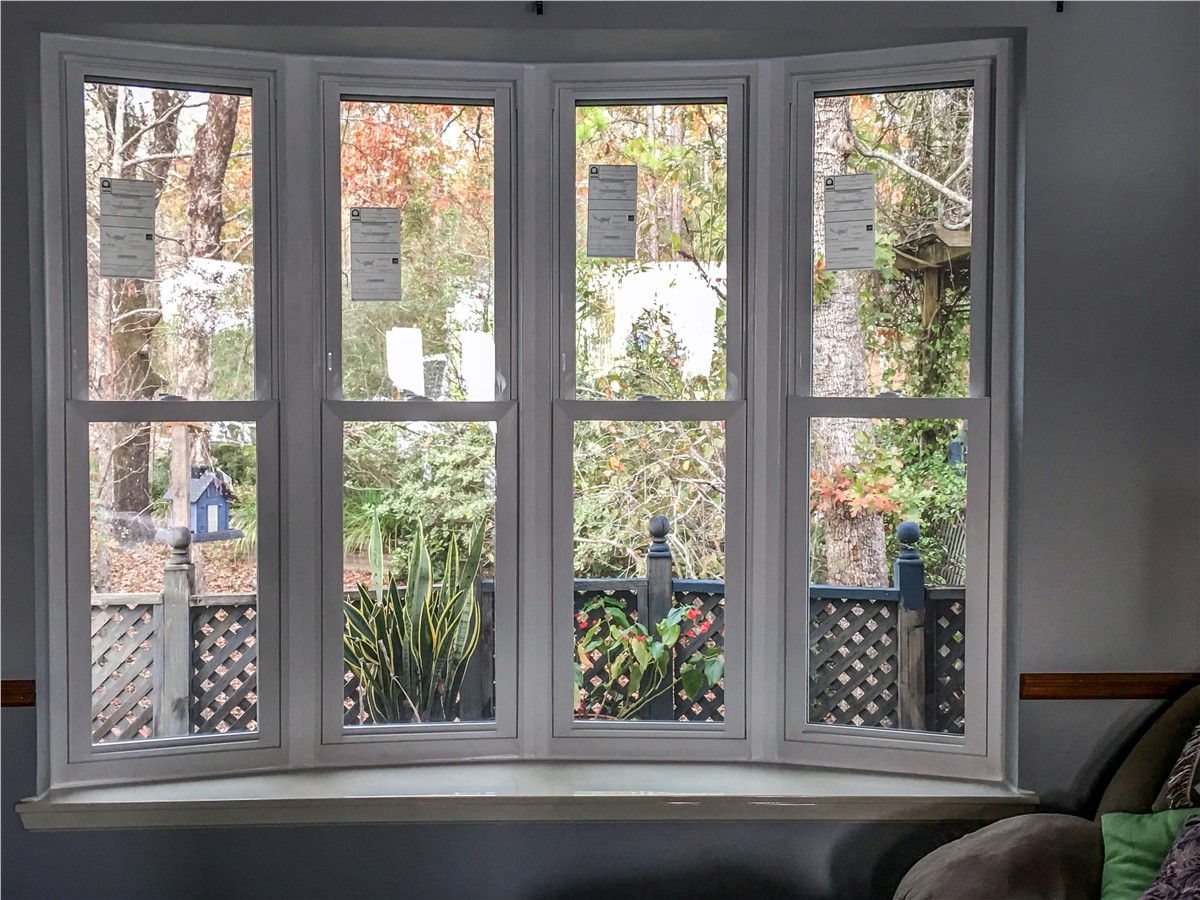

The main types of impact glass available are laminated glass, insulated laminated glass, Low-E coated glass, tinted glass, and specialty options like SGP interlayer glass and turtle glass. All of them use a laminated construction that holds together on impact, but they differ in energy performance, light transmission, noise reduction, and cost. Choosing the right type depends on where you live, which direction your windows face, and what matters most to you beyond storm protection.
In this article, we walk through every type of impact glass you can choose from. We explain how each one works, what makes it different, and when it is the right pick. Whether you are replacing windows on a home near the coast or upgrading a commercial property, this guide gives you the full picture so you can make a confident decision.
What Are the Different Types of Impact Glass?
The different types of impact glass are laminated glass, insulated laminated glass, Low-E glass, tinted glass, reflective glass, obscure or frosted glass, turtle glass, and premium interlayer options like SGP (SentryGlas Plus). All impact glass starts with a laminated base, which is two or more panes of glass bonded together with a plastic interlayer, usually PVB (polyvinyl butyral). From there, coatings, tints, gas fills, and interlayer upgrades are added to improve performance in specific areas.
According to Guardian Glass, hurricane impact glass must pass both a missile impact test and thousands of pressure cycles to earn its rating. The coatings and tints applied to the glass do not affect its ability to resist hurricane debris, but they significantly improve energy efficiency, comfort, and UV protection. The U.S. Department of Energy reports that windows account for 25 to 30 percent of residential heating and cooling energy use, which makes the glass type you choose a major factor in your monthly bills.
We offer every type of impact glass listed below, and we help homeowners match the right option to their specific property and goals.
Laminated Impact Glass
What Is Laminated Impact Glass?
Laminated impact glass is two panes of glass bonded together with a strong plastic interlayer, usually PVB. This is the same basic construction used in car windshields. When the glass is struck by debris, it may crack, but the interlayer holds the broken pieces in place and keeps the window sealed. This prevents wind, rain, and further debris from entering the home.
According to STS Impact Windows, all laminated impact glass offered for hurricane protection is certified through testing bodies like the Florida Building Code or the HVHZ protocols. The standard residential thickness is 5/16 inches, which consists of two 1/8-inch glass panes with a 0.060-inch PVB interlayer. This configuration provides a typical design pressure of +65/-65 psf, which translates to approximately 161 mph of wind resistance, according to Alcon Windows and Doors.
Laminated glass also blocks 99 percent of harmful UV rays, according to multiple manufacturer specifications. This protects furniture, flooring, and artwork from fading. It also reduces outside noise transmission, making it a popular choice even in areas where hurricanes are not a concern.
Insulated Laminated Impact Glass
What Is Insulated Laminated Glass?
Insulated laminated glass is a laminated impact glass unit paired with an additional pane of glass, separated by an air space or gas-filled cavity. This creates an insulated glass unit (IGU) that delivers both hurricane protection and superior energy performance. The air or gas space acts as a thermal barrier, slowing the transfer of heat between the outside and inside of your home.
According to Fab Glass and Mirror, the insulated version provides the same impact resistance as standard laminated glass while also improving energy efficiency and temperature control. When the cavity is filled with argon gas instead of regular air, the insulation improves even further. According to STS Impact Windows, argon gas has a very low leakage rate of only about 1 percent per year, so it maintains its performance for decades.
Insulated laminated glass is more expensive than standard laminated glass, but the energy savings add up quickly, especially in hot climates. We recommend this option for homeowners who want both impact windows and real control over their cooling costs.
Low-E Coated Impact Glass
What Is Low-E Glass on Impact Windows?
Low-E glass on impact windows is glass with a thin metallic coating applied to the internal surface. Low-E stands for low emissivity. The coating separates heat energy (long wave) from light energy (short wave) and reflects the heat back toward its source while letting visible light pass through. In the summer, it reflects outdoor heat away from your home. In the winter, it reflects indoor heat back inside.
According to CGI Windows, Low-E coatings are applied to the internal glass surface and can be used on both laminated and insulated laminated products. ENERGY STAR reports that certified windows with Low-E coatings can lower household energy bills by an average of up to 13 percent when replacing single-pane windows. In hot climates, the Solar Heat Gain Coefficient (SHGC) is the most important rating to watch. According to Assured Storm Protection, the lower the SHGC number, the more heat the glass blocks.
Low-E coatings do not affect the impact rating of the glass. You get the same hurricane protection with the added benefit of lower energy bills and a more comfortable indoor temperature. This is one of the most popular upgrades we install in glass glazing projects across our service area.
Tinted Impact Glass
What Are the Tint Options for Impact Glass?
The tint options for impact glass include gray, bronze, green, blue, and dark gray (sometimes called turtle gray). Tinted glass absorbs incoming solar radiation as it passes through the glass, reducing both heat and light transfer into the room. According to CGI Windows, tinted glass is likely the most cost-effective solution for combining energy efficiency with cost savings.
Gray and bronze tints reduce the penetration of both light and heat in equal amounts, according to CGI Windows. They also give the interior a neutral color tone. Green and blue tints allow more visible light to pass through but slightly reduce heat transfer compared to gray and bronze. However, green and blue tints can cast a noticeable color on the interior of the room.
Clear glass is also available but does not minimize heat transfer without a special coating or tint. For homeowners on a budget in warm climates, tinted laminated glass is an excellent starting point for energy savings without the higher cost of insulated glass or Low-E coatings.
Turtle Glass
What Is Turtle Glass for Impact Windows?
Turtle glass for impact windows is a very dark tinted glass, usually dark gray, designed to minimize the amount of artificial light that passes through the window and reaches the beach at night. This is required by Florida Building Code and local ordinances on oceanfront properties to protect sea turtle hatchlings. Newborn turtles navigate by moonlight, and bright indoor lighting from beachfront homes can disorient them and lead them away from the ocean.
According to SoFlo Impact Windows, turtle glass has the lowest visible transmittance (VT) rating of all tint options. PGT, one of the largest impact window manufacturers in the country, offers a dedicated Turtle Glass line specifically engineered for this purpose. If your home faces the water on the coast, turtle glass is not optional. It is a code requirement.
We work with homeowners on oceanfront properties across South Florida to make sure the right glass is specified for every opening. Getting this wrong can mean failing your building inspection and having to replace the glass at additional cost.
SGP (SentryGlas Plus) Interlayer
What Is SGP Impact Glass?
SGP impact glass uses a SentryGlas Plus interlayer instead of standard PVB between the glass panes. According to manufacturer specifications cited by SoFlo Impact Windows, SGP is about five times stronger and 100 times stiffer than PVB. This creates a glass assembly that holds together better after impact, resists sagging, and maintains its structural integrity under sustained wind pressure far longer than PVB-based products.
According to Assured Storm Protection, SGP interlayer glass is rated for cyclonic and extreme high-wind conditions. It is the preferred choice for glass balustrades, high-rise buildings, federal building facades, and any application where a stronger barrier is needed for storm protection or security. However, it does come at a premium, roughly 25 percent more than standard PVB laminated glass, according to Assured Storm Protection.
For most standard residential projects, PVB laminated glass meets all code requirements and provides Category 5 protection. SGP is the upgrade for homeowners who want the absolute highest level of performance or who have unusually large openings where extra stiffness matters.
Reflective Impact Glass
What Is Reflective Glass for Hurricane Windows?
Reflective glass for hurricane windows has a silver oxide or metallic coating that adds a mirror-like finish to the exterior surface. According to SoFlo Impact Windows, this coating blocks infrared (IR) radiation, which lowers the Solar Heat Gain Coefficient and keeps the home cooler through the hottest days of summer.
Reflective glass is especially useful on west-facing and south-facing windows that receive the most direct sunlight. It provides strong heat rejection without requiring a heavy tint, so the interior stays bright while the exterior reflects heat and glare. This type of glass is available in both laminated and insulated laminated configurations.
For commercial properties and impact storefronts, reflective glass offers the added benefit of daytime privacy. People outside see a mirror-like surface, while people inside can see out clearly.
Obscure and Frosted Impact Glass
What Is Obscure Impact Glass?
Obscure impact glass, also called frosted or white glass, is designed to let light in while making it difficult to see through the window. According to SoFlo Impact Windows, this is achieved through colored interlayers or textured glass surfaces. Common uses include bathroom windows, entry doors with glass panels, and cabana doors where privacy is needed without sacrificing natural light.
Obscure glass is available in several levels of opacity, from lightly frosted to fully opaque. It carries the same impact rating as clear laminated glass because the construction is identical. The only difference is the visual appearance. Homeowners who value privacy in certain rooms can choose obscure glass on select windows while using clear or tinted glass on the rest of the home.
Impact Glass Types Comparison Table
Sources: Guardian Glass, CGI Windows, STS Impact Windows, Fab Glass and Mirror, SoFlo Impact Windows, Assured Storm Protection, PGT Windows, ENERGY STAR, U.S. Department of Energy
What Are the 4 Types of Glass That Can Be Used in Windows?
The four types of glass that can be used in windows are annealed glass, heat-strengthened glass, tempered glass, and laminated glass. These four represent the base glass treatments before any coatings or tints are applied.
Annealed glass is standard, untreated glass. It is the weakest type and breaks into large, sharp shards. Heat-strengthened glass is annealed glass that has been heated to approximately 1,200 degrees Fahrenheit and force-cooled, making it roughly twice as strong, according to Custom Glass Products. Tempered glass undergoes the same heating but is cooled much faster, resulting in glass that is 4 to 5 times stronger than annealed glass, according to ASTM C1048 standards. Laminated glass bonds two or more of these glass types together with a PVB interlayer, creating the only type approved for hurricane protection.
Most impact window manufacturers use annealed laminated glass as the industry standard. Some premium manufacturers use heat-strengthened laminated glass for added crack resistance during shipping and installation. According to SoFlo Impact Windows, heat-strengthened glass is heated to about 1,200 degrees and force-cooled multiple times, producing glass with exceptional resistance to stress cracking.
What Is the Strongest Glass Used for Windows?
The strongest glass used for windows is laminated glass with an SGP interlayer and heat-strengthened lites. SGP is five times stronger and 100 times stiffer than standard PVB, according to manufacturer data. When paired with heat-strengthened glass, which is twice as strong as annealed, the resulting assembly offers the highest available strength for residential and commercial impact windows.
For pure breaking strength without lamination, fully tempered glass is the strongest single pane. According to Peerless Products, tempered glass achieves surface compression above 10,000 psi, making it 4 to 5 times stronger than annealed glass. However, tempered glass shatters completely when it fails, so it cannot be used alone for hurricane protection. Only laminated assemblies pass the required missile impact and pressure cycle tests.
For homeowners who want the strongest possible windows, we recommend impact glass with heat-strengthened lites and an SGP interlayer. This combination provides the best post-impact performance and the longest-lasting seal under sustained wind pressure.
Are Impact-Resistant Windows Worth the Cost?
Yes, impact-resistant windows are worth the cost. They protect against hurricane damage, reduce insurance premiums, lower energy bills, block UV rays, reduce outside noise, and increase home value. According to the Florida Department of Financial Services, homeowners can receive 10 to 45 percent off their windstorm insurance premiums for approved wind mitigation upgrades like impact windows.
According to NOAA, tropical cyclones have caused over 1.5 trillion dollars in total damage in the United States since 1980. Hurricane Helene in 2024 alone caused 78.7 billion dollars in damage, and Hurricane Milton that same year caused 34.3 billion dollars. A single storm can destroy unprotected windows and lead to catastrophic interior damage from pressurization and water intrusion. Impact windows prevent that envelope breach.
The energy savings are also significant. ENERGY STAR reports that certified windows save 101 to 583 dollars per year compared to single-pane windows. Over a 20-year lifespan, that adds up to thousands in savings on top of the insurance discounts. For homeowners in storm-prone areas, impact windows are one of the best long-term investments you can make.
How to Choose the Right Type of Impact Glass
Choosing the right type of impact glass starts with understanding your priorities. If your main goal is meeting code at the lowest cost, standard laminated glass with a tint is the most affordable option. If you want maximum energy savings, insulated laminated glass with a Low-E coating delivers the best performance. If noise is your biggest concern, thicker glass at 7/16 inches paired with an insulated unit provides the greatest sound reduction.
Your home's orientation also matters. Windows facing west and south take the most direct sunlight, so Low-E or reflective glass on those sides can cut cooling costs significantly. North-facing windows get the least heat, so clear or lightly tinted glass may be all you need there. According to CGI Windows, this selective approach lets you optimize performance without over-spending on glass upgrades where they are not needed.
Here in South Florida, we walk homeowners through each of these options during our free in-home consultations. Every home is different, and the right glass for a beachfront condo is not the same as the right glass for an inland single-family home. A custom design approach makes sure every dollar goes toward performance that actually benefits your property.
Frequently Asked Questions
What Is the Difference Between 5/16 and 7/16 Impact Glass?
The difference between 5/16 and 7/16 impact glass is the thickness of the glass panes and interlayer. In 5/16-inch glass, two 1/8-inch panes are bonded with a 0.060-inch PVB interlayer. In 7/16-inch glass, two 3/16-inch panes are bonded with a 0.090-inch interlayer. According to SoFlo Impact Windows, 7/16-inch glass provides higher design pressures and a 44 percent decrease in unwanted outside noise compared to 5/16-inch glass. The industry standard for the HVHZ is 5/16 inches.
What Is Type 1, Type 2, and Type 3 Glass?
Type 1, type 2, and type 3 glass refer to classifications used in various building code and safety standards. Type 1 generally refers to laminated glass, type 2 refers to tempered glass, and type 3 refers to wired glass. These classifications help architects and builders specify the correct glass for safety-rated applications. For hurricane protection specifically, only laminated glass (type 1) meets the required impact and pressure testing standards.
Can You Combine Low-E and Tinted Glass on Impact Windows?
Yes, you can combine Low-E and tinted glass on impact windows. According to Guardian Glass, tinted glass can be used in combination with Low-E coatings to further reduce glare and solar heat gain. This combination provides the strongest energy performance available in an impact window. It is especially effective on windows that face direct afternoon sun.
Does Clear Impact Glass Block UV Rays?
Yes, clear impact glass blocks UV rays. The PVB interlayer in laminated glass filters out approximately 99 percent of the sun's most damaging ultraviolet radiation, according to manufacturer specifications from Wincore Windows. This protection applies even without tints or coatings, making every impact glass option effective at preventing UV damage to your interior.
Is Insulated Laminated Glass Required by Code?
Insulated laminated glass is not always required by code, but some architects and local building departments do require it in certain situations. According to CGI Windows, insulated glass improves the performance of Low-E coatings and is sometimes specified for energy code compliance. In most standard residential applications, laminated glass without insulation meets the hurricane protection requirements of the Florida Building Code.
What Is the Best Impact Glass for Noise Reduction?
The best impact glass for noise reduction is insulated laminated glass at 7/16-inch thickness or greater. The combination of the PVB interlayer, the air or gas-filled cavity, and the thicker glass panes creates multiple barriers that dampen sound waves. According to Alco Impact, impact windows can reduce external noise by as much as 40 percent compared to standard single-pane windows.
Can I Use Different Types of Impact Glass on Different Windows?
Yes, you can use different types of impact glass on different windows throughout your home. Many homeowners use Low-E or reflective glass on sun-facing windows, clear glass on north-facing windows, obscure glass in bathrooms, and turtle glass on ocean-facing openings. According to CGI Windows, this selective approach lets you optimize energy performance and cost without upgrading every window to the same specification.
Putting It All Together
Every type of impact glass starts with the same laminated core that holds together during a hurricane. From there, the coatings, tints, interlayers, and insulation options you choose determine how your windows perform the other 364 days of the year. Low-E glass cuts your cooling bills. Tinted glass reduces glare on a budget. Insulated laminated glass delivers the best all-around energy performance. SGP interlayer glass provides maximum strength for the most demanding applications.
The smartest approach is to mix and match based on which direction each window faces and what each room needs. That is exactly how we work with homeowners at ASP Windows and Doors. If you are ready to explore your options, call us at (888) 782-8342 for a free estimate and a personalized glass recommendation for every window in your home.
Now Accepting Appointments
Proudly serving homeowners and businesses across South Florida and Southwest Florida. Book your visit and let our experts help protect and upgrade your space.
.avif)
.avif)
.avif)
%201.avif)
Insights & Resources
Stay informed with expert tips on impact windows, hurricane protection, and South Florida building standards.


%201.webp)
%201%20(1).webp)

%201.svg)
%201%20(1)%20(1).webp)
.png%20(1).webp)
.png.webp)
.avif)
.avif)


.avif)


.png)
.png)