.avif)


Impact Glass Strength Comparison
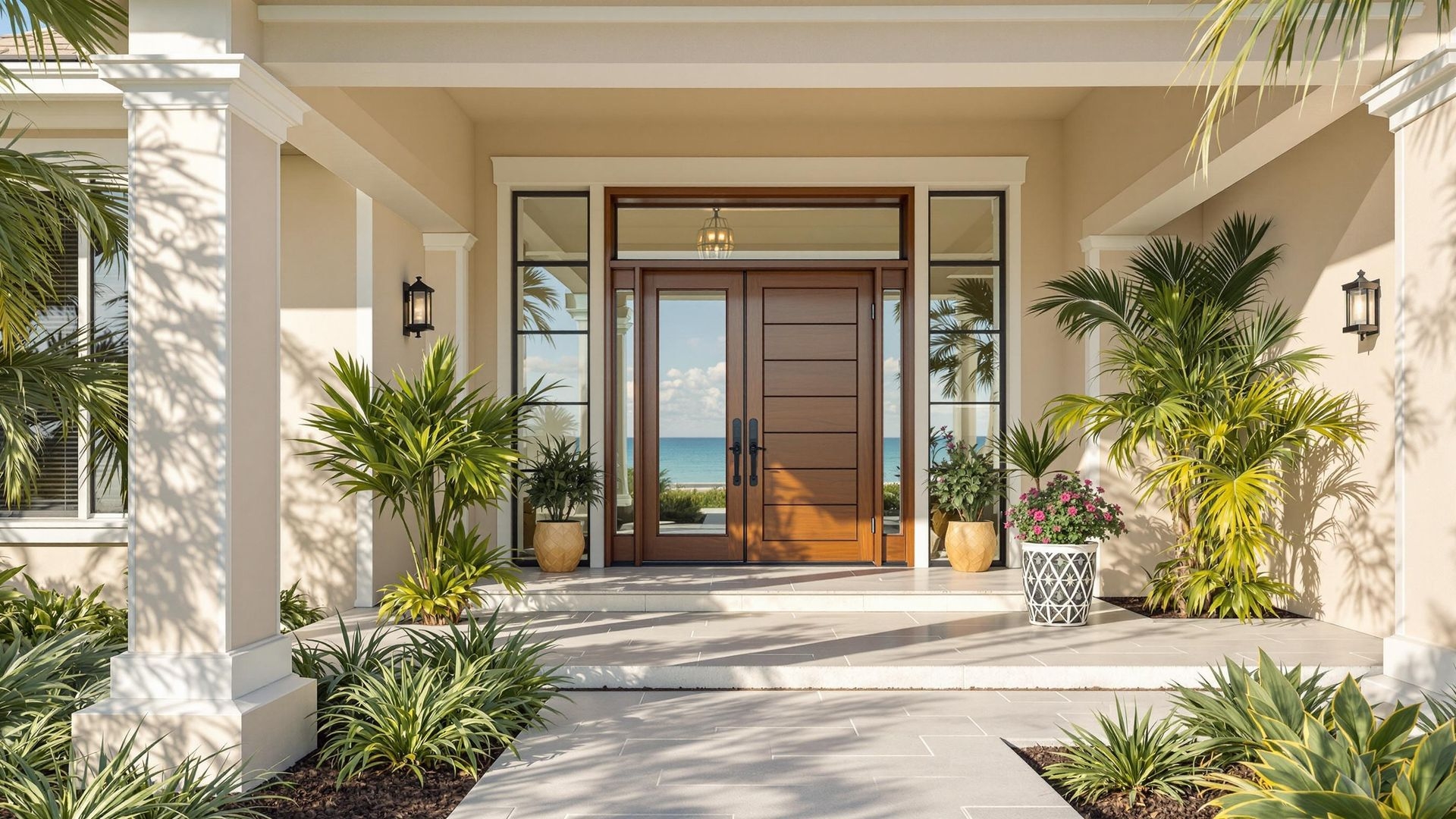

Impact glass strength varies by glass type, thickness, interlayer material, and how the glass is treated during manufacturing. Laminated impact glass is the strongest option for hurricane protection because it holds together even after being struck by debris, while tempered glass and standard annealed glass shatter and fail under the same conditions. The difference between these glass types can be the difference between a home that survives a storm and one that does not.
In this article, we compare every type of impact glass side by side. We cover laminated glass, tempered glass, insulated laminated glass, and the different interlayer materials like PVB and SGP. We also explain how thickness, design pressure ratings, and testing standards affect real-world strength so you can make the right choice for your home.
How Does Impact Glass Strength Compare Across Different Types?
Impact glass strength varies significantly across different types. Standard annealed glass is the weakest and breaks into large, dangerous shards on impact. Tempered glass is about 4 to 5 times stronger than standard glass, according to USA Windows and Doors, but it still shatters completely when it fails. Laminated impact glass is the strongest because even when the glass cracks, the plastic interlayer holds the broken pieces in place and keeps the window sealed.
This matters during a hurricane because the goal is not just to resist the initial hit. The glass must stay in the frame and hold back wind and rain for the entire duration of the storm. According to Guardian Glass, hurricane impact glass must pass both a missile impact test and thousands of cycles of positive and negative pressure to earn its rating. Tempered glass alone cannot pass these tests, which is why it does not qualify as hurricane-rated glazing in Florida.
According to NOAA, tropical cyclones have caused over 1.5 trillion dollars in total damage in the United States since 1980, with an average cost of 23 billion dollars per event. That kind of destruction is exactly why building codes in coastal areas require impact glass rather than standard or tempered alternatives.
What Are the Strongest Impact Windows?
The strongest impact windows use laminated glass with an SGP (SentryGlas Plus) interlayer, heat-strengthened glass lites, and a thermally broken aluminum frame. According to manufacturer specifications cited by SoFlo Impact Windows, SGP interlayers are about five times stronger and 100 times stiffer than standard PVB. Windows with SGP interlayers can roughly double the design pressure rating of the window system compared to the same configuration with PVB.
Heat-strengthened glass also plays a major role in overall strength. According to Assured Storm Protection, heat-strengthened glass is roughly twice as strong as standard annealed glass and performs better than fully tempered glass in laminated assemblies because it holds together more effectively under sustained pressure after impact.
The frame matters too. Aluminum frames offer the highest structural rigidity, which supports heavier glass and achieves higher design pressure ratings. We install systems where the frame, glass, and interlayer all work together to meet and exceed the toughest building codes in the country, including the TAS 201, 202, and 203 testing protocols used in Florida's High Velocity Hurricane Zone.
Can Impact Windows Withstand Category 5?
Yes, certain impact windows can withstand the wind pressures associated with a Category 5 hurricane. A Category 5 storm starts at 157 mph on the Saffir-Simpson scale. Impact windows with a Design Pressure (DP) rating of 50 or higher are tested to resist wind pressures that correspond to Category 5 conditions, according to ASTM testing protocols.
It is important to know that "Category 5 rated" is a marketing term, not an official certification. No testing body, including ASTM or the Florida Building Code, certifies windows by hurricane category. Instead, windows earn a DP rating measured in pounds per square foot. According to SoFlo Impact Windows, a DP rating of 50 means the window passed structural testing at 75 pounds per square foot, which translates to roughly 200 mph of wind resistance.
After the devastation caused by Hurricane Andrew in 1992, most new construction in Florida's HVHZ requires a minimum DP rating of 60, according to A1 Windows and Doors. That is well above the Category 5 threshold. We recommend impact windows that meet or exceed these standards for every home in a hurricane zone.
What Are the Different Grades of Impact Windows?
The different grades of impact windows are defined by their missile impact level and design pressure rating. ASTM E1996 breaks impact testing into categories A through E. According to ASTM International, Level D windows withstand a 9-pound 2x4 projectile fired at 50 feet per second and are the standard for most residential impact windows in the High Velocity Hurricane Zone (HVHZ). Level C windows withstand a 4-pound 2x4 at 40 feet per second and apply to glazing above 30 feet.
Beyond the missile test, the Design Pressure rating determines the grade of wind resistance. According to SoFlo Impact Windows, every 10 points on the DP scale roughly corresponds to one hurricane category. A DP 30 handles Category 3 conditions. A DP 40 handles Category 4. A DP 50 handles Category 5. The higher the number, the stronger the window.
The Performance Grade (PG) rating system provides another layer of classification. All true impact-resistant windows in the HVHZ carry a minimum PG rating of 50, which confirms they can handle Category 5 wind pressures. Homeowners should always ask for both the DP and PG ratings when comparing products. The grade of impact glass you choose directly affects how your home performs during a storm.
What Is the Difference Between 5/16 and 7/16 Impact Glass?
The difference between 5/16 and 7/16 impact glass is the thickness of the glass lites and the resulting performance. Both thicknesses use two panes of glass bonded with a PVB interlayer. In 5/16-inch glass, each pane is 1/8 of an inch thick with a 0.060-inch interlayer. In 7/16-inch glass, each pane is 3/16 of an inch thick, typically with a 0.090-inch interlayer, according to SoFlo Impact Windows.
The industry standard for impact windows in the HVHZ is 5/16 inches. This thickness provides a typical design pressure of +65/-65 psf, which translates to approximately 161 mph of wind resistance, according to Alcon Windows and Doors. That exceeds the Category 5 threshold of 157 mph.
The 7/16-inch option offers higher design pressures for larger openings and provides a 44 percent decrease in unwanted outside noise compared to 5/16-inch glass, according to SoFlo Impact Windows. For homes near highways, airports, or busy streets, thicker glass is worth the upgrade even when the extra strength is not structurally required. We help homeowners across South Florida weigh these tradeoffs during our free in-home consultations.
What Is the Best Thickness for Impact Windows?
The best thickness for impact windows depends on the location, size of the opening, and the homeowner's goals. For most residential homes in a High Velocity Hurricane Zone, 5/16-inch laminated glass meets all code requirements and provides reliable protection against Category 5 wind pressures.
For homes on the coast, in high-rise buildings, or with extra-large window openings, 7/16-inch glass or thicker is the better choice. Large sliding doors with wide glass panels often benefit from the added thickness. According to Impact Windows Center, hurricane-prone areas benefit from a minimum thickness of 7/16 inches for the most reliable protection. Thicker glass also improves energy efficiency because denser glass provides better insulation, reducing the load on your cooling system.
The interlayer thickness matters just as much as the glass thickness. According to Oldcastle BuildingEnvelope, small missile performance typically requires a minimum 0.060-inch PVB interlayer, while large missile performance up to about 25 square feet usually calls for a 0.090-inch PVB interlayer. Upgrading from PVB to SGP at any thickness provides a major jump in stiffness and post-breakage strength. Your custom design should factor in all of these variables.
Impact Glass vs. Tempered Glass: Which Is Stronger?
Impact glass is stronger than tempered glass for hurricane protection. Tempered glass is roughly 4 to 5 times stronger than standard annealed glass, but when it fails, it shatters into thousands of small pieces and leaves the opening completely exposed. Impact glass, which is laminated, may crack on impact but the interlayer keeps the glass held together in the frame. This prevents wind and debris from entering the home.
According to Renuity, tempered glass does not meet Florida's hurricane standards and cannot replace impact-resistant glazing. It improves safety in non-storm situations by breaking into small, dull pieces instead of sharp shards, but it does not maintain the building envelope during a hurricane. That is the critical difference.
In Florida's building code, the HVHZ requires large missile impact testing that tempered glass alone cannot pass. The glass must survive a 9-pound 2x4 fired at 34 mph and then endure thousands of pressure cycles afterward. Only laminated glass with an approved interlayer can meet that standard. For commercial impact glass and residential applications alike, laminated is the only code-compliant option in wind-borne debris regions.
How Does an SGP Interlayer Compare to Standard PVB?
An SGP (SentryGlas Plus) interlayer is dramatically stronger than standard PVB (polyvinyl butyral). According to manufacturer specifications, SGP is about five times stronger and 100 times stiffer than PVB. This extra rigidity means the glass holds together better after impact, resists sagging, and maintains structural integrity under sustained wind pressure far longer than PVB-based assemblies.
PVB is the standard interlayer used in most residential impact windows and has been the industry workhorse for decades. It performs well for typical residential applications and meets all Florida Building Code requirements at standard thicknesses. SGP is the premium upgrade. It is particularly valuable in larger openings, higher floors like those in high-rise buildings, and commercial projects where design pressures are more extreme.
According to Assured Storm Protection, windows with SGP interlayers can roughly double the PSF rating of the window system compared to the same glass with PVB. For homeowners who want the highest level of protection available, SGP is the clear choice. We offer both options across our residential and commercial impact window lines so you can choose the right level for your project.
Is .27 a Good U-Factor for Windows?
Yes, a U-factor of 0.27 is a good rating for windows. The U-factor measures how well a window prevents heat from passing through it. Lower numbers mean better insulation. According to the U.S. Department of Energy, ENERGY STAR certified windows in the Southern climate zone must have a U-factor of 0.30 or lower. A U-factor of 0.27 beats that requirement, which means the window provides above-average insulation for warm climates.
For impact windows specifically, achieving a low U-factor usually comes from combining laminated glass with a Low-E coating and an insulated glass unit (IGU). The IGU creates an air space, often filled with argon gas, between the impact-rated outer lite and the inner lite. This combination delivers hurricane protection, energy efficiency, and noise reduction all in one package.
According to ENERGY STAR, certified windows can lower household energy bills by an average of up to 13 percent compared to single-pane windows. Choosing glass glazing with a strong U-factor maximizes those savings, especially in hot, sunny climates where cooling costs make up a large share of the energy bill.
Impact Glass Strength Comparison Table
Sources: Guardian Glass, USA Windows and Doors, Renuity, Assured Storm Protection, SoFlo Impact Windows, Oldcastle BuildingEnvelope, ASTM International, U.S. Department of Energy
How Impact Glass Testing Works
Impact glass testing follows strict protocols established by ASTM International and enforced by local building codes. The two primary tests are the missile impact test and the cyclic pressure test. Both must be passed in sequence for the glass to earn an impact-resistant rating.
In the large missile impact test, a 9-pound 2x4 piece of lumber is launched at 50 feet per second (about 34 mph) at the center of the window, and then again at the corner. If both strikes fail to penetrate the glass, the window passes the first phase. According to Max Guard Hurricane Windows, the window is then subjected to pressure testing where air pressure simulates winds of up to 200 mph. The test pressure must reach 1.5 times the design pressure for 10 seconds without permanent failure.
In Florida's HVHZ, products must also pass Florida Building Code tests TAS 201, TAS 202, and TAS 203. According to Guardian Glass, these tests verify that the glazing system, including glass, frame, and anchorage, can resist both impact and high wind pressure. Passing all three earns the product a Notice of Acceptance (NOA), which is recognized as the gold standard in hurricane protection.
How Impact Windows Reduce Insurance Costs
Impact windows can significantly reduce homeowner insurance premiums, particularly in hurricane-prone states. According to the Florida Department of Financial Services, policyholders can receive up to 10 to 45 percent off their windstorm insurance premiums for approved wind mitigation upgrades like impact windows and fortified roofs.
Florida homeowners typically save 200 to 800 dollars annually on insurance premiums after installing impact windows, according to Florida Window and Door Solutions. The exact savings depend on the insurance provider, the home's location, and whether all openings are protected with impact-rated products. To qualify for the maximum discount, most insurers require a certified wind mitigation inspection confirming that all windows, entry doors, and skylights meet code.
Beyond insurance savings, impact windows also reduce long-term repair costs after storms. According to NOAA, Hurricane Milton in 2024 caused an estimated 34.3 billion dollars in damage, and Hurricane Helene the same year caused 78.7 billion dollars. Homes with properly rated impact glass and frames are far less likely to suffer the kind of envelope breach that leads to catastrophic interior damage.
How Noise Reduction Relates to Impact Glass Strength
Noise reduction is a direct byproduct of impact glass strength. The same thickness and interlayer that make the glass strong enough to resist hurricane debris also block sound waves from entering the home. According to Alco Impact, impact windows can decrease external noise by as much as 40 percent compared to standard single-pane windows.
Upgrading from 5/16-inch to 7/16-inch laminated glass provides an additional noise reduction benefit. According to SoFlo Impact Windows, 7/16-inch glass can reduce unwanted outside noise by 44 percent. For homeowners near airports, busy roads, or construction zones, this is a meaningful quality-of-life improvement on top of the storm protection.
Insulated laminated glass units (IGUs) provide even better sound dampening because the air space between the two glass layers acts as an additional barrier. Pairing laminated impact glass with a Low-E coating also cuts down on heat gain, which means lower energy bills and a quieter, more comfortable home year-round.
We install impact doors with the same laminated and insulated glass options for a fully sealed, quiet home.
Frequently Asked Questions
Is Tempered Glass Hurricane Proof?
No, tempered glass is not hurricane proof. Tempered glass is roughly 4 to 5 times stronger than standard glass, but it shatters completely when it fails and leaves the opening exposed to wind and rain. According to Renuity, tempered glass does not meet Florida's hurricane standards and cannot replace impact-resistant laminated glazing. Only laminated glass with an approved interlayer passes the required missile impact and pressure cycle tests.
What Is the Difference Between Laminated and Insulated Laminated Glass?
The difference between laminated and insulated laminated glass is the addition of an air space. Laminated glass consists of two glass panes bonded with a plastic interlayer. Insulated laminated glass adds a second glass layer separated by an air gap, usually filled with argon gas, creating a full insulated glass unit (IGU). According to Fab Glass and Mirror, the insulated version provides the same impact resistance as standard laminated glass while also improving energy efficiency and temperature control.
What Is the 25% Glazing Rule?
The 25% glazing rule refers to a guideline in some energy codes that limits the total window area to 25 percent of the home's total wall area for maximum energy efficiency. When a home's glazing exceeds that ratio, additional performance requirements may apply to the glass, such as lower U-factor and Solar Heat Gain Coefficient (SHGC) ratings. This rule varies by jurisdiction and building code version, so homeowners should check local requirements when planning large window installations.
What Design Pressure Rating Do I Need for My Home?
The design pressure rating you need depends on your home's location, height, and exposure. In most of Florida's Wind-Borne Debris Region, a minimum DP of 35 to 45 is required. In the HVHZ, a minimum DP of 50 to 60 is standard. According to A1 Windows and Doors, most new construction in the strictest zones requires a minimum DP of 60 to withstand Category 5 conditions. Always verify requirements with your local building department.
Do Impact Windows Block UV Rays?
Yes, impact windows block UV rays. The PVB interlayer in laminated impact glass filters out the vast majority of harmful ultraviolet radiation. According to Pella Corporation, some impact glass configurations block up to 99.7 percent of UV rays. This protects furniture, flooring, and artwork from fading while also reducing heat gain inside the home.
How Long Do Impact Windows Last?
Impact windows last 20 to 30 years or more with proper installation and maintenance. The laminated glass itself does not degrade significantly over time, but seals, hardware, and weatherstripping may need attention after 15 to 20 years. Regular inspections and cleaning help extend the life of the system. High-quality hurricane windows paired with professional installation deliver the longest service life.
Are All Impact Windows the Same Strength?
No, all impact windows are not the same strength. Strength varies based on glass thickness, interlayer type (PVB vs. SGP), glass treatment (annealed vs. heat-strengthened), frame material (aluminum vs. vinyl), and the size of the window opening. A window with 7/16-inch heat-strengthened glass, an SGP interlayer, and an aluminum frame will be significantly stronger than a window with 5/16-inch annealed glass, a PVB interlayer, and a vinyl frame. Always compare DP and PG ratings, not just the manufacturer's marketing claims.
The Takeaway
Not all impact glass is created equal. The type of glass, the interlayer material, the thickness, and the frame all work together to determine how strong a window really is. Laminated impact glass with a PVB or SGP interlayer is the only type that meets hurricane building codes, and within that category, there is a wide range of performance levels. Understanding design pressure ratings, interlayer differences, and glass treatments helps you choose a system that truly protects your home rather than just checking a box.
Here in South Florida, we see the consequences of underbuilt windows after every major storm. The right glass and frame combination gives you peace of mind, lower insurance premiums, reduced noise, and better energy efficiency all at once. If you want help choosing the right impact glass for your home, reach out to ASP Windows and Doors at (888) 782-8342 for a free estimate and expert guidance.
Now Accepting Appointments
Proudly serving homeowners and businesses across South Florida and Southwest Florida. Book your visit and let our experts help protect and upgrade your space.
.avif)
.avif)
.avif)
%201.avif)
Insights & Resources
Stay informed with expert tips on impact windows, hurricane protection, and South Florida building standards.


%201.webp)
%201%20(1).webp)

%201.svg)
%201%20(1)%20(1).webp)
.png%20(1).webp)
.png.webp)
.avif)
.avif)


.avif)


.png)
.png)