.avif)


Window Frame Material Differences
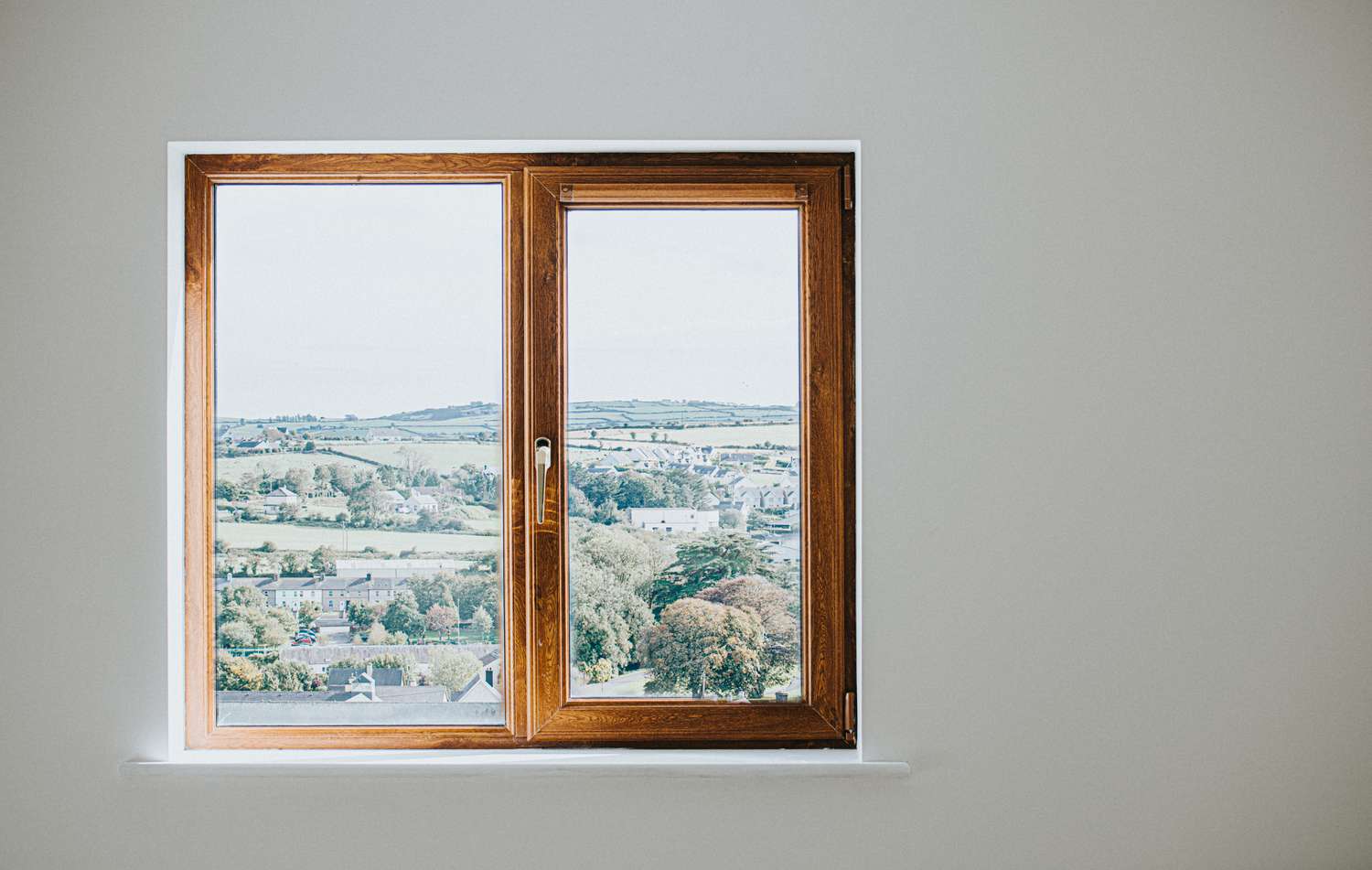

Window frame materials differ in strength, energy efficiency, lifespan, and maintenance needs. The four most common options are vinyl, aluminum, fiberglass, and wood, and each one performs differently depending on your climate, budget, and long-term goals. Picking the wrong frame can lead to higher energy bills, faster wear, and costly replacements down the road.
In this article, we break down how each window frame material compares. We cover durability, thermal performance, maintenance, cost, and which materials work best in hot, humid, and storm-prone areas. Whether you are replacing old windows or building new, this guide gives you the facts you need to choose with confidence.
What Are the Key Window Frame Material Differences?
The key window frame material differences come down to four things: how well the frame insulates, how long it lasts, how much care it needs, and what it costs. According to the U.S. Department of Energy, the frame material directly affects a window's overall energy efficiency, particularly its U-factor, which measures heat loss. Vinyl, wood, fiberglass, and some composite frames all provide better thermal resistance than metal or aluminum.
Vinyl frames are made from PVC and are popular because they resist moisture, do not need painting, and cost less up front. Aluminum frames are lightweight and very strong, making them ideal for large openings and commercial buildings, but they conduct heat rapidly without a thermal break. Fiberglass frames combine the strength of aluminum with the insulating power of wood, and they expand and contract less than vinyl. Wood frames look beautiful and insulate well, but they demand regular painting, staining, and sealing to prevent rot.
The global vinyl windows market reached approximately 36.2 billion dollars in 2024, according to Growth Market Reports, showing just how dominant vinyl has become in the industry. Yet fiberglass is gaining ground fast. A 2025 survey by This Old House found that 38.6 percent of homeowners who recently replaced windows chose fiberglass frames, surpassing vinyl at 28.4 percent.
What Window Frame Material Is Best?
The best window frame material depends on your priorities. If you want the lowest upfront cost and easy care, vinyl is the best choice. If you want maximum durability, energy efficiency, and the longest lifespan, fiberglass is the best overall material. Aluminum is best for strength and slim profiles, especially in commercial or modern designs. Wood is best for traditional beauty and natural insulation, but only if you are willing to maintain it.
According to the U.S. Department of Energy, fiberglass window frames are dimensionally stable and have air cavities that can be filled with insulation, giving them superior thermal performance compared to wood or uninsulated vinyl. That is why fiberglass consistently ranks at the top for overall performance.
For homeowners in hurricane-prone regions, material choice matters even more. These areas need frames that can handle extreme wind loads, salt air, and intense UV exposure. Aluminum with thermal breaks remains a popular choice here because of its structural strength, while fiberglass handles heat and moisture without warping or corroding.
How Long Do Vinyl Windows Last Compared to Other Materials?
Vinyl windows last approximately 20 to 40 years, depending on quality and climate. Higher-end vinyl frames with reinforced chambers and UV stabilizers can push closer to the 40-year mark, while budget vinyl in extreme heat may start deteriorating sooner. According to a study cited by Euroline Steel Windows, a Phoenix subdivision found that 70 percent of standard vinyl windows were replaced by year 28 due to UV-caused embrittlement.
In comparison, fiberglass windows last 30 to 50 years or longer. Aluminum frames typically last 20 to 30 years in coastal environments, though they can last longer inland where salt air is not a factor. Wood windows have a lifespan of 15 to 30 years, but regular maintenance like sealing and painting can extend that.
For impact windows in areas with intense sun and storms, the frame material is just as important as the glass. A frame that warps, cracks, or corrodes over time will compromise the seal and reduce protection.
Is Fiberglass Stronger Than Vinyl for Windows?
Yes, fiberglass is significantly stronger than vinyl for windows. According to AVI Windows and Doors, fiberglass is approximately 8 to 10 times stronger than vinyl. This extra strength allows fiberglass frames to be thinner while still supporting heavy glass, which means more natural light and wider views.
Fiberglass also expands and contracts at nearly the same rate as glass itself. This is a big deal because it keeps the seal tight between the frame and the glass over time. Vinyl, on the other hand, can shift with temperature swings, especially in darker colors that absorb more heat. Over years, this movement can weaken the seal and lead to air leaks or foggy glass.
We see this difference firsthand in our installations across South Florida. Frames that hold their shape through years of heat, humidity, and storm pressure simply perform better and last longer.
Are Aluminum Windows Energy Efficient?
Aluminum windows are not energy efficient on their own because aluminum conducts heat very rapidly. The U.S. Department of Energy states that metal or aluminum window frames conduct heat so fast that aluminum is a very poor insulating material by itself. However, modern aluminum frames with thermal breaks have improved significantly.
A thermal break is an insulating strip, usually made of rigid foam or polyurethane, placed between the interior and exterior of the frame. This breaks the path of heat transfer and makes aluminum much more viable in warm and hot climates. According to the U.S. Department of Energy, windows account for 25 to 30 percent of residential heating and cooling energy use, so the frame's insulating ability matters a great deal.
In commercial and high-rise projects, aluminum with thermal breaks is often the standard because it offers structural strength and slim profiles that other materials cannot match. We install commercial impact windows with thermally broken aluminum frames designed to meet the strictest building codes in the country.
Do Vinyl Windows Warp in Extreme Heat?
Yes, vinyl windows can warp in extreme heat, particularly in dark-colored frames that absorb more solar energy. Vinyl is made from PVC, which softens at high temperatures. In climates where summer temperatures routinely exceed 100 degrees or where direct sun bakes windows for hours, standard vinyl can expand, bow, or distort over time.
Modern vinyl manufacturers have addressed this with UV stabilizers, multi-chamber frame designs, and lighter colors that reduce heat absorption. According to Energy Swing Windows, higher-end vinyl windows are designed with strength in mind and resist warping and cracking better than budget options. Still, in hot and humid climates, fiberglass or thermally broken aluminum tends to hold up better over the long term.
If you are considering vinyl for a home in a warm climate, choosing a lighter frame color and a reputable manufacturer makes a real difference. Glass glazing options also play a role in how much heat the frame absorbs.
What Is the Most Energy-Efficient Window Frame Material?
The most energy-efficient window frame material is fiberglass. Fiberglass frames have the lowest thermal conductivity of common frame materials, and their hollow cavities can be filled with insulating foam to boost performance even further. According to a comparison published by Jacksons Siding and Windows, fiberglass windows typically have U-factors between 0.20 and 0.30, placing them among the best-performing options available.
Foam-filled vinyl comes in second for energy efficiency. Standard vinyl with hollow chambers provides decent insulation, and when those chambers are filled with insulating foam, performance improves noticeably. Wood insulates relatively well on its own because of its natural cellular structure, but its performance can degrade if seals crack or moisture gets in. Aluminum, even with thermal breaks, still trails behind the other three materials in energy performance.
ENERGY STAR reports that certified windows can lower household energy bills by an average of up to 13 percent when replacing single-pane windows. Choosing a frame with strong thermal performance maximizes those savings. Pairing an efficient frame with impact glass gives you both protection and energy savings in one package.
What Are the Pros and Cons of Vinyl Window Frames?
The pros of vinyl window frames are affordability, low maintenance, good insulation, and moisture resistance. Vinyl does not need painting, does not rot, and resists pests. It is also the most widely available frame material on the market. According to Grand View Research, vinyl held the highest revenue share at 55.3 percent in the U.S. commercial windows market in 2025.
The cons of vinyl window frames are a shorter lifespan compared to fiberglass, limited color choices in standard options, and susceptibility to warping in extreme heat. Vinyl also cannot be painted easily, so the color you pick at purchase is usually permanent. In high-wind and coastal areas, vinyl may not provide the structural strength needed for large openings without internal reinforcement.
What Are the Pros and Cons of Aluminum Window Frames?
The pros of aluminum window frames are exceptional strength, a slim profile that maximizes glass area, resistance to corrosion when properly coated, and suitability for large or custom openings. Aluminum is lightweight, does not rot or warp, and holds up well in high-wind environments, which is why it remains the go-to choice for high-rise impact windows.
The cons of aluminum window frames are poor insulation without a thermal break, potential for condensation in cold climates, and susceptibility to pitting in salty coastal air without proper protective coatings. According to Euroline Steel Windows, aluminum window lifespans drop to just 20 to 30 years in coastal and marine environments due to accelerated corrosion from salt exposure.
What Are the Pros and Cons of Fiberglass Window Frames?
The pros of fiberglass window frames are superior strength, the longest lifespan of common materials, excellent energy efficiency, low maintenance, and the ability to be painted. Fiberglass expands and contracts at nearly the same rate as glass, which keeps seals intact and reduces air leaks over decades. Energy Swing Windows reports that fiberglass windows are typically 15 percent more energy-efficient than vinyl.
The cons of fiberglass window frames are a higher upfront cost than vinyl and fewer manufacturer options. Fiberglass also cannot be fusion-welded like vinyl, so the corners are joined mechanically or with adhesive, which may be slightly less seamless. However, for homeowners who plan to stay in their home long-term, fiberglass offers the best return on investment through energy savings and fewer replacements.
What Are the Pros and Cons of Wood Window Frames?
The pros of wood window frames are natural beauty, strong insulation, paintability, and the ability to match historic or traditional architectural styles. Wood has been the standard frame material for centuries and still appeals to homeowners who value warmth and craftsmanship. According to Modernize, buying replacement vinyl windows earns a 67.5 percent return on investment, while wood windows earn 66.3 percent, showing they still hold strong resale value.
The cons of wood window frames are high maintenance requirements, vulnerability to rot and insect damage, and a higher price point. Wood frames need regular painting or staining every few years to stay protected. In humid coastal climates, untreated wood is especially prone to moisture damage. Most homeowners in storm-prone areas choose materials like aluminum or fiberglass that handle heat and humidity without constant upkeep.
Window Frame Material Comparison Table
Sources: U.S. Department of Energy, AVI Windows and Doors, Euroline Steel Windows, Energy Swing Windows, Jacksons Siding and Windows, Grand View Research, This Old House
Which Window Frame Material Is Best for Hurricane-Prone Areas?
The best window frame material for hurricane-prone areas is aluminum with a thermal break or fiberglass. Both offer the structural strength needed to withstand high wind loads and flying debris. Aluminum has been the standard for impact-rated windows in coastal storm zones for decades because of its strength-to-weight ratio and ability to support heavy laminated glass.
Fiberglass is also excellent for storm zones. It does not corrode from salt air, does not warp in extreme heat, and holds up to pressure changes during a hurricane. According to The Window Experts, fiberglass offers exceptional strength along with high dimensional stability, making it a top choice for severe weather regions. Many homeowners pair fiberglass frames with hurricane-rated windows for the best combination of energy savings and storm protection.
When paired with impact-rated laminated glass, both aluminum and fiberglass frames meet and exceed the toughest building standards in the nation. We install impact doors and windows with frames built to pass these tests, providing real protection year after year.
Does Window Frame Material Affect Home Value?
Yes, window frame material affects home value. Replacement windows consistently rank among the top home improvement projects for return on investment. According to Remodeling Magazine, wood window replacement earns an average ROI of about 69.5 percent nationally, outperforming major kitchen remodels and bathroom additions. Vinyl window replacement comes in close behind.
Fiberglass and impact-rated windows can add even more value in regions where storm protection is required by code. Buyers in hurricane zones look specifically for homes with approved impact windows because those homes offer lower insurance premiums, better energy efficiency, and no need for storm shutters.
Choosing the right frame material for your region and home style is one of the smartest investments you can make. Here in Doral and across South Florida, it improves comfort, cuts energy costs, and increases what your home is worth on the market.
How Do You Choose the Right Window Frame Material for Your Climate?
You choose the right window frame material by matching the material's strengths to the challenges of your local climate. Hot and humid climates need materials that resist UV damage, moisture, and salt air. Cold climates need frames with strong insulation to prevent heat loss. Mixed climates need frames that handle both temperature extremes without warping or cracking.
For hot, coastal areas, aluminum with thermal breaks and fiberglass are the top choices. Both resist corrosion, handle intense sun, and provide the structural integrity needed for impact-rated systems. Vinyl works in moderate climates but may struggle with long-term heat exposure in the subtropics.
For cold and snowy regions, fiberglass, foam-filled vinyl, and wood-clad frames perform best. Their superior insulation keeps interior surfaces warm and reduces condensation. According to ENERGY STAR, upgrading to certified windows can save 7 to 15 percent on annual energy bills, with the biggest savings in extreme climates where the difference between indoor and outdoor temperatures is greatest.
We help homeowners pick the right frame and glass combination based on their specific location and exposure. Homes on the coast face different conditions than homes just a few miles inland, and the right custom design accounts for all of those factors.
What Is the Cheapest Window Frame Material?
The cheapest window frame material is vinyl. Vinyl windows typically cost between 100 and 575 dollars per window for the unit alone, making them the most affordable option across all frame types. According to Angi, aluminum windows cost between 125 and 1,000 dollars each, while fiberglass and wood tend to be even higher.
However, lowest upfront cost does not always mean lowest total cost. Vinyl has a shorter lifespan than aluminum and fiberglass, so you may end up paying more in replacement costs over 30 or 40 years. Energy savings also factor in. A frame with better insulation pays for itself over time through lower monthly energy bills.
For budget-conscious homeowners, vinyl is still an excellent starting point. But for a long-term investment in a climate with harsh conditions, spending a bit more on fiberglass or thermally broken aluminum can save money over the life of the window.
What Is the New Trend for Windows?
The new trend for windows is a shift toward fiberglass frames, larger glass panels, energy-efficient glazing, and impact-rated systems. Homeowners are choosing frames with slimmer profiles that maximize the glass area, letting in more natural light while still providing strong structural support.
According to This Old House, fiberglass surpassed vinyl as the most popular frame material among recent window buyers in their 2025 survey, with 38.6 percent of respondents choosing fiberglass. This reflects a growing preference for long-term value over low upfront cost. The global vinyl windows market is still growing at a compound annual growth rate of about 5.7 percent through 2033, according to Growth Market Reports, but fiberglass is clearly eating into vinyl's dominance in the replacement market.
Smart glass, low-emissivity coatings, and triple-pane insulated glass units are also trending. These technologies boost energy performance, reduce noise, and can even tint automatically in response to sunlight. The biggest trend we see locally is homeowners upgrading to sliding doors and large fixed windows with impact glass for a modern, open feel without sacrificing hurricane protection.
Can You Paint Vinyl or Fiberglass Window Frames?
You can paint fiberglass window frames, but you generally should not paint vinyl window frames. Fiberglass takes paint just as well as wood, according to AVI Windows and Doors. This gives homeowners the freedom to change their window color later without replacing the frame. You can refinish fiberglass any time you want a new look.
Vinyl frames come with the color baked into the material during manufacturing. While some specialty paints can be applied to vinyl, the results are often uneven, and the paint may peel over time because vinyl expands and contracts with temperature changes. Most vinyl manufacturers recommend against painting, and doing so may void the warranty.
If color flexibility matters to you, fiberglass or aluminum with a powder coat finish are the better options. Powder-coated aluminum frames are available in many colors and hold their finish for decades.
Frequently Asked Questions
Do Fiberglass Windows Cost More Than Vinyl?
Yes, fiberglass windows cost more than vinyl up front. Fiberglass typically ranges from 320 to 683 dollars per window installed, according to Modernize, while vinyl ranges from 391 to 834 dollars. However, fiberglass lasts 30 to 50 years or more compared to vinyl's 20 to 40 years, and it requires fewer repairs, so the total cost of ownership is often lower with fiberglass over the long run.
Are Aluminum Window Frames Good for Coastal Homes?
Aluminum window frames are good for coastal homes when they have proper protective coatings and thermal breaks. Without coatings, salt air can cause pitting and corrosion that shortens the frame's lifespan to about 20 to 30 years, according to Euroline Steel Windows. High-quality powder-coated or anodized aluminum paired with impact glass performs well in coastal conditions and meets strict building codes.
How Much Energy Can New Windows Save?
New windows can save 7 to 15 percent on annual household energy bills, according to the U.S. Department of Energy. ENERGY STAR estimates savings of 101 to 583 dollars per year when replacing single-pane windows with certified models. The actual amount depends on your climate zone, home size, and the type of windows being replaced.
What Is the Most Low-Maintenance Window Frame?
The most low-maintenance window frame materials are vinyl and fiberglass. Both resist rot, insects, and moisture, and neither requires painting or staining. A simple wipe-down with soap and water a few times per year keeps them looking clean. Wood requires the most maintenance of all common frame materials, with regular sealing, painting, or staining needed to prevent decay.
Are Composite Window Frames a Good Choice?
Composite window frames are a good choice for homeowners who want the look and insulation of wood without the heavy maintenance. Composites are made from a blend of wood fibers and polymers, giving them strong thermal performance and resistance to rot and warping. According to the U.S. Department of Energy, composite frames have the same or better structural and thermal properties as conventional wood and better moisture and decay resistance.
Do Impact Windows Come in Different Frame Materials?
Yes, impact windows come in different frame materials, including aluminum, fiberglass, and vinyl. Aluminum is the most common for impact-rated windows because of its superior structural strength under high wind loads. Fiberglass and reinforced vinyl are also used in impact systems, especially in residential applications where energy efficiency is a priority alongside storm protection.
How Do I Know When It Is Time to Replace My Window Frames?
You know it is time to replace your window frames when you notice drafts, difficulty opening or closing the windows, visible rot or warping, condensation between the glass panes, or increasing energy bills. According to The Window Experts, most residential windows start showing problems between 15 and 25 years. If your windows are approaching the 20-year mark, start evaluating their condition even if they seem fine from the outside.
Putting It All Together
Choosing the right window frame material is one of the most important decisions you will make during a window replacement or new build. Vinyl gives you the best price and the easiest maintenance. Aluminum gives you strength and sleek lines for large or commercial projects. Fiberglass gives you the best all-around performance, the longest lifespan, and the highest energy savings. Wood gives you timeless beauty, but only if you are ready for the upkeep.
For homes in storm-prone, hot, and humid regions, the frame has to do more than just look good. It has to hold up under pressure, resist corrosion, insulate against heat, and keep your home safe and comfortable for decades. That is exactly what we help homeowners figure out every day at ASP Windows and Doors. If you have questions about which frame material is right for your home, give us a call at (888) 782-8342 to set up a free consultation.
Now Accepting Appointments
Proudly serving homeowners and businesses across South Florida and Southwest Florida. Book your visit and let our experts help protect and upgrade your space.
.avif)
.avif)
.avif)
%201.avif)
Insights & Resources
Stay informed with expert tips on impact windows, hurricane protection, and South Florida building standards.


%201.webp)
%201%20(1).webp)

%201.svg)
%201%20(1)%20(1).webp)
.png%20(1).webp)
.png.webp)
.avif)
.avif)


.avif)


.png)
.png)