.avif)


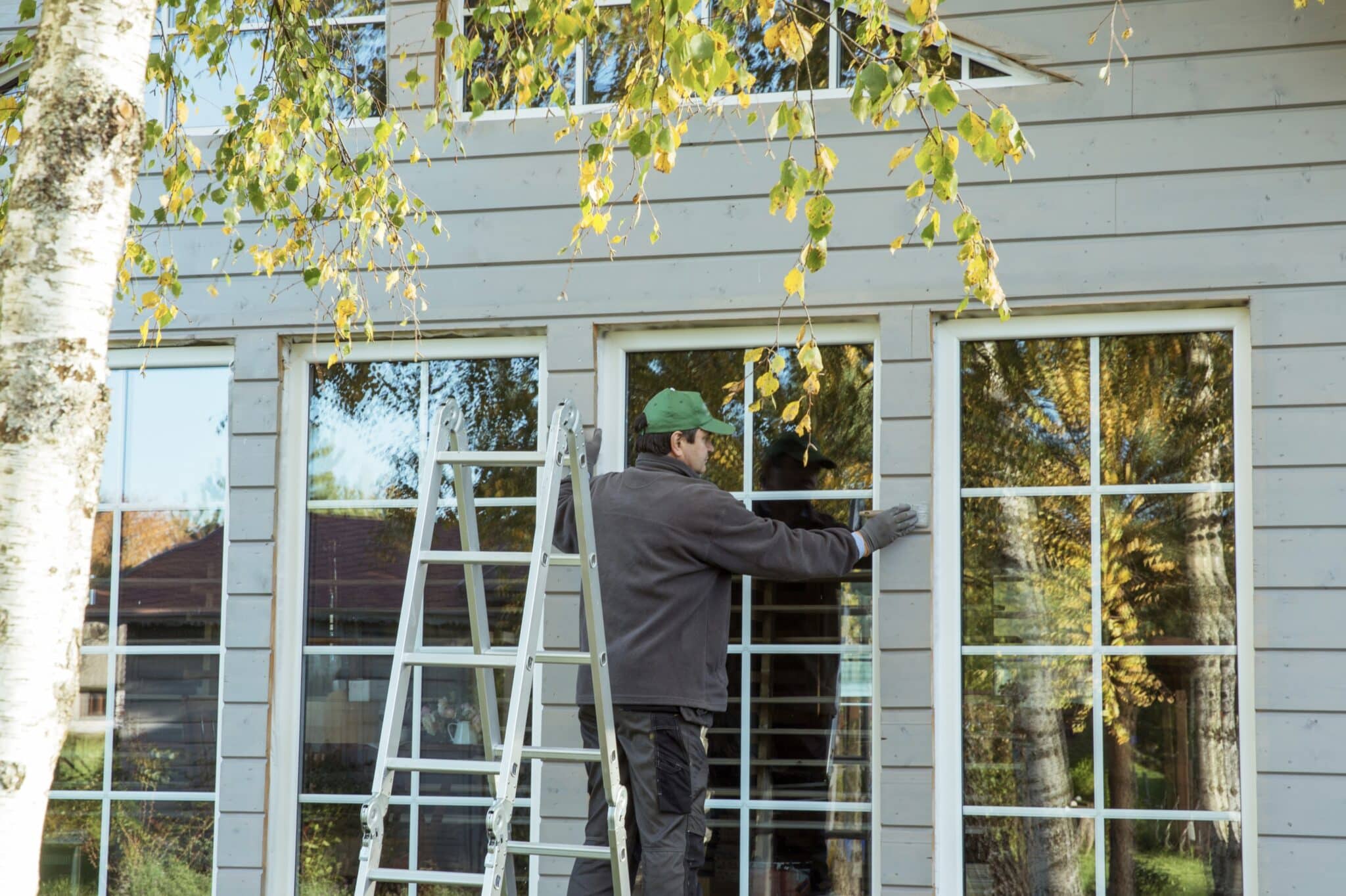

Window and door installation is handled by three main types of companies: national home improvement retailers like Lowe's and Home Depot, manufacturer-certified dealer networks like Andersen Certified Contractors and Pella, and regional specialized contractors who carry multiple product lines and manage every step from measurement through final inspection. Each type of company serves a different kind of project, and the right choice depends on what you need installed, where you live, and how much hands-on service you expect.
According to the Home Improvement Research Institute's 2025 Project Decision Study, 82% of window and door replacements are completed by professional contractors, 11% use a combination of professional help and DIY, and only 7% are done entirely by the homeowner. The reason is straightforward: professional installation protects the product warranty, meets building code requirements, and delivers the energy performance and weather protection that the window was designed to provide. This guide breaks down the types of companies that do this work, what separates a good installer from a bad one, and how to choose the right company for your project.
Key Takeaways
- Three categories of companies handle window and door installation: national home improvement retailers, manufacturer-certified networks, and regional specialized contractors.
- 82% of window and door replacements are completed by professional contractors, according to the Home Improvement Research Institute's 2025 study.
- Homeowners hire professionals primarily for work quality (68%), technical expertise (66%), and guaranteed workmanship, per HIRI data.
- Improper installation is the leading cause of window failures and voided manufacturer warranties, not product defects.
- A qualified window installer carries a state contractor license, liability insurance, workers' compensation coverage, and offers both a product warranty and a separate workmanship warranty.
- In Florida, impact window installation requires a licensed general contractor (CGC or CBC), a building permit, and a final inspection to qualify for insurance wind mitigation credits.
What Companies Do Window and Door Installation?
Window and door installation companies fall into three main categories: national home improvement retailers and remodelers, manufacturer-certified dealer networks, and regional or local specialized contractors. Each category operates differently in terms of product selection, installation crews, pricing structure, and the level of hands-on service the homeowner receives. The Google AI Overview for this topic organizes companies the same way, and for good reason: the distinction matters because it affects who actually shows up at your home, what products are available, and who stands behind the work after the job is done.
The window and door installation industry generates billions of dollars annually. Mordor Intelligence valued the global windows and doors market at $216 billion in 2025 and projects growth to $278 billion by 2031, driven by demand for energy-efficient building envelopes and stricter performance codes. Within the United States, the Fenestration and Glazing Industry Alliance (FGIA) forecasts 2% growth in replacement and remodeling window demand through 2026. That growth supports thousands of installation companies at every level, from single-location contractors to franchise operations with hundreds of locations nationwide.
National Retailers and Home Improvement Chains
National retailers and home improvement chains like Lowe's and Home Depot offer window and door installation services through networks of licensed, independent subcontractors. These retailers carry products from multiple manufacturers, including Pella, JELD-WEN, ReliaBilt, and Simonton, giving homeowners a wide selection of styles, materials, and price points under one roof. The retailer handles the sales process, product ordering, and scheduling, while the actual installation is performed by a local subcontractor vetted by the chain.
The strength of national retailers is product variety and accessibility. Homeowners can walk into a showroom, compare options from several brands, and schedule a consultation in the same visit. National chains also run regular promotional pricing and offer store-branded financing. The limitation is customization and specialization. Retailers stock standard product lines that cover most residential needs, but they may not carry specialty products like impact-rated impact windows designed for hurricane zones or custom-sized units for non-standard openings.
The installation crew working on your home is not a Lowe's or Home Depot employee. The crew is an independent contractor who works through the retailer's installer network. That means the homeowner's relationship is primarily with the store, not the installer. Warranty claims typically go through the retailer, and the quality of the installation depends on whichever local subcontractor is assigned to the project.
Manufacturer-Certified Installer Networks
Manufacturer-certified installer networks are independent contractors who have been trained, vetted, and authorized by a specific window or door manufacturer to sell and install that brand's products. Andersen Certified Contractors, Pella Certified Installers, and Renewal by Andersen are the most recognized examples. These installers go through the manufacturer's own training program, demonstrate installation competency, and agree to follow the manufacturer's installation specifications in exchange for the certification.
The advantage of a manufacturer-certified installer is the additional warranty layer. Andersen, for example, provides a 2-year limited installation warranty on top of the standard product warranty when the work is performed by a Certified Contractor. In 2023, Andersen Certified Contractors received an average homeowner satisfaction rating of 4.8 out of 5 stars, according to Andersen Windows. Pella operates similarly, with certified contractors trained on Pella-specific products and backed by the Pella brand.
The limitation is product range. A manufacturer-certified installer typically carries only that manufacturer's product line. An Andersen Certified Contractor installs Andersen windows. A Pella Certified Installer installs Pella windows. Homeowners who want to compare products across multiple manufacturers need to get quotes from separate certified installers, or they need to work with a regional contractor who carries several brands.
Regional and Local Specialized Contractors
Regional and local specialized contractors are independently owned companies that focus specifically on window and door installation, often carrying products from multiple manufacturers and handling every step of the project in-house. These companies measure your openings, help you select products from several brands, order the windows, pull building permits, install the products with their own trained crews, and schedule the final inspection with the local building department.
The strength of a local specialized contractor is depth of service and local expertise. A contractor who has been installing windows in South Florida for 20 years understands the specific building code requirements, the wind load ratings needed for the region, and the products that perform best in hot, humid, hurricane-prone conditions. Local contractors build their reputation within the community, and that reputation depends on the quality of every single installation.
Local specialized contractors also carry products from multiple manufacturers, giving homeowners the ability to compare brands, materials, and price points through a single company. According to HIRI data, vinyl accounts for 44.2% of replacement window purchases, followed by fiberglass at 15.7%, wood at 15.0%, clad wood at 10.7%, and aluminum at 10.6%. A well-stocked local contractor can offer options across all of these materials from different manufacturers, then recommend the best fit for the homeowner's climate, budget, and project scope.
In Florida, impact doors and windows require installation by a licensed general contractor who holds a CGC (Certified General Contractor) or CBC (Certified Building Contractor) license, carries liability insurance and workers' compensation, and is bonded. Not every window installer meets these requirements, and choosing an unqualified installer puts both the warranty and the insurance wind mitigation credits at risk.
How to Choose a Window and Door Installation Company
Choosing a window and door installation company is one of the most important decisions in the entire project. The window itself is only as good as the installation behind it. A premium window installed by an unqualified crew will underperform, develop problems early, and may lose its warranty protection entirely. According to the 2025 This Old House survey of 1,000 homeowners, 95% reported satisfaction with their replacement window installation workmanship, but that number reflects homeowners who chose qualified window installation professionals. The homeowners who hired the wrong company are the ones filing complaints, dealing with leaks, and paying for reinstallation out of pocket.
The HIRI 2025 study found that homeowners hire professional installers primarily for work quality (68%), technical expertise (66%), ease and convenience (57%), and guaranteed workmanship. Those priorities should guide your evaluation of any company you consider.
What Certifications Should a Window Installer Have?
A qualified window installer should hold a valid state contractor license, carry general liability insurance and workers' compensation coverage, and maintain at least one manufacturer certification or industry accreditation. Licensing is the baseline. Every state sets its own requirements for contractor licensing, and homeowners should verify the license number directly with the state licensing board before signing any contract.
In Florida, window and door installation requires a CGC or CBC license issued by the Florida Department of Business and Professional Regulation (DBPR). The installer must also carry workers' compensation insurance that covers every crew member on the job site. Companies that skip workers' comp put the homeowner at legal and financial risk, because an injured worker on an uninsured job can file a claim against the homeowner's property insurance.
Industry certifications add another layer of verification. The American Window and Door Institute (AWDI) and InstallationMasters both certify installers who complete formal training and pass competency assessments. Manufacturer certifications from companies like Andersen, Pella, and Marvin verify that the installer has been trained on that brand's specific products and installation methods. Better Business Bureau (BBB) accreditation, while not a technical certification, signals that the company has committed to the BBB's standards of trust and responds to customer complaints through a formal process.
What Should I Look for in a Window and Door Contractor?
Look for a window and door contractor with at least five years of experience, in-house installation crews (not subcontracted labor), a clear workmanship warranty separate from the product warranty, and a track record of verified customer reviews. A contractor who has been in business for five years or more has demonstrated the ability to deliver consistent quality without going bankrupt from warranty claims or lawsuits.
In-house crews matter because they create accountability. When the same company that sold you the impact glass also employs the crew that installs it, there is no finger-pointing between a salesperson and a subcontractor. The installer and the seller are the same entity, and any post-installation issue gets resolved by one company.
Product range is another evaluation factor. A company that carries products from multiple manufacturers can recommend the best option for your specific project instead of pushing the only brand they sell. Ask what brands the company carries, what frame materials are available, and whether they offer both standard replacement windows and sliding doors, fiberglass doors, and specialty products.
Online reviews provide the most unfiltered view of a company's performance. Look at Google reviews, BBB complaints, and Yelp ratings. Pay attention to how the company responds to negative reviews, because that response reveals how they handle problems after the installation is complete.
What Questions Should I Ask a Window Installer Before Hiring?
Ask a window installer these specific questions before signing any contract, because the answers reveal the company's professionalism, accountability, and commitment to quality:
- Who pulls the building permit, and who schedules the final inspection with the building department?
- Are your installation crews employees of your company, or are they subcontracted?
- What workmanship warranty do you offer separate from the manufacturer's product warranty, and how long does it last?
- What window and door brands do you carry, and which do you recommend for my climate and project?
- Do you provide a written scope of work that includes the number of windows, product specifications, installation method, and total cost with no hidden fees?
- Are you licensed, insured, and bonded, and can you provide proof of workers' compensation coverage?
- How do you handle unexpected issues discovered during installation, like rotted framing or water damage behind the old window?
A company that answers these questions clearly and provides documentation earns confidence. A company that hedges, avoids specifics, or cannot produce license and insurance documentation is a company to walk away from. The permit question is especially important because many budget installers skip the permit to save time and money, which leaves the homeowner exposed to code violations, voided warranties, and lost insurance credits.
Why Installation Quality Matters More Than the Window Brand
Installation quality determines whether a window reaches its rated lifespan, maintains its energy efficiency, and remains covered under warranty. A window designed to last 30 years can fail in 5 years when installation errors compromise its structure. According to data cited by Hall Brothers Lumber and confirmed by the National Fenestration Rating Council, a significant percentage of window and door failures originate from improper installation rather than product defects. The manufacturer did not cause those failures. The installation did.
Window manufacturers design their products to perform within specific tolerances for shimming, fastening, sealing, and flashing. When those tolerances are violated during installation, stress enters the frame. Stress leads to seal breakdown, frame distortion, and hardware wear over time. The signs of poor installation include drafts around the frame, difficulty opening or closing the window, condensation between panes within the first few years, and visible gaps between the window and the wall.
Proper installation also determines energy performance. ENERGY STAR certified windows reduce heating and cooling costs by an average of 13%, according to the U.S. EPA. That 13% savings assumes the window is installed correctly with proper air sealing and alignment. Poor installation eliminates that advantage almost immediately, often before the first season even passes.
What Happens If a Window Is Installed Incorrectly?
If a window is installed incorrectly, the homeowner faces seal failure, air and water leaks, frame warping, voided manufacturer warranty, and the full cost of replacement and repair. Most window manufacturers require installation according to their published guidelines for the product warranty to remain in effect. When a warranty claim is filed and the manufacturer determines that installation errors contributed to the failure, the claim gets denied. The manufacturer points to the installer. The installer may be unresponsive or out of business. The homeowner absorbs the cost.
Common installation errors include incorrect measurements that leave gaps around the frame, missing or improperly applied flashing that allows water behind the siding, inadequate insulation around the opening, overtightened fasteners that warp the frame, and failure to level the unit before securing it. Every one of these errors is preventable by a trained, experienced installer who follows the manufacturer's specifications. Choosing a qualified installation company is the single most effective way to protect your investment.
What Warranty Should a Window Installation Company Offer?
A window installation company should offer two separate warranties: a product warranty from the manufacturer covering material defects and a workmanship warranty from the installer covering installation-related issues. The product warranty and the workmanship warranty serve different purposes, and having both is what gives the homeowner full protection.
Warranty TypeProvided ByWhat It CoversTypical DurationProduct WarrantyWindow manufacturerFrame defects, seal failure, glass breakage under normal use, hardware malfunction10 years to lifetime, depending on brand and product lineWorkmanship WarrantyInstallation contractorAir leaks, water infiltration, structural issues caused by improper installation1 to 5 years, depending on contractorCombined (Best Protection)Manufacturer + contractorFull coverage of both product defects and installation errors under one relationshipVaries; manufacturer-certified installers often carry extended installation coverage
According to industry data from Lone Wolf Exteriors and Window World Tri-Cities, installation warranties typically last 1 to 5 years, though some premium contractors offer longer terms. The best scenario is working with a company that provides both warranties under a single point of contact, so you never have to determine whether a problem is a product defect or an installation error before getting it fixed.
A contractor who does not offer a written workmanship warranty is signaling something important about how they view their own accountability. A confident installer stands behind their work. An installer with no workmanship warranty is telling you they do not expect their installations to hold up.
Should I Hire a Local Company or a National Chain for Window Installation?
Whether you hire a local company or a national chain depends on your project's complexity, the products you need, and how important personalized service is to your experience. Both options have strengths, and the right choice varies by homeowner.
National chains offer convenience, broad product availability, and standardized processes. Homeowners who need a straightforward vinyl window replacement for a standard-sized opening can get the job done efficiently through a retailer's installation program. The brand name provides a level of consumer confidence, and the retailer's customer service department serves as an intermediary for any issues.
Local specialized contractors offer deeper expertise, more personalized service, and direct accountability. A local contractor who has installed entry doors and windows in your area for 15 or 20 years understands the local building codes, weather patterns, and architectural styles. They are accessible for follow-up visits, warranty service, and future projects. Their reputation depends on the community they serve, which creates a strong incentive to do excellent work on every job.
For homeowners in South Florida and other hurricane-prone regions, local specialized contractors are the clear choice for impact window and door installation. Impact-rated products require Miami-Dade County NOA approval or Florida Building Code product approval, precise installation to manufacturer specifications, proper permitting, and a final building inspection. National retailers and general contractors who primarily install standard windows may not have the training or experience to handle impact-rated products correctly. A local contractor who specializes in hurricane protection installs these products every day.
Do Window Companies Handle Permits and Inspections?
Yes, full-service window installation companies handle all permits and inspections as part of their scope of work. The contractor pulls the building permit before work begins, installs the windows according to code, and schedules the final inspection with the local building department after installation is complete. This is standard practice for a professional installation company.
Not every company does this. Some budget-focused installers skip the permit entirely to save time and reduce their overhead. Unpermitted window installations create serious consequences for the homeowner. In Florida, an unpermitted installation can void the product warranty, disqualify the home from insurance wind mitigation credits worth 10 to 45% of the windstorm premium, and create problems during a home sale when the buyer's inspector flags the unpermitted work. According to the Florida Department of Financial Services, the My Safe Florida Home program matches $2 for every $1 homeowners spend on qualifying wind mitigation upgrades, up to $10,000, but only permitted and inspected installations qualify.
Always ask the company whether permits and inspections are included in the quoted price. A company that includes permitting and inspection in every project is a company that operates the right way. Requesting a free estimate is the simplest way to find out exactly what a company includes in their scope of work.
Do Window Installation Companies Offer Financing?
Yes, many window installation companies offer financing options that allow homeowners to install windows and doors now and pay over time. Common financing structures include $0-down credit programs with fixed monthly payments, Property Assessed Clean Energy (PACE) programs that attach the cost to the property tax bill, and promotional interest rates for qualified buyers. Approval times range from 30 minutes to a few days, depending on the program and the homeowner's credit profile.
Financing makes full-house window replacement accessible without requiring a large upfront payment. A typical whole-house window project costs between $12,000 and $35,000 depending on the number of openings, the product specifications, and the installation method, according to Window and Door magazine's 2025 Top 100 Dealers report. Breaking that cost into monthly payments allows homeowners to start saving on energy bills and earning insurance credits immediately while the project pays for itself over time.
Frequently Asked Questions
How Long Does Professional Window Installation Take?
Professional window installation takes approximately 30 to 60 minutes per window for a standard pocket replacement. A full-house project of 10 to 20 windows typically takes 1 to 3 days to complete. Custom-ordered windows require a lead time of 2 to 6 weeks between measurement and installation, depending on the manufacturer and product specifications. Full-frame replacements and impact-rated installations may take longer per window due to additional sealing, flashing, and anchoring requirements.
Who Makes the Best Replacement Windows for a House?
The best replacement windows for a house depend on the homeowner's climate, budget, and performance priorities. Andersen, Pella, Marvin, and JELD-WEN are among the most recognized national brands, according to Consumer Reports. For impact-rated windows in hurricane zones, manufacturers like PGT, CWS, Eco Window Systems, and ES Windows produce products specifically tested to meet Miami-Dade County and Florida Building Code standards. Many homeowners in coastal areas also pair impact windows with fiberglass doors for a complete building envelope upgrade. The best window is the one that matches your project requirements and is installed by a qualified professional.
What Is the Cheapest Time of Year to Replace Windows?
The cheapest time of year to replace windows is late fall and winter, when demand for installation services drops and manufacturers often offer seasonal promotions. Spring and early summer are peak season with higher prices and longer lead times. In Florida, scheduling after hurricane season ends in November provides the best combination of availability, pricing, and mild installation weather.
What Is a Manufacturer-Certified Window Installer?
A manufacturer-certified window installer is an independent contractor who has completed training, passed competency assessments, and been authorized by a specific window manufacturer to sell and install that brand's products. Andersen Certified Contractors, Pella Certified Installers, and Marvin authorized dealers are common examples. Manufacturer certification provides an additional installation warranty from the brand, typically lasting 2 years, on top of the standard product warranty.
What Is the Difference Between a Window Installer and a General Contractor?
A window installer is a company or individual who specializes specifically in window and door removal and installation. A general contractor manages broader construction or remodeling projects that may include windows as one component among many. Window installers typically have deeper product knowledge, manufacturer-specific training, and more efficient installation processes. General contractors are better suited for projects that involve structural changes, multiple trades, and extensive renovation beyond just windows and doors. For straightforward window replacement, a specialized window company is usually the better choice.
What Is the Average Cost to Install Windows in a House?
The average installed cost per window opening ranges from $1,200 to $2,500, according to Window and Door magazine's 2025 Top 100 Dealers report. A whole-house project replacing 10 to 25 windows typically costs between $12,000 and $35,000 depending on the window material, glass type, installation method, and regional labor rates. Impact-rated windows for hurricane zones cost more than standard replacement windows due to the laminated glass construction, reinforced frames, and stricter installation requirements.
The Bottom Line
Window and door installation companies range from national home improvement retailers to manufacturer-certified networks to local specialized contractors, and the right choice depends on what you need from the project. For standard replacements in mild climates, a national retailer or certified dealer network can get the job done. For custom projects, impact-rated hurricane protection, or any installation where code compliance, permitting, and long-term performance matter, a local specialized contractor with deep experience in your region and proven window installation expertise is the strongest option.
Installation quality matters more than the brand name on the window. A qualified installer protects your warranty, meets building code, delivers the energy savings the window was designed to produce, and stands behind the work with a written workmanship guarantee. Vinyl window replacement recoups 67 to 76% of its cost at resale, according to the 2025 Cost vs. Value Report, but only when the windows are installed correctly and the project is properly permitted.
If you are ready to replace your windows or doors with a company that handles everything from product selection through final inspection, ASP Windows and Doors has been doing this across South Florida for over 20 years. Call (888) 782-8342 to schedule a free estimate.
Now Accepting Appointments
Proudly serving homeowners and businesses across South Florida and Southwest Florida. Book your visit and let our experts help protect and upgrade your space.
.avif)
.avif)
.avif)
%201.avif)
Insights & Resources
Stay informed with expert tips on impact windows, hurricane protection, and South Florida building standards.


%201.webp)
%201%20(1).webp)
%201.svg)
%201%20(1)%20(1).webp)
.png%20(1).webp)
.png.webp)
.avif)
.avif)


.avif)


.png)
.png)