.avif)


Storm Window Leakage Problems
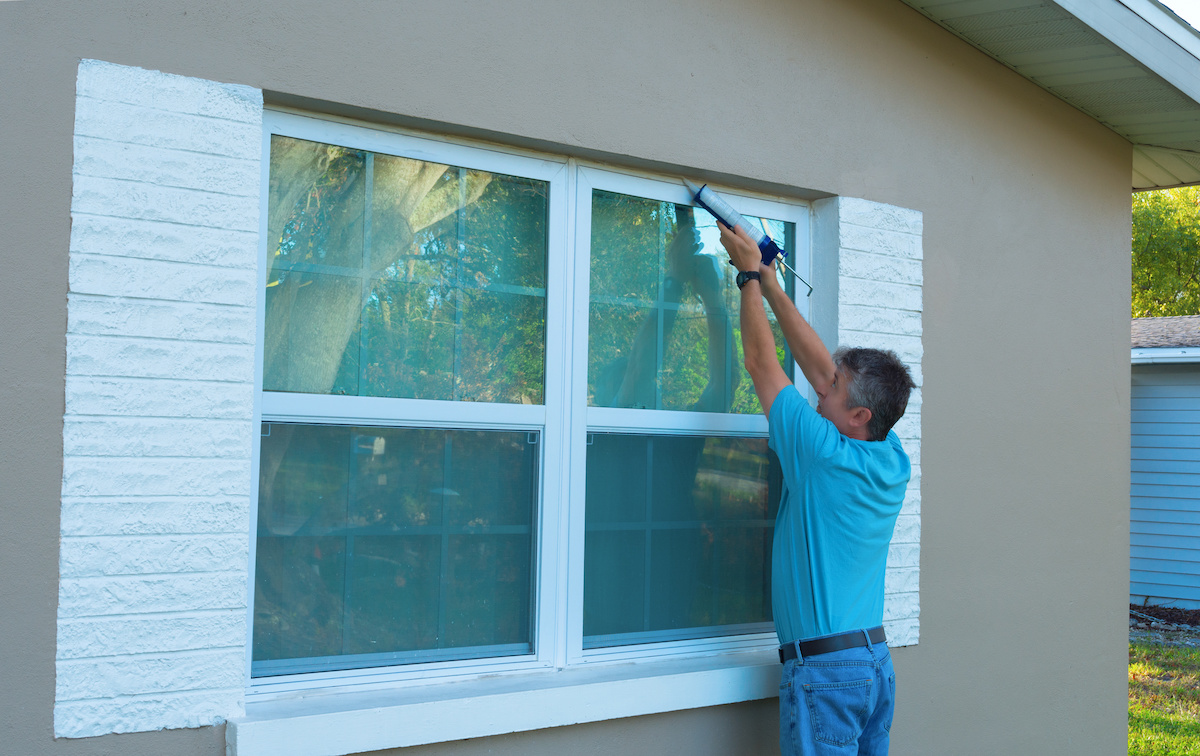

Storm window leakage problems happen when the seals, caulking, or flashing around a storm window break down and let water pass through during rain or heavy wind. These leaks may seem small at first, but they can quickly lead to mold growth, wood rot, and costly water damage if left alone. According to the U.S. Department of Energy, heat gain and heat loss through windows account for 25% to 30% of residential heating and cooling energy use, and leaking windows make that energy loss even worse.
In this article, we cover the most common causes of storm window leaks, how to fix them, when to caulk and when not to, how to seal your windows properly, and why upgrading to impact windows may be the best long-term solution to stop leaks for good.
What Causes Storm Window Leakage Problems?
Storm window leakage problems are caused by a handful of issues that build up over time. The most common culprit is old or cracked caulking. Quality exterior-grade silicone caulk typically lasts 5 to 10 years, according to Thompson Creek Window Company, but windows that face south or west break down faster from direct sun exposure. Once the caulk cracks or pulls away from the frame, water finds a clear path inside.
Failed weatherstripping is another big cause. The rubber or foam strips that create a tight seal between the storm window and the frame compress, crack, or fall off over time. When that happens, wind-driven rain pushes right through.
Poor installation is also a factor. If flashing was not installed correctly when the window went in, water can slip behind the trim and into the wall cavity. A report from the Insurance Information Institute found that between 2019 and 2023, about 22.6% of all homeowner insurance claims were related to water damage or freezing, and many of those claims started with something as simple as a window leak that went unnoticed.
Other causes include blocked weep holes (small drainage channels at the bottom of the frame), shifting frames due to the house settling, and cracked or loose glass panes that have separated from the frame over the years.
How to Fix Leaking Storm Windows
To fix leaking storm windows, start by finding exactly where the water is getting in. Run a garden hose along the outside of the window frame, starting at the bottom and working your way up. Watch from inside to see where water first appears. Water rarely enters exactly where it shows up on the inside, so trace the moisture trail carefully.
If the leak is coming from old caulk, remove all the cracked or peeling caulk with a putty knife or caulk removal tool. Clean the surface, let it dry fully, and apply a fresh bead of exterior-grade silicone sealant. If the weatherstripping is worn or missing, peel off the old strip and press new self-adhesive weatherstripping into place along the sash.
For blocked weep holes, use a thin wire or toothpick to clear out any dirt, paint, or debris that may have plugged the opening. These tiny holes are there to let trapped water drain outside, and when they get clogged, water backs up and leaks into the house. Homeowners who keep an eye on early seal failure signs catch small problems before they become expensive repairs.
If the frame itself is warped, cracked, or pulling away from the wall, a simple caulk job will not be enough. That usually means the window needs professional repair or full replacement.
Why Does My Window Leak Only During Heavy Rain?
Your window leaks only during heavy rain because light rain does not generate enough water pressure or wind force to push through small gaps. During a storm, wind drives rain sideways and forces water into tiny openings that stay dry under normal conditions. This is called wind-driven rain, and it is one of the most common reasons homeowners notice leaks only during severe weather.
Data from Chubb insurance shows that water damage affected 44% of U.S. homeowners in 2022, compared to only 27% in 2020, and much of that increase was tied to storm events. Small seal gaps that seem harmless in calm weather become major problems when a strong storm hits. Living in South Florida, where hurricane season runs six months of the year, even minor gaps can cause serious damage during a single storm event.
Should I Caulk Around Storm Windows?
Yes, you should caulk around storm windows wherever you see gaps between the window frame and the exterior wall. Caulking creates a watertight seal that blocks rain, wind, and insects from getting inside. It also helps reduce energy loss. The U.S. Department of Energy notes that about 30% of a home's heating energy is lost through windows, and air leaks around frames make that number even higher.
Use a high-quality exterior-grade silicone or polyurethane caulk for the best results. These materials stay flexible in heat and cold, resist UV damage, and last longer than basic latex caulk. Apply it in a smooth, continuous bead along the seam where the frame meets the wall, and use a wet finger or caulk tool to press it into the gap for a clean finish.
Where Not to Caulk Around Windows
You should not caulk the weep holes at the bottom of the window frame or the drip edge above the window. Weep holes are small openings that let trapped moisture drain out. If you seal them shut, water gets stuck inside the frame and has nowhere to go, which creates a bigger leak problem than the one you started with.
You should also avoid caulking the very bottom edge of the window sill on the outside. This area needs to stay open so condensation and rainwater can drain away from the frame. Sealing it traps moisture between the sill and the wall, which can lead to rot and mold growth over time. The causes behind window air leaks often overlap with water leak causes, so fixing one problem often helps with the other.
Why Don't You Caulk the Bottom of a Window?
You don't caulk the bottom of a window because that is where water needs to escape. Every window collects some moisture from condensation, rain splash, and humidity. The bottom edge of the frame and the weep holes are designed to let that water drain out. Sealing the bottom shuts off the only exit for trapped water, which forces it to pool inside the frame or seep into the wall.
According to the U.S. Environmental Protection Agency, wet or damp materials that are not dried within 24 to 48 hours will grow mold in most cases. Caulking the bottom of a window creates exactly that kind of damp, sealed environment where mold thrives.
Are Windows Supposed to Be Caulked on the Outside?
Yes, windows are supposed to be caulked on the outside along the top and sides where the frame meets the exterior wall. This is the first line of defense against rain and wind. Interior caulking is helpful too, but the outside seal does the heavy lifting because it stops water at the source before it ever reaches the interior.
When applying exterior caulk, make sure the surface is clean and dry. Old, loose caulk should be completely removed before applying a fresh bead. Layering new caulk over crumbling old caulk is one of the most common mistakes homeowners make, and it almost always fails within a few months.
Should Storm Windows Be Airtight?
Yes, storm windows should be airtight when fully closed and latched. The entire purpose of a storm window is to create a sealed barrier against wind, rain, and temperature transfer. If air passes through freely, the window is not doing its job. A properly sealed storm window reduces drafts, blocks moisture intrusion, and improves energy efficiency.
That said, some controlled ventilation is built into the design. Weep holes and small drainage channels at the bottom allow trapped moisture to escape, but the rest of the frame should be sealed tight. If you feel a draft coming through a closed storm window, the weatherstripping or caulk has likely failed and needs replacement.
How to Seal a Storm Window
To seal a storm window, follow these steps. First, inspect the entire frame for visible gaps, cracks, or missing caulk. Run your hand around the edges with the window closed to feel for drafts. Second, remove any old, cracked caulk and clean the surface with a damp cloth. Third, apply a continuous bead of exterior-grade silicone caulk along the top and sides where the frame meets the wall. Fourth, replace any worn or missing weatherstripping along the sash.
For extra protection, you can apply a thin layer of removable rope caulk or shrink-film insulation on the interior side during storm season. This adds another barrier without permanently altering the window. According to the U.S. Department of Energy, Energy Star-certified windows can reduce yearly energy costs by up to 15%, and proper sealing of existing windows helps close the gap between standard and high-performance windows. Upgrading to proper glass and glazing takes that performance even further.
Homeowners who deal with moisture inside their windows should check their seals as a first step.
What Are Common Window Sealing Mistakes?
Common window sealing mistakes include applying caulk over old, cracked caulk without removing it first, using the wrong type of sealant, sealing the weep holes shut, applying caulk on wet or dirty surfaces, and leaving gaps in the bead. Each of these mistakes leads to seal failure, often within just a few months.
Another frequent mistake is using interior-grade caulk on the outside of the window. Interior caulk is not made to handle UV rays, temperature swings, or direct rain. It dries out and cracks quickly. Always use a product labeled for exterior use.
Applying too much caulk is also a problem. A thick bead might look like better protection, but overly thick caulk does not cure properly in the center and can pull away from the surface as it shrinks. A thin, even bead pressed firmly into the gap lasts much longer.
Can I Just Caulk Over Old Caulk?
No, you should not just caulk over old caulk if the existing caulk is cracked, peeling, or pulling away from the surface. New caulk bonds best to clean, bare surfaces. Layering it over damaged old caulk creates a weak bond that will fail again, sometimes even faster than the original seal did.
The only time you can apply new caulk over old is when the existing bead is still in good condition, firmly attached, and just needs a thin refresh layer. Even then, clean the surface thoroughly and make sure it is completely dry before applying.
Is Silicone or Caulk Better for Exterior Windows?
Silicone caulk is better for exterior windows because it stays flexible, resists UV damage, handles temperature extremes, and lasts longer than standard acrylic latex caulk. Most professionals recommend 100% silicone sealant for exterior window applications because it bonds strongly to glass, metal, and most frame materials.
Standard acrylic latex caulk is easier to apply and clean up, and it can be painted, but it does not hold up as well in direct sun and rain. For storm windows in hurricane-prone areas, silicone is the clear winner. It keeps its seal through repeated cycles of heat, rain, and wind that would break down a latex product in just a year or two.
Can a Leaking Window Cause Mold?
Yes, a leaking window can cause mold. The U.S. Centers for Disease Control and Prevention states that mold will grow where there is moisture, such as around leaks in roofs, windows, or pipes. A window that leaks during rain introduces water into the wall cavity, the window sill, and the surrounding drywall, and all of those materials support mold growth when they stay damp.
The EPA warns that mold can begin to develop within 24 to 48 hours after water intrusion. That means even a single storm that sends water through a leaky window can start a mold problem if the area is not dried quickly. Research cited by the National Institute for Occupational Safety and Health found that nearly 47% of residential buildings in the United States show visible mold or a detectable mold odor.
The World Health Organization has also reported that 21% of American asthma cases may be linked to dampness and mold exposure. A leaking storm window may seem like a small issue, but the health consequences of ignoring it can be serious. Homeowners who notice fogging between their window panes should also check for seal failure, as that is often a sign that moisture is already getting through.
Will Homeowners Insurance Cover a Leaky Window?
Homeowners insurance will cover a leaky window if the leak was caused by a sudden, accidental event like a storm or falling debris. It will typically not cover leaks caused by gradual wear and tear, deferred maintenance, or aging seals. According to data from the Insurance Information Institute, the average water damage claim costs over $15,000, and about 12% of water damage claims are denied due to wear-and-tear exclusions.
That means if your storm window has been leaking slowly for months and the damage gets worse over time, your insurance company will likely classify that as a maintenance issue and deny the claim. However, if a hurricane or severe storm causes sudden damage to your window and water enters as a result, that is generally covered under your homeowner's policy.
In Florida, homeowners who install impact-rated windows and doors can qualify for wind mitigation insurance discounts of 25% to 40%, according to industry data. These discounts apply because impact-resistant windows reduce the risk of storm damage, which lowers the insurer's risk. The My Safe Florida Home program even offers grants up to $10,000 to help homeowners pay for qualifying hurricane protection upgrades.
Storm Windows vs. Impact Windows for Long-Term Leak Prevention
Storm windows and impact windows are very different products. Storm windows are add-on panels installed over your existing windows. They provide an extra layer of insulation and some weather protection, but they are not built to resist hurricane-force winds or flying debris. Over time, the seals between the storm window and the primary window break down, leading to the leakage problems covered throughout this article.
Impact windows replace your existing windows entirely. They are made with laminated, impact-resistant glass and reinforced frames that are tested and approved to meet strict building codes like the Miami-Dade County standard, one of the toughest in the country. Because they are a single, sealed unit installed directly into the wall opening, there are far fewer points where water can enter compared to a storm window sitting over an older window.
Sources: U.S. Department of Energy, Florida Office of Insurance Regulation, Thompson Creek Window Company, Pella Windows, PGT Windows & Doors
For homeowners who deal with annual hurricane threats, the long-term value of hurricane-rated windows goes far beyond leak prevention. They protect against debris, reduce energy costs, lower insurance premiums, and eliminate the need for shutters or storm panels.
We see many homeowners across the Doral and Fort Lauderdale area make the switch after dealing with repeated storm window leaks season after season.
Those looking at door replacements at the same time often pair new windows with impact doors to protect every opening in the home.
Frequently Asked Questions
Why Use Caulk Instead of Silicone?
People use acrylic latex caulk instead of silicone because it is easier to apply, cleans up with water, and can be painted to match the window trim. Silicone cannot be painted and requires mineral spirits for cleanup. For interior window sealing or areas that need a color match, acrylic latex caulk is the better choice. For exterior use where weather exposure is heavy, silicone is stronger and lasts longer.
When Should You Not Use Silicone Caulk?
You should not use silicone caulk on surfaces that need to be painted, on porous materials like bare wood or concrete that have not been primed, or in areas where you may need to remove and replace the seal frequently. Silicone is very difficult to remove once it cures, and new caulk, even new silicone, does not bond well over old silicone residue.
Can I Put Regular Caulk Over Silicone?
No, you cannot put regular caulk over silicone. Acrylic latex caulk will not bond to a silicone surface. It will peel away within weeks. If you need to replace a silicone seal, you must fully remove the old silicone first, clean the surface with a silicone remover or rubbing alcohol, and then apply the new product to a bare surface.
Where Should You Not Use Caulking?
You should not use caulking on weep holes, the bottom edge of exterior window sills, expansion joints in brick or concrete, or any area designed to allow moisture drainage or structural movement. Sealing these areas traps water and can cause rot, mold, and structural damage. Always leave drainage paths open.
What Are Common Mistakes When Caulking?
Common mistakes when caulking include not removing old caulk before applying new material, caulking over wet or dirty surfaces, using interior caulk outside, cutting the nozzle tip too large, applying uneven beads, sealing weep holes shut, and not smoothing the bead into the gap. According to industry professionals, most caulk failures happen because of surface preparation mistakes rather than product quality. Homeowners interested in energy-efficient windows often find that proper sealing is the first step toward lower energy bills.
How Long Does Window Caulk Last?
Window caulk lasts 5 to 10 years on average when a high-quality exterior-grade silicone product is used. Acrylic latex caulk lasts closer to 3 to 5 years in outdoor applications. The actual lifespan depends on the product quality, sun exposure, temperature swings, and how well the surface was prepared before application. Windows that face south or west typically need resealing sooner because of more intense UV exposure.
Putting It All Together
Storm window leakage problems are common, but they are not something you should ignore. A small leak during one storm can quickly turn into mold, rot, and thousands of dollars in water damage. The average water damage insurance claim in the United States costs over $15,000, and many claims related to gradual leaks get denied. Staying on top of your window seals, caulking, and weatherstripping is one of the simplest ways to protect your home.
For homeowners who are tired of resealing the same windows every few years, upgrading to impact-rated window systems is a lasting solution that also brings energy savings, insurance discounts, and real hurricane protection.
If you have questions about your windows or want to explore your options, the team at ASP Windows & Doors is here to help. We have been protecting homes for over 20 years, and we would love to do the same for yours.
Give us a call at (888) 782-8342 or request a free estimate to get started.
Now Accepting Appointments
Proudly serving homeowners and businesses across South Florida and Southwest Florida. Book your visit and let our experts help protect and upgrade your space.
.avif)
.avif)
.avif)
%201.avif)
Insights & Resources
Stay informed with expert tips on impact windows, hurricane protection, and South Florida building standards.


%201.webp)
%201%20(1).webp)

%201.svg)
%201%20(1)%20(1).webp)
.png%20(1).webp)
.png.webp)
.avif)
.avif)


.avif)


.png)
.png)