.avif)


Problems With Old Windows
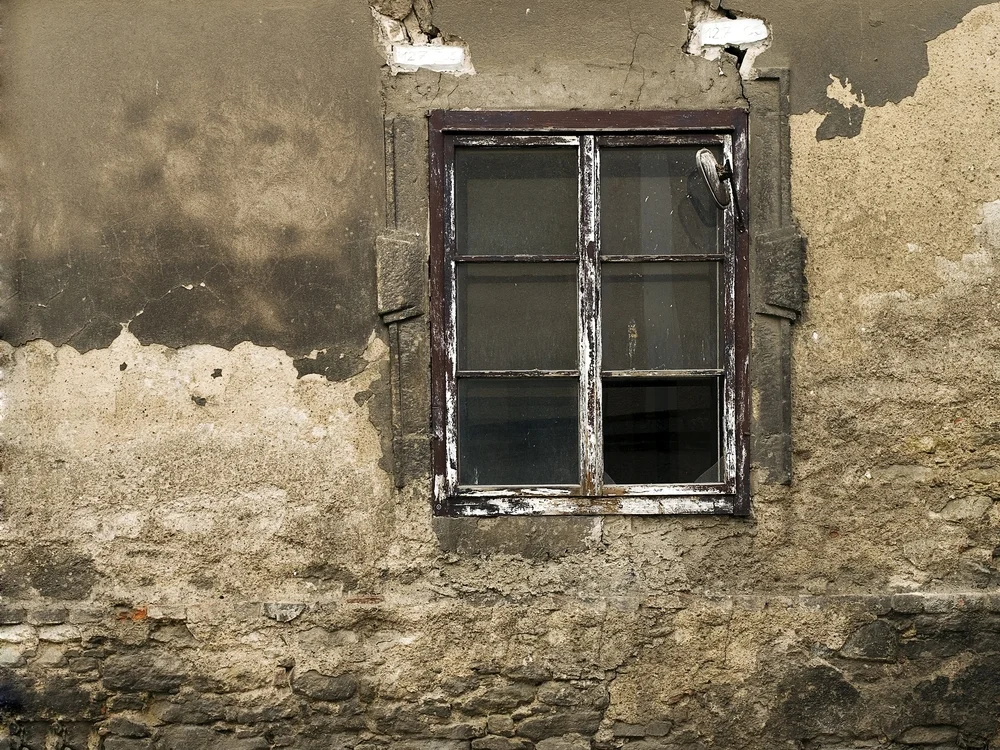

Old windows cause energy waste, drafts, UV damage to your furniture, security weaknesses, and poor storm protection. The U.S. Department of Energy reports that windows account for 25% to 30% of residential heating and cooling energy use, and that percentage climbs even higher when the windows are outdated, poorly sealed, or single-pane. This article covers the most common problems with old windows, how to tell when your windows need replacing, and what happens when you upgrade to modern, energy-efficient replacements.
What Are the Most Common Problems With Old Windows?
The most common problems with old windows are air leaks and drafts, excessive energy loss, seal failure that leads to condensation, difficulty opening and closing, UV damage to interior furnishings, noise transmission, and weakened security. Each of these problems gets worse over time. A window that drafts slightly in its tenth year may leak significantly by its twentieth year, and a seal that fails at fifteen years can lead to mold growth and structural moisture damage within a few years after that.
Old windows fail across multiple dimensions at once. Energy loss drives up your utility bills every month. Air leaks allow dust, pollen, and humidity into your living space. Thin, untreated glass lets ultraviolet radiation pour through and fade your floors, furniture, and artwork. Weak frames and outdated locks give burglars an easy entry point. In hurricane-prone areas, non-impact-rated glass offers zero protection against windborne debris. These problems do not operate in isolation. They compound each other, and the longer old windows stay in place, the more expensive the combined damage becomes.
How Do Old Windows Waste Energy?
Old windows waste energy through three pathways: radiant heat transmission through the glass, air leakage through gaps in the frame and seals, and convection through the glazing cavity. Research from Penn State University's Energy Conservation program found that roughly two-thirds of the heat lost through a window occurs through radiant transmission, where the inner pane absorbs warm indoor air and conducts that heat outward to the cooler exterior pane. The remaining third comes from air leakage and convection.
Radiant transmission is the biggest energy thief. Single-pane glass has almost no thermal resistance, so heat passes through the glass itself as though the wall were not there. Double-pane windows slow this process by trapping an insulating layer of air or gas between two sheets of glass. When that gas layer uses argon or krypton instead of regular air, heat transfer drops further. Low-emissivity (Low-E) coatings reflect radiant heat back toward the room, cutting energy loss by an additional margin. Old windows lack all of these features. The absence of gas fills, Low-E coatings, and proper seals means old windows hemorrhage energy in every season.
Air leakage compounds the radiant problem. As window frames age, the materials warp, shrink, and crack. Weatherstripping degrades. Caulking dries out and pulls away from the frame. Each gap becomes a pathway for conditioned air to escape and outside air to enter. In South Florida, where air conditioning runs six to eight months per year, every gap around an old window forces the cooling system to work harder and run longer. Impact glass paired with modern frames eliminates both radiant and air leakage pathways simultaneously.
How Much Energy Do You Lose Through Old Windows?
Old windows lose between 25% and 30% of a home's total heating and cooling energy, according to the U.S. Department of Energy. For a home spending $200 per month on electricity, that means $50 to $60 per month is going directly through the windows. ENERGY STAR data shows that replacing single-pane windows with certified high-efficiency models saves homeowners an average of 12% on annual energy bills, translating to $126 to $465 per year depending on climate zone and home size. In hot climates, where cooling dominates the energy load, the savings concentrate in reduced air conditioning costs.
Modern double-pane windows reduce heat transfer by 50% to 70% compared to single-pane alternatives. Triple-pane windows reflect up to 97% of radiant energy. The performance gap between a 30-year-old single-pane aluminum window and a current double-pane Low-E unit with argon gas fill is enormous, and the gap widens every year as the old window's seals continue to deteriorate.
Do Old Windows Make Your House Hotter?
Yes, old windows make your house significantly hotter because they allow solar heat to pass through the glass unchecked. A standard double-pane window without Low-E coatings allows approximately 75% of the sun's heat into your home, according to ENERGY STAR. Single-pane windows let in even more. This solar heat gain raises indoor temperatures by 10 to 15 degrees Fahrenheit in rooms with direct sunlight exposure, creating uncomfortable hot spots and forcing cooling systems to run extended cycles. Homes in South Florida feel this effect year-round because the sun angle and intensity remain high across all twelve months. Upgrading to impact windows with Low-E coatings blocks solar heat gain while still allowing visible light to pass through.
How Do You Know If Your Windows Need Replacing?
You know your windows need replacing when you observe one or more of these warning signs: drafts near the glass or frame, condensation forming between the panes, difficulty opening or closing, visible frame damage, rising energy bills without a change in usage, or excessive outside noise entering the home.
- Drafts or cold/hot spots near the window, especially when the window is closed and locked
- Condensation, fog, or moisture trapped between the glass panes (a clear sign of seal failure)
- Windows that stick, jam, or will not stay open, indicating warped or swollen frames
- Visible damage to frames: rotting wood, cracking vinyl, corroding aluminum, peeling paint
- Energy bills climbing without any change in your thermostat setting or usage patterns
- Outdoor noise (traffic, lawn equipment, neighbors) clearly audible through closed windows
- Faded furniture, flooring, or curtains on the side of the room closest to the windows
Any single sign warrants a closer inspection. Multiple signs appearing together strongly indicate that the windows have reached or passed their functional lifespan. Homes built before 2002 in Florida often have non-impact-rated windows that fail on both energy performance and storm protection simultaneously.
Are 20 Year Old Windows Still Good?
Most 20 year old windows are no longer performing at an acceptable level. Residential windows have a typical lifespan of 15 to 25 years depending on the material, maintenance history, and climate exposure. At the 20-year mark, seals have likely degraded, insulating gas has leaked out, and frame materials have endured two decades of thermal expansion and contraction. Technology has advanced dramatically in the past two decades as well. Windows manufactured in the early 2000s lacked the Low-E coatings, argon gas fills, and impact ratings that are standard in current products. Even windows that still open and close at 20 years are almost certainly leaking energy and allowing UV penetration that modern windows prevent.
Should 50 Year Old Windows Be Replaced?
Yes, 50 year old windows should absolutely be replaced. Windows from the 1970s predate every modern energy code, Low-E coating, insulated gas fill, and impact certification that exists today. They are almost certainly single-pane with aluminum or uninsulated wood frames. Single-pane windows block only about 25% of UV radiation and have a Sound Transmission Class (STC) rating of just 18 to 20, compared to 28 to 48 for modern double and triple-pane units. Beyond energy and comfort, 50-year-old windows also present a lead paint risk. The EPA notes that homes built before 1978 likely contain lead-based paint, and window frames are one of the most common locations for lead paint due to the friction generated during opening and closing.
What Happens If My Windows Are Outdated?
Outdated windows cause a cascade of problems: escalating energy costs, structural moisture damage, mold growth, destruction of interior furnishings through UV exposure, weakened home security, and potential building code compliance issues during property sales or renovations. The consequences are not limited to a higher electric bill. They extend into the structure of your home, the health of your family, and the long-term value of your property.
Seal failure is the first domino. When the seal between panes breaks, insulating gas escapes and moisture enters. Moisture between the panes reduces thermal performance and obstructs your view. Over time, that moisture migrates into the frame and surrounding wall materials, feeding mold growth and accelerating wood rot. A window that simply "looks foggy" today can become a structural repair issue within a few years, especially in humid climates. We see this pattern regularly in older homes throughout coastal and humid regions, where high humidity accelerates every stage of moisture-related damage. Window moisture problems like these worsen rapidly in tropical climates.
Can Old Windows Cause Mold?
Yes, old windows can cause mold. Failed window seals allow condensation to form on the glass and inside the frame cavity. Condensation feeds mold spores, which thrive in damp, enclosed environments. Mold growth on window frames, sills, and surrounding drywall is a direct consequence of chronic moisture intrusion from deteriorated seals and gaps. The health implications include respiratory irritation, allergic reactions, and aggravated asthma symptoms, particularly for children and older adults. The structural implications include wood rot in the framing around the window opening, which weakens the wall and creates additional entry points for water. Glass fogging between the panes is the earliest visible warning that the seal has failed and moisture intrusion has begun.
Do Old Windows Let in UV Rays?
Old windows let in a significant amount of ultraviolet radiation. Standard single-pane glass blocks only approximately 25% of UV rays, which means up to 75% of UV radiation passes directly into your living space. Research from the Florida Solar Energy Center (FSEC) attributes 40% of all interior fading damage to UV radiation. Visible light accounts for another 25%, and solar heat contributes the remaining 25%. Furniture, hardwood floors, leather, artwork, and fabrics all degrade under sustained UV exposure. The damage is cumulative, irreversible, and often invisible until years of exposure produce dramatic color differences between protected and exposed areas. Low-E coatings on modern windows reduce UV-induced fading by as much as 75%, according to the U.S. Department of Energy, while still allowing natural light to enter the room.
Are Old Windows a Security Risk?
Yes, old windows are a significant security risk. According to ADT security research and the Bureau of Justice Statistics, first-floor windows are the second most common entry point for home burglaries, accounting for 23% of all break-ins. Front doors account for 34%, and back doors account for 22%. Old windows with weak locks, thin single-pane glass, deteriorating frames, and gaps around the edges are substantially easier to breach than modern units with reinforced frames, laminated impact glass, and multi-point locking hardware.
The FBI recorded 779,542 burglaries in 2024, with 52% targeting residential properties. Windows that are difficult to lock, stuck in a partially open position, or fitted with brittle single-pane glass give intruders an easy access point. Modern impact doors and impact-rated windows use laminated glass that resists shattering even after repeated strikes, eliminating the fastest forced-entry method available to burglars. Reinforced entry doors paired with impact windows create a complete security envelope around the home.
FeatureOld WindowsModern Impact WindowsEnergy EfficiencySingle-pane; no Low-E; 25-30% energy lossDouble/triple-pane; Low-E + argon gas; 50-70% less heat transferUV ProtectionBlocks ~25% of UV raysBlocks up to 99% of UV rays with Low-E coatingsSecurityThin glass; weak locks; easy to breachLaminated impact glass; multi-point locks; resists forced entryHurricane ProtectionShatters on impact; no debris resistanceMiami-Dade approved; withstands windborne debris at 150+ mphNoise Reduction (STC)18-20 STC rating28-48 STC ratingInsurance Impact (Florida)No wind-mitigation credit10-45% discount on windstorm premiumTypical Lifespan15-25 years (most have exceeded this)25-30+ years with proper installation
Sources: U.S. Department of Energy, ENERGY STAR, Florida Solar Energy Center (FSEC), ADT Security Research, Florida Office of Insurance Regulation
In Florida, the security comparison extends beyond burglary to hurricane protection. Old non-impact windows shatter when struck by windborne debris during a storm. A broken window during a hurricane allows wind and rain to pressurize the interior of the home, which can lift the roof and cause catastrophic structural failure. Impact-rated hurricane-rated windows hold together even after debris strikes because the laminated interlayer keeps the glass in the frame. This is why Florida Statute Section 627.0629 requires insurers to offer premium discounts for homes with verified impact-rated opening protection.
Do Old Windows Affect Home Value?
Old windows negatively affect home value by signaling deferred maintenance, reducing energy efficiency scores, and triggering inspection red flags that lead to buyer credits or renegotiation. Windows are one of the most visible exterior elements on any home. Dated aluminum frames, foggy glass, mismatched styles, and visible frame damage make a property look neglected even when the interior is fully updated.
The 2025 Remodeling Cost vs. Value Report published by Zonda found that vinyl window replacement recoups 68.5% of its cost at resale. Homes with updated windows also sell approximately 8% faster than comparable properties with dated windows. In markets where buyers factor utility costs into their purchase decision, homes with ENERGY STAR certified windows sell for 2% to 6% more than comparable homes with standard windows, according to multiple real estate studies. Financing options with $0 down make the upgrade accessible without a large upfront payment, and the energy savings begin immediately after installation.
Do New Windows Increase Home Value?
New windows increase home value through both direct resale returns and indirect financial benefits that compound over time. The direct return is the 68.5% cost recoupment at resale. The indirect returns include reduced monthly energy bills (averaging $126 to $465 annually per ENERGY STAR data), insurance premium reductions of 10% to 45% on the windstorm portion of Florida homeowner policies, and avoided damage costs from hurricanes and moisture intrusion. When all of these savings are combined, the effective payback period for impact window replacement in Florida drops to 10 to 15 years, well within the 25 to 30 year lifespan of the product.
What Are the Benefits of Replacing Old Windows?
The benefits of replacing old windows include lower energy bills, improved indoor comfort, stronger home security, UV protection for interior furnishings, hurricane and storm protection, insurance premium reductions, noise reduction, and increased property value. Each benefit reinforces the others. Better energy performance means lower cooling costs. Lower cooling costs and insurance discounts improve the financial return on the investment. Hurricane protection removes the need for storm shutters, eliminating a seasonal task that costs time and physical effort.
When you are ready to evaluate replacement options, here is what to look for:
- Verify that the window carries a Miami-Dade County Product Approval (NOA) or equivalent impact certification, especially in Florida's High Velocity Hurricane Zone.
- Choose double-pane or triple-pane glass with Low-E coatings and argon or krypton gas fill for maximum energy performance.
- Look for an ENERGY STAR certification label, which confirms the window meets federal efficiency standards for your climate zone.
- Select frame materials that match your climate: vinyl and fiberglass perform well in Florida's heat and humidity; aluminum is strong but conducts heat unless thermally broken.
- Confirm that all sliding doors, entry doors, and other openings are included in the upgrade, because Florida insurance discounts require every glazed opening to be protected.
- Request a Wind Mitigation Inspection (Form OIR-B1-1802) after installation to document the upgrade and qualify for insurance credits.
- Ask about window installation warranties that cover both the product and the workmanship.
What Type of Window Is Most Energy Efficient?
The most energy efficient window type combines impact-rated laminated glass, double or triple panes, Low-E coatings on at least one surface, argon or krypton gas fill between the panes, and a thermally broken or non-conductive frame material such as vinyl or fiberglass. ENERGY STAR certified windows that meet these specifications reduce heat transfer by 50% to 70% compared to old single-pane units. In Florida, the priority is low Solar Heat Gain Coefficient (SHGC), which measures how much solar radiation passes through the glass. A lower SHGC means less heat enters the home, which directly reduces air conditioning costs during the long cooling season. Glass glazing options with specialized coatings can be selected based on the orientation of each window to maximize performance on every side of the home.
Should I Get Rid of Old Windows?
Yes, in most cases you should replace old windows, especially in hurricane-prone regions where non-impact windows create simultaneous vulnerabilities in energy performance, storm protection, security, and insurance costs. The financial case for replacement is strongest when old windows exhibit multiple problems at once: drafts, seal failure, faded furnishings, rising energy bills, and difficulty operating. Each of these symptoms represents ongoing cost. Replacing the windows addresses all of them with a single investment that pays returns for 25 to 30 years. Modern residential impact windows combine energy efficiency, storm protection, and security into one upgrade.
Frequently Asked Questions
How Much Energy Do You Lose Through Old Windows?
You lose between 25% and 30% of your home's total heating and cooling energy through old windows, according to the U.S. Department of Energy. Two-thirds of that loss occurs through radiant heat transmission through the glass itself. The remaining third comes from air leakage through deteriorated seals and frame gaps. Replacing old windows with ENERGY STAR certified models reduces annual energy costs by an average of 12%.
Do Old Windows Make Your House Hotter?
Old windows make your house hotter because they allow excessive solar heat gain. A standard double-pane window without Low-E coatings lets approximately 75% of the sun's heat into your home, according to ENERGY STAR. Single-pane windows allow even more. Rooms with south and west-facing old windows often feel 10 to 15 degrees warmer than the rest of the house during peak sun hours.
Can Old Windows Cause Mold?
Old windows can cause mold when their seals fail and condensation forms on the glass and inside the frame. That moisture feeds mold spores, which colonize the frame, sill, and surrounding wall materials. Chronic moisture intrusion from old window seals is one of the leading causes of window-area mold in humid climates.
Do Old Windows Let in UV Rays?
Old windows let in a large amount of UV radiation. Standard single-pane glass blocks only about 25% of UV rays, leaving 75% free to enter your home. The Florida Solar Energy Center (FSEC) attributes 40% of all interior fading damage directly to UV exposure. Low-E coatings on modern replacement windows block up to 99% of UV rays.
How Many Years Should Windows Last?
Windows should last 15 to 25 years on average, with the exact lifespan depending on the frame material, glass type, maintenance, and climate exposure. Vinyl windows typically last 20 to 40 years. Wood windows last 15 to 20 years without consistent maintenance. Aluminum windows last 15 to 25 years. Fiberglass windows can last 30 to 50 years. Impact-rated windows installed with proper techniques often exceed 25 years.
Should 50 Year Old Windows Be Replaced?
50 year old windows should absolutely be replaced. Windows from the 1970s are single-pane, lack UV protection, have no impact rating, and predate every modern energy code and building standard. They are well beyond their functional lifespan and are actively costing money through energy waste, leaving the home vulnerable to storms, and potentially exposing occupants to lead paint hazards if built before 1978.
Are 20 Year Old Windows Still Good?
Most 20 year old windows are no longer good. At the 20-year mark, seals have degraded, insulating gas has leaked, and frame materials have endured decades of weathering. Window technology has advanced significantly in the past 20 years, and current products offer dramatically better energy performance, UV protection, noise reduction, and security than anything manufactured in the early 2000s.
Putting It All Together
Old windows cost you money every month through wasted energy, and they put your home at risk through weakened security, storm vulnerability, and UV damage to everything inside. The signs are easy to spot once you know what to look for: drafts, foggy glass, stuck frames, fading furniture, and rising utility bills. Every one of these problems has the same solution, and that solution pays for itself over time through lower energy costs, insurance savings, and increased property value.
If your windows show any of these warning signs, getting a professional assessment is the smartest next step. At ASP Windows & Doors, we help homeowners across South Florida evaluate their current windows and find the right impact-rated replacements for their home, their budget, and their peace of mind. Call us at (888) 782-8342 or request a free estimate to get started.
Now Accepting Appointments
Proudly serving homeowners and businesses across South Florida and Southwest Florida. Book your visit and let our experts help protect and upgrade your space.
.avif)
.avif)
.avif)
%201.avif)
Insights & Resources
Stay informed with expert tips on impact windows, hurricane protection, and South Florida building standards.


%201.webp)
%201%20(1).webp)
%201.svg)
%201%20(1)%20(1).webp)
.png%20(1).webp)
.png.webp)
.avif)
.avif)


.avif)


.png)
.png)