.avif)


Window Glass Fogging Causes
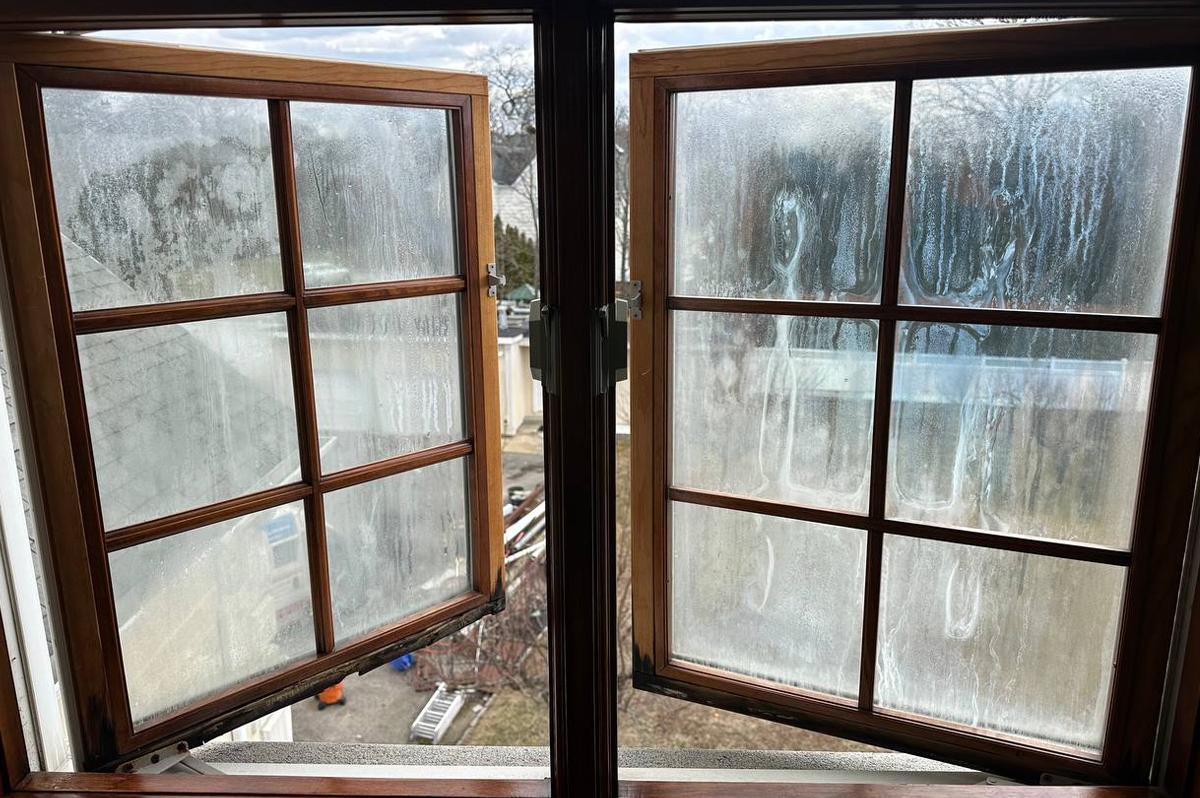

Window glass fogging is caused by moisture interacting with temperature differences on or between the glass surfaces. Fogging on the inside of the glass usually means indoor humidity is too high. Fogging on the outside is a normal sign that the window is insulating well. Fogging between the panes of a double- or triple-pane window means the airtight seal has failed and moisture has entered the insulated glass unit (IGU). According to Glass Doctor, the standard lifespan of a double-pane window seal ranges from 10 to 20 years, and once a seal breaks, the fogging will not go away on its own.
In this article, we explain each type of window fogging, what causes it, how to tell the difference between normal condensation and a real problem, whether foggy windows can be repaired or need full replacement, and how the right glass and installation protect against fogging for decades.
What Causes Window Glass to Fog Up?
Window glass fogs up when warm, humid air meets a cooler glass surface and the moisture in the air condenses into visible droplets or haze. This is the same process that makes a cold glass of water "sweat" on a hot day. The location of the fog, whether it is on the inside surface, the outside surface, or trapped between the panes, tells you exactly what is causing it and whether you need to worry.
According to the U.S. Department of Energy, heat gain and heat loss through windows account for 25% to 30% of residential heating and cooling energy use. A window with a failed seal and fogged glass loses a significant portion of its insulating ability, which forces your HVAC system to work harder and drives up energy bills. The Environmental Protection Agency (EPA) recommends keeping indoor relative humidity between 30% and 50% to reduce condensation and prevent mold growth.
Why Did My Windows Suddenly Fog Up?
Windows suddenly fog up because of a rapid change in temperature or humidity. A cold night after a warm day, a hot shower in a closed bathroom, or turning on the heat for the first time in the fall can all create enough of a temperature difference to trigger condensation on the glass. This type of fogging is temporary and usually clears up on its own once the temperature equalizes or the humidity drops.
If the fogging appeared suddenly between the panes of a double-pane window and will not wipe away from either side, the cause is almost certainly a seal failure. The seal may have been weakening for months or years, but the fogging only becomes visible after a big enough temperature swing forces humid air through the broken seal and into the space between the panes. Once this happens, the insulating gas (usually argon) has leaked out, and the window's thermal performance is permanently reduced.
Does Condensation on Windows Mean the House Is Too Cold?
Condensation on windows does not always mean the house is too cold. Interior condensation means the air inside the home is warm and humid, and the window glass is cool enough to cause that moisture to condense on the surface. This is actually more common in well-sealed, energy-efficient homes because they trap more moisture inside. According to Pella, one of the largest window manufacturers in the U.S., everyday activities like cooking, showering, and even breathing can raise indoor humidity enough to cause window condensation, especially during cooler months.
Exterior condensation, on the other hand, forms when the outside surface of the glass is cooler than the outdoor air. This typically happens on cool mornings in humid climates and is a sign that the window is doing its job by keeping indoor heat from escaping through the glass. It evaporates as the sun warms the glass and is nothing to worry about.
How Seal Failure Causes Fogging Between Window Panes
Seal failure causes fogging between window panes by allowing outside air and moisture to enter the sealed space inside the insulated glass unit. Modern double- and triple-pane impact windows are built with two or three layers of glass separated by a spacer bar and filled with an insulating gas like argon or krypton. The edges are sealed with a double-seal system: an inner seal to block moisture and an outer seal to hold the unit together structurally.
Over time, the seals break down from UV exposure, temperature cycling, and weather. The glass expands in the heat and contracts in the cold, and each cycle puts stress on the seal. According to Apex Window Werks, most window seals begin to weaken after 15 to 20 years of this constant expansion and contraction. Once the seal cracks or separates, humid air enters the space, the desiccant (a moisture-absorbing material inside the spacer) gets overwhelmed, and visible fogging appears between the panes.
Poor installation can also cause early seal failure. If the window was not installed level and plumb, the frame can flex unevenly and put extra stress on the seal. Water that is not properly drained away from the frame can also attack the seal from the outside. In South Florida, the combination of intense sun, high humidity, and salt air makes seal integrity even more important for long-term performance.
Do Fogged Windows Need to Be Replaced?
Fogged windows need to be replaced if the fogging is between the panes, because this means the seal has failed and the insulating gas is gone. The window will no longer perform as designed, and the fogging will get worse over time as more moisture enters and mineral deposits build up on the inner glass surfaces. According to Thompson Creek, a major window and door manufacturer, persistent fog between the panes is the most reliable sign of permanent seal failure.
In some cases, only the insulated glass unit (the glass panel itself) needs to be replaced, not the entire window frame. This is a cost-effective option if the frame is still in good shape. However, if the window is more than 15 years old and shows other signs of wear like frame rot, warping, or air leaks, replacing the entire window is usually the better long-term investment. Newer impact-rated glass with low-E coatings and argon gas fill delivers significantly better insulation and UV protection than older models.
Can Foggy Windows Be Resealed?
Foggy windows can be temporarily defogged by drilling small holes into the glass unit, removing moisture, and resealing the holes. However, this method does not restore the insulating gas, does not fix the broken seal, and typically fails again within one to two years. Glass Doctor notes that this approach can give clearer windows temporarily but causes you to lose the energy efficiency advantage that double-pane windows provide.
For a permanent fix, the insulated glass unit needs to be replaced with a new factory-sealed unit that includes fresh desiccant, new seals, and a full charge of insulating gas. This restores the window's thermal performance and eliminates the fogging for the life of the new unit. We recommend this approach for any window where the frame is still structurally sound.
How Indoor Humidity Causes Window Fogging
Indoor humidity causes window fogging when the moisture level inside the home is high enough that it condenses on the coolest surface in the room, which is usually the window glass. According to Thermal Windows Inc., a family of four can add more than 18 gallons of water to the air in their home per week through cooking, bathing, breathing, and doing laundry. In a tightly sealed home, that moisture has nowhere to go, and it collects on cold glass surfaces as visible condensation.
This type of fogging appears on the room side of the glass and can be wiped away. It is most common during cooler months when the indoor air is warm and humid and the glass surface is cold. Kitchens and bathrooms fog up more than other rooms because of steam from cooking and showering. Running exhaust fans, opening windows briefly to circulate air, and using a dehumidifier are the most effective ways to lower indoor humidity and reduce this type of condensation.
Laboratory studies cited by Universal Windows Direct show that dual-pane windows with argon gas and low-E glass can tolerate approximately 37% relative humidity before interior condensation appears. Single-pane windows and older glass without advanced glazing fog up at much lower humidity levels because the glass surface stays colder.
How Do I Get My Windows to Stop Fogging?
You get your windows to stop fogging by addressing the specific cause. For interior fogging, lower the indoor humidity by running exhaust fans in kitchens and bathrooms, using a dehumidifier, opening windows for a few minutes to let moist air escape, and keeping ceiling fans running to circulate air. The EPA recommends maintaining indoor humidity between 30% and 50%.
For fogging between the panes, the only permanent fix is replacing the insulated glass unit or the entire window. No amount of humidity control will clear fog that is trapped inside a sealed unit with a broken seal. For exterior fogging, no action is needed. It is a natural occurrence that clears as the outdoor temperature rises and is actually a sign that your windows are well insulated.
How Weather and Climate Affect Window Fogging
Weather and climate affect window fogging by creating the temperature and humidity conditions that trigger condensation. Hot, humid climates produce more exterior condensation on air-conditioned windows because the cool glass meets warm, moist outdoor air. Cold climates produce more interior condensation because warm, humid indoor air meets cold glass. Homes in climates with large temperature swings between day and night experience the most frequent fogging on both sides.
In South Florida, the combination of year-round humidity, intense UV exposure, and frequent temperature swings between air-conditioned interiors and hot outdoor air puts extra stress on window seals. Salt air near the coast accelerates corrosion of the spacer bar and seal materials, which can shorten the life of an insulated glass unit by several years compared to inland installations. This is why choosing windows and impact doors built specifically for coastal environments matters so much for long-term performance.
How Do I Stop My Glass From Fogging Up?
You stop your glass from fogging up by controlling humidity, improving ventilation, and using windows with high-performance glass. For quick results, run exhaust fans during and after cooking or showering, keep interior doors open to improve air circulation, and wipe condensation off windows promptly to prevent water damage to the sill and frame.
For a long-term solution, upgrade to double- or triple-pane windows with low-E coatings and argon gas fill. These windows keep the interior glass surface warmer, which raises the dew point threshold and reduces how often condensation forms. Impact-rated windows with laminated glass offer the added benefit of UV protection, noise reduction, and storm resistance alongside superior thermal performance.
Type of FoggingLocationCauseAction NeededInterior CondensationRoom side of the glassHigh indoor humidity, cool glass surfaceLower humidity, improve ventilationExterior CondensationOutside surface of the glassWarm, humid outdoor air meets cool glassNone; sign of good insulationBetween-Pane FoggingInside the sealed glass unitSeal failure, insulating gas escapedReplace the glass unit or full window
Sources: Glass Doctor, Pella Corporation, U.S. Department of Energy, Environmental Protection Agency (EPA), Thompson Creek, Apex Window Werks
How Window Quality Prevents Fogging Problems
Window quality prevents fogging problems because higher-quality windows use stronger seals, better spacer materials, more effective desiccants, and advanced glass coatings that resist the conditions that cause seal failure. Cheap windows with single-seal construction and basic spacer bars break down faster than premium windows with dual-seal systems, warm-edge spacers, and factory-applied low-E coatings.
Impact-rated windows built to meet Miami-Dade County and Florida Building Code standards are tested under some of the most demanding conditions in the country, including extreme wind pressure, missile impact, and water infiltration. These tests verify that the seals, glass, and frame hold up under stress that would destroy a standard window. That level of engineering also means the seals last longer under everyday conditions like heat, humidity, and UV exposure.
Proper installation is equally important. A window that is shimmed correctly, sealed against water intrusion, and flashed properly around the frame will hold its seal far longer than one that is loosely installed with gaps that allow water to pool around the edges. We see this firsthand across our projects, where professional installation combined with code-approved products gives homeowners decades of clear, fog-free performance.
What Do Professional Window Cleaners Use in Their Water?
Professional window cleaners use a mix of water and a small amount of dish soap or a professional-grade glass cleaning solution. Some professionals add a few drops of rubbing alcohol or white vinegar to help the solution evaporate faster and reduce streaking. The key is using very little soap, because too much leaves a film that attracts dust and makes the glass look hazy.
For clad windows or windows with low-E coatings, use only cleaning products approved by the window manufacturer. Harsh chemicals, abrasive pads, and pressure washers can damage the coating, the frame finish, and even the seal itself. A soft cloth or squeegee with a mild solution is all you need to keep your glass clean without risking damage to the window's performance features.
How to Clean Windows That Have Not Been Cleaned in Years
To clean windows that have not been cleaned in years, start by rinsing the glass with plain water to remove loose dirt and debris. Then apply a cleaning solution of warm water with a few drops of dish soap using a soft sponge or microfiber cloth. Work from the top of the glass down to prevent dirty water from streaking over clean areas. Use a rubber squeegee to remove the solution in a single smooth pass, wiping the blade between each stroke.
For stubborn buildup like mineral deposits or hard-water stains, a solution of equal parts white vinegar and water can break down the residue without damaging the glass. Apply it, let it sit for a few minutes, then scrub gently with a non-abrasive pad. Avoid razor blades on coated or tinted glass, as they can scratch the surface.
While you are cleaning, inspect the seals and weatherstripping around each window. Look for cracks, gaps, peeling, or discoloration. This is the easiest time to spot early signs of seal wear that could lead to fogging down the road. Catching a deteriorating seal early gives you time to plan a repair or replacement before the window's insulating performance drops. Homes along the coast should also check the sliding door tracks and window frames for salt residue and corrosion while cleaning.
How Impact-Rated Glass Resists Fogging
Impact-rated glass resists fogging better than standard glass because it is built with stronger seals, thicker laminated layers, and advanced coatings designed to withstand the extreme conditions of hurricane zones. The laminated interlayer that gives impact glass its shatter resistance also adds thermal mass that keeps the glass surface temperature more stable, which reduces the temperature swings that stress seals and cause condensation.
Impact windows that meet Miami-Dade County approval go through rigorous testing for water infiltration, air leakage, and structural performance under extreme wind pressure. These tests push the seals far harder than normal weather ever would, so windows that pass are built to last well beyond the 10- to 20-year seal lifespan of standard windows. According to industry data, insulated glass unit failure increases heating and cooling costs by 15% to 25%, so the longer a seal lasts, the more money you save over the life of the window.
Florida law (Chapter 627) requires insurance companies to offer wind mitigation discounts to homeowners who install impact-rated products on all exterior openings. Upgrading to impact windows with modern seals and low-E glass solves the fogging problem while also delivering storm protection, noise reduction, better security, and lower insurance premiums.
Frequently Asked Questions
How Do I Get My Windows to Stop Fogging?
You get your windows to stop fogging by lowering indoor humidity with exhaust fans and dehumidifiers for interior condensation, or by replacing the insulated glass unit for fogging between the panes. Exterior fogging is harmless and goes away on its own as the outdoor temperature rises.
Will a Hair Dryer Get Rid of Condensation Between Glass Panes?
A hair dryer will not permanently get rid of condensation between glass panes. It may temporarily clear the fog by warming the glass, but the moisture will return because the seal is broken and humid air will continue to enter the space. The only permanent solution is replacing the insulated glass unit.
Does Condensation on Windows Mean the House Is Too Cold?
Condensation on windows does not mean the house is too cold. It means the air inside is humid enough that moisture is collecting on the cooler glass surface. Reducing indoor humidity with ventilation, exhaust fans, or a dehumidifier is the most effective solution.
Can Foggy Windows Be Resealed?
Foggy windows can be temporarily defogged by drilling holes and removing moisture, but they cannot be permanently resealed to their original performance level. The insulating gas cannot be fully restored through this method, and the fog usually returns within one to two years. Replacing the glass unit is the only lasting fix.
How Long Do Window Seals Last?
Window seals last 10 to 20 years on average, depending on the quality of the seal, the amount of sun exposure, the climate, and how well the window was installed. Impact-rated windows with dual-seal construction and warm-edge spacers tend to last longer because they are engineered to handle more extreme conditions.
What Not to Use to Clean Tinted Windows?
Do not use ammonia-based cleaners, abrasive pads, razor blades, or pressure washers on tinted windows. These can damage the tint film, scratch the glass, or weaken the window seal. Use a soft cloth with a mild soap-and-water solution or a cleaning product specifically approved by the window manufacturer.
Is Foggy Window Glass a Sign of Mold?
Foggy window glass is not a direct sign of mold, but persistent condensation on the interior surface of windows can create the damp conditions that allow mold to grow on the window frame, sill, and surrounding wall. The EPA warns that mold can develop within 24 to 48 hours on moist surfaces, so wiping away condensation promptly and controlling indoor humidity are important for prevention.
The Takeaway
Window glass fogging comes down to moisture and temperature. Interior fogging means your home is humid and your glass is cold. Exterior fogging means your windows are insulating well. Fogging between the panes means the seal has failed and the window has lost its thermal performance. The first two are manageable with humidity control and ventilation. The third requires a glass unit replacement or a full window upgrade.
At ASP Windows & Doors, we install impact-rated windows and doors with advanced seals, low-E coatings, and argon gas fill that are built to resist fogging, reduce energy loss, and last for decades in South Florida's demanding climate. Call us at (888) 782-8342 to schedule a free estimate and see how an upgrade can clear up your view for good.
Now Accepting Appointments
Proudly serving homeowners and businesses across South Florida and Southwest Florida. Book your visit and let our experts help protect and upgrade your space.
.avif)
.avif)
.avif)
%201.avif)
Insights & Resources
Stay informed with expert tips on impact windows, hurricane protection, and South Florida building standards.



%201.webp)
%201%20(1).webp)
%201.svg)
%201%20(1)%20(1).webp)
.png%20(1).webp)
.png.webp)
.avif)
.avif)


.avif)


.png)
.png)