.avif)


Door Hinge Wear Problems
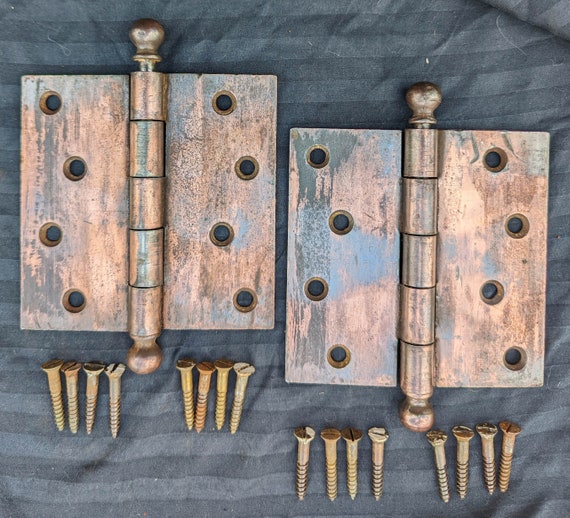

Door hinge wear problems include sagging or drooping doors, squeaking and grinding noises, loose or stripped screw holes, rust and corrosion, misalignment with the door frame, and doors that stick or refuse to close properly. Most of these problems develop gradually from daily use, the weight of the door, moisture exposure, and a lack of regular lubrication. According to hardware industry data, the average door hinge lasts 10 to 15 years, but proper maintenance can extend that lifespan to 20 to 25 years.
In this article, we cover every common door hinge wear problem, what causes each one, how to tell when a hinge needs repair or replacement, how the number and quality of hinges affect long-term performance, and why the door itself plays a major role in how fast hinges break down.
What Are the Common Hinge Problems That Cause Door Issues?
The common hinge problems that cause door issues are loose screws, worn hinge pins, rust and corrosion, stripped screw holes, squeaking, sagging, and misalignment. Hinges carry the full weight of the door and absorb the force of every open and close. According to Schlage, one of the largest residential hardware manufacturers in the United States, the average door hinge should last 10 to 15 years under normal conditions. But heavy doors, high-traffic rooms, and coastal humidity can cut that lifespan significantly.
The top hinge on any door takes the most stress because it bears the most weight as the door swings. That is why the top hinge is almost always the first to fail. If you notice a door starting to scrape the floor or frame on the latch side, the top hinge is likely worn, loose, or both.
Do Door Hinges Wear Out Over Time?
Yes, door hinges wear out over time because every open and close cycle grinds the metal pin against the knuckle joints. This friction slowly wears down the contact surfaces, causing the hinge pin to develop play and the door to sag. According to Window Hardware Direct, high-quality steel or stainless-steel hinges can last 20 years or more on interior or low-traffic doors, but exterior doors may see closer to 10 to 15 years due to heavier use and environmental exposure.
Homes with children tend to experience faster hinge wear because kids often swing on doors, hang on handles, and slam doors shut. Each of these actions puts extra torque on the hinge that goes far beyond the stress of a normal open and close cycle. Heavier doors like solid-core wood, steel, or fiberglass models also put more constant stress on their hinges than lightweight hollow-core interior doors.
How to Tell If Door Hinges Are Worn Out
You can tell if door hinges are worn out by looking for these warning signs: the door sags or hangs crooked when closed, the door scrapes the floor or frame, you hear squeaking or grinding when opening or closing, the door does not latch properly, there is visible rust or discoloration on the hinge, the screws will not stay tight, or you can wiggle the door noticeably when it is closed. Any one of these signs points to hinge wear, and multiple signs appearing together usually means replacement is the best option.
A simple test is to grab the outer edge of a closed door near the handle and try to wiggle it in and out. A healthy hinge will show almost no movement. If the door rocks or shifts, the hinge pins are worn and the knuckle joints have lost their snug fit.
Why Do Doors Sag and How Are Hinges Involved?
Doors sag because the hinges can no longer hold the door's weight in its original position. Over time, the hinge pins wear down, the screw holes strip out, or the hinge leaves bend slightly under the load. The result is a door that droops on the latch side, scrapes the floor or threshold, and becomes hard to close or lock. According to This Old House, sagging is one of the most common door problems in homes, and it almost always traces back to the hinges.
The weight of the door is the biggest factor. A standard hollow-core interior door weighs about 15 to 25 pounds, while a solid-core entry door can weigh 50 to 80 pounds or more. An impact-rated exterior door with laminated glass can be even heavier. The heavier the door, the more force it puts on the hinges with every use, and the faster those hinges wear down. This is why exterior and security doors almost always use three hinges instead of two.
Why Do Doors Have Three Hinges Instead of Two?
Doors have three hinges instead of two because the third hinge spreads the door's weight over three points instead of two, which reduces the stress on each individual hinge and slows down wear. According to Monroe Engineering, a general rule in the industry is to use one hinge per 30 inches of door height. A standard 80-inch door needs three hinges, while doors shorter than 60 inches can sometimes get by with two.
Three hinges also improve security. An exterior door with three hinges is harder to pry off its frame than one with only two. Fire doors in commercial and institutional buildings are required to have a minimum of three hinges to meet building code and fire-rating standards. For heavy impact doors, three hinges are standard because the extra weight of laminated glass and reinforced frames demands more support to prevent sagging over the door's lifetime.
What Is the Lifespan of a Door Hinge?
The lifespan of a door hinge is 10 to 15 years under normal residential use. With regular maintenance, including lubrication and screw tightening, a quality hinge can last 20 to 25 years. According to hardware lifespan data compiled by Schlage, exterior door hinges tend to wear out faster than interior hinges because of heavier doors, more frequent use, and exposure to rain, humidity, and temperature changes.
Stainless steel and solid brass hinges last the longest because they resist corrosion better than plain steel. Hinges on doors exposed to salt air, like homes near the coast in South Florida, may need replacement sooner because salt accelerates rust and weakens the metal. Ball-bearing hinges also last longer than standard hinges because the bearings reduce friction between the pin and the knuckle, which slows down the grinding that causes wear.
How to Fix Worn-Out Hinge Holes
You fix worn-out hinge holes by filling the stripped holes with wood, letting the filler dry, and then re-driving the screws into solid material. The most common method is the wooden dowel repair. You drill out the old hole slightly, glue a wooden dowel into the opening, let it dry completely, and then drill a pilot hole for the screw. The dowel gives the screw fresh, solid wood to grip, which restores the hinge's holding power.
A quicker fix for mildly stripped holes is to insert wooden toothpicks or matchsticks coated in wood glue into the hole, snap them flush, let the glue dry, and then re-drive the screw. This works for lightweight doors and minor stripping, but it is not a long-term solution for heavy exterior doors.
The best long-term fix for stripped hinge holes on an exterior door is to replace the standard short screws with 3-inch deck screws or structural screws that reach past the door jamb and into the wall studs behind it. This anchors the hinge to the structural framing of the house, which is far stronger than the thin door jamb alone. According to Consumer Reports, short hinge and strike plate screws are one of the most common weak points in residential door security.
Do Hinge Repair Plates Work?
Yes, hinge repair plates work for minor damage by providing a fresh mounting surface with new screw holes offset from the old stripped ones. The plate is screwed directly over the old hinge mortise, and the hinge is then mounted to the plate. This saves you from having to plug and re-drill every hole individually.
Hinge repair plates are a good short-term fix for interior doors, but they are less reliable on heavy exterior doors where the forces are greater. For a permanent repair on an impact-rated door, replacing the hinge with a higher-grade model and using longer screws into the studs is the more reliable approach.
Are You Supposed to Use WD-40 on Door Hinges?
WD-40 works as a quick fix for squeaky door hinges, but it is not the best long-term lubricant. WD-40 is a solvent and water displacer, not a true lubricant. It will silence a squeak temporarily by dissolving rust and dirt, but it evaporates quickly and can attract dust over time. According to Manhattan Door, lithium grease lasts the longest for hinge lubrication, followed by graphite and silicone spray.
For the best results, remove the hinge pin, clean it with a brush and solvent, apply a thin coat of white lithium grease or petroleum jelly, and reinstall it. This protects the metal surfaces, reduces friction, and keeps the hinge operating smoothly for months. On French doors and other multi-panel doors with several hinges, lubricating every hinge at the same time prevents uneven wear across the door.
What Are Signs of Hinge Problems?
The signs of hinge problems are squeaking or creaking noises during use, visible rust or corrosion on the hinge surface, a door that sags or hangs unevenly, difficulty closing or latching the door, screws that keep coming loose, paint or finish wearing off where the door rubs the frame, and a gap between the door and frame that was not there before. According to Angi (formerly Angie's List), loose hinges and sagging doors are among the most common and easily avoidable home maintenance issues, and addressing them early prevents damage to the door, the frame, and the lock hardware.
If a door starts closing on its own or swinging open without being touched, that is another sign of hinge wear or misalignment. The door is no longer hanging plumb, and gravity is pulling it in the direction of the sag. Bending the hinge pin slightly can add temporary resistance, but replacing the worn hinge is the real fix.
How Does Humidity and Weather Affect Door Hinges?
Humidity and weather affect door hinges by accelerating rust, corrosion, and the expansion and contraction of the door and frame. When moisture gets between the hinge pin and the knuckle, it creates rust that increases friction and wears down the metal faster. High humidity also causes wooden doors and frames to swell, which puts extra pressure on the hinges and can throw the alignment off.
This is a year-round concern for homes in humid coastal climates. Salt air is especially damaging because it corrodes metal faster than regular humidity alone. Stainless steel and brass hinges hold up better than plain steel in salty environments. Applying a rust-preventive coating or a thin layer of petroleum jelly to the hinge surfaces helps protect against moisture damage between maintenance cycles.
Temperature swings can also cause problems. When a door frame expands in the heat and contracts in the cold, the hinge alignment shifts slightly with each cycle. Over months and years, this repeated movement loosens screws and widens screw holes, which leads to sagging. Impact windows and doors built with thermally stable materials like fiberglass and aluminum resist this expansion and contraction better than wood, which helps protect the hinges from climate-related stress.
How Door Quality Affects Hinge Wear
Door quality directly affects hinge wear because a heavier, denser door puts more stress on the hinges with every use. A lightweight hollow-core interior door weighs 15 to 25 pounds and puts minimal strain on standard hinges. A solid-core exterior door weighs 50 to 80 pounds. An impact-rated sliding door or entry system with laminated glass can weigh well over 100 pounds, depending on the size and configuration.
High-quality doors that are properly installed with the right number and grade of hinges experience far less hinge wear than cheap doors hung with undersized hardware. Ball-bearing hinges are recommended for any door over 60 pounds because the bearings absorb the rotational friction that destroys standard pin-and-knuckle hinges over time. Impact-rated entry doors from reputable manufacturers come with heavy-duty hinges matched to the door's weight and size, which is one reason they last 20 to 30 years with minimal hinge problems.
Door TypeTypical WeightRecommended HingesExpected Hinge LifespanHollow-Core Interior15 to 25 lbs2 standard hinges15 to 25 yearsSolid-Core Interior40 to 60 lbs3 standard or ball-bearing hinges15 to 20 yearsExterior Entry Door (Wood)50 to 80 lbs3 ball-bearing hinges10 to 15 yearsImpact-Rated Entry Door80 to 150+ lbs3+ heavy-duty ball-bearing hinges15 to 25 yearsImpact-Rated Sliding Door100 to 300+ lbsHeavy-duty track rollers (no traditional hinges)20 to 30 years
Sources: Schlage, Window Hardware Direct, Monroe Engineering, National Association of Home Builders (NAHB), This Old House
Can I Replace Door Hinges One at a Time Without Removing the Door?
Yes, you can replace door hinges one at a time without removing the door. Start with the bottom hinge, then the middle, and save the top hinge for last. Place a wedge or a piece of wood under the bottom edge of the door to support its weight while you swap each hinge. This keeps the door stable and prevents it from falling out of the frame during the replacement.
If you are replacing all three hinges, make sure the new hinges are the same size, corner style, and screw pattern as the originals. Schlage notes that most residential interior doors use 3.5-inch hinges, while exterior doors typically use 4-inch hinges to support the additional weight. Mismatched hinge sizes can cause alignment problems and accelerate wear on the new hardware.
How Proper Installation Prevents Hinge Wear
Proper installation prevents hinge wear by making sure the door hangs level and plumb from the start, the screw holes are tight, and the hinges are rated for the door's weight. A poorly installed door puts uneven stress on the hinges from day one, which means they wear out faster even if the hardware itself is high quality.
Professional installers use a level to verify that the door frame is plumb and square before hanging the door. They use pilot holes to prevent splitting, set the hinges with screws long enough to reach the wall studs, and test the door's swing and latch function before finishing the job. This level of precision is especially important on custom aluminum doors and impact-rated systems where the door panels are heavier and the tolerances are tighter.
We see the difference proper installation makes every day in our projects across South Florida. A well-installed impact door with the right hinges and hardware lasts decades without sagging, squeaking, or losing alignment, even in a coastal environment with salt air, humidity, and hurricane-season winds.
Frequently Asked Questions
What Are the Common Hinge Problems?
The common hinge problems are loose screws, worn hinge pins, squeaking, rust, misalignment, sagging, and stripped screw holes. Most of these develop gradually from normal daily use and can be prevented with regular lubrication and screw tightening at least once a year.
How Often Should You Lubricate Door Hinges?
You should lubricate door hinges at least once a year with white lithium grease, silicone spray, or petroleum jelly. Exterior door hinges and hinges in humid environments benefit from lubrication every six months. Clean the hinge pin and knuckle before applying lubricant for the best results.
Why Does My Door Squeak Even After Oiling the Hinges?
A door squeaks even after oiling the hinges if the hinge pin is worn, bent, or corroded beyond what surface lubrication can fix. The noise may also come from the hinge rubbing against a misaligned door frame. If lubricant does not stop the squeak, the hinge pin or the entire hinge likely needs replacement.
What Is the Best Material for Door Hinges?
The best material for door hinges is stainless steel for corrosion resistance and durability, or solid brass for a combination of strength and classic appearance. Both materials resist rust far better than plain steel. For exterior doors in coastal areas, stainless steel ball-bearing hinges offer the best combination of corrosion resistance and smooth, long-lasting operation.
Can Worn Hinges Affect My Door Lock?
Yes, worn hinges can affect your door lock because a sagging door shifts the position of the latch or deadbolt relative to the strike plate. If the bolt no longer lines up with the strike plate, the door will not lock properly even if the lock itself is in perfect condition. Fixing the hinge often fixes the lock problem at the same time.
Should I Replace My Hinges or My Entire Door?
You should replace your hinges if the door itself is still in good condition and the hinge wear is the only problem. Replace the entire door if the door is warped, rotted, cracked, or more than 20 years old. If you are upgrading to an impact-rated system for storm protection and security, the new door will come with matched, heavy-duty hinges already sized and rated for the door's weight.
Why Are Door Hinges So Expensive?
Door hinges vary widely in price. Basic residential hinges are inexpensive, often just a few dollars each. Heavy-duty ball-bearing hinges, stainless steel hinges, and specialty hinges for fire-rated or impact-rated doors cost more because they use stronger materials, tighter manufacturing tolerances, and built-in features like sealed bearings that reduce wear over decades of use. The extra cost pays for itself in a longer lifespan and fewer replacement cycles.
What It All Comes Down To
Door hinge wear is one of the most common and most overlooked maintenance issues in any home. A squeaky or sagging door might seem minor, but left alone, it leads to damaged frames, broken locks, and doors that will not close or seal properly. The fix is almost always simple: lubricate the hinges, tighten the screws, and replace anything that is visibly worn, rusted, or stripped. Do this once or twice a year, and your hinges will last for decades.
If your door is heavy, old, or taking a beating from coastal weather, upgrading to a modern impact-rated door with factory-matched, heavy-duty hinges is the most effective way to solve hinge problems for good. At ASP Windows & Doors, we install impact-rated entry doors, sliding doors, and specialty glass doors built to handle South Florida's toughest conditions. Call us at (888) 782-8342 to schedule a free estimate.
Now Accepting Appointments
Proudly serving homeowners and businesses across South Florida and Southwest Florida. Book your visit and let our experts help protect and upgrade your space.
.avif)
.avif)
.avif)
%201.avif)
Insights & Resources
Stay informed with expert tips on impact windows, hurricane protection, and South Florida building standards.


%201.webp)
%201%20(1).webp)
%201.svg)
%201%20(1)%20(1).webp)
.png%20(1).webp)
.png.webp)
.avif)
.avif)


.avif)


.png)
.png)