.avif)


Door Lock Safety Concerns
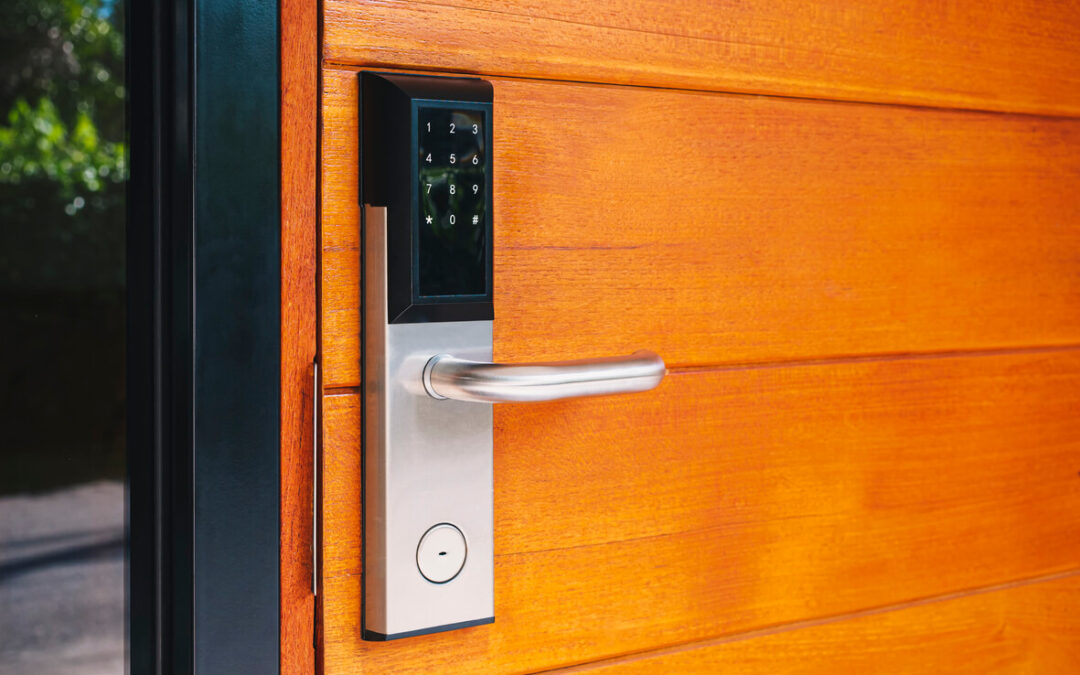

Door lock safety concerns include weak factory latches that can be forced open in seconds, misaligned deadbolts that fail to extend fully, worn-out internal parts that jam without warning, and double-cylinder locks that can trap you inside during a fire. According to the FBI, 34% of burglars enter through the front door, and the Bureau of Justice Statistics reports that more than one million burglaries happen in the United States every year. A lock is only as strong as the door it is mounted on, and both need to work together to keep your home safe.
In this article, we cover the most common door lock safety concerns homeowners face, how lock grading systems work, which lock types provide the best protection, the fire safety risks of certain deadbolt configurations, and how a strong, well-built door is just as important as the lock itself.
What Are the Common Problems With Door Locks?
The common problems with door locks are sticky or jammed latches, misaligned deadbolts, loose hardware, worn-out keys, frozen cylinders, and broken internal mechanisms. Most of these problems happen slowly over time from dirt buildup, regular use, temperature changes, and humidity. According to the American Society of Home Inspectors (ASHI), malfunctioning locks and misaligned hardware are among the most frequent findings during residential home inspections.
A lock that does not latch fully or a deadbolt that does not extend all the way into the strike plate leaves your door vulnerable, even when you think it is locked. This is especially true on double-panel doors like French doors, where both panels need to align precisely for the lock to engage. In many cases, a simple tightening of screws or a dose of graphite lubricant can fix the issue. But if the lock keeps jamming or the door frame has shifted, the problem usually goes deeper than the hardware itself.
Why Does My Door Lock Keep Jamming?
A door lock keeps jamming because of dirt and debris inside the keyway, a misaligned strike plate, loose screws, or internal parts that have worn down from repeated use. Temperature and humidity changes can also cause the door or frame to swell and shrink, which throws the lock out of alignment. Homes in humid coastal climates deal with this problem more often because moisture accelerates rust and corrosion inside the lock mechanism.
To fix a jammed lock, start by cleaning the keyway with compressed air and applying a graphite-based lubricant. Avoid oil-based products because they attract dust and can make the problem worse over time. If the deadbolt is not catching the strike plate, check whether the screws on the strike plate and hinges are tight. A sagging door will misalign even a perfectly installed lock, so tightening the top hinge screws often solves the issue.
What Happens If a Key Snaps in a Door Lock?
If a key snaps in a door lock, the broken piece can block the keyway and prevent you from locking or unlocking the door. This usually happens when a worn-down key is forced into a stiff lock, or when internal pins are corroded and resist the key's turning motion. According to locksmith industry data, broken keys are one of the top five reasons homeowners call for emergency lock service.
If the broken piece is sticking out, you may be able to grip it with needle-nose pliers and pull it straight out. If it is flush with the lock or deeper inside, a professional locksmith is the safest option. Trying to dig it out with improvised tools can damage the cylinder and turn a minor repair into a full lock replacement. Replacing worn keys before they bend or crack is one of the easiest ways to prevent this from happening.
How Do ANSI Lock Grades Affect Door Lock Safety?
ANSI lock grades affect door lock safety by defining how much force a lock can withstand and how long it will last under regular use. The American National Standards Institute (ANSI) and the Builders Hardware Manufacturers Association (BHMA) created a three-grade system that tests locks for durability, strength, and security. Grade 1 is the highest and strongest. Grade 3 is the minimum allowed for residential use.
A Grade 1 lock must survive 1,000,000 cycles of opening and closing and withstand multiple blows of up to 120 foot-pounds of force during strike testing, according to ANSI/BHMA A156.2 standards. A Grade 2 lock must handle 500,000 cycles and withstand blows up to 90 foot-pounds. A Grade 3 lock only needs to survive 200,000 cycles and two blows at 60 foot-pounds.
For front doors and back doors, security professionals recommend at least a Grade 2 lock. Grade 3 locks are fine for interior doors like bedrooms and closets, but they are too weak for any exterior door that faces the outside.
FeatureANSI Grade 1ANSI Grade 2ANSI Grade 3Intended UseCommercial and high-security residentialResidential exterior doorsInterior doors onlyCycle Test (Durability)1,000,000 cycles500,000 cycles200,000 cyclesStrike ResistanceUp to 120 ft-lbsUp to 90 ft-lbsUp to 60 ft-lbsSecurity LevelHighestMid-highBasicRecommended ForHigh-traffic or high-risk entriesFront and back doorsBedrooms, closets, bathrooms
Sources: American National Standards Institute (ANSI), Builders Hardware Manufacturers Association (BHMA), ANSI/BHMA A156.2 Standard
What Locks Do Police Recommend for Doors?
Police recommend deadbolt locks rated ANSI Grade 1 or Grade 2 for all exterior doors. A deadbolt with a bolt that extends at least one inch into the door frame provides strong resistance against forced entry. Law enforcement agencies also recommend pairing a deadbolt with a reinforced strike plate secured by 3-inch screws that reach into the wall studs, because Consumer Reports testing found that short strike plate screws are the most common point of failure during kick-in attacks.
Many police departments also recommend adding a secondary locking device like a security bar or a chain lock for extra protection on sliding doors and back entries. For homes with glass panels near the lock, impact-rated laminated glass is the strongest option because it cannot be easily shattered to reach the lock from outside.
Are Double-Cylinder Deadbolts a Fire Safety Risk?
Yes, double-cylinder deadbolts are a fire safety risk because they require a key to unlock from inside the home, which can trap occupants during a fire or other emergency. The International Residential Code (IRC) Section R311.2 states that egress doors must be openable from inside the dwelling without a key, special knowledge, or extra effort. Many local building codes ban double-cylinder deadbolts on new construction egress doors for exactly this reason.
Double-cylinder deadbolts do offer a security benefit in specific situations, such as doors with glass sidelights where a burglar could smash the glass and reach in to turn a thumbturn. However, the fire safety tradeoff is serious. In a smoke-filled house, finding a key in the dark while trying to escape can cost critical seconds. The National Fire Protection Association (NFPA) emphasizes that fast, unobstructed egress saves lives during residential fires, and any delay at a locked door increases danger.
For homeowners who want the security of a double-cylinder lock without the egress risk, the best solution is upgrading the door and glass itself. Impact glass resists shattering, which removes the reason most people install double-cylinder locks in the first place. With impact-rated glass next to your lock, a burglar cannot break through the panel to reach the thumbturn, and you can still exit quickly with a simple twist.
Is It Safer to Leave a Key in a Locked Door?
Leaving a key in a locked door from the inside does not make the door significantly safer. In a single-cylinder deadbolt, the door locks and unlocks from inside with a thumbturn, so a key is not needed on the interior side. In a double-cylinder deadbolt, leaving the key inserted on the inside makes it easier to exit during an emergency, which reduces the fire safety risk. However, it also means that if a burglar breaks a nearby window, they can reach in and turn the key to unlock the door.
The safer approach is to eliminate the glass vulnerability entirely. Impact doors with laminated glass panels solve both problems at once: the glass cannot be broken to reach the lock, and you can use a standard single-cylinder deadbolt with a thumbturn for quick, keyless exit from inside.
How Does the Door Itself Affect Lock Safety?
The door itself affects lock safety because even the strongest lock will fail if the door is hollow, weak, rotted, or warped. A standard hollow-core interior door can be kicked in with minimal force, regardless of the lock grade. The FBI's crime data shows that 58.3% of residential burglaries involve forcible entry, and in many of those cases, the door frame or door material gives out long before the lock does.
Solid wood, steel, and fiberglass are the three strongest materials for exterior doors. Steel doors offer the best brute-force resistance. Fiberglass doors resist warping, cracking, and moisture damage, making them ideal for humid and coastal climates. Custom aluminum doors are another strong option, especially for modern home designs that call for large glass panels with slim frames. Solid wood doors look beautiful but require more maintenance and can swell or shrink with weather changes, which leads to lock misalignment over time.
The door frame matters just as much as the door. A reinforced frame with a heavy-duty strike plate anchored into the wall studs by 3-inch screws is far harder to kick in than a standard frame with short screws. According to State Farm, reinforcing the door, frame, hinges, and lock together is the most effective way to improve front door security.
What Material Makes the Strongest Entry Door?
The strongest entry door material for residential use is steel, followed closely by fiberglass. Steel doors provide the highest resistance to forced entry and are difficult to dent, kick in, or pry open. Fiberglass doors are nearly as strong as steel but offer better resistance to rust, corrosion, and moisture damage, which makes them a better long-term choice for homes in South Florida and other humid coastal regions.
Impact-rated entry doors take this a step further. They are built with reinforced frames, multi-point locking systems, and laminated impact glass that meets Miami-Dade County testing standards for hurricane-force winds and windborne debris. We install these systems across our service area, and they provide both storm protection and year-round security in a single upgrade.
Can Keyless Entry Door Locks Be Hacked?
Yes, keyless entry door locks can technically be hacked, but the risk is very low with modern, well-built smart locks that use encryption. Early smart locks had known vulnerabilities because they transmitted data over Bluetooth without proper encryption. Today, reputable manufacturers use AES 128-bit or 256-bit encryption, two-factor authentication, and automatic firmware updates to close security gaps. According to Statista, the global smart home market is projected to exceed $222 billion by 2027, with security devices playing a central role in that growth.
The bigger real-world risk with keyless locks is not hacking. It is dead batteries, Wi-Fi outages, and weak PIN codes that are easy to guess. A smart lock with a physical key backup, a low-battery warning, and offline PIN capability covers all of these scenarios. For maximum security, pair a smart lock with a strong deadbolt, a reinforced door, and impact-rated glass so that even if the electronic system fails, the physical barrier remains solid.
What Is the Best Lubricant for Key Locks?
The best lubricant for key locks is a graphite-based dry lubricant or a Teflon-based spray. Graphite powder coats the internal pins without attracting dust or moisture, which keeps the lock operating smoothly for months. Teflon sprays work the same way and are easier to apply. Avoid using WD-40 or other oil-based products for long-term lock maintenance because they attract dirt, gum up the mechanism over time, and can make the problem worse.
Apply lubricant to your exterior door locks once or twice a year, and more often if you live in a humid or salty coastal environment. Regular lubrication prevents sticking, reduces key wear, and extends the life of the lock cylinder.
How Impact Doors Address Door Lock Safety Concerns
Impact doors address door lock safety concerns by combining a reinforced frame, multi-point locking hardware, and laminated impact glass into a single system that is far stronger than a standard door with an aftermarket lock. Instead of relying on one deadbolt and a weak door panel, an impact-rated door distributes the locking force across multiple points on the frame, which makes the entire assembly much harder to force open.
The laminated glass in impact doors eliminates the biggest weakness of doors with glass panels: the ability for someone to break the glass and reach inside to unlock the door. Because impact doors use glass that holds together even after impact, there is no easy way to bypass the lock through the glass. This removes the need for double-cylinder deadbolts and their associated fire safety risks.
In Florida, impact doors that meet Miami-Dade County and Florida Building Code standards also qualify for wind mitigation insurance discounts. Florida law (Chapter 627) requires insurance companies to offer premium reductions for homes with approved hurricane protection. According to industry data, homeowners who protect all exterior openings with impact-rated products can reduce the windstorm portion of their insurance premium by 25% to 50%, depending on the carrier and location.
Is It Cheaper to Replace or Rekey a Lock?
It is cheaper to rekey a lock than to replace it if the existing hardware is still in good condition. Rekeying changes the internal pins so old keys no longer work, and it typically costs far less than buying and installing new hardware. However, if the lock is damaged, worn out, or rated below ANSI Grade 2, full replacement is the smarter choice because a rekeyed lock with weak internals is still a weak lock.
If you are already upgrading your door to an impact-rated system, the new door will come with its own locking hardware designed to match the door's security level. This is the ideal time to get a fresh lock that meets current safety standards without paying separately for a locksmith visit.
How to Maintain Door Locks for Long-Term Safety
Maintaining door locks for long-term safety starts with regular cleaning, lubrication, and inspection. Most lock problems develop slowly, and catching them early prevents lockouts, security gaps, and expensive emergency repairs.
Lubricate all exterior lock cylinders with graphite powder or a Teflon spray once or twice a year. Clean the keyway with compressed air to remove dust and debris. Tighten the screws on the lock, the strike plate, and the door hinges at least once a year, because loose hardware is one of the leading causes of lock misalignment. Test the deadbolt to make sure it extends fully into the strike plate every time you turn it. If it catches, sticks, or requires force, the door may have shifted and the strike plate may need adjustment.
Inspect the door itself for warping, cracking, or moisture damage. A door that no longer sits flush in its frame will throw off the lock alignment no matter how new the hardware is. In our service area across South Florida, salt air and humidity speed up corrosion on metal lock components, so more frequent checks are a good idea for coastal properties.
Replace any lock that is more than 10 to 15 years old, shows visible rust or wear, or no longer meets ANSI Grade 2 standards. Lock technology improves over time, and older locks may lack features like anti-pick pins, anti-bump protection, and reinforced strike plates that come standard on modern hardware. If the door itself is aging alongside the lock, upgrading to a new entry door with factory-installed, code-compliant hardware is the most efficient path to better security.
Frequently Asked Questions
What Are the Common Problems With Door Locks?
The common problems with door locks are jammed latches, misaligned deadbolts, loose screws, worn-out keys, frozen cylinders, and broken internal parts. Most of these problems come from dirt buildup, regular use, humidity, and temperature changes. Regular cleaning and lubrication prevent most lock issues before they become serious.
How Often Should You Replace Door Locks?
You should replace door locks every 10 to 15 years, or sooner if they show signs of rust, stiffness, or mechanical failure. If a lock no longer extends fully, jams regularly, or is rated below ANSI Grade 2, it should be replaced immediately. Moving into a new home is also a good time to replace or rekey all exterior locks.
Do Deadbolts Make a Door Safer?
Yes, deadbolts make a door significantly safer because the bolt extends deep into the door frame and cannot be retracted without turning the key or thumbturn. A standard doorknob lock uses a spring-loaded latch that can be forced back with a credit card or pry tool. A deadbolt resists these techniques and is much harder to kick in, especially when paired with a reinforced strike plate and 3-inch screws.
Can a Locksmith Fix a Misaligned Door Lock?
Yes, a locksmith can fix a misaligned door lock by adjusting the strike plate, tightening the hinges, or repositioning the lock cylinder. In many cases, the misalignment comes from a sagging door rather than the lock itself. If the door frame is warped or damaged, a locksmith may recommend a frame repair or full door replacement to solve the problem permanently.
Are Smart Locks Safer Than Traditional Locks?
Smart locks are about as safe as traditional locks when they are built with encryption, strong physical hardware, and a backup key option. The security advantage of smart locks is the ability to track who enters and when, grant temporary access codes, and lock the door remotely. The main vulnerabilities are dead batteries and weak PIN codes. Choosing a smart lock with ANSI Grade 2 or higher physical hardware gives you both digital convenience and mechanical strength.
What Should I Do If My Lock Will Not Turn?
If your lock will not turn, apply a graphite-based lubricant to the keyway and try gently wiggling the key while turning it. Check that you are using the correct key, as worn keys can sometimes feel right but fail to engage the pins properly. If lubricant does not help, the issue may be internal corrosion, a misaligned door, or a worn cylinder. Calling a professional locksmith is the safest next step to avoid causing further damage.
Does a Reinforced Door Frame Improve Lock Safety?
Yes, a reinforced door frame improves lock safety because the frame is where the lock's bolt anchors when the door is closed. A weak frame with short screws can split or give way under a single hard kick, even if the lock itself is strong. The BHMA recommends a strike plate secured with 3-inch screws that reach the wall studs, which distributes force across the structural framing and makes the entry point much harder to breach.
The Takeaway
Door lock safety is about more than just the lock. The grade of the hardware, the strength of the door, the condition of the frame, and the type of glass all work together to either protect your home or leave it exposed. A Grade 2 or higher deadbolt on a solid, well-maintained door with a reinforced strike plate is the baseline for real security. If your doors have glass panels, impact-rated laminated glass eliminates the biggest vulnerability without creating fire safety risks from double-cylinder locks.
At ASP Windows & Doors, we install impact-rated entry doors, sliding doors, and French doors that combine reinforced frames, multi-point locks, and laminated glass into one complete system. If you are ready to upgrade your home's security and storm protection at the same time, call us at (888) 782-8342 or request a free estimate.
Now Accepting Appointments
Proudly serving homeowners and businesses across South Florida and Southwest Florida. Book your visit and let our experts help protect and upgrade your space.
.avif)
.avif)
.avif)
%201.avif)
Insights & Resources
Stay informed with expert tips on impact windows, hurricane protection, and South Florida building standards.


%201.webp)
%201%20(1).webp)
%201.svg)
%201%20(1)%20(1).webp)
.png%20(1).webp)
.png.webp)
.avif)
.avif)


.avif)


.png)
.png)