.avif)


Window Moisture Inside Problems
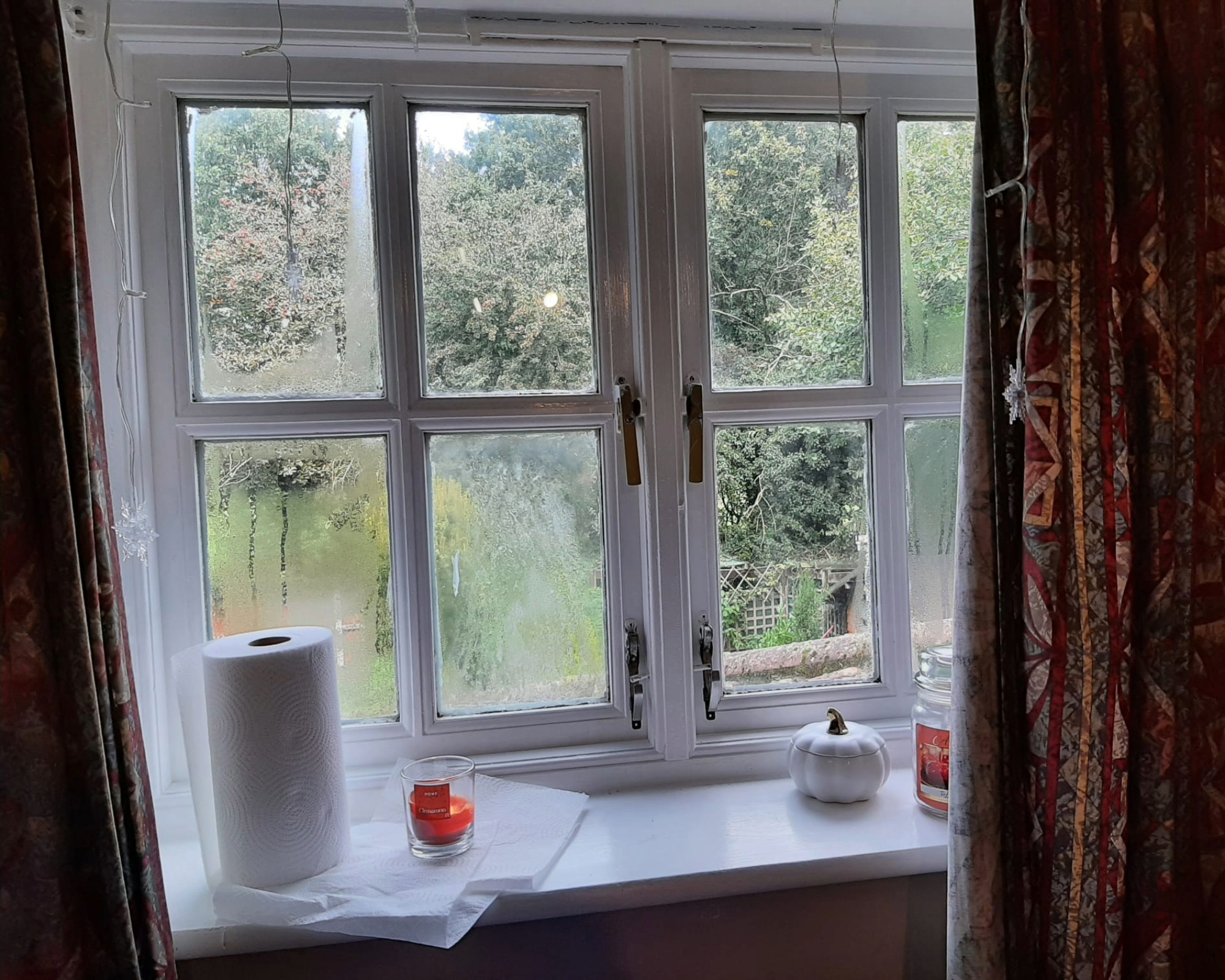

Window moisture inside problems include water droplets forming on the glass, condensation pooling on window sills, fog trapped between double-pane glass, water stains on walls near the window, and moisture leaking in around the frame during rain. The cause is usually high indoor humidity, a failed seal in the insulated glass unit, poor weatherstripping, or a drainage issue in the window assembly. According to the CDC, mold can begin growing on damp surfaces within 24 to 48 hours, which means any persistent window moisture that goes unchecked can quickly become a health concern.
In this article, we explain what causes moisture to appear inside and around windows, how to tell the difference between normal condensation and a real leak, what health risks come with ongoing moisture problems, and how the right windows and proper installation prevent these issues from developing in the first place.
What Causes Moisture Problems on the Inside of Windows?
Moisture problems on the inside of windows are caused by warm, humid air condensing on the cooler glass surface. This is the same process that makes a mirror fog up during a hot shower. The warmer the air and the cooler the glass, the more condensation forms. According to the Environmental Protection Agency (EPA), indoor relative humidity should stay between 30% and 50% to prevent condensation and mold growth. Anything above 50% creates ideal conditions for moisture to collect on windows, walls, and other cold surfaces.
Everyday activities add a surprising amount of moisture to the air inside a home. According to Thermal Windows Inc., a family of four can release more than 18 gallons of water into the air per week through cooking, bathing, breathing, and doing laundry. In a tightly sealed, energy-efficient home, that moisture stays inside and has nowhere to go except onto the coldest surfaces, which are usually the windows.
Is It Normal for the Inside of Your Windows to Be Wet?
It is normal for the inside of your windows to be wet in small amounts during cold weather or after high-humidity activities like cooking and showering. This type of condensation is temporary and wipes away easily. It means the warm, moist air inside your home is hitting the cooler glass surface and releasing its moisture. According to Pella, this is actually more common in well-sealed homes because energy-efficient windows and tight construction trap more humidity indoors.
However, it is not normal if the moisture is heavy enough to drip down and pool on the sill every day, if it leaves water stains or discoloration on the frame, or if you notice it in the same spots regardless of the season. Persistent, recurring moisture is a sign that indoor humidity is too high, the window is underperforming, or there is a leak in the window assembly that needs professional attention.
Does Condensation Always Indicate a Problem?
Condensation does not always indicate a problem. Light, temporary condensation on the room side of the glass during cold mornings or after a shower is harmless and expected. Exterior condensation, which forms on the outside of the glass during cool, humid mornings, is actually a sign that the window is insulating well. Neither type requires repair.
Condensation does indicate a problem when it appears between the panes of a double- or triple-pane window. This means the seal has failed and humid air has entered the insulated glass unit. Once this happens, the insulating glass has lost its thermal performance, and the foggy appearance will not go away without replacing the glass unit. Condensation also indicates a problem if it persists throughout the day, damages the sill or frame, or leads to mold growth around the window.
How to Tell If It Is Condensation or a Leak
You tell if it is condensation or a leak by checking where the water appears and when it shows up. Condensation forms evenly across the glass surface as small droplets or fog. A leak shows up as water on the frame, the sill, or the wall around the window, often concentrated at the top or corners. According to Centra Windows, if the water is on the glass, it is almost certainly condensation. If the water is on the seal, the frame, or coming from above the window, it is likely a leak.
Timing is another clue. Condensation appears when there is a big temperature difference between inside and outside air, such as cold mornings or after using hot water indoors. Leaks appear during or after rain, regardless of the temperature. If you see water around your windows only when it rains or during a storm, that points directly to a leak in the flashing, caulking, or window installation.
Is My Window Leaking or Is It Condensation?
Your window is leaking if water appears on the frame, sill, or surrounding wall during or after rain, especially near the top of the window or at the corners where the frame meets the wall. Your window has condensation if water droplets or fog form evenly across the glass surface during cold weather or after humidity-producing activities like cooking and showering.
A simple test can help if you are not sure. Dry the area completely, then tape a piece of plastic wrap or aluminum foil to the window frame. Leave it for 24 to 48 hours. If moisture appears on the room-facing side, it is condensation from indoor humidity. If moisture appears behind the tape on the frame side, water is getting in from outside, which means you have a leak. Leaks around windows should be inspected by a professional as soon as possible because water intrusion can damage the wall framing, insulation, and drywall behind the window.
How Window Moisture Leads to Mold and Health Problems
Window moisture leads to mold and health problems because mold spores need only moisture and an organic surface to grow, and they can begin colonizing within 24 to 48 hours. The CDC states that mold grows wherever there is moisture, including around leaks in windows, pipes, and roofs. Window sills, frames, and the surrounding drywall are all organic materials that mold can feed on once they stay damp long enough.
According to the EPA, mold exposure can cause stuffy noses, sore throats, coughing, wheezing, skin rashes, and eye irritation in sensitive individuals. People with asthma or mold allergies may experience severe reactions. The World Health Organization (WHO) published guidelines linking indoor dampness and mold to increased rates of respiratory symptoms, allergies, and asthma. These are serious concerns, especially in homes with young children, elderly residents, or anyone with a compromised immune system.
The CDC recommends keeping indoor humidity below 50% at all times, using exhaust fans that vent to the outside in kitchens and bathrooms, fixing leaks promptly, and drying any wet surfaces within 24 to 48 hours. For windows that show persistent moisture or early signs of mold around the frame, addressing the root cause, whether it is humidity, a seal failure, or a leak, is the only way to stop the problem from getting worse.
What Are the First Signs of Damp in a House?
The first signs of damp in a house are condensation on windows, a musty smell in certain rooms, peeling or bubbling paint near windows or exterior walls, dark spots or discoloration on walls and ceilings, and soft or warped wood around window frames. According to the EPA, a musty odor is often the earliest sign that mold is growing somewhere hidden, even before visible spots appear. If you notice any of these signs near a window, it means moisture is present and the source needs to be found and fixed.
In humid coastal environments, dampness can develop faster because the outdoor air already carries a lot of moisture. Running a dehumidifier, maintaining air conditioning at a consistent temperature, and making sure every exterior door and window seals tightly all help control indoor moisture levels and prevent damp from taking hold.
Will a One-Time Leak Cause Mold?
A one-time leak can cause mold if the affected area stays wet for more than 24 to 48 hours. According to the CDC, mold can begin growing on any damp surface within that time frame. If you catch the leak quickly, dry everything thoroughly, and remove any standing water, mold growth is unlikely. But if the water soaks into drywall, insulation, or the subfloor and stays there, mold can develop behind the wall where you cannot see it.
After any leak around a window, dry the area completely and check for moisture behind the frame and in the surrounding wall. If the leak was caused by a storm, inspect the glazing, caulking, and flashing around the window for damage. Repairing the entry point quickly prevents a one-time leak from becoming a recurring mold problem.
How to Fix a Window That Has Moisture in It
How you fix a window that has moisture in it depends on where the moisture is and what is causing it. For condensation on the room side of the glass, the fix is to lower indoor humidity. Run exhaust fans in the kitchen and bathroom, use a dehumidifier, open windows briefly on dry days to exchange moist indoor air for drier outdoor air, and keep ceiling fans running to circulate air evenly through the home.
For moisture trapped between the panes, the fix is to replace the insulated glass unit (IGU) or the entire window. The seal has failed, and no amount of humidity control will clear fog that is trapped inside a sealed unit. If the window frame is still in good condition, replacing just the glass unit is the more affordable option. If the frame is rotted, warped, or more than 15 years old, a full window replacement with modern, impact-rated glass delivers the best long-term value.
For water leaking in around the frame during rain, the fix is to identify and seal the entry point. This could be failed caulking, damaged flashing, missing weatherstripping, or a gap between the window frame and the rough opening. A professional installer can diagnose the source and make the repair correctly so the leak does not return.
How Do I Stop Condensation on Inside Windows?
You stop condensation on inside windows by reducing the amount of moisture in the indoor air. Run bathroom and kitchen exhaust fans during and after cooking and showering. Use a dehumidifier in rooms that feel damp or humid. Keep interior doors open to allow air to circulate between rooms. Open windows for a few minutes on dry days to let stale, humid air escape. Avoid drying clothes indoors without ventilation. The EPA recommends maintaining relative humidity between 30% and 50% year-round.
If condensation continues even after controlling humidity, the windows themselves may be part of the problem. Single-pane windows and older double-pane windows without low-E coatings allow the interior glass surface to get very cold, which lowers the dew point and triggers condensation at lower humidity levels. Upgrading to modern impact windows with dual-pane, low-E, argon-filled glass keeps the interior surface warmer, which means condensation does not form as easily even in a humid home.
How Climate Affects Window Moisture Problems
Climate affects window moisture problems because hotter, more humid environments produce more condensation and put more stress on window seals. In South Florida, the outdoor air carries high levels of moisture year-round, and air-conditioned interiors create a large temperature difference between the cool indoor air and the hot outdoor air. This temperature gap means the exterior glass stays warm while the interior glass stays cool, which creates conditions for condensation on both sides depending on the time of day.
Salt air near the coast adds another layer of risk. Salt accelerates corrosion on the spacer bars and seal materials inside insulated glass units, which can shorten the seal's lifespan and lead to between-pane fogging sooner than in inland areas. Homes within a few miles of the ocean need windows and sliding doors built with corrosion-resistant materials and tested specifically for coastal exposure.
The U.S. Department of Energy reports that heat gain and heat loss through windows account for 25% to 30% of residential heating and cooling energy use. A window with a compromised seal, cracked caulking, or poor weatherstripping allows moisture and unconditioned air to enter the home, which increases both humidity and energy costs at the same time.
Moisture TypeWhere It AppearsCommon CauseHealth RiskFixInterior condensationRoom side of the glassHigh indoor humidityMold if left standingReduce humidity, improve ventilationBetween-pane fogInside the sealed glass unitSeal failureReduced insulation, possible frame moldReplace glass unit or full windowFrame or sill leakOn the frame, sill, or wallFailed caulking, flashing, or installationMold, wood rot, structural damageReseal or replace window professionallyExterior condensationOutside surface of the glassHumid outdoor air, cool glassNoneNone needed; sign of good insulation
Sources: CDC, EPA, U.S. Department of Energy, Pella Corporation, Glass Doctor, Centra Windows, Thermal Windows Inc.
How Quality Windows and Installation Prevent Moisture Problems
Quality windows and installation prevent moisture problems by keeping water out of the wall assembly, maintaining airtight seals, and providing proper drainage for any water that does contact the frame. Impact-rated windows built to Miami-Dade County and Florida Building Code standards are tested for water infiltration under extreme wind-driven rain conditions, which means they are engineered to handle far more moisture than everyday condensation or a typical rainstorm.
Proper installation is equally critical. A window installed without correct flashing, shimming, and sealing can leak even if the window itself is top quality. Professional installers use a layered waterproofing approach around the rough opening that directs any water that reaches the frame back to the outside, rather than letting it soak into the wall cavity. We follow this approach on every project, and it is one of the biggest reasons our installations deliver long-term, moisture-free performance across our window installation projects.
Modern impact windows also include built-in weep holes in the frame that allow any water that enters the track to drain out rather than pool inside the assembly. Keeping these weep holes clean and unblocked is one of the simplest maintenance tasks homeowners can do to prevent moisture buildup inside the window frame.
Frequently Asked Questions
How Do I Stop Condensation on Inside Windows Overnight in the Winter?
You stop condensation on inside windows overnight in the winter by lowering indoor humidity before bed. Run exhaust fans after evening showers, crack a window briefly to let humid air escape, and keep the thermostat at a consistent temperature rather than letting the house cool dramatically overnight. A dehumidifier in the bedroom can also reduce humidity enough to prevent condensation from forming while you sleep.
How to Test for Mold After a Leak?
To test for mold after a leak, inspect the affected area visually for dark spots, discoloration, or fuzzy growth on walls, sills, and frames. Check for a musty odor, which is often the earliest sign of hidden mold. The CDC does not recommend routine air sampling for mold because there are no federal standards for acceptable mold levels indoors. Instead, the CDC advises removing any visible mold and fixing the moisture source that caused it.
What Is the Number One Cause of Mold?
The number one cause of mold is excess moisture. According to the EPA, no type of mold will grow without water or moisture. Leaks in roofs, windows, and pipes are the most common sources. High indoor humidity from cooking, bathing, and poor ventilation is the second most common cause. Controlling moisture is the single most effective way to prevent mold growth in any home.
Can Air Purifiers Get Rid of Mold?
Air purifiers with HEPA filters can capture mold spores floating in the air, but they cannot get rid of mold that is already growing on a surface. Mold must be physically removed and the moisture source must be fixed to stop it from coming back. An air purifier can help reduce airborne spore counts in the meantime, but it is not a substitute for cleaning, drying, and repairing the affected area.
What Smells Indicate Mold?
A musty, earthy, or stale smell near windows, walls, or in closed rooms often indicates mold growth. The smell comes from microbial volatile organic compounds (MVOCs) that mold produces as it feeds on damp organic materials. According to the EPA, a musty odor is one of the earliest and most reliable signs that mold is present, even when it is not yet visible. If you smell mold near a window, check the sill, frame, and surrounding wall for moisture and discoloration.
How Long Does It Take for Mold to Grow on a Wet Window Sill?
Mold can begin growing on a wet window sill within 24 to 48 hours if the surface stays damp and is not dried. The CDC confirms this timeline and recommends cleaning up and drying any wet area within that window to prevent mold from establishing. Wiping down wet sills daily during condensation-heavy months and fixing the underlying moisture source are the best ways to keep mold away.
Does Replacing Windows Help With Moisture Problems?
Yes, replacing windows helps with moisture problems when the existing windows have failed seals, poor insulation, or damaged frames that allow water and humid air to enter the home. Modern double- or triple-pane windows with low-E coatings, argon gas fill, and factory-sealed units keep the interior glass surface warmer, reduce condensation, and block water infiltration. Impact-rated replacement windows also deliver storm protection, noise reduction, and lower energy bills alongside better moisture control.
Putting It All Together
Window moisture inside your home is either a minor inconvenience or a serious warning sign, depending on where it appears and how long it lasts. Temporary condensation on the glass after a shower is harmless. Persistent moisture that pools on sills, stains the frame, or fogs up between panes is a problem that gets worse over time if you ignore it. The fix is always the same: find the source, dry the area, and stop the moisture from coming back.
At ASP Windows & Doors, we install impact-rated windows and doors tested for water infiltration, wind resistance, and long-term seal integrity. If your windows are showing moisture problems, give us a call at (888) 782-8342 to schedule a free estimate and find out how a professional upgrade can keep your home dry, comfortable, and protected.
Now Accepting Appointments
Proudly serving homeowners and businesses across South Florida and Southwest Florida. Book your visit and let our experts help protect and upgrade your space.
.avif)
.avif)
.avif)
%201.avif)
Insights & Resources
Stay informed with expert tips on impact windows, hurricane protection, and South Florida building standards.



%201.webp)
%201%20(1).webp)

%201.svg)
%201%20(1)%20(1).webp)
.png%20(1).webp)
.png.webp)
.avif)
.avif)


.avif)


.png)
.png)