.avif)


Signs of Window Seal Failure
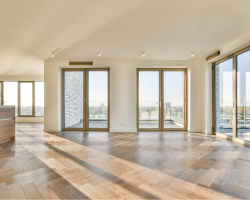

Window seal failure happens when the airtight barrier between the glass panes in a double-pane or triple-pane window breaks down, allowing insulating gas to escape and moisture to enter. The most visible sign is fog or condensation trapped between the panes that you cannot wipe away from either side of the glass. Studies by the Sealed Insulating Glass Manufacturers Association (SIGMA) show that even high-quality insulated glass units (IGUs) have a 1% failure rate after 10 years and a 3% failure rate after 15 years. This article covers every sign to watch for, what causes seals to break, how much it costs you in energy and comfort, and when to repair versus replace.
What Are the Signs of Window Seal Failure?
The signs of window seal failure are persistent fog or condensation between the glass panes, a milky or cloudy haze that does not wipe clean, drafts near the window frame, distorted reflections in the glass, rising energy bills without a change in thermostat settings, water stains or soft spots on the sill, and difficulty opening or closing the window. These signs rarely appear all at once. A small breach in the seal may show up as faint corner condensation one morning, then progress to full-pane fogging within a few months. Catching the earliest sign gives you time to plan a solution before the damage spreads to the frame and surrounding wall materials.
Fog between the panes is the most reliable indicator. When the perimeter seal on an insulated glass unit fails, the argon or krypton gas that provides thermal insulation slowly escapes. Humid outside air replaces that gas. The moisture in that air condenses on the interior glass surfaces whenever the temperature shifts, creating fog that is permanently trapped inside the sealed cavity. This fog cannot be cleaned because it exists between the two sheets of glass, not on either exterior surface. Over time, mineral deposits from repeated condensation cycles etch the interior glass, turning the fog into a permanent milky haze that blocks clarity even on dry days. Glass fogging between panes is always a seal failure, never a cosmetic issue.
Drafts near the frame often accompany seal failure because the same aging process that weakens the glass seal also degrades the weatherstripping and perimeter caulk. A window that leaks insulating gas through its IGU seal frequently leaks conditioned air through its frame gaps as well. Rising energy bills follow directly from both pathways. The U.S. Department of Energy reports that windows account for 25% to 30% of residential heating and cooling energy use, and a compromised seal accelerates that loss by removing the thermal barrier that separated your interior from the outside temperature.
What Does a Failed Window Seal Look Like?
A failed window seal looks like fog, moisture droplets, or a cloudy white haze trapped between the glass panes. The fog often appears first in the corners or along the bottom edge of the glass, where moisture naturally accumulates. On humid mornings or after rain, the fogging may cover the entire visible area between the panes. On dry afternoons, it may partially recede but never fully disappear. Over months, repeated condensation leaves behind mineral streaks and a dull, translucent film that makes the glass look permanently dirty from the inside. The sill below the affected window may show water stains, soft wood, peeling paint, or dark discoloration from chronic moisture exposure.
How Do I Know If My Window Seals Are Bad?
You can confirm bad window seals using three simple at-home tests that require no special tools. The first is the permanent fog check: mark a small dot on the glass with a dry-erase marker, then try to wipe fog from both the interior and exterior surfaces. Fog that remains after wiping both sides is trapped between the panes, which confirms seal failure. The second is the oblique light test: at dawn or dusk, stand to the side and look along the glass surface at a sharp angle. Internal haze, rainbow-like patterns, or streaks that are invisible from head-on become visible at an angle, revealing moisture residue inside the unit. The third is the draft test: hold a damp hand or a lit candle near the edges of the closed window frame. Flickering flame or cool airflow on your hand indicates air leakage, which frequently accompanies seal and gasket deterioration. Impact glass units with dual-seal systems are engineered to resist these failure modes far longer than standard IGUs.
What Is the Difference Between Condensation and Seal Failure?
The difference between condensation and seal failure is where the moisture appears. Normal condensation forms on the interior or exterior surface of the glass and wipes away easily. Seal failure produces condensation between the panes, inside the sealed cavity, where no cloth or squeegee can reach it. This distinction matters because normal condensation is a temporary humidity response that requires no repair, while inter-pane condensation is permanent evidence that the insulating gas barrier has been breached.
Normal condensation appears on the room-facing surface of the glass when warm, humid indoor air meets a cold glass surface. Cooking, showering, and even breathing raise indoor humidity. When that humid air contacts glass cooled by outside temperatures, water droplets form on the surface. Opening a window, running a bathroom exhaust fan, or lowering the thermostat resolves it. This type of condensation does not mean your window is broken. It means the humidity in your room exceeded the dew point of the glass surface temporarily.
Seal failure condensation, by contrast, exists inside the insulated glass unit itself. It appears, disappears, and reappears with weather changes because the breached cavity now breathes with the atmosphere. Each cycle deposits more mineral residue on the interior glass surfaces. The window's thermal performance drops with every cycle because the argon or krypton gas that once filled the cavity has been displaced by moisture-laden air. A window with failed-seal condensation performs closer to a single-pane window than to the double-pane unit it was designed to be. According to window repair specialists, windows lose 40% to 60% of their insulating value once the argon gas escapes through a failed seal.
What Causes Window Seals to Fail?
Window seals fail because of thermal cycling, ultraviolet radiation, age, improper installation, physical impact, and moisture damage. The seal on an insulated glass unit is a polymer barrier, typically polyisobutylene (PIB) as the primary gas-retention seal and a secondary structural sealant like silicone or polysulfide. Both materials degrade under sustained environmental stress. No seal lasts forever, but the rate of degradation depends on the specific stresses the window faces daily.
Thermal cycling is the single biggest cause. Every day, sunlight heats the glass and the seal expands. Every night, the glass cools and the seal contracts. This daily expansion-contraction cycle, called thermal pumping, flexes the seal thousands of times per year. Research on sealant permeability shows that seal materials become 6 to 8 times more permeable at 60 degrees Celsius than at 20 degrees Celsius. South-facing and west-facing windows absorb the most direct sunlight and therefore experience the most aggressive thermal pumping. In South Florida, where sun exposure is intense year-round, this stress cycle runs across all twelve months without seasonal relief.
Ultraviolet radiation compounds the thermal damage by hardening the polymer sealant over time. UV exposure breaks chemical bonds in the seal material, making it brittle and less elastic. A brittle seal cannot flex with the daily thermal cycle, so it cracks. Once a crack forms, moisture enters and the failure accelerates. Glass glazing with Low-E coatings reflects a portion of UV away from the seal, which is one reason why modern coated IGUs last longer than uncoated units from previous decades.
Improper installation accounts for a significant share of premature failures. A window that is not shimmed level, or that sits in a frame without proper drainage, traps water against the bottom seal. Standing water degrades sealant faster than any other exposure. We have seen seal failure in windows under ten years old in cases where the original installation lacked proper weep holes or sill drainage. Even a high-quality IGU cannot compensate for an installation that channels water directly onto the perimeter seal.
What Is the Most Common Cause of Seal Failure?
The most common cause of seal failure is the combination of thermal cycling and UV exposure acting on the perimeter sealant over many years. Windows that receive direct sunlight for more than six hours per day fail at higher rates and earlier ages than shaded windows on the same home. The Sealed Insulating Glass Manufacturers Association (SIGMA) data confirms that properly manufactured and installed units have just a 1% failure rate at 10 years and 3% at 15 years, but those rates climb sharply for units exposed to excessive heat, direct sun, or standing water.
Sources: Sealed Insulating Glass Manufacturers Association (SIGMA), NREL research on IGU degradation, EN 1279-3:2018 standard, sealant permeability research
How Long Do Window Seals Last?
Window seals last 10 to 20 years on average, with premium units lasting 25 to 30 years. The exact lifespan depends on the quality of the sealant, the spacer system, the installation method, and the climate the window faces. Budget-grade IGUs with aluminum spacers and single-seal construction typically show failure between 10 and 15 years. Mid-range units with dual-seal systems last 15 to 20 years. Premium ENERGY STAR certified units with stainless steel or warm-edge spacers and dual polyisobutylene-plus-silicone seal systems can reach 25 to 30 years before the seal degrades enough to admit moisture.
Argon gas leaks from every sealed window at a slow, predictable rate even when the seals are intact. The accepted industry standard, documented in the European EN 1279-3:2018 specification and the German DIN 1286 standard, sets the maximum acceptable argon leakage rate at approximately 1% per year. At that rate, a quality IGU retains roughly 80% of its initial argon gas fill after 20 years of service. The window still insulates well at 80% fill. Problems begin when seal failure accelerates the leakage rate beyond the 1% annual benchmark, causing rapid gas loss and visible moisture intrusion. A window that drops below 60% argon concentration begins losing measurable thermal performance, with a Korean research study finding a 10.9% decrease in thermal performance when the argon filling rate dropped from 95% to 0% in a 26mm Low-E double-glazed unit.
Do Failed Window Seals Affect Energy Bills?
Yes, failed window seals directly increase energy bills because the window loses 40% to 60% of its insulating value once the argon gas escapes. Each window with a failed seal can add $30 to $80 per year in extra heating and cooling costs, according to estimates from window repair professionals. In a home with five or six failed-seal windows, the cumulative annual energy penalty reaches $150 to $480, enough to cover a significant portion of the replacement cost over a few years.
The mechanism is straightforward. When the seal breaks, the argon or krypton gas that slowed heat transfer between the panes escapes. Moisture-laden atmospheric air replaces the gas. Atmospheric air conducts heat faster than argon (argon's thermal conductivity is roughly 67% that of air), so heat passes through the glass more easily in both directions. In summer, outdoor heat enters the home faster. In winter, indoor heat escapes faster. The air conditioning or heating system runs longer cycles to compensate, and the difference appears on your utility bill every month. Impact windows with intact dual-seal IGUs maintain their argon fill for decades, keeping energy performance stable across the full lifespan of the unit.
Can a Failed Window Seal Cause Mold?
A failed window seal can cause mold by creating chronic moisture conditions on the frame, sill, and surrounding wall materials. When moisture condenses inside the IGU cavity, it does not stay contained between the panes indefinitely. Over time, moisture migrates outward through the compromised seal and accumulates on the frame, the interior sill, and the drywall or wood framing around the window opening. Dark, damp, enclosed spaces around a leaking window provide ideal conditions for mold colonization. The Environmental Protection Agency (EPA) recommends keeping indoor humidity at or below 50% to prevent condensation-related mold growth, but a failed window seal introduces moisture regardless of indoor humidity control.
Mold around window frames is more than an appearance problem. Prolonged mold exposure causes respiratory irritation, allergic reactions, and aggravated asthma symptoms, particularly in children, older adults, and people with compromised immune systems. Structural mold damage extends beyond the window itself into the surrounding wall cavity, where hidden moisture feeds mold growth behind drywall. Addressing the moisture problems at the source, by replacing the failed IGU or the entire window, is the only permanent solution.
Does Window Seal Failure Affect Home Value?
Window seal failure affects home value because foggy or moisture-damaged windows are a red flag during home inspections. The International Association of Certified Home Inspectors (InterNACHI) standard requires inspectors to note visible moisture between window panes as an indicator of failed thermal seals. That notation appears in the inspection report, and buyers routinely use it to negotiate price reductions or request repair credits before closing. In Florida, seal failure on impact-rated windows carries an additional consequence: a compromised IGU can jeopardize the home's wind-mitigation certification on the OIR-B1-1802 inspection form, potentially voiding insurance discounts of 10% to 45% on the windstorm premium under Florida Statute Section 627.0629.
Can Windows Be Resealed Rather Than Replaced?
Windows can be resealed at the perimeter, where the frame meets the wall, using fresh caulk and weatherstripping, but the seal between the glass panes inside an insulated glass unit cannot be effectively repaired from the outside. This distinction is critical. Perimeter caulk and weatherstripping address air leakage around the frame. The IGU seal, which keeps argon gas inside and moisture out of the cavity between the panes, is a factory-applied bond that cannot be restored once it fails. The only permanent fix for a failed IGU seal is replacing the glass unit itself or replacing the entire window.
Here is how to evaluate whether your situation calls for a simple reseal, a glass-only replacement, or a full window replacement:
- Check whether the fog is between the panes (IGU seal failure) or on the surface (humidity issue). Surface condensation needs ventilation improvement, not window work.
- Inspect the frame for rot, warping, cracking, or soft spots. A sound frame in good condition supports IGU-only replacement, which typically costs $150 to $400 per unit.
- Determine the age of the window. Windows over 15 years old with failed seals are likely approaching or past their functional lifespan, making full replacement the better long-term investment.
- Check the window's impact rating. In Florida, non-impact-rated windows should be upgraded to residential impact windows during replacement to capture insurance discounts and hurricane protection simultaneously.
- Evaluate whether impact doors and other openings also need attention, because Florida insurance discounts require every glazed opening to be protected.
- Request a professional installation assessment to confirm whether the frame, flashing, and drainage are adequate for a new IGU or whether a full-frame replacement is needed.
Can You Fix a Foggy Double Pane Window?
You can temporarily improve the appearance of a foggy double pane window through a process called defogging, but defogging does not fix the underlying seal failure. Defogging involves drilling a small hole into the glass, pumping out the trapped moisture, injecting an anti-fog solution, and sealing the hole. The glass looks clearer for a period of weeks to months, but the seal breach remains. Moisture re-enters through the same failed seal, and the fog returns. More importantly, defogging does not replace the lost argon gas. The window continues to perform at the reduced insulating level of a single-pane unit, costing you energy every month.
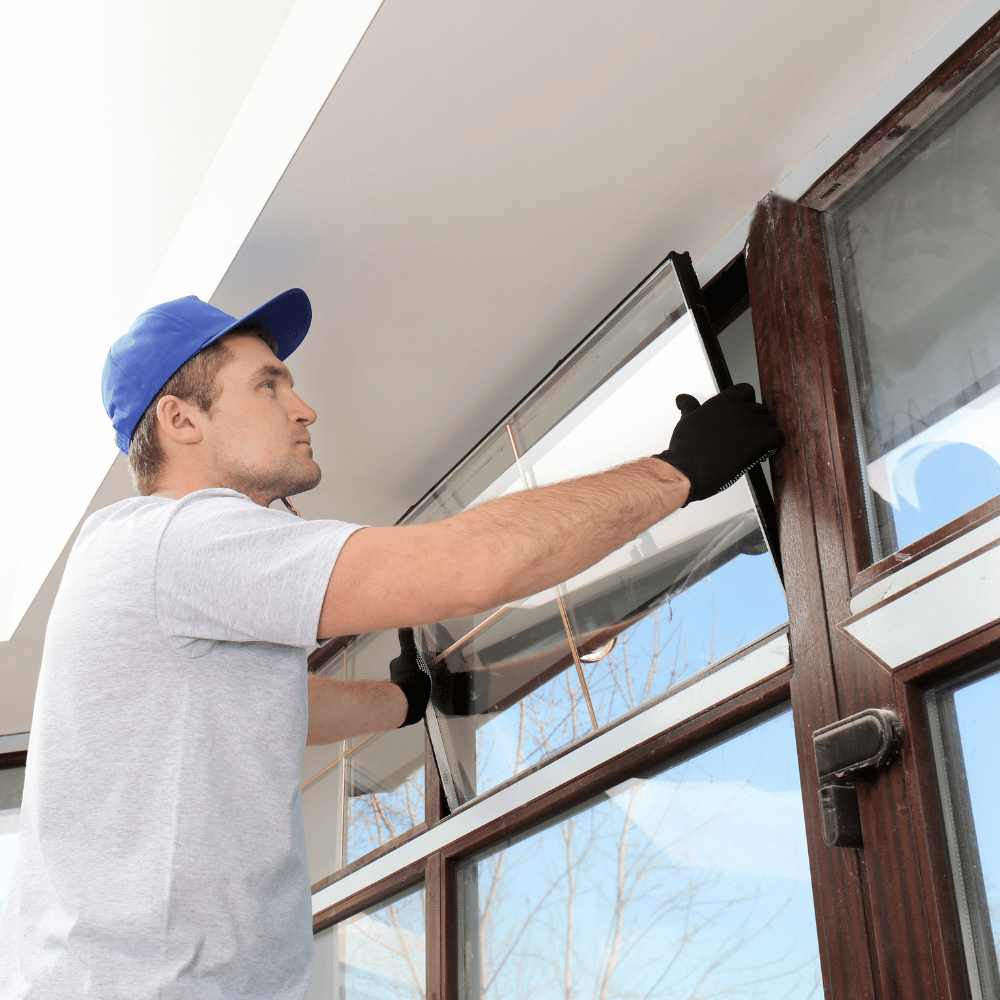
For a permanent fix, replace the insulated glass unit (if the frame is sound) or replace the entire window (if the frame is damaged or the window is past its functional lifespan). In hurricane-prone regions, full replacement with hurricane-rated windows addresses seal failure, energy performance, storm protection, and insurance eligibility in a single upgrade.
Should I Repair or Replace a Window With a Failed Seal?
You should replace a window with a failed seal rather than repair it in most cases, especially when the window is more than 15 years old, when multiple windows in the home show seal failure, or when the window lacks an impact rating in a hurricane-prone area. Repair (perimeter resealing with new caulk and weatherstripping) makes sense only when the IGU itself is intact and the issue is limited to air leakage around the frame. Once the IGU seal has failed, the only options are IGU-only replacement or full window replacement.
IGU-only replacement costs $150 to $400 per unit, compared to $400 to $800 or more for a full window replacement. The lower cost of IGU replacement appeals to homeowners on a tight budget, but it leaves the original frame, hardware, and weatherstripping in place. If those components are also aging, the cost savings are short-lived because the frame will need attention within a few years. Full window replacement delivers a new IGU, new frame, new hardware, new weatherstripping, and (for impact-rated units) new storm protection and insurance qualification, all at once. Financing options with $0 down make full replacement accessible without a large upfront payment.
Is It Worth Replacing Window Seals?
Yes, replacing windows with failed seals is worth the investment because the costs of inaction compound every year. Each failed-seal window adds $30 to $80 annually in excess energy costs. Chronic moisture from the failed seal feeds mold growth that can damage the frame, sill, and surrounding wall structure. InterNACHI-flagged seal failure reduces resale value and triggers buyer credits during home sales. In Florida, compromised seals on impact windows can void wind-mitigation insurance discounts worth hundreds of dollars per year. The cumulative cost of leaving failed seals in place often exceeds the cost of replacement within just a few years.
How to Prevent Window Seal Failure
Preventing window seal failure starts with reducing the environmental stresses that degrade the sealant and choosing high-quality units with dual-seal construction during installation or replacement. No seal lasts forever, but proper care and smart product selection extend the lifespan by 20% to 40%, according to window industry estimates. Here are the most effective prevention strategies:
- Maintain perimeter caulk every 5 to 10 years. Caulk protects the outer edge of the IGU from standing water and wind-driven rain. Cracked or peeling caulk exposes the seal to moisture that accelerates failure.
- Keep weep holes clear. Most modern windows have small drainage channels at the bottom of the frame that allow trapped water to escape. Blocked weep holes trap water directly against the seal.
- Control indoor humidity. The EPA recommends keeping indoor humidity at or below 50%. Use exhaust fans in kitchens and bathrooms, and consider a dehumidifier in high-humidity rooms.
- Avoid pressure washing window frames. High-pressure water forces moisture past gaskets and weatherstripping, pushing water directly onto the perimeter seal.
- Shade extreme sun exposures where possible. Awnings, overhangs, or landscaping that reduces direct sun on south-facing and west-facing windows slow the thermal pumping cycle that stresses the seal.
- Choose sliding doors and windows with dual-seal systems and warm-edge or stainless steel spacers during replacement. Dual-seal construction pairs a PIB primary seal for gas retention with a silicone or polysulfide secondary seal for structural integrity.
- Insist on certified professional installation with proper shimming, leveling, flashing, and drainage. Installation quality determines whether the seal reaches its full potential lifespan or fails prematurely.
Frequently Asked Questions
Can I Reseal a Window Myself?
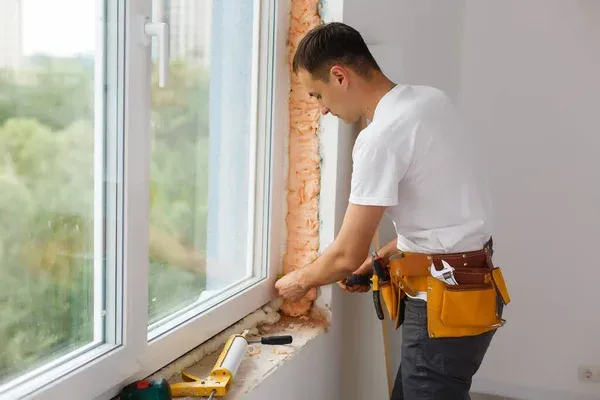
You can reseal the perimeter caulk and weatherstripping around a window frame yourself with basic tools and materials costing $10 to $20 per window. Remove old caulk completely, clean the surface, let it dry, and apply new silicone or polyurethane sealant in a continuous bead. This addresses air leakage around the frame. You cannot, however, repair a failed seal inside an insulated glass unit yourself. IGU seal failure requires professional glass-unit replacement or full window replacement.
What Happens If Windows Are Not Caulked?
Windows that are not caulked allow air and water to pass through gaps between the frame and the wall opening. Air leakage drives up heating and cooling costs. Water intrusion damages the frame, sill, and surrounding drywall, and creates conditions for mold growth. The U.S. Department of Energy attributes 25% to 30% of residential energy loss to windows, and missing perimeter caulk makes that percentage even worse.
What Is the Lifespan of a Window Seal?
The lifespan of a window seal ranges from 10 to 25 years depending on the seal quality, spacer type, installation method, and climate exposure. Budget IGUs typically fail between 10 and 15 years. Quality dual-seal units last 15 to 25 years. Premium ENERGY STAR certified units with stainless steel spacers can reach 25 to 30 years. The Sealed Insulating Glass Manufacturers Association (SIGMA) reports a 1% failure rate at 10 years and 3% at 15 years for properly manufactured and installed units.
What Is the Most Common Cause of Seal Failure?
The most common cause of seal failure is thermal cycling combined with UV exposure. Daily heating and cooling of the glass causes expansion and contraction that flexes the seal thousands of times per year. UV radiation hardens the sealant material, reducing its flexibility. The combination of repeated flexing and reduced elasticity eventually produces micro-cracks that allow moisture in and insulating gas out.
What Does a Failed Window Seal Look Like?
A failed window seal looks like fog, moisture droplets, or a milky haze trapped between the glass panes. The moisture cannot be wiped from either side because it exists inside the sealed cavity. Over time, mineral deposits from repeated condensation cycles turn the glass permanently cloudy. The sill below the window may show water stains, soft spots, or dark discoloration from chronic moisture exposure.
How Do I Know If My Window Seals Are Bad?
You know your window seals are bad when you see condensation between the panes that does not wipe away, when you feel drafts near a closed and locked window, when your energy bills rise without a change in usage, or when the window frame shows signs of moisture damage like soft wood, peeling paint, or mold. The permanent fog check, oblique light test, and draft test described earlier in this article confirm seal failure at home without special equipment.
Does Window Seal Failure Affect Home Value?
Window seal failure negatively affects home value because home inspectors flag visible moisture between panes as failed thermal seals in their reports. Buyers use these findings to negotiate price reductions or demand repair credits. In Florida, failed seals on impact-rated windows can also jeopardize wind-mitigation insurance discounts, which further reduces the home's financial appeal to buyers who factor insurance costs into their purchase decision.
The Takeaway
Window seal failure starts quietly with a faint fog in one corner and ends with higher energy bills, mold risk, reduced home value, and compromised storm protection. The signs are easy to spot once you know what to look for: fog between the panes, drafts near the frame, rising utility costs, and visible moisture damage on the sill. Catching seal failure early gives you the widest range of options, from IGU-only replacement on a sound frame to a full upgrade that adds impact protection, energy efficiency, and insurance savings in a single project.
If your windows show any of these signs, a professional assessment is the best next step. At ASP Windows & Doors, we help homeowners across South Florida evaluate their current windows and find the right impact-rated replacements for their home and their budget. Call us at (888) 782-8342 or request a free estimate to get started.
Now Accepting Appointments
Proudly serving homeowners and businesses across South Florida and Southwest Florida. Book your visit and let our experts help protect and upgrade your space.
.avif)
.avif)
.avif)
%201.avif)
Insights & Resources
Stay informed with expert tips on impact windows, hurricane protection, and South Florida building standards.


%201.webp)
%201%20(1).webp)

%201.svg)
%201%20(1)%20(1).webp)
.png%20(1).webp)
.png.webp)
.avif)
.avif)


.avif)


.png)
.png)