.avif)


Energy Efficient Hurricane Impact Windows
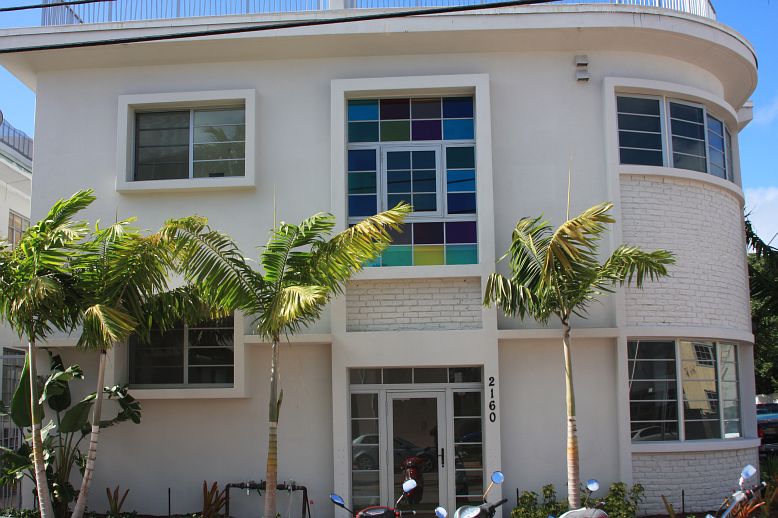

Yes, hurricane impact windows are energy-efficient because they use insulated glass units with Low-E coatings, argon gas fills, and laminated construction achieving U-Factor ratings of 0.30-0.40 and Solar Heat Gain Coefficient values of 0.25-0.35, reducing cooling costs by 20-30%. The U.S. Department of Energy reports impact windows block 70-85% of infrared radiation and 99% of UV rays compared to standard single-pane windows blocking only 25-40% of heat transfer. The Florida Solar Energy Center measures annual energy savings of $300-500 for typical South Florida homes replacing standard windows with energy-efficient impact systems.
Impact window construction combines hurricane protection with thermal performance through multi-layer glazing, thermal break frames, and weathertight seals. Lawrence Berkeley National Laboratory testing shows dual-pane laminated impact glass outperforms standard dual-pane windows by 15-25% in energy efficiency while providing wind and debris protection. These combined benefits create 8-12 year payback periods considering energy savings, insurance discounts, and avoided storm damage costs.
This guide explains impact window energy performance, efficiency ratings, cost savings calculations, and product selection criteria for Doral, Kendall, and Fort Lauderdale properties seeking maximum protection and efficiency.
What Are the Most Energy-Efficient Hurricane Impact Windows?
The most energy-efficient hurricane impact windows use dual-pane laminated glass with Low-E coatings, argon gas fills, insulated vinyl or thermally broken aluminum frames, and warm-edge spacer systems achieving U-Factors of 0.28-0.32 and SHGC values of 0.22-0.28. Energy Star certified impact windows meeting Florida Climate Zone specifications provide 25-35% better thermal performance compared to standard impact products. PGT WinGuard VZ, CGI Sentinel, and Andersen Stormwatch products represent top-performing systems combining maximum hurricane protection with superior energy efficiency.
Low-E Coating Technology
Low-Emissivity coatings apply microscopic metallic layers to glass surfaces reflecting 70-85% of infrared radiation while allowing 60-70% visible light transmission. These coatings reduce summer heat gain by blocking solar radiation wavelengths of 780-2,500 nanometers carrying 50% of solar energy. The International Window Film Association reports Low-E glass reduces cooling loads by 15-25% in South Florida climate conditions.
Multiple Low-E coating options optimize performance for different climate zones. Low-E 366 formulations block 95% of UV radiation and 62% of solar heat while maintaining 70% visible light transmission. Low-E 272 products increase solar rejection to 73% with slightly reduced light transmission of 62%. Premium triple-silver Low-E coatings achieve 0.23 SHGC ratings maximizing cooling cost reduction.
Coating placement affects performance characteristics with exterior surface coatings (#2 position) providing maximum solar control. Interior surface coatings (#3 position) enhance winter insulation in mixed climates. South Florida applications prioritize solar heat rejection using exterior Low-E placement. The National Fenestration Rating Council certifies Low-E performance through independent laboratory testing.
Argon Gas Fill Benefits
Argon gas fills between glass panes reduce heat transfer by 20-30% compared to air-filled units. Argon molecules are larger and denser than air molecules slowing convective heat movement. The gas is colorless, odorless, and non-toxic posing no safety concerns if seals fail. Argon costs $2-4 per square foot added to impact window pricing.
Krypton gas provides 30-40% better insulation than argon but costs 3-4 times more limiting use to premium products. The heavier krypton molecules offer maximum thermal resistance in narrow 3/8-inch airspaces. Most residential applications use argon achieving optimal cost-performance balance for 1/2-inch airspace dimensions.
Gas retention rates exceed 95% over 20-year periods for quality sealed units. The Insulating Glass Manufacturers Alliance establishes seal testing protocols ensuring long-term performance. Gas leakage causes gradual efficiency loss but windows maintain impact protection and basic insulation properties even with air-filled cavities.
Frame Material Efficiency
Vinyl frames achieve U-Factors of 0.28-0.32 through multi-chamber construction and fusion-welded corners eliminating thermal bridges. The hollow chambers trap air providing natural insulation superior to solid materials. Premium vinyl formulations resist UV degradation maintaining structural integrity and appearance throughout 25-30 year lifespans in Florida climate.
Thermally broken aluminum frames insert polyurethane or polyamide barriers between interior and exterior aluminum sections preventing heat conduction. These thermal breaks reduce frame U-Factors from 1.0-1.2 for standard aluminum to 0.35-0.45 for broken designs. The added manufacturing complexity increases costs by 20-30% compared to non-broken frames.
Fiberglass frames provide exceptional strength-to-weight ratios and thermal performance with U-Factors of 0.30-0.38. The material resists expansion and contraction maintaining seal integrity through temperature cycling. Limited manufacturer availability and 30-40% higher costs compared to vinyl restrict fiberglass to premium market segments.
Warm-Edge Spacer Systems
Warm-edge spacers separate glass panes using low-conductivity materials reducing edge heat transfer by 10-15% compared to aluminum spacers. Stainless steel, foam, or hybrid composite spacers achieve superior thermal performance. These systems cost $1-2 per square foot increasing window efficiency ratings and reducing condensation risks.
Edge-of-glass heat loss accounts for 20-25% of total window heat transfer according to Lawrence Berkeley National Laboratory research. Traditional aluminum spacers create thermal bridges conducting heat between interior and exterior glass panes. Warm-edge technology eliminates these bridges improving overall window performance by 5-8%.
The Insulating Glass Certification Council certifies spacer systems meeting durability and performance standards. Quality spacers maintain seal integrity preventing moisture intrusion and gas loss throughout product lifespan. Many manufacturers include warm-edge spacers as standard features in premium impact window lines.
Energy Star Certification Requirements
Energy Star certified windows in Florida's Climate Zone must achieve U-Factors of 0.40 or lower and SHGC values of 0.25 or lower. These requirements ensure products provide meaningful energy savings in cooling-dominated climates. The Environmental Protection Agency estimates Energy Star windows save 12-15% on household energy bills compared to standard products.
Impact windows meeting both Miami-Dade NOA hurricane certification and Energy Star requirements represent optimal product selections. The Federal Alliance for Safe Homes maintains lists of dual-certified products simplifying homeowner research. Many utility companies offer rebates of $25-50 per window for Energy Star installations providing additional cost recovery.
National Fenestration Rating Council labels display certified performance ratings including U-Factor, SHGC, visible transmittance, and air leakage. These labels appear on window samples allowing comparison shopping across manufacturers and product lines. Building officials verify NFRC certifications during permit reviews ensuring code compliance.
What Are the Best Impact Windows for Hurricanes?
The best impact windows for hurricanes are Miami-Dade NOA certified products with Design Pressure ratings of 60+ PSF, laminated glass construction using 0.090-inch PVB interlayers, reinforced aluminum or vinyl frames with 0.125+ inch wall thickness, and multi-point locking systems from manufacturers including PGT, CGI, Andersen, and MI Windows. These products survive large missile testing, 9,000+ pressure cycles, and wind speeds exceeding 180 mph according to Texas Tech Wind Science Center testing protocols. The Insurance Institute for Business & Home Safety rates products meeting these specifications as highest-tier hurricane protection.
Top-Rated Manufacturer Products
PGT WinGuard Impact-Resistant Windows achieve Design Pressure ratings up to 70 PSF with Miami-Dade NOA certification for High Velocity Hurricane Zone applications. The product line includes single-hung, horizontal sliding, casement, and fixed window styles. Laminated glass uses 0.090-inch PVB interlayers providing maximum impact resistance. Prices range $45-75 per square foot installed depending on size and style.
CGI Sentinel Impact Windows offer similar performance specifications with aluminum frame construction and commercial-grade hardware. The manufacturer provides lifetime warranties on glass units and 10-year warranties on frames and hardware. Advanced Low-E coatings achieve 0.24 SHGC ratings combining hurricane protection with energy efficiency. Installation costs $50-80 per square foot for typical residential applications.
Andersen Stormwatch Impact-Resistant Windows feature Fibrex composite frames combining wood fiber and polymer resins. The material provides superior strength and thermal performance compared to vinyl or aluminum alternatives. Miami-Dade certification covers multiple product lines including double-hung, casement, and picture window configurations. Premium pricing reaches $60-90 per square foot installed.
Performance Rating Comparisons
Glass Package Options
Standard laminated glass packages use two 3mm tempered glass panes with 0.060-inch PVB interlayers suitable for most residential applications. This construction passes large missile testing and provides adequate wind resistance for homes under 40 feet height. Costs represent baseline pricing for impact window systems.
Heavy-duty laminated glass increases PVB thickness to 0.090 inches or uses thicker 4mm glass panes achieving higher design pressure ratings. These packages suit coastal properties, high-rise buildings, or areas with extreme wind exposure. The enhanced construction adds 15-25% to material costs but provides maximum protection margins.
Insulated laminated glass combines impact-resistant exterior panes with standard interior panes creating dual-pane assemblies. Low-E coatings and argon fills optimize energy efficiency while maintaining hurricane protection. These premium packages cost 30-40% more than single-pane laminated systems but deliver superior thermal performance and energy savings.
Installation Quality Factors
Professional installation following manufacturer specifications ensures design pressure ratings transfer from laboratory testing to actual building performance. Improper installation reduces effective wind resistance by 30-50% creating failures below rated capacities. The Federal Alliance for Safe Homes emphasizes installation quality equals material quality for achieving protection goals.
Licensed contractors verify structural framing adequacy before installation. Load-bearing capacity must support window weights of 80-120 pounds per unit and wind loads generating 1,500-2,500 pounds force on large windows. Structural engineers assess questionable conditions providing reinforcement recommendations.
Proper weatherproofing includes flashing installation, sealant application, and drainage management preventing water intrusion. The American Architectural Manufacturers Association publishes installation standards adopted by Florida Building Code. Building inspectors verify compliance during final inspections confirming warranty validation and code adherence.
How Much Do Energy-Efficient Impact Windows Save on Utility Bills?
Energy-efficient impact windows save $300-500 annually on cooling costs for typical 2,000 square foot South Florida homes by reducing heat gain by 15,000-25,000 BTU daily during summer months according to Florida Power & Light residential energy studies. The Florida Solar Energy Center reports 20-30% cooling load reduction when replacing standard single-pane windows with Energy Star certified impact systems. These savings create 10-15 year payback periods on $15,000-40,000 whole-house installation investments when combined with 8-45% insurance premium discounts.
Cooling Cost Reduction Analysis
Standard single-pane windows allow 60-80 BTU per square foot hourly heat gain during peak summer conditions. A home with 300 square feet of glass area experiences 18,000-24,000 BTU hourly cooling load from window heat transfer. Air conditioning systems work continuously maintaining comfortable interior temperatures against this constant heat influx.
Energy-efficient impact windows reduce heat gain to 25-35 BTU per square foot hourly through Low-E coatings, insulated glass construction, and weathertight seals. The same 300 square foot glass area generates only 7,500-10,500 BTU hourly load. This 50-60% reduction translates to 4-6 hours less daily air conditioner runtime during summer months.
Florida electricity rates of $0.12-0.15 per kWh combined with 3-ton air conditioner energy consumption of 3,000-3,600 watts create operating costs of $0.36-0.54 per hour. Reduced runtime of 4-6 hours daily saves $1.44-3.24 daily or $43-97 monthly during peak cooling season. Annual savings reach $300-500 accounting for seasonal variation.
HVAC Equipment Longevity
Reduced cooling loads extend air conditioning equipment lifespan by 3-5 years according to Air Conditioning Contractors of America research. Standard residential systems last 12-15 years while systems in homes with energy-efficient windows reach 15-20 years through reduced operating stress. Replacement costs of $5,000-8,000 amortized over extended lifespans provide additional value.
Lower runtime reduces maintenance requirements including filter changes, refrigerant service, and component wear. Annual maintenance costs decrease by $100-200 for homes with efficient building envelopes. The improved equipment reliability reduces unexpected repair expenses averaging $300-800 annually for aging systems.
Proper window performance maintains consistent interior temperatures reducing thermostat cycling. Frequent on-off cycles stress compressors and electrical components causing premature failures. Energy-efficient windows create stable thermal environments allowing longer continuous runtime at optimal efficiency levels.
If you need energy-efficient impact windows combining maximum hurricane protection with cooling cost reduction for your Doral, Kendall, or Fort Lauderdale property, ASP Windows & Doors provides certified installations meeting both Miami-Dade NOA and Energy Star requirements. Our experienced team helps homeowners select optimal glass packages, frame materials, and Low-E coatings maximizing performance and savings. Call (888) 782-8342 to schedule your free energy assessment and receive detailed cost-benefit analysis. We serve residential and commercial properties throughout Miami-Dade, Broward, and Palm Beach counties with flexible financing and utility rebate assistance.
Now Accepting Appointments
Proudly serving homeowners and businesses across South Florida and Southwest Florida. Book your visit and let our experts help protect and upgrade your space.
.avif)
.avif)
.avif)
%201.avif)
Insights & Resources
Stay informed with expert tips on impact windows, hurricane protection, and South Florida building standards.


%201.webp)
%201%20(1).webp)

%201.svg)
%201%20(1)%20(1).webp)
.png%20(1).webp)
.png.webp)
.avif)
.avif)


.avif)


.png)
.png)