.avif)


Window Seal Failure Signs
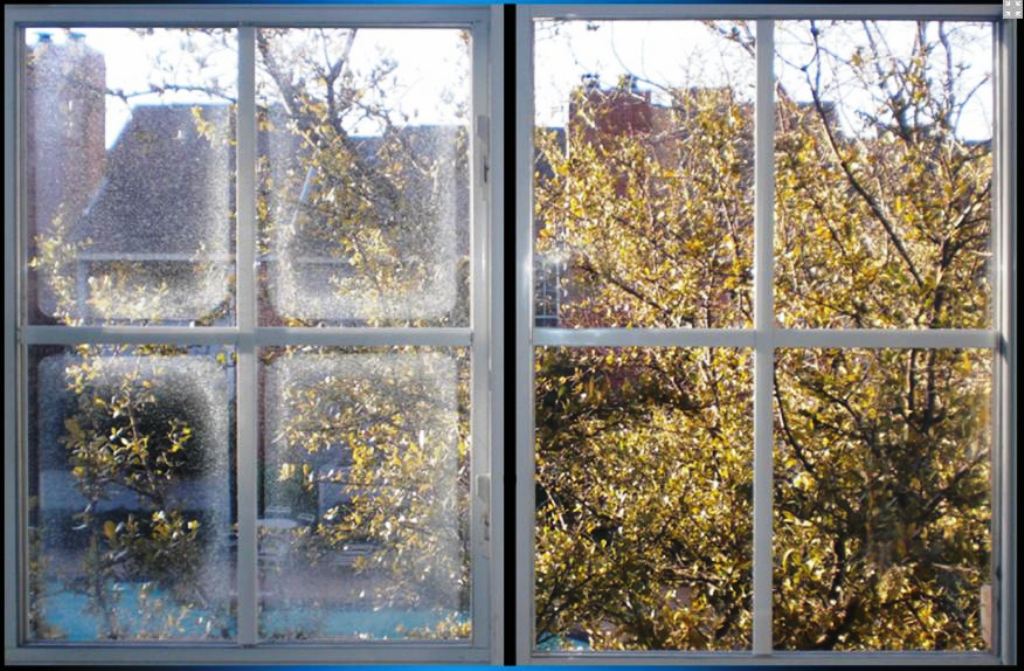

Window seal failure signs include fog or condensation trapped between glass panes, cold drafts near closed windows, unexplained spikes in energy bills, visible damage to the window frame, and windows that are hard to open or close. These symptoms mean the airtight barrier between your glass panes has broken down, letting moisture in and insulating gas out. According to the U.S. Department of Energy, heat gain and heat loss through windows account for 25% to 30% of residential heating and cooling energy use, and a failed seal makes that number climb even higher. This article covers every sign of window seal failure, what causes it, how long seals last, and what to do when you spot the problem.
How Do I Know if My Window Seals Are Bad?
You know your window seals are bad if you see fog, haze, or moisture trapped between the glass panes that you cannot wipe away from either side. This is the number one sign. Normal condensation forms on the surface of the glass and can be wiped off with a cloth. But moisture between the panes means the seal has broken and outside air has entered the space where insulating gas used to be.
Other signs include feeling a draft near a closed window, noticing that your energy bills have gone up without an obvious reason, seeing cracks or peeling in the window frame, or finding that the window is harder to open or close than it used to be. In South Florida, where heat, humidity, and salt air put constant stress on building materials, window seals tend to fail faster than in milder climates. We see these issues regularly on homes and buildings across the region.
A quick test you can do at home is to hold a lit candle or lighter near the edges of a closed window on a windy day. If the flame flickers, air is getting through. That means the seal is no longer doing its job. Another test is to press your hand flat against the glass. If one pane feels noticeably colder or hotter than the other, the insulating gas has likely escaped. Either of these signs points to a seal that needs attention.
What Does a Failed Window Seal Look Like?
A failed window seal looks like a foggy, milky, or hazy film trapped between two panes of glass. It can also appear as water droplets, white mineral deposits, or a streaky residue that no amount of cleaning will remove. The fog is usually most visible when there is a big temperature difference between the inside and outside of your home.
In the early stages, you might only notice the fog in the corners of the window or along the bottom edge. As the failure gets worse, the haze spreads across a larger area of the glass. Over time, minerals from the moisture can etch into the glass surface and cause permanent cloudiness, even if the seal were somehow repaired. According to Alpine Intel, a forensic engineering firm, age-related deterioration is the most common cause of window seal damage found during professional inspections.
The frame around the window may also show signs of failure. Look for peeling paint, bubbling caulk, black mold or mildew along the edges, wood rot, or warping in the frame material. These are secondary effects caused by moisture getting into areas it should not reach. A damaged frame often means the seal has been compromised for a long time. Replacing the glass alone may not solve the problem if the frame itself is deteriorated. In many cases, a full impact window replacement is the most reliable solution.
What Are Signs of a Bad Window Seal?
Signs of a bad window seal include persistent fog between panes, cold or hot drafts near the window, rising utility bills, frame deterioration, difficulty operating the window, increased outside noise, and more bugs or dust on the window sill. Each of these symptoms points to a breakdown in the airtight barrier that keeps your home comfortable and energy efficient.
The table below breaks down the most common signs, what each one means, and how serious it is.
Sources: U.S. Department of Energy, Weather Tight Corp., Kelly Window & Door, Alpine Intel.
If you notice two or more of these signs on the same window, the seal has almost certainly failed. And if you see the same symptoms across multiple windows, it often means the windows are reaching the end of their functional lifespan. At that point, replacement with modern, energy-efficient glass glazing systems is the most cost-effective path forward.
What Is the Lifespan of a Window Seal?
The lifespan of a window seal is typically 10 to 20 years, depending on the quality of the materials, the installation, and the climate. According to Thompson Creek, a window manufacturer, premium windows with superior seals and professional installation can last 25 to 30 years or more. On the other end, lower-quality vinyl windows with standard spacers can begin failing in as few as 5 to 8 years, according to Window Genie.
Several factors determine how long a seal will last. Sun exposure is the biggest one. Windows that face south or west get more direct sunlight and experience bigger temperature swings throughout the day. This constant expansion and contraction fatigues the seal faster. According to Thompson Creek, south- and west-facing windows often fail 5 to 10 years earlier than north-facing windows on the same house.
Climate plays a major role too. In humid, hot regions like South Florida, the combination of UV radiation, salt air, and high moisture levels accelerates seal breakdown. Coastal properties face even tougher conditions. If your windows are 15 years old or more and you are noticing any of the signs listed above, it is time to have them inspected. Catching seal failure early can save you from more expensive repairs to the surrounding frame and wall structure. Window installation by trained professionals also makes a big difference in how long the seal holds up.
Can Windows Be Resealed Rather Than Replaced?
Windows can sometimes be resealed rather than replaced, but only in limited situations. If the seal failure is limited to the exterior caulking or weatherstripping around the frame, those materials can be removed and reapplied. This is a relatively simple fix that can restore the seal between the window frame and the wall.
However, if the seal between the glass panes inside the insulated glass unit (IGU) has failed, resealing is not a practical or lasting option. The IGU is a factory-sealed unit filled with insulating gas like argon or krypton. Once that internal seal breaks, the gas escapes and moisture enters. There is no reliable way to re-inject the gas and reseal the unit on site. Some companies offer defogging services that drill a small hole into the glass, remove the moisture, and plug the hole. This can temporarily clear the fog, but it does not restore the insulating gas or fix the broken seal. The fog usually comes back.
For most homeowners dealing with true IGU seal failure, replacement is the better investment. New impact windows with dual-seal technology and modern low-E coatings provide far better insulation, UV protection, and longevity than any repair can offer. They also come with manufacturer warranties that cover seal failure for years.
What Causes Window Seals to Fail?
Window seals fail because of age, sun exposure, temperature cycling, poor installation, manufacturing defects, moisture damage, and physical stress from wind or building settlement. Most seal failures result from a combination of these factors working together over time.
How Does Sun Exposure Damage Window Seals?
Sun exposure damages window seals through a process called solar pumping. When sunlight hits a double-pane window, the air and gas between the panes heats up and expands. This pushes outward against the seal. When the sun sets and the temperature drops, the gas contracts and pulls inward. This constant push-and-pull cycle happens every single day, and over years, it fatigues the seal material until it cracks. According to Window Genie, sunshine is the single biggest cause of window seal failure, which is why south- and west-facing windows almost always fail first.
UV radiation also breaks down the sealant material itself, causing it to become brittle, shrink, and lose adhesion. In South Florida, where the sun is intense nearly year-round, this process happens faster than in northern climates. Choosing windows with UV-resistant frames and low-E coatings helps slow this degradation significantly.
Does Poor Installation Cause Seal Failure?
Yes, poor installation is a leading cause of premature seal failure. If a window is not properly leveled, shimmed, and sealed during installation, the frame can sit under constant stress. That stress transfers to the glass unit and its seals, causing them to weaken and separate earlier than they should. According to Renewal by Andersen, improper installation is one of the most common reasons seals fail well before their expected lifespan.
That is why professional installation matters so much. A window that is correctly sized, properly supported, and adequately flashed will have seals that last their full expected life. We make sure every door and window fitting meets exact specifications so the seal is never under unnecessary stress from day one.
Do Windows Get Caulked on the Inside?
Yes, windows do get caulked on the inside in some cases. Interior caulking is applied where the window frame meets the interior wall to create an airtight seal that blocks drafts and prevents moisture from entering the wall cavity. This is different from the seal between the glass panes, which is a factory-sealed unit.
Exterior caulking is more common and more critical for weatherproofing. It seals the gap between the window frame and the exterior wall, keeping rain, wind, and humidity out. Both interior and exterior caulk should be inspected annually and replaced when you see cracking, peeling, or gaps. According to multiple industry sources, weatherstripping and caulk should be replaced every 5 to 8 years to maintain a proper seal, even on newer windows.
What's the Best Time of Year to Seal Windows?
The best time of year to seal windows is in the fall, before cold weather arrives. Caulk and sealant materials adhere best when temperatures are moderate, typically between 40 and 80 degrees Fahrenheit. Sealing in the fall gives the material time to cure properly before it has to deal with the stress of extreme cold or heat.
In South Florida, where winters are mild, you have a wider window of time. The best months are October through March, when humidity levels drop slightly and temperatures are more consistent. Avoid applying caulk during or right after heavy rain, as moisture on the surface prevents proper adhesion. If you are planning a full window upgrade, the cooler months are also the ideal time to schedule impact glass installation, because demand tends to be lower outside of hurricane season.
How Window Seal Failure Affects Energy Bills
Window seal failure directly increases energy bills because it destroys the window's ability to insulate your home. A properly sealed double-pane window uses argon or krypton gas between the panes to slow down heat transfer. When the seal breaks, that gas escapes and gets replaced by regular air and moisture. According to Hansen Glass, windows with failed seals lose 40% to 60% of their insulating value.
The U.S. Department of Energy reports that windows account for 25% to 30% of all residential heating and cooling energy use. When seals fail, that percentage climbs. Minor seal gaps can increase heating costs by 5% to 10%, while complete seal failure can raise bills by 20% to 30%, according to data from Cloudy2Clear Windows. In a hot climate where air conditioning runs most of the year, that extra cost adds up fast.
Replacing failed windows with energy-efficient, impact-rated models can reverse those losses. Modern hurricane impact windows with low-E coatings, argon gas fills, and dual-seal construction deliver insulation values that meet or exceed Energy Star standards. They also provide storm protection, UV filtering, and noise reduction that older windows simply cannot match.
Can I Reseal My Windows Myself?
You can reseal your windows yourself if the problem is limited to the exterior or interior caulking around the frame. Removing old, cracked caulk and applying a fresh bead of silicone or polyurethane sealant is a straightforward DIY project. Most hardware stores sell caulk guns, sealant tubes, and caulk removal tools for under $20.
However, if the problem is inside the insulated glass unit, between the two panes of glass, this is not a DIY repair. The IGU is a sealed system manufactured under controlled conditions. Once the internal seal breaks, the gas escapes and moisture enters. No consumer-grade product can restore that factory seal. Attempting to drill into the glass or use a defogging kit can actually void your warranty and cause further damage.
For true seal failure between the panes, the glass unit or the entire window needs to be replaced by a professional. If you have sliding doors or large picture windows with failed seals, professional replacement is especially important because of the size and weight of the glass involved.
Are 20-Year-Old Windows Still Good?
Twenty-year-old windows may still be functional, but they are likely approaching or past the point where seal failure becomes common. Most window seals last 10 to 20 years, so at the 20-year mark, the odds of having at least some windows with compromised seals are high. According to Fusion Windows, most residential windows have a functional lifespan of 15 to 20 years, after which seals degrade, frames warp, and insulating performance drops significantly.
Even if your 20-year-old windows look fine from the outside, the internal seals may have already started to fail. The insulating gas may have slowly leaked out over the years, reducing the window's R-value without producing any visible fog yet. A professional inspection can measure whether the window is still performing at an acceptable level.
If your windows are 20 years old and you are already seeing any signs of seal failure, replacement is the smarter investment over repair. Today's windows offer dramatically better energy performance, UV protection, and storm resistance than what was available two decades ago. For homes in hurricane zones, upgrading to high-rise impact windows or residential impact-rated models also provides protection that older windows were never built to deliver.
How to Prevent Window Seal Failure
Preventing window seal failure starts with buying quality windows and having them professionally installed. Beyond that, regular maintenance goes a long way. Inspect your windows at least once a year, ideally before the rainy season or hurricane season. Look for cracks in the caulk, gaps between the frame and the wall, peeling paint, mold, and any signs of moisture between the panes.
Keep the window tracks and frames clean. Dirt, salt, and debris buildup causes friction that wears out hardware and seals faster. In coastal areas, rinse window frames with fresh water regularly to remove salt residue. Repaint or reseal wood frames before moisture has a chance to penetrate. Make sure your home's drainage directs water away from the windows, not toward them.
If you are installing new windows, choose products with dual-seal construction, low-E coatings, and frames rated for your climate zone. Custom design options allow you to match the right glass, frame, and seal specifications to your building's exact exposure and wind zone. The upfront investment in quality materials and installation pays for itself many times over in reduced maintenance and longer seal life.
Frequently Asked Questions
Does Homeowners Insurance Cover Broken Window Seals?
Homeowners insurance does not typically cover broken window seals caused by normal wear and tear or aging. Insurance policies generally cover sudden, accidental damage from events like storms, falling debris, or vandalism. A seal that gradually fails over time due to age, sun exposure, or moisture is considered a maintenance issue, not a covered loss. If a hurricane or severe storm caused the damage, your policy may cover the replacement. Check your specific policy for details.
What Are Common Window Sealing Mistakes?
Common window sealing mistakes include applying caulk over dirty or wet surfaces, using the wrong type of sealant for the frame material, leaving gaps at the corners, applying too thin of a bead, and skipping primer on porous surfaces. Another common mistake is sealing only the exterior and neglecting the interior side, which allows conditioned air to leak into the wall cavity. Proper surface preparation and using the right sealant for your climate are critical for a long-lasting seal.
Can You Put New Caulk Over Old Caulk on Windows?
You can put new caulk over old caulk on windows, but it is not recommended. The new caulk will not bond as well to the old material as it would to a clean surface. For the best results, remove the old caulk completely using a caulk removal tool or utility knife, clean the surface, let it dry, and then apply the new sealant. This gives the new caulk a strong bond and a much longer lifespan.
How Much Does It Cost to Have Your Windows Caulked?
The cost to have your windows professionally caulked ranges from $50 to $150 per window, depending on the size of the window, the type of sealant used, and the condition of the existing caulk. DIY caulking materials cost around $10 to $20 per window. If the window requires extensive prep work, such as removing old caulk, cleaning mold, or repairing the frame, the cost will be higher.
What Is the Difference Between a Window Seal and Window Caulk?
The difference between a window seal and window caulk is that the seal is the factory-installed barrier between the glass panes inside an insulated glass unit, while caulk is the sealant material applied around the outside of the frame where it meets the wall. A window seal locks insulating gas inside the IGU and keeps moisture out. Caulk prevents air and water from getting between the frame and the building structure. Both can fail, but they are different components with different repair methods.
Do Impact Windows Have Better Seals Than Standard Windows?
Yes, impact windows have better seals than standard windows because they are built to withstand hurricane-force winds, flying debris, and extreme pressure changes. Impact doors and windows use reinforced frames, laminated glass, and heavy-duty seal systems that are tested to meet Miami-Dade County approval standards. These products are engineered to maintain their seal integrity under conditions that would destroy a standard window.
How Do I Know if I Need New Windows or Just New Seals?
You need new windows, not just new seals, if the fog is between the glass panes, if the frame is warped or rotted, if the window is more than 15 to 20 years old, or if multiple windows in your home are showing the same symptoms. If the issue is limited to cracked exterior caulk on one or two windows with otherwise sound frames and clear glass, resealing may be enough. A professional inspection can tell you which option makes the most sense for your situation.
Putting It All Together
Window seal failure is not just a cosmetic problem. It costs you money every month in higher energy bills, it reduces your comfort, and it can lead to moisture damage that affects the structure around the window. The signs are easy to spot once you know what to look for: fog between panes, drafts, rising bills, frame damage, and windows that stick. Catching these early saves you from bigger, more expensive problems down the road.
If your windows are showing signs of seal failure, ASP Windows & Doors can help you evaluate your options and find the right solution for your home. Call us at (888) 782-8342 for a free estimate.
Now Accepting Appointments
Proudly serving homeowners and businesses across South Florida and Southwest Florida. Book your visit and let our experts help protect and upgrade your space.
.avif)
.avif)
.avif)
%201.avif)
Insights & Resources
Stay informed with expert tips on impact windows, hurricane protection, and South Florida building standards.


%201.webp)
%201%20(1).webp)

%201.svg)
%201%20(1)%20(1).webp)
.png%20(1).webp)
.png.webp)
.avif)
.avif)


.avif)


.png)
.png)