.avif)


How Do I Check the Status of My Miami-Dade Recertification?
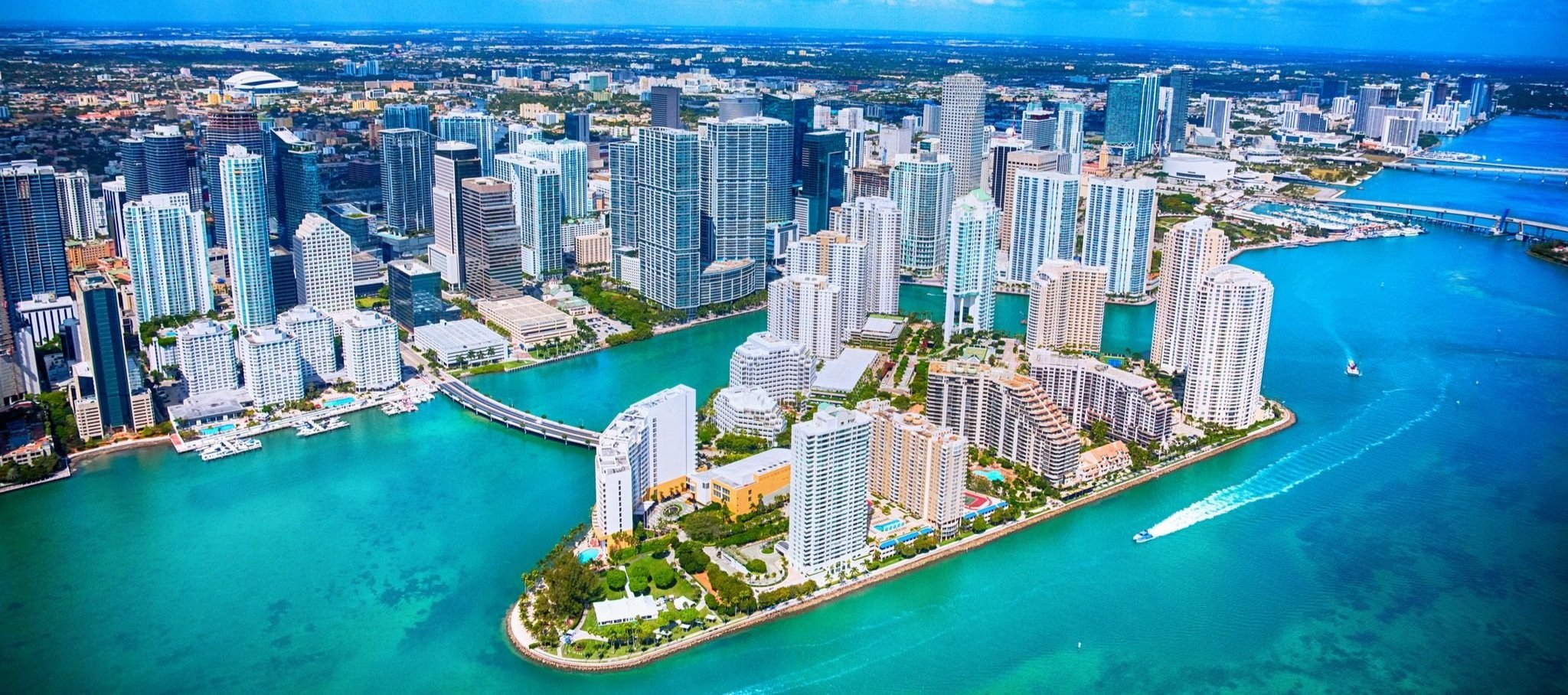

You can check the status of your Miami-Dade recertification by visiting the county's online Building Recertification Portal. The portal lets you search by folio number, property address, owner name, or case number to see your building's current recertification status, inspection history, and any open violations. This article walks through every step of the process, explains who needs recertification and when, breaks down the penalties for non-compliance, and covers how building upgrades like impact windows can play a role in keeping your property safe and up to code.
How to Check the Status of Your Miami-Dade Recertification Online
The fastest way to check your Miami-Dade recertification status is through the county's Building Recertification Portal. This tool covers records for properties in unincorporated Miami-Dade County going back to May 1996. You can search using your folio number (found on your property tax bill), your street address, the property owner's name, or your recertification case number.
Once you pull up your property, the portal shows whether a recertification has been submitted, whether it was approved, and whether any violations or enforcement cases are open. If your building has been referred to the Unsafe Structures Section, the portal provides a direct link to that enforcement case as well.
For properties inside one of the 35 municipalities within Miami-Dade County, the process is slightly different. Each municipality runs its own building department and handles recertification within its own jurisdiction. If your building is in the City of Miami, Doral, Hialeah, or any other incorporated city, you should contact that city's building department directly. According to the Miami-Dade Property Appraiser, the easiest way to determine your jurisdiction is by checking your folio number. If it starts with "30," the property is in unincorporated Miami-Dade and falls under the county portal.
You can also call the Miami-Dade Recertification Unit at 786-315-2373 for help. The office is open Monday through Friday, 7:30 a.m. to 4:00 p.m., at the Herbert S. Saffir Permitting and Inspection Center located at 11805 SW 26th Street in Miami.
What Is the 40-Year Recertification Law in Florida?
The 40-year recertification law in Florida requires certain buildings to undergo structural and electrical safety inspections once they reach 40 years of age, and then every 10 years after that. Miami-Dade County has enforced this program since 1975, making it the oldest building recertification program of its kind in the United States. According to the Florida Board of Professional Engineers, Miami-Dade adopted the program after a federal building housing the Drug Enforcement Administration collapsed in downtown Miami in 1974, killing seven people.
The law applies to all buildings except single-family homes, duplexes, and minor structures (those with an occupant load of 10 or fewer and a gross area of 2,000 square feet or less). A licensed professional engineer or registered architect must perform the inspection and certify that the building is structurally and electrically safe for continued use.
After the Champlain Towers South collapse in Surfside on June 24, 2021, which killed 98 people, Florida lawmakers overhauled the program. According to the University of Florida's Bergstrom Real Estate Center, as of 2022 the state was home to 912,000 condos aged 30 years or older. In May 2022, the legislature passed Senate Bill 4-D, creating a statewide milestone inspection requirement for all condo and cooperative buildings three stories or taller. The new law shortened the initial inspection timeline to 30 years for inland buildings and 25 years for buildings within three miles of the coastline.
What Is the 50-Year Recertification in Florida?
The 50-year recertification in Florida is the second cycle of the recertification process. After a building completes its initial 40-year inspection, it must be recertified again at the 50-year mark, and then every 10 years after that for the life of the structure. The inspection requirements are the same: a licensed engineer or architect must evaluate the building's structural and electrical systems and submit a signed and sealed report to the local building official.
Under the updated Miami-Dade County ordinance, buildings that already completed their first recertification under the original 40-year program continue on their existing 10-year schedule. For newer buildings, the county now uses a 25-year or 30-year trigger depending on the building's location relative to the coastline. According to Miami-Dade County's Department of Regulatory and Economic Resources, coastal condo and co-op buildings three stories or taller built between 1983 and 1997 were required to complete a recertification inspection by December 31, 2024.
This is not something building owners can ignore. Structural problems that go unaddressed for a decade can escalate into safety emergencies. That is why keeping windows, doors, and the entire building envelope in strong condition is a key part of passing inspections. We regularly work with property managers and condo associations to upgrade aging high-rise impact windows as part of their long-term maintenance plans.
Is Renewal the Same as Recertification?
No, renewal is not the same as recertification. Renewal typically refers to renewing a license, permit, or registration. Recertification is a formal building safety inspection process that evaluates the structural and electrical integrity of an aging building. In Miami-Dade County, recertification requires a licensed engineer or architect to physically inspect the building, submit a detailed report, and certify that the building is safe for its intended use.
A license renewal, such as renewing a contractor's license or a business tax receipt, is an administrative process. Recertification involves hands-on evaluation of foundation systems, load-bearing walls, columns, beams, floor slabs, roof structures, facades, electrical panels, emergency lighting, and parking structures. The two processes are completely different in scope, cost, and consequence.
What Happens During a Miami-Dade Building Recertification Inspection?
During a Miami-Dade building recertification inspection, a Florida-licensed professional engineer or registered architect examines the building's structural and electrical systems. The inspection covers the foundation, columns, beams, floor slabs, roof structure, exterior walls, facades, guardrails, parking structures, electrical panels, emergency lighting, and fire alarm systems.
As of January 2022, the Miami-Dade Board of Rules and Appeals (BORA) strengthened the inspection guidelines to include additional building components and more detailed reporting. Inspectors now also evaluate building facades for components that could become dislodged during high winds, even if those components are not part of the primary structure. In a hurricane zone, this means the condition of your windows, doors, and exterior cladding directly affects the outcome of the inspection.
Buildings with aging single-pane windows or non-impact-rated doors may be flagged during the facade evaluation. Upgrading to impact doors and hurricane-rated window systems brings those components into compliance with current Miami-Dade approval standards and helps the building pass the inspection without costly follow-up repairs.
How Long Does the Recertification Process Take?
The recertification process takes different amounts of time depending on the size and condition of the building. Once a property owner receives a Notice of Required Recertification from the county, they have 90 days to hire a licensed professional and submit a completed report. If the inspection finds no deficiencies, the building receives its recertification and no further action is needed for 10 years.
If structural or electrical problems are found, the building owner has 180 days to obtain the necessary permits and complete repairs. According to Florida Engineering LLC, the Building Official may grant a one-time extension of up to 60 days if the property owner submits a written request from the engineer or architect along with a statement that the building remains safe for occupancy during the repair process. Delays beyond those deadlines can trigger enforcement actions.
What Are the Penalties for Not Completing Recertification on Time?
The penalties for not completing recertification on time start with a citation and an initial fine of $510. According to the Miami-Dade County Department of Regulatory and Economic Resources, failure to correct the violation and pay the initial penalty within the timeframe stated on the citation can lead to accumulated penalties of up to $10,000 per violation. Daily fines can range from $50 to $500 depending on the severity of the case, according to multiple inspection firms operating in the county.
Beyond fines, continued non-compliance can result in a lien being recorded against the property. The case may also be referred to the Unsafe Structures Unit, which has the authority to declare a building unsafe for occupancy. In the most extreme cases, buildings can be condemned. That outcome is rare, but the financial and legal consequences of delayed recertification are real and significant. Building owners who proactively upgrade components like entry doors, windows, and electrical systems before their inspection deadline reduce the risk of deficiency findings.
According to the Miami-Dade County Building Code Enforcement Division, when a building fails to submit its recertification, an enforcement case is opened. That case stays on the property's record and can affect its value, insurability, and ability to secure financing. Fannie Mae and Freddie Mac updated their condominium eligibility standards after the Surfside collapse. According to the CRC Group, more than 1,400 condo buildings in Florida are currently on Fannie Mae's ineligibility list, largely because of compliance issues related to structural inspections and reserve funding.
Miami-Dade Recertification Timeline at a Glance
Sources: Miami-Dade County Department of Regulatory and Economic Resources, Florida Building Commission, Senate Bill 4-D (2022).
Buildings constructed in 1986 will hit 40 years in 2026, so owners of those properties need to begin planning now. Scheduling inspections early helps avoid contractor backlogs and last-minute rush costs. It also gives property owners time to address any repairs, including window installation upgrades, before the inspection deadline arrives.
How Do I Check Miami-Dade Permit Status?
You can check Miami-Dade permit status through the county's Electronic Plan Submittal (EPS) Portal or the Building Permit Selection Menu. The EPS Portal is for applications that require plan review, while the Building Permit Selection Menu lets you search all permits and applications by address or folio number.
Permit status is separate from recertification status, but the two are connected. If your recertification inspection identifies structural or electrical deficiencies, you will need to pull permits for the repair work. Tracking those permits through to final inspection and closure is a critical step. Open permits left unresolved can create their own enforcement problems, including additional fines and liens.
For commercial impact windows and door installations that are part of a recertification-driven repair plan, permits must be obtained before any work begins. We handle the full permitting process for every project we take on, from application to final inspection.
What Is the New Condo Law in Florida 2026?
The new condo law in Florida for 2026 builds on the landmark reforms that began with Senate Bill 4-D in 2022 and continued with House Bill 913, signed by Governor DeSantis in June 2025. The law requires all condominium and cooperative buildings three stories or taller to undergo milestone structural inspections at 30 years of age (or 25 years if within three miles of the coast), with follow-up inspections every 10 years.
According to a January 2025 report from the Florida Policy Project, an estimated 1.1 million condo units in Florida are more than 30 years old, and 58% of those units are concentrated in just eight counties, including Miami-Dade and Broward. The law also requires condo associations to complete a Structural Integrity Reserve Study (SIRS) every 10 years and fully fund reserves for major structural components like roofing, load-bearing walls, plumbing, and waterproofing. Associations can no longer waive reserve funding with a simple majority vote, which was a common practice before the Surfside collapse.
The financial impact on building owners has been significant. According to TD Economics, more than half of all condo units in Florida, roughly 900,000 out of 1.5 million, are older than 30 years. Special assessments for some buildings have reached as high as $134,000 to $400,000 per unit. Listings for condos in buildings over 30 years old surged 56% year-over-year, according to the Florida Policy Project, as owners try to sell before assessments hit. For high-rise buildings that need facade and opening upgrades, high-rise impact doors rated for upper-floor wind pressures are a common requirement during the compliance process.
How Building Upgrades Help With Recertification Compliance
Building upgrades play a direct role in recertification compliance. Inspectors evaluate every major component of the building, including the exterior envelope. Windows, doors, glazing systems, and facades that are cracked, corroded, or not rated for the wind zone can trigger deficiency findings. Addressing those components before the inspection avoids the added cost and delay of post-inspection repairs.
In South Florida, where buildings face constant exposure to salt air, UV radiation, and hurricane-force winds, the condition of the exterior envelope deteriorates faster than in milder climates. According to a presentation by the Florida Building Commission, inspectors now evaluate facade components that could become dislodged during storms, even if those components are not structural. A loose window frame, a corroded balcony railing, or a deteriorating sliding door system can all appear as deficiencies in the inspection report.
Upgrading to Miami-Dade approved impact windows and doors resolves those issues and adds long-term value. Impact-rated products meet the strictest wind and debris standards in the country, reduce energy costs, lower insurance premiums, and extend the time between necessary repairs. Replacing aging single-pane glass with rated impact glass is one of the most visible improvements inspectors see. For condo associations facing their first milestone inspection, replacing aging window and door systems is one of the most effective ways to protect the building's compliance status and property values.
What Building Components Do Inspectors Evaluate?
Inspectors evaluate the structural and electrical systems of the building in detail. The structural portion covers the foundation, columns, beams, floor slabs, roof structure, load-bearing walls, exterior facades, balconies, guardrails, and parking structures. The electrical portion covers panels, distribution systems, emergency lighting, fire alarms, and exit signage. As of 2022, Miami-Dade also requires certification that parking lot illumination meets the standard of Miami-Dade Code Section 8C-3, and that waterway guardrails meet Section 8C-6 requirements.
The condition of balcony enclosures and exterior glazing systems is especially important for high-rise buildings along the coast. These are areas where corrosion, seal failure, and water intrusion tend to show up first. Buildings with large glass facades may also need curtain wall systems evaluated as part of the structural glazing recertification process. Catching and correcting these issues early saves money and keeps the building in compliance.
Frequently Asked Questions
How Do I Check the Status of My Florida License?
You can check the status of your Florida license through the Florida Department of Business and Professional Regulation (DBPR) website. The DBPR maintains a searchable database for contractor licenses, professional licenses, and business licenses. This is separate from building recertification, which is a property-level inspection managed by local building departments.
What Is the Highest HOA Fee in Florida?
The highest HOA fees in Florida have been reported in high-rise condo buildings facing large special assessments for structural repairs. According to data cited by multiple real estate analysts, monthly HOA fees in some Miami-Dade high-rises jumped nearly $500 per month in 2025, with insurance components alone averaging $377 per month. Some buildings now charge over $2,000 per month in total fees. These increases are driven by deferred maintenance costs, rising insurance premiums, and the new reserve funding requirements under Senate Bill 4-D.
Can I Submit My Recertification Report Online?
Yes, you can submit your recertification report online through the Miami-Dade County Building Recertification Record Submission Portal. Reports submitted electronically must be digitally signed and sealed by your design professional. You can also submit reports by mail or in person at the Miami-Dade Permitting and Inspection Center. Recertification fees can be paid online through the county's ePayment system using your recertification case number.
Do Single-Family Homes Need Recertification in Miami-Dade?
No, single-family homes do not need recertification in Miami-Dade County. The recertification program applies to commercial buildings, multifamily buildings, condos, co-ops, and other structures that exceed the minor building threshold. Duplexes and buildings with an occupant load of 10 or fewer and a gross area of 2,000 square feet or less are also exempt.
What Happens if My Building Fails Recertification?
If your building fails recertification due to safety concerns, repairs must be completed before the building can be recertified. The property owner must obtain permits for the required work, complete the repairs, and then schedule a reinspection. The licensed engineer or architect will perform a follow-up evaluation and submit a final approved report to the county. If repairs are not completed within the allowed timeframe, the building may be referred to the Unsafe Structures Unit for further enforcement action.
How Much Does a Recertification Inspection Cost?
The cost of a recertification inspection varies depending on the size and complexity of the building. The county charges a base recertification fee, and quality control reinspections carry a fee of $99.42 each. The larger expense is the cost of hiring the licensed engineer or architect to perform the structural and electrical inspections. For larger buildings, engineering fees can range from a few thousand dollars to tens of thousands. If deficiencies are found, the cost of permits and repairs is additional.
Why Are People Selling Their Condos in Florida?
Many people are selling their condos in Florida because of the financial pressures created by the new recertification and reserve funding laws. According to data from multiple market analyses, listings for condos over 30 years old surged 56% year-over-year as owners tried to get ahead of expensive special assessments. Some buildings have levied assessments of $100,000 or more per unit to cover deferred structural repairs. Combined with rising insurance premiums and HOA fees, these costs have pushed many owners to sell.
Putting It All Together
Checking the status of your Miami-Dade recertification is a straightforward process. The county's online portal gives you instant access to your building's inspection history, compliance status, and any open enforcement cases. What matters most is not just checking the status, but staying ahead of it. Planning early, hiring qualified professionals, budgeting for repairs, and keeping the building envelope in strong condition all reduce the stress and cost of recertification.
For property owners and condo associations looking to upgrade windows, doors, or facade systems as part of a recertification plan, ASP Windows & Doors has been helping South Florida buildings meet and exceed Miami-Dade standards for over 20 years. Call us at (888) 782-8342 to schedule a free estimate.
Now Accepting Appointments
Proudly serving homeowners and businesses across South Florida and Southwest Florida. Book your visit and let our experts help protect and upgrade your space.
.avif)
.avif)
.avif)
%201.avif)
Insights & Resources
Stay informed with expert tips on impact windows, hurricane protection, and South Florida building standards.


%201.webp)
%201%20(1).webp)

%201.svg)
%201%20(1)%20(1).webp)
.png%20(1).webp)
.png.webp)
.avif)
.avif)


.avif)


.png)
.png)