.avif)


Home Pressure Balance Issues
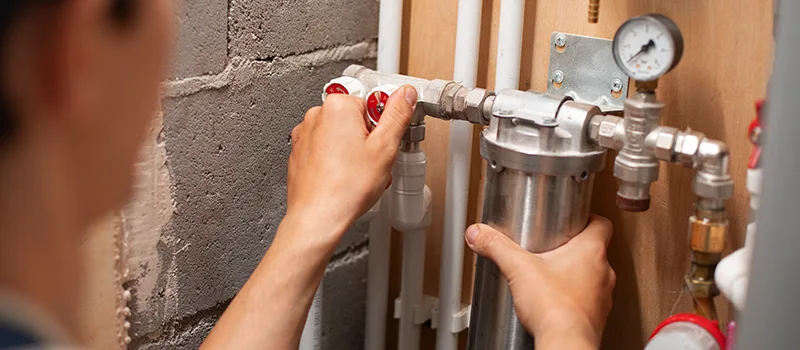

Home pressure balance issues happen when the air pressure inside your house is not equal to the air pressure outside. This imbalance is usually caused by exhaust fans, leaky ductwork, or poorly sealed windows and doors pulling more air out of the home than what comes back in. According to Energy Star, air leakage accounts for 25% to 40% of the energy used for heating and cooling in a typical home, and pressure imbalance is one of the main reasons that leakage happens.
In this article, we cover what causes pressure imbalance in a home, the signs to watch for, how to test for it, how to fix it, and how properly sealed impact windows and doors play a key role in keeping your home's air pressure balanced.
What Causes Home Pressure Balance Issues?
Home pressure balance issues are caused by anything that pushes air out of the house faster than it comes back in. The most common causes are exhaust fans in the kitchen and bathrooms, clothes dryers, range hoods, gas-burning furnaces, water heaters, and fireplaces. Each of these appliances pulls air out of the home or up through a chimney. When there is no matching source of incoming air to replace what leaves, the pressure inside the house drops below the pressure outside. That drop creates what is called negative air pressure.
Leaky ductwork is another major contributor. When supply ducts in an attic or crawlspace leak, conditioned air escapes into unconditioned spaces, and the HVAC system cannot deliver enough air into the living areas to maintain balanced pressure. Poorly sealed windows, doors, attic hatches, and wall penetrations for pipes and wiring also let conditioned air escape and allow outside air to seep in through random gaps, making the imbalance worse.
Modern homes built to tighter construction standards are actually more vulnerable to pressure problems than older, draftier homes. Older homes had enough random leaks to let replacement air in naturally. Tighter homes do not have those leaks, so when exhaust systems run, there is no easy way for makeup air to enter, and the pressure drops. Homeowners who notice air leaks around their windows often find that those leaks are a symptom of a larger pressure imbalance rather than just a seal problem.
What Is the Difference Between Negative and Positive Air Pressure?
The difference between negative and positive air pressure is the direction the air moves. Negative air pressure means the pressure inside your home is lower than outside, so air gets pulled in through cracks, gaps, and any opening it can find. Positive air pressure means the pressure inside is higher than outside, so air gets pushed out of the home.
Both can cause problems. Negative pressure pulls in unfiltered outdoor air, humidity, allergens, and even exhaust fumes from attached garages. Positive pressure forces conditioned air out through every gap, which wastes energy and can push moisture into wall cavities where it causes mold and rot. According to the U.S. EPA, Americans spend approximately 90% of their time indoors, where indoor pollutant concentrations can be 2 to 5 times higher than typical outdoor levels. A home with constant pressure imbalance makes that air quality problem worse because it disrupts the controlled airflow that HVAC systems are designed to provide.
How to Tell If You Have Negative Pressure in Your House
You can tell if you have negative pressure in your house by watching for a few common signs. Doors that slam shut on their own or feel hard to pull open are one of the clearest signals. Whistling sounds near windows, outlets, or vents, especially on windy days, mean outside air is being sucked in through small gaps. Drafts that appear when the HVAC system is running, even though all windows and doors are closed, point to the same issue.
Other signs include unexpected spikes in indoor humidity, musty or stale odors even when the home is clean, and backdrafting from gas appliances. Backdrafting is when exhaust gases from a furnace, water heater, or fireplace get pulled back into the home instead of venting outside. This is the most dangerous symptom because it can introduce carbon monoxide into the living space.
A quick test you can do yourself is to hold a thin piece of tissue paper near the edge of a closed exterior door or window. If the paper gets pulled inward and sticks to the frame, outside air is being drawn in, which confirms negative pressure at that location. Homeowners dealing with moisture inside their windows should also consider whether pressure imbalance is part of the problem.
How to Test a Room for Negative Pressure
To test a room for negative pressure, close all the doors and windows in that room and turn on any exhaust fans that serve the space, like a bathroom fan or range hood. Then hold a tissue or piece of incense smoke near the bottom of the closed door. If the tissue pulls toward the door or the smoke gets drawn under it, the room is under negative pressure because the exhaust fan is removing air faster than it can be replaced.
For a more precise measurement, HVAC professionals use a tool called a manometer, which measures the pressure difference between the inside and outside of the home in pascals. The U.S. Department of Energy also recommends a blower door test as part of a full home energy assessment. A blower door test uses a calibrated fan mounted in an exterior doorway to depressurize the entire home and measure exactly how much air leaks through the building envelope. According to The Energy Conservatory, a leaky older home typically tests between 4,000 and 8,000 CFM50, while a tight modern home tests between 600 and 1,000 CFM50.
How to Balance Negative Air Pressure in a House
To balance negative air pressure in a house, you need to either reduce the amount of air leaving or increase the amount of air coming in. The most effective approach does both at the same time.
Start by sealing the building envelope. Replace worn weatherstripping around doors and windows. Caulk gaps around pipes, wires, and ductwork where they pass through exterior walls, floors, and ceilings. Fix leaky ducts in attics and crawlspaces. According to the U.S. Department of Energy, air sealing reduces energy bills, improves comfort, and decreases condensation problems that lead to mold. We see this often in South Florida homes, where high humidity combined with air leaks creates the perfect setup for moisture damage.
Next, address exhaust ventilation. Bathroom fans and range hoods should only run as long as needed. Installing timers or humidity sensors on bathroom fans prevents them from running all day and pulling air out of the house unnecessarily. For homes with large range hoods that move more than 400 CFM, many building codes now require a dedicated makeup air system that brings in fresh outdoor air to replace what the hood exhausts.
An energy recovery ventilator (ERV) or heat recovery ventilator (HRV) is one of the best long-term solutions. These systems bring in fresh outside air while recovering the heating or cooling energy from the air that leaves, keeping pressure balanced without wasting energy. Replacing old, leaky windows with properly sealed impact-resistant windows is another high-impact improvement because it tightens the envelope and gives the HVAC system more control over airflow.
How Do You Fix an Uneven Airflow in Your House?
You fix an uneven airflow in your house by checking and adjusting the HVAC return and supply vents in each room, sealing duct leaks, and making sure no vents are blocked by furniture, rugs, or closed doors. Uneven airflow means some rooms get too much conditioned air while others get too little, which creates localized pressure differences throughout the home.
If certain rooms always feel warmer or cooler than the rest of the house, the ductwork serving those rooms may be undersized, disconnected, or leaking. An HVAC technician can measure the airflow at each register and adjust dampers to balance the system. Closing interior doors can also cause pressure buildup in one room and a deficit in another, especially if the room does not have a dedicated return vent. Keeping interior doors open or installing transfer grilles above the door allows air to circulate freely and stay balanced.
How Windows and Doors Affect Home Air Pressure
Windows and doors are the largest openings in the building envelope, and their condition directly affects home air pressure. When seals around windows and doors are tight and intact, the HVAC system controls how air moves through the home. When seals fail, caulking cracks, or frames warp, uncontrolled air leaks create pressure imbalance that the HVAC system cannot correct.
The U.S. Department of Energy notes that heat gain and heat loss through windows are responsible for 25% to 30% of residential heating and cooling energy use. Damaged or poorly sealed windows make that worse because they let conditioned air escape and allow unconditioned air to flood in. In a home with negative pressure, every gap around a window or door becomes an entry point for hot, humid outdoor air, which drives up cooling costs and increases the workload on the air conditioner.
Properly installed impact doors and windows create a tight seal that works with the HVAC system instead of against it. These products are designed to meet strict air infiltration standards, which means they let in far less uncontrolled air than standard windows and doors.
Upgrading to impact glass gives the HVAC system the control it needs to keep pressure balanced throughout the home.
Can Negative Air Pressure Cause Mold?
Yes, negative air pressure can cause mold. When negative pressure pulls humid outdoor air into the home through cracks and gaps, that moisture enters wall cavities, attic spaces, and areas around window frames where it condenses on cooler surfaces. The U.S. Centers for Disease Control and Prevention states that mold grows where there is moisture, such as around leaks in roofs, windows, or pipes. The EPA warns that mold can begin developing within 24 to 48 hours after water intrusion or persistent dampness.
In humid climates, the problem is even worse. Warm, moist outdoor air pulled into a cooled interior space hits cold surfaces and condenses instantly, creating exactly the kind of damp environment mold needs to grow. Research cited by the National Institute for Occupational Safety and Health found that nearly 47% of residential buildings in the United States show visible mold or a detectable mold odor. Much of that is driven by moisture from air leakage and pressure imbalance rather than plumbing leaks alone.
Homeowners who spot window seal failure should act quickly, because a failed seal is both an air leak path and a moisture entry point that feeds mold growth.
Can Sealing Your Home Too Tightly Cause Problems?
Yes, sealing your home too tightly can cause problems if you do not add proper mechanical ventilation at the same time. A very tight home with no controlled fresh air supply can trap indoor pollutants like cooking fumes, cleaning chemicals, carbon dioxide from breathing, and off-gassing from furniture and building materials. The EPA ranked indoor air pollution as a top-five environmental risk to public health, and a sealed home without ventilation makes that risk worse.
The solution is not to leave the home leaky. The solution is to seal the home tightly and then add controlled ventilation through an ERV, HRV, or dedicated fresh air intake tied to the HVAC system. This approach gives you the energy savings and comfort of a tight building envelope while still providing the fresh air needed for good indoor air quality. The comparison table below shows how different sealing levels affect pressure, energy use, and air quality.
Sources: U.S. Department of Energy, Energy Star, U.S. Environmental Protection Agency, The Energy Conservatory
For homeowners considering a full window upgrade, choosing energy-efficient impact windows with low air infiltration ratings is one of the best ways to tighten the envelope and give your HVAC system real control over pressure and airflow.
Can Backdrafting From Negative Pressure Be Dangerous?
Yes, backdrafting from negative pressure can be dangerous. Backdrafting happens when the negative pressure inside the home is strong enough to pull exhaust gases from a furnace, water heater, or fireplace back into the living space instead of letting them vent outside. Those gases can include carbon monoxide, which is odorless and colorless and can cause serious illness or death at high concentrations.
Natural draft furnaces and water heaters are most at risk because they rely on the natural buoyancy of hot air to push exhaust up the flue. If the home is depressurized enough, that upward draft reverses, and fumes spill into the room. Sealed combustion appliances are much safer because they draw combustion air directly from outside through a dedicated pipe and do not rely on indoor air pressure at all.
If you ever smell gas, notice soot buildup around a furnace or water heater, or see a yellow or flickering pilot light instead of a steady blue flame, call a professional immediately. These are signs that backdrafting may be happening, and it needs to be addressed right away. Properly sealed sliding doors and windows that do not leak air help prevent the kind of depressurization that leads to backdrafting in the first place.
Frequently Asked Questions
Does Running Exhaust Fans Cause Negative Pressure?
Yes, running exhaust fans causes negative pressure because they remove air from the home without bringing replacement air in. Bathroom fans, kitchen range hoods, and dryer vents all pull air out. If multiple exhaust fans run at the same time in a tightly sealed home, the pressure drop can be significant enough to cause drafts, door slamming, and even backdrafting of combustion appliances. Using timers or humidity sensors on fans helps limit their run time and reduce the impact on pressure.
Can Leaky Windows Cause Pressure Imbalance?
Yes, leaky windows can both cause and result from pressure imbalance. When a home has negative pressure, air gets pulled in through every available gap, and old or poorly sealed windows are the easiest path. At the same time, windows that leak air out on the positive-pressure side of the house contribute to the overall leakage that destabilizes pressure throughout the home. Replacing leaky windows with properly sealed hurricane-rated windows reduces both problems at once.
What Is a Blower Door Test?
A blower door test is a diagnostic tool used to measure how airtight a home is. A calibrated fan is mounted in an exterior doorway and pulls air out of the house to create a pressure difference. The amount of airflow needed to maintain that pressure tells the technician how much air is leaking through the building envelope. The U.S. Department of Energy recommends blower door tests as part of a comprehensive home energy assessment. The results help identify where air sealing improvements will have the biggest impact.
Can Negative Air Pressure Make Your Home Feel Humid?
Yes, negative air pressure can make your home feel humid because it pulls warm, moisture-laden outdoor air into the home through cracks and gaps. In the Doral and Fort Lauderdale area, where outdoor humidity levels are high year-round, even a small amount of infiltration can raise indoor humidity noticeably. The air conditioner then has to work harder to remove that extra moisture, which increases energy costs and wear on the system.
How Often Should You Check Your Home for Pressure Issues?
You should check your home for pressure issues at least once a year, ideally as part of a seasonal HVAC tune-up or home energy audit. Pay extra attention if you notice new drafts, doors that close by themselves, rising energy bills, or moisture forming around windows. Any major renovation that changes the building envelope, like adding insulation or replacing windows, should also be followed by a pressure check to make sure the HVAC system is still balanced for the updated layout.
The Bottom Line
Home pressure balance issues affect everything from your energy bills and comfort to your indoor air quality and the safety of gas appliances. The root cause is almost always an imbalance between how much air leaves the home and how much comes back in. Sealing air leaks around windows, doors, and ductwork is the foundation of any fix, and adding controlled ventilation makes sure the home stays both tight and healthy.
For homeowners who want a real, lasting improvement to their building envelope, upgrading to properly installed impact-rated windows and doors is one of the most effective steps you can take. It tightens the home, reduces energy waste, and gives your HVAC system the sealed environment it needs to keep pressure balanced.
If you want to explore what an upgrade would look like for your home, the team at ASP Windows & Doors is here to walk you through the options. We have been helping homeowners protect and improve their homes for over 20 years.
Call us at (888) 782-8342 or request a free estimate to get started.
Now Accepting Appointments
Proudly serving homeowners and businesses across South Florida and Southwest Florida. Book your visit and let our experts help protect and upgrade your space.
.avif)
.avif)
.avif)
%201.avif)
Insights & Resources
Stay informed with expert tips on impact windows, hurricane protection, and South Florida building standards.


%201.webp)
%201%20(1).webp)

%201.svg)
%201%20(1)%20(1).webp)
.png%20(1).webp)
.png.webp)
.avif)
.avif)


.avif)


.png)
.png)