.avif)


Door Weather Sealing Problems
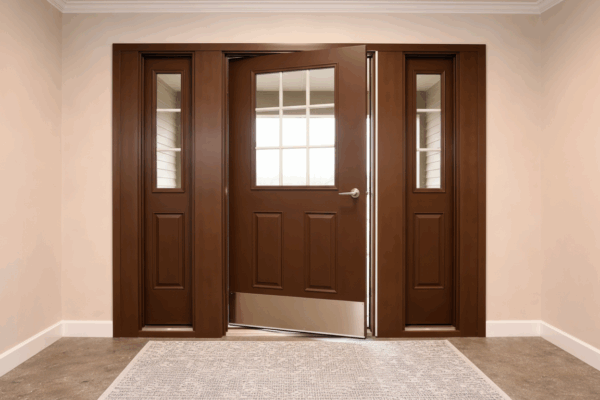

Door weather sealing problems happen when the weatherstripping, threshold seal, or frame around a door breaks down and allows air, water, and insects to pass through. These gaps may feel like a minor nuisance at first, but they add up fast. According to the U.S. Department of Energy, air leaks from a front door alone can account for up to 20% of heat loss in a typical home. Even a small 1/8-inch gap under an exterior door lets in as much cold air as a 2.5-inch hole punched through the wall.
In this article, we walk through the most common causes of door seal failure, how to spot the signs early, how long door seals last, when to repair versus replace, and why upgrading to properly sealed impact doors can solve these problems for good.
What Causes Door Weather Sealing Problems?
Door weather sealing problems start with normal wear and tear. Every time a door opens and closes, the weatherstripping compresses a little more. Over months and years, the material flattens, cracks, or pulls away from the frame. Once that seal breaks down, air, rain, dust, and bugs find a clear path inside.
Temperature swings speed up the process. In hot climates, rubber and foam seals dry out and become brittle from UV exposure. In cold weather, they stiffen and lose their flexibility. The U.S. Department of Energy notes that air leakage accounts for 25% to 40% of the energy used for heating and cooling in a typical home, and doors are one of the main paths for that leakage.
Other common causes include poor original installation, a warped or sagging door, a shifted door frame due to foundation settling, a worn or damaged threshold, and paint buildup along the edges that prevents the door from closing flush against the seal.
What Are Some Common Problems With Weather Stripping on Doors?
The most common problems with weather stripping on doors are cracking, compression, peeling adhesive, gaps at the corners, and misalignment between the seal and the frame. Cracking happens when the rubber or vinyl dries out from age and sun exposure. Compression happens when the material gets flattened over time and no longer bounces back to fill the gap.
Peeling adhesive is especially common with self-stick foam tape, which is one of the cheapest types of weatherstripping. The adhesive weakens in heat and humidity, and the tape curls away from the frame. Gaps at the corners form when separate strips do not meet tightly, leaving small openings where air and water slip through. Loose door hinges can also throw off alignment, which pulls the door away from the seal on one side.
Why Is My Front Door Not Sealing Tightly?
Your front door is not sealing tightly because the weatherstripping has worn down, the door has shifted in its frame, or the strike plate is pulling the door too far or not far enough into the jamb. A front door that gets daily use compresses its weatherstripping faster than any other door in the house, and most entry door seals need replacement every 2 to 5 years according to industry professionals.
Another common reason is hinge sag. Over time, the weight of the door loosens the hinge screws, and the door drops slightly. Even a fraction of an inch of sag can create a gap at the top of the latch side where air flows freely. Try tightening all hinge screws first. If the screw holes have stripped out, you can fix them with longer screws that reach into the wall framing behind the jamb.
How to Tell If Weather Stripping Needs to Be Replaced
You can tell weather stripping needs to be replaced if you see visible daylight around the edges of a closed door, feel drafts near the frame, notice rising energy bills, find water stains near the threshold, or see insects getting inside. The material itself will look cracked, flattened, torn, or brittle if it has reached the end of its life.
One easy test is the dollar bill method. Close the door on a dollar bill placed along the edge. If the bill slides out freely without resistance, the seal is too loose. A good seal should grip the bill firmly. According to data from Energy Star, air leakage through gaps around doors and windows accounts for 25% to 40% of the energy used to heat and cool a home, so a failed seal is not just a comfort issue. It is a money issue.
How Do You Check If Your Door Is Sealed Properly?
You check if your door is sealed properly by doing three simple tests. First, close the door during the day and look for any slivers of daylight around the edges or bottom. Light means air is getting through. Second, hold your hand slowly along the perimeter of the closed door and feel for moving air. Third, use the dollar bill test on all four sides.
For a more thorough check, you can light a stick of incense and hold it near the edges of the closed door. If the smoke wavers or gets pulled toward the door, that spot has an air leak. Homeowners who notice similar problems around their windows should also look for window seal failure, since both often wear out around the same time.
How Long Do Door Weather Seals Last?
Door weather seals last 2 to 5 years on average for standard rubber, foam, or vinyl weatherstripping on entry doors. Metal weatherstripping like bronze or stainless steel V-strips can last much longer, sometimes 10 years or more, but they are less common on residential doors. High-quality EPDM rubber seals hold up the best in extreme temperatures and UV exposure.
The lifespan depends on how often the door is used, how much sun and rain it gets, and how well it was installed in the first place. A front door that opens and closes 20 or more times a day will wear through its seals much faster than a side door that gets used once a week. In South Florida, the combination of intense sun, high humidity, and frequent storms puts extra stress on door seals and shortens their useful life.
Professionally installed hurricane-rated doors typically come with integrated seal systems that are more durable and longer-lasting than aftermarket weatherstripping applied to older doors.
How Do You Fix a Drafty Door?
You fix a drafty door by first finding where the draft is coming from and then addressing the specific cause. Start by checking the weatherstripping around the top, sides, and bottom of the door. If it is cracked, flattened, or missing, replace it. Next, check the threshold. If there is a visible gap between the bottom of the door and the threshold, you may need to adjust the threshold height or install a new door sweep.
Tightening loose hinge screws is another quick fix that makes a big difference. If the door sags and does not sit square in the frame, the seal cannot compress evenly. According to the U.S. Department of Energy, proper weatherstripping can reduce air leakage by 25% to 40% and save 10% to 15% on heating bills. That makes it one of the highest-return home improvements you can do.
If the frame itself has shifted or the door has warped, simple weatherstripping replacement will not solve the problem. Those situations usually call for a professional inspection to determine whether the door can be adjusted or needs full replacement.
How to Rejuvenate Rubber Door Seals
To rejuvenate rubber door seals that are still in one piece but have become stiff or slightly compressed, clean them first with warm soapy water and a soft cloth to remove dirt and grime. Dry the seals completely. Then apply a thin coat of silicone-based lubricant or rubber conditioner to restore some flexibility to the material.
This is a temporary fix, not a permanent solution. Conditioning can extend the life of a seal by a few months, but once rubber has hardened, cracked, or lost its shape, no amount of lubricant will bring it back. At that point, full replacement is the right call. Homeowners who are also dealing with door security concerns should consider upgrading both the seal and the door itself for better protection all around.
Does Weather Stripping Go on the Door or the Frame?
Weather stripping goes on the door frame, not on the door itself, in most residential applications. The strips are applied to the inside of the door jamb so that the door presses against them when it closes, creating a compression seal. Door sweeps are the exception. A sweep attaches directly to the bottom of the door and seals the gap between the door and the threshold.
Getting the placement right matters. If the weatherstripping is too far from the closing edge, the door will not compress it enough to seal. If it is too close, the door will bind and be hard to close. The goal is firm, even compression on all four sides without any drag or resistance.
Why Is There a Gap at the Bottom of My Door?
There is a gap at the bottom of your door because the door sweep has worn down, the threshold has shifted or settled, or the door itself has been trimmed too short during installation. Gaps at the bottom are the biggest source of air infiltration because warm air rises and pulls cold air in through the lowest opening. According to Masonite, a 1/8-inch gap under an exterior door allows as much air through as a 2.5-inch hole in the wall.
In older homes, the floor may have settled unevenly, pulling the threshold away from the bottom of the door. In newer homes, a missing or improperly installed door sweep is usually the cause. Either way, this gap is easy to fix with the right sweep or threshold adjustment.
What Is a Door Sweep and Do I Need One?
A door sweep is a strip of rubber, silicone, or brush material attached to the bottom edge of a door to seal the gap between the door and the threshold. Yes, you need one on every exterior door. Without a sweep, there is nothing stopping air, water, and pests from entering through the bottom of the door.
Door sweeps come in several styles. Flat sweeps attach to the inside face of the door. Wrap-around sweeps hook under the bottom edge. Automatic sweeps drop down when the door closes and retract when it opens. For French doors and double doors, an astragal strip paired with sweeps on both panels gives the best seal.
Can Door Drafts Increase Energy Bills?
Yes, door drafts can increase energy bills significantly. The U.S. Department of Energy reports that air leakage accounts for 25% to 40% of the energy used for heating and cooling in a typical home. Doors are one of the main leakage points, along with windows, attic hatches, and ductwork. When conditioned air escapes through a drafty door, your HVAC system works harder and runs longer to keep up, which drives up your monthly bill.
Weatherstripping a door properly can save 10% to 15% on heating bills, according to the Department of Energy. Bob Vila reports that the overall energy savings from weatherstripping doors can reach as high as 20%. The table below compares the energy impact of different door seal conditions.
Sources: U.S. Department of Energy, Energy Star, Masonite, Bob Vila
Homeowners who want the best possible energy performance often pair a well-sealed door with impact windows to seal the entire building envelope at once.
Can a Poorly Sealed Door Cause Mold?
Yes, a poorly sealed door can cause mold. When rain or humid air enters through gaps in the door seal, it introduces moisture into the wall cavity, floor, and surrounding trim. The U.S. Centers for Disease Control and Prevention states that mold grows where there is moisture, especially around leaks in windows, doors, and pipes. The EPA adds that mold can start growing within 24 to 48 hours after water intrusion if the area is not dried quickly.
Research cited by the National Institute for Occupational Safety and Health found that nearly 47% of residential buildings in the United States show visible mold or a detectable mold odor. The World Health Organization has reported that 21% of American asthma cases may be linked to dampness and mold exposure. A door that lets water in every time it rains is feeding that cycle.
The threshold area is especially vulnerable because water pools there and soaks into the subfloor. Over time, this leads to rot in the framing and mold on the drywall and carpet near the door.
Can a Warped Door Be Fixed or Does It Need to Be Replaced?
A warped door can sometimes be fixed if the warp is minor and caught early. Small warps in wood doors can occasionally be corrected by removing the door, laying it flat on a level surface, and applying weight to the bowed area over several days. Adjusting the hinges or adding a third hinge can also help pull a slightly warped door back into alignment.
However, if the warp is severe, the door will never sit flush in the frame again, and no amount of weatherstripping will seal it properly. In that case, replacement is the only real fix. The U.S. Department of Energy notes that the R-values of most steel and fiberglass-clad entry doors range from R-5 to R-6, which is more than five times the insulating value of a solid wood door of the same size. Upgrading to a modern, properly insulated entry door solves the sealing problem and improves energy efficiency at the same time.
Homeowners exploring the costs involved in a door upgrade can get a better sense of what to expect from a door installation overview before making a decision.
For homes in hurricane-prone areas, choosing an impact-rated door solves the warping and sealing problem at the same time, since these doors are built with materials and frames that resist moisture and extreme weather far better than standard wood.
Frequently Asked Questions
What Type of Weather Stripping Is Best for Exterior Doors?
The best type of weather stripping for exterior doors is tubular rubber or vinyl gasket weatherstripping, also known as kerf-style or compression seal. These materials stay flexible in hot and cold weather, resist UV damage, and create a strong compression seal when the door closes. The U.S. Department of Energy recommends choosing weatherstripping that withstands friction, weather, and temperature changes specific to its location. Metal V-strips made of bronze or stainless steel are also very durable but harder to install.
Can You Add Weather Stripping to an Existing Door?
Yes, you can add weather stripping to an existing door. Self-adhesive foam tape, V-strip, and adhesive-backed rubber gaskets can all be applied to the inside of the door jamb without special tools. A door sweep can be screwed or adhered to the bottom of the door. The key is making sure the surface is clean and dry before applying, and choosing a material rated for exterior use.
What Causes a Door to Not Close Tightly?
A door does not close tightly because of loose hinges, a warped frame, a shifted strike plate, paint buildup on the edges, or worn weatherstripping that no longer provides compression. Tightening hinge screws and adjusting the strike plate are the first things to try. If the frame has shifted due to foundation settling, the door may need to be rehung or replaced entirely.
Can a Poorly Sealed Door Affect Indoor Air Quality?
Yes, a poorly sealed door can affect indoor air quality. Gaps in the door seal allow outdoor allergens, dust, pollen, and pollutants to enter the home. In humid climates, the moisture that enters through a failed seal can also promote mold growth, which releases spores into the indoor air. The CDC recommends fixing any leaks in doors, windows, or plumbing to prevent mold and protect respiratory health.
How Often Should You Replace Door Weather Stripping?
You should replace door weather stripping every 2 to 5 years for standard rubber, foam, or vinyl materials. High-traffic entry doors may need new weatherstripping every 1 to 2 years. Metal V-strips and professional-grade compression seals can last 10 years or more with proper maintenance. Inspect your door seals at least twice a year, once before summer and once before winter, to catch problems early. Doors with sliding glass panels should also be checked regularly, as their track-mounted seals wear differently than hinged doors.
The Takeaway
Door weather sealing problems are one of the easiest home issues to overlook and one of the most expensive to ignore. A worn-out seal drives up energy bills, lets moisture in, invites pests, and can even lead to mold and structural damage over time. The average water damage insurance claim in the United States costs over $15,000 according to the Insurance Information Institute, and many of those claims start with something as simple as a failed door or window seal.
Checking your door seals twice a year and replacing weatherstripping every few years are simple steps that protect your home and your wallet. For homeowners in the Doral and Fort Lauderdale area who want a permanent solution, upgrading to a properly engineered, factory-sealed impact door eliminates the cycle of patching and replacing seals every few years.
If you are ready to explore your options, the team at ASP Windows & Doors can walk you through the best solutions for your home. We have been helping homeowners protect their properties for over 20 years.
Call us at (888) 782-8342 or request a free estimate to get started.
Now Accepting Appointments
Proudly serving homeowners and businesses across South Florida and Southwest Florida. Book your visit and let our experts help protect and upgrade your space.
.avif)
.avif)
.avif)
%201.avif)
Insights & Resources
Stay informed with expert tips on impact windows, hurricane protection, and South Florida building standards.


%201.webp)
%201%20(1).webp)

%201.svg)
%201%20(1)%20(1).webp)
.png%20(1).webp)
.png.webp)
.avif)
.avif)


.avif)


.png)
.png)