.avif)


Average Cost to Install a New Door
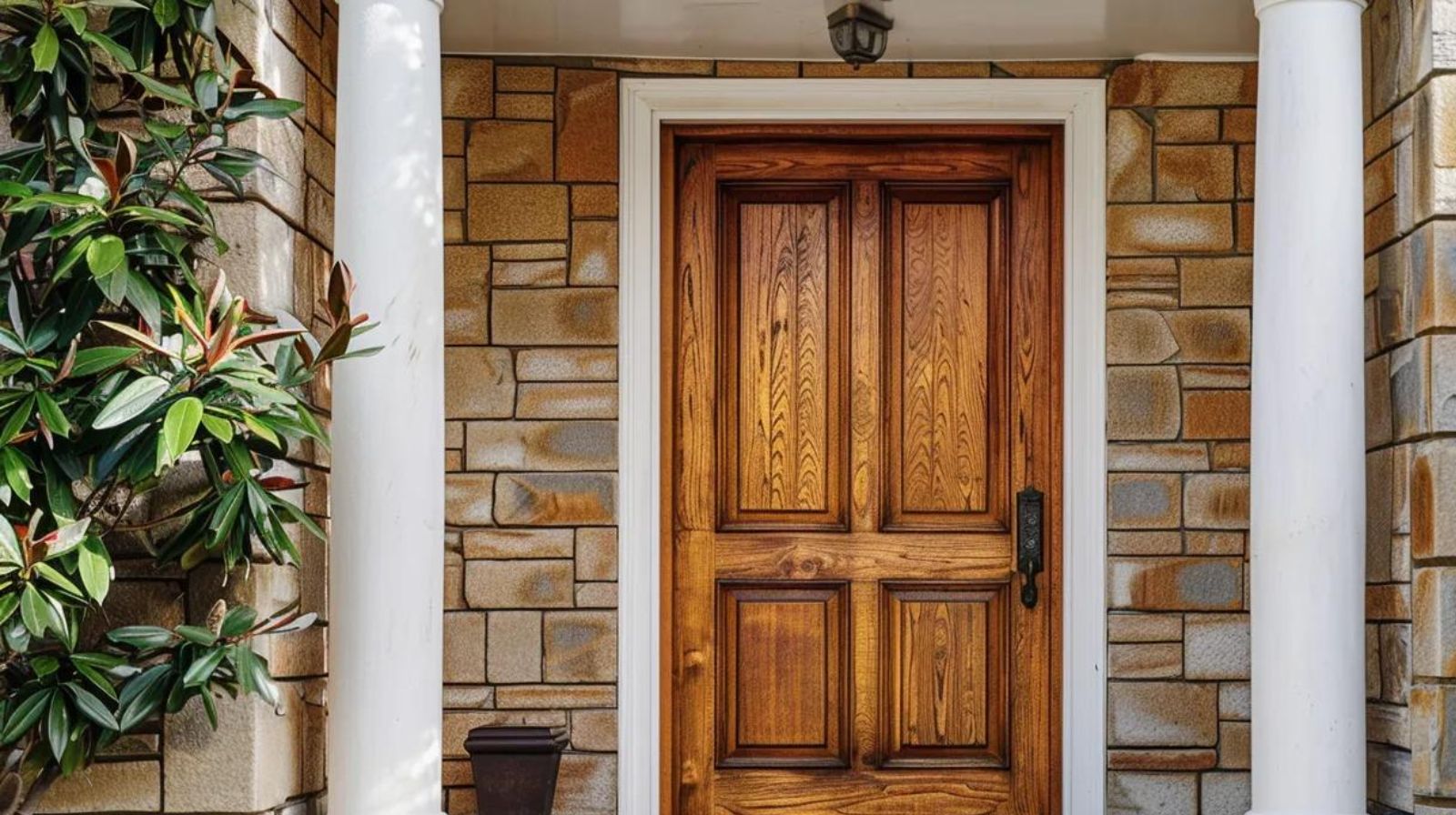

The average cost to install a new door ranges from $500 to $2,000 in 2026. Interior doors usually cost $200 to $800, while exterior doors run $400 to $2,000 or more depending on the material, style, and installation needs.
How Much Does It Cost to Install Different Types of Doors?
The type of door you choose makes the biggest difference in your total cost. Interior doors are cheaper because they don't face weather. Exterior doors cost more because they need stronger materials and better sealing. Specialty doors like sliding glass or barn doors have their own price ranges based on how complex they are to install. Here's what you can expect to pay for common door types.
Interior Door Installation Costs
Interior doors cost less because they don't need to handle weather or break-ins. Most homes use simple hollow-core or solid-core doors for bedrooms and bathrooms.
A basic interior door installation costs $150 to $600. This includes the door and labor. Hollow-core doors are cheapest at $50 to $200 for the door alone. Solid-core doors run $100 to $500 but give you better sound blocking and feel sturdier.
Pre-hung interior doors cost $260 to $500 to install. They come ready with hinges and a frame attached. Slab doors only cost $150 to $350 to install but need more work to fit into your existing frame.
Exterior Door Installation Costs
Exterior doors protect your home from weather, noise, and intruders. They need stronger materials and take longer to install.
The average exterior door costs $400 to $1,700 to install. Standard single entry doors run $500 to $1,000. French doors cost $2,000 to $5,000 because they're bigger and need careful installation. If you're looking for doors that can handle extreme weather, impact-resistant options provide both security and peace of mind.
Steel entry doors are budget-friendly at $300 to $800. Fiberglass doors cost $500 to $1,500. Wood doors look beautiful but cost more at $700 to $3,000 or higher for solid wood.
Specialty Door Costs
Some doors serve special purposes and cost more to install.
Sliding glass doors cost $450 to $3,500 installed. They're perfect for patios and bring in lots of light. Pocket doors run $600 to $1,500 because the installer must cut into your wall to create space.
Barn doors cost $400 to $1,200 installed. They look great but need strong hardware and wall support. Security doors with special locks cost $600 to $4,600 depending on the materials and security features.
What Affects Door Installation Costs?
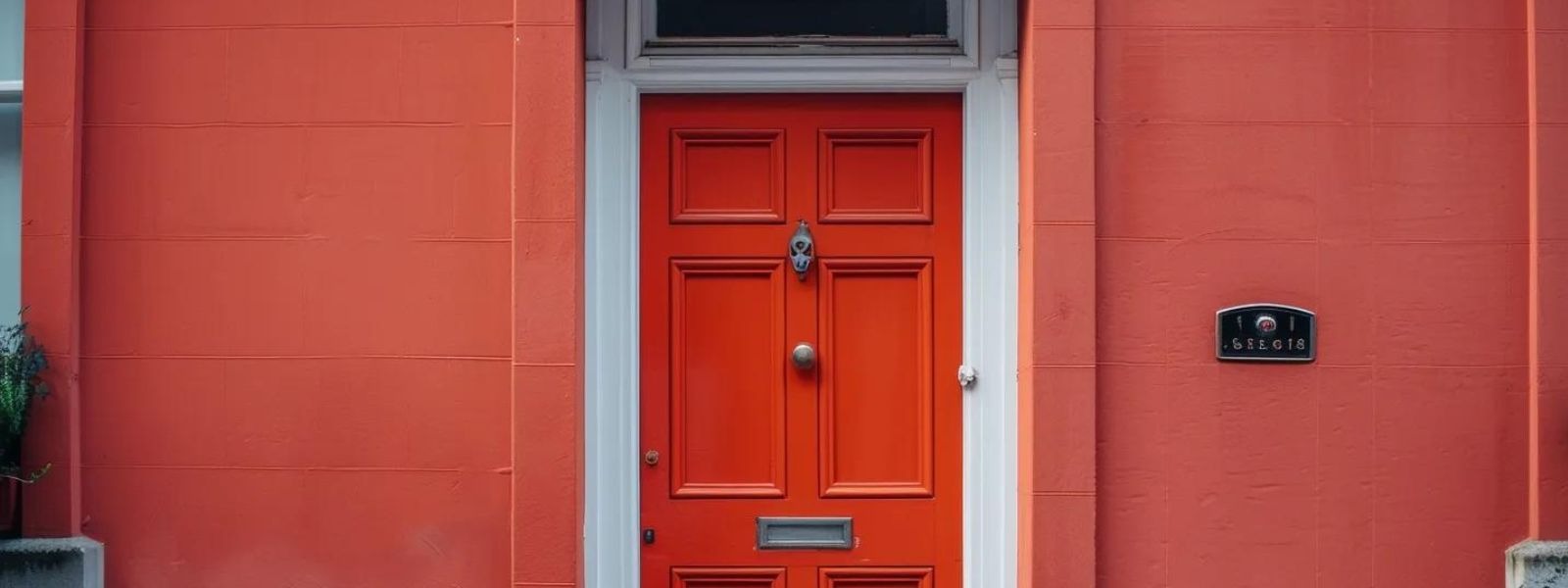
Several factors change how much you'll pay for a new door. The material you pick, the size of the door, and whether it comes pre-hung or as a slab all play a role. Hardware like locks and hinges add to the cost too. Understanding these factors helps you plan your budget better and make smart choices about where to spend and where to save.
Door Material Costs
The material you pick affects both the price and how long your door lasts. Steel doors cost $150 to $800 and give great security. They last long and need little care. Fiberglass doors run $500 to $1,500 and look like wood but handle weather better.
Wood doors cost $400 to $3,000 or more. They look beautiful and feel solid. But wood needs regular painting or staining to stay nice. It can also warp in humid weather. Composite doors mix materials for strength and cost $200 to $2,400. They resist cracking. Iron doors are the priciest at $2,000 to $13,000 but offer top security and a luxury look.
Pre-Hung vs Slab Doors
How your door comes affects installation time and cost. Pre-hung doors cost $50 to $200 more than slabs. They arrive with the frame, hinges, and hardware ready to go. Installation takes less time, which saves on labor costs.
Slab doors are just the door panel. They cost less up front but take longer to install. Your installer needs to cut spaces for hinges and fit everything perfectly. This extra work can make the total cost higher than pre-hung in some cases.
Door Size and Customization
Bigger doors need more material and time to install. Standard doors are 80 inches tall and 28 to 36 inches wide. Custom sizes add $200 to $1,000 to your cost. Oversized doors for grand entryways can push the price much higher. Double doors cost $750 to $5,000 installed. They make a statement but need special framing and careful balancing.
Frame and Hardware Costs
Sometimes you need more than just the door. Replacing a door frame costs $200 to $650. Old frames with rot or damage must be fixed before installing your new door. Creating a new frame from scratch costs $130 to $320.
Hardware adds up fast:
- Hinges cost $10 to $20 per door
- Door knobs run $10 to $50 each
Deadbolt locks cost $40 to $200. High-tech smart locks with keypads run $120 to $500.
Labor Costs for Door Installation
Labor makes up about half your total door installation cost. How much you pay depends on who you hire and how long the job takes. Professional installers bring experience and the right tools to get everything level and sealed properly. They also handle the old door removal and cleanup. Understanding labor costs helps you decide between DIY and hiring a pro.
Professional Installation Rates
Door installers charge $30 to $90 per hour depending on their experience and location. Handymen cost less at $30 to $40 per hour. Licensed contractors charge $40 to $90 per hour but bring more expertise.
Most simple door installs take 2 to 4 hours. A basic interior door replacement takes about 2 hours. Exterior doors need 3 to 5 hours because of weatherproofing and security work.
Complex jobs take longer. Installing a pocket door can take a full day because of wall work. French doors need 4 to 6 hours for proper alignment.
What's Included in Labor
Professional installers do more than just hang the door. They remove your old door and haul it away. This saves you a trip to the dump and costs $40 to $200 extra. They fix any frame damage before installing the new door.
Installers also add weatherstripping, caulk gaps, and make sure everything is level. Exterior doors get extra sealing against rain and wind. They test the door to make sure it opens smooth and locks tight.
DIY vs Professional Installation
Installing a door yourself can save $100 to $800 in labor costs. But it's harder than it looks. DIY works best for basic interior door swaps where the frame is in good shape. You need the right tools and patience to get everything level. One mistake can leave gaps that waste energy or make the door stick.
Professional installation makes sense for exterior doors. Pros have special tools and know building codes. They guarantee their work, which protects you if something goes wrong. For heavy doors or tricky spots, hiring help prevents expensive mistakes.
Interior vs Exterior Door Costs
Interior and exterior doors serve different purposes and cost different amounts. Interior doors focus on privacy and style. They use lighter materials and simpler installation. Exterior doors must protect against weather, noise, and break-ins. They need tougher materials, better sealing, and more installation time. This difference shows up clearly in the final price.
Interior Door Cost Breakdown
Interior doors focus on privacy and style rather than security. Bedroom doors cost $150 to $600 installed. Closet doors run $150 to $500 for basic bifold or sliding styles. Bathroom doors need solid cores for privacy and cost $200 to $700.
Materials stay simple inside your home. Hollow-core doors work fine for closets and less-used rooms. They're light and cheap. Solid-core doors give better sound blocking for bedrooms and bathrooms. Installation goes faster inside because there's no weatherproofing needed. The installer just makes sure the door fits the frame and swings smoothly.
Exterior Door Cost Breakdown
Exterior doors must handle weather, temperature changes, and security threats. Front entry doors cost $500 to $2,000 installed. Back doors run $300 to $1,000 since they're usually simpler. Patio doors with glass cost $450 to $3,500 depending on size.
Materials need to be tough. Steel and fiberglass resist rust and warping. Wood looks great but needs more care. All exterior doors need weatherstripping and proper seals. Installation takes longer outside. The installer adds flashing to keep water out. They install thresholds and adjust everything to handle temperature changes. Security hardware like deadbolts gets installed carefully.
How Door Materials Compare in Cost and Performance
Choosing the right material balances your budget with how the door performs. Each material has strengths and weaknesses. Wood looks classic but needs care. Steel gives security at a fair price. Fiberglass mimics wood without the upkeep. Composite blends materials for strength. Understanding these differences helps you pick the best door for your needs and budget.
Wood Doors
Wood doors cost $400 to $3,000 or more installed. They look classic and feel solid when you close them. Real wood can be carved and customized easily. It insulates well and can last decades with proper care. You can paint or stain it any color you want.
But wood needs work. It must be sealed every few years to prevent rot. Humidity can make it swell and stick. Direct sunlight can fade the finish. Wood costs more up front and requires ongoing maintenance.
Steel Doors
Steel doors cost $300 to $1,000 installed. They give you great security at a fair price. Steel is super strong and hard to break through. It won't warp or crack like wood. Most steel doors have foam insulation inside that saves energy. They need almost no maintenance.
The downsides are small. Steel can dent if hit hard. It conducts heat, so a metal door in direct sun gets hot. Some cheaper models rust in humid areas. But overall, steel gives you the best value for exterior doors.
Fiberglass Doors
Fiberglass doors cost $500 to $1,500 installed. They look like wood but act like plastic. Fiberglass won't rot, rust, or warp. It handles extreme weather better than wood. Many fiberglass doors have wood-grain textures that look real. They insulate well and last long.
The main issue is price. Fiberglass costs more than steel but less than real wood. If damaged, fiberglass is hard to repair. But for most homes, fiberglass gives you the best mix of looks and performance.
Composite Doors
Composite doors cost $200 to $2,400 installed. They mix different materials for strength. These doors resist cracking and warping. They come in many colors that don't fade. Composite doors are energy-efficient and low maintenance. They're stronger than wood.
But composite doors can be pricey for high-end models. You can't easily modify them after purchase. Still, they're a solid middle choice between budget steel and expensive wood.
Hidden Costs to Watch For
Door installation can include surprise costs you didn't plan for. Your frame might need repairs. You might need permits for exterior doors. Getting rid of the old door costs money. Add-ons like glass panels and smart locks push the price higher. Knowing about these hidden costs ahead of time prevents budget shock and helps you plan better.
Frame Repairs and Replacement
Your existing frame might need fixing before the new door goes in. Rot around the frame is common, especially on old exterior doors. Fixing rot costs $100 to $400 depending on how bad it is. Sometimes the whole frame needs replacing, which adds $200 to $650.
Structural issues cost even more. If the header above the door is damaged, fixing it runs $300 to $800. Load-bearing walls need special care and permits.
Permits and Code Compliance
Some door projects need permits from your city.
Replacing an interior door usually doesn't need a permit. But exterior doors often do, especially if you change the size. Permits cost $50 to $300 depending on where you live.
Your new door must meet building codes. Fire-rated doors are required in some spots like garages. These cost $200 to $600 more than regular doors. Hurricane areas like Florida need impact-resistant doors that meet special wind ratings.
Disposal and Cleanup
Getting rid of your old door costs money. Most installers charge $40 to $200 to remove and haul away the old door. Some include this in their quote. Others charge extra for disposal fees at the dump.
If you do it yourself, you'll need a truck and help carrying the door. Old doors are heavy and awkward to move.
Extra Features
Add-ons make your door nicer but cost more. Sidelights are glass panels next to the door. They add $400 to $2,000 to your cost. Transoms are glass panels above the door and cost $300 to $900.
Pet doors let your animals come and go. Adding one costs $100 to $500. Glass panels or decorative windows in the door add $300 to $1,600. Smart locks with keypads or phone control cost $120 to $500. They're convenient but need batteries or wiring.
Ways to Save Money on Door Installation
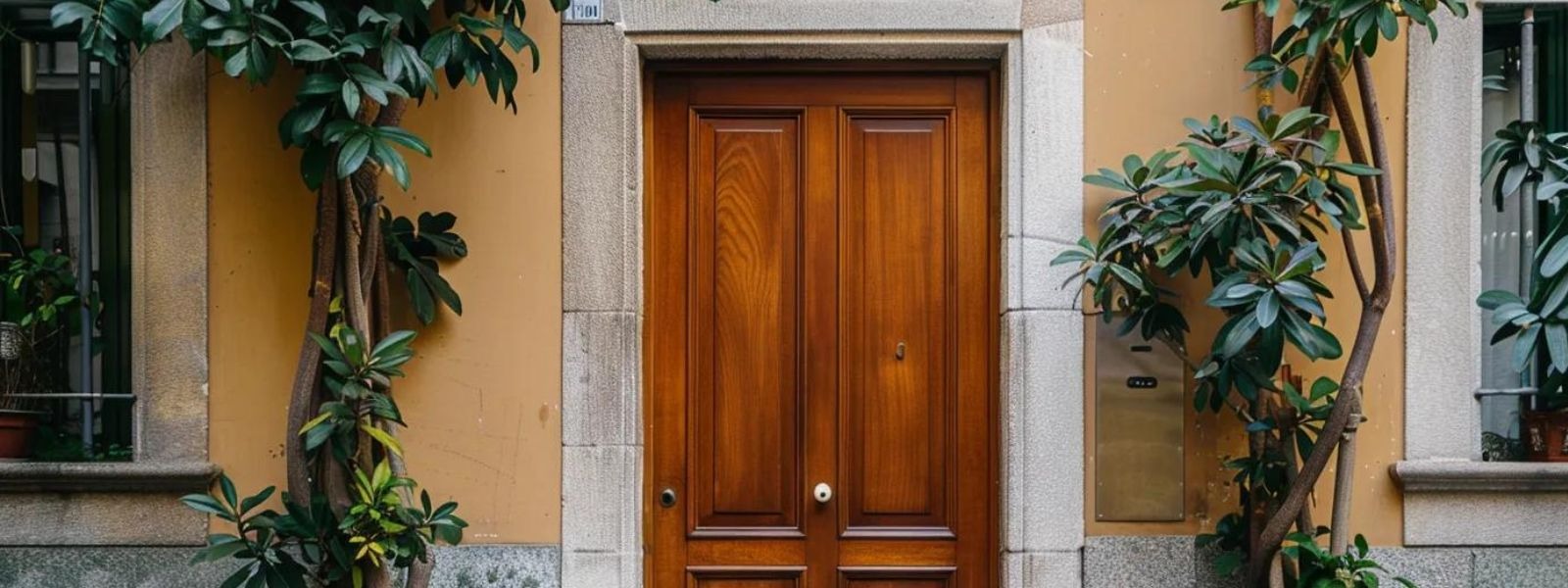
Smart planning can cut hundreds of dollars from your door project. Timing matters because contractors offer discounts during slow seasons. Installing multiple doors at once gets you better rates. Keeping your existing frame saves big money if it's in good shape. Standard sizes cost less than custom. Choosing budget-friendly materials where they make sense helps too. These strategies help you get quality doors without overspending.
Shop During Off-Season
Contractors stay busier in spring and summer. Their prices go up when demand is high. Fall and winter are slower times. Many contractors offer discounts to keep working. You might save 10% to 20% on labor by waiting until November or December.
Just avoid waiting until hurricane season in coastal areas. Prices spike when storms threaten.
Install Multiple Doors at Once
Contractors give better deals when you hire them for more work. Installing one door costs full price. But adding 3 to 5 doors can get you a discount. The contractor saves time by setting up once for multiple jobs.
Installing 6 or more doors can save you 15% to 25% on labor. They buy materials in bulk and work more efficiently.
Keep Your Existing Frame
Reusing your current frame saves big money. If the frame is solid and the right size, keep it. You only need a slab door that fits. This cuts $200 to $650 from your total cost.
Make sure the frame isn't rotted or damaged. A pro can check it during their estimate. Even fixing small frame issues costs less than buying everything new.
Choose Standard Sizes
Custom doors cost way more than standard ones. Standard doors are 80 inches tall and 28 to 36 inches wide. Manufacturers make millions of these, so they're cheap. Going custom adds $200 to $1,000 or more.
Measure your opening before shopping. If a standard size fits, stick with it. You'll save money and get your door faster since standard sizes ship quicker.
Pick Budget-Friendly Materials
You don't always need the fanciest materials. Steel doors give great security and energy savings at low cost. Hollow-core doors work fine for interior closets. You can spend more on rooms you use most and save on others.
Skip expensive add-ons you don't need. A basic door with good hardware often works better than a fancy door with weak locks.
When to Call a Professional vs DIY
Knowing when to hire help saves money and prevents mistakes. Some door jobs are simple enough for handy homeowners. Basic interior door swaps with good frames work for DIY. Installing hardware or painting doors yourself saves labor costs. But other projects need professional skills. Exterior doors must be sealed perfectly. Heavy doors need special equipment. Structural changes require building code knowledge. Here's how to decide what you can handle and when to call a pro.
DIY-Friendly Projects
Some door jobs are easy enough for handy homeowners. Replacing an interior door with a pre-hung unit is doable. If the frame is good and the new door fits, you just remove the old hinges and hang the new one. It takes basic tools and a few hours.
Installing door hardware like knobs and locks is simple. Most come with instructions and only need a drill. You can save $50 to $150 doing this yourself. Painting or staining your new door is another DIY task. Buy quality paint and take your time. This saves $100 to $300 in labor.
When to Hire a Pro
Some projects are too tricky or risky for DIY. Exterior doors always need professionals. They must be sealed perfectly against weather. Poor installation wastes energy and lets water damage your home. The risk isn't worth the labor savings.
Structural changes require pros. If you're making the opening bigger or smaller, hire a contractor. They know how to support the weight properly and meet building codes. Heavy or oversized doors need help. Pivot doors and French doors weigh too much for one person. Pros have equipment and helpers to install them safely. Fire-rated and security doors need expert installation. These doors only work right when installed perfectly. A pro ensures they meet safety codes.
Cost Comparison by Door Type
Here's what different door types cost installed in 2026. Interior hollow-core doors are the cheapest option at $150 to $350. They work great for closets and basic rooms. Interior solid-core doors cost $250 to $600 and give you better sound blocking for bedrooms and bathrooms.
Steel entry doors run $400 to $1,000 and offer excellent security for front and back doors. Fiberglass entry doors cost $600 to $1,700 and work well for main entrances. Wood entry doors range from $800 to $3,000 or more and suit luxury homes perfectly.
French doors are pricier at $2,000 to $5,000 but create elegant connections between rooms or to patios. Sliding glass doors cost $450 to $3,500 installed and provide great deck and patio access. Pocket doors run $600 to $1,500 and save space in small areas.
These prices include both the door and professional installation. Your actual cost depends on your location, door size, and any special features you add.
Questions to Ask Your Door Installer
Getting the right information up front prevents surprises later. You need to know what's included in the quote and what costs extra. Understanding the timeline helps you prepare your home. Checking the installer's experience and credentials protects you from bad work. Good contractors welcome these questions and answer them clearly. Here's what to ask before you hire anyone.
About the Quote
Ask if the quote includes everything. Does it cover the door, hardware, installation, and cleanup? Some contractors quote only the door or only labor. Find out what's not included. Will you pay extra for frame repairs, disposal, or permits? Understanding this prevents budget shock.
Ask about warranties. Most doors come with manufacturer warranties of 1 to 20 years. Installation work should have a warranty too, usually 1 to 5 years.
About the Timeline
Find out how long the project takes. A simple door swap might take half a day. Complex jobs need a full day or more. Ask about prep work. Do you need to move furniture or remove trim before they arrive? Knowing this helps you prepare.
Find out about delays. Weather can postpone exterior door work. Material shortages might push back your timeline. Good contractors explain these risks up front.
About Experience
Check if they're licensed and insured. This protects you if something goes wrong. Licensed contractors know building codes and safety rules. Ask to see past work. Photos or references show their quality. Good installers are proud to share their projects.
Find out about their team. Will the same crew do your job? Consistent teams usually do better work.
Energy Efficiency and Long-Term Savings
Spending more on your door now can save money for years. A good door keeps your home comfortable and cuts energy bills. Proper sealing stops air leaks that waste heating and cooling. Better insulation means your HVAC system works less. Energy-efficient doors also add value when you sell your home. Understanding these long-term benefits helps you see the door as an investment, not just an expense.
How Doors Affect Energy Bills
Poorly sealed doors waste tons of energy. Cold air leaks out in summer. Warm air escapes in winter. Your air conditioner and heater work harder to keep up. A good exterior door with proper weatherstripping cuts energy loss. Modern doors have insulated cores that block heat transfer. Impact glass doors with multiple panes insulate even better.
Energy-efficient doors can cut your heating and cooling costs by 10% to 20%. That's $100 to $300 saved each year for most homes.
Return on Investment
A new front door pays for itself over time. According to national data, replacing an entry door recoups about 75% of its cost when you sell your home. A $1,500 door installation adds about $1,100 to your home's value.
Energy savings add to this return. If your new door saves $200 per year on energy, it pays for itself in 7 to 10 years. After that, it's pure savings. Better security and looks matter too. A nice door makes buyers want your home. It's one of the first things people see.
Regional Cost Differences
Where you live affects how much door installation costs. Big cities have higher labor rates than small towns. Some states cost more because of building codes and living expenses. Coastal areas need special doors that resist storms and salt air. These regional differences can change your total cost by 20% to 30%. Knowing what's normal in your area helps you spot fair prices and avoid overpaying.
High-Cost Areas
Big cities have higher labor rates. Contractors in New York, San Francisco, and Seattle charge more because living costs are high there. States like Wisconsin, Colorado, and Washington average $2,000 to $2,400 for door installation. That's 20% to 30% above the national average.
Urban areas also have stricter building codes. This means more permit fees and inspection costs.
Low-Cost Areas
Smaller cities and rural areas cost less. Labor rates stay lower because living costs are lower. States like Ohio, Missouri, and Montana average $700 to $1,000 for door installation. That's 20% to 30% below the national average.
Some areas have fewer building regulations too. This cuts permit costs and speeds up the process.
Coastal Considerations
Coastal homes need special doors that resist storms and salt air. Hurricane zones require impact-resistant doors rated for high winds. These cost 30% to 50% more than regular doors. But insurance companies often give discounts that offset the extra cost.
Salt air corrodes metal hardware faster. Coastal homes should use stainless steel hinges and locks. These cost more but last longer.
Final Thoughts
Installing a new door costs $500 to $2,000 on average, with interior doors on the lower end and exterior doors costing more. Your final price depends on the door type, material, size, and whether you need frame work or special features.
Smart planning saves money. Shop during off-season, install multiple doors together, and stick with standard sizes when possible. Choose materials that balance your budget with long-term performance.
For exterior doors, professional installation makes sense. The weatherproofing and security work must be done right. Interior doors offer more DIY options if you're handy.
Ready to upgrade your doors? Contact ASP Windows & Doors for a free estimate on quality door installation throughout South Florida. Our experienced team serves homeowners across Miami-Dade, Broward, and surrounding areas with complete door solutions designed for Florida's climate. Whether you need entry doors or hurricane-rated protection, we deliver expert craftsmanship and attention to detail. Visit our contact page to schedule your free consultation today.
Now Accepting Appointments
Proudly serving homeowners and businesses across South Florida and Southwest Florida. Book your visit and let our experts help protect and upgrade your space.
.avif)
.avif)
.avif)
%201.avif)
Insights & Resources
Stay informed with expert tips on impact windows, hurricane protection, and South Florida building standards.


%201.webp)
%201%20(1).webp)
%201.svg)
%201%20(1)%20(1).webp)
.png%20(1).webp)
.png.webp)
.avif)
.avif)


.avif)


.png)
.png)