.avif)


Features of Door Which Promote or Decrease Home Security
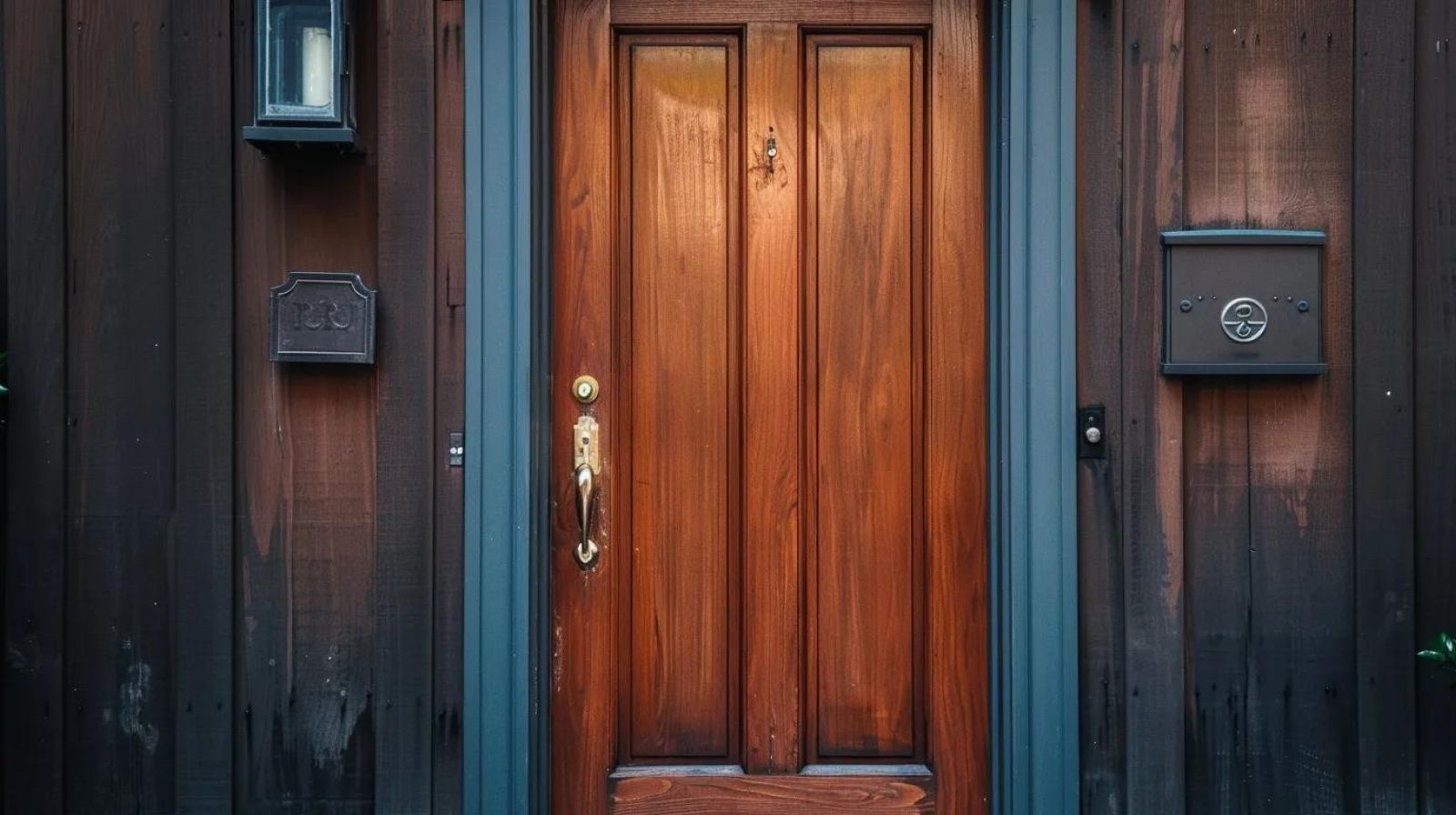

The features that promote home security include solid-core construction, quality deadbolt locks, reinforced frames, impact-resistant glass, and interior hinges. Features that decrease security include hollow-core doors, weak strike plates, exterior hinges, large glass panels without reinforcement, and low-grade locks.
Your door is the first line of defense for your home. According to FBI data, 34% of burglars enter through the front door. That's more than any other entry point. So the features your door has or doesn't have can mean the difference between safety and vulnerability.
For homeowners in Doral, Kendall, Fort Lauderdale, and across South Florida, door security takes on extra importance. We deal with hurricane threats AND security concerns. The good news? Many features that protect against storms also stop intruders.
Door Materials: The Foundation of Security
Strong Materials That Deter Intruders
The material your door is made from matters more than almost anything else. A beautiful lock on a flimsy door is like putting a padlock on a paper bag.
Steel doors are the strongest option available. They resist kicks, punches, and prying tools. A determined intruder would need serious equipment and lots of time to get through a quality steel door both of which increase their chances of getting caught.
Fiberglass doors offer excellent security with added benefits. They won't rot, warp, or rust like wood can in South Florida's humid climate. Many fiberglass doors include a solid wood core, giving you the strength of wood with better weather resistance.
Solid wood doors have protected homes for centuries. When properly maintained, they stand up well to forced entry. Just make sure you're getting solid wood, not a veneer over cheap materials.
Weak Materials That Invite Trouble
Hollow-core doors are the biggest security risk. These lightweight doors have a cardboard honeycomb interior covered by thin veneer. They're meant for interior use only like bathroom or bedroom doors.
Here's the scary truth: most burglars can kick through a hollow-core door in seconds. Security experts say even a 12-year-old could break through one. Yet many older South Florida homes have hollow-core doors on exterior entry points. If you knock on your door and hear an echo, that's a hollow-core door. Replace it immediately.
Decorative glass doors without reinforcement also create vulnerability. Traditional glass breaks easily. One quick strike, and an intruder can reach through to unlock your door from inside.
Locks: Your Primary Defense
Lock Features That Enhance Security
Deadbolt locks are essential for home security. Unlike spring-latched knobs that can be defeated with a credit card, deadbolts extend a solid metal bolt deep into the door frame. You can't force them open without rotating the lock core.
Look for deadbolts with these features:
- At least a 1-inch throw (the part that extends into the frame)
- Hardened steel construction
- Grade 1 or Grade 2 rating from ANSI/BHMA
- Anti-pick, anti-drill, and anti-bump protection
Smart locks offer modern security advantages. You can change codes instantly if you suspect someone has your combination. Many send alerts to your phone when someone enters. Some even create logs showing exactly when your door was locked or unlocked.
Multipoint locking systems secure your door at the top, middle, and bottom instead of just one spot. This distributes force across the entire door, making kick-in attempts far less effective. These systems are standard on quality impact doors.
Lock Features That Create Weakness
Knob locks alone provide almost no security. The push-button or turn locks in door handles are convenience features, not security measures. A quick kick or shoulder bump can pop them open.
Low-grade deadbolts with short throws give false confidence. If your deadbolt only extends half an inch into the frame, it won't hold up to serious force. Cheap locks also have loose tolerances that make them easier to pick.
Double-cylinder deadbolts (requiring a key on both sides) seem more secure but create fire safety risks. In an emergency, you don't want to fumble for keys to escape your own home. Most fire codes restrict or prohibit these.
Door Frames and Strike Plates: The Overlooked Weak Points
Features That Strengthen the Frame
Most doors don't fail at the lock or the door itself. They fail at the frame. A strong door in a weak frame is like a champion boxer with glass ankles.
Reinforced strike plates make a huge difference. The strike plate is the metal piece where your deadbolt enters the frame. Standard strike plates use tiny screws often just 3/4 inch long that pull out easily.
Upgrade to a heavy-duty strike plate with 3-inch screws. Those longer screws anchor into the wall studs, not just the door frame. This one change can make your door dramatically harder to kick in.
Metal door frames provide superior strength compared to wood. They don't split, crack, or deteriorate over time. If you're installing a new entry door, consider a metal frame for maximum security.
Door jamb reinforcement kits wrap vulnerable areas in metal. They protect the strike plate area, the hinge side, and sometimes the entire jamb perimeter. These additions make forced entry extremely difficult.
Frame Features That Create Vulnerability
Rotted or damaged wood frames won't hold locks regardless of quality. South Florida's humidity and occasional flooding can deteriorate wood frames over years. Inspect your frames regularly for soft spots.
Short strike plate screws are almost universal in standard construction. Builders use whatever comes in the box, which is usually inadequate. This is the single cheapest and easiest security upgrade you can make.
Wide gaps between door and frame allow prying tools to gain leverage. Your door should fit snugly in its frame with minimal gaps.
Hinges: Small Parts, Big Impact
Hinge Features That Promote Security
Interior-mounted hinges (on the inside of your home) cannot be accessed by intruders. This is standard for inswing doors and provides inherent security.
Non-removable hinge pins protect outswing doors. On an outswing door, hinges face the exterior. Without security pins, a burglar could simply pop out the hinge pins and remove the door entirely.
Heavy-duty hinges rated for the door's weight prevent sagging that creates security gaps. A sagging door doesn't close properly and may not engage locks correctly.
Hinge guards or bolts add an extra layer of protection. These devices interlock when the door closes, preventing the door from being lifted off even if hinge pins are removed.
Hinge Features That Decrease Security
Exterior-mounted hinges without protection are an invitation for break-ins. If an intruder can access your hinge pins, they can bypass your locks entirely.
Worn or loose hinges allow the door to move and flex. This movement can create gaps that reduce lock engagement and make forced entry easier.
Standard hinges on heavy doors will sag over time. When a door sags, it may not close or lock properly, leaving you vulnerable.
Glass: The Double-Edged Feature
Glass Features That Maintain Security
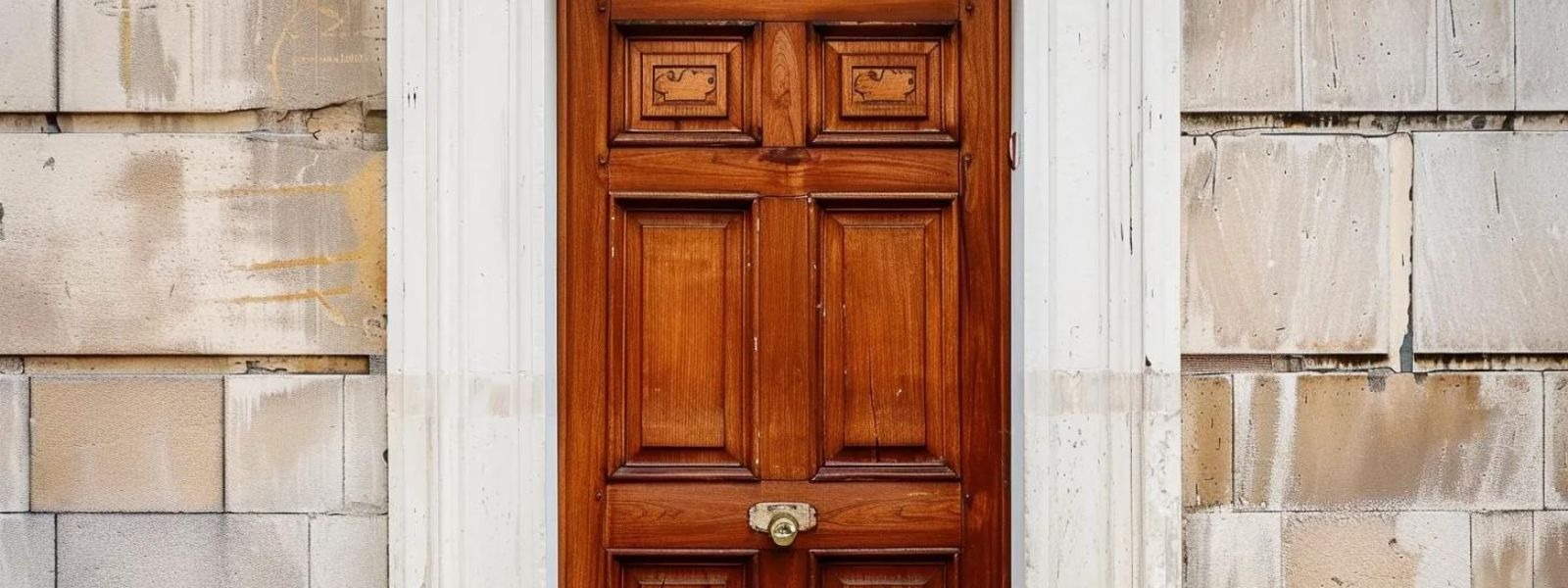
Impact-resistant laminated glass provides the best of both worlds light and security. This glass uses multiple layers bonded with a strong interlayer (typically PVB or EVA). Even when struck hard, it holds together instead of shattering.
For South Florida homeowners, impact glass makes particular sense. The same glass that stops hurricane debris also stops burglars. An intruder would need to make sustained, loud attempts to breach it drawing attention and giving you time to respond.
Small decorative glass panels positioned away from locks pose minimal risk. If glass is more than 40 inches from your lock's thumb turn, an intruder can't simply break it and reach in.
Security film on existing glass makes it harder to breach. While not as effective as impact glass, film holds broken glass together and slows down entry attempts.
Glass Features That Create Risk
Large glass panels near locks are the most common glass-related security problem. One quick strike, and a burglar reaches through to unlock your door. Decorative sidelights (the narrow windows beside many front doors) often create this exact vulnerability.
Single-pane glass breaks easily and cleanly. An intruder can shatter it quickly and quietly, then step right through. This type of glass offers essentially no barrier to entry.
Floor-to-ceiling glass doors without impact rating present obvious challenges. Beautiful? Yes. Secure? Only if the glass is reinforced.
Impact-Resistant Doors: The South Florida Advantage
Why Impact Doors Excel at Security
Living in Doral, Kendall, Broward, or anywhere in South Florida means thinking about hurricanes. But here's something many homeowners don't realize: the same features that protect against storms provide exceptional burglar resistance.
Impact doors must pass rigorous testing. They're struck with a 9-pound piece of lumber traveling at 50 feet per second simulating flying debris. Doors that pass this test easily withstand attempts by burglars with hammers, crowbars, or other tools.
The construction of impact doors includes:
- Laminated glass that stays intact when struck
- Reinforced frames anchored deep into the structure
- Heavy-duty hardware throughout
- Multi-point locking systems
According to industry data, homes with impact-resistant windows and doors become significantly harder targets. Most burglars want quick, quiet entry. When they encounter impact-resistant products, they typically move on to easier targets.
Security Benefits Beyond the Glass
Impact sliding doors address common vulnerabilities in traditional sliding doors. Standard sliding doors have weak locks and can sometimes be lifted from their tracks. Impact-rated versions include:
- Reinforced tracking systems that prevent lifting
- Multi-point locks instead of simple latches
- Frames that resist prying and bending
French doors with impact glass offer elegance without sacrificing security. Traditional French doors with multiple glass panes can be vulnerable. Impact-rated French doors give you the same beautiful look with the protection you need.
Additional Door Security Features to Consider
Features That Boost Protection
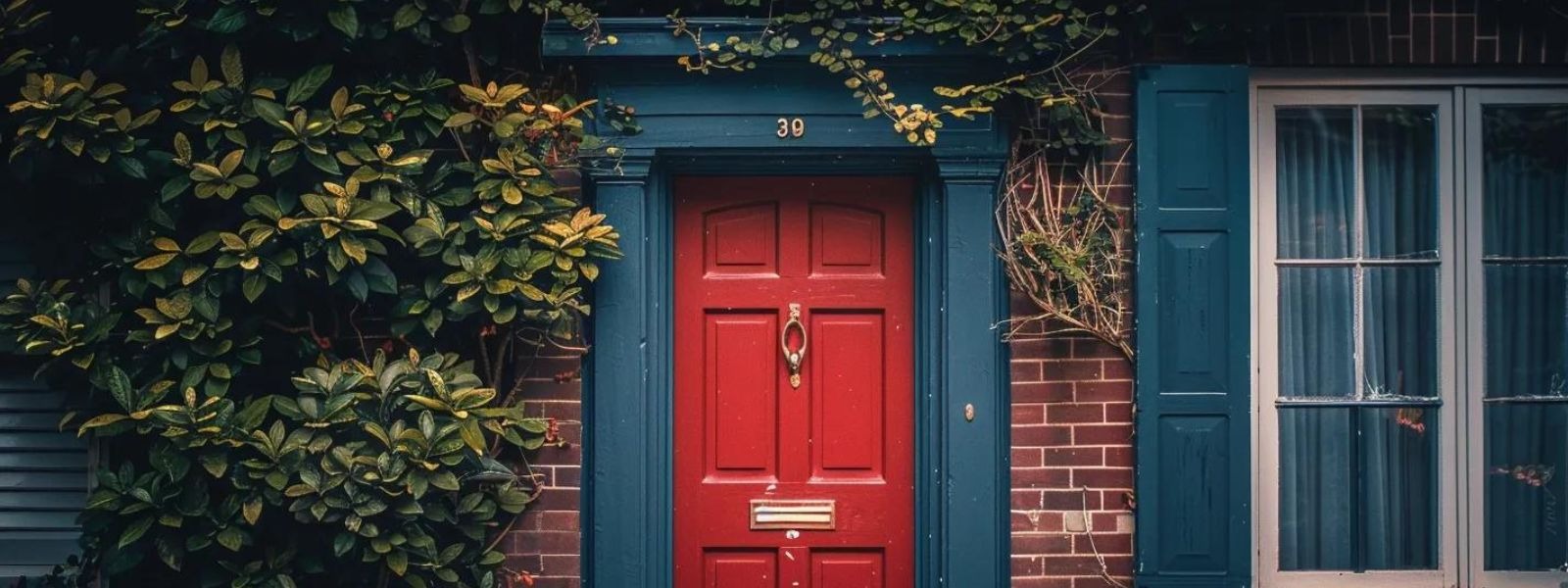
Peepholes or door viewers let you see who's outside without opening the door. Wide-angle versions (180 degrees) give you a better view. Video doorbells serve a similar purpose with added recording capability.
Door chains and bars provide secondary barriers when you want to partially open the door. They're not foolproof, but they add another obstacle an intruder must overcome.
Adequate lighting around your door deters criminals who prefer darkness. Motion-activated lights are particularly effective they startle intruders and draw attention.
Security cameras visible near your entry serve as deterrents and provide evidence if something does happen. Modern systems connect to your phone for real-time monitoring.
Features That Can Compromise Security
Mail slots in doors can allow intruders to fish for keys or reach door handles. If you have one, consider installing an internal cage or moving to a mailbox.
Pet doors large enough for a person to crawl through create obvious vulnerability. Position them away from door locks or use electronic versions that only open for your pet's microchip.
Sidelights without protection expose your door's interior. Even if an intruder can't reach the lock, they can see your security system keypad, valuables, and whether anyone's home.
Comparing Door Security Features
Door Security for Different Entry Points
Front Doors
Your front door needs the highest level of security because it's the most common entry point for burglars. Prioritize solid-core construction, quality deadbolts, reinforced frames, and good lighting.
In South Florida, impact-rated front doors make sense for dual protection against hurricanes and break-ins.
Back Doors
Back doors account for 22% of break-ins. They appeal to burglars because they're often hidden from street view. Give your back door equal security attention or more.
Sliding Glass Doors
Traditional sliding doors present unique challenges. The large glass panels and simple locks make them targets. Impact-rated sliding doors solve these issues while maintaining the openness Florida living is known for.
Garage Doors
If your garage connects to your home, a weak garage door means direct interior access for intruders. Hurricane-rated garage doors provide significantly better security than standard models.
Frequently Asked Questions
What is the most secure type of door material?
Steel doors offer the highest security because they resist kicks, prying, and impacts better than any other material. However, fiberglass doors with solid cores and impact glass provide comparable security with better resistance to Florida's humid climate. For most South Florida homeowners, impact-rated fiberglass or steel doors offer the best combination of security, durability, and weather protection.
Can a burglar break through impact-resistant glass?
While no material is completely impenetrable, impact-resistant glass makes break-in attempts extremely difficult. The laminated construction holds together even when struck repeatedly, requiring sustained effort that creates noise and takes time. Most burglars rely on quick, quiet entry they'll typically abandon attempts on impact glass and seek easier targets within seconds.
How do I know if my door is hollow-core or solid?
Knock on your door with your knuckles. A hollow-core door produces an echo or hollow sound. A solid-core door sounds dull and solid. You can also compare the weight solid doors are significantly heavier. If your exterior door weighs about the same as an interior bathroom door, it's likely hollow-core and should be replaced for security purposes.
Are smart locks more secure than traditional deadbolts?
Smart locks can be equally or more secure than traditional deadbolts when properly installed. They eliminate risks like lost keys or unauthorized copies, allow instant code changes, and provide activity logs. However, they also introduce potential electronic vulnerabilities. Choose smart locks from reputable manufacturers with strong encryption and backup mechanical entry options.
How much does it cost to upgrade door security?
Costs vary widely depending on what you need. Replacing strike plate screws costs under $10 and makes a significant difference. Adding a quality deadbolt runs $100-300 installed. A new solid-core or impact-rated door with professional installation typically ranges from $1,500-5,000 depending on material and features. For South Florida homeowners, the investment often pays for itself through insurance discounts and avoided losses.
Final Thoughts
Your door's features directly determine how well it protects your home. The right combination of solid materials, quality locks, reinforced frames, protected hinges, and impact-resistant glass creates a formidable barrier against intruders.
For South Florida homeowners in Doral, Kendall, Fort Lauderdale, Naples, and surrounding areas, choosing impact doors solves two problems at once. You get hurricane protection and superior security in a single investment.
Start by assessing your current doors. Look for hollow-core construction, weak strike plates, and vulnerable glass. Even small upgrades like replacing strike plate screws can make meaningful differences. For comprehensive protection, consider upgrading to impact-rated doors that meet Miami-Dade County's strict testing standards.
Ready to upgrade your home's security? Contact ASP Windows & Doors for a free estimate. With over 20 years protecting South Florida homes and 1,900+ five-star reviews, we'll help you choose the right doors to keep your family safe from storms and intruders alike.
ASP Windows & Doors serves Miami-Dade, Broward, Palm Beach, Lee, and Collier counties. Visit our Doral showroom at 3400 NW 114th Ave or call (888) 782-8342.
Now Accepting Appointments
Proudly serving homeowners and businesses across South Florida and Southwest Florida. Book your visit and let our experts help protect and upgrade your space.
.avif)
.avif)
.avif)
%201.avif)
Insights & Resources
Stay informed with expert tips on impact windows, hurricane protection, and South Florida building standards.


%201.webp)
%201%20(1).webp)

%201.svg)
%201%20(1)%20(1).webp)
.png%20(1).webp)
.png.webp)
.avif)
.avif)


.avif)


.png)
.png)