.avif)


Window Frame Warping Causes
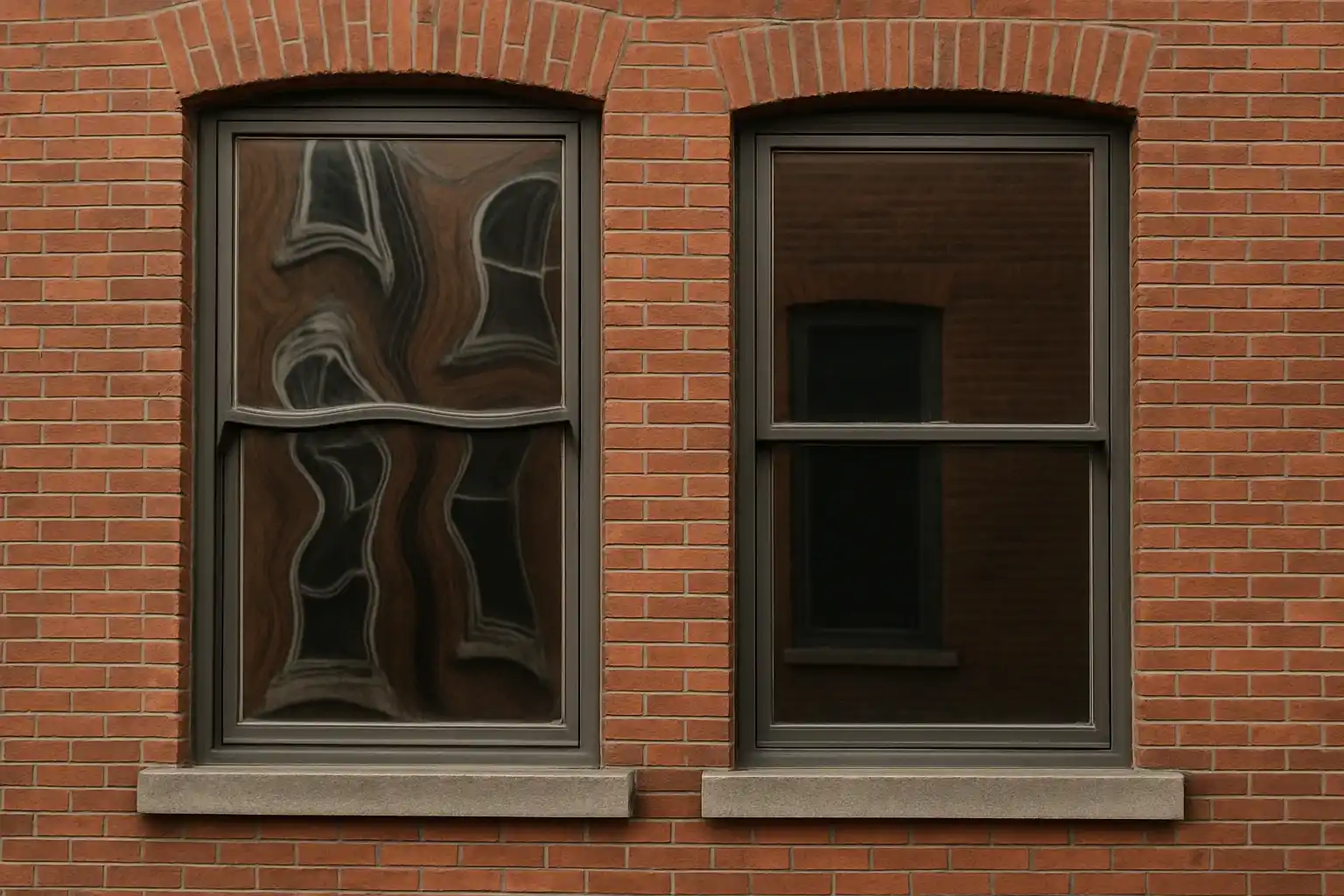

Window frame warping is caused by moisture absorption, heat exposure, repeated temperature fluctuations, poor installation, and low-quality frame materials. Wood frames warp when they absorb and retain moisture unevenly, while vinyl frames soften and bend when exposed to prolonged high heat.
A warped window frame is more than a cosmetic problem. It creates gaps that let conditioned air escape and outside air leak in. It makes windows hard to open, close, and lock. It can lead to water intrusion, mold growth, and even structural damage over time. According to the U.S. Department of Energy, windows account for 25% to 30% of a home's total heating and cooling energy loss, and warped frames make that number even worse. This article covers every major cause of window frame warping, how to spot it, which materials are most vulnerable, and what to do about it.
What Causes a Window to Warp?
A window warps because of moisture damage, heat exposure, temperature swings, bad installation, or poor-quality materials. The exact cause depends on the frame material. Wood warps from moisture. Vinyl warps from heat. Both get worse when the installation is done wrong or when the materials are low-grade.
How Moisture Damages Window Frames
Moisture is the number one cause of warping in wood window frames. When wood absorbs water unevenly, it expands in some areas and stays the same in others. That uneven expansion creates stress inside the frame, and the frame bends, cups, or twists as a result. According to WindowDoor.com, uneven moisture absorption in the wood grain causes frequent expansion and contraction, which over time distorts the material and can cause rot.
The longer the wood stays wet, the more permanent the damage becomes. In climates with extended rainy seasons or high humidity, wood frames are under constant stress. The wood swells when it gets wet and shrinks as it dries, and this cycle repeats week after week, season after season. Eventually, the frame loses its original shape and cannot return to it. We see this regularly in homes across South Florida, where humidity stays high for most of the year and rain is a near-daily event during summer months.
How Heat and Temperature Changes Cause Warping
Heat is the primary cause of warping in vinyl window frames. Vinyl is a thermoplastic material, which means it softens when it gets hot and hardens again when it cools. According to Taylors Windows, low-quality vinyl windows are particularly vulnerable, and inferior vinyl can soften and begin bending when exposed to surface temperatures above 140 degrees Fahrenheit.
Dark-colored vinyl frames absorb more heat from the sun than lighter colors. South-facing and west-facing windows take the hardest hit because they receive the most direct sunlight. When the vinyl softens from heat, the locking mechanisms at the top and bottom of the sash pull the frame inward. The material then hardens in that warped position as it cools, and the damage becomes permanent.
Temperature swings affect all frame materials. According to AWP Windows, window frames can contribute 20% to 30% of total window heat loss, and choosing materials that resist thermal movement makes a real difference in long-term performance. Aluminum frames with thermal breaks handle temperature changes better than most alternatives because metal does not swell or shrink the way wood and vinyl do.
How Poor Installation Leads to Warping
Bad installation is a major cause of premature warping. When a window is not level, plumb, or properly shimmed, uneven pressure builds up across the frame. Over time, that pressure forces the frame out of shape. According to Rosati Windows, misaligned window frames that are not flush against the surrounding structure can slowly warp due to uneven pressure distribution.
Over-tightening fasteners during window installation can also distort the frame immediately or create stress points that lead to warping later. Missing expansion gaps are another common mistake. Without enough room for the frame to expand and contract naturally with temperature changes, the material has nowhere to go and deforms instead.
What Does a Warped Window Look Like?
A warped window looks like a frame that has bent, bowed, twisted, or cupped out of its original flat shape. You may see visible gaps between the sash and the frame, uneven spacing around the edges, or a frame that curves inward or outward when you look at it from the side.
According to WindowDoor.com, warping takes several forms. Cupping is when the frame bends inward or outward, creating a cup-like curve. Twisting happens when the edges of the window unit rotate in opposite directions. Kinking is a form of crooking along the window sash. Bowing is a long, gradual curve across the length of the frame.
Some signs are less obvious. Locks that no longer latch easily, sashes that rub or stick in certain spots, and visible daylight around the edges of a closed window are all symptoms of a warped frame. If you have to force a window closed at one corner, the frame is likely skewed. On double-hung windows, a top sash that slips or does not stay tight can mean the frame rails have bowed outward.
What Does a Bowed Window Look Like?
A bowed window looks like a frame that curves outward or inward in a long, smooth arc along its length. Unlike twisting or cupping, bowing creates a gradual bend that may be hard to see from directly in front of the window. You usually notice it by looking along the edge of the frame from one corner to the other.
Bowing is most common in long horizontal frames and in vinyl windows that face direct sunlight for several hours a day. According to Modern Day Window, bowing often causes the weatherstripping contact to fail, which leads to drafts. You might see daylight peeking in at the corners or along the edges when the window is closed. On sliding doors and wide picture windows, bowing can also cause the glass to flex under the uneven pressure, which puts stress on the seal and can lead to fogging between the panes.
How Can I Tell if My Windows Was Installed Correctly?
You can tell if your windows were installed correctly by checking for level and plumb frames, consistent gaps around all edges, clean and complete caulking, and smooth operation when opening, closing, and locking.
A properly installed window sits square in the opening. There should be no visible gaps between the frame and the wall. The caulk lines should be even and unbroken. The window should open and close without sticking, rubbing, or requiring extra force. Locks should engage smoothly, and the sash should stay in any position you set it without sliding.
According to our own installation team, proper flashing around the exterior is one of the most critical details. Flashing directs water away from the window opening and prevents it from seeping behind the frame. Without it, water intrusion can cause rot, mold, and warping within a few years, even if the window itself is high quality. In hurricane-prone areas, the anchoring system also matters. Impact windows must be fastened to the structure according to the manufacturer's specifications and local building code to maintain their rated wind resistance.
What Does a Bad Window Installation Look Like?
A bad window installation looks like visible gaps between the window frame and the wall, uneven or crooked frames, messy caulk lines, and trim that does not sit flush. According to our published guide on poor window installation, these are the most obvious visual clues, and you do not need to be a professional to spot them.
Other signs include drafts near closed windows, condensation between the glass panes shortly after installation, windows that stick or refuse to stay open, and water stains on the interior wall below the window. In South Florida, where windows must withstand hurricane-force winds and year-round humidity, a window that is not properly sealed, flashed, and anchored is a weak point during a storm. The cost to correct a bad installation is always higher than doing it right the first time.
Which Window Frame Materials Warp the Most?
Wood window frames warp the most from moisture, and vinyl window frames warp the most from heat. Aluminum and fiberglass frames are the most resistant to warping of any kind.
Frame MaterialPrimary Warping CauseAverage LifespanWarp ResistanceWoodMoisture absorption, rot15 to 30 yearsLow (requires regular sealing)VinylHeat, UV exposure20 to 40 yearsModerate (low-grade fails in 10-15 years)AluminumRarely warps; thermal bridging is main concern30 to 50+ yearsHigh (does not swell or shrink)FiberglassRarely warps30 to 50 yearsVery high (most dimensionally stable)
Sources: Angi, This Old House, Ringsend, National Association of Home Builders, Window Gurus
According to Angi, aluminum window frames last 30 to 45 years with regular maintenance and do not rust, making them among the best metal frames available. They resist warping, swelling, and bending under extreme temperatures. According to Window Gurus, aluminum frames can endure 50 or more years with minimal degradation when properly maintained. Fiberglass is the most dimensionally stable option and resists warping, expansion, and contraction better than any other common frame material.
For homes in hot, humid coastal climates, aluminum frames with thermal breaks provide the best combination of warp resistance, structural strength, and long-term durability. That is why we use reinforced aluminum framing systems across our impact glass and window products.
What Does a Window Stress Fracture Look Like?
A window stress fracture looks like a crack in the glass that starts at or near the edge of the pane and spreads inward without any obvious point of impact. Unlike a crack from a rock or debris strike, which typically has a starburst pattern at the point of contact, a stress fracture appears as a clean, often straight or gently curving line.
Stress fractures happen when the glass is under uneven pressure. A warped frame is one of the most common causes because the distorted frame pushes or pulls on the glass unevenly. Temperature differences between the center and edges of the glass can also cause stress fractures, especially in large panes. South-facing windows and windows partially shaded by overhangs or shutters are more vulnerable because one part of the glass heats up faster than the rest.
A stress fracture means the glass needs to be replaced. In an impact window, a cracked pane has lost its structural integrity and can no longer be trusted to perform during a storm.
How to Fix a Warped Window Frame
You can fix a mildly warped window frame by applying heat and clamping the frame back into shape (for wood), or by replacing individual frame components. However, if the warping is severe, the entire window unit typically needs to be replaced.
For wood frames with minor warping, sanding down high spots, applying wood filler, and resealing the surface can restore some functionality. Clamping a dampened wood frame and letting it dry under pressure can sometimes pull it back closer to its original shape. But this is a temporary fix. Once the wood fibers have been permanently stretched or compressed by moisture damage, the frame will likely warp again.
For vinyl frames, repair options are even more limited. You cannot reshape softened vinyl back to its factory form. If a vinyl frame is bowed or twisted, the sash and frame components usually need to be replaced entirely. In most cases, replacing the whole window with a warp-resistant product is the more cost-effective and reliable long-term solution. According to Remodeling Magazine's 2023 Cost vs. Value Report, vinyl window replacements offer an average return on investment of about 67% in Southwest Florida.
How to Straighten a Window Frame
You can straighten a window frame by re-shimming it, adjusting the mounting hardware, or removing and reinstalling the frame in a corrected position. This works when the frame itself is still straight but the opening around it has shifted.
If the frame has physically bent or bowed, straightening it depends on the material. Wood frames can sometimes be steamed and clamped to remove a slight curve. Aluminum frames rarely bend under normal conditions, but if dented from an impact, they can sometimes be reshaped by a professional. Vinyl frames that have softened and bent from heat cannot be straightened. The damage is permanent once the material cools and re-hardens in the warped position.
In many cases, the most reliable fix is replacing the warped unit with a new window that uses materials rated for your climate. Homes near the coast benefit from entry doors and windows built with reinforced aluminum or fiberglass frames because these materials hold their shape through decades of heat, humidity, and salt exposure.
Will Warped Wood Go Back to Normal?
No, warped wood will not go back to normal on its own. Once the wood fibers have been stretched, compressed, or permanently deformed by moisture absorption or heat, the frame cannot return to its original shape without intervention.
Minor warps can sometimes be reduced by drying the wood slowly under controlled conditions and applying clamping pressure. But this requires removing the sash or frame from the window opening, which is not practical for most homeowners. Even when a mild warp is corrected, the wood remains weaker at the point of deformation and is likely to warp again when exposed to the same conditions.
According to the ENERGY STAR program, all the hidden air leaks in a typical older home can add up to the energy loss of a window left wide open. A warped wood frame with even small gaps around the edges contributes to that cumulative air leakage. Replacing warped wood windows with a material that does not absorb moisture is the only permanent solution.
What Is the Average Lifespan of a Window?
The average lifespan of a window is 15 to 30 years, depending on the frame material, glass type, installation quality, and climate. Glass panes themselves typically last about 20 years, while frames can last up to 50 years if made from durable materials and properly maintained.
According to Angi, wood frames last 15 to 30 years with regular painting and sealing. Vinyl frames last 20 to 40 years depending on climate. Aluminum frames last 30 to 45 years. Fiberglass frames last 30 to 50 years. According to the National Association of Home Builders, properly installed quality replacement windows should provide reliable performance for a minimum of 20 to 30 years.
Climate plays a major role. In hot, humid areas, vinyl windows can show signs of warping and seal failure within 10 to 15 years if the material is low-grade. Wood frames without consistent maintenance can begin rotting in as few as 10 years. Impact windows built with reinforced aluminum frames and laminated glass are designed specifically for coastal conditions and routinely last 25 to 30 years or more.
Are 20 Year Old Windows Still Good?
No, 20 year old windows are usually not still good enough to keep. Windows that are 15 to 20 years old are typically strong candidates for replacement, even if they still look acceptable from the outside.
According to the This Old House 2025 Windows Survey, the majority of homeowners replaced their windows when their homes were over 20 years old. Window technology has changed significantly over the past two decades. Older windows cannot match the energy efficiency, security, noise reduction, and storm protection of modern products. Seals degrade, weatherstripping compresses, and frames that once fit tightly can shift or warp over time.
In coastal areas, 20-year-old windows may also fail to meet current building code requirements for hurricane protection. Replacing aging windows with code-approved impact-rated products improves safety, lowers energy costs, and can reduce insurance premiums. According to the Insurance Information Institute, impact-resistant windows can reduce homeowners insurance premiums by 10% to 35% in High Velocity Hurricane Zones.
Can Windows Be Installed Incorrectly?
Yes, windows can be installed incorrectly, and it happens more often than most homeowners realize. Common installation mistakes include rough openings that are the wrong size, out-of-square framing, missing or improperly installed headers, lack of proper support at the sill, and failure to account for building settlement.
Bad installation leads directly to warping, drafts, water leaks, and premature seal failure. A window that is shimmed unevenly will develop stress points that force the frame out of shape over time. Missing flashing allows water to get behind the frame and into the wall cavity, causing rot and mold that may not be visible for years.
Choosing a licensed, experienced installer is just as important as choosing the right window. We put every project through a quality inspection after installation to verify that the window meets our standards and the requirements of the Florida Building Code. Commercial impact glass and residential installations both require precise adherence to the manufacturer's specifications to maintain their rated performance.
How to Prevent Window Frame Warping
You can prevent window frame warping by choosing the right frame material for your climate, hiring a licensed installer, maintaining seals and finishes, and controlling indoor humidity. Prevention is always cheaper than repair or replacement.
For wood frames, apply paint or sealant every 3 to 5 years to keep moisture out. Inspect the caulking around the exterior of each window at least once a year and recaulk any cracked or peeling sections. Make sure your home's drainage directs water away from window openings, not toward them.
For vinyl frames, avoid dark colors on south-facing and west-facing windows if you live in a hot climate. Dark vinyl absorbs significantly more heat and reaches higher surface temperatures. Choose high-quality vinyl with UV stabilizers and multi-chamber construction for better long-term resistance.
For maximum warp resistance, choose aluminum or fiberglass frames. Aluminum does not swell, shrink, or soften regardless of temperature. When paired with a thermal break, it delivers both structural stability and solid energy performance. That combination is why aluminum is the go-to frame material for custom aluminum doors and impact-rated windows in coastal markets.
Frequently Asked Questions
How Do You Tell if a Window Install Is Bad?
You can tell if a window install is bad by looking for visible gaps between the frame and the wall, uneven or crooked frames, drafts near closed windows, water stains below the window, difficulty opening or closing the sash, and condensation between the glass panes shortly after installation. Any of these signs means the window is not performing as it should and may need professional correction.
Does Window Frame Warping Affect Energy Bills?
Yes, window frame warping directly affects energy bills. Warped frames create gaps that allow conditioned air to escape and outside air to enter. According to the U.S. Department of Energy, up to 25% of heating and cooling costs come from inefficient windows. A warped frame makes that inefficiency worse by breaking the seal between the window and the opening, forcing your HVAC system to work harder to maintain a comfortable temperature.
Can You Repair a Warped Vinyl Window Frame?
No, you cannot effectively repair a warped vinyl window frame. Once vinyl softens from heat and re-hardens in a warped position, the deformation is permanent. Unlike wood, vinyl cannot be sanded, steamed, or clamped back into shape. The only reliable solution for a warped vinyl frame is replacing the affected sash or the entire window unit.
Do Impact Windows Warp?
Impact windows with reinforced aluminum frames do not warp under normal conditions. Aluminum does not absorb moisture, does not soften in heat, and does not expand or contract enough to cause frame distortion. Laminated impact glass is also more dimensionally stable than standard single-pane glass. That is why impact windows are one of the most durable and long-lasting window options available for hot, humid climates.
How Does Salt Air Affect Window Frames?
Salt air accelerates the deterioration of window frames, especially wood and untreated aluminum. Salt deposits attract moisture and speed up corrosion, rot, and finish breakdown. In coastal areas, frames need more frequent cleaning and maintenance to prevent premature failure. Modern aluminum frames with powder-coated or anodized finishes resist salt corrosion effectively, and high-quality vinyl is naturally resistant to salt damage.
Does Humidity Cause Window Frames to Warp Faster?
Yes, humidity causes window frames to warp faster, particularly wood frames. High humidity means more moisture in the air, which wood absorbs constantly. The higher the humidity and the longer the exposure, the more severe the warping becomes. According to multiple industry sources, homes in hot, humid coastal climates see accelerated frame deterioration compared to homes in dry or temperate regions.
The Takeaway
Window frame warping is caused by moisture, heat, temperature swings, poor installation, and low-quality materials. Wood and vinyl are the most vulnerable frame types, while aluminum and fiberglass resist warping best. The signs of warping include gaps, sticking, drafts, and visible bending. Minor warps can sometimes be managed with maintenance, but severe warping almost always means the window needs to be replaced.
If your windows are warped, sticking, drafting, or showing any of the signs covered in this article, it may be time to upgrade to products built for your climate. ASP Windows and Doors can assess your current windows and recommend the right replacement solution for your home. Call us at (888) 782-8342 to schedule a free estimate.
Now Accepting Appointments
Proudly serving homeowners and businesses across South Florida and Southwest Florida. Book your visit and let our experts help protect and upgrade your space.
.avif)
.avif)
.avif)
%201.avif)
Insights & Resources
Stay informed with expert tips on impact windows, hurricane protection, and South Florida building standards.


%201.webp)
%201%20(1).webp)
%201.svg)
%201%20(1)%20(1).webp)
.png%20(1).webp)
.png.webp)
.avif)
.avif)


.avif)


.png)
.png)