.avif)


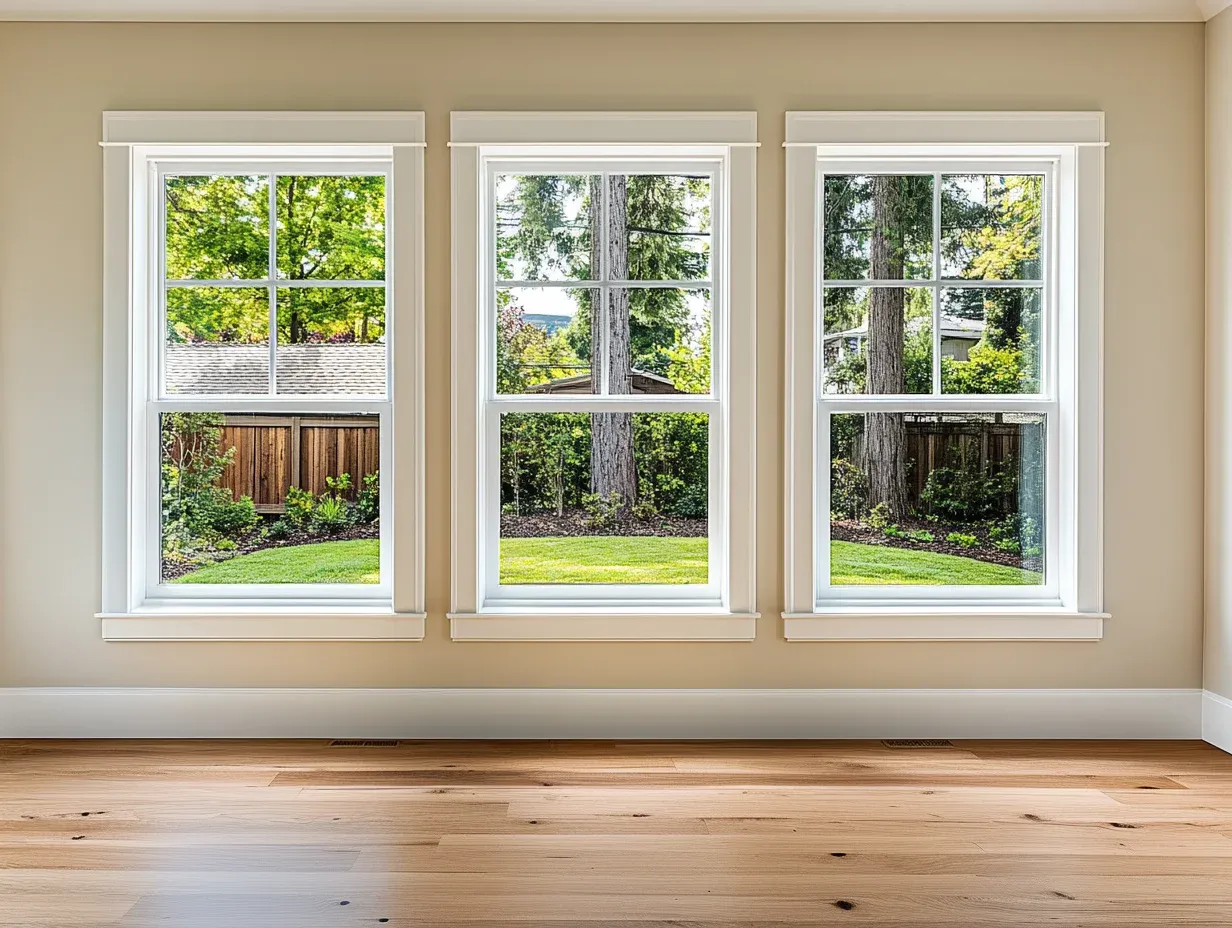

You can buy replacement glass for vinyl windows from online custom glass fabricators like One Day Glass and Fab Glass and Mirror for insulated glass units (IGUs) shipped to your door, from local glass shops that measure, order, and install the glass for you, or from big-box retailers like Lowe's for basic single-pane glass sheets. The right source depends on whether you need a single-pane replacement, a sealed double-pane insulated glass unit, or impact-rated laminated glass for a hurricane zone.
This guide walks through every purchase channel for replacement glass, explains the difference between single-pane glass and sealed insulated glass units, covers how to measure your vinyl window for the correct replacement, and addresses the specific requirements for replacing impact-rated glass in South Florida. By the end, you will know exactly where to buy, how to measure, and whether replacing just the glass makes more sense than replacing the entire window.
Key Takeaways
- Online custom glass fabricators sell insulated glass units (IGUs) for vinyl windows starting around $100 to $400 per unit, with free shipping and 3-10 day manufacturing time.
- Local glass shops measure, order, and install replacement IGUs professionally, with total costs of $250 to $600 per window on average, according to Modernize (2026).
- Big-box retailers like Lowe's sell single-pane replacement glass sheets but generally do not stock custom double-pane insulated glass units for vinyl windows.
- Replacing just the glass in a vinyl window saves 50-75% compared to replacing the entire window, according to multiple industry sources.
- Vinyl window frames use removable glazing beads that allow homeowners or professionals to swap the sealed glass unit without replacing the frame.
- Properly installed insulated glass units last 15 to 20 years before seal failure occurs, according to Glassma (2026).
- Impact-rated glass replacement in hurricane zones requires Miami-Dade approved products and professional installation to maintain code compliance.
Where Can You Buy Replacement Glass for Vinyl Windows?
You can buy replacement glass for vinyl windows from five main sources: online custom glass fabricators, local glass shops, big-box home improvement retailers, window manufacturer parts departments, and licensed window contractors. Each source serves a different type of replacement need, and the best choice depends on whether you need a basic single-pane sheet, a custom-sized insulated glass unit, or impact-rated laminated glass.
Online custom glass fabricators are the most popular option for homeowners replacing fogged or broken double-pane glass in vinyl windows. Companies like One Day Glass, Fab Glass and Mirror, and Glassupply sell custom-sized insulated glass units that ship directly to your home. You enter the exact width, height, glass thickness, and overall unit thickness into an online configurator, and the fabricator builds the sealed unit to your specifications. One Day Glass reviews report that custom IGUs arrive in approximately 10 days and cost roughly 10% of what a full window replacement would cost from a contractor. Fab Glass and Mirror offers similar configurators with options for Low-E coatings, argon gas fill, and decorative grid patterns between the panes.
Local glass shops provide the most complete service for homeowners who want professional measurement and installation. A local glazier visits your home, measures the existing IGU precisely (down to 1/16 of an inch, according to Fixurge), orders the correct replacement unit, and returns to install it once the glass arrives. Local glass shops charge more than online fabricators because the price includes two service visits, professional installation, sealant application, and disposal of the old glass. The trade-off is accuracy: a professional measurement eliminates the risk of ordering the wrong size, which is the most common reason DIY glass replacements fail.
Big-box retailers like Lowe's stock single-pane replacement glass sheets from brands like Gardner Glass Products in standard sizes ranging from 10x12 inches to 36x48 inches. Lowe's carries over 44 replacement glass products in their glass and acrylic department. These single-pane sheets work for older wood-frame windows that use glazing putty to hold a single pane in place. Big-box retailers generally do not stock custom double-pane insulated glass units for vinyl windows because IGUs must be manufactured to the exact dimensions of each specific window opening.
Window manufacturer parts departments sell replacement sashes (the entire glass-and-frame assembly that fits inside the window) for specific models. If you know your window brand and model number, contacting the manufacturer directly gives you a factory-matched replacement that fits perfectly. Replacement sashes cost more than replacement glass alone, but they include new weatherstripping, new hardware, and the manufacturer's warranty. This path works best when the existing sash frame itself is damaged, warped, or worn beyond repair.
Can You Replace Just the Glass in a Vinyl Window?
Yes, you can replace just the glass in a vinyl window without replacing the entire window frame. Vinyl windows use removable glazing beads, which are the thin vinyl strips that hold the sealed glass unit in place inside the sash frame. A putty knife or a thin pry tool releases the glazing beads, allowing the old glass unit to slide out. The new glass unit slides into the same channel, the glazing beads snap back into place, and the window is restored.
Glass-only replacement works when the vinyl frame and sash are still in good structural condition. The frame should be straight, free of cracks, and the sash should operate smoothly on its tracks or balances. The weatherstripping around the frame should still make contact and compress properly when the window closes. Glass-only replacement does not fix problems caused by a damaged frame, worn-out hardware, broken balances, or a warped sash. Those problems require either sash replacement or full window installation to resolve.
Replacing just the glass saves approximately 50 to 75% compared to replacing the entire vinyl window, according to data from American Window Company and Budget Glass Company. A glass-only replacement typically costs $200 to $600 per window including professional installation, while a full vinyl window replacement runs $450 to $1,200 per window installed, according to GetWindowCost (2026). For homeowners dealing with one or two fogged windows where the frames are sound, glass-only replacement is the most cost-effective solution. The same glass-only approach works for insulated glass panels in entry doors and patio doors with sealed glass inserts.
What Is an Insulated Glass Unit (IGU)?
An insulated glass unit (IGU) is a sealed assembly of two or more glass panes separated by a spacer bar, with the space between the panes filled with air or an inert gas like argon. Most modern vinyl windows manufactured after the mid-1990s use insulated glass units rather than single panes of glass. The IGU is the part you replace when your vinyl window glass fogs up, cracks, or loses its seal.
The construction of an IGU determines its thermal performance, noise reduction capability, and lifespan. The two glass panes can be annealed (standard), tempered (heat-strengthened for safety), or laminated (bonded with an interlayer for impact resistance). The spacer bar between the panes maintains a consistent gap, typically 1/2 inch, and contains a desiccant material that absorbs any residual moisture inside the sealed unit. The perimeter seal bonds the entire assembly into a single airtight unit. Argon gas fill between the panes reduces heat transfer more effectively than air because argon is denser and slows molecular movement, improving the window's U-factor.
Low-emissivity (Low-E) coatings are applied to one or more surfaces of the glass panes inside the IGU. Low-E coatings reflect infrared heat while allowing visible light to pass through. ENERGY STAR data shows that Low-E coatings block up to 75% of ultraviolet (UV) light, protecting interior furniture, flooring, and fabrics from fading. When ordering a replacement IGU, specifying Low-E coating and argon gas fill restores the energy performance the window had when it was new. An IGU without Low-E coating and gas fill provides significantly less insulation, even though it looks identical from the outside.
How Do You Measure Replacement Glass for a Vinyl Window?
You measure replacement glass for a vinyl window by recording the width, height, individual glass pane thickness, overall IGU thickness, and spacer bar color of the existing sealed glass unit. Accurate measurement is the most critical step in the replacement process because insulated glass units are custom-manufactured to exact dimensions. A unit that is even 1/8 inch too large will not fit the channel, and a unit that is too small will not seal properly.
- Remove one glazing bead: Use a thin putty knife or a stiff plastic pry tool to pop out one of the vinyl glazing beads (the thin strips that hold the glass in place). Start at a corner and work along the length of the bead. Keep the beads in order because they must go back in the same positions.
- Measure the IGU width: Measure the glass unit itself from edge to edge horizontally, not the window frame opening. Measure at three points (top, middle, bottom) and use the smallest measurement.
- Measure the IGU height: Measure the glass unit from edge to edge vertically. Measure at three points (left, center, right) and use the smallest measurement.
- Measure the glass pane thickness: Use a caliper or tape measure to determine the thickness of a single glass pane. Common thicknesses are 1/8 inch (3mm), 3/16 inch (5mm), and 1/4 inch (6mm).
- Measure the overall IGU thickness: Measure the total thickness of the sealed unit from the outer surface of one glass pane to the outer surface of the other. This includes both glass panes plus the spacer bar gap. Common overall thicknesses are 1/2 inch, 5/8 inch, 3/4 inch, and 7/8 inch.
- Note the spacer bar color: The spacer bar between the panes is typically black, white, or silver (bare aluminum). Your replacement unit should match the existing spacer color for consistent appearance across all windows.
- Note any grid pattern: If your windows have decorative grids (Colonial, Prairie, or other patterns) between the panes, the replacement IGU must be ordered with matching grids built inside the sealed unit.
Measure twice and record every number before placing an order. Online fabricators like One Day Glass and Glassupply accept measurements in inches to the nearest 1/16 inch. Local glass glazing professionals perform this measurement as part of their service, which eliminates the risk of ordering errors.
Where Can You Buy Insulated Glass Units for Vinyl Windows?
You can buy insulated glass units for vinyl windows from online custom fabricators that ship nationwide, from local glass shops that fabricate or order units to your specifications, and from window manufacturer parts departments that sell factory-matched replacement sashes. Each channel offers a different balance of cost, convenience, and installation support.
Online custom fabricators offer the lowest prices for IGU-only purchases. One Day Glass, Fab Glass and Mirror, Glassupply, and Royalty Mirror all provide online configurators where you enter your dimensions, select glass type, spacer color, and coating options, and receive a custom-built sealed unit shipped to your door. Pricing for a standard double-pane IGU with clear glass on both sides starts around $100 to $250 for typical residential window sizes. Adding Low-E coating and argon gas fill adds $50 to $150 per unit depending on the fabricator. Shipping is free from most online suppliers for orders over a minimum threshold. Manufacturing lead time ranges from 3 to 10 business days depending on complexity, according to Fixurge (2026).
Local glass shops are the best option for homeowners who want a single point of contact for measurement, ordering, and installation. A local glazier handles everything from removing the old IGU to installing the new one and cleaning up. Total cost through a local glass shop runs $250 to $600 per window for a standard double-pane IGU replacement, according to Modernize (2026). That price includes the glass unit, two service visits (one to measure, one to install), sealant, and disposal of the old glass. Local shops also carry relationships with multiple glass manufacturers, which means they can source specialty products like tempered glass, tinted glass, obscure glass for bathrooms, and acoustic-grade laminated glass for noise reduction. This same expertise applies to glass replacement for French doors and other specialty openings.
Window manufacturer parts departments sell replacement sashes rather than bare IGUs. A replacement sash includes the glass unit already installed in a new sash frame with fresh weatherstripping and hardware. This option costs more than a bare IGU but gives you a factory-matched assembly that maintains the manufacturer's warranty. Andersen, Pella, Milgard, and most major vinyl window brands sell replacement sashes through authorized dealers and online parts stores. You need your window's brand name, model number, and serial number to order the correct sash. The brand name is usually printed or etched on the window frame, spacer bar, or hardware.
What Types of Glass Are There for Windows?
The main types of glass for windows are annealed glass, tempered glass, laminated glass, Low-E coated glass, and impact-rated glass. Each type serves a different purpose, and the right choice for your vinyl window replacement depends on the window's location, local building code requirements, and your performance priorities.
Annealed glass is standard flat glass that has been slowly cooled during manufacturing. Annealed glass is the least expensive option and works for interior windows and locations where building codes do not require safety glass. Annealed glass breaks into large, sharp shards on impact, which is why building codes restrict its use near doors, bathrooms, stairways, and floor-level openings.
Tempered glass is annealed glass that has been reheated and rapidly cooled to create internal compression. Tempered glass is approximately four times stronger than annealed glass of the same thickness and breaks into small, rounded granules rather than sharp shards. Florida Building Code and the International Residential Code require tempered glass in hazardous locations: within 24 inches of a door, within 18 inches of the floor, in bathrooms, and in any pane larger than 9 square feet that is within 18 inches of the floor. Most IGUs manufactured for residential vinyl impact windows use tempered glass on both panes.
Laminated glass consists of two glass panes bonded together with a polyvinyl butyral (PVB) or SGP interlayer. Laminated glass holds together on impact rather than shattering, which is why it serves as the foundation for impact glass in hurricane zones. Impact-rated laminated glass must pass Florida's TAS 201 and TAS 202 testing protocols, which include large missile impact testing and cyclic pressure testing. Replacing impact-rated glass in a vinyl or aluminum window requires a product that carries the same or higher impact certification as the original glass.
Low-E coated glass has a microscopically thin metallic coating applied to one surface that reflects infrared heat energy. Low-E glass reduces heat transfer through the window, keeping the home cooler in summer and warmer in winter. The U.S. Department of Energy reports that replacing single-pane windows with energy-efficient models saves $101 to $583 per year on energy bills, depending on climate zone and utility rates. Low-E coatings are applied during IGU manufacturing and cannot be added to existing glass after installation.
What Is the Best Thickness for Window Glass?
The best thickness for window glass in a vinyl window IGU replacement is 1/8 inch (3mm) for standard residential windows, 3/16 inch (5mm) for larger panes or areas requiring additional strength, and 1/4 inch (6mm) for impact-rated glass and large fixed windows. The correct thickness must match the thickness of the glass your vinyl window was originally designed to hold, because the glazing bead channel and sash frame are sized for a specific IGU profile.
Standard residential vinyl windows use 1/8-inch glass on both panes of the IGU. This thickness provides adequate strength for windows up to approximately 9 square feet and meets code requirements for non-hazardous locations. Windows larger than 9 square feet, windows in hazardous locations (near doors, in bathrooms, close to the floor), and windows in high-wind zones require either thicker glass or tempered/laminated glass to meet building code standards.
Impact-rated IGUs for hurricane zones use 1/4-inch glass or thicker, with the laminated interlayer adding additional material between the panes. The overall IGU thickness for an impact-rated unit is significantly greater than a standard residential unit, which means you cannot simply swap a standard IGU into a frame that held impact-rated glass. The frame, glazing beads, and sash channel must accommodate the thicker profile. This is one of several reasons why impact-rated glass replacement should be handled by a licensed professional who can verify product compatibility and maintain code compliance.
How Much Does It Cost to Replace Just the Glass in a Vinyl Window?
Replacing just the glass in a vinyl window costs $200 to $600 per window on average when done by a professional, according to Modernize (2026). The IGU itself costs $100 to $400 depending on size and glass type, and professional installation adds $150 to $400 per window, according to Window Gurus (2026). DIY installation using an online-ordered IGU can reduce the total to $100 to $400 per window for homeowners comfortable with the process.
The cost varies based on the window's size, the type of glass selected (clear vs. Low-E, standard vs. tempered), whether decorative grids are needed between the panes, and the geographic location of the home. Urban areas with higher labor rates produce higher installation costs. Rush orders for faster manufacturing add a premium over standard lead times. Emergency glass replacement after a break-in or storm carries additional charges for same-day or next-day service, typically $150 to $300 on top of the repair cost, according to Fixurge (2026).
The typical price split for a professional glass replacement job is approximately 50% materials and 50% labor, according to Fixurge. This means that on a $400 total job, roughly $200 goes to the IGU and $200 goes to the glazier's measurement visit, installation visit, sealant, and disposal. Homeowners who order the IGU themselves and hire a glazier only for installation can sometimes reduce the labor portion, but many local glass shops prefer to supply the glass themselves because they stand behind the product warranty.
Should You Replace Just the Glass or the Entire Vinyl Window?
You should replace just the glass when the vinyl frame is structurally sound, the hardware operates properly, and only one or two windows are affected. You should replace the entire vinyl window when the frame is cracked, warped, or rotted, when the hardware is broken, when multiple windows are failing simultaneously, or when the existing windows do not meet current building code requirements.
FactorGlass-Only ReplacementFull Window ReplacementAverage cost per window$200-$600$450-$1,200+Best whenFrame is sound, 1-2 windows affectedFrame damaged, multiple windows failingTimeline3-10 days for glass manufacturing + 1-2 hours install2-6 weeks for ordering + half day install per windowEnergy improvementRestores original performanceUpgrades to current standardsWarrantyGlass warranty only (10-20 years on seal)Full manufacturer warranty (frame + glass + hardware)ROI at resaleLower (repairs existing)Higher (vinyl replacement recoups 68.5% per Zonda 2025)
Foggy glass between the panes is the most common sign of IGU seal failure. Seal failure means the argon gas has leaked out and moisture has entered the space between the panes. The window still functions, but it has lost its insulating capability and the fog will not clear on its own. Glass-only replacement restores full insulation performance at a fraction of the cost of a new window. Multiple window seal failure events across many windows in the same home, however, often indicate that the windows have reached the end of their useful life and full replacement is the better long-term investment.
Cracked or broken glass requires immediate replacement regardless of frame condition. A cracked pane in an IGU compromises both the seal and the structural integrity of the window. Old windows with single-pane glass in wood or aluminum frames are often better candidates for full window replacement because the frames themselves are typically deteriorated and upgrading to a modern vinyl window with a double-pane IGU produces dramatically better energy performance, noise reduction, and comfort.
Can You Replace Impact Glass in a Vinyl or Aluminum Window Frame?
Yes, you can replace impact glass in a vinyl or aluminum window frame, but the replacement glass must carry the same or higher impact certification as the original, and the installation must be performed by a licensed contractor to maintain code compliance. In Florida's High-Velocity Hurricane Zone (HVHZ), which includes Miami-Dade and Broward Counties, impact-rated glass replacements require a Miami-Dade Notice of Acceptance (NOA) on the replacement product and a building permit for the work.
Impact glass IGUs differ from standard residential IGUs in several critical ways. Impact glass uses laminated construction with a PVB or SGP interlayer that holds the glass together on impact. The glass panes are thicker (typically 1/4 inch or more per pane), the spacer bar and seal system are engineered for higher structural loads, and the overall IGU profile is thicker and heavier than a standard residential unit. These differences mean that a standard residential IGU cannot be substituted into a frame that held impact-rated glass. The replacement must match the original product's specifications, including design pressure rating, impact certification, and dimensional profile.
We handle impact glass replacement across South Florida for homeowners who have existing impact-rated impact doors and windows with damaged or failed glass. The process involves verifying the existing product's NOA number, ordering the correct certified replacement IGU, pulling a permit, installing the new glass, and scheduling a final inspection. Attempting a DIY impact glass replacement voids the product's wind-load certification and can disqualify the homeowner from insurance wind mitigation credits.
How Do I Tell What Kind of Glass I Have?
You can tell what kind of glass you have by checking for etched markings on the glass surface, performing a simple reflection test, and inspecting the spacer bar between the panes. These three checks identify whether your glass is single-pane or double-pane, whether it is tempered or annealed, and whether it has Low-E coating.
Tempered glass carries a permanent etched marking in one corner that identifies the manufacturer and confirms the glass has been tempered. This marking is required by federal safety glazing standards (CPSC 16 CFR 1201) and cannot be removed. Look for a small etched logo, a "TEMPERED" stamp, or an alphanumeric code in one corner of each glass pane. The absence of a tempered marking typically means the glass is annealed, though some very old tempered glass may have markings that have faded over decades.
Low-E coating produces a subtle color shift visible in a flame reflection test. Hold a lit match or lighter near the glass and observe the reflections. Standard clear glass produces identical reflections on every surface. Low-E coated glass produces one reflection that appears slightly different in color (often with a faint purple, blue, or green tint) compared to the others. The coated surface reflects the flame differently because the metallic Low-E layer interacts with light differently than bare glass.
The spacer bar between the panes identifies the IGU type. A bare aluminum spacer appears silver and metallic. A warm-edge spacer appears black or dark gray and is made from thermally improved plastic or stainless steel. Warm-edge spacers reduce heat transfer at the edge of the glass, improving the window's overall thermal performance. When ordering a replacement IGU, specifying the same spacer type and color maintains visual consistency across all windows in the home. The spacer bar often carries printed text that identifies the glass manufacturer, which helps when ordering a direct replacement.
How to Make Your Replacement Glass Last Longer
Replacement glass in vinyl windows lasts 15 to 20 years on average before seal failure occurs, according to Glassma (2026). Proper care and a few preventive habits extend that lifespan and protect your investment.
Seal longevity depends on avoiding excessive heat and pressure at the edges of the glass unit. Do not use pressure washers directly on window glass or frames because the concentrated water stream can penetrate and degrade the perimeter seal. Clean windows with a soft cloth and a mild glass cleaner, working gently around the edges where the glass meets the frame. Avoid abrasive cleaners and razor blades on Low-E coated glass because the coating can be scratched, which permanently reduces its heat-reflective performance.
Condensation on the exterior surface of the glass on cool mornings is normal and indicates that the Low-E coating is working correctly. Condensation between the panes, however, indicates seal failure and means the IGU has lost its insulating gas fill. Interior condensation on the glass surface signals excessive indoor humidity or poor ventilation, not a glass defect. Maintaining indoor humidity between 30% and 50% reduces condensation on sliding doors and windows and extends the life of the perimeter seal by reducing the moisture load the desiccant inside the spacer bar must absorb.
Inspect the glazing beads annually. Vinyl glazing beads can shrink slightly over years of UV exposure, which loosens their grip on the IGU and allows air and water to infiltrate the channel around the glass. If a glazing bead feels loose or has pulled away from the glass surface, press it firmly back into the channel. Replacement glazing beads are available from most window manufacturers and from online window parts suppliers for a few dollars per linear foot.
Frequently Asked Questions
How Much Is a Sheet of Window Glass?
A single sheet of window glass costs $3 to $15 per square foot for basic annealed glass at big-box retailers like Lowe's. Gardner Glass Products sells standard clear glass sheets in sizes from 10x12 inches to 36x48 inches through Lowe's. Single-pane glass sheets are used for older wood-frame windows that hold individual panes with glazing putty. Modern vinyl windows do not use single glass sheets; they use sealed insulated glass units (IGUs) that must be ordered as custom-manufactured assemblies.
Which Glass Type Is Most Expensive?
Impact-rated laminated glass is the most expensive type of residential window glass because of its multi-layer construction, stringent testing requirements, and the specialized manufacturing process needed to bond the glass panes with the PVB or SGP interlayer. Low-iron glass (also called ultra-clear glass) is the most expensive option among non-impact residential glass types because the manufacturing process removes the green tint found in standard glass, producing a crystal-clear appearance that costs 15-30% more than standard clear glass.
What Is the Standard Size of Glass?
There is no single standard size of glass for vinyl windows because IGUs are manufactured to match the specific dimensions of each window model and manufacturer. The most common residential vinyl window sizes produce IGUs in the range of 24x36 inches, 30x48 inches, 36x60 inches, and 48x60 inches. Every IGU is measured and ordered to the exact dimensions of the existing window, which is why precise measurement is the most important step in the replacement process.
Can You Buy Just the Glass for a Window?
Yes, you can buy just the glass for a window. For single-pane windows, you can buy a single glass sheet from a hardware store or big-box retailer. For double-pane vinyl windows, you buy a sealed insulated glass unit from an online custom glass fabricator, a local glass shop, or through your window manufacturer's parts department. The IGU replaces the sealed glass assembly inside the existing sash frame without requiring a new frame, sash, or hardware.
How Long Does Replacement Glass for Vinyl Windows Last?
Replacement insulated glass units for vinyl windows last 15 to 20 years with proper care, according to Glassma (2026). The lifespan depends on the quality of the perimeter seal, the spacer bar material, environmental exposure (UV, heat, humidity), and maintenance practices. Windows facing south and west receive more UV exposure than north-facing windows, which can accelerate seal degradation. Warm-edge spacers with dual-seal construction typically outlast single-seal aluminum spacer systems.
Does Replacing Window Glass Improve Energy Efficiency?
Yes, replacing failed or single-pane window glass with a modern double-pane IGU with Low-E coating and argon gas fill significantly improves energy efficiency. The U.S. Department of Energy reports that replacing single-pane windows with energy-efficient glass saves $101 to $583 per year on energy bills depending on climate zone. Even replacing a failed double-pane IGU (one where the seal has broken and the gas has escaped) restores the window's insulating capability, which reduces heating and cooling costs and eliminates cold drafts near the glass.
The Bottom Line
Replacement glass for vinyl windows is available from online custom fabricators for the lowest cost on IGU-only purchases, from local glass shops for full-service measurement and installation, and from window manufacturer parts departments for factory-matched replacement sashes. Replacing just the glass saves 50-75% over replacing the entire window and restores full insulation performance when the vinyl frame is still in good condition. For impact-rated glass replacement in hurricane zones, professional installation by a licensed contractor is required to maintain code compliance, insurance eligibility, and product certification.
At ASP Windows & Doors, we help South Florida homeowners with impact glass replacement, full window upgrades, and every glazing need in between. Whether you need a single replacement pane or a whole-home impact window upgrade, give us a call at (888) 782-8342 to schedule a free estimate and find out which option makes the most sense for your home.
Now Accepting Appointments
Proudly serving homeowners and businesses across South Florida and Southwest Florida. Book your visit and let our experts help protect and upgrade your space.
.avif)
.avif)
.avif)
%201.avif)
Insights & Resources
Stay informed with expert tips on impact windows, hurricane protection, and South Florida building standards.



%201.webp)
%201%20(1).webp)
%201.svg)
%201%20(1)%20(1).webp)
.png%20(1).webp)
.png.webp)
.avif)
.avif)


.avif)


.png)
.png)