.avif)


Window Noise Reduction Methods
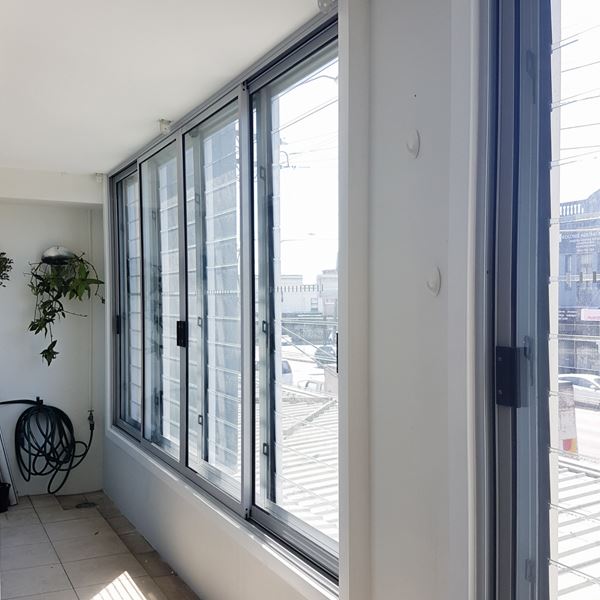

Window noise reduction methods include sealing air gaps, upgrading to laminated or impact-rated glass, adding acoustic window inserts, and replacing old single-pane windows with multi-pane systems that have wider air spaces. The right method depends on how much noise you are dealing with, what type of windows you currently have, and your budget. This article covers every proven way to reduce noise through your windows, from simple weekend fixes to full window replacement. We also explain how sound ratings work, which glass types perform best, and what to expect from each approach.
How Window Noise Reduction Works and Why It Matters
Sound travels through air. Anywhere air can get into your home, noise follows. Windows are the thinnest part of your walls, and they are also the most common entry point for outside noise. According to the U.S. Department of Energy, heat gain and loss through windows account for 25% to 30% of residential heating and cooling energy use. The same gaps and thin glass that let heat escape also let sound pour in.
The World Health Organization reports that environmental noise ranks among the top environmental risks to health, with an estimated one million healthy years of life lost every year from noise effects alone, including sleep problems and heart disease. A 2024 Harvard University study analyzed nearly one million deaths across five states and found a link between cardiovascular disease mortality and chronic noise exposure from industrial, commercial, and community sources.
Reducing noise through your windows is not just about comfort. It protects your health, improves sleep, and raises the value of your home. According to recent Cost vs. Value studies, energy-efficient impact windows typically recoup around 65% to 80% of their cost at resale.
What Is the Best Way to Soundproof a Window?
The best way to soundproof a window is to replace it with a multi-pane window that uses laminated glass, dissimilar glass thicknesses, and a wider air space between the panes. This combination gives you the highest Sound Transmission Class (STC) rating, which means the most noise gets blocked.
According to Soundproof Windows, Inc., an increase from STC 28 to STC 38 means 90% of noise is reduced. Going from STC 28 to STC 43 cuts noise by over 95%. That is a dramatic difference in what you actually hear inside your home. For perspective, a standard single-pane window has an STC rating of about 26 to 28, while a standard dual-pane window lands between 26 and 33. A window with one layer of laminated glass reaches STC 32 to 35, according to Architect Magazine.
If full window replacement is not an option right now, the next best approach is adding a secondary interior window or acoustic window insert over your existing window. This creates extra air space and adds another layer of glass, which can raise your STC rating into the 40s.
Why Can I Hear So Much Noise Through My Windows?
You can hear so much noise through your windows because glass is thin, and even small gaps around the frame let sound pass freely. Single-pane windows have STC ratings as low as 18 to 20, according to NGC Testing Services. At that level, normal conversation on the other side is easily heard and understood.
Old windows also lose their seal over time. Caulking dries and cracks. Weatherstripping wears down. Frames warp or shift. Every tiny opening becomes a pathway for sound. As Harvard Medical School reports, noise pollution can cause or worsen cardiovascular disease, sleep disturbances, stress, and even learning delays in children. Fixing your windows is one of the most direct ways to protect your household from these effects.
How to Reduce Noise in a Window Without Replacing It
Reducing noise in a window without replacing it is possible by sealing gaps, adding mass, and creating extra air space. These methods work well for renters or homeowners on a budget.
How to Soundproof an Existing Window
Soundproofing an existing window starts with sealing every gap around the frame. Sound travels through air, so closing gaps is the single most important first step. Apply acoustical caulk around the window frame where it meets the wall. Unlike regular caulk, acoustical caulk stays flexible and does not crack over time, which keeps the seal intact for years.
Next, add or replace the weatherstripping on the window sashes. Use high-quality neoprene or rubber gasket weatherstripping rather than cheap foam tape. A tight seal when the window is closed can make a noticeable difference right away. For homes in South Florida, where humidity and heat test materials constantly, durable weatherstripping rated for extreme conditions is especially important.
After sealing, consider adding heavy soundproof curtains. Look for curtains with a high Noise Reduction Coefficient (NRC) rating. They absorb sound waves before they bounce around the room. They also block light, which is helpful for bedrooms. While curtains alone will not block loud traffic noise, they reduce echo and soften the overall sound level inside.
How to Soundproof Windows Without Replacing Them
Soundproofing windows without replacing them is done most effectively by installing acoustic window inserts. These are clear panels, usually made of acrylic or laminated glass, that mount inside your existing window frame. They create an additional air pocket between the insert and the original glass. That air pocket is the key to noise reduction.
According to Indow Windows, adding acoustic-grade inserts over existing windows can raise the STC rating from the standard 25 to 35 range up to 39 to 45. Acrylic absorbs and resists sound better than glass alone, which is why inserts can outperform even some new glass glazing options on a per-dollar basis.
Window inserts are popular with renters and owners of historic homes who cannot change the original windows. They are also a good temporary step while you save up for a full replacement.
What Is the Best Sound Blocking for Windows?
The best sound blocking for windows is laminated glass paired with a wide air space in a multi-pane configuration. Laminated glass contains a polyvinyl butyral (PVB) interlayer sandwiched between two sheets of glass. This interlayer acts as a dampener that absorbs sound energy and converts it into tiny vibrations that lose intensity, according to Guardian Glass.
The numbers tell the story clearly. A standard insulated glass unit with two identical panes of 1/8-inch glass has an STC of about 28 to 29. Replace one of those panes with a 1/4-inch laminate, and the STC jumps to 35. Increase the air space to 1/2 inch with laminated glass, and you reach STC 39. Go all the way to a 4-inch air space with laminated glass on both sides, and you hit STC 53, which is airport-level sound deadening.
We install impact glass that uses this same laminated technology. Impact-rated laminated glass was originally designed to resist hurricane debris, but the PVB interlayer that holds the glass together during a storm is the same material that blocks sound waves year-round.
Is There Any Soundproof Glass for Windows?
Yes, there is soundproof glass for windows, though no glass is 100% soundproof. Acoustic laminated glass is the closest thing available. It uses a special acoustic PVB interlayer that is softer and more sound-absorbent than standard PVB. According to Soundproof Windows, Inc., dedicated soundproofing windows can achieve STC ratings of 48 to 54 depending on the existing window and air space.
A window needs an STC of 45 to 50 to be considered "soundproof" in practical terms, which blocks about 90% to 95% of outside noise. For most homeowners, that means loud traffic, lawn equipment, and barking dogs are reduced to a faint background hum. According to MI Windows and Doors, a 10-point improvement in STC rating cuts perceived sound in half.
How Do I Stop Traffic Noise Through Windows?
You stop traffic noise through windows by upgrading to windows with a high OITC (Outdoor-Indoor Transmission Class) rating. Traffic noise is low-frequency sound, and the OITC rating specifically measures how well a window blocks low-frequency outdoor noise like cars, trucks, buses, and construction equipment. Standard STC ratings focus more on indoor speech-range frequencies, so OITC gives a more accurate picture for traffic noise.
For homes near highways or busy roads, laminated glass with dissimilar pane thicknesses is the most effective option. Using two panes of different thickness breaks up sound waves at different frequencies, which prevents any single frequency from passing through easily. According to Architect Magazine, windows with dissimilar glass can reach STC ratings of 30 to 34 even without laminate, at a cost premium of only 3% to 20% over standard glass.
Combining dissimilar glass with laminated impact doors and windows gives you the best overall protection against traffic noise while also providing hurricane resistance and energy savings.
What Is the Best Sound Barrier for Traffic Noise?
The best sound barrier for traffic noise is a window system with laminated glass, a wide air space, dissimilar pane thicknesses, and a tight seal around the frame. This combination targets low-frequency traffic sounds that regular dual-pane windows struggle to block.
The U.S. Department of Housing and Urban Development recommends four strategies for reducing noise in buildings: elimination of the source, absorption of sound energy, blocking the transmission path, and vibration isolation. Your windows address the blocking and absorption steps. Thicker glass adds mass that blocks sound. Laminated interlayers absorb vibration. Wider air spaces slow down sound wave transmission. And airtight seals stop noise from sneaking through gaps.
How to Block Sound Coming From a Window
Blocking sound coming from a window requires addressing three pathways at once: air gaps around the frame, vibration through the glass, and resonance within the glass itself.
Start with the frame. Apply acoustical caulk to every gap between the frame and the wall. Replace old weatherstripping with fresh, compression-style rubber seals. Check the sill and the meeting rail on double-hung windows for gaps.
Next, address the glass. If you have single-pane windows, the glass itself is the biggest weak point. According to Energy Star, replacing single-pane windows with certified models can save $126 to $465 annually on energy bills, and the same upgrade dramatically cuts noise transmission. The improvement is strongest when going from a single pane to a dual-pane window with laminated glass.
For the resonance problem, use dissimilar glass thicknesses. Every pane of glass has a resonance frequency where it actually amplifies sound rather than blocking it. When two panes have different thicknesses, they resonate at different frequencies, so no single frequency passes through both panes easily.
How to Insulate Windows So You Do Not Hear Traffic
Insulating windows so you do not hear traffic means adding layers between outside and inside. Each layer, whether it is glass, air, film, or a curtain, forces sound waves to lose energy before reaching your ears.
The most effective layering approach is a primary window with laminated glass plus a secondary interior window or insert. The air gap between the two layers is critical. According to acoustic experts, a 2 to 4-inch air space between panes provides dramatically better sound reduction than the standard 1/2 to 3/4-inch gap found in most insulated glass units. That is why secondary window systems and inserts can outperform standard replacement windows for noise purposes.
For homeowners who want both hurricane protection and noise control, sliding doors and windows with impact-rated laminated glass deliver both in a single product. The thick, bonded glass that stops flying debris also blocks a large percentage of traffic noise.
Window Noise Reduction Methods Compared by STC Rating
Sources: Soundproof Windows, Inc.; Indow Windows; MI Windows and Doors; Architect Magazine; NGC Testing Services; Guardian Glass
What Can I Put in My Window to Block Out Sound?
You can put acoustic window inserts, soundproof curtains, weatherstripping, or acoustic window film in your window to block out sound. Each option offers a different level of noise reduction at a different price point.
Acoustic window inserts are the most effective non-replacement option. They mount inside the frame and create a sealed air pocket. Soundproof curtains come next. They work best in combination with sealed gaps. Acoustic window film is the lightest option. It adds a thin layer of dampening material directly to the glass. Film alone will not block loud noise, but it can soften moderate sound levels.
For the biggest improvement without a full renovation, the combination of fresh caulk, new weatherstripping, and an acoustic insert covers all three noise pathways at once: air leaks, glass vibration, and resonance.
What Material Can Sound Not Pass Through?
No material blocks 100% of sound, but dense, heavy, and flexible materials block the most. Laminated glass with a PVB interlayer is one of the best materials for windows because it combines mass, density, and vibration dampening in a single product. According to the International Building Code, an STC of 50 is required for multi-family construction, which is the point where noise complaints drop drastically. Achieving STC 50 with windows requires specialized acoustic or secondary window systems.
Concrete, solid wood, and mass-loaded vinyl are examples of materials that block sound very effectively in walls and doors. For windows, though, you need transparency, so laminated glass is the go-to material. The thicker and heavier the glass, the more sound it blocks, as long as you also address the resonance frequency problem with dissimilar glass thickness.
How to Naturally Block Out Noise From Windows
Naturally blocking out noise from windows means using methods that do not involve replacing the glass itself. Sealing gaps is the first step. According to the European Environmental Agency, noise pollution ranks second only to air pollution as the environmental exposure most harmful to public health. Even small improvements make a difference.
Heavy curtains or drapes made from dense fabric absorb sound before it spreads through a room. Placing bookshelves, upholstered furniture, or fabric wall hangings near windows adds more absorption. These soft surfaces soak up sound energy instead of reflecting it back into the room.
Planting dense hedges or installing a solid fence outside the window can also reduce noise before it reaches the glass. While these outdoor methods are not as effective as upgrading the window itself, they help when combined with indoor treatments. Every layer you add between the noise source and your ears reduces what you hear.
How Do I Block Noise From Neighbors Outside?
Blocking noise from neighbors outside starts with closing every air gap in your windows and doors. Neighbor noise, like conversation, music, and lawn equipment, travels through air first. Once you seal the gaps, adding mass to the window is the next step.
If your home has single-pane windows, upgrading to impact windows with laminated glass will cut neighbor noise significantly. Impact windows use two panes of glass bonded with a vinyl interlayer that breaks up sound waves. The result is a quieter home with the added bonus of hurricane protection, improved security, and better energy efficiency.
The University of California Davis Environmental Health Sciences Center notes that approximately 10 million people in the United States have permanent hearing loss from environmental noise or noise-related trauma, according to the National Institute of Deafness and Other Communication Disorders. Keeping noise out of your home is a long-term health investment.
How to Make a Room With Windows Soundproof
Making a room with windows soundproof requires treating the windows, walls, doors, and any air gaps in the room. Windows are usually the weakest link, so they need the most attention. But if you upgrade the windows and ignore a hollow-core door or thin walls, sound will still get in through those paths.
For the windows, the most effective single upgrade is replacing them with laminated, multi-pane entry doors and windows rated for impact. For the walls, adding insulation or a second layer of drywall with damping compound increases the STC rating of the wall. For the door, replace hollow-core doors with solid-core doors and add weatherstripping around the frame.
According to the National Research Council of Canada, an STC rating of 55 is recommended for rooms where good sound insulation is needed, and 60 or higher is ideal for rooms with music or media use. Reaching those levels with windows alone is very difficult. A combined approach treating every surface in the room gives you the best results.
How Do I 100% Soundproof My Room?
You cannot 100% soundproof any room because sound always finds a way through somewhere. Even professional recording studios with STC ratings above 60 do not achieve total silence. What you can do is reduce noise to a level where it no longer bothers you or disrupts your daily life.
For most residential settings, an STC rating of 38 to 42 is considered good soundproofing, according to Indow Windows. At STC 45, you cannot hear loud speech through the barrier. That level of quiet is achievable with quality laminated windows, sealed frames, solid doors, and insulated walls. The key is treating every surface in the room, not just the windows.
Can You Buy Soundproof Windows?
Yes, you can buy windows specifically rated and marketed for sound reduction. These windows use laminated glass with acoustic PVB interlayers, dissimilar glass thicknesses, wider air spaces, and airtight seals. Dedicated soundproof windows can reach STC ratings of 48 to 54, according to Soundproof Windows, Inc.
For homeowners in hurricane-prone areas, impact-rated windows offer a practical advantage. They provide noise reduction, storm protection, UV filtering, and energy efficiency all in one product. According to Renewal by Andersen, laminated glass required for hurricane impact performance also blocks sound waves more effectively than standard glass. You get multiple benefits from a single investment.
We offer a full range of residential window solutions that combine impact rating with strong acoustic performance, so you do not have to choose between safety and quiet.
How Single, Double, and Triple-Pane Windows Compare for Noise
Single-pane windows offer almost no noise protection. They typically score STC 18 to 28, depending on glass thickness and how airtight the frame is. Replacing single-pane windows with any modern multi-pane window will produce a dramatic improvement.
Double-pane windows are the standard for most new construction. They score STC 25 to 33, depending on glass thickness, air space width, and whether gas fill is used. According to Andersen Windows, a typical dual-pane window scores STC 25 to 30. Adding an STC upgrade with dissimilar glass or laminate pushes that into the 30 to 35 range.
Triple-pane windows add a third pane and a second air space. They score slightly higher than standard double-pane for low-frequency noise because of the additional mass. However, the overall STC improvement over double-pane is modest if the total air space stays the same. According to acoustic data, a well-designed double-pane window with laminated glass and a wide air space can match or beat a triple-pane window with identical pane thicknesses. The thickness variation and laminate matter more than simply adding a third pane.
How Impact Windows Reduce Noise in Your Home
Impact windows reduce noise because they are built with laminated glass, reinforced frames, and airtight seals. The laminated glass contains a PVB interlayer that dampens sound vibrations. The reinforced frames eliminate flex points where sound could leak through. And the seals prevent air (and therefore sound) from passing around the edges.
Hurricane impact windows were designed to keep flying debris out during a storm, but the same construction that stops a 2x4 at 100 miles per hour also stops a large percentage of daily noise. According to PGT Windows, impact windows can reduce common irritating noises like lawnmowers, airplanes, and traffic to levels that are far less disruptive.
Living in South Florida means dealing with both hurricane risk and year-round noise from busy roads, airports, and construction. Commercial impact windows and residential models solve both problems at once. Storm protection is seasonal, but noise is daily, and many homeowners say the quiet is the benefit they appreciate most after installation.
What Role Does Window Frame Material Play in Noise Reduction?
The frame material affects noise reduction more than most people realize. Vinyl and fiberglass frames insulate sound better than aluminum because they are less conductive and flex less. However, aluminum frames that are thermally broken, meaning they have an insulating barrier built into the frame, perform very well for both thermal and acoustic purposes.
According to Pella, window frame material makes a real difference in STC results alongside glass configuration. A poorly sealed frame can undermine even the best glass. That is why professional installation matters. Gaps between the frame and the wall, even tiny ones, create pathways for sound. Proper shimming, sealing, and caulking during installation are critical to achieving the rated performance.
We use heavy-duty, corrosion-resistant frames on all of our French doors and windows that are built to hold a tight seal for years, even in Florida's harsh salt-air environment.
Frequently Asked Questions
What Is the Cheapest Way to Soundproof a Window?
The cheapest way to soundproof a window is to seal all air gaps with acoustical caulk and add new weatherstripping around the sashes. These materials cost very little and can be installed in a single afternoon. According to acoustic experts, closing air gaps is the single most impactful low-cost step because sound needs air to travel. Adding a heavy curtain after sealing gaps provides additional absorption for minimal extra cost.
Does Bubble Wrap on Windows Stop Noise?
Bubble wrap on windows does not stop noise in any meaningful way. Bubble wrap is lightweight plastic filled with air pockets. It adds almost no mass and does not create an airtight seal. While it provides slight thermal insulation, it does nothing significant for sound. Acoustic window inserts, laminated glass, and proper sealing are far more effective for noise reduction.
What Type of Fabric Absorbs Sound the Best?
The type of fabric that absorbs sound the best is heavy, dense, tightly woven material like velvet, suede, or mass-loaded vinyl-backed curtain fabric. Thicker fabrics with multiple layers absorb more sound energy than thin materials. Look for curtains or drapes with a high NRC (Noise Reduction Coefficient) rating. Keep in mind that fabric absorbs sound inside the room and reduces echo, but it does not block sound the way glass or solid barriers do.
What Can Sound Not Travel Through?
Sound cannot travel through a vacuum because it needs a medium like air, water, or solid material to move. In practical home settings, sound has a hard time traveling through dense, heavy, and multi-layered materials. Laminated glass, concrete, solid masonry, and mass-loaded vinyl all resist sound transmission very effectively. The denser and heavier the barrier, the harder it is for sound waves to vibrate through it.
How Much Do Soundproof Windows Reduce Noise?
Soundproof windows reduce noise by 50% to over 95% depending on the type and rating. According to Soundproof Windows, Inc., going from STC 28 to STC 38 cuts 90% of noise. Reaching STC 43 blocks over 95%. MI Windows and Doors reports that every 10-point increase in STC rating halves the perceived sound level. Dedicated acoustic windows with STC ratings above 48 reduce noise enough that most outdoor sounds are barely audible inside.
What Cheap Material Absorbs Sound?
Cheap materials that absorb sound include heavy moving blankets, thick towels hung over a curtain rod, and mass-loaded vinyl sheets. Egg crate foam is sometimes used, but it mainly reduces echo inside a room rather than blocking outside noise. For windows specifically, the cheapest effective absorber is a thick, layered curtain combined with a sealed window frame. Absorption and blocking are two different things, and blocking requires mass and airtight seals.
How to Reduce Loud Sounds on Windows?
Reducing loud sounds on windows requires adding mass to the glass and eliminating every air leak around the frame. For the loudest noise sources, like highway traffic or airport flight paths, replacing the window with a laminated, impact-rated unit is the most effective method. If replacement is not an option, adding an interior acoustic window insert creates a second barrier with a wide air gap that dramatically reduces what you hear indoors.
Putting It All Together
Noise does not have to be something you just live with. Whether you seal a few gaps this weekend or invest in a full window upgrade, every step moves you closer to a quieter, more comfortable home. The best results come from combining methods: seal the gaps, upgrade the glass, and choose frames that hold a tight seal for years.
If you are ready to explore your options, ASP Windows and Doors is here to help. Give us a call at (888) 782-8342 or request a free estimate to find out which window noise reduction method is right for your home.
Now Accepting Appointments
Proudly serving homeowners and businesses across South Florida and Southwest Florida. Book your visit and let our experts help protect and upgrade your space.
.avif)
.avif)
.avif)
%201.avif)
Insights & Resources
Stay informed with expert tips on impact windows, hurricane protection, and South Florida building standards.


%201.webp)
%201%20(1).webp)

%201.svg)
%201%20(1)%20(1).webp)
.png%20(1).webp)
.png.webp)
.avif)
.avif)


.avif)


.png)
.png)