.avif)


Window Heat Gain Solutions
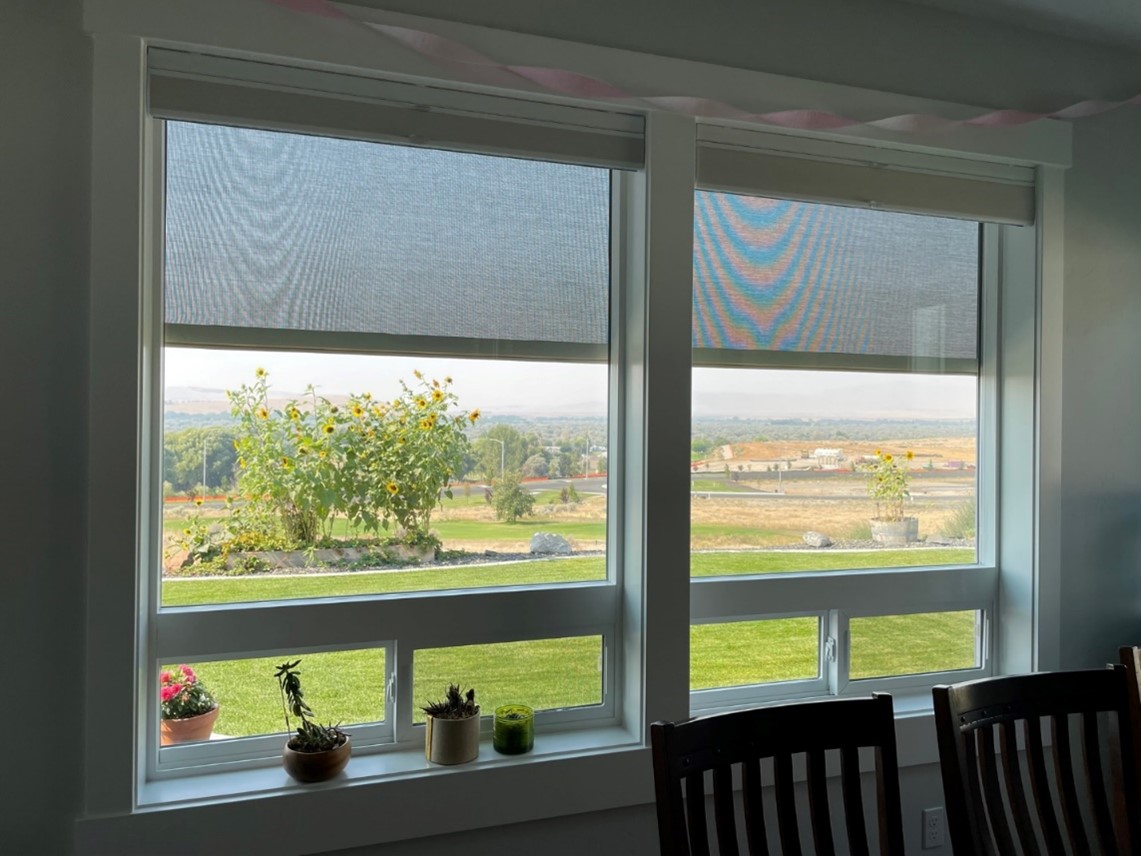

Window heat gain solutions range from Low-E glass and low-SHGC impact windows that stop solar heat at the glass surface, to exterior solar screens, cellular shades, window film, and proper air sealing that address heat entry from the outside in. According to the U.S. Department of Energy, about 76% of sunlight striking a standard double-pane window enters as heat during cooling seasons. That figure explains why so many homeowners in warm climates feel the direct relationship between window performance and energy bills. This article covers every solution available, from the most effective permanent upgrades to practical low-cost options you can use right now.
How Can I Reduce the Heat Gain Through My Windows?
You can reduce heat gain through your windows by upgrading to Low-E glass with a low Solar Heat Gain Coefficient, installing exterior solar screens, applying solar window film, using cellular or solar shades, adding awnings or overhangs, and sealing any air leaks around the frame. Each of these solutions targets a different aspect of heat entry, and combining two or more produces significantly better results than any one method alone.
The most effective permanent solution is the glass itself. According to research from the Florida Solar Energy Center (FSEC) at the University of Central Florida, a properly coated Low-E window can reduce solar heat gain to roughly half what a standard single-pane clear glass window allows, without meaningfully reducing visible light. For homeowners in hot, sun-heavy climates, the glass is always the place to start when addressing heat gain.
Temporary and lower-cost solutions like shades, film, and exterior screens also work, but they address the heat after it has already reached the window. Exterior solutions are more effective than interior ones because they intercept solar radiation before it can be absorbed into the glass and transferred inward. Interior shades still absorb heat that has entered through the glass and release some of it into the room.
What Can I Put on Windows to Help Keep Heat Out?
You can put solar window film, exterior solar screens, cellular shades, reflective roller shades, or awnings on windows to help keep heat out. Each works differently and performs best in different situations.
Solar window film applies directly to the existing glass and reflects infrared radiation before it can pass through. According to FSEC research, window film mimics the benefits of Low-E coatings at a fraction of the cost of full window replacement. It blocks a significant share of solar infrared while still allowing visible light through. Film is a practical choice for renters, older homes, or any situation where full window replacement is not yet feasible.
Exterior solar screens are a step up in effectiveness. Because they intercept sunlight before it reaches the glass, they stop the heat at its source. Research published by Mypdh Engineer notes that exterior shading can reduce solar heat gain through a window by as much as 80%, making it the most powerful non-glass solution available. The U.S. Department of Energy adds that solar screens can be installed as roller shades or fixed panels and typically allow a partial view out while still blocking significant heat and glare.
What Is the Most Effective Solution for Window Heat Gain?
The most effective solution for window heat gain is installing windows with a low Solar Heat Gain Coefficient combined with Low-E glass. This addresses heat gain permanently at the glass level rather than relying on add-on products that need maintenance, seasonal adjustment, or replacement. The Solar Heat Gain Coefficient, or SHGC, measures the fraction of solar radiation that passes through a window and enters the home as heat. It is rated on a scale from 0 to 1. The lower the number, the less solar heat the window admits.
According to the U.S. Department of Energy, Energy Star-certified windows in hot climates should have an SHGC of 0.25 or below. Standard clear glass windows have an SHGC of approximately 0.81, meaning 81% of available solar heat passes directly into your home. A modern Low-E window with a low SHGC rating of 0.25 allows only 25% of that heat to enter. That is a reduction of more than two-thirds, with no maintenance required and no seasonal adjustment needed.
Low-E glass achieves this through a thin metallic oxide coating applied to an interior glass surface. The coating reflects infrared radiation back toward the exterior while still allowing visible light to pass through at high rates. Research from Optimal Windows confirms that Low-E windows typically maintain visible light transmittance above 65% even while keeping SHGC values below 0.30. You keep a clear, bright view while the window does the thermal work.
For homes requiring both heat management and storm protection, impact windows with Low-E coatings and a low SHGC are the comprehensive answer. They combine laminated glass construction for hurricane resistance with engineered coatings that address solar heat gain. One installation addresses both concerns at once.
How to Seal Your Drafty Windows for Less Than $50
You can seal drafty windows for less than $50 using weatherstripping tape, rope caulk, a shrink film insulation kit, a foam backer rod for larger gaps, and exterior caulk for the frame perimeter. Each of these materials is available at hardware stores and can make a meaningful difference in air infiltration without a major investment.
Start with weatherstripping along the window sash edges. Compression foam tape is the easiest to apply and seals the moving parts of the window effectively. It is one of the lowest-cost fixes available and can be installed in under an hour on most windows. According to Energy Star, sealing leaks can reduce annual energy bills by an average of 15%, making even a small investment in weatherstripping a sensible return.
For the frame perimeter where the window meets the wall, exterior-grade silicone or siliconized latex caulk fills gaps that weatherstripping cannot reach. Clean out any old, cracked caulk first, wipe the surface clean, and apply a fresh continuous bead. For temporarily sealing windows you do not plan to open through a cold season, a shrink film kit creates an additional interior air barrier. Apply the double-sided tape to the frame, press the plastic sheeting in place, and use a hair dryer to shrink it taut.
For gaps larger than a quarter inch between the frame and the wall, low-expansion spray foam is the right fill material. Use the "no-warp" variety specifically formulated for windows and doors, which expands gently and will not bow the frame. Fill the cavity no more than one-third full and allow it to expand to seal the gap completely.
What Are Common Window Sealing Mistakes?
Common window sealing mistakes include applying fresh caulk over old deteriorated caulk without removing it first, using interior-grade caulk on exterior applications where it breaks down quickly, skipping the weatherstripping on the sash while only sealing the frame, using high-expansion foam near window frames that then bows or warps the frame, and sealing windows that serve as emergency egress in a way that prevents them from opening.
Another common sealing mistake is using shrink film or rope caulk as a year-round fix rather than a seasonal measure. These products address the symptom without addressing the underlying cause, and they deteriorate after one season. If you are resealing the same windows every winter, that is a clear signal that a more permanent repair or replacement is the better long-term choice. Covering a failed glass seal with interior film also does not restore the insulating performance of the glass itself, which requires professional repair or replacement of the glass unit.
The most expensive sealing mistake of all is ignoring the problem entirely. Every year of air infiltration and solar heat gain through a poorly sealed window adds directly to your cooling and heating costs and puts extra wear on your HVAC equipment. For windows where the installation itself was never properly done, professional correction of the frame and perimeter is required. Our installation services address both the window product and the correct framing, insulation, and sealing that make the installation last.
Does Putting a Blanket Over a Window Help with Heat?
Yes, putting a blanket over a window does help with heat retention in winter by creating an additional insulating barrier between the cold glass and the room air. Heavy fabric reduces convective heat loss by slowing the movement of cold air off the glass surface and into the room. It also reduces radiant heat loss by placing a warmer surface between you and the cold glass.
However, a blanket over a window is a very limited fix. It does not address air infiltration through gaps, it eliminates natural light entirely, and it does not improve the insulating performance of the glass itself. For reducing heat gain in summer, a blanket is far less useful because the solar radiation first has to be absorbed by or reflected at the glass surface before a room-side covering has any effect. The U.S. Department of Energy notes that insulated draperies reduce heat loss through windows by up to 10%. Cellular shades, which trap air in a honeycomb structure, reduce heat loss by up to 40% and block solar heat gain in summer by up to 60%, making them substantially more effective than a blanket or ordinary drape for both seasons.
Why Shouldn't You Leave Windows Open at Night?
You should not leave windows open at night because nighttime temperatures drop significantly, allowing cooler or more humid outside air to enter and forcing your HVAC system to work harder to maintain a comfortable temperature when you wake up. In coastal climates, leaving windows open at night also draws in salt-laden air that accelerates deterioration of weatherstripping, frame finishes, hardware, and sealants.
There is also a practical energy cost. If you have been cooling your home all day with air conditioning, leaving windows open at night reintroduces warm humid air into the cooled interior. In a hot climate, nighttime temperatures rarely drop low enough to provide meaningful free cooling before humidity becomes a more serious problem. Keeping windows closed and sealed allows your air conditioning system to maintain a stable indoor environment more efficiently.
Exterior Solutions: The Most Efficient Way to Block Heat Before It Enters
Exterior shading solutions are the most efficient non-glass approach to reducing window heat gain because they intercept solar radiation before it reaches the glass. Once sunlight hits glass, a portion of its energy is absorbed by the glass itself and then re-radiated inward as heat, even if none of it passes through directly. Exterior solutions stop the solar energy from ever contacting the glass in the first place.
Fixed awnings are one of the oldest and most reliable exterior shading methods. A properly sized awning or roof overhang blocks direct summer sun, which sits high in the sky, while allowing lower-angle winter sun to enter and provide warmth. According to FSEC research, well-designed exterior shading structures can substantially reduce solar heat gain on south, southeast, and southwest-facing windows during hot months. Retractable awnings offer the added flexibility of adjusting coverage seasonally.
Exterior solar screens are another effective option. These screens look similar to standard insect screens but are made with a tighter weave designed to intercept solar radiation. According to the U.S. Department of Energy, they can reduce solar heat gain, UV damage, and glare while still allowing a partial view to the outside. The openness factor of the screen determines how much of that view is preserved. A tighter weave blocks more heat but reduces visibility. A more open weave maintains better visibility while still blocking a meaningful portion of solar gain.
DOE field studies published by Pacific Northwest National Laboratory found that optimized use of high-efficiency exterior shades delivers whole-home summertime cooling savings of 15% to 25%. That is a meaningful result for a non-glass solution installed on the exterior of existing windows.
What Can I Put Over a Window to Keep Heat Out?
You can put exterior solar screens, retractable awnings, fixed overhangs, or exterior roller shutters over a window to keep heat out. On the interior side, cellular shades and solar roller shades reduce heat gain after it has reached the glass. Low-E window film applied directly to the glass is a middle-ground option that improves the glass itself without requiring full window replacement. Of all these options, exterior shading intercepts the most heat gain because it stops solar radiation before it contacts the glass, while interior treatments address heat that has already partially entered through the glazing.
Interior Solutions: Managing Heat Once It Reaches the Glass
Interior window treatments cannot prevent solar heat from reaching the glass, but they can meaningfully reduce how much of that heat makes it into the room. The key distinction is that interior treatments work by reflecting some solar radiation back out through the glass and slowing the convective transfer of heat from the glass surface into the room air. They are not as effective as exterior solutions, but they are far easier to install, adjust, and maintain.
Cellular shades are the highest-performing interior option for both heat gain and heat retention. Their honeycomb structure traps a layer of still air that serves as insulation. According to the U.S. Department of Energy, cellular shades can reduce unwanted solar heat through windows by up to 60% in cooling seasons when installed with a tight fit against the frame. DOE field studies cited by the Building America Solution Center found summertime cooling savings of 15% to 25% from optimized shade use.
Solar roller shades, which are made from a woven material with a specific openness factor, block a portion of solar radiation while preserving a view out the window. They perform best on east and west-facing windows that receive direct morning and afternoon sun. For rooms where light control is a priority alongside heat management, a combination of a solar shade for daytime heat reduction and a thermal curtain for nighttime insulation delivers the best overall performance from an interior-only treatment approach.
Professionally fitted window blinds designed for energy performance provide better control and longer service life than retail alternatives, and they can be coordinated with other upgrades for a cohesive result.
SolutionHeat Gain ReductionPositionPermanent?Low-E glass with low SHGC (≤0.25)Up to 70%+ vs. standard clear glassIn the glassYesExterior solar screens / shadingUp to 80% (solar shading devices)ExteriorSemi-permanentExterior awnings / overhangsSignificant for direct sun anglesExteriorSemi-permanentLow-E solar window filmUp to 50% reduction in solar entryOn the glass surfaceSemi-permanentCellular shades (tight fit)Up to 60% reduction in solar gainInteriorRemovableSolar roller shadesVaries by openness factorInteriorRemovableInsulated draperiesUp to 10% heat loss reductionInteriorRemovableCaulk and weatherstripping (air sealing)15% avg. energy savings (Energy Star)Frame / sashSemi-permanent
Sources: U.S. Department of Energy, energy.gov; Florida Solar Energy Center (FSEC), University of Central Florida; Pacific Northwest National Laboratory (PNNL) / Building America Solution Center (BASC); Optimal Windows research; Mypdh Engineer, Solar Heat Gain Through Windows; Energy Star / U.S. Environmental Protection Agency.
How to Winterize Windows Cheaply
To winterize windows cheaply, start by replacing any worn weatherstripping on the sash, apply fresh exterior-grade caulk around the frame perimeter, use rope caulk along the bottom sash as a temporary seasonal seal, and add a shrink film insulation kit over the interior of windows that remain closed through winter. These four steps together address the main sources of winter heat loss: sash air leaks, frame perimeter gaps, and radiant cold from the glass surface.
Rope caulk is a very affordable option for windows you do not plan to open. It presses into gaps around the sash and peels away cleanly in spring without damaging the frame or paint. Shrink film kits create an interior air gap that improves the insulating value of the window assembly without modifying the window itself. The film is nearly invisible once applied and tightened with a hair dryer.
For windows in rooms where you spend the most time, adding insulating cellular shades provides the best performance of any low-cost option. The U.S. Department of Energy notes that tightly fitted cellular shades can reduce heat loss through windows by 40% or more in heating seasons, which delivers roughly 10% savings on your heating bills. Compared to the cost of the shades, that payback period is typically short. Homeowners looking for a longer-term glass upgrade can also explore glass glazing options that improve thermal performance without full window replacement in certain situations.
What Time of Year Are Windows the Cheapest?
Windows are generally cheapest in late fall and winter, when installation demand drops and window companies have more scheduling flexibility. Spring and summer are peak seasons for window installation in most U.S. markets, and high demand tends to mean longer wait times and less negotiating room. Purchasing during the slower season can yield better pricing and quicker installation. That said, the priority should always be the quality of the window product and the experience of the installer. A window installed correctly during peak season will outperform one rushed through during the slow season. Verify licensing, insurance, and warranty coverage before committing to any installer.
Does Putting Aluminum Foil on Your Windows Keep the Heat Out?
Yes, putting aluminum foil on windows does keep heat out because aluminum reflects solar radiation rather than absorbing it. Reflective materials applied to a window surface bounce a significant portion of incoming solar energy back to the exterior before it can be absorbed into the glass and transferred inward. Aluminum foil has very high reflectivity across the solar spectrum.
The practical downside is significant. Aluminum foil blocks virtually all natural light, creating a dark interior and an unattractive exterior appearance. It also does nothing for air infiltration, conductive heat loss through the glass, or the insulating performance of the glass assembly. Low-E solar window film achieves the same reflective benefit with far more practical results. It reflects solar infrared radiation while still transmitting 60% to 70% of visible light. You get a clear view, natural daylight, and meaningful heat reduction without the downsides of foil.
Why Should You Avoid Aluminum Foil on Windows?
You should avoid aluminum foil on windows because it eliminates all natural light, creates an unpleasant visual on the exterior of the home, can trap moisture between the foil and the glass surface leading to condensation issues, and provides no benefit for air infiltration or glass insulation performance. Some window warranties are also voided by applying reflective materials to the glass surface without manufacturer approval. The heat-blocking benefit of aluminum foil is real, but the practical drawbacks make it a poor long-term solution for any window in a lived-in space. Low-E window film is the appropriate product for achieving the same reflective benefits without those trade-offs.
Why Do Rich People Leave Their Windows Uncovered?
Rich people leave their windows uncovered because high-performance windows with Low-E coatings and a low SHGC do the thermal work that ordinary windows cannot. When the glass itself is managing heat gain, blocking UV radiation, and reducing radiant discomfort near the window, there is no functional reason for heavy window coverings. The window provides a clear, unobstructed view, natural light that does not overheat the room, and a comfortable interior environment without the help of curtains.
In contrast, a home with older standard or single-pane windows uses heavy curtains as a functional necessity rather than a design choice. The curtains are doing the thermal management work that the glass should be doing. Investing in high-performance glass eliminates the need for that workaround and gives you both the view and the comfort that uncovered windows can offer.
The same principle applies to commercial buildings and high-rises where large glass facades are left exposed. Those buildings use heavily coated glass with very low SHGC ratings and U-factors specifically engineered to manage solar gain and heat transfer at scale. Our commercial impact windows serve exactly that purpose, delivering both storm protection and engineered glass performance for buildings where window area is large and heat gain has a direct effect on operating costs.
How to Make a Room Colder Without Replacing the Windows
You can make a room colder without replacing the windows by using exterior solar screens on the most sun-exposed windows, applying solar window film, installing cellular or solar shades, sealing all air gaps around the frame, and closing windows and blinds during peak sun hours. Combining two or three of these methods produces the best result.
The most impactful non-replacement step for a hot room is blocking solar heat before it reaches the glass. If the windows have a south, east, or west exposure, even a basic exterior screen will reduce the heat load in that room noticeably. On the interior side, closing cellular shades during the hottest part of the day prevents solar heat that does enter the glass from radiating further into the room. The DOE's Building America Solution Center notes that whole-home summertime cooling savings from optimized shade use can reach 15% to 25%.
Sealing air gaps is important even in summer. In a hot climate, outside air is often significantly warmer and more humid than your cooled interior. Any gaps around the window frame allow that hot air to push directly into the room and mix with the cooled air your system worked to produce. Fresh weatherstripping and caulk applied to all windows reduces this infiltration load and helps your cooling system maintain comfort more efficiently. The same applies to doors. A well-sealed entry door stops the same hot humid infiltration that window frame gaps create.
For homes where several of these steps have already been tried and comfort is still poor, the glass itself is usually the limiting factor. Upgrading to impact glass with Low-E coatings gives the window the ability to actually reject solar heat rather than just slow it slightly at the interior treatment level.
Why Do Germans Open Their Windows in the Winter?
Germans open their windows briefly in winter as part of a practice called "Stoßlüften," or shock ventilation. The technique involves opening windows wide for a short period of 5 to 10 minutes rather than leaving them cracked for extended periods. This quickly exchanges stale indoor air for fresh outdoor air without cooling the walls, furniture, and thermal mass of the room the way that prolonged cracked-window ventilation does. The brief flush of fresh air improves indoor air quality and reduces condensation on cold surfaces, then the windows close before the room temperature drops significantly. This approach is distinct from leaving windows open continuously, which does waste significant heating energy.
Choosing the Right Permanent Solution for Your Home
The right permanent solution for window heat gain depends on the condition of your current windows, your budget, and how much of your energy cost is being driven by the windows versus other factors. If your windows are old, single-pane, or have failed glass seals, replacement delivers benefits that no add-on product can fully replicate. If your windows are structurally sound and well-sealed but lack Low-E coatings, window film is a cost-effective upgrade. If the glass performance is reasonable but solar gain from direct exposure is still a problem, exterior shading is the next logical step. For homes also addressing large glass door openings, impact doors with Low-E glass bring the same thermal performance to your primary entry points.
For homes in hot coastal climates, impact-rated windows with Low-E glass and a low SHGC are the standard worth targeting. They protect against hurricane-force winds and debris while also managing the solar heat gain that drives up cooling bills for nine or more months of the year. That combination of storm protection and energy performance in a single product makes the investment practical in a way that simply replacing windows for energy reasons alone might not be in a milder climate.
Our impact sliding doors bring the same Low-E glass and engineered frame sealing to large glass openings, which are often the biggest single source of solar heat gain in a home. If your living room or lanai has a large sliding door facing west or south, addressing that opening produces some of the most immediate comfort and energy results of any window or door upgrade.
Frequently Asked Questions
How Can I Reduce the Heat Gain Through My Windows?
You can reduce heat gain through your windows by upgrading to Low-E glass with an SHGC of 0.25 or below, adding exterior solar screens or awnings, applying Low-E window film, installing cellular shades with a tight frame fit, and sealing all air gaps around the frame with fresh weatherstripping and caulk. Exterior solutions perform better than interior ones because they intercept solar radiation before it reaches the glass. According to exterior shading research published by Mypdh Engineer, exterior shading can reduce solar heat gain through a window by as much as 80%, making it the most effective non-glass option available.
What Can I Cover My Windows With to Keep a Cold Out DIY?
You can cover your windows with weatherstripping tape on the sash, a shrink film insulation kit on the interior, rope caulk pressed into gaps, heavy insulating curtains, or cellular shades to keep cold out using DIY methods. The U.S. Department of Energy notes that tightly fitted cellular shades can reduce heat loss through windows by 40% or more in heating seasons. A shrink film kit creates a secondary air barrier that improves the window's insulating performance without any permanent modification to the window itself. These fixes are effective seasonally, but they do not address failed glass seals or structural gaps behind the frame trim.
How to Seal Your Drafty Windows for Less Than $50?
You can seal drafty windows for under $50 using these materials in order of priority: foam or compression weatherstripping tape for the sash edges, exterior-grade silicone caulk for the frame perimeter, rope caulk as a seasonal sash seal, low-expansion spray foam for larger frame gaps, and a shrink film kit for a secondary interior barrier. Energy Star reports that air sealing can reduce energy bills by an average of 15%, meaning even a small investment in these materials produces a real return. Remove all old deteriorated caulk and clean the surface before applying anything new. New caulk applied over failed old caulk will fail quickly.
What Is the Newest Trend in Window Coverings?
The newest trend in window coverings is automated smart shading. Motorized cellular shades and solar shades connected to smart home systems can open and close on a schedule based on the time of day, sun angle, or interior temperature sensor data. This allows the home to automatically maximize solar heat gain in winter mornings and block solar heat during peak afternoon hours in summer, all without manual adjustment. The DOE's Building America Solution Center notes that optimized shading use delivers summertime cooling savings of 15% to 25%, and automation makes it practical to capture those savings consistently without relying on daily manual operation.
What Are Common Window Sealing Mistakes?
Common window sealing mistakes are applying new caulk over old deteriorated material without removing it first, using interior-grade caulk on exterior applications where it breaks down within a season, using high-expansion foam near window frames that then bows the frame, sealing windows designated as emergency egress so they cannot open, and treating symptoms with seasonal film year after year instead of addressing the root cause. Another common mistake is sealing only the visible gaps while leaving the space between the rough opening and the window frame uninsulated, which allows air to bypass the visible sealing entirely.
Does Putting a Blanket Over a Window Help with Heat?
Yes, putting a blanket over a window does help reduce heat loss in winter by creating a thermal barrier between the cold glass surface and the room air, reducing both convective and radiant heat loss near the window. Insulated draperies and heavy curtains can reduce heat loss by up to 10%, according to the U.S. Department of Energy. Cellular shades deliver significantly better performance at up to 40% heat loss reduction. For summer heat gain specifically, a blanket placed on the room side of the glass after solar heat has already entered through the glass is much less effective than blocking the heat at the exterior or within the glass itself.
The Takeaway
Window heat gain is a layered problem, and the best solution matches the layer that is actually causing the most loss. For permanent and comprehensive results, Low-E glass with a low SHGC rating addresses heat gain at the source and requires nothing beyond the glass itself. For existing windows that are otherwise sound, exterior solar screens and properly fitted cellular shades are the highest-performing add-on solutions, with exterior options consistently outperforming interior ones because they intercept solar energy before it contacts the glass. For air infiltration, which compounds the problem of solar heat by introducing hot humid outside air directly into your cooled interior, fresh weatherstripping and caulk deliver a fast payback at very low cost.
The solutions that homeowners skip longest, typically the glass itself, tend to be the ones that matter most. In a hot, sun-heavy climate, upgrading to impact windows with Low-E coatings and a low SHGC combines permanent energy performance with the storm protection that local building codes require. If you are ready to address window heat gain at the glass level, ASP Windows & Doors is here to help. Call us at (888) 782-8342 to schedule a free estimate.
Now Accepting Appointments
Proudly serving homeowners and businesses across South Florida and Southwest Florida. Book your visit and let our experts help protect and upgrade your space.
.avif)
.avif)
.avif)
%201.avif)
Insights & Resources
Stay informed with expert tips on impact windows, hurricane protection, and South Florida building standards.



%201.webp)
%201%20(1).webp)
%201.svg)
%201%20(1)%20(1).webp)
.png%20(1).webp)
.png.webp)
.avif)
.avif)


.avif)


.png)
.png)