.avif)


Window Energy Loss Reasons
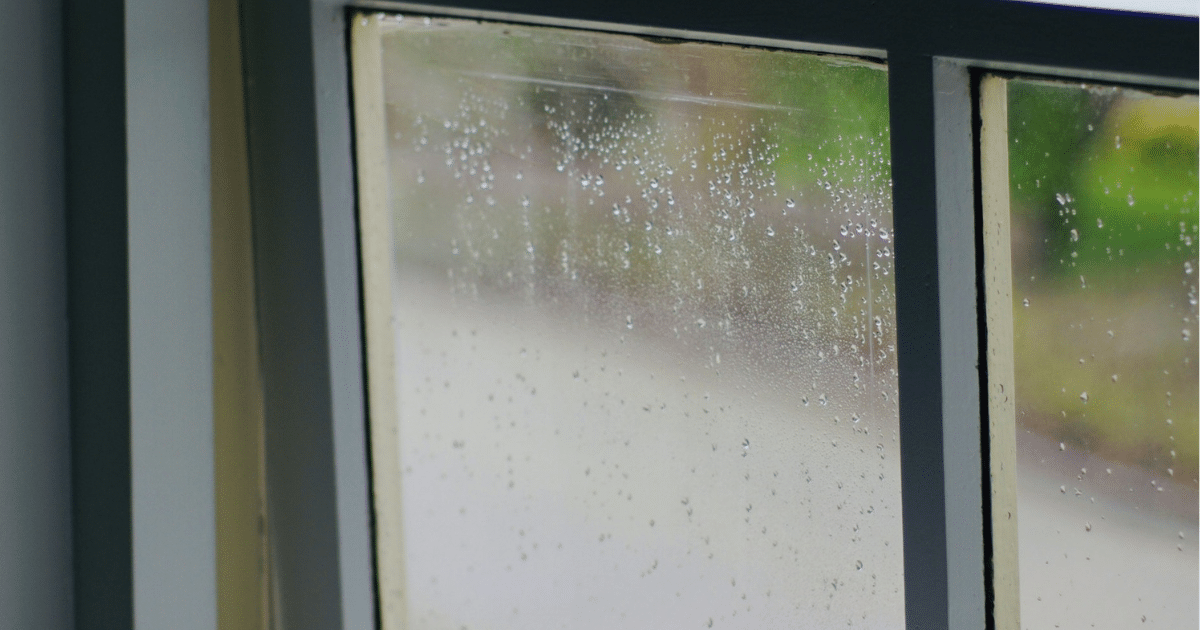

Window energy loss happens when heat moves through your glass by conduction, escapes through gaps and cracked seals by air infiltration, radiates inward from the sun, and bleeds out through poorly insulated frames. According to the U.S. Department of Energy, heat gain and heat loss through windows are responsible for 25% to 30% of residential heating and cooling energy use. This article breaks down every major reason windows lose energy, what the numbers on your window label actually mean, and how to tell when your windows are costing you more than they should.
Why Windows Are One of the Biggest Sources of Energy Loss in a Home
Windows are one of the biggest sources of energy loss in a home because glass conducts heat far faster than any insulated wall, ceiling, or floor. A standard wall insulated to R-13 resists heat transfer dramatically better than even the best single-pane glass, which has an R-value of just 0.03, according to Penn State University's energy conservation research. Even a double-pane window typically sits at R-2 to R-3. That gap in thermal resistance is enormous, and it shows up directly on your energy bill.
Penn State University research estimates that in 1990 alone, the energy used to offset unwanted heat gains and losses through windows in U.S. homes and commercial buildings cost approximately $20 billion, representing about one-quarter of all energy used for space heating and cooling. The numbers have shifted with more efficient window technology since then, but the underlying physics has not changed.
Windows typically cover 15% to 20% of your exterior wall surface area, according to Penn State. That percentage sounds modest. But because glass conducts heat so much faster than an insulated wall, even that smaller footprint accounts for a disproportionate share of your total energy loss.
Which Part of a House Loses the Most Heat?
The part of a house that loses the most heat depends on how well insulated each area is. According to Rise, a home improvement research organization, approximately 35% of all heat loss in a typical home occurs through the walls. Another 25% escapes through the roof or attic, and windows and doors together account for roughly 25% of heat loss, with an additional 10% lost through floors. Air leaks and drafts around windows, doors, and wall penetrations can account for up to 38% of heat loss in a poorly sealed home.
Per square foot, however, windows lose far more heat than walls. Walls are insulated; glass is not. A single-pane window loses heat at roughly 10 times the rate of an insulated wall of the same area. That is why upgrading windows and sealing air leaks consistently ranks among the highest-return energy efficiency improvements a homeowner can make.
What Are Two General Window Problems That Cause Energy Loss?
The two general window problems that cause energy loss are thermal conduction through the glass itself and air infiltration through gaps, failed seals, and deteriorated weatherstripping. These two mechanisms work independently and together. You can have a window with intact seals that still conducts heat heavily because it is single-pane. You can also have a modern double-pane window that loses efficiency because its frame seal has failed and air is moving through the gap.
Solving one without addressing the other leaves the problem only partially fixed. A thorough approach to window energy efficiency has to consider both the quality of the glass assembly and the airtightness of the installation and perimeter sealing.
How to Tell If Your Home Windows Are Bad
You can tell your home windows are bad if you notice drafts near closed windows, condensation between the glass panes, higher energy bills without an obvious explanation, rooms that feel cold or hot regardless of your thermostat setting, visible cracks or gaps in the frame, or difficulty opening and closing the window.
A simple test recommended by the U.S. Department of Energy is to hold a lit incense stick near the edges of a closed window on a windy day. If the smoke moves, outside air is getting in. Another quick check is the dollar bill test. Close the window over a folded dollar bill. If you can pull it out without resistance, the seal is not doing its job. For a complete picture of how much energy your windows are losing, a professional blower door test and infrared scan will identify every leak and thermal weak point in the window assembly.
If your windows are impact windows that have been damaged, bent at the frame, or had their seals compromised, those issues affect energy performance just as much as they affect storm protection. Inspect impact windows after any significant weather event for frame distortion or seal damage.
Conduction: How Heat Moves Directly Through the Glass
Conduction is the process by which heat moves directly through a solid material from the warm side to the cool side. Glass conducts heat readily because it is dense and has very low thermal resistance. In winter, warm indoor air heats the interior glass surface. That heat then moves straight through the glass and exits on the cold exterior side. In summer, the opposite happens. Hot outdoor air and solar radiation heat the exterior glass, and that heat conducts inward.
The U-factor rating on your window label measures exactly this. According to the U.S. Department of Energy, U-factor represents the rate at which a window transmits non-solar heat flow. The lower the U-factor, the more energy-efficient the window. A standard single-pane window has a U-factor of approximately 1.09. A high-quality double-pane window can reach as low as 0.25 to 0.30. Triple-pane windows can go as low as 0.15. Each step down in U-factor means significantly less heat flowing through the glass. The same U-factor principle applies to doors. A solid-core entry door with proper weatherstripping and insulating glass performs far better than an old hollow-core door when it comes to keeping conditioned air inside.
In hot climates, U-factor matters most for keeping air-conditioned indoor air from warming up against hot glass during any cooler periods. The bigger priority is typically blocking solar heat from entering, which is measured separately by the SHGC rating.
Solar Heat Gain: Why Summer Sun Drives Up Cooling Costs
Solar heat gain is heat that enters your home from sunlight passing through the glass. Unlike conductive heat loss, which happens whenever there is a temperature difference, solar heat gain happens any time sunlight hits the window. In a sunny hot climate, that is essentially year-round. The more solar heat your windows allow in, the harder your air conditioning system works to remove it.
The Solar Heat Gain Coefficient, or SHGC, measures this. According to the U.S. Department of Energy, SHGC is the fraction of solar radiation admitted through a window, either transmitted directly or absorbed and then released as heat inside the home. It is measured on a scale from 0 to 1. A window with an SHGC of 0.70 allows 70% of available solar heat to enter. A window with an SHGC of 0.25 allows only 25%.
According to the U.S. Department of Energy, about 76% of sunlight that falls on a standard double-pane window enters the home as heat during cooling seasons. That is a substantial cooling load. For hot climates, Energy Star recommends windows with an SHGC below 0.25. Older standard double-pane windows typically sit around 0.40 to 0.60 and allow far more solar heat in than modern low-emissivity glass.
Low-emissivity coatings, called Low-E glass, address this directly. These metallic coatings are applied to the glass surface and reflect a large portion of infrared heat and solar radiation before it can enter the room. Research from Optimal Windows notes that Low-E windows can reduce solar heat entry by up to 50% compared to uncoated glass while still maintaining visible light transmittance above 65%. That means you keep the view and the natural light without the heat penalty.
What Can I Put on Windows to Help Keep Heat Out?
You can put Low-E window film, cellular shades, reflective roller shades, or exterior solar screens on windows to help keep heat out. Each option targets solar heat gain differently. Low-E window film applies directly to the glass surface and reflects infrared radiation before it can enter. According to the U.S. Department of Energy, cellular shades can reduce unwanted solar heat gain through windows by up to 60% in cooling seasons, cutting total solar gain to roughly 20% when installed with a tight fit. Exterior solar screens block solar radiation before it even reaches the glass and are particularly effective on west and south-facing windows.
These are worthwhile interim measures, but they do not address conductive heat loss, air infiltration, or failed glass seals. If energy bills remain high despite adding window treatments, the window itself may need assessment or replacement.
Air Infiltration: How Gaps and Failed Seals Waste Energy
Air infiltration is the movement of unconditioned outside air into your home through gaps, cracks, and failed seals around and within your windows. It works both ways. In summer, hot humid air pushes into your cooled home. In winter, cold air replaces the heated air your system worked to condition. Either direction, you are paying for energy that immediately gets wasted.
According to ENERGY Star and the U.S. Environmental Protection Agency, air leakage accounts for 25% to 40% of the energy used for heating and cooling in a typical residence. The U.S. Department of Energy states that approximately 20% of total air infiltration in a home occurs through openings around windows, doors, and skylights. That means a window that looks closed and functional can still be a major source of energy waste.
The most common infiltration points are worn or compressed weatherstripping along the sash, cracked or missing caulk between the frame and the exterior wall, failed perimeter seals where the frame meets the rough opening, and broken or misaligned locks that prevent the window from pulling fully closed. Any one of these creates a path for outside air to move freely in and out regardless of how good the glass itself is. The same infiltration issues affect impact doors, where frame sealing and weatherstripping failure accounts for a substantial share of air leakage in well-insulated homes.
For homes with impact glass, air infiltration around the frame is still a risk if the installation was not done correctly or if the perimeter caulk has deteriorated over years of exposure. The glass may be performing perfectly while the frame seal lets air through.
Is It Cheaper to Insulate a House Than to Replace Windows?
It depends on where the largest energy losses are occurring in your specific home. Adding attic insulation typically has a lower upfront cost and a faster payback period for homes with poor attic insulation. However, if your windows are old, single-pane, or severely compromised by air infiltration and seal failure, replacing them often delivers both energy savings and comfort improvements that insulation alone cannot address. The U.S. Environmental Protection Agency's Energy Star program estimates that homeowners who air seal and add insulation can save an average of 15% on heating and cooling costs. Window replacement with Energy Star-certified products adds additional savings on top of that, particularly in climates with extreme heat or cold.
The best approach is a whole-house energy assessment. An auditor can identify which improvements will deliver the greatest return in your specific home before you invest in either project.
Radiant Heat Transfer: Why Glass Feels Hot in Summer
Radiant heat transfer is the emission of heat energy as infrared radiation from warm surfaces. Even when a window is perfectly sealed and there is no air movement, the warm glass surface radiates heat inward into the room. In summer, a west-facing window absorbs solar energy all afternoon and then radiates that absorbed heat into the room even after the sun has moved. In winter, your body radiates heat toward the cold glass surface, which makes you feel cold even when the room air temperature reads warm.
This radiant effect is distinct from conduction and solar gain, though all three often happen at the same time. Low-E coatings reduce radiant transfer by reflecting infrared radiation back to its source. In summer, the coating reflects solar infrared back outdoors. In winter, it reflects room heat back inward. That dual-direction performance is why Low-E glass improves comfort in both seasons, not just one.
Does Putting Aluminum Foil on Your Windows Keep the Heat Out?
Yes, putting aluminum foil on windows does reduce heat gain because aluminum reflects solar radiation. Research shows that reflective materials on windows can significantly reduce solar heat entering a room. However, aluminum foil blocks all natural light and creates a barrier that most homeowners find impractical for long-term use. It also does nothing for air infiltration, conductive heat loss, or the insulating performance of the glass itself.
Low-E window film achieves the same reflective benefit without blocking visible light. It is a more practical and aesthetically acceptable option for reducing solar heat gain. For a permanent solution, windows with factory-applied Low-E coatings and a low SHGC rating address the problem comprehensively and do not require any ongoing maintenance or seasonal changes.
Frame Material and How It Affects Energy Loss
The frame surrounding your glass is not just structural. It is also part of your window's thermal envelope. Some frame materials conduct heat aggressively, creating what engineers call a thermal bridge, where heat moves through the frame itself even when the glass is performing well. The three most common frame materials are aluminum, vinyl, and fiberglass, and they behave very differently in terms of energy performance.
Aluminum frames conduct heat at a high rate. A poorly designed aluminum frame can transfer heat almost as fast as the glass itself. This is why aluminum frames without a thermal break are rarely found in modern residential windows. A thermal break is a layer of low-conductivity material inserted into the aluminum frame to interrupt the heat pathway.
Vinyl frames conduct heat at a much lower rate than aluminum and require no thermal break to perform well. They are one of the most common choices for residential energy-efficient windows because of their combination of low conductivity and low maintenance.
Fiberglass frames offer the best thermal performance of the three. Fiberglass has very low conductivity, expands and contracts at nearly the same rate as glass under temperature changes, and maintains its dimensional stability over decades of use. For homes in coastal climates where intense sun and salt air degrade materials faster than inland regions, frame material choice has a direct impact on how long your windows maintain their energy performance. Homeowners who want this same frame durability in their doors will find that fiberglass doors deliver similar thermal and structural advantages.
What Are Common Power Window Problems?
Common power window problems include motor failure, broken regulators, damaged switches, slow or stuck movement, and window glass that sits off-track in its channel. While power windows are specific to vehicle windows, homeowners with motorized or automated window systems can face similar mechanical issues. For standard residential windows, the equivalent problems are broken lock mechanisms that prevent the window from sealing fully shut, damaged cranks on casement windows that cause the sash to sit slightly open, and worn hinges or tracks that allow the sash to shift out of its closed position. Any of these mechanical failures reduces the window's ability to seal tightly and contributes directly to air infiltration and energy loss.
Convection Currents: The Invisible Energy Drain Near Cold Glass
Convection is the movement of air caused by temperature differences. Cold glass chills the air directly in contact with it. That cooled air becomes denser and sinks to the floor. Warmer room air then moves toward the window to replace it, gets cooled in turn, and sinks again. This cycling creates a constant current of cool air near the window that feels very much like a draft even when the window has no actual air leak.
Single-pane windows and windows with failed double-pane seals produce the most severe convection currents because the interior glass surface gets cold fastest. Modern double-pane and triple-pane windows with low U-factors keep the interior glass surface closer to room temperature, which dramatically reduces convection. According to research from Optimal Windows, double-pane windows with a U-factor of 0.30 can cut energy loss compared to single-pane windows by up to 43%.
If you feel a persistent cold sensation along your floor near a window in winter, convection from cold glass is very likely the cause. Upgrading to a properly installed window with a low U-factor addresses this directly. Insulating curtains and cellular shades can help reduce the effect by covering the glass surface, but they do not improve the window's underlying thermal performance.
Energy Loss MechanismMeasured ByAffected ByBest FixConduction (heat through glass)U-factor (lower = better)Number of panes, gas fill, frame materialDouble/triple-pane with low U-factorSolar heat gainSHGC (lower = less heat in)Glass coating, tint, orientationLow-E glass with SHGC below 0.25 in hot climatesAir infiltrationAir Leakage (AL) ratingWeatherstripping, caulk, seal integrityReplace weatherstripping; reseal; replace windowRadiant transferLow-E coating performanceGlass surface temperature, coatingsLow-E coated glassFrame conduction (thermal bridging)U-factor (whole window)Frame material; thermal break presenceVinyl or fiberglass frames; thermal break aluminumConvection currentsU-factor (glass surface temperature)Glass R-value, pane countDouble/triple-pane; insulating shades as interim
Sources: U.S. Department of Energy, energy.gov; National Fenestration Rating Council (NFRC); Energy Star / U.S. Environmental Protection Agency, energystar.gov; Penn State University, EGEE 102 Energy Conservation research; Optimal Windows research data.
How Much Energy Is Lost Through Windows in a Year?
Windows are responsible for 25% to 30% of residential heating and cooling energy use, according to the U.S. Department of Energy. The Department of Energy also estimates that the average American household spends approximately $2,000 per year on energy, and $200 to $400 of that is wasted through drafts, air leaks, and outdated windows and heating systems. Reducing window energy loss through sealing, improved treatments, or replacement can save 5% to 30% annually depending on the severity of the problem and the quality of the solution.
For commercial buildings and high-rises, the scale of the loss is far greater. A United Nations study cited by multiple energy researchers found that buildings consume approximately 40% of all global energy, and a significant share of that consumption is tied to windows. For high-rise buildings in hot humid climates, window performance is often the single largest variable in a building's energy operating cost. Our commercial impact windows are engineered specifically for these high-performance demands.
What Can I Cover My Windows With to Keep Cold Out DIY?
You can cover your windows with window insulation film kits, heavy insulating curtains, cellular shades, or rope caulk applied along the sash to keep cold out using DIY methods. Window insulation film shrinks tight with a hair dryer and creates an additional air layer over the glass surface. Insulating curtains with a thermal lining block both cold air movement near the glass and radiant heat loss. The U.S. Department of Energy notes that insulated draperies can reduce heat loss through windows by up to 10%.
These are effective temporary or seasonal measures. They address the symptom of cold-feeling windows without resolving the root cause. If your windows have failed seals, missing insulation behind the frame, or deteriorated weatherstripping, a professional assessment is the next step after any DIY measures you choose to take. For more permanent light and heat control, professionally fitted window blinds designed for energy performance offer a better long-term result than improvised coverings.
What Windows Reduce Energy Loss the Most?
Windows that reduce energy loss the most are Energy Star-certified double-pane or triple-pane windows with Low-E coatings, argon or krypton gas fill between the panes, a low U-factor, a low SHGC rating for hot climates, and an air leakage rating of 0.30 or lower. Each of these features addresses a different energy loss mechanism, and having all of them together produces dramatically better performance than any single upgrade alone.
For hot, sunny climates, SHGC is the most important factor. The Energy Star program recommends windows with a U-factor at or below 0.40 and an SHGC at or below 0.25 for the South climate zone. Most older standard windows in the region have SHGC values two to three times higher than that, which means they are allowing in two to three times more solar heat than a modern efficient window would. That difference translates directly into longer air conditioning run times and higher electricity bills every month of the year.
Impact-rated windows with Low-E glass and a low SHGC combine the structural protection required by local hurricane codes with energy performance that addresses all six mechanisms of window energy loss simultaneously. For homeowners considering a window upgrade, our residential services cover impact windows for every home type and size.
Why Do Rich People Leave Their Windows Uncovered?
Rich people leave their windows uncovered because high-performance windows with Low-E coatings, low SHGC glass, and low U-factors manage heat, glare, and UV radiation so effectively that heavy window treatments are not needed for thermal reasons. When a window is doing its job properly, the glass surface stays close to room temperature, solar heat gain is minimal, and the view stays clear and comfortable. Covering the window becomes a purely aesthetic choice rather than an energy or comfort necessity. Investing in high-performance glass eliminates the thermal discomfort that drives most homeowners to use heavy curtains in the first place.
How to Tell If Your Windows Are Wasting Energy
Your windows are wasting energy if your energy bills are higher than expected for your home's size, if some rooms feel significantly warmer or cooler than others near the windows, if you feel air movement near closed windows on windy days, if you see condensation between glass panes, or if your HVAC system runs nearly continuously during hot or cold weather without reaching the set temperature.
A professional energy audit is the most complete way to confirm window performance issues. Infrared thermal imaging shows exactly where heat is moving through or around your windows. The U.S. Department of Energy recommends using a blower door test combined with infrared camera analysis to identify all infiltration points and thermal weak spots. Once you know where the losses are, you can make targeted decisions about whether sealing, repair, or replacement will deliver the best return.
We work with homeowners across South Florida where intense sun and humidity make window performance a year-round energy priority, not just a winter concern. If you suspect your windows are driving up your bills, a free estimate starts the process. Call us at (888) 782-8342.
Frequently Asked Questions
Which Part of a House Loses the Most Heat?
The part of a house that loses the most heat overall is typically the walls, which account for approximately 35% of heat loss in a typical home, according to Rise. Roofs and attics account for roughly 25%. Windows and doors together account for about 25%, but on a per-square-foot basis, windows lose heat faster than any other surface in the home because glass has far less thermal resistance than insulated wall construction. Addressing air leaks around windows and upgrading to efficient glazing delivers some of the most immediate comfort improvements of any home energy project.
Is It Cheaper to Insulate a House Than to Replace Windows?
Attic insulation is generally cheaper per square foot and often delivers a faster payback than window replacement when attic insulation is severely lacking. However, window replacement is the better investment when windows are old, single-pane, severely leaking air, or have failed glass seals. According to the U.S. Environmental Protection Agency, homeowners who air seal and properly insulate can save an average of 15% on heating and cooling costs. The ideal approach is an energy audit that identifies the highest-priority improvements for your specific home before committing to either project.
How to Tell If Your Home Windows Are Bad
You can tell your home windows are bad if you notice drafts near closed windows, feel a cold sensation when standing near glass in winter, see condensation trapped between the panes, notice higher energy bills, or find that rooms next to large windows are consistently harder to keep at a comfortable temperature. The incense smoke test recommended by the U.S. Department of Energy is a simple DIY check. Hold a lit incense stick near the closed window edges on a windy day. If the smoke moves, air is leaking in. For a full assessment of glass performance and frame condition, a professional energy audit is the most reliable approach.
What Is the Cheapest Time of Year to Replace Windows?
The cheapest time of year to replace windows is typically late fall and winter, when installation demand drops and contractors may offer more flexible scheduling and pricing. Spring and summer are peak seasons for window replacement in most markets, which often means longer wait times and less scheduling flexibility. That said, choosing a licensed and experienced installer matters more than timing. A window installed correctly in peak season will outperform one installed poorly during a slow period. Always verify licensing and insurance before any window installation project begins.
What Are Two General Window Problems That Cause Energy Loss?
The two general window problems that cause energy loss are poor thermal performance of the glass itself and air infiltration through gaps, seals, and weatherstripping. Poor glass performance means heat conducts through the window too easily, either because the glass is single-pane, has a high U-factor, or lacks Low-E coatings. Air infiltration means outside air is physically moving through the window assembly. Both problems raise energy bills and reduce comfort, and both need to be addressed to fully eliminate a window's contribution to energy loss. Many homes have both issues operating simultaneously in the same window.
Does Putting Aluminum Foil on Your Windows Keep the Heat Out?
Yes, aluminum foil on windows does keep some heat out by reflecting solar radiation before it can enter the glass. Reflective surfaces can meaningfully reduce solar heat gain through a window. However, aluminum foil eliminates natural light entirely and is not a practical long-term solution for most homes. It also does nothing to address air infiltration, conductive heat loss, or glass insulation performance. Low-E window film achieves similar reflective benefits while still allowing visible light through and is a far more practical option for homeowners who need to reduce solar heat gain without a full window replacement.
Putting It All Together
Window energy loss is not one problem. It is six problems working at the same time: conduction through the glass, solar heat gain from sunlight, air infiltration through gaps and seals, radiant transfer from warm and cold surfaces, frame conduction through thermal bridging, and convection currents from cold glass surfaces. Each one raises your energy bills and reduces how comfortable your home feels. Addressing only one while ignoring the others leaves most of the problem intact.
According to the U.S. Department of Energy, heat gain and heat loss through windows account for 25% to 30% of residential heating and cooling energy use. In a hot climate where cooling runs most of the year, that percentage represents a significant and ongoing expense. Modern impact-rated windows with Low-E coatings, a low SHGC, and properly sealed frames address all six mechanisms together. For most homeowners, replacing old inefficient windows is among the most effective energy investments they can make, combining lower energy bills with improved comfort and storm protection in a single upgrade.
If your windows are contributing to high energy bills or uncomfortable rooms, we are ready to help. Contact ASP Windows & Doors at (888) 782-8342 for a free estimate and let us show you what the right windows can do for your home's comfort and efficiency.
Now Accepting Appointments
Proudly serving homeowners and businesses across South Florida and Southwest Florida. Book your visit and let our experts help protect and upgrade your space.
.avif)
.avif)
.avif)
%201.avif)
Insights & Resources
Stay informed with expert tips on impact windows, hurricane protection, and South Florida building standards.


%201.webp)
%201%20(1).webp)
%201.svg)
%201%20(1)%20(1).webp)
.png%20(1).webp)
.png.webp)
.avif)
.avif)


.avif)


.png)
.png)