.avif)


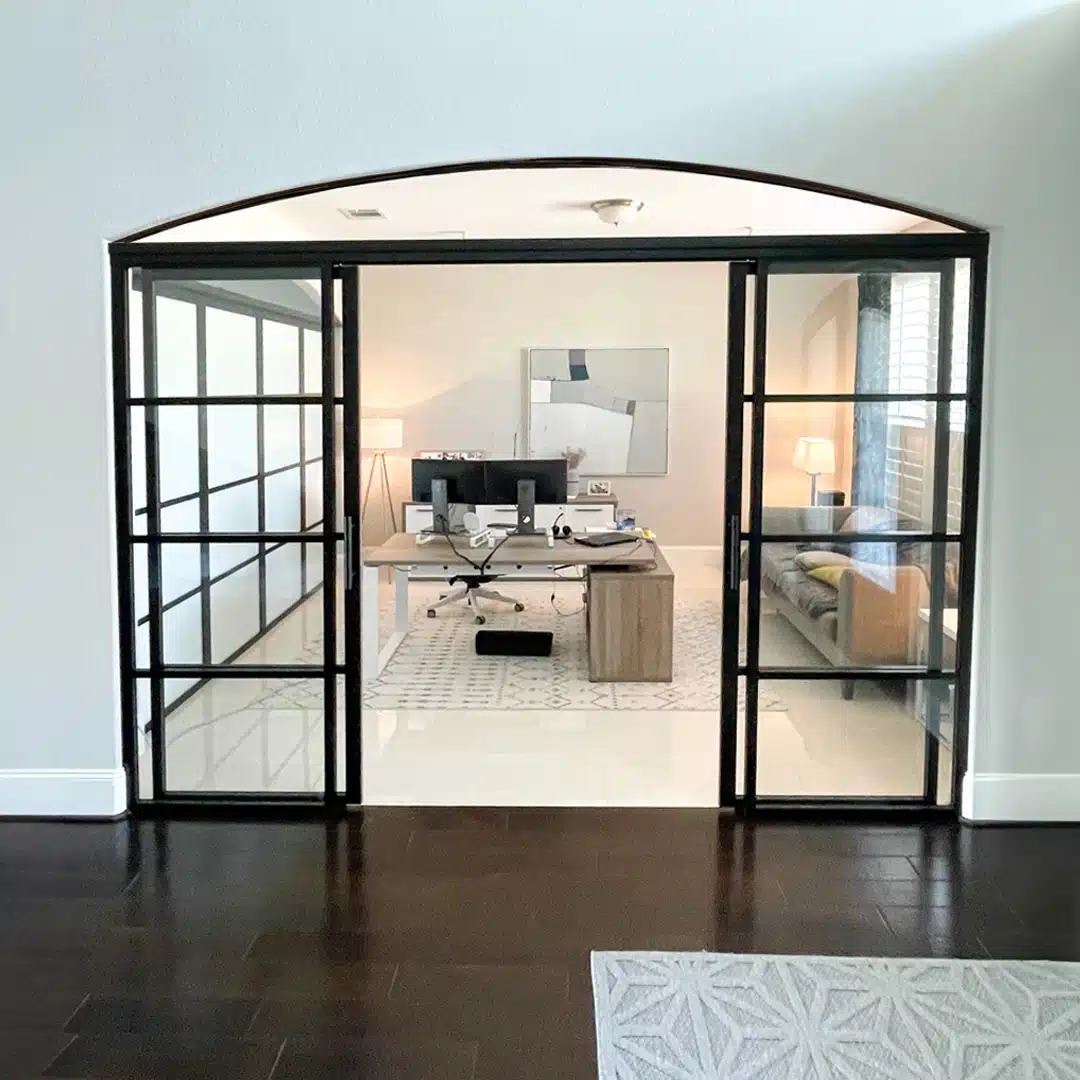

You can buy sliding glass doors from home improvement retailers like Lowe's and Home Depot for standard models, from manufacturer showrooms like Andersen and Milgard for premium options, or from licensed specialty contractors for impact-rated doors with professional installation and full warranty coverage. The best place to buy depends on your home's location, your local building code requirements, and whether you need a basic patio door or a hurricane-rated system built to withstand extreme weather.
This guide walks through every purchase channel available to homeowners, explains what to look for in each frame material, covers standard sizing and configuration options, and addresses the specific requirements for buying sliding glass doors in hurricane-prone regions. By the end, you will know exactly where to buy and what to ask for before you spend a dollar.
Key Takeaways
- Big-box retailers offer affordable standard sliding glass doors, but specialty contractors provide impact-rated doors with professional installation and deeper warranties.
- Sliding doors held the largest revenue share of 43.4% in the U.S. patio doors market for single-family homes in 2024, according to Grand View Research.
- Frame material matters: vinyl doors last 20-30 years, fiberglass lasts 30-50 years, and aluminum lasts 15-25 years in coastal environments.
- The most common standard sliding glass door size is 72 inches wide by 80 inches tall for a two-panel unit.
- ENERGY STAR certified sliding glass doors reduce heating and cooling costs by up to 13% compared to non-certified products.
- In Florida's High-Velocity Hurricane Zones (Miami-Dade and Broward Counties), impact-rated sliding glass doors are required by building code.
- Replacing exterior doors can increase home value with an ROI of up to 65%, according to NerdWallet.
Where Can You Buy Sliding Glass Doors for Your Home?
You can buy sliding glass doors from four main channels: home improvement retailers, manufacturer showrooms, online suppliers, and licensed specialty contractors. Each channel serves a different type of buyer, and the right choice depends on your project scope, your budget, and whether you need basic replacement or a code-compliant, professionally installed system.
Home improvement retailers like Lowe's and Home Depot stock standard vinyl and fiberglass sliding glass doors from brands like Pella, JELD-WEN, and RELIABILT. These stores offer the broadest selection of affordable, off-the-shelf options for homeowners who need a basic two-panel patio door. Lowe's alone carries over 890 patio door products across sliding, French, center-hinged, and folding configurations. Retailers work well for straightforward replacements where the existing opening matches a standard size and local building codes do not require impact-rated glass.
Manufacturer showrooms from companies like Andersen, Milgard, and Window World let you see and operate the actual door before purchasing. Andersen offers seven distinct product series for sliding doors, ranging from their entry-level 100 Series to the fully customizable E-Series. Manufacturer showrooms give homeowners direct access to the full range of sizes, glass types, frame materials, and hardware finishes that retailers may not stock. This channel works best for custom projects, non-standard openings, and homeowners who want a specific brand and configuration.
Licensed specialty contractors, like dedicated window and door companies, handle the entire process from measurement through permitting, installation, and final inspection. The U.S. windows and patio doors market for single-family homes reached $8.51 billion in 2024, according to Grand View Research, and a significant share of that volume moves through contractor channels. Specialty contractors carry products from multiple manufacturers and can match the right door to your home's structural requirements, wind zone, and energy code. This channel is the strongest option for impact-rated installations, hurricane zone compliance, and projects that require permits.
Should You Buy Sliding Glass Doors From a Big-Box Store or a Specialty Contractor?
You should buy sliding glass doors from a big-box store for basic replacements in non-hurricane zones and from a specialty contractor for impact-rated doors, custom sizes, or installations that require permits and code compliance. The difference comes down to what happens after you buy the door.
Big-box retailers sell sliding glass doors at competitive prices, and some offer basic installation services through third-party subcontractors. The trade-off is that the retailer's installation warranty and the manufacturer's product warranty are separate. A retailer's installation warranty typically covers labor for one year, while the manufacturer covers the product itself. Coordination between the two can be difficult when a problem arises years after installation.
Specialty contractors bundle the product, installation, permitting, and warranty into a single relationship. When the same company measures, orders, installs, and inspects the door, accountability stays in one place. This matters most for impact doors and hurricane-rated products where improper installation voids the product's wind-load certification. A 2024 report by Zonda and Remodeling Magazine confirmed that exterior replacement projects consistently produce the highest return on investment among all home improvement categories, with door replacements among the top-performing projects. That return depends heavily on professional installation.
Can You Buy Just the Sliding Glass Door?
Yes, you can buy just the sliding glass door panel, the full door unit without installation, or a complete door-and-installation package. Home improvement retailers and online suppliers sell door units on their own. Andersen, for example, sells replacement patio door panels through its online Parts Store for homeowners who need to swap a damaged panel without replacing the entire frame assembly.
Buying the door without installation saves money upfront, but it transfers all measurement, structural, and code-compliance responsibility to the homeowner. A sliding glass door that does not fit the rough opening precisely will leak air, allow water intrusion, and operate poorly. Standard rough openings require the frame to be slightly larger than the door unit to allow for shimming and leveling. Diagonal measurements from corner to corner must match within 1/4 inch for the opening to be considered square. Errors in measurement are the most common reason door replacements fail, and those errors are not covered by the manufacturer's product warranty.
For homeowners comfortable with DIY installation on a standard-size replacement, buying the door only is a viable path. For anything involving structural changes, non-standard openings, or impact glass, professional installation is the safer investment.
What to Look For When Buying a Sliding Glass Door
The most important factors when buying a sliding glass door are frame material, glass type, panel configuration, energy rating, design pressure rating, and warranty coverage. Each factor affects how long the door lasts, how well it performs, and how much it saves on energy costs over its lifespan.
- Frame material: Vinyl, fiberglass, and aluminum are the three primary frame materials. Each offers a different balance of strength, insulation, weight, and cost. Frame material determines both the door's lifespan and its thermal performance.
- Glass type: Double-pane glass with Low-E coatings is the current standard. Triple-pane glass offers higher insulation for extreme climates. Laminated impact glass is required in hurricane zones. Windows, doors, and skylights can account for up to 25% of a home's total energy loss, according to Natural Resources Canada, so glass selection directly affects monthly utility bills.
- Panel configuration: Two-panel doors are the most common and most affordable. Three-panel and four-panel configurations provide wider openings but cost more and require larger structural headers.
- Energy rating: ENERGY STAR certified sliding glass doors reduce heating and cooling costs by an average of up to 13% compared to non-certified products, based on ENERGY STAR program data.
- Design pressure (DP) rating: Design pressure measures a door's resistance to wind load. Standard residential sliding doors carry DP 35-50 ratings. Impact-rated sliding doors for hurricane zones carry DP ratings of 50-150 or higher.
- Warranty coverage: The strongest warranties come from manufacturers who sell through authorized dealers and contractors. Buying from unauthorized channels can void or limit manufacturer warranty coverage.
What Frame Material Is Best for Sliding Glass Doors?
The best frame material for sliding glass doors depends on your climate, budget, and performance priorities. Vinyl delivers the lowest cost and easiest maintenance. Fiberglass provides the longest lifespan and strongest thermal performance. Aluminum offers the thinnest sightlines and highest structural strength for large openings.
Vinyl frames use polyvinyl chloride (PVC), a thermoplastic polymer that resists moisture, corrosion, and rot. Vinyl sliding glass doors require no painting, no staining, and minimal upkeep. The multi-chambered design of premium vinyl frames provides strong insulation, and vinyl's low thermal conductivity keeps heat transfer through the frame to a minimum. Vinyl sliding glass doors typically last 20 to 30 years in standard residential conditions, according to industry data from APRO Door and Perfect Sliding Doors.
Fiberglass frames are made from pultruded glass fibers bonded with resin, creating a material that expands and contracts at nearly the same rate as the glass it holds. Fiberglass sliding glass doors resist warping, cracking, and seal failure over decades of temperature cycling. Fiberglass sliding glass doors last 30 to 50 years, according to data from Delco Windows and multiple industry sources. Fiberglass frames can also be painted, giving homeowners the ability to change the door's exterior color without replacing the unit.
Aluminum frames provide the thinnest frame profiles of any material, maximizing the visible glass area. Milgard's A250 Thermally Improved Aluminum sliding doors, for example, offer nearly seamless views through ultra-narrow sightlines. Aluminum is the strongest frame material by weight, making it the preferred choice for very large panel configurations and commercial applications. Aluminum sliding glass doors last 15 to 25 years in coastal environments, though thermally broken aluminum frames with powder-coat finishes perform significantly longer. Aluminum conducts heat more readily than vinyl or fiberglass doors, so thermal breaks in the frame are critical for energy performance.
Frame MaterialTypical LifespanEnergy EfficiencyStructural StrengthBest UseVinyl (PVC)20-30 yearsHigh (low thermal conductivity)Moderate (needs reinforcement for large spans)Standard residential, budget-friendlyFiberglass30-50 yearsHighest (matches glass expansion rate)High (does not warp or bow)Premium residential, extreme climatesAluminum15-25 years (coastal); 30-50 years (thermally broken)Moderate (requires thermal break)Highest (thinnest profiles, largest spans)Large openings, commercial, modern design.
Which Is Better, Fiberglass or Vinyl Sliding Doors?
Fiberglass is better than vinyl for sliding doors when longevity, dimensional stability, and thermal performance are the top priorities. Vinyl is better when upfront cost and low maintenance are the primary concerns. Both materials resist moisture and corrosion, making them strong choices for residential sliding glass doors.
Fiberglass sliding doors outlast vinyl sliding doors by 10 to 20 years on average. Fiberglass resists UV degradation better than vinyl, and fiberglass frames do not soften in extreme heat or become brittle in extreme cold. Andersen's Fibrex composite material, used in their 100 Series sliding doors, is twice as strong as vinyl and can withstand temperatures up to 150 degrees Fahrenheit without warping. Vinyl frames in dark exterior colors absorb more solar heat than lighter colors, and that heat absorption can accelerate expansion and seal wear over time.
Vinyl sliding doors cost less upfront than fiberglass. For homeowners replacing a standard two-panel patio door in a moderate climate, vinyl provides excellent performance at the lowest price point. Window World's vinyl sliding patio doors, for example, come with a lifetime limited warranty, tandem roller systems for smooth operation, and durable weatherstripping that keeps air infiltration low. Vinyl's cost advantage narrows over the door's full lifespan when you factor in fiberglass's longer service life and lower risk of seal failure. The global sliding glass door system market reached $3.5 billion in 2024, according to Verified Market Reports, and vinyl remains the dominant material by volume across residential installations.
What Type of Sliding Glass Door Is Best?
The best type of sliding glass door is a two-panel vinyl or fiberglass unit for standard residential openings, a multi-panel configuration for wide openings, or an impact-rated sliding impact door for hurricane zones. The right type depends on the size of your opening, your climate, and your functional priorities.
Two-panel sliding glass doors are the most popular configuration in residential homes. One panel slides horizontally along a track while the other panel remains fixed. Two-panel doors fit standard rough openings of 60 to 72 inches wide and provide a clean, simple operation that works well for patios, decks, and backyard access points. Sliding doors held the largest revenue share at 43.4% of the U.S. patio doors market for single-family homes in 2024, according to Grand View Research, and two-panel sliders account for the majority of that share.
Three-panel sliding glass doors widen the opening to 96 inches or more, with the center panel typically fixed and the two outer panels sliding toward the center. Three-panel doors bring significantly more natural light into the room and create a larger passageway for indoor-outdoor entertaining. Four-panel sliding doors extend beyond 120 inches wide and create a nearly wall-sized glass opening. Both three-panel and four-panel configurations require wider structural headers and cost more than standard two-panel units.
Impact-rated sliding glass doors use laminated glass with a polyvinyl butyral (PVB) or SGP interlayer bonded between two glass panes, installed in reinforced aluminum or fiberglass frames. Impact-rated sliders undergo large missile testing, where a 9-pound 2x4 lumber piece strikes the glass at 50 feet per second, followed by 9,000 alternating pressure cycles that simulate sustained hurricane conditions. These doors are required in Florida's High-Velocity Hurricane Zones and provide year-round benefits including noise reduction, UV protection, and enhanced security against break-ins.
What Is the Most Common Size Sliding Glass Door?
The most common size sliding glass door is 72 inches wide by 80 inches tall for a standard two-panel unit. This 6-foot by 6-foot-8-inch dimension fits the majority of residential rough openings built since the 1970s and remains the industry's bestselling size across all major manufacturers.
Standard sliding glass door heights are 80 inches (6 feet 8 inches) and 96 inches (8 feet). The 80-inch height matches standard interior door heights throughout the home, creating a consistent visual line. The 96-inch height is increasingly popular in new construction and modern homes where taller ceilings allow floor-to-ceiling glass for maximum natural light. Standard widths for two-panel doors include 60, 72, and 96 inches. Standard widths for three-panel doors start at 96 inches and extend to 108 inches or wider. Four-panel configurations typically span 120 to 192 inches.
Custom sliding glass door sizes are available from most manufacturers for openings that do not match standard dimensions. Custom doors cost more than standard sizes and require longer lead times for fabrication. If you are planning a new construction project or a major renovation, working with a custom design specialist helps match the door dimensions to your exact opening and architectural vision.
What Is the Difference Between a Sliding Glass Door and a French Door?
The difference between a sliding glass door and a French door is how they open: sliding glass doors glide horizontally along a track, while French doors swing open on hinges like traditional doors. Each style suits different spaces, budgets, and design preferences.
Sliding glass doors save floor space because the panels move along a track without swinging into the room or onto the patio. Sliding doors are ideal for tight spaces, small patios, balconies, and rooms where furniture placement near the door would block a swinging door's arc. French doors require clearance equal to the full width of each door panel on either the interior or exterior side, depending on whether the doors swing inward or outward.
French doors create a wider unobstructed opening when both panels are open. A standard 72-inch French door opens to a full 72-inch clear passageway, while a standard 72-inch sliding glass door opens to only 36 inches of clear passageway because one panel remains fixed. French doors offer a more traditional, classic aesthetic that works well in colonial, Mediterranean, and craftsman-style homes. Sliding glass doors offer a contemporary, minimalist look that emphasizes clean lines and expansive glass.
Both styles are available in impact-rated versions for hurricane zones, in multiple frame materials, and with Low-E glass coatings for energy efficiency. The choice between sliding glass doors and French doors is primarily about space, clearance, and design preference rather than performance.
Do Sliding Glass Doors Help With Energy Efficiency?
Yes, sliding glass doors help with energy efficiency when they are built with double-pane or triple-pane Low-E coated glass, insulated frames, and tight weatherstripping. ENERGY STAR certified sliding glass doors reduce heating and cooling costs by an average of up to 13% compared to non-certified products, according to ENERGY STAR program data.
Low-emissivity (Low-E) glass coatings reflect infrared heat energy while allowing visible light to pass through. Low-E coatings keep solar heat outside during summer and retain interior warmth during winter, reducing the load on heating and cooling systems year-round. Homeowners who replace single-pane sliding doors with ENERGY STAR certified units often see a 20 to 35% reduction in energy costs related to patio door heat loss, according to Five Seasons Windows research. Triple-pane glass with two Low-E coatings provides the highest insulation value and is particularly effective in climates with extreme temperature swings.
Argon gas fill between the glass panes reduces convective heat transfer more effectively than air alone. Argon is denser than air, slows molecular movement between panes, and improves the door's overall U-factor (a measure of heat flow through the assembly). A properly insulated triple-pane door with Low-E glass can reduce heating and cooling costs by 12 to 28%, depending on home size and geographic location, according to Madison Door. The global sliding door market's growth is driven in part by this energy efficiency advantage, with the sliding glass door system market projected to reach $5.8 billion by 2033, according to Verified Market Reports.
Do Sliding Glass Doors Increase Home Value?
Yes, sliding glass doors increase home value by improving curb appeal, enhancing natural light, and adding energy efficiency. Replacing exterior doors can yield a return on investment of up to 65%, according to NerdWallet. The 2024 Cost vs. Value Report published by Zonda confirmed that exterior replacement projects, including door replacements, consistently outperform interior renovation projects in resale value.
Modern sliding glass doors connect indoor living spaces to outdoor areas, creating the open-concept flow that today's homebuyers prioritize. Impact windows and doors add even more value in hurricane-prone regions because they satisfy building code requirements, reduce insurance premiums, and eliminate the need for storm shutters. Andersen's 2024 brand survey of U.S. builders and realtors found that Andersen windows and doors increase a home's value by at least 15%. Energy-efficient sliding doors also reduce the strain on HVAC systems, which extends the life of heating and cooling equipment and lowers ongoing operating costs for the homeowner.
What Is the Average Lifespan of a Sliding Glass Door?
The average lifespan of a sliding glass door is 20 to 30 years, depending on frame material, glass quality, installation precision, and maintenance frequency. High-quality fiberglass sliding doors can exceed 40 years of service, while vinyl doors typically reach 20 to 30 years and aluminum doors in coastal environments last 15 to 25 years without refinishing.
Maintenance extends the lifespan of any sliding glass door. Cleaning the track twice per year removes dirt and debris that accelerate roller wear. Lubricating the track and rollers with a dry silicone spray every six to twelve months keeps the door gliding smoothly and reduces strain on the hardware. Inspecting weatherstripping annually and replacing worn seals prevents air leakage and water intrusion. Doors exposed to salt air in coastal areas require more frequent cleaning and inspection because salt accelerates corrosion on hardware, rollers, and exposed metal components.
The 89% of U.S. homes that are under-insulated, according to the Insulation Institute, lose conditioned air through gaps around old windows and doors. A sliding glass door that is past its useful life does not just look worn; it actively costs the homeowner money every month in wasted energy. Replacing an aging sliding glass door with a modern, properly sealed unit addresses one of the most common leakage points in a home.
Where Should You Buy Sliding Glass Doors for a Hurricane Zone?
You should buy sliding glass doors for a hurricane zone from a licensed specialty contractor who carries Miami-Dade approved, impact-rated products and handles the full permitting and inspection process. In South Florida, the Florida Building Code requires impact-rated protection for all glazed openings in the High-Velocity Hurricane Zone (HVHZ), which includes Miami-Dade and Broward Counties.
Impact-rated sliding glass doors differ from standard sliding glass doors in three critical ways: the glass is laminated with a PVB or SGP interlayer that holds together on impact, the frame is reinforced to resist wind loads exceeding 150 mph, and the entire assembly is tested to Florida's TAS 201, TAS 202, and TAS 203 testing protocols. A door that passes all three TAS tests has demonstrated it can withstand large missile impact, cyclic wind pressure, and sustained hurricane-force loading without failure.
Buying impact-rated sliding glass doors from a big-box retailer is possible, but the door alone does not satisfy code. The installation must be performed by a licensed contractor, a building permit must be pulled, and the final installation must pass inspection. Insurers in Broward and Palm Beach Counties grant the full opening-protection credit only when every glazed opening in the home is protected with approved products. A single unprotected slider can cost a homeowner the entire insurance discount. We see this constantly across our projects in South Florida, where homeowners who invest in full-home impact protection save significantly on annual premiums while gaining peace of mind for every hurricane season.
Are Impact-Rated Sliding Glass Doors Worth It?
Yes, impact-rated sliding glass doors are worth it because they provide hurricane protection, reduce insurance premiums, block noise, filter UV rays, and add resale value. The upfront investment in impact-rated impact sliding doors pays back through combined savings within four to six years, according to industry estimates.
Impact-rated laminated glass blocks up to 99% of UV radiation, protecting interior furniture, flooring, and artwork from fading. Laminated glass also reduces exterior noise by 25 to 50% compared to standard single-pane glass, creating a quieter indoor environment in urban and high-traffic areas. The security benefit is significant as well: laminated impact glass does not shatter into removable pieces when struck, making forced entry through the glass far more difficult than with standard tempered glass.
Florida homeowners in wind-borne debris regions receive measurable insurance discounts for impact-rated openings. The discount varies by insurer and location, but full opening protection across all windows and doors in a home typically reduces the windstorm premium by a meaningful percentage. Combined with energy savings from Low-E glass glazing and the resale value increase documented in the 2024 Cost vs. Value Report, impact-rated sliding glass doors represent one of the highest-return exterior upgrades a homeowner can make.
What Is Better Than a Sliding Door?
French doors, bi-fold doors, and pivot doors are better than sliding doors in specific situations where a wider clear opening, a traditional aesthetic, or a dramatic entryway is the primary goal. Sliding doors remain the best choice for space efficiency, modern design, and budget-friendly patio access.
French doors are better than sliding doors when the homeowner wants a full-width opening and a classic architectural style. Bi-fold doors are better when the homeowner wants to fold multiple panels against a wall to create an entirely open wall between indoor and outdoor spaces. Bi-fold systems with four to eight panels can span 16 feet or more and fold compactly to one side. Pivot doors are better when the homeowner wants a single large statement door that rotates on a central or offset hinge point, creating a dramatic entryway with a contemporary design.
Entry doors serve a different purpose entirely, providing the primary access point to the home with security hardware, weather sealing, and curb appeal as the main priorities. Each door type solves a specific problem, and many homes benefit from more than one style in different locations. A sliding glass door on the back patio, French doors off the dining room, and a pivot door at the front entry can all coexist in the same home when each placement matches the space's functional and aesthetic requirements.
How to Prevent Common Problems With Sliding Glass Doors
Common problems with sliding glass doors include stiff or sticky operation, air drafts around the frame, condensation between glass panes, and worn rollers or tracks. Most of these issues are preventable with regular maintenance and proper installation.
Stiff operation typically results from dirt, debris, or pet hair accumulating in the bottom track. Vacuuming the track and wiping it with a damp cloth every few months prevents buildup from reaching the rollers. Applying a silicone-based lubricant to the track and rollers once or twice per year keeps the door gliding smoothly. Avoid petroleum-based lubricants like WD-40 on sliding door tracks because petroleum attracts dust and creates a sticky residue that makes the problem worse over time.
Air drafts indicate worn weatherstripping, which is replaceable without replacing the entire door. Most manufacturers sell replacement weatherstripping kits, and a competent homeowner can install new seals in under an hour. Condensation between glass panes signals a failed seal in the insulated glass unit (IGU), which means the argon gas fill has leaked and moisture has entered the space between panes. A failed IGU requires glass replacement, not just seal repair. Replacing the glass panel is significantly cheaper than replacing the entire door assembly, and Andersen and other major manufacturers sell replacement panels through authorized dealers.
Roller replacement is the most common mechanical repair for sliding glass doors. Rollers carry the full weight of the sliding panel and wear down over years of use. Replacement rollers for most major brands are available through parts stores and authorized vinyl vs aluminum resources. Replacing worn rollers restores smooth operation and extends the door's usable life by years.
Frequently Asked Questions
What Is the Difference Between a Left-Hand and Right-Hand Sliding Door?
The difference between a left-hand and right-hand sliding door is which panel moves and in which direction. A left-hand sliding door has the operable panel on the left side when viewed from the exterior, sliding to the right to open. A right-hand sliding door has the operable panel on the right side, sliding to the left. The "hand" of the door is always determined from the exterior (outside looking in). Choosing the correct hand ensures the door opens toward the area where you want foot traffic to flow and avoids blocking furniture, walls, or adjacent doors.
What Is a Good Replacement for a Sliding Glass Door?
A good replacement for a sliding glass door is another sliding glass door in a newer, more energy-efficient model. Homeowners who want a different style can replace a sliding door with French patio doors, hinged patio doors, or bi-fold glass walls, depending on the opening width and structural support available. Replacing a slider with French doors typically requires minimal structural modification because both styles fit similar rough opening widths. Replacing a slider with bi-fold panels requires a wider header and additional framing work.
How Do You Measure for a New Sliding Glass Door?
You measure for a new sliding glass door by recording the width at three points (top, middle, bottom) and the height at three points (left, center, right), then using the smallest measurement in each direction. Measure the existing frame opening, not the door panel itself. Check that the opening is square by measuring diagonally from corner to corner in both directions; the two diagonal measurements should match within 1/4 inch. Record the depth of the wall (jamb depth) as well, because the door frame must match the wall thickness. Always measure twice and record the numbers before ordering.
How Long Does It Take to Install a Sliding Glass Door?
Installing a sliding glass door takes 4 to 8 hours for a standard replacement where the new door fits the existing opening. New construction installations or installations that require structural modifications to the header or framing can take one to two full days. Impact-rated installations in hurricane zones may require additional time for anchoring, flashing, and inspection scheduling. Professional installers complete most residential sliding door replacements in a single day.
Can Sliding Glass Doors Be Energy Efficient in Cold Climates?
Yes, sliding glass doors can be energy efficient in cold climates when built with triple-pane glass, multiple Low-E coatings, argon or krypton gas fill, and insulated frames. ENERGY STAR Most Efficient sliding glass doors are up to 55% more energy efficient than average models, according to Natural Resources Canada. Fiberglass frames perform best in cold climates because fiberglass expands and contracts at the same rate as the glass, maintaining tight seals through freeze-thaw cycles that cause other frame materials to develop gaps over time.
Do You Need a Permit to Replace a Sliding Glass Door?
Permit requirements for sliding glass door replacement vary by municipality. Most jurisdictions require a permit when the replacement involves structural changes to the opening, such as widening the header. In Florida's HVHZ, a permit is required for all impact-rated window and door installations to verify code compliance. Even in areas where permits are not strictly required for a like-for-like replacement, pulling a permit protects the homeowner by creating a documented record that the installation was inspected and approved.
The Bottom Line
Choosing where to buy sliding glass doors comes down to matching the purchase channel to your project's requirements. Standard replacements in mild climates work well through home improvement retailers. Custom sizing and premium materials are best sourced from manufacturer showrooms. Impact-rated installations in hurricane zones demand a licensed specialty contractor who carries Miami-Dade approved products, pulls permits, and stands behind the finished installation with a single-source warranty.
The right sliding glass door transforms a room. It brings in natural light, connects indoor and outdoor living spaces, reduces energy costs, and adds measurable value to the home. At ASP Windows & Doors, we help South Florida homeowners find the right door, the right frame material, and the right installation approach for every project. Give us a call at (888) 782-8342 to schedule a free estimate and see the difference professional installation makes.
Now Accepting Appointments
Proudly serving homeowners and businesses across South Florida and Southwest Florida. Book your visit and let our experts help protect and upgrade your space.
.avif)
.avif)
.avif)
%201.avif)
Insights & Resources
Stay informed with expert tips on impact windows, hurricane protection, and South Florida building standards.


%201.webp)
%201%20(1).webp)
%201.svg)
%201%20(1)%20(1).webp)
.png%20(1).webp)
.png.webp)
.avif)
.avif)


.avif)


.png)
.png)