.avif)


What Questions to Ask for Window Replacement?

The most important questions to ask for window replacement cover five key areas: the contractor's experience and licensing, the type and material of windows being installed, energy efficiency ratings, warranty details, and a full cost breakdown including labor. Asking the right questions before you sign anything protects your investment and helps you avoid costly mistakes.
Replacing windows is one of the biggest home improvement projects you'll take on. The average homeowner spends between $300 and $2,500 per window, and a full home project can easily reach $15,000 or more. In South Florida, where impact windows are often required by code, that number can be even higher. The stakes are real. A bad window or a sloppy install can lead to leaks, energy loss, failed inspections, and even storm damage.
This guide gives you a complete list of questions to ask your window replacement company, organized by topic. Whether you're replacing one window or all of them, these questions will help you compare contractors, choose the right products, and get the best value for your money.
Questions About the Window Company
Before you talk about products or prices, you need to know who you're dealing with. The company installing your windows matters just as much as the windows themselves. A great window with a bad installation is a bad window, period.
Are You Licensed, Insured, and Bonded?
This is question number one, and it's non-negotiable. In Florida, any contractor doing window installation work must hold a valid state license. Ask for their license number and verify it through the Florida Department of Business and Professional Regulation (DBPR).
You also want to confirm they carry both general liability insurance and workers' compensation insurance. Why? Because if a worker gets hurt on your property and the company has no workers' comp, you could be held liable. Being bonded adds another layer of protection. It means the company has set aside money to cover damages if something goes wrong.
ASP Windows & Doors, for example, is fully licensed (CGC1513274), insured, and bonded for $2 million, giving South Florida homeowners real peace of mind.
How Long Have You Been in Business?
Experience matters, especially in a market like South Florida where building codes are among the strictest in the country. A company that's been around for 5, 10, or 20+ years has handled hundreds or thousands of installs. They've seen every curveball an old house can throw at them, from rotted frames to non-standard openings.
Newer companies aren't automatically bad, but they should be able to show you completed projects and strong references to make up for a shorter track record.
Do You Use In-House Crews or Subcontractors?
This question separates the pros from the rest. Companies that use their own trained installation crews have more control over quality, timelines, and accountability. When something goes wrong with a subcontractor, you often end up caught in a finger-pointing match between the window company and the installer.
Ask directly: "Who will be in my home doing the work?" You deserve to know.
Can I See References, Reviews, or Past Projects?
Any
reputable window company should happily share references from past customers. Better yet, ask if they have completed projects in your area that you can drive by. Online reviews on Google, Yelp, and the BBB are also helpful. Look for patterns, not just individual ratings. A company with thousands of positive reviews and an A+ BBB rating is a much safer bet than one with five reviews and no track record.
You can also visit a showroom to see products in person. ASP Windows & Doors operates showrooms in Doral, Kendall, West Palm Beach, and Fort Myers so you can get hands-on with the products before you commit.
Questions About Window Types and Materials
Now let's talk about the actual windows. There are dozens of styles, materials, and features to choose from, and picking the wrong ones means you'll either overspend or underperform. These questions help you zero in on the best fit.
What Window Styles Do You Offer?
Different rooms call for different window styles. A bathroom might need an awning window for ventilation and privacy. A living room could benefit from large picture windows or sliding doors that let in natural light. Bedrooms often work well with single-hung or double-hung windows.
Here's a quick comparison of the most common styles:
Ask your contractor which styles make sense for each room in your home. A good company won't just sell you what's cheapest. They'll recommend what works best.
What Frame Materials Are Available?
The frame material affects how your window looks, how long it lasts, how well it insulates, and how much maintenance it needs. The four main options are vinyl, aluminum, wood, and fiberglass.
Vinyl is the most popular choice nationwide because it's affordable, low-maintenance, and insulates well. It won't rot, peel, or need painting. However, it can warp over time in extreme heat, which is worth considering in South Florida's climate.
Aluminum is strong, lightweight, and perfect for large window openings. It's the dominant material for impact windows in South Florida because it handles the stress of hurricane-force winds without flexing. The downside is that aluminum conducts heat, though modern thermal breaks help reduce this issue.
Wood looks beautiful and insulates naturally, but it requires regular maintenance (painting, staining) and can rot in humid climates. It's less common in coastal Florida homes for this reason.
Fiberglass offers excellent strength and insulation. It's more expensive than vinyl but resists warping and expanding better than any other material. It's becoming more popular as prices come down.
Do Your Windows Meet Florida Building Codes?
This is a critical question for anyone in South Florida. In the High Velocity Hurricane Zone (HVHZ), which covers all of Miami-Dade and Broward counties, every window product must carry a Miami-Dade County Notice of Acceptance (NOA). This certification means the window has been tested to the toughest standards in the nation, including the TAS 201, 202, and 203 protocols for large missile impact and cyclic pressure.
Outside the HVHZ, windows still need Florida Product Approval to meet the Florida Building Code. Don't assume every window a contractor offers meets these requirements. Ask for the specific approval numbers and verify them yourself if needed.
Should I Choose Impact Windows or Standard Windows with Shutters?
If you live in a hurricane-prone area like South Florida, you'll face this choice. Both options can protect your home during a storm, but they work very differently in daily life.
Impact windows use laminated glass bonded to an interlayer that holds the glass together even when shattered. They provide 24/7 protection with no prep needed before a storm. They also reduce noise, block UV rays, improve energy efficiency, and can lower your insurance premiums through wind mitigation credits.
Standard windows with shutters cost less upfront, but you need to install the shutters before every storm. If you're not home when a hurricane warning goes out, or if you're physically unable to put them up, your windows are unprotected. Shutters also block all light and airflow when closed.
For most South Florida homeowners, impact windows offer the better long-term value, especially when you factor in insurance savings and convenience.
Questions About Energy Efficiency
Energy costs money. Windows that let too much heat in or too much cool air out make your AC work overtime. In Florida's subtropical climate, energy-efficient windows can make a real difference on your monthly bills. The U.S. Department of Energy reports that windows account for 25% to 30% of a home's total heating and cooling energy use.
What Are the NFRC Ratings?
The National Fenestration Rating Council (NFRC) is the independent organization that tests and certifies window energy performance. Every certified window comes with an NFRC label that shows several key ratings. Ask your contractor to explain these numbers for the specific windows they're proposing.
U-Factor
U-Factor measures how well a window prevents heat from escaping. The scale typically ranges from 0.20 to 1.20. A lower number means better insulation. In South Florida, where you're mostly trying to keep heat out, a low U-Factor still matters because it means less heat transfer in both directions.
Solar Heat Gain Coefficient (SHGC)
SHGC measures how much heat from the sun passes through the glass. It ranges from 0 to 1. In hot climates like Florida, you want a lower SHGC to reduce the amount of solar heat entering your home. This keeps your AC from working as hard and lowers your energy bills.
Visible Transmittance (VT)
VT tells you how much natural light the window lets through, on a scale of 0 to 1. A higher number means more light. You want enough light to brighten your rooms without creating too much glare or heat.
Are the Windows ENERGY STAR Certified?
ENERGY STAR certification from the U.S. Environmental Protection Agency means the window meets strict energy efficiency standards for your climate zone. South Florida falls in the Southern climate zone, where ENERGY STAR windows must have specific U-Factor and SHGC ratings.
Choosing ENERGY STAR certified windows can also qualify you for federal tax credits. Under the Inflation Reduction Act, homeowners can claim up to 30% of installation costs (maximum $600 for windows) through 2032. That's real money back in your pocket.
What Type of Glass Do You Use?
Not all glass is the same. Ask about:
Low-E coatings: These invisible metallic coatings reflect heat while allowing light through. They're a must-have in South Florida.
Double-pane vs. triple-pane Double-pane glass with argon gas fill is standard for most homes. Triple-pane offers even better insulation but costs more and is usually overkill in Florida's mild winter climate.
Laminated glass: Required for impact windows, laminated glass has a plastic interlayer that holds it together when broken. This is what gives impact windows their hurricane resistance and also provides excellent noise reduction and UV protection.
Tinted glass: Tinted glass can reduce solar heat gain and glare. It's popular in South Florida homes with large west-facing windows that get blasted with afternoon sun.
Questions About the Installation Process
Even the best window in the world won't perform right if it's installed wrong. According to industry data, improper installation is one of the leading causes of window failure, water leaks, and energy loss. These questions help you understand exactly what the installation involves.
What Type of Installation Will You Do?
There are two main types:
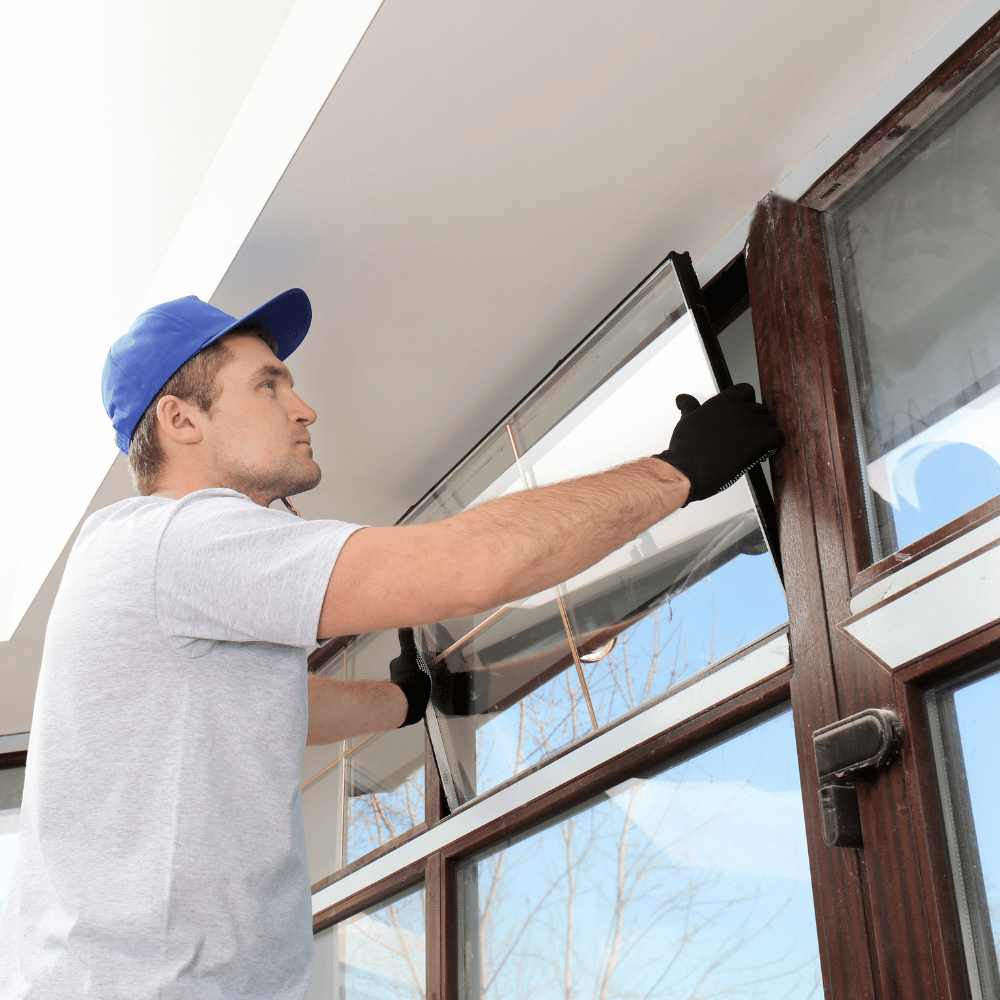
Insert (retrofit) installation means the new window is placed inside your existing window frame. This works well when the existing frame is in good shape. It's faster, less messy, and usually costs less.
Full-frame (new construction) installation means the entire old window and frame are removed down to the rough opening. The new window and frame are then installed from scratch. This is more expensive but gives a better seal and is the right choice when the old frame is damaged, rotted, or doesn't meet current code.
Ask your contractor which type they recommend for your home and why. If they say full-frame, ask what condition they found in the existing frames that makes it necessary.
How Long Will the Project Take?
A single window replacement might take a few hours. A full-house project could take several days or even a couple of weeks, depending on how many windows you need and whether they're custom-ordered.
Ask for a realistic timeline that includes the ordering period (custom windows often take 4 to 8 weeks to manufacture), the installation schedule, and a plan for weather delays. In South Florida, afternoon thunderstorms during summer can push schedules back, so a good contractor builds flexibility into the timeline.
What Happens to My Home During Installation?
Find out what to expect inside your house. Will there be dust? Will they need to move furniture? What about your landscaping outside? A professional crew will protect your floors, cover your belongings, and clean up at the end of each workday.
Also ask what you should do to prepare. Most contractors recommend removing fragile items, curtains, and blinds from the window areas before the crew arrives. But heavy furniture? A good company handles that.
Will You Pull the Required Permits?
In Florida, window replacement almost always requires a building permit, especially for impact windows. The permit tells your local building department that the work will be inspected and must meet code. Your contractor should handle the permit process for you. If they suggest skipping the permit, that's a major red flag. Unpermitted work can cause problems with your homeowners insurance, your property value, and even future home sales.
How Do You Handle Unexpected Problems?
Once the old windows come out, surprises can appear. Rotted wood around the frame, mold behind the wall, or non-standard rough openings are common issues, especially in older South Florida homes. Ask the contractor how they handle these situations. Do they charge by the hour for additional work? Is there a cap? Will they notify you before doing any extra work? Get the answer in writing before the project starts. Nobody likes a surprise bill.
Questions About Warranties
Warranties protect your investment long after the installation crew leaves. But not all warranties are created equal. Some cover just the glass. Others cover the entire window and labor. Asking these questions helps you understand exactly what's protected.
What Does the Manufacturer's Warranty Cover?
Most major window manufacturers offer warranties that cover defects in materials and workmanship. Some offer limited lifetime warranties on the glass and hardware, while others cover specific periods like 10 or 20 years.
Ask what's included: Does it cover the glass seal? The frame? The hardware? What about fading or discoloration? And what would void the warranty? Improper installation by an unlicensed contractor, for example, is a common reason manufacturers deny warranty claims.
Is There a Separate Installation Warranty?
The manufacturer's warranty covers the product. But what about the labor? If a window leaks because it was installed wrong, the manufacturer might say it's not their problem. That's why you need a separate installation warranty from the contractor.
Ask how long the installation warranty lasts and what it covers. A reputable company should stand behind their work for at least two years, and many good companies offer longer terms. Check out warranty details from ASP Windows & Doors to see what a strong warranty program looks like.
What Happens If Something Breaks?
Ask about the warranty claim process. Who do you call first — the manufacturer or the installer? How fast do they respond? What if a window breaks on a Friday night? Is there someone on call, or do you wait until Monday? A company that offers responsive after-sale support shows they care about more than just making the sale.
Questions About Cost and Payment
Money talks. And window replacement is a significant financial commitment. These questions help you understand exactly what you're paying for and how to get the best value.
Can I Get an Itemized Quote?
Never accept a single lump-sum number. You need a detailed, line-by-line breakdown that shows the cost of each window, labor per window, any trim or finishing work, permit fees, disposal of old windows, and any other charges. This protects you from hidden fees and makes it easier to compare quotes from different companies. If a contractor won't provide an itemized quote, walk away.
What's Included in the Price?
Ask specifically whether the quote includes old window removal and disposal, installation labor, interior and exterior trim and finishing, caulking and insulation around the frame, permit fees, cleanup, and any necessary structural repairs. Some companies include everything in one price. Others nickel-and-dime you with add-ons. Know what you're getting before you sign.
Do You Offer Financing?
A full window replacement project can cost thousands of dollars. Not everyone can write a check for that. Ask about financing options. Some companies partner with lenders to offer low-interest or no-interest payment plans.
ASP Windows & Doors, for instance, offers $0 down financing with terms up to 30 years, fast approval in about 30 minutes, and options through programs like PACE financing and GoodLeap. This makes upgrading your entire home affordable without draining your savings.
What's Your Payment Schedule?
A reasonable payment schedule might include a 25% to 50% deposit when you sign the contract, with the balance due upon completion. Be cautious of any company that asks for full payment upfront before any work begins. Also, make sure the payment terms are written clearly in the contract. Good contracts include a right-to-rescind clause, usually three days, that allows you to cancel without penalty.
Questions Specific to Florida Homeowners
Living in South Florida means your windows face challenges that most of the country doesn't. Hurricanes, salt air, intense UV exposure, and strict building codes all play a role in which windows you should choose. Here are questions that address these unique factors.
Will These Windows Qualify for Wind Mitigation Credits?
Florida law requires insurance companies to offer premium discounts when your home has features that reduce wind damage. Installing impact windows on every opening in your home can qualify you for the "opening protection" credit on your wind mitigation inspection. Homeowners who qualify for all available wind mitigation credits can save hundreds of dollars a year on insurance premiums, with some reporting savings of 30% to 40% on the windstorm portion of their premium.
Ask your contractor if the windows they install will meet the requirements for opening protection credits. And once the installation is complete, schedule a certified wind mitigation inspection to submit the results to your insurer.
Are These Windows Miami-Dade NOA Approved?
If you live in Miami-Dade or Broward County, this question is not optional. Every window product installed in the HVHZ must have a current Notice of Acceptance. Ask for the NOA number and verify it through the Miami-Dade County Product Control website. Products without a valid NOA cannot legally be installed in the HVHZ and will fail inspection.
Can Impact Windows Replace Both My Windows and Shutters?
Yes. Impact glass provides permanent protection that replaces the need for hurricane shutters entirely. Once your impact windows are installed, you never need to scramble before a storm. They're always working, always protecting. This is one of the biggest reasons South Florida homeowners are making the switch.
Do You Handle High-Rise or Commercial Installations?
If you live in a condo or high-rise building, your window replacement needs are very different from a single-family home. High-rise windows face greater wind loads, stricter code requirements, and more complex logistics. Not every company is equipped to handle these projects. ASP Windows & Doors offers specialized high-rise impact windows and commercial services for buildings throughout South Florida.
Red Flags to Watch Out For
Knowing what questions to ask also means knowing when the answers should send you running. Here are some warning signs that a window company may not be the right fit.
Pressure to Sign Immediately
Any salesperson who pushes you to sign a contract on the spot, especially with a "today-only" discount, is using high-pressure tactics. A legitimate company gives you time to compare, think, and ask more questions.
No Written Contract or Vague Terms
Everything should be in writing. The products, the price, the timeline, the warranty, the payment terms. If a contractor is vague about any of these, they're either disorganized or deliberately leaving room to cut corners.
No License or Insurance Documentation
If they hesitate to provide their license number, proof of insurance, or bonding information, that's a major red flag. Walk away immediately.
Extremely Low Pricing
If one quote comes in dramatically lower than the others, be careful. The company may be using inferior products, cutting corners on installation, or planning to hit you with surprise charges later. Quality impact windows and professional installation cost what they cost. There are no shortcuts.
Frequently Asked Questions
How Many Quotes Should I Get for Window Replacement?
Get at least three quotes from different companies. This gives you a good sense of the market price and lets you compare products, warranties, and service quality. But don't just go with the cheapest option. Compare the full value of each proposal.
How Long Do Replacement Windows Last?
Quality replacement windows typically last 20 to 30 years or more with proper maintenance. Impact windows designed for hurricane zones are built to be especially durable, often lasting the lifetime of the home when properly installed and maintained.
Is It Better to Replace All Windows at Once or One at a Time?
Replacing all windows at once is usually more cost-effective. Contractors often give better per-window pricing on larger projects, and you save on labor setup costs. You also get uniform performance and appearance across your entire home. However, if budget is a concern, phasing the project room by room is perfectly reasonable.
Do I Need a Permit for Window Replacement in Florida?
Yes. In Florida, window replacement almost always requires a building permit. This is especially true for impact windows, which must be inspected to verify code compliance. Your contractor should handle the permit process for you as part of the project.
What Is the Best Frame Material for Florida Windows?
Aluminum is the most common choice for impact windows in South Florida because of its strength and ability to handle large openings. Vinyl is a strong option for non-impact applications. Fiberglass is growing in popularity for its combination of strength, insulation, and low maintenance. Your best choice depends on your budget, style preferences, and whether you need impact-rated products.
How Much Can I Save on Energy Bills with New Windows?
According to the U.S. Department of Energy, replacing single-pane windows with ENERGY STAR certified double-pane windows can save homeowners an average of 13% on their energy bills. In South Florida's hot climate, windows with low SHGC ratings keep more heat out and reduce the load on your air conditioning system, which can add up to significant savings over time.
Final Thoughts
Replacing your windows is a big decision, but it doesn't have to be a stressful one. Asking the right questions puts you in control. You'll understand what you're buying, who's installing it, and what happens if something goes wrong. That kind of clarity is worth its weight in gold.
For South Florida homeowners, the stakes are even higher. Your windows need to stand up to hurricanes, meet some of the strictest building codes in the nation, and perform in a hot, humid climate year-round. That's why choosing a trusted, experienced local company matters so much.
ASP Windows & Doors has been serving South Florida and Southwest Florida for over 20 years. With 1,900+ five-star reviews, Miami-Dade approved products, in-house installation crews, and flexible financing options, we make the process easy from start to finish. Get a free estimate today and see why thousands of Florida homeowners trust ASP for their window and impact door projects. Call us at (888) 782-8342 or visit a showroom in Doral, Kendall, West Palm Beach, or Fort Myers.
Now Accepting Appointments
Proudly serving homeowners and businesses across South Florida and Southwest Florida. Book your visit and let our experts help protect and upgrade your space.
.avif)
.avif)
.avif)
%201.avif)
Insights & Resources
Stay informed with expert tips on impact windows, hurricane protection, and South Florida building standards.


%201.webp)
%201%20(1).webp)

%201.svg)
%201%20(1)%20(1).webp)
.png%20(1).webp)
.png.webp)
.avif)
.avif)


.avif)


.png)
.png)