.avif)


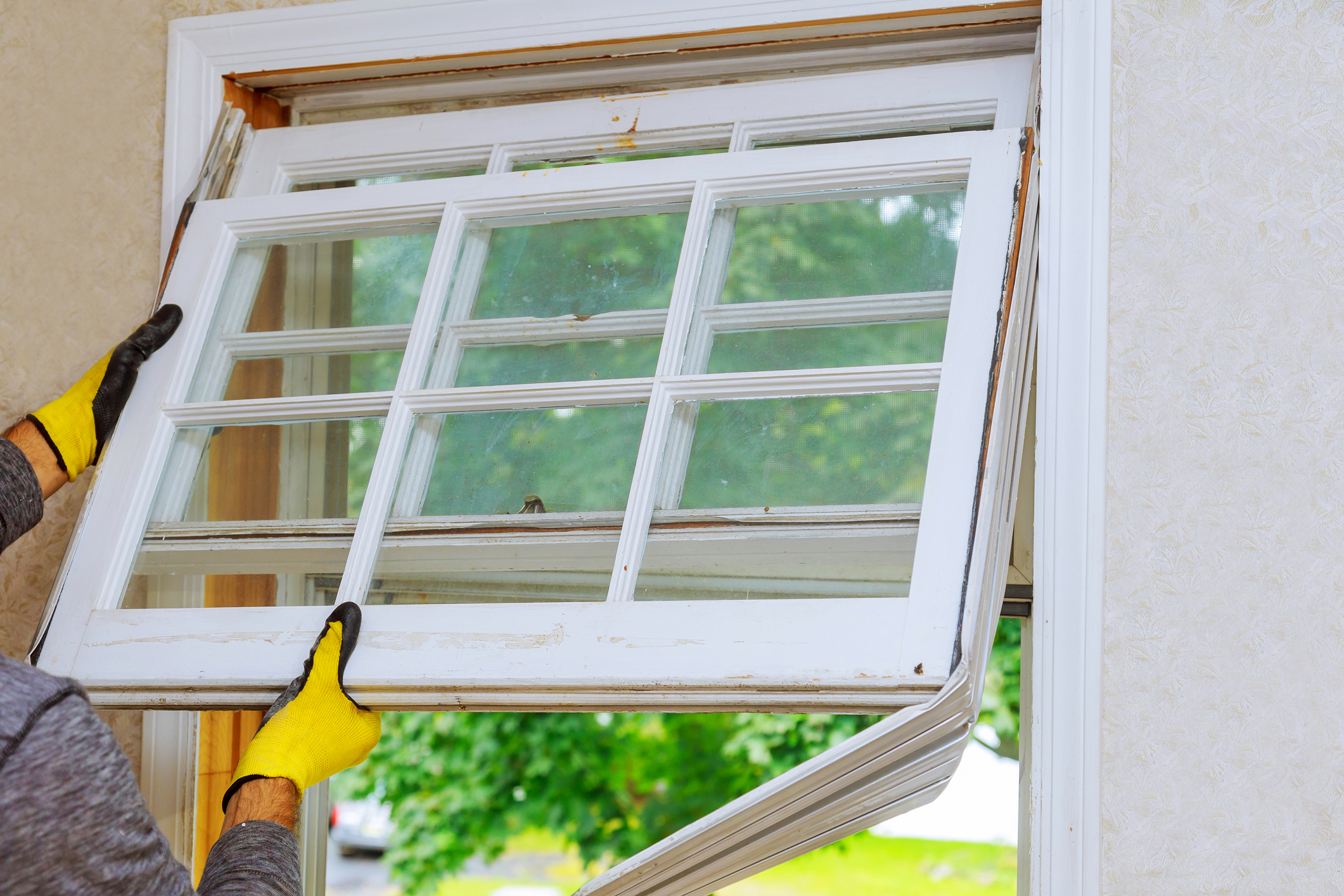

A replacement window is a custom-fitted unit that installs directly into your existing wall opening without removing the original frame or exterior trim. Replacement windows are a faster, more affordable alternative to full-frame new construction windows, and they deliver immediate improvements in energy efficiency, indoor comfort, curb appeal, and home security. Modern replacement windows use double-pane or triple-pane glass with Low-E (low-emissivity) coatings and argon gas fills to block heat transfer, reduce outside noise, and protect interior furnishings from ultraviolet (UV) damage.
This guide covers what replacement windows are, the different types available, how they improve your home, what to look for when choosing one, and how the installation process works. Whether your current windows are 15 years old or 40, this breakdown gives you everything you need to make a confident decision.
Key Takeaways
- A replacement window fits inside your existing window frame, so the exterior siding and interior trim stay in place during installation.
- ENERGY STAR certified replacement windows reduce heating and cooling costs by an average of 13%, according to the U.S. EPA.
- Vinyl replacement windows recoup approximately 67 to 76% of their cost at resale, per the 2025 Cost vs. Value Report from the Journal of Light Construction.
- Modern double-pane windows with Low-E coatings block up to 95% of harmful UV rays and reduce heat loss by 30 to 50%, according to the U.S. Department of Energy.
- In Florida, impact-rated replacement windows qualify homeowners for 10 to 45% savings on the windstorm portion of insurance premiums under Florida Statute §627.0629.
- Vinyl windows last 20 to 40 years, fiberglass windows last 30 to 50 years, and wood windows last 15 to 30 years with proper care, according to the National Association of Home Builders.
What Is a Replacement Window?
A replacement window is a window unit built to fit inside an existing window frame without removing the surrounding wall structure, siding, or interior trim. The original frame stays in place, and the new window slots into that opening with fasteners that run through the window assembly. This makes replacement windows faster to install and less disruptive than new construction windows, which require tearing out the entire frame down to the rough opening.
Replacement windows go by a few different names. Contractors often call them "pocket windows" or "retrofit windows" because they fit into the pocket of the existing frame. The result is a clean installation that preserves the look of the home's exterior and interior while upgrading the glass, hardware, seals, and insulation to current standards. According to a 2025 This Old House survey of 1,000 homeowners, 95% reported their homes felt more comfortable after installing replacement windows, and 89% reported lower monthly energy bills.
Replacement windows are available in every standard window style, including double-hung, single-hung, casement, sliding, awning, picture, and specialty shapes. Each style serves a different function, and the right choice depends on the room, the ventilation needs, and the look you want.
What Is a Pocket Replacement Window?
A pocket replacement window is a unit that fits directly inside your existing window frame, leaving the original jambs, sill, and exterior casing untouched. The installer removes the old sashes (the movable parts that hold the glass) and the hardware tracks, then slides the new pocket window into the remaining frame and secures it with screws and weatherproof shims. The exterior siding stays in place, and the interior trim stays in place.
Pocket replacement works best when the existing frame is still structurally sound and free of rot, water damage, or warping. Because no exterior work is required, pocket replacements typically cost less in labor and take less time to complete than full-frame replacements. Most homeowners choose this method because it delivers the performance upgrade they need with minimal disruption to their home.
What Is Full-Frame Window Replacement?
Full-frame window replacement removes the entire existing window assembly, including the frame, sill, jambs, and exterior trim, down to the rough opening in the wall. A new window with a nailing fin is then secured directly into the rough opening and re-trimmed on both the interior and exterior. Full-frame replacement is the right option when the existing frame has structural damage, rot, insect infestation, or significant warping that would compromise the seal of a pocket window.
Full-frame installation costs more in labor and materials because it involves exterior finish work, new trim, and often new flashing and weatherproofing around the rough opening. The added work means longer installation time per window. For homes with frames in good condition, a pocket replacement achieves the same performance gains at a lower cost. Full-frame replacement becomes necessary when the frame itself is the problem, not just the glass and sashes.
Can You Replace Just the Glass in a Window?
Yes, you can replace just the glass in a window through a sash replacement kit (also called a sash pack), which includes new upper and lower sashes without replacing the frame. A sash pack is the most affordable option when the frame and jambs are in excellent condition and only the glass glazing or sash hardware has failed. Sash replacement works well for windows with fogged glass (a sign of seal failure between panes), broken locks, or sashes that no longer tilt in for cleaning.
Sash replacement does not improve the thermal performance of the frame itself. If the frame has gaps, cracks, or poor insulation, replacing only the sash leaves those problems in place. A full pocket replacement window addresses both the glass and the frame performance simultaneously, which is why most contractors recommend it for windows older than 20 years.
How Does a Replacement Window Improve Your Home?
Replacement windows improve your home by reducing energy loss, eliminating drafts, blocking outside noise, increasing natural light, strengthening security, and raising property value. The U.S. Department of Energy reports that heat gained or lost through windows accounts for 25 to 30% of a home's total heating and cooling energy use. Replacing old, single-pane or failed double-pane windows with modern units addresses that energy loss directly.
The improvements from replacement windows are both immediate and long-term. You notice the comfort difference on the first day, the energy savings show up on your next utility bill, and the resale value increase compounds over years. Below are the specific ways replacement windows transform how your home performs.
How Do Replacement Windows Improve Energy Efficiency?
Replacement windows improve energy efficiency by using multi-pane glass, insulating gas fills, and Low-E coatings to reduce heat transfer between the inside and outside of your home. A modern double-pane replacement window has two layers of glass separated by a sealed air space filled with argon gas, an odorless, non-toxic gas that insulates better than regular air. Low-emissivity (Low-E) coatings are microscopically thin metallic oxide layers applied to the glass surface that reflect infrared heat while allowing visible light through.
The combination of double-pane glass, argon gas, and Low-E coatings reduces heat loss by 30 to 50% compared to single-pane clear glass, according to the U.S. Department of Energy. ENERGY STAR certified replacement windows reduce heating and cooling costs by an average of 13% nationally, per the U.S. EPA. Homeowners replacing old single-pane windows with ENERGY STAR models save between $101 and $583 per year on energy bills, depending on climate zone and the number of windows replaced.
Two performance ratings help you compare energy efficiency between windows. The U-factor measures how well a window prevents heat from escaping, and the Solar Heat Gain Coefficient (SHGC) measures how much solar heat passes through. Lower numbers on both ratings indicate better performance. The National Fenestration Rating Council (NFRC) labels every certified window with these values so homeowners can compare products side by side. In hot, humid climates like South Florida, a lower SHGC is especially important because it keeps solar heat from entering the home and overworking the air conditioning system. Modern impact windows combine low-SHGC glass with impact-rated laminated construction, delivering both energy performance and storm protection in a single unit.
Can Replacement Windows Reduce Noise?
Yes, replacement windows reduce noise by adding mass, air space, and tighter seals between your home and the outside environment. Sound Transmission Class (STC) is the standard rating for how well a window blocks sound. Single-pane windows have an STC rating between 18 and 20, according to Andersen Windows. Standard double-pane replacement windows rate between 26 and 33 STC. Because the STC scale is logarithmic (similar to the Richter Scale), an increase from STC 28 to STC 38 represents a 90% reduction in perceived noise, according to Soundproof Windows Inc.
The insulation features that block heat also block sound. The argon gas fill between panes dampens vibration, and the sealed frame prevents air gaps where sound would otherwise travel freely. Laminated glass, which bonds two glass layers with an acoustic interlayer, pushes STC ratings even higher for homes near highways, airports, or busy streets. Homeowners consistently report a quieter interior after upgrading, especially in bedrooms and home offices.
Do Replacement Windows Help With Hurricane Protection?
Yes, impact-rated replacement windows protect homes from hurricane-force winds and flying debris by using laminated glass bonded to a polyvinyl butyral (PVB) interlayer that holds the glass in place even after impact. Standard replacement windows shatter on contact with storm debris, creating an opening that allows wind and rain inside. Impact windows are tested to withstand the Large Missile Impact test, which fires a 9-pound 2x4 lumber piece at 34 miles per hour directly at the glass. The glass may crack on impact, but the PVB interlayer prevents penetration.
Impact-rated replacement windows must carry a Miami-Dade County Notice of Acceptance (NOA) or a Florida Building Code product approval to be legally installed in South Florida. These certifications verify that the window passed both the large missile impact test and the cyclic pressure test, which simulates sustained hurricane-force wind loads. For homeowners in hurricane zones, impact replacement windows eliminate the need for storm shutters and plywood boarding before each storm.
The financial benefit is significant. Under Florida Statute §627.0629, insurance companies must offer actuarially reasonable premium discounts to homeowners with verified wind mitigation features. According to the Florida Department of Financial Services, homeowners with full impact glass opening protection save 10 to 45% on the windstorm portion of their insurance premiums. In South Florida, where the windstorm portion represents 50 to 70% of a typical homeowners insurance premium, that discount translates to $900 to $2,000 or more per year in real savings.
The My Safe Florida Home program adds another layer of savings. The state matches $2 for every $1 homeowners spend on qualifying wind mitigation upgrades, up to a $10,000 reimbursement, according to the Florida Department of Financial Services.
What to Look for in a Replacement Window
Choosing a replacement window involves four main decisions: the frame material, the glass type, the window style, and the energy certifications. Each of these affects how the window performs, how long it lasts, and how much it costs. The right combination depends on your climate, your budget, and the specific needs of your home.
Frame material is the starting point. The frame determines the window's structural strength, insulation value, maintenance requirements, and lifespan. Glass type determines energy performance and UV protection. Window style determines airflow, appearance, and how easy the window is to clean. Energy certifications verify that the window meets minimum performance standards for your region.
What Is the Best Replacement Window Material?
The best replacement window material depends on your priorities: vinyl offers the lowest maintenance and strongest value, fiberglass delivers the longest lifespan and best dimensional stability, and wood provides the most traditional appearance and natural insulation. Each material has clear strengths, and the right choice varies by climate, budget, and home style.
Frame MaterialAverage LifespanMaintenance LevelEnergy EfficiencyBest ForVinyl (PVC)20 to 40 yearsVery low; no painting or staining neededHigh; multi-chamber design resists heat transferBudget-conscious homeowners wanting low upkeepFiberglass30 to 50 yearsVery low; resists warping, rotting, and corrosionHighest; expands and contracts at nearly the same rate as glassExtreme climates and long-term performanceWood15 to 30 yearsHigh; requires painting, staining, and sealingHigh; natural insulator with low heat conductivityTraditional homes and historic preservationAluminum / Aluminum-Clad15 to 30 yearsLow; corrosion-resistant and lightweightModerate; conducts more heat than other materialsCommercial buildings and coastal areas needing corrosion resistance
Vinyl windows dominate the replacement market because of their combination of affordability, energy performance, and zero-maintenance design. Vinyl frames use rigid polyvinyl chloride (PVC) with hollow chambers inside the frame that resist heat transfer and condensation. They do not require painting, will not rot, and resist fading. The 2025 Cost vs. Value Report found that vinyl window replacement recoups approximately 67 to 76% of its cost at resale.
Fiberglass windows last the longest because fiberglass expands and contracts at nearly the same rate as the glass it holds. That dimensional stability keeps the seal between the frame and glass intact across decades of temperature swings, which is why fiberglass windows maintain their original energy performance longer than any other material, according to the Window and Door Manufacturers Association. Fiberglass costs more upfront than vinyl, but the cost per year of service is often comparable because the window lasts significantly longer.
Wood windows offer a classic look that many homeowners prefer, especially in older or historically significant homes. Wood is a natural insulator with low heat conductivity, and it can be painted or stained to match any interior design. The trade-off is maintenance: wood frames need regular sealing, painting, and inspection for rot or insect damage. Many modern wood windows now feature aluminum or vinyl cladding on the exterior to reduce maintenance while preserving the wood interior appearance.
What Is the New Trend for Windows?
The new trend for windows in 2026 is larger glass surfaces with thinner frames, black and dark-colored frame finishes, and higher-performance glass packages that meet ENERGY STAR 7.0 certification standards. Homeowners are choosing sliding doors and picture windows with minimal frame profiles that maximize natural light and create a seamless connection between indoor and outdoor spaces.
Black window frames have become the most requested color option across all major manufacturers, moving away from the traditional white that dominated the market for decades. Energy performance trends are pushing triple-pane glass into more regions, as manufacturers reported to Consumer Reports that they are producing triple-pane units specifically to meet the ENERGY STAR 7.0 standard for northern and mountain states. In warm climates, the trend focuses on low-SHGC glass with advanced Low-E coatings that block solar heat gain while maintaining clear sightlines.
What Does Window Replacement Include?
Window replacement includes measuring the existing opening, ordering the custom-fitted unit, removing the old sashes and hardware, installing the new window, insulating and sealing the gaps, and verifying proper operation. A professional replacement follows a specific sequence to make sure the window performs correctly from day one.
- Measurement and assessment: The installer measures the exact dimensions of the existing window opening and inspects the frame for structural damage, rot, or water intrusion. Accurate measurements are critical because replacement windows are custom-made to fit each opening.
- Old window removal: The installer removes the old sashes, balance mechanisms, and hardware tracks. For a pocket replacement, the existing frame, jambs, and trim stay in place.
- New window installation: The replacement window is set into the opening, leveled, and shimmed for a precise fit. Screws secure the window through the frame into the surrounding structure.
- Insulation and sealing: Low-expansion spray foam or fiberglass insulation fills any gaps between the new window and the existing frame. Caulk seals the interior and exterior perimeter to prevent air and water infiltration.
- Operation check and cleanup: The installer opens, closes, locks, and unlocks every window to confirm smooth operation. All debris and old materials are removed from the home.
In Florida, replacement window installation also requires a building permit and a final inspection by the local building department to verify that the product meets Florida Building Code requirements and that the installation follows manufacturer specifications. Permitted installations protect your warranty coverage and qualify your home for insurance wind mitigation credits.
Do You Have to Remove Interior Trim When Replacing Windows?
No, you do not have to remove interior trim when replacing windows with the pocket (retrofit) method. Pocket replacement windows are designed specifically to fit inside the existing frame without disturbing the interior casing, exterior siding, or surrounding drywall. The new window slides into the space left after the old sashes are removed, and the trim stays exactly where it is.
Full-frame replacement does require removing interior trim because the entire frame assembly comes out. The trim is either reinstalled or replaced after the new window is set. For most homeowners choosing pocket replacement, the interior of the room looks exactly the same before and after installation, minus the old window itself.
How Long Does Window Replacement Take?
Window replacement takes approximately 30 to 60 minutes per window for a standard pocket installation, meaning a full house of 10 to 20 windows typically takes 1 to 3 days to complete. The timeline depends on the number of windows, the installation method (pocket vs. full-frame), and the complexity of each opening. Full-frame replacements take longer per window because they involve exterior trim work, flashing, and additional sealing.
Custom-ordered windows require a lead time of 2 to 6 weeks between measurement and installation, depending on the manufacturer and the window specifications. Planning ahead gives you more flexibility with scheduling and allows time for permit processing, which is required for replacement window installation in most Florida jurisdictions.
Should I Replace 40 Year Old Windows?
Yes, you should replace 40 year old windows because they have exceeded the functional lifespan of every common frame material and are almost certainly operating far below current energy, safety, and security standards. A 40-year-old window was manufactured in the mid-1980s, before Low-E coatings, argon gas fills, and modern weatherstripping were standard. According to the National Association of Home Builders, properly installed quality replacement windows provide reliable performance for 20 to 30 years minimum, meaning a 40-year-old window is 10 to 20 years past its expected service life.
Common signs that old windows need replacement include drafts around the frame, condensation or fog between panes (indicating seal failure), difficulty opening or closing, visible rot or warping in the frame, and a noticeable increase in energy bills. If you have to tape plastic sheeting over your windows every winter or board them up every hurricane season, replacement solves both problems with a single upgrade. Homeowners who still have old windows with single-pane glass are losing the most energy and gaining the most from replacement.
What Is the Average Lifespan of a Window?
The average lifespan of a window is 15 to 40 years, depending on the frame material, the quality of the glass package, the installation workmanship, and how well the window is maintained. Vinyl windows last 20 to 40 years, fiberglass windows last 30 to 50 years, wood windows last 15 to 30 years, and aluminum windows last 15 to 30 years, according to multiple industry sources including the National Association of Home Builders and The Window Experts.
Installation quality plays as large a role as the material itself. A premium vinyl window installed poorly may fail within 10 years, while a mid-grade vinyl window with proper flashing, shimming, and sealing can last 30 years or more. Climate also matters. Windows in hot, humid regions with intense UV exposure experience faster degradation of seals and frame materials than windows in mild, temperate climates. Regular inspection of weatherstripping, caulk, and frame condition extends the useful life of any window.
What to Know Before Replacing Windows
Before starting a replacement window project, there are several decisions to make and details to gather. Rushing into a purchase without preparation leads to wrong sizes, missed permit requirements, and installer problems. A few hours of planning saves weeks of frustration later.
Start by having your existing windows measured by a professional. Replacement windows are custom-sized to fit each opening, and even a quarter-inch error can create air gaps that defeat the purpose of the upgrade. Check whether your local jurisdiction requires a building permit for window replacement. Most Florida counties do, and unpermitted work can void your warranty, disqualify you from insurance credits, and create problems when you sell. Ask any installer you consider whether they handle financing, permitting, and final inspection as part of their service.
What Is the Cheapest Time of Year to Replace Windows?
The cheapest time of year to replace windows is late fall and winter, when demand for installation services drops and manufacturers often run seasonal promotions. Spring and early summer are peak season for window replacement, which means higher prices, longer lead times, and less scheduling flexibility. Fall offers a good balance: mild temperatures make installation comfortable, and contractors have more availability.
In Florida, the best time to schedule replacement windows is after hurricane season ends in November. Demand surges before hurricane season (June through November), so homeowners who plan ahead and order during the off-season months often get faster delivery and more competitive pricing.
Is It Cheaper to Replace All Windows at Once?
Yes, it is cheaper to replace all windows at once because contractors offer volume pricing, mobilization costs are spread across more units, and the crew only needs to set up and clean up one time. Replacing 15 windows in a single project costs less per window than replacing 3 windows at a time over five separate appointments. The labor overhead of each individual visit, including travel, setup, debris removal, and final inspection, adds up quickly when spread across multiple small projects.
Many homeowners pair a full-house window replacement with new entry doors to upgrade the entire building envelope at once. Replacing all windows at the same time also ensures consistent appearance and performance throughout the home. Mixing old and new windows creates uneven energy performance and can look mismatched from the exterior, which affects curb appeal. For homeowners who cannot afford a full-house replacement in a single project, replacing all windows on one floor or one side of the home at a time is a practical compromise.
Should I Replace Windows Before Selling My House?
Yes, replacing windows before selling your house is one of the stronger exterior improvement investments you can make, with vinyl replacement windows recovering approximately 67 to 76% of cost at resale. The 2025 Cost vs. Value Report from the Journal of Light Construction found that a midrange vinyl window replacement project adds roughly $14,000 to $17,000 in resale value on a project costing around $21,000 to $22,000. Homes with updated windows also sell approximately 8% faster than comparable homes with dated windows, according to GetWindowCost industry data.
New windows signal to buyers that the home has been maintained. Failed seals, foggy glass, and rattling frames are inspection red flags that give buyers leverage to negotiate the price down. Replacing those windows before listing eliminates that negotiation point and strengthens buyer confidence. In South Florida, impact-rated impact doors and windows carry even greater appeal because buyers know they will receive immediate insurance premium savings and storm protection.
Frequently Asked Questions
What to Do Before Replacing Windows?
Before replacing windows, clear furniture and wall decorations away from each window opening to give the installation crew room to work. Remove curtains, blinds, and any window treatments. Check your homeowners insurance policy to confirm your coverage during renovation work. Verify that the contractor has pulled the required building permit, and confirm the scheduled inspection date after installation is complete.
What to Ask When Replacing Windows?
When replacing windows, ask the installer whether the price includes permitting, disposal of old windows, and the final building inspection. Ask what brand and model of window will be installed, what the warranty covers (both product and workmanship), and whether the installer is certified by the window manufacturer. Ask how the windows will be insulated and sealed around the opening, and request a written scope of work before signing any agreement. Getting a free estimate from a licensed contractor is the simplest way to compare options for your specific home.
What Is Vinyl Window Replacement?
Vinyl window replacement is the process of removing old windows and installing new windows with frames made from rigid polyvinyl chloride (PVC). Vinyl frames use multi-chamber construction to resist heat transfer and do not require painting, staining, or sealing. Vinyl is the most popular replacement window material in the United States due to its combination of durability, energy efficiency, and low cost.
What Affects Window Replacement Cost?
Window replacement cost is affected by the frame material, the glass type, the window style and size, the installation method (pocket vs. full-frame), and the labor rates in your area. Windows with triple-pane glass, impact-rated laminated glass, or specialty shapes cost more than standard double-pane double-hung units. Homes with difficult access, second-story installations, or structural frame damage also increase labor costs.
What Is a Window Sash Replacement?
A window sash replacement replaces only the movable parts of a window (the sashes that hold the glass) while leaving the original frame in place. A sash replacement kit includes new upper and lower sashes with fresh glass, seals, and hardware. This option costs less than a full replacement window but does not address frame insulation, structural integrity, or weatherproofing.
How Do Replacement Windows Work Differently From Storm Shutters?
Replacement windows are permanent installations that replace the entire window unit, providing year-round protection, energy efficiency, and noise reduction. Storm shutters are temporary coverings that attach over existing windows before a hurricane and are removed afterward. Impact-rated replacement windows eliminate the labor and storage of storm shutters while offering the same debris protection plus daily benefits like energy savings and UV protection.
How Do Replacement Windows Protect Against UV Damage?
Replacement windows with advanced Low-E coatings block up to 95% of harmful UV rays, according to Cardinal Glass Industries. The National Fenestration Rating Council reports that about 40 to 60% of interior fading damage is caused by UV radiation. Low-E coatings filter UV and infrared energy before it reaches your furniture, flooring, and artwork, while still allowing visible natural light through the glass.
The Bottom Line
A replacement window is one of the most impactful upgrades a homeowner can make. It reduces energy costs, eliminates drafts, blocks outside noise, protects against UV damage, strengthens home security, and adds measurable resale value. Whether you choose vinyl for low maintenance and strong value, fiberglass for maximum lifespan and stability, or wood for traditional beauty, the right replacement window transforms how your home feels and performs every single day.
For homeowners in South Florida, impact-rated replacement windows add an entire additional layer of value: hurricane protection, insurance premium savings, and compliance with the Florida Building Code. The investment pays back through energy savings, insurance discounts, increased property value, and the peace of mind that comes with knowing your home is protected year-round.
If your windows are showing their age or you want to upgrade your home's performance and protection, we are here to help. Give ASP Windows and Doors a call at (888) 782-8342 to schedule a free estimate and see what replacement windows can do for your home.
Now Accepting Appointments
Proudly serving homeowners and businesses across South Florida and Southwest Florida. Book your visit and let our experts help protect and upgrade your space.
.avif)
.avif)
.avif)
%201.avif)
Insights & Resources
Stay informed with expert tips on impact windows, hurricane protection, and South Florida building standards.


%201.webp)
%201%20(1).webp)
%201.svg)
%201%20(1)%20(1).webp)
.png%20(1).webp)
.png.webp)
.avif)
.avif)


.avif)


.png)
.png)