.avif)


Impact Glass Layer Differences
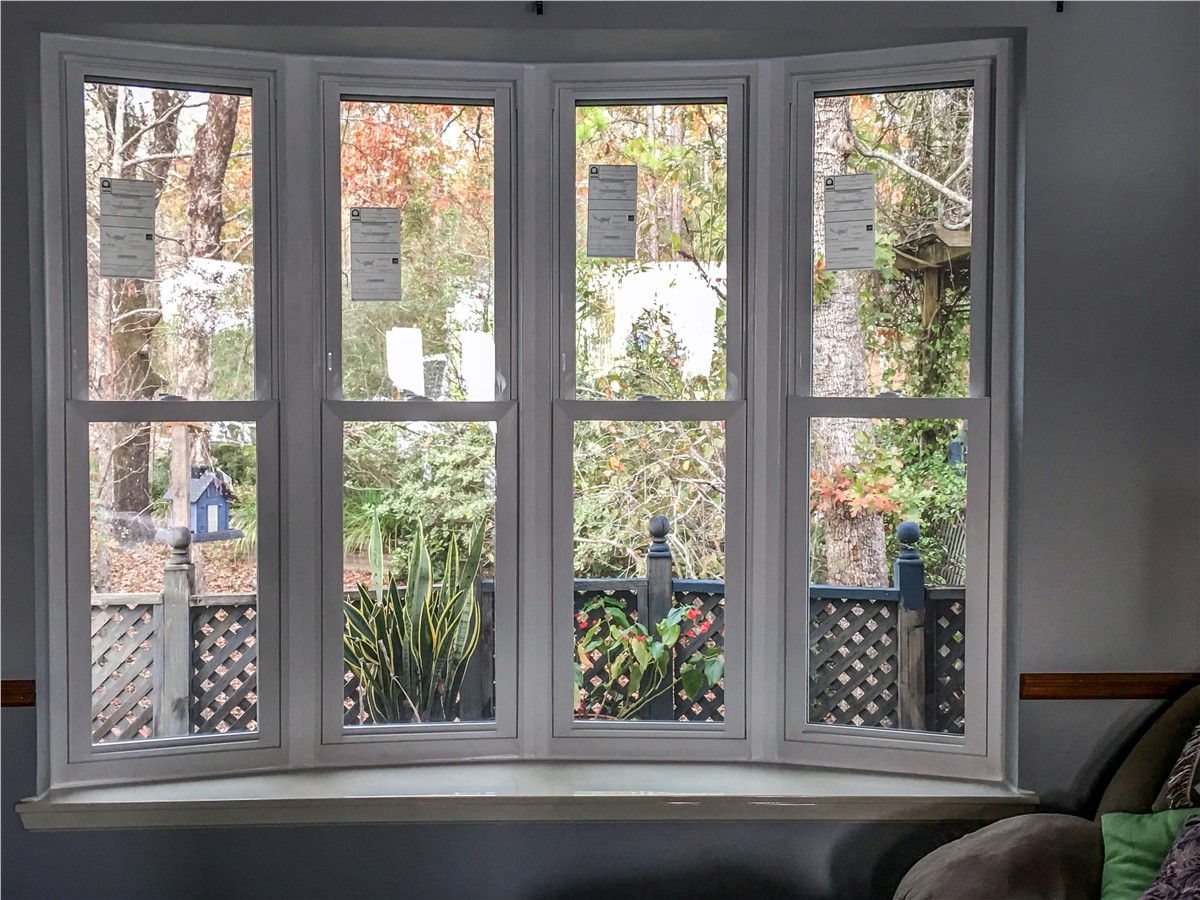

Impact glass layers differ based on the number of glass panes, the type of interlayer material between them, and the overall thickness of the finished unit. Standard laminated impact glass uses three layers, which are two glass panels bonded to a tough plastic interlayer, while insulated laminated impact glass adds an extra pane and an air space for better thermal and sound performance.
Not all impact glass is the same. The interlayer can be PVB, SGP, or EVA. The glass panes can be annealed, heat-strengthened, or tempered. The total thickness can range from 1/4 inch to over 1 inch. Each of these choices changes how the glass performs during a hurricane, how much noise it blocks, and how well it saves energy. This article breaks down exactly how each layer works, what makes one configuration better than another, and how to choose the right setup for your home.
What Are the Different Levels of Impact Glass?
The different levels of impact glass are standard laminated glass, insulated laminated glass, and multi-layer hurricane-rated glass. Each level adds more layers and more protection.
Standard laminated impact glass is the most common type used in residential hurricane windows and doors. According to the Eastern Architectural Systems, a typical piece of impact glass has three layers: an outer glass pane, a plastic interlayer, and an inner glass pane. These three layers are fused together using heat and pressure during a laminating process. The result is a single unit that holds together even when cracked.
Insulated laminated glass takes this further. It combines the laminated glass bundle with an additional glass pane separated by an air space. According to Eurex Shutters, this void between the laminated glass and the third pane creates a thermal barrier that significantly boosts energy efficiency. Filling that space with argon gas improves thermal performance even more.
Multi-layer hurricane-rated glass is the heaviest-duty option. According to Bayshore Exteriors, this type uses multiple layers of reinforced and tempered glass with advanced interlayers like SGP. It is built to pass the strictest impact tests required for extreme weather conditions, including those mandated by the Miami-Dade County building code.
How Impact Glass Layers Are Built
Every piece of impact glass starts with at least two sheets of glass and one interlayer. The interlayer is the part that makes it "impact-resistant" rather than just regular glass. According to the U.S. Department of Energy, standard windows account for 25% to 30% of a home's heating and cooling energy loss. Impact glass reduces that number significantly because of the way its layers work together.
What Is the Interlayer in Impact Glass Made Of?
The interlayer in impact glass is made of PVB (polyvinyl butyral), SGP (SentryGlas Plus), or EVA (ethylene-vinyl acetate). PVB is the most commonly used interlayer material in residential impact windows and doors.
According to Disaster Smart Inspection Consulting, the standard interlayer in impact glass is 0.090 inches thick and is often called an O90 layer. This plastic film sits between the two glass panes and acts like glue. If the glass cracks on impact, the interlayer holds the broken pieces in place, preventing dangerous shards from flying into your home and keeping the opening sealed against wind and rain.
PVB is flexible, clear, and affordable. It absorbs impact energy, blocks over 99% of harmful UV rays, and provides good noise reduction. SGP is a newer, more advanced interlayer made from an ionoplast material developed by Kuraray. EVA is less common in hurricane applications but is sometimes used in decorative or automotive laminated glass.
What Is the Difference Between PVB and SGP Interlayers?
The difference between PVB and SGP interlayers is strength, stiffness, and post-breakage behavior. According to Kuraray, the manufacturer of SentryGlas, the SGP interlayer is five times stronger and up to 100 times stiffer than conventional PVB laminating materials.
This difference matters most after the glass breaks. With a PVB interlayer, the glass stays together but can sag or deform under continued pressure. With an SGP interlayer, the glass panel remains standing and rigid even after both glass layers are broken. That is why SGP is the preferred choice for high-rise buildings, curtain wall systems, and areas that face extreme wind loads.
PVB has its own advantages. It offers better sound insulation because the softer material absorbs sound waves more effectively. Standard PVB thickness starts at 0.38mm and can go up to 1.52mm, while SGP thickness starts at 0.89mm and goes up to 3.04mm or more. For most residential homes, PVB provides excellent hurricane protection at a more accessible price point. SGP is typically reserved for commercial, high-rise, or high-security applications.
Exposed upper-floor glass in condos and high-rises faces higher wind loads than ground-level windows. Products like balcony enclosures often use SGP interlayers because the glass needs to remain rigid under sustained pressure, even after cracking.
How Thick Is Impact Glass?
Impact glass thickness ranges from 1/4 inch (about 6mm) for the thinnest laminated units to over 1 inch for insulated laminated configurations. The total thickness depends on the glass pane thickness, the interlayer thickness, and whether an insulated air space is included.
According to Fine Homebuilding, a common 5/16-inch laminated glass unit is typically two layers of 1/8-inch glass sandwiching a 0.090-inch interlayer. A thicker 7/16-inch unit uses two sheets of 3/16-inch glass with the same 0.090-inch interlayer. From a pure impact standpoint, there is very little difference between these two configurations because the interlayer is what stops debris from penetrating. The thicker glass panes, however, give the unit more structural strength against wind pressure.
Insulated laminated glass is thicker overall because it adds a third glass pane and an air gap. A typical insulated unit might have a 5/16-inch laminated glass component, a 1/2-inch air space, and a single 1/4-inch glass pane on the interior side. The total thickness of this configuration can reach 1-1/16 inches or more.
Impact Glass Layer Comparison by Type
Glass TypeNumber of LayersTypical Total ThicknessInterlayer MaterialBest Used ForStandard Laminated3 (glass + interlayer + glass)1/4" to 7/16"PVB (0.090")Residential windows, doorsInsulated Laminated4+ (laminated unit + air space + glass)3/4" to 1-1/16"PVB (0.090")Energy-efficient homes, large openingsSGP Laminated3 (glass + SGP interlayer + glass)5/16" to 9/16"SGP (0.89mm+)High-rises, commercial, blast-resistantMulti-Layer Hurricane-Rated5+ (multiple glass + interlayer combinations)3/4" to 1.5"+PVB, SGP, or combinationHigh-security, extreme wind zones
Sources: Eastern Architectural Systems, Fine Homebuilding, Kuraray (SentryGlas manufacturer), Eurex Shutters
How Does Insulated Laminated Glass Differ From Standard Laminated Glass?
Insulated laminated glass differs from standard laminated glass by adding an extra glass pane and an air space between the laminated unit and the additional pane. This air gap acts as a thermal and acoustic barrier that standard laminated glass does not have.
According to Eco Window Systems, 90% of outside noise enters a home through its windows, not through walls. Insulated laminated glass reduces that noise more effectively because the air space between the layers traps and dampens sound waves. Standard laminated glass still reduces noise compared to regular single-pane glass, but insulated laminated glass takes it a step further.
For energy savings, the difference is significant. Research from the Florida Solar Energy Center and the U.S. Department of Energy shows that homeowners who switch to insulated Low-E impact windows can save between $200 and $400 per year on cooling costs. In homes with more glass exposure or west-facing windows, annual savings can exceed $500. Over a typical 25-year lifespan, those savings add up to $7,000 to $10,000 in reduced electricity costs.
We install both standard laminated and insulated laminated impact glass options. The right choice depends on the size of the opening, the direction the window faces, and how much noise and heat you want to block.
Can Impact Windows Withstand Category 5?
Yes, impact windows can withstand Category 5 hurricanes when they carry a high enough Design Pressure (DP) rating. Category 5 hurricanes bring sustained winds of 157 mph or higher, and the highest-rated impact windows are tested to resist wind pressures that match or exceed those conditions.
According to Storm Smart, impact windows are not certified by hurricane category. Instead, they are rated by Design Pressure, which measures the maximum positive and negative air pressure (in pounds per square foot) the window can withstand without failing. A DP rating of 50 corresponds to wind pressures generated by Category 5 storms. The testing is done under ASTM E1886 and E1996 standards and includes two parts. The first is a missile impact test where a 9-pound 2x4 lumber projectile is fired at the window at 50 feet per second. The second is a cyclic pressure test that simulates 9,000 pressure cycles of sustained hurricane-force winds.
The Insurance Institute for Business and Home Safety (IBHS) confirms that properly installed impact glass windows withstand Category 5 hurricane conditions while eliminating the need for storm shutters. The layer configuration and interlayer type play a direct role in the DP rating a window can achieve. Thicker glass panes and SGP interlayers generally achieve higher DP ratings than thinner configurations with standard PVB.
Does Thicker Impact Glass Mean Better Protection?
Thicker impact glass does not always mean better protection against flying debris. The interlayer is the primary barrier that prevents objects from penetrating the glass, not the glass pane thickness itself.
According to Greg Smith, a 20-year glass industry veteran quoted by Fine Homebuilding, there is very little difference in impact resistance between 5/16-inch and 7/16-inch laminated glass because both use the same 0.090-inch interlayer. The interlayer is what stops the debris. The glass panes on either side of it are the sacrificial layers. They crack and absorb energy, but the interlayer holds everything together.
Where thickness does matter is in structural wind resistance. Thicker glass panes can withstand higher wind pressures before flexing or failing. For homes near the coast or on upper floors of a building, thicker glass may be needed to meet the required DP rating for that specific location. Tempering or heat-strengthening the glass can also increase structural strength without adding thickness. That is an option for homeowners who want strong performance with sliding doors or large window openings where keeping the weight down matters.
Can a Burglar Break Impact Windows?
No, a burglar cannot easily break impact windows. The laminated construction makes it extremely difficult to create an entry-sized opening, even with repeated heavy strikes. Standard windows shatter completely and allow quick access. Impact windows crack in a spider-web pattern but stay intact.
According to the Bureau of Justice Statistics, first-floor windows are the entry point for 23% of residential burglaries. Impact windows change that equation dramatically. Even with a crowbar, bat, or similar tool, the interlayer holds the broken glass in place. Each strike damages a small area, but the hole remains too small for a person to climb through. The noise and time required to breach the glass almost always causes a burglar to give up or get caught.
We see this as one of the biggest year-round benefits of impact glass. Hurricanes come and go, but the security protection from impact doors and windows works 24 hours a day, 365 days a year. The same multi-layer construction that stops a 9-pound board flying at 34 mph also stops a person trying to break in.
What Can Break an Impact Window?
An impact window can break from repeated strikes by large, heavy objects, sustained pressure beyond its DP rating, or extremely high-velocity impacts. The glass layers will crack and shatter, but the interlayer holds the unit together and prevents full penetration in most cases.
Impact windows are not indestructible. According to the Window and Door Replacement Company, the outer glass pane is the sacrificial piece. It will shatter on a hard hit. But the interlayer prevents the entire pane from falling apart, which keeps the seal intact and protects the interior from wind, rain, and debris. During Miami-Dade testing, the window must survive a 9-pound 2x4 projectile fired at 50 feet per second and then endure 9,000 cycles of positive and negative pressure without the interlayer failing.
Real-world conditions can sometimes exceed test conditions. Multiple debris strikes to the same spot, objects heavier than the test projectile, or structural failure of the window frame can all lead to a breach. That is why proper installation by a licensed contractor matters just as much as the glass itself. A window is only as strong as the frame and anchoring system holding it in place.
Will Hurricane Impact Windows Stop a Bullet?
No, hurricane impact windows will not stop a bullet. Impact-resistant glass and bulletproof glass are two completely different products designed for different threats.
Impact glass is built to withstand blunt-force impacts from large, slow-moving objects like tree branches and construction debris. Bulletproof glass is built to absorb and disperse the energy of small, extremely high-velocity projectiles. Bulletproof glass typically uses many more layers, much thicker glass panes, and specialized interlayer materials like polycarbonate. A standard impact glass unit is 1/4 to 7/16 inches thick, while bulletproof glass can be 1 to 3 inches thick or more, depending on the ballistic rating.
Impact glass provides excellent protection against hurricanes, break-ins, noise, UV rays, and energy loss. It is not designed, rated, or marketed for ballistic protection.
Does Impact Glass Reduce Noise?
Yes, impact glass reduces noise by 40% to 60% compared to standard single-pane windows. The laminated interlayer absorbs sound waves, and insulated configurations with an air space provide even greater noise reduction.
According to Eco Window Systems, 90% of outside noise enters a home through its windows. The PVB interlayer in laminated impact glass is naturally good at dampening sound vibrations. According to the Window Replacement Group, impact windows can block outside sound waves by up to 45 decibels depending on the type of window and glass configuration chosen.
Insulated laminated glass performs even better for noise control because the air space between the laminated unit and the interior glass pane acts as a second sound barrier. We see homeowners near busy roads, airports, and commercial areas choose insulated laminated glass glazing specifically for this reason, even setting aside the hurricane protection.
Do Impact Windows Block UV Rays?
Yes, impact windows block up to 99% of harmful UV rays. The laminated interlayer filters out ultraviolet radiation while still allowing visible light to pass through clearly.
According to the Window and Door Design Center of Palm Beach, standard clear non-impact glass allows up to 75% of UVA rays to pass through. That exposure causes flooring, furniture, and artwork to fade over time. Impact glass with a PVB interlayer blocks nearly all of that UV radiation without darkening the view. Adding a Low-E (low-emissivity) coating to the glass takes UV and heat protection even further.
Low-E coatings are thin metallic layers applied to the interior glass surface. They reflect solar heat energy while letting visible light pass through. According to data from multiple Florida window manufacturers, Low-E coated impact windows can reflect up to 70% of solar heat, which significantly reduces cooling costs in a hot climate. This coating works with any layer configuration, whether standard laminated or insulated laminated.
What Is a Design Pressure Rating for Impact Glass?
A Design Pressure (DP) rating is a number that tells you how much wind pressure an impact window or door can withstand without failing. The higher the DP rating, the stronger the product. DP is measured in pounds per square foot (psf) and covers three things: structural load, water resistance, and air infiltration resistance.
According to Prestige Windows and Doors, the Performance Grade (PG) system provides an easy way to understand protection levels. PG 10 is rated for Category 1 hurricanes (74 to 95 mph winds), PG 20 for Category 2 (96 to 110 mph), PG 30 for Category 3 (111 to 129 mph), PG 40 for Category 4 (130 to 156 mph), and PG 50 for Category 5 (157+ mph winds). A DP rating of 50 means the product survived a structural test pressure of 75 pounds per square foot, which equals Category 5 wind speeds.
The glass layer configuration directly affects the DP rating. Thicker glass panes, SGP interlayers, and reinforced frames all contribute to a higher DP number. For coastal properties and high-rise buildings, choosing a product with the highest available DP rating is critical because wind pressures increase significantly at higher elevations and closer to the shoreline.
How Long Does Impact Glass Last?
Impact glass lasts 20 to 30 years or more with proper installation and minimal maintenance. The glass itself does not degrade easily in South Florida's coastal environment, and the interlayer remains bonded for decades under normal conditions.
According to data compiled by multiple industry sources, including the Insurance Information Institute, impact windows deliver a 70% to 85% return on investment through increased property values alone. When you add insurance premium reductions of 10% to 35% in High Velocity Hurricane Zones, plus energy savings of $200 to $500 per year, the financial return over a 25-year lifespan is significant. According to data from the My Safe Florida Home program, the average participant saves $932 per year on insurance premiums after completing approved upgrades that include impact windows and doors.
The lifespan depends on the quality of the installation, the frame material, and the exposure to salt air and sun. Aluminum frames resist corrosion better than some alternatives in coastal areas. Proper sealing and periodic hardware maintenance help the system perform at its best for the full life of the product. We back every installation with manufacturer and workmanship warranties for that extra peace of mind.
What Are the 7 Types of Glass in Order?
The 7 types of glass, in order from least to most impact-resistant, are annealed (float) glass, heat-strengthened glass, tempered glass, laminated glass, insulated laminated glass, hurricane-rated laminated glass, and multi-layer security glass.
Annealed glass is the basic, unprocessed glass that comes straight from the manufacturing line. It breaks into large, sharp shards. Heat-strengthened glass is about twice as strong as annealed glass and breaks into larger pieces than tempered glass. Tempered glass is roughly four to five times stronger than standard glass, according to Renuity, but it shatters completely into small, rounded pieces when it fails. That means it does not meet Florida's hurricane standards because once it breaks, the opening is fully exposed.
Laminated glass is where true impact resistance begins. Two glass panes bonded with a PVB or SGP interlayer create a unit that holds together on impact. Insulated laminated glass adds an air space and a third glass pane for thermal and acoustic performance. Hurricane-rated laminated glass passes specific missile impact and pressure cycle tests under ASTM standards. Multi-layer security glass uses multiple glass panes and interlayers for the highest levels of protection, including blast resistance and forced-entry deterrence.
For French doors and large window openings, we typically recommend laminated or insulated laminated glass because they offer the best balance of hurricane protection, energy efficiency, and clarity.
Frequently Asked Questions
Is Laminated Glass the Same as Impact Glass?
Laminated glass is the base technology used in impact glass, but not all laminated glass is impact-rated. Impact glass must pass specific missile impact and cyclic pressure tests under ASTM E1886 and E1996 standards to earn its hurricane rating. A piece of laminated glass that has not been tested and approved to those standards is not technically impact glass, even though it has the same layered construction.
How Do You Tell if Glass Is Impact-Rated?
You can tell if glass is impact-rated by looking for a permanent etched label or sticker on the glass, checking for multiple reflections when you look at the pane (which indicates multiple layers), and verifying the Miami-Dade NOA (Notice of Acceptance) number. According to Disaster Smart Inspection Consulting, the multiple reflections visible in impact glass are caused by the multiple sheet layers, and they are a reliable visual indicator even when labels are missing.
Does Argon Gas Between Impact Glass Layers Improve Performance?
Yes, argon gas between the layers in insulated laminated impact glass improves thermal performance. Argon is a non-toxic, odorless gas that is denser than air. When it fills the air space between the laminated glass unit and the interior pane, it slows heat transfer more effectively than regular air. This means less heat enters your home in summer and less cool air escapes, which lowers cooling costs year-round.
Can Impact Glass Be Used in Both Windows and Doors?
Yes, impact glass can be used in both windows and doors. The same laminated glass technology is used across all impact-rated products, including fixed windows, casement windows, sliding doors, French doors, pivot doors, and entry doors. The glass configuration may vary by product type, with larger door panels sometimes using thicker glass or SGP interlayers to handle the greater surface area and wind load.
Does Impact Glass Come in Different Colors or Tints?
Yes, impact glass comes in clear, gray, bronze, and green tints. Low-E coatings can also be added to any tint for additional heat and UV rejection. The tint is applied to the glass itself during manufacturing and does not affect the impact resistance of the interlayer. Darker tints reduce visible light transmission and solar heat gain, which can further lower cooling costs in hot climates.
Do You Need Storm Shutters if You Have Impact Windows?
No, you do not need storm shutters if you have properly installed, code-approved impact windows and doors. Impact windows provide full-time protection without any setup or takedown before a storm. They are tested to withstand the same or greater forces that shutters protect against, and they offer additional benefits like UV protection, noise reduction, and energy savings that shutters do not provide.
Can Impact Glass Be Repaired if It Cracks?
No, impact glass cannot be repaired if it cracks. The entire glass unit must be replaced. A cracked impact glass panel has lost its structural integrity and cannot be trusted to perform during a future storm. Even if the interlayer is still holding the cracked glass together, the panel is compromised and should be replaced by a licensed contractor as soon as possible.
Putting It All Together
Impact glass layers are what separate real hurricane protection from just having a window. The number of glass panes, the interlayer material, and the overall thickness all work together to determine how well the glass resists debris, wind pressure, noise, UV rays, and forced entry. Standard laminated glass with a PVB interlayer handles most residential needs. Insulated laminated glass adds energy efficiency and noise reduction. SGP interlayers offer the highest structural strength for commercial and high-rise applications.
The right layer configuration depends on your home's location, exposure, and what you need the glass to do beyond storm protection. If you are ready to find the best impact glass setup for your property, ASP Windows and Doors can walk you through the options and help you choose a solution that fits. Call us at (888) 782-8342 or request a free estimate to get started.
Now Accepting Appointments
Proudly serving homeowners and businesses across South Florida and Southwest Florida. Book your visit and let our experts help protect and upgrade your space.
.avif)
.avif)
.avif)
%201.avif)
Insights & Resources
Stay informed with expert tips on impact windows, hurricane protection, and South Florida building standards.


%201.webp)
%201%20(1).webp)
%201.svg)
%201%20(1)%20(1).webp)
.png%20(1).webp)
.png.webp)
.avif)
.avif)


.avif)


.png)
.png)