.avif)


Hurricane Wind Pressure Effects
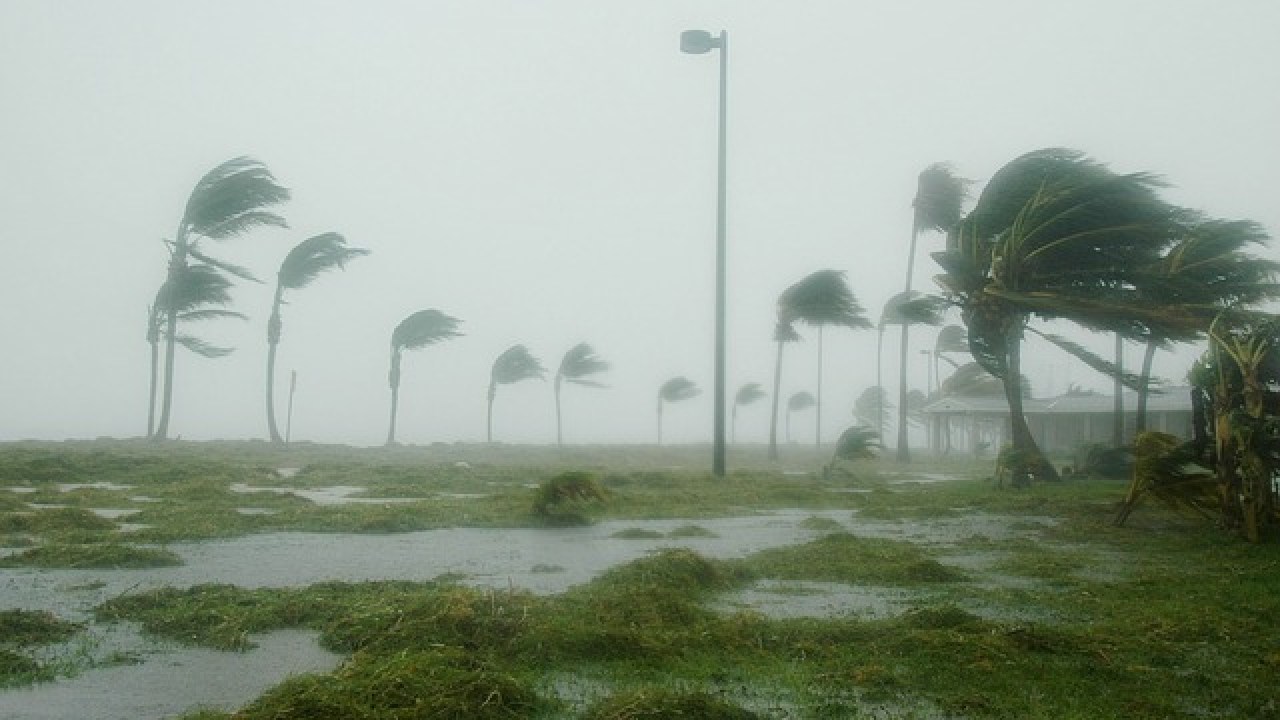

Hurricane wind pressure effects include roof uplift, window and door failure, interior pressurization, structural wall damage, and destruction caused by wind-borne debris. When wind speed doubles, wind pressure quadruples, which means a Category 4 hurricane does not just cause twice the damage of a Category 2. It causes many times more. According to NOAA, Category 3, 4, and 5 storms make up only 24% of all landfalling hurricanes but cause over 85% of all hurricane damage. This article explains exactly how wind pressure works during a hurricane, what it does to homes and buildings, and how you can protect your property from these forces.
How Hurricane Wind Pressure Affects Homes and Buildings
Hurricane wind pressure affects homes and buildings by pushing inward on walls facing the wind, pulling outward on walls away from the wind, and creating lift on the roof. These forces happen at the same time, and they increase sharply with wind speed. According to ASCE 7, the standard used by engineers to calculate wind loads, wind pressure increases with the square of the wind speed. A 100 mph wind produces about 25.6 pounds per square foot (psf) of dynamic pressure, according to Omnicalculator. A 150 mph wind produces roughly 57 psf. That is more than double the pressure from a 50% increase in wind speed.
The windward wall of a home, the side facing the storm, feels pressure pushing inward. The leeward wall, the side away from the wind, feels suction pulling outward. Side walls feel outward suction too. The roof feels uplift, a powerful suction force pulling it upward. According to Colorado State University, corners, eaves, rakes, and ridges feel even higher forces than the general building surfaces. This is why roof damage often starts at the edges and corners.
When you add these forces together, a standard home faces thousands of pounds of total force during a major hurricane. Even well-built homes can lose roofing materials when winds reach 65 mph, according to engineering assessments. By Category 3 speeds of 111 mph and above, entire roofs can be torn off poorly anchored structures.
Why Is Lower Pressure Worse for a Hurricane?
Lower pressure is worse for a hurricane because a lower barometric pressure at the center of the storm means the difference between the storm's core pressure and the surrounding atmosphere is greater. That pressure difference is what drives the wind. The bigger the difference, the faster the air rushes inward, and the stronger the winds become.
The lowest barometric pressure ever recorded in an Atlantic hurricane was 882 millibars, set by Hurricane Wilma in 2005, according to NOAA. For comparison, normal sea-level atmospheric pressure is about 1013 millibars. That means Wilma's center was 131 millibars below normal. The 1935 Labor Day Hurricane hit the Florida Keys with a pressure of 892 millibars and winds of 185 mph, making it one of the most powerful storms in U.S. history.
For homes, this matters because the sudden drop in atmospheric pressure outside a building, while the pressure inside stays higher, creates a pressure differential that pushes outward on every wall and the roof from the inside. This is one reason impact windows are so critical. If windows break under wind pressure or debris impact, the building envelope is breached, and internal pressurization takes over.
What Does Pressure 896 Mean in a Hurricane?
A pressure of 896 millibars in a hurricane means the storm has an extremely low central pressure, which indicates a very intense hurricane. That reading is well below the 920 millibar threshold typically associated with the strongest Category 5 storms. For context, Hurricane Andrew made landfall in Florida in 1992 as a Category 5 with a pressure of 922 millibars, according to NOAA. A reading of 896 would place a storm among the most powerful ever recorded in the Atlantic basin.
The lower the millibar reading, the more violent the wind speeds, and the greater the wind pressure acting on every surface of your home. At this level, sustained winds typically exceed 157 mph, and the damage potential is catastrophic.
Is 70 MPH Wind Hurricane Force?
No, 70 mph wind is not hurricane force. According to the National Hurricane Center, a tropical cyclone must have sustained winds of at least 74 mph to be classified as a Category 1 hurricane on the Saffir-Simpson Hurricane Wind Scale. A storm with 70 mph winds is classified as a tropical storm. That said, 70 mph winds are still very dangerous. They produce approximately 12.5 pounds per square foot of dynamic pressure, according to wind load calculations. That is enough to damage roof shingles, snap tree branches, turn loose objects into flying projectiles, and break unprotected windows.
Even at tropical storm strength, flying debris is a serious threat. Loose lawn furniture, signs, roof tiles, and tree limbs become airborne missiles that can shatter standard glass. This is one of the key reasons building codes in Florida require impact glass in hurricane-prone zones. The glass does not just resist wind pressure. It resists the impact of debris carried by the wind.
Has a Hurricane Ever Reached 200 MPH Winds?
Yes, a hurricane has reached 200 mph winds. Hurricane Patricia in 2015 reached sustained winds of 215 mph over the eastern Pacific Ocean, making it the strongest tropical cyclone ever recorded in the Western Hemisphere by wind speed, according to the National Hurricane Center. In the Atlantic basin, Hurricane Allen in 1980 reached sustained winds of 190 mph, and the 1935 Labor Day Hurricane reached 185 mph.
At 200 mph, wind pressure is extraordinary. Using the standard formula, a 200 mph wind produces roughly 102 psf of dynamic pressure. On a 10-by-10-foot wall, that is over 10,000 pounds of force pushing against a single surface. At that level, most residential structures, including well-built homes, face total destruction unless they are engineered specifically for extreme wind events.
According to NOAA, the damage potential from hurricanes rises by about a factor of four for every category increase. A doubling of wind speed from 75 mph to 150 mph does not double the damage. It increases damage potential by 256 times. That exponential relationship is why the jump from Category 3 to Category 5 is so devastating.
What Would a Category 7 Hurricane Be Like?
A Category 7 hurricane does not exist on the Saffir-Simpson Hurricane Wind Scale. The scale stops at Category 5, which covers all storms with sustained winds of 157 mph or higher. According to Robert Simpson, co-creator of the scale, there is no reason for a Category 6 or 7 because once winds exceed 155 mph, the damage to buildings is so extreme that higher numbers would not change the practical warning or preparation advice.
That said, some scientists have proposed expanding the scale because a small number of storms have produced winds far above the Category 5 threshold. Hurricane Patricia's 215 mph winds in 2015 were 58 mph above the Category 5 minimum. If a hypothetical Category 7 existed, it would describe winds that most structures on Earth simply cannot survive without specialized engineering. In South Florida, Miami-Dade and Broward counties already require that critical infrastructure withstand Category 5 conditions, according to the Florida Building Code's High-Velocity Hurricane Zone provisions.
Has a Cat 5 Ever Hit Florida?
Yes, a Category 5 hurricane has hit Florida. Hurricane Andrew made landfall in Homestead, Florida, on August 24, 1992, as a Category 5 storm with sustained winds of 165 mph and a central pressure of 922 millibars. Andrew caused catastrophic damage, destroying more than 25,000 homes and damaging over 100,000 others in Miami-Dade County, according to NOAA. The 1935 Labor Day Hurricane also struck the Florida Keys at Category 5 strength with 185 mph winds. Hurricane Michael hit the Florida Panhandle in 2018 as a Category 5 with 160 mph winds.
Andrew's destruction was a turning point for Florida building codes. The widespread failures exposed weaknesses in construction standards, leading to the creation of the Florida Building Code and the High-Velocity Hurricane Zone requirements for Miami-Dade and Broward counties. These codes now demand that windows, doors, and structural components meet strict wind pressure and debris impact testing standards. We install products that meet and exceed these requirements, including impact doors and windows rated for the most demanding wind zones in the state.
How Wind Pressure Causes Interior Pressurization
Interior pressurization is one of the most destructive effects of hurricane wind pressure, and it starts the moment a window, door, or garage door fails. When wind enters a building through a breach, it gets trapped inside. The pressure builds rapidly because the wind has no way to escape. According to FEMA, garage door failure is a leading cause of structural damage during hurricanes, triggering about 90% of residential wind damage.
Once the interior is pressurized, the roof is being pushed upward from below by internal pressure and pulled upward from above by wind suction. Walls are pushed outward from the inside. The combination can tear a roof completely off its framing and blow out walls. According to the Natural Hazards Center at the University of Colorado, wind-borne debris penetrates doors and windows and allows the force of the wind to act against interior walls and ceilings not designed to withstand such forces.
This is why keeping the building envelope intact is the single most important factor in surviving a hurricane. Every window and door is a potential breach point. High-rise impact windows and residential impact products are designed specifically to prevent this chain reaction by resisting both wind pressure and debris impact without breaking through.
Hurricane Wind Pressure by Category
Sources: National Hurricane Center (Saffir-Simpson Scale); NOAA JetStream (Hurricane Damage Potential); Omnicalculator (Wind Load Formula); ASCE 7 (Wind Pressure Standards)
The damage multiplier column shows something most homeowners do not realize. A Category 3 hurricane does not cause three times the damage of a Category 1. It causes 10 to 50 times the damage. According to NOAA, a 10 mph increase from 100 mph to 110 mph more than doubles the damage potential, from 10 times to 21 times that of a 75 mph storm. These numbers explain why even a small increase in hurricane strength matters so much for your home.
How Design Pressure Ratings Protect Your Home
Design Pressure (DP) ratings are how we measure a window or door's ability to resist hurricane wind pressure. The DP rating tells you the maximum wind load, measured in pounds per square foot, that the product can handle before its structure is compromised. A window with a DP rating of 50 has passed structural testing at 75 psf, which corresponds to roughly 200 mph winds, according to impact window testing standards.
As a general rule, every 10 points of design pressure corresponds roughly to one hurricane category. A product with a DP rating in the 30s should withstand a Category 3 hurricane. A DP 40 product aligns with Category 4 conditions. A DP 50 or higher is built for Category 5 and beyond.
The most demanding building codes in the United States are found in South Florida's High-Velocity Hurricane Zone (HVHZ), which covers Miami-Dade and Broward counties, according to the Florida Building Code. Products installed in the HVHZ must carry a Notice of Acceptance (NOA) from Miami-Dade County, which requires testing that goes beyond standard building code requirements. We install only products that meet these rigorous standards, giving homeowners the highest level of certified protection against commercial impact doors and residential applications alike.
What Is Worse, High or Low Barometric Pressure?
Low barometric pressure is worse in the context of hurricanes. Low pressure at the center of a storm drives faster winds, which create higher wind pressure on buildings. The lower the barometric pressure, the more intense the hurricane. Normal atmospheric pressure at sea level is about 1013 millibars. Category 1 hurricanes typically have central pressures around 980 millibars. Category 5 storms can drop below 920 millibars. Hurricane Wilma's record-low pressure of 882 millibars produced sustained winds of over 185 mph, according to NOAA.
For homeowners, the takeaway is simple. When meteorologists report a hurricane's pressure dropping rapidly, the storm is intensifying. The wind pressure hitting your home will increase accordingly. This is why preparation must happen before the storm arrives, not while it is strengthening offshore.
How Impact Windows and Doors Resist Hurricane Wind Pressure
Impact windows and doors resist hurricane wind pressure through three key features: laminated glass that holds together under impact, reinforced frames that resist bending under extreme loads, and airtight seals that prevent wind from entering the structure.
The laminated glass in impact windows contains a polyvinyl butyral (PVB) interlayer sandwiched between two sheets of glass. When debris strikes the glass, it may crack, but the PVB interlayer holds the pieces in place. The window stays sealed. Wind and rain stay outside. The building envelope remains intact, which prevents the deadly chain of interior pressurization, roof uplift, and wall failure.
Impact products are tested in two ways. First, they undergo a structural load test where air pressure is applied to simulate wind loads at 1.5 times the rated design pressure for 10 seconds. Second, they undergo a missile impact test where a 9-pound 2x4 lumber piece is fired at the glass at 34 mph for large missile testing, or small steel balls are shot at the glass for small missile testing. Products must pass both tests to earn their rating.
According to NOAA's National Centers for Environmental Information, tropical cyclones have caused over $1.5 trillion in total damage in the United States since 1980, with an average cost per event of $23 billion. In 2024 alone, Hurricanes Helene and Milton caused a combined $113 billion in damage. Protecting your windows and doors is one of the most cost-effective ways to prevent your home from becoming part of those statistics.
Why Wind-Borne Debris Is the Hidden Threat
Wind-borne debris causes a large portion of hurricane damage, and it starts at surprisingly low wind speeds. At 74 mph, the threshold for a Category 1 hurricane, loose objects like lawn chairs, trash cans, signs, and roof tiles become airborne projectiles. At Category 3 and above, pieces of buildings, tree limbs, and even sections of roofing material can fly through the air at deadly speeds.
According to the Natural Hazards Center at the University of Colorado, a large fraction of hurricane damage comes not from the wind itself but from airborne missiles like tree limbs, signs, roof tiles, metal siding, and other pieces of buildings. These projectiles penetrate standard windows and doors. Once the envelope is breached, the wind does the rest.
The Florida Building Code addresses this directly in the HVHZ by requiring that all windows and doors pass large missile impact testing. Balcony enclosures, storefronts, and residential windows all face the same requirement: they must stop debris from penetrating the building. This is not optional in Miami-Dade and Broward counties. It is the law.
How to Prepare Your Home for Hurricane Wind Pressure
Preparing your home for hurricane wind pressure starts with the building envelope. Windows, doors, garage doors, and the roof are the four most vulnerable points.
Why Do People Fill the Bathtub With Water Before a Hurricane?
People fill the bathtub with water before a hurricane because hurricanes often knock out power and water service for days or even weeks. The stored water is used for flushing toilets, washing hands, and basic hygiene when the municipal water supply is disrupted. It is not for drinking. It is a practical step that has been recommended by emergency management agencies for decades.
While filling the bathtub addresses one part of hurricane preparation, protecting the structure of your home is even more critical. A home that loses its windows or roof during a storm may become unlivable regardless of how much water you stored. Installing impact storefronts for commercial properties and impact windows for homes is the single most effective step you can take to keep your building intact during a hurricane.
Can You Flush the Toilet During a Hurricane?
Yes, you can flush the toilet during a hurricane as long as the water supply and sewer system are still working. If the power goes out and your home is on a well system with an electric pump, you will lose water pressure. In that case, you can manually flush by pouring stored water into the toilet bowl. Municipal water systems may also lose pressure during prolonged outages. This is one reason filling bathtubs and large containers with water before the storm is a common recommendation from FEMA and local emergency management offices.
The Financial Impact of Hurricane Wind Pressure Damage
The financial impact of hurricane wind pressure damage is staggering. According to NOAA's National Centers for Environmental Information, the United States has experienced 403 billion-dollar weather and climate disasters since 1980, with total costs exceeding $2.9 trillion. Tropical cyclones alone account for over $1.5 trillion of that total and are responsible for more than 7,200 deaths.
In 2024, the U.S. experienced 27 billion-dollar disasters totaling $182.7 billion in damage, according to NOAA. Hurricane Helene alone cost $78.7 billion. Hurricane Milton added another $34.3 billion. CoreLogic's 2024 Hurricane Risk Report found that 32.7 million homes are at risk of hurricane damage, with combined reconstruction costs potentially reaching $10.8 trillion.
The Insurance Information Institute reported that in 2024, more than 22.7 million homes were at high risk of wind damage, projected at over $7 billion in reconstruction costs. More than 53% of residential insurance claims were denied after Hurricane Helene, and only 2% of victims in North Carolina, South Carolina, and Georgia had flood insurance. These numbers make one thing clear: proactive protection is far less expensive than rebuilding after a storm.
Frequently Asked Questions
Can a Human Survive 500 MPH Winds?
No, a human cannot survive 500 mph winds. Winds of that magnitude do not occur naturally on Earth. The strongest wind gust ever recorded at the surface was 253 mph during Tropical Cyclone Olivia in 1996, according to the World Meteorological Organization. At 500 mph, the dynamic pressure would exceed 640 psf, which is far beyond what any unprotected structure or living organism could withstand. For reference, a Category 5 hurricane with 157 mph winds already causes catastrophic destruction to buildings.
Can a Hurricane Have 300 MPH Winds?
No, a hurricane cannot have 300 mph winds based on current atmospheric science. The theoretical maximum intensity of a tropical cyclone is limited by sea surface temperatures and atmospheric conditions. Research suggests that the upper limit for sustained hurricane winds on Earth is roughly 200 to 220 mph under the most extreme conditions. Hurricane Patricia's 215 mph in 2015 is the highest reliably measured sustained wind speed for any tropical cyclone.
Is a Cat 6 Hurricane Possible?
A Category 6 hurricane is not part of the official Saffir-Simpson Hurricane Wind Scale, which stops at Category 5 for storms with sustained winds of 157 mph and above. Some scientists have proposed adding a Category 6 for storms exceeding 192 mph, but the National Hurricane Center has not adopted this. According to Robert Simpson, co-creator of the scale, winds above 155 mph cause rupturing damage to buildings regardless of engineering, making additional categories unnecessary from a warning perspective.
Is 29.94 High or Low Barometric Pressure?
A barometric pressure reading of 29.94 inches of mercury (approximately 1014 millibars) is normal atmospheric pressure at sea level. It is neither high nor low. Normal readings range from about 29.80 to 30.20 inches of mercury. Readings below 29.00 inches of mercury indicate a significant low-pressure system, and readings below 28.00 inches (about 948 millibars) typically indicate a major hurricane. For comparison, Hurricane Katrina's pressure at landfall was about 920 millibars, or roughly 27.17 inches of mercury.
What Hurricane Had 190 MPH Winds?
Hurricane Allen in 1980 had sustained winds of 190 mph, making it one of the strongest Atlantic hurricanes ever recorded by wind speed. Allen reached this peak intensity over the Caribbean Sea with a central pressure of 899 millibars, according to NOAA. Despite its extreme intensity over open water, Allen weakened before making landfall in Texas, which reduced its onshore damage. The 1935 Labor Day Hurricane also reached 185 mph winds when it struck the Florida Keys as a Category 5.
Will 2026 Hurricane Season Be Bad?
The 2026 hurricane season forecast depends on factors including sea surface temperatures, El Nino or La Nina conditions, and atmospheric patterns that meteorologists assess each spring. NOAA typically releases its official seasonal outlook in late May. Regardless of the forecast, every hurricane season carries risk for homeowners in coastal areas. Over the last five years (2020 to 2024), the U.S. has averaged 23 billion-dollar weather disasters per year, according to NOAA. Preparing your home before the season starts is always the safest approach.
Can a Cruise Ship Go Through a Category 5 Hurricane?
No, a cruise ship cannot safely go through a Category 5 hurricane. Modern cruise ships are built to handle rough seas, but Category 5 winds of 157 mph or higher produce waves that can exceed 40 to 50 feet. The dynamic wind pressure alone would be over 63 psf on the ship's superstructure. Cruise lines use advanced weather routing to steer well clear of hurricanes. If a storm threatens a port, ships alter their itineraries or delay departures to avoid the danger entirely.
The Takeaway
Hurricane wind pressure is one of the most destructive natural forces on Earth, and it grows exponentially with wind speed. A small increase in sustained winds can double or triple the damage to your home. The key to surviving that force is keeping your building envelope sealed. Every window, every door, and every opening is a potential failure point. Once breached, the wind enters your home and tears it apart from the inside out.
At ASP Windows and Doors, we install impact-rated windows, doors, and glass systems that are tested and certified to resist the extreme wind pressures and debris impacts that hurricanes bring to South Florida. Call us at (888) 782-8342 or request a free estimate to protect your home before the next storm.
Now Accepting Appointments
Proudly serving homeowners and businesses across South Florida and Southwest Florida. Book your visit and let our experts help protect and upgrade your space.
.avif)
.avif)
.avif)
%201.avif)
Insights & Resources
Stay informed with expert tips on impact windows, hurricane protection, and South Florida building standards.


%201.webp)
%201%20(1).webp)

%201.svg)
%201%20(1)%20(1).webp)
.png%20(1).webp)
.png.webp)
.avif)
.avif)


.avif)


.png)
.png)