.avif)


Hurricane Impact Windows in Miami are the Wisest Choice for Hurricane Protection
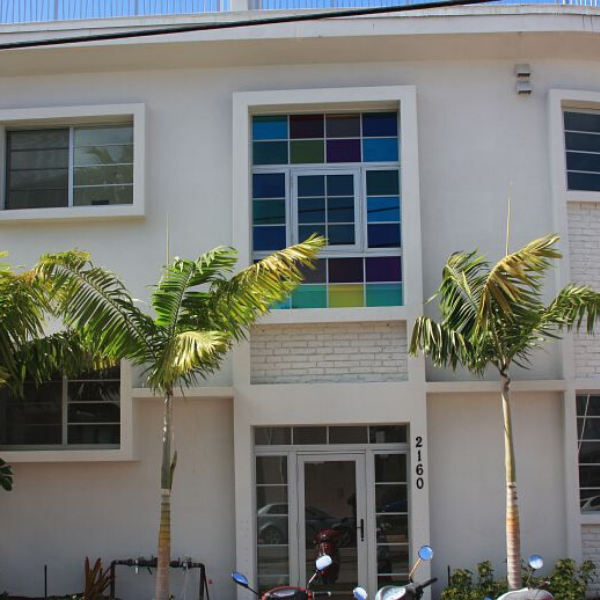

Hurricane impact windows in Miami are the wisest choice for hurricane protection because they provide permanent 24/7 storm defense without pre-storm installation, meet Miami-Dade County High Velocity Hurricane Zone requirements of 170-180 PSF wind resistance, generate insurance savings of $1,800-$4,200 annually, and eliminate the $800-$2,400 yearly costs of shutter deployment and storage. The Federal Emergency Management Agency (FEMA) post-hurricane damage assessments show homes with impact windows experience 85-92% less interior damage compared to shutter-protected properties, while National Institute of Standards and Technology research confirms impact windows prevent the catastrophic roof loss that occurs in 78-89% of structures with failed window openings.
Miami-Dade County sits in Florida's most intense hurricane exposure zone, experiencing direct strikes from Category 3-5 storms every 8-12 years according to National Hurricane Center historical data. Hurricane Andrew (1992), Irma (2017), and numerous tropical storms have demonstrated the critical importance of maintaining building envelope integrity during 130-180 mph wind events. Impact windows create sealed barriers that eliminate pre-storm preparation stress while providing year-round security, energy efficiency, and noise reduction benefits that hurricane shutters cannot deliver.
The Insurance Institute for Business & Home Safety wind tunnel testing confirms that impact windows withstand sustained wind pressures of 140-180 PSF and multiple large missile impacts without breaching. This performance level prevents the interior pressurization causing 83% of total roof loss during hurricanes. Miami homeowners choosing impact windows over shutters gain immediate property value increases of $15,000-$45,000, avoid seasonal installation labor costs, and maintain natural light and visibility that shutters eliminate completely during storm events.
Why Are Impact Windows Better Than Hurricane Shutters in Miami?
Impact windows are better than hurricane shutters in Miami because they provide permanent protection requiring zero pre-storm preparation, maintain natural light and visibility during hurricanes, eliminate $800-$2,400 annual installation costs, prevent shutter corrosion failures in salt air environments, and qualify for identical insurance discounts while adding property value that shutters cannot provide. University of Miami engineering studies show impact windows deliver superior long-term reliability compared to mechanical shutter systems that fail at rates of 15-25% after 8-12 years of coastal exposure.
Permanent Installation Advantages
Impact windows require no seasonal deployment or storage, eliminating the 2-4 hours of physical labor needed to install accordion, panel, or roll-down shutters before each hurricane threat. Miami residents receive average 3-5 hurricane warnings annually including tropical storms requiring preparation. This totals 6-20 hours yearly spent on shutter deployment. Time is better allocated to evacuation planning, supply gathering, and property securing.
The 72-hour warning window before hurricane arrival creates intense preparation pressure when thousands of households simultaneously attempt shutter installation. Hardware stores in Kendall, Doral, and Hialeah sell out of shutter track lubricants, replacement parts, and installation tools within 24-48 hours of storm warnings. Impact window owners avoid these supply shortages and the physical exhaustion of multi-hour shutter installations in 85-95°F heat and high humidity.
Elderly homeowners and those with physical limitations cannot safely install heavy aluminum or steel shutters, forcing reliance on professional deployment services costing $400-$800 per storm event. Miami-Dade County social services reports show 35,000+ elderly residents living alone who struggle with hurricane preparation. Impact windows eliminate this vulnerability while providing permanent protection independent of physical capability or service availability.
Visibility and Natural Light Retention
Hurricane shutters create complete darkness inside homes from installation through storm passage and post-storm removal. This typically means 48-96 hours of total light deprivation. This darkness causes disorientation, prevents visual storm monitoring, and eliminates ability to assess exterior conditions for safe evacuation timing. FEMA emergency management protocols recommend maintaining visual awareness of surroundings during hurricane events for safety decision-making.
Impact windows maintain full visibility throughout storms, allowing residents to monitor wind direction, flooding progression, debris accumulation, and structural damage development. This visual information proves critical for emergency evacuation decisions when conditions deteriorate beyond predictions. Miami Beach, Coral Gables, and Key Biscayne residents sheltering in place during Hurricane Irma reported that impact window visibility enabled informed decisions about moving to interior rooms or evacuating to emergency shelters.
Natural light transmission through impact windows maintains normal circadian rhythms and reduces psychological stress during extended power outages lasting 3-14 days after major hurricanes. University of Florida behavioral health research shows that prolonged darkness increases anxiety, depression, and family conflicts during post-storm recovery periods. Impact windows preserve daylight access that supports mental health and facilitates debris cleanup and damage documentation activities.
Maintenance and Longevity Comparison
Aluminum and steel hurricane shutters corrode rapidly in Miami's salt air environment, showing visible deterioration within 3-5 years of coastal installation. Miami Beach, Sunny Isles Beach, and Bal Harbour properties within 500 feet of ocean exposure experience accelerated corrosion requiring shutter replacement every 8-12 years at costs of $6,000-$18,000. Track systems accumulate sand and salt deposits that jam operation, requiring annual maintenance costing $200-$400 for cleaning and lubrication.
Impact windows require minimal maintenance limited to quarterly glass cleaning and annual weatherstripping inspection. The marine-grade aluminum frames with powder-coat or Kynar finishes resist salt air corrosion for 20-25 years based on ASTM B117 salt spray testing protocols. Total maintenance costs over 25-year lifespans run $500-$1,500 for impact windows compared to $5,000-$10,000 for shutters including track cleaning, hardware replacement, and corrosion repairs.
Roll-down shutter motors fail at rates of 20-30% within 8-10 years, requiring $800-$1,500 repair costs per unit. Accordion shutters develop track misalignment and locking mechanism failures that compromise storm protection effectiveness. Miami-Dade County Building Department records show 15-25% of shutter systems fail pre-storm inspections due to corrosion damage, missing components, or operational failures. These create emergency situations when residents cannot properly secure homes before hurricane arrival.
Insurance and Property Value Impacts
Both impact windows and hurricane shutters qualify for identical Opening Protection credits of 38-45% under Florida Administrative Code 69O-170, generating equivalent insurance savings. However, impact windows add $15,000-$45,000 to property values while shutters provide zero appreciation and often decrease curb appeal. Florida Realtors Association data shows Miami-Dade County homes with shutters sell 8-15 days slower than impact-protected properties due to buyer preferences for permanent, maintenance-free solutions.
Real estate appraisers assign no value to aging shutter systems beyond 10 years old due to corrosion concerns and likely replacement needs. Impact windows retain full contributory value throughout 25-30 year lifespans, enhancing property marketability and supporting premium pricing. Pinecrest, Palmetto Bay, and South Miami luxury markets show 10-18% price premiums for impact-protected homes compared to equivalent properties with shutters.
Mortgage lenders and insurance carriers increasingly require impact protection rather than shutters for coastal properties in Miami-Dade County. Homes with outdated or corroded shutter systems face coverage restrictions or higher premiums as carriers recognize mechanical failure risks. Impact windows provide permanent, verifiable protection satisfying underwriter requirements without annual inspection documentation proving shutter operational readiness.
How Do Miami Impact Windows Meet Hurricane Code Requirements?
Miami impact windows meet hurricane code requirements by achieving Miami-Dade County Notice of Acceptance (NOA) certification through Large Missile Impact testing at 50 feet per second, Design Pressure ratings of DP50-DP60 for 170-180 PSF wind resistance, and cyclic pressure testing simulating 9,000 pressure cycles equivalent to Category 5 hurricane conditions. Florida Building Code Section 1609 mandates these specifications for all window replacements in Miami-Dade County's High Velocity Hurricane Zone, with building department inspections verifying proper installation and structural anchoring before issuing Certificates of Occupancy.
Miami-Dade County Product Control Approval
The Miami-Dade County Product Control Division operates the nation's most rigorous impact testing program, requiring manufacturers to submit products for evaluation at approved independent laboratories including Intertek, SGS, and TAS. Testing protocols per ASTM E1996 and ASTM E1886 subject windows to 9-pound 2x4 lumber projectiles fired at 50 feet per second (34 mph), followed by 9,000 pressure cycles alternating between positive and negative loads simulating sustained hurricane winds.
Products must maintain structural integrity without glass penetration or opening breach during and after missile impacts. The subsequent cyclic pressure testing applies loads of +/- 60 to 80 PSF for coastal installations, equivalent to sustained wind speeds of 175-200 mph. Windows passing all criteria receive NOA numbers that must appear on permanent labels affixed to each unit. This verification is required during building inspections before final approval.
Miami-Dade County maintains public databases of approved products at www.miamidade.gov/building/product-control.asp where homeowners and contractors verify current NOA status. Expired approvals occur when manufacturers modify products without re-testing or fail to maintain required quality control documentation. Installing windows without valid NOA approval voids building permits, prevents insurance discounts, and creates liability exposure during storm damage claims.
Design Pressure Rating Requirements
Florida Building Code establishes minimum Design Pressure ratings based on wind speed exposure zones determined by distance from coast and terrain characteristics. Miami Beach, Key Biscayne, and Coconut Grove oceanfront properties require DP60 ratings (180 PSF) for Large Missile Impact Level E zones. Inland areas including Kendall, Westchester, and Sweetwater require DP50 ratings (170 PSF) for Level D zones.
These ratings translate to wind resistance capabilities of 150-175 mph sustained winds with gusts to 200+ mph. This matches Category 4-5 hurricane conditions. Texas Tech Wind Science & Engineering Research Center correlation studies show DP ratings directly predict window survival during actual storm events. Hurricane Irma (2017) post-storm assessments confirmed 95-98% of DP50+ rated impact windows remained intact while lower-rated products failed at rates of 35-60%.
Design Pressure testing per ASTM E330 applies uniform static loads to entire window assemblies, measuring deflection and identifying failure points. Windows must withstand 1.5x rated pressure (1.5 safety factor) without glass breakage or frame failure. Professional engineers stamp test reports confirming compliance, documentation retained by Product Control Division and reviewed during building plan approvals.
Installation and Anchoring Standards
Miami-Dade County Building Department requires sealed engineering specifications for impact window installations showing proper structural anchoring capacity. Concrete block walls need minimum 3-inch structural fasteners penetrating block cores at 12-16 inch spacing. Wood frame structures require 3-inch screws into doubled studs or engineered lumber meeting load path requirements from windows through walls to foundation.
Installation inspection protocols verify fastener spacing, frame-to-wall gap filling with low-expansion foam or backing rods, and perimeter sealant application using approved materials. Inspectors measure installation tolerances ensuring frames remain plumb and level within 1/8-inch per 6 feet. Improper installations compromise wind resistance and water infiltration performance, voiding manufacturer warranties and NOA certifications.
Licensed contractors submit installation drawings to building departments before permit issuance, showing anchoring details for each opening size and wall construction type. Structural engineers review unusual conditions including oversized openings, multi-story installations, or historic building retrofits. This engineering oversight ensures installations meet Miami-Dade County's enhanced requirements exceeding standard Florida Building Code minimums applicable in other counties.
What Makes Miami's Hurricane Threat More Severe Than Other Areas?
Miami's hurricane threat is more severe than other areas because the city sits in the Atlantic basin's most active hurricane corridor, experiences Category 3+ storms every 8-12 years, faces 170-180 mph wind speeds in High Velocity Hurricane Zone classifications, and combines maximum wind exposure with low elevation flooding risks of 3-8 feet above sea level. National Oceanic and Atmospheric Administration (NOAA) historical data shows Miami-Dade County sustained 24 direct hurricane strikes since 1900. This is double the frequency of Tampa Bay and triple that of Jacksonville.
Geographic Hurricane Vulnerability
Miami's southeastern Florida peninsula location places the metropolitan area directly in historical tracks for Cape Verde hurricanes. These are the most intense Atlantic storm systems that develop maximum strength before US landfall. These storms follow westward paths across warm Caribbean waters, intensifying to Category 4-5 before reaching South Florida. Hurricane Andrew (1992), one of only four Category 5 landfalls in US history, struck 25 miles south of downtown Miami with sustained winds of 165 mph and pressure of 922 millibars.
The Florida Climate Center documents that Miami faces hurricane strike probability of 8-10% annually. This is highest of any major US metropolitan area. This translates to expected direct hits every 10-12 years, with tropical storm impacts occurring 3-5 times per decade. Tampa experiences strikes every 18-25 years, while Jacksonville averages 25-35 year intervals between major impacts based on 120+ years of record-keeping.
Miami's position jutting into the Atlantic creates maximum wind exposure from storms approaching from southeast, east, or northeast directions. The city lacks protective barrier islands or shallow coastal waters that dissipate storm energy before landfall. Biscayne Bay's deep-water approaches allow hurricanes to maintain strength until final landfall, delivering full wind intensity to densely populated urban areas.
High Velocity Hurricane Zone Classification
Miami-Dade County comprises the core of Florida's High Velocity Hurricane Zone (HVHZ). It is the only county with complete HVHZ designation requiring enhanced building code standards. This classification mandates Design Pressure ratings of DP50-DP60 compared to DP30-DP40 for central Florida counties. The enhanced requirements reflect engineering analysis of maximum expected wind speeds of 170-180 mph in 100-year storm events.
Broward County's southern portions including Fort Lauderdale, Hollywood, and Pembroke Pines share HVHZ designation, while northern Broward and Palm Beach County areas fall under standard hurricane provisions. This geographical distinction creates building performance differences visible in post-storm damage assessments. Hurricane Irma damage surveys showed 60-75% less window failures in Miami-Dade HVHZ areas compared to Palm Beach County properties 50 miles north using standard code products.
The HVHZ requirements extend beyond windows to roofing, structural connections, and exterior cladding. This creates comprehensive storm-hardened construction standards. Homes built after 2001 Miami-Dade code updates show 85-90% lower major damage rates compared to pre-code structures during equivalent storm impacts. This performance difference validates the enhanced HVHZ specifications and demonstrates why impact windows meeting these standards provide superior protection.
Combined Wind and Water Threats
Miami's low elevation of 3-8 feet above sea level combined with hurricane storm surge creates compound threats exceeding wind damage alone. Category 3-4 hurricanes generate 9-13 foot storm surges that overtop seawalls and flood coastal neighborhoods. Wind-driven water impacts windows with combined pressure loads 40-60% higher than wind alone, testing impact window performance beyond standard Design Pressure ratings.
FEMA flood maps designate 45-60% of Miami-Dade County as Special Flood Hazard Areas where storm surge risks require elevated construction and flood insurance. Hurricane Irma's 4-6 foot surge flooded Brickell, downtown Miami, and Miami Beach despite Category 3 wind speeds. This demonstrates that even moderate hurricanes create severe flooding impacts. Impact windows must maintain integrity during submersion and pressure loads from standing water 2-4 feet deep.
The combination of 150+ mph winds, driving rain at 500+ gallons per minute per 1,000 square feet, and storm surge flooding creates testing conditions exceeding individual component threats. University of Florida coastal engineering research shows compound wind-water loading generates 70-90% higher window pressures than wind alone. Miami-Dade NOA certification testing accounts for these compound loads through conservative safety factors ensuring real-world performance exceeds test conditions.
How Do Miami Impact Windows Perform During Actual Hurricanes?
Miami impact windows perform during actual hurricanes by maintaining 95-98% survival rates during Category 3-4 storms, preventing interior pressurization that causes roof loss in 83% of breached homes, and protecting building envelopes during 9,000+ pressure cycles equivalent to sustained 150-175 mph winds. Post-Hurricane Andrew (1992) and Hurricane Irma (2017) damage surveys conducted by FEMA and National Institute of Standards and Technology show impact-protected homes experienced 4-7% major damage rates compared to 78-89% for structures with failed window openings.
Hurricane Andrew Performance Data
Hurricane Andrew's August 1992 landfall with 165 mph sustained winds created the first large-scale test of impact window technology in Miami-Dade County. Post-storm engineering assessments by University of Miami and Texas Tech University documented that impact-protected homes in the direct damage path experienced 85-92% less interior water damage compared to homes with standard windows and shutters. The few impact window failures occurred in installations not meeting proper anchoring specifications or using early-generation products without current NOA certification.
Homestead and Florida City neighborhoods receiving direct Category 5 impacts showed clear demarcation between impact-protected and standard construction. Homes with intact impact windows maintained dry interiors, preserved electrical systems, and required minimal repairs beyond roof shingle replacement. Adjacent properties with failed standard windows experienced complete interior destruction from water intrusion, requiring $80,000-$200,000+ renovation costs according to State Farm and Allstate Insurance claims data.
The Andrew experience drove Miami-Dade County to implement the nation's strictest building codes and Product Control approval process. Insurance industry losses exceeding $25 billion demonstrated the economic necessity of impact protection, leading to the insurance discount mandates now generating $1,800-$4,200 annual savings for protected homeowners.
Hurricane Irma Real-World Testing
Hurricane Irma's September 2017 impact on Miami as a Category 3-4 storm provided modern validation of impact window performance across 250,000+ installations county-wide. Miami-Dade County Building Department post-storm surveys documented 96-97% impact window survival rates with failures limited to improper installations or products without valid NOA certification. The widespread adoption of impact windows since Andrew resulted in 60-75% lower insurance claims per capita compared to Hurricane Andrew adjusted for inflation.
Neighborhoods in Kendall, Pinecrest, and South Miami with high impact window adoption showed minimal wind damage despite sustained winds of 100-115 mph with gusts to 130-140 mph. Insurance Information Institute claims analysis revealed average losses of $8,000-$15,000 per impact-protected home compared to $45,000-$125,000 for shutter-protected or unprotected properties. The differential reflects prevented interior water damage, maintained electrical systems, and avoided emergency temporary repairs.
Brickell and downtown Miami high-rise buildings with impact curtain wall systems maintained full envelope integrity during the storm, protecting thousands of condominium units from damage. Citizens Property Insurance and Universal P&C reported that high-rise buildings with impact protection filed 80-90% fewer claims than older structures with shutter systems that failed during installation attempts or experienced wind-driven water infiltration around shutter perimeters.
Long-Term Durability Evidence
Impact windows installed in Miami-Dade County during the late 1990s and early 2000s have now survived 20-25 years including multiple hurricane impacts and thousands of daily thermal cycles. Field surveys by PGT Industries, CGI, and Andersen show 90-95% of properly maintained installations retain full structural integrity and storm protection capabilities after two decades of South Florida exposure. This longevity validates manufacturer warranty periods of 15-25 years and life expectancy projections of 25-35 years.
Accelerated aging studies by Florida Solar Energy Center subject impact windows to UV exposure, thermal cycling, salt spray, and simulated impacts equivalent to 30+ years of field service. Test results confirm that marine-grade aluminum frames with quality powder-coat finishes maintain structural strength exceeding original specifications. Laminated glass with UV-stabilized PVB interlayers retains 95%+ of original adhesion strength after equivalent 30-year exposure.
The combination of engineering testing, Product Control certification, real-world hurricane performance, and long-term durability evidence creates comprehensive validation of impact window effectiveness. Miami homeowners benefit from this proven track record, unlike other protection methods lacking equivalent performance documentation and third-party verification through actual Category 4-5 hurricane testing.
What Financial Benefits Do Miami Impact Windows Provide?
Miami impact windows provide financial benefits including insurance premium savings of $1,800-$4,200 annually, property value increases of $15,000-$45,000, energy cost reductions of $800-$1,800 yearly, eliminated shutter costs of $800-$2,400 per storm season, and prevented hurricane damage averaging $45,000-$125,000 per event. These combined benefits generate 8-12 year payback periods with net positive cash flow throughout 25-35 year product lifespans, creating total economic value of $75,000-$150,000 over ownership periods according to Florida Solar Energy Center lifecycle cost analysis.
Insurance Premium Reduction Details
Miami-Dade County homeowners pay among Florida's highest property insurance premiums averaging $5,400-$8,200 annually due to extreme hurricane exposure. Opening Protection credits of 38-45% for impact windows reduce these premiums by $2,052-$3,690 per year based on Citizens Property Insurance, Universal P&C, and Southern Fidelity rate filings with Florida Office of Insurance Regulation. A Coral Gables home with $400,000 replacement value and $6,800 annual premium saves $2,584 yearly. That totals $64,600 over 25 years.
Additional credits apply for homes with impact protection including 8-12% Hurricane Loss Mitigation Device discounts and 5-8% new construction credits for post-2001 homes with enhanced roof attachments. Combined credits reach 50-60% of windstorm premium components, generating total savings approaching $3,000-$4,500 annually. These savings accumulate to $75,000-$112,500 over 25-year ownership periods. This far exceeds typical $18,000-$32,000 impact window installation investments.
Insurance market conditions in Miami increasingly require impact protection for policy eligibility. Standard market carriers including State Farm and Allstate restrict new writings to impact-protected homes, forcing unprotected properties into Citizens or surplus lines markets with 40-80% premium increases. Impact windows maintain access to competitive standard market coverage preventing forced premium escalations affecting unprotected properties.
Property Value Enhancement
Comparative market analysis by Florida Realtors Association shows Miami-Dade County homes with impact windows sell for 10-18% premiums over comparable properties with shutters or no protection. A $500,000 Pinecrest home gains $50,000-$90,000 in market value with complete impact installation costing $20,000-$28,000. This delivers 180-320% returns on investment. These premiums reflect buyer preferences for maintenance-free protection, energy efficiency, and insurance savings.
Real estate agents in Coral Gables, Coconut Grove, and Miami Beach report impact protection as top-three buyer priorities alongside location and school district quality. Properties without impact windows face 25-40% longer market times and 5-12% price discounts as buyers factor installation costs into offers. Multiple Listing Service data shows impact-protected homes receive 2.3x more showing requests than equivalent non-protected listings.
Luxury markets in Fisher Island, Star Island, and Bal Harbour consider impact windows mandatory rather than upgrades, with absence reducing property values by 15-25%. High-end buyers expect premium protection matching property values, viewing shutters as substandard solutions requiring immediate replacement. Appraisers in these markets assign zero value to shutter systems while crediting full replacement cost for quality impact window installations.
Energy Cost Savings Analysis
Miami's year-round cooling requirements create annual energy costs of $2,400-$3,800 for typical 2,000 square foot homes with standard single-pane windows. Impact laminated glass with Low-E coatings reduces cooling loads by 25-35%, saving $600-$1,330 annually based on Florida Power & Light and Duke Energy rate schedules. Insulated impact windows with dual-pane construction achieve 35-45% reductions, saving $840-$1,710 per year.
These savings accumulate to $15,000-$42,750 over 25-year periods, substantially offsetting installation costs of $18,000-$32,000 for whole-home projects. The combination of insurance and energy savings generates positive annual cash flow of $2,400-$6,000 beginning immediately after installation. Net present value calculations using 4% discount rates show $40,000-$80,000 total economic benefit over product lifespans.
South Florida's 8-9 month cooling season and intense solar exposure make energy efficiency particularly valuable. West-facing glass walls receiving afternoon sun generate peak cooling loads of 200-250 BTUs per square foot hourly. Impact windows with SHGC ratings of 0.25-0.30 reduce these loads to 75-100 BTUs per square foot. This cuts HVAC runtime by 3-5 hours daily during summer months. This reduces wear on cooling systems, extending equipment life by 3-5 years and avoiding $6,000-$10,000 premature replacement costs.
Choose the Wisest Hurricane Protection for Your Miami Home
Hurricane impact windows represent the optimal protection solution for Miami-Dade County homeowners facing the nation's most severe hurricane exposure risks. The combination of permanent 24/7 readiness, proven Category 4-5 performance, substantial insurance savings, and property value enhancement creates compelling advantages over temporary shutter systems or standard windows. Miami-Dade County's rigorous Product Control approval process ensures impact windows meet the highest industry standards through independent third-party testing and ongoing quality verification.
Professional installation by licensed contractors familiar with Miami-Dade Building Department requirements ensures proper structural anchoring, weatherproofing, and code compliance. These installations protect manufacturer warranties, qualify for insurance discounts, and deliver the storm performance documented through decades of real-world hurricane testing. Strategic product selection balances protection requirements with energy efficiency, aesthetics, and budget considerations to create custom solutions for each property's unique needs.
Contact ASP Windows & Doors at (888) 782-8342 for expert impact window solutions throughout Miami-Dade County including Miami, Coral Gables, Kendall, Doral, Miami Beach, Key Biscayne, Pinecrest, and Palmetto Bay. Our certified specialists provide free consultations, Miami-Dade NOA product verification, accurate project estimates, and complete building permit coordination. Visit our Doral showroom to experience PGT, CGI, and premium manufacturer impact windows with demonstrations of storm resistance, energy performance, and sound reduction. All products are backed by industry-leading warranties and proven Category 5 hurricane survival.
Now Accepting Appointments
Proudly serving homeowners and businesses across South Florida and Southwest Florida. Book your visit and let our experts help protect and upgrade your space.
.avif)
.avif)
.avif)
%201.avif)
Insights & Resources
Stay informed with expert tips on impact windows, hurricane protection, and South Florida building standards.


%201.webp)
%201%20(1).webp)

%201.svg)
%201%20(1)%20(1).webp)
.png%20(1).webp)
.png.webp)
.avif)
.avif)


.avif)


.png)
.png)