.avif)


What Are Some Damages Caused by Hurricanes?
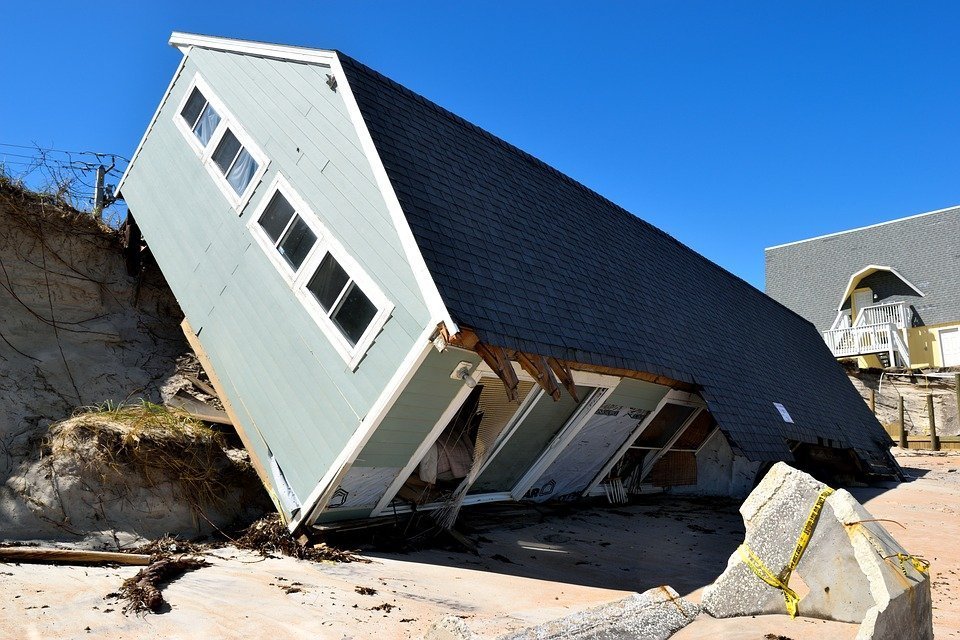

Damages caused by hurricanes include structural failures from wind pressures exceeding 150 PSF, water intrusion from storm surge and rainfall totaling 10-20 inches creating $50,000-200,000 flooding losses, flying debris penetrating building envelopes, electrical system failures from downed power lines, mold growth from moisture exposure within 24-48 hours, and economic disruption averaging $15,000-35,000 per affected property. The National Hurricane Center reports Category 3+ hurricanes generate combined wind, water, and debris damage exceeding $50 billion per major event affecting millions of residents. Hurricane Ian in 2022 caused $113 billion damage while Hurricane Irma in 2017 created $50 billion losses demonstrating devastating financial and physical impacts on South Florida communities.
Hurricane damage extends beyond immediate structural destruction affecting human health, economic stability, environmental systems, and long-term community recovery. The Federal Emergency Management Agency reports average recovery periods of 3-5 years following major hurricanes with some communities never fully recovering economically. Understanding damage mechanisms and implementing proper protection prevents catastrophic losses while enabling faster recovery when storms strike inevitably.
This comprehensive guide explains primary damage mechanisms, human health impacts, environmental effects, economic consequences, and prevention strategies for Doral, Kendall, and Fort Lauderdale residents protecting families and property from hurricane devastation.
What Three Things Cause the Most Damage During a Hurricane?
The three things causing most damage during hurricanes are wind-driven water intrusion accounting for 60% of total damage through failed windows and doors, storm surge flooding causing 40% of fatalities and billions in property losses reaching 15-20 feet above normal tide levels, and flying debris creating building envelope breaches triggering catastrophic structural failures through interior pressurization. The Insurance Institute for Business & Home Safety reports these interconnected damage mechanisms create cascade failures where initial breaches lead to progressive destruction. Prevention requires addressing all three threats through impact windows, proper drainage, and elevation above flood zones.
Wind-Driven Water Intrusion
Hurricane winds generate 40-80 PSF pressure on building surfaces forcing water through any opening or crack. Standard residential windows fail at 75-110 mph creating breaches allowing water entry at rates of 50-200 gallons per minute. A 15-minute breach introduces 750-3,000 gallons interior flooding causing $25,000-75,000 damage to drywall, flooring, electrical systems, furniture, and personal property.
Water intrusion triggers mold growth within 24-48 hours of exposure. The Environmental Protection Agency reports 60% of hurricane-damaged homes develop mold problems requiring professional remediation. Mold abatement costs $2,000-10,000 depending on affected area and contamination severity. Health effects include respiratory problems, allergic reactions, and chronic illness for sensitive individuals.
Electrical system exposure to water creates fire and electrocution hazards. The National Fire Protection Association documents 300-500 post-hurricane electrical fires annually in Florida. Circuit breaker panels, wiring, outlets, and appliances require inspection and potential replacement after water contact. These electrical repairs add $3,000-12,000 to total storm damage expenses.
Prevention requires impact-rated windows and doors maintaining building envelope integrity. The Federal Alliance for Safe Homes confirms properly installed impact systems prevent 85% of water intrusion damage. Properties with certified protection experience minimal interior damage compared to catastrophic losses affecting unprotected homes.
Storm Surge Devastation
Storm surge represents the most deadly hurricane threat accounting for 40% of hurricane fatalities according to National Hurricane Center statistics. The wall of water pushed ashore by hurricane winds reaches heights of 15-20 feet above normal tide levels in Category 4-5 storms. Surge inundates coastal communities destroying everything in its path through overwhelming force and prolonged flooding.
Properties within designated storm surge zones face near-certain destruction during major hurricanes. The Federal Emergency Management Agency flood maps identify surge zones requiring mandatory evacuation orders. Homeowners in these areas should evacuate regardless of building protection because no structure withstands 15-foot water walls traveling at 50+ mph.
Surge damage proves most expensive aspect of hurricanes with Hurricane Katrina's $125 billion losses primarily from surge flooding. Properties experiencing surge require complete reconstruction including foundation replacement, structural framing, electrical and plumbing systems, and all finishes. Insurance coverage often proves inadequate because standard homeowners policies exclude flood damage requiring separate National Flood Insurance Program policies.
Elevation above surge zones or relocation from high-risk areas provides only certain protection. Properties built on pilings raising living spaces above surge levels survive when similar ground-level homes suffer total loss. However, ground-floor garages, storage areas, and mechanical systems still flood requiring flood-resistant construction techniques.
Flying Debris Impact
Hurricane winds transform ordinary objects into dangerous projectiles traveling 50-100+ mph. Two-by-four lumber, roof tiles, tree branches, outdoor furniture, signs, and structural components from damaged buildings become airborne weapons striking exposed surfaces. The Insurance Institute for Business & Home Safety reports 80% of window failures result from debris impact rather than pressure alone.
Standard residential windows shatter immediately when struck by 9-pound 2x4 lumber traveling 50 feet per second, the Miami-Dade County testing standard. These breaches allow wind entry creating interior pressurization within seconds. The pressure differential generates explosive uplift forces on roof structures causing separation and collapse.
Secondary debris from failed structures multiplies destruction in affected neighborhoods. As first buildings lose roofs and siding, these materials become projectiles striking neighboring properties creating progressive failure throughout communities. This cascade effect explains why entire neighborhoods suffer destruction rather than isolated property damage.
Impact windows prevent debris penetration maintaining building envelope integrity. Laminated glass may crack on impact but PVB interlayers hold fragments preventing breaches. This protection proves critical because single breach triggers catastrophic failures destroying entire structures regardless of other protective measures.
What Are the Effects of Hurricanes on Humans?
Effects of hurricanes on humans include 50-100 direct deaths per major storm through drowning, trauma from debris, and electrocution, 500-1,000 indirect deaths from delayed medical care and stress-related conditions, mental health impacts affecting 30-40% of survivors including PTSD, anxiety, and depression, displacement lasting months or years for 100,000-500,000 residents per major storm, and economic hardship through job losses, depleted savings, and long-term financial strain. The Centers for Disease Control reports hurricane mortality and morbidity extend years beyond initial events through chronic health conditions, mental illness, and economic challenges requiring comprehensive disaster response addressing immediate and long-term needs.
Direct Physical Injuries
Drowning accounts for 40% of direct hurricane deaths through storm surge, inland flooding, and vehicle submersion in flooded roads. The National Weather Service reports most drowning victims attempt driving through flooded areas underestimating water depth and current strength. Six inches of moving water knocks adults off feet while 12 inches floats vehicles creating deadly situations.
Trauma from flying debris, structural collapse, and falls during storm preparation causes 30% of direct deaths. Glass fragments, building materials, and falling objects create penetrating wounds, crush injuries, and severe lacerations. Chainsaw injuries during post-storm cleanup account for 200-300 emergency room visits per major hurricane according to Consumer Product Safety Commission data.
Carbon monoxide poisoning from improper generator use kills 20-30 people per major hurricane. Generators running in garages, carports, or near windows introduce deadly exhaust into living spaces. Symptoms including headache, dizziness, and confusion prevent victims recognizing danger before fatal exposure occurs. Proper outdoor placement prevents these preventable deaths.
Electrocution from downed power lines and damaged electrical systems causes 5-10% of direct deaths. Victims contact energized conductors in floodwater or touch damaged equipment without recognizing electrical hazards. The National Fire Protection Association emphasizes avoiding all downed wires and standing water near electrical equipment until utility workers confirm safety.
Mental Health Consequences
Post-traumatic stress disorder affects 30-40% of hurricane survivors within first year following major storms. Symptoms include intrusive memories, nightmares, severe anxiety, and hypervigilance interfering with daily functioning. The American Psychological Association reports PTSD rates peak 6-12 months post-disaster then gradually decline though some victims experience chronic symptoms requiring long-term treatment.
Depression and anxiety disorders increase 50-100% in affected populations following major hurricanes. Property loss, displacement, financial strain, and disrupted social networks create perfect conditions for mental illness. Victims experience hopelessness, sleep disturbances, appetite changes, and loss of interest in activities previously enjoyed.
Substance abuse increases 30-50% post-hurricane as victims self-medicate attempting to cope with stress, anxiety, and trauma. Alcohol consumption, prescription medication misuse, and illicit drug use rise creating secondary health problems and family disruption. The Substance Abuse and Mental Health Services Administration provides disaster response including counseling and addiction services.
Children show particular vulnerability to hurricane trauma with 50-60% experiencing anxiety, depression, or behavioral problems following disasters. Separation from parents, witnessing destruction, and ongoing family stress create lasting psychological impacts. School-based mental health services and family counseling prove essential for pediatric disaster recovery.
Displacement and Housing Insecurity
Major hurricanes displace 100,000-500,000 residents for weeks, months, or permanently depending on damage severity and recovery resources. Hurricane Katrina displaced 1 million+ residents with 40% never returning to New Orleans. Housing unavailability, job losses, and depleted financial resources prevent many from rebuilding lives in affected communities.
FEMA temporary housing including hotels, travel trailers, and manufactured homes provides short-term solutions but creates stress through cramped conditions, inadequate facilities, and uncertain duration. Families living in temporary housing 6+ months experience increased depression, anxiety, and family conflict compared to those returning home quickly.
Permanent relocation disrupts social networks, employment, and children's education creating long-term instability. Elderly and low-income populations face greatest challenges relocating due to limited financial resources and support networks. Some displaced individuals never achieve pre-hurricane stability suffering permanent economic and social losses.
Housing market disruptions affect entire regions as displaced residents compete for limited rental and purchase inventory. Rental rates increase 30-50% post-hurricane while purchase prices rise 20-30% in unaffected areas absorbing evacuees. These market distortions persist years affecting housing affordability region-wide.
What Are Hurricane Effects on Land and Environment?
Hurricane effects on land and environment include coastal erosion removing 20-50 feet of beach width, saltwater intrusion contaminating freshwater aquifers for months or years, wetland destruction from surge and wave action, deforestation with 20-40% tree mortality in affected forests, soil contamination from sewage, chemicals, and petroleum products, wildlife displacement and habitat loss, and agricultural devastation destroying crops and livestock valued at billions annually. The National Oceanic and Atmospheric Administration reports environmental damage creates long-term ecological changes affecting communities for decades requiring extensive restoration efforts costing hundreds of millions while some ecosystems never fully recover from major hurricane impacts.
Coastal Erosion and Beach Loss
Hurricane waves and surge erode beaches removing 20-50 feet of width and millions of cubic yards of sand. Severe erosion undermines buildings, roads, and infrastructure built near shorelines. Beach restoration costs $5-15 million per mile through sand dredging and placement but proves temporary as subsequent storms remove restored beaches within 5-10 years.
Dune systems providing natural storm protection wash away during major hurricanes. The Federal Emergency Management Agency reports dunes reduce surge impacts 20-30% protecting inland development. Dune restoration requires 10-20 years natural recovery or expensive artificial construction using sand fencing and native vegetation costing $100-300 per linear foot.
Barrier island migration occurs as surge overwashes low-lying islands depositing sand inland. This natural process conflicts with human development attempting to maintain fixed shorelines. Some islands including Cedar Key Florida show landward migration of 1,000+ feet over past century accelerating during major hurricanes.
Inlet formation creates new waterways breaching barrier islands during extreme surge events. These inlets alter coastal hydrology, navigation, and ecology. Stabilizing or closing hurricane-formed inlets costs $10-50 million requiring extensive engineering and beach nourishment while some remain permanently altering regional geography.
Freshwater Contamination
Saltwater intrusion contaminates freshwater aquifers as surge and flooding push saline water inland. Coastal water supplies become brackish or fully saline requiring treatment or abandonment. The contamination persists months to years as natural rainfall gradually flushes saltwater from underground systems. Communities experience water crises requiring trucked water or emergency desalination facilities.
Well contamination affects thousands of private water supplies in affected areas. Wells experience saltwater intrusion, bacteria contamination from flooded sewage systems, and chemical pollution from flooded industrial facilities. Testing and treatment costs $500-2,000 per well with some requiring permanent abandonment and replacement.
Surface water contamination occurs as floodwaters mix sewage, chemicals, petroleum products, and debris. Rivers, lakes, and wetlands experience massive pollution requiring months or years for natural cleansing. Fish kills and ecosystem damage affect recreation, commercial fishing, and drinking water supplies. Cleanup costs reach hundreds of millions for regional water bodies.
Agricultural irrigation systems drawing from surface water or shallow aquifers become unusable due to saltwater contamination. Crop production ceases for 1-3 years until water quality recovers naturally or expensive desalination systems install. The agricultural losses compound economic damage from destroyed crops and livestock.
Forest and Vegetation Destruction
Hurricane winds cause 20-40% tree mortality in affected forests through wind throw, stem breakage, and defoliation. The University of Florida reports Hurricanes create 10-20 year setbacks in forest succession removing decades of growth within hours. Commercial timber losses reach $500 million to $2 billion per major storm affecting forestry employment and wood product industries.
Mangrove forests providing coastal protection and marine habitat experience 30-60% mortality during Category 4-5 hurricanes. Storm surge, wave action, and burial under sediment kill these salt-tolerant trees. Mangrove recovery requires 20-40 years through natural regeneration or expensive replanting costing $10,000-25,000 per acre.
Agricultural crop destruction creates immediate economic losses reaching billions annually. Hurricane-force winds flatten sugarcane, citrus groves, and vegetable crops weeks or days before harvest. The timing proves particularly devastating when crops near maturity representing year-long investments. Perennial crops including citrus and tropical fruits require 3-5 years recovering production levels.
Invasive species establishment accelerates post-hurricane as disturbed ecosystems become vulnerable to exotic plants and insects. The disruption provides opportunities for aggressive species outcompeting native vegetation. Brazilian pepper, melaleuca, and air potato vines colonize hurricane-damaged areas requiring expensive control efforts preventing permanent ecosystem transformation.
If you need certified impact window and door installation preventing wind-driven water intrusion, the primary hurricane damage mechanism destroying South Florida homes, for your Doral, Kendall, or Fort Lauderdale property, ASP Windows & Doors provides complete hurricane protection solutions eliminating 85% of potential storm damage through proper building envelope protection. Our experienced team helps homeowners understand comprehensive hurricane threats and implement effective prevention strategies ensuring families and properties stay safe during inevitable South Florida storms. Call (888) 782-8342 to schedule your free consultation with damage prevention analysis and protection recommendations customized to your property and budget. We serve residential and commercial properties throughout Miami-Dade, Broward, and Palm Beach counties with certified installations providing maximum protection against wind, water, and debris damage threatening unprotected homes during hurricane season.
Now Accepting Appointments
Proudly serving homeowners and businesses across South Florida and Southwest Florida. Book your visit and let our experts help protect and upgrade your space.
.avif)
.avif)
.avif)
%201.avif)
Insights & Resources
Stay informed with expert tips on impact windows, hurricane protection, and South Florida building standards.


%201.webp)
%201%20(1).webp)

%201.svg)
%201%20(1)%20(1).webp)
.png%20(1).webp)
.png.webp)
.avif)
.avif)


.avif)


.png)
.png)