.avif)


Every Florida Home Needs Hurricane Door Protection - Here’s How
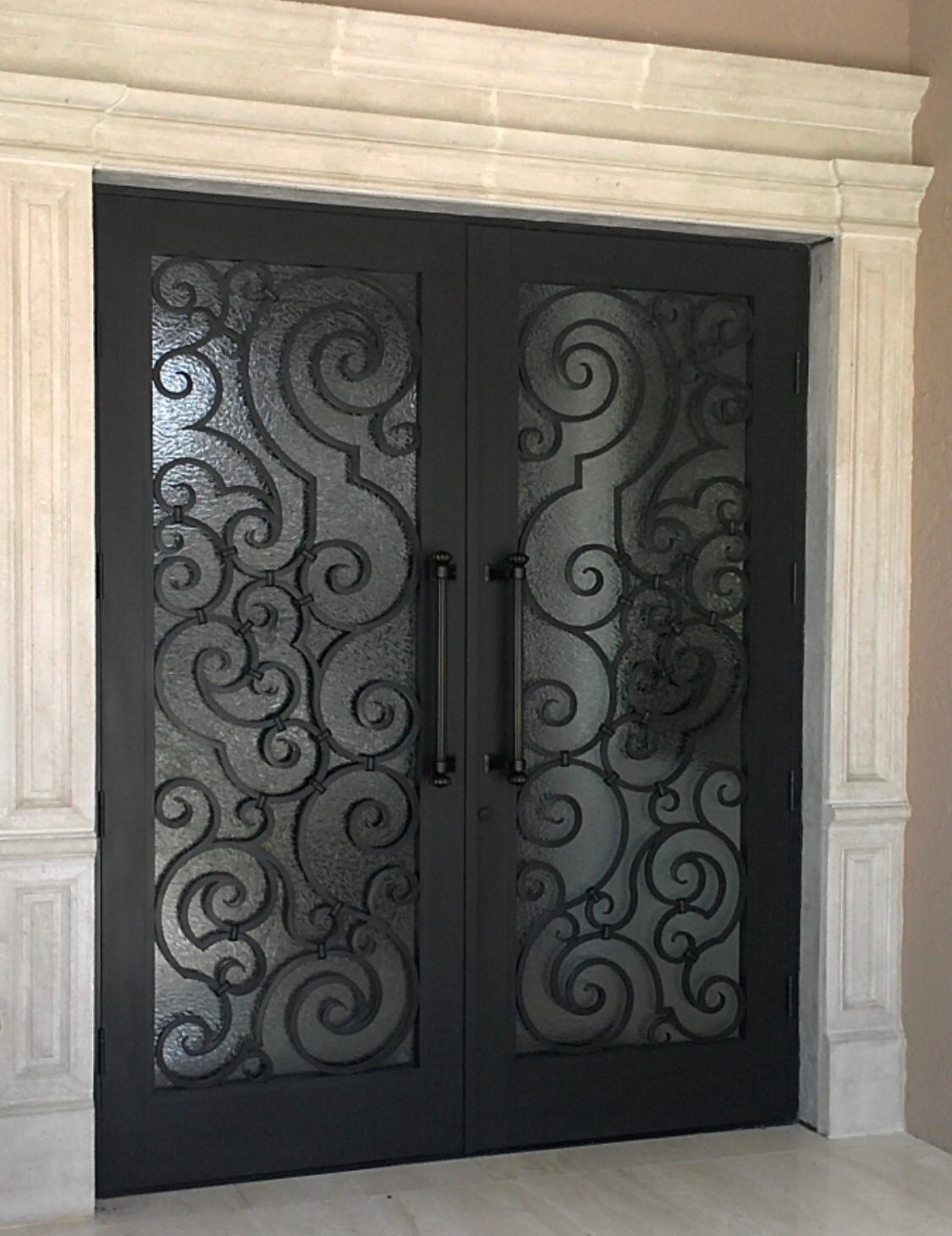

Every Florida home needs hurricane door protection because doors represent the most vulnerable building opening where 60% of wind-driven water intrusion and structural pressurization failures originate during hurricanes according to Federal Emergency Management Agency damage assessments. The Insurance Institute for Business & Home Safety reports homes with unprotected door openings experience 4-6 times more hurricane damage compared to properties with certified impact doors. Standard residential doors fail at wind speeds of 90-110 mph while hurricanes generate sustained winds of 74-180+ mph creating catastrophic breaches within minutes of storm arrival.
Florida Building Code requires impact-resistant doors or approved protection systems in Wind-Borne Debris Regions covering Miami-Dade, Broward, Palm Beach, Monroe, Lee, Collier, and 15+ additional coastal counties. Hurricane Andrew's 165 mph winds in 1992 demonstrated that door failures trigger cascade events causing roof uplift, wall collapse, and total property loss. Texas Tech Wind Science & Engineering Center testing shows certified impact doors prevent these failures maintaining structural integrity throughout Category 5 hurricanes.
This guide explains hurricane door protection requirements, failure mechanisms, product options, selection criteria, and installation standards for Doral, Kendall, and Fort Lauderdale properties requiring maximum wind and water protection.
Why Does Your Home Need Hurricane Doors?
Your home needs hurricane doors because standard residential doors fail at 90-110 mph wind speeds allowing interior pressurization that generates 30-50 PSF uplift forces causing explosive roof failure and structural collapse within 5-10 minutes of door breach. The Federal Alliance for Safe Homes reports 40% of hurricane structural failures begin at door openings where wind entry creates pressure differentials exceeding building design capacity. Impact-rated doors withstand Design Pressure ratings of 50-70 PSF and debris impacts from 9-pound projectiles at 50 feet per second preventing breaches that destroy homes.
Standard Door Vulnerability
Single-panel steel and fiberglass entry doors use 24-26 gauge steel or hollow fiberglass construction achieving wind ratings of 15-25 PSF. These designs suit normal weather conditions but prove inadequate for hurricane winds generating 40-80 PSF pressure loads. The Door and Access Systems Manufacturers Association reports standard residential doors deflect 2-3 inches under hurricane loading before frame separation or panel rupture occurs.
Glass panels in standard doors use single-pane annealed or tempered glass shattering on first debris impact. The Insurance Institute for Business & Home Safety testing shows 2x4 lumber traveling at 34 mph penetrates standard door glass in 0.3 seconds. Wind enters through breached openings at 100+ mph creating interior pressure buildup forcing air upward against roof structures.
Sliding glass doors represent highest-risk openings combining large glass area with track-mounted operation. Standard sliders lift off tracks under 30-40 PSF pressure differential removing entire door panels. The 6-8 foot opening allows massive wind entry instantly pressurizing homes. Texas Tech Wind Science Center reports sliding door failures cause 70% of major structural damage in homes without impact protection.
Interior Pressurization Mechanics
Wind entering through failed doors creates positive interior pressure of 30-50 PSF within seconds. Sealed homes with intact windows trap this pressurized air forcing escape through weakest structural elements. Roof structures experience uplift forces of 15,000-40,000 pounds depending on home size and interior pressure levels.
The American Society of Civil Engineers explains that roof-to-wall connections in pre-2001 Florida homes use 3-4 nails per truss achieving 350-500 pound withdrawal resistance. Hurricane uplift forces of 2,000-3,000 pounds per connection point exceed nail capacity by 4-6 times causing catastrophic separation. Entire roof sections lift off within 5-10 minutes of door failure exposing interior to direct wind and rain.
Wall structures experience outward pressure from interior air seeking escape routes. Gable end walls lack lateral bracing failing first under pressure loading. The Federal Emergency Management Agency reports 50% of pressurized homes lose gable walls within 15-20 minutes of initial door breach. Progressive failure continues until structures collapse or storms pass.
Flying Debris Dangers
Hurricane winds generate projectiles from construction materials, vegetation, outdoor furniture, and structural components from damaged properties. The National Hurricane Center reports Category 3+ hurricanes produce debris fields extending 2-5 miles from storm centers. Airborne 2x4 lumber, roof tiles, tree branches, and metal panels achieve velocities of 50-100 mph striking exposed surfaces.
Standard door construction provides zero debris resistance. Wood panel doors splinter on impact while steel doors dent and rupture allowing wind penetration. The Insurance Institute for Business & Home Safety testing shows 9-pound 2x4 lumber penetrates standard entry doors creating 12-18 inch openings. These breaches allow subsequent debris entry and wind pressurization effects.
Glass doors shatter into thousands of sharp fragments creating injury hazards for occupants sheltering nearby. The Consumer Product Safety Commission reports hurricane-related glass injuries account for 15-20% of emergency room visits during major storms. Laminated impact glass prevents these injuries by maintaining fragment retention even when cracked.
Water Intrusion Consequences
Wind-driven rain penetrates breached door openings at rates of 50-200 gallons per minute according to National Institute of Standards and Technology measurements. A 15-minute door breach allows 750-3,000 gallons interior flooding. Water damages drywall, flooring, electrical systems, furniture, and personal property causing $25,000-75,000 average losses per affected home.
Moisture intrusion triggers mold growth within 24-48 hours of exposure. The Environmental Protection Agency reports 60% of hurricane-damaged homes develop mold problems requiring professional remediation. Mold abatement costs $2,000-10,000 depending on affected area and contamination severity. Health effects include respiratory problems, allergic reactions, and chronic illness for sensitive individuals.
Electrical system exposure to water creates fire and electrocution hazards. The National Fire Protection Association documents 300-500 post-hurricane electrical fires annually in Florida. Circuit breaker panels, wiring, outlets, and appliances require inspection and potential replacement after water contact. These electrical repairs add $3,000-12,000 to total storm damage expenses.
Long-Term Structural Damage
Homes experiencing door failures during hurricanes suffer permanent structural damage requiring major repairs or complete reconstruction. Foundation movement, wall cracking, roof truss damage, and framing distortion affect 80% of pressurized structures according to Federal Alliance for Safe Homes assessments. Repair costs of $50,000-150,000 exceed most homeowner financial capacity without insurance coverage.
Insurance claims face complications when door failures result from inadequate protection rather than storm intensity beyond reasonable expectations. Carriers may reduce claim payments or deny coverage when building code violations or deferred maintenance contribute to failures. Impact door installations document reasonable protective measures supporting full claim payment.
Property values decline 15-25% for homes with visible hurricane damage or repair history. Real estate disclosures require reporting major damage and structural repairs affecting buyer perceptions. Many buyers avoid previously damaged properties despite proper repairs preferring homes with no storm history.
How Do You Choose the Right Hurricane Doors?
Choose the right hurricane doors by selecting products with Miami-Dade Notice of Acceptance certification, Design Pressure ratings matching your building height and wind zone, laminated glass construction using 0.090-inch PVB interlayers, reinforced frames rated for 50+ PSF, and multi-point locking systems from manufacturers including PGT, CGI, Therma-Tru, and Plastpro. Door selection requires matching product specifications to Florida Building Code wind load requirements calculated using ASCE 7 methodology. The Federal Alliance for Safe Homes recommends Design Pressure ratings exceeding code minimums by 10-15 PSF providing safety margins during extreme events.
Design Pressure Requirements
Florida Building Code establishes wind speed zones ranging from 140-180 mph ultimate design speeds across the state. Coastal properties in Miami-Dade, Broward, and Palm Beach counties require calculations based on 170-180 mph winds. Door Design Pressure ratings calculate from wind speed, building height, exposure category, and door size using engineering formulas.
Single entry doors of 3x8 feet in 30-foot tall buildings require 50-60 PSF Design Pressure ratings in High Velocity Hurricane Zone areas. Large sliding glass doors of 8x8 feet need 40-50 PSF ratings due to increased surface area. The American Society of Civil Engineers ASCE 7 standard provides calculation methodology ensuring adequate structural capacity.
Exposure categories affect pressure requirements with Exposure D representing open coastlines experiencing maximum wind speeds. Exposure C covers suburban areas with scattered obstructions reducing wind loads by 15-20%. Building officials verify proper exposure classification during permit reviews confirming appropriate product selection.
Impact Testing Certification
Miami-Dade County Product Control Division requires large missile impact testing for doors at heights under 30 feet above grade. The 9-pound 2x4 lumber projectile 8 feet long impacts door surfaces at 50 feet per second for wind zones with 130-150 mph basic speeds. Doors must survive two strikes without creating openings exceeding 3 square inches.
Cyclic pressure testing follows impact events applying 9,000 positive and negative pressure cycles at 1.5 times Design Pressure rating. This simulates hours of sustained hurricane winds revealing weaknesses in construction, seals, or hardware. Products maintaining weathertight integrity throughout testing receive Notice of Acceptance certification.
The Federal Alliance for Safe Homes maintains databases listing certified products by manufacturer, model number, and performance specifications. Homeowners verify product certifications through online searches before purchase. Building inspectors confirm NOA labels during final inspections validating code compliance and warranty coverage.
Material and Construction Options
Fiberglass entry doors provide superior impact resistance through solid construction without hollow cores. High-density polyurethane foam cores add strength and insulation achieving U-Factor ratings of 0.35-0.45. Therma-Tru and Plastpro manufacture premium fiberglass impact doors costing $2,500-4,500 installed including frames and hardware.
Steel impact doors use 16-18 gauge steel skins over reinforced frames achieving required Design Pressure ratings. Powder coat finishes resist salt air corrosion in coastal environments. Steel doors cost $2,000-3,500 installed but show shorter lifespans of 15-20 years compared to 25-30 years for fiberglass in marine conditions.
Aluminum sliding glass doors with impact-rated laminated glass provide maximum protection for large openings. Heavy-duty roller systems support 300-400 pound panel weights using stainless steel components. Premium sliders cost $4,000-7,000 installed for 8x8 foot openings. Multi-panel systems spanning 12-16 feet reach $8,000-15,000 installed.
Hardware and Locking Systems
Multi-point locking mechanisms engage 3-5 locking points along door perimeters distributing wind loads and preventing single-point failures. Active shoot bolts at top and bottom secure panels to headers and thresholds. Commercial-grade deadbolts provide security benefits beyond wind resistance.
Stainless steel and bronze hardware resists corrosion in salt air environments outlasting zinc-plated components by 10-15 years. The Builders Hardware Manufacturers Association Grade 1 locksets provide highest durability and security ratings. Premium hardware adds $200-400 to door costs but ensures long-term reliability.
Hinges require structural fastening into wall framing rather than door jambs alone. Three hinges minimum distribute door weight and wind loads. Stainless steel ball-bearing hinges support heavy impact door weights of 200-300 pounds while allowing smooth operation throughout 100,000+ cycle lifespans.
If you need certified hurricane door installation protecting your Doral, Kendall, or Fort Lauderdale home from catastrophic wind damage, ASP Windows & Doors provides complete solutions including product selection, permitting, and professional installation meeting Miami-Dade County High Velocity Hurricane Zone requirements. Our licensed contractors ensure proper Design Pressure ratings, impact certification verification, and structural anchoring for all door types. Call (888) 782-8342 to schedule your free consultation with wind load analysis and protection recommendations. We serve residential and commercial properties throughout Miami-Dade, Broward, and Palm Beach counties with manufacturer warranties and insurance discount documentation.
Now Accepting Appointments
Proudly serving homeowners and businesses across South Florida and Southwest Florida. Book your visit and let our experts help protect and upgrade your space.
.avif)
.avif)
.avif)
%201.avif)
Insights & Resources
Stay informed with expert tips on impact windows, hurricane protection, and South Florida building standards.


%201.webp)
%201%20(1).webp)

%201.svg)
%201%20(1)%20(1).webp)
.png%20(1).webp)
.png.webp)
.avif)
.avif)


.avif)


.png)
.png)