.avif)


Door Security Upgrade Options
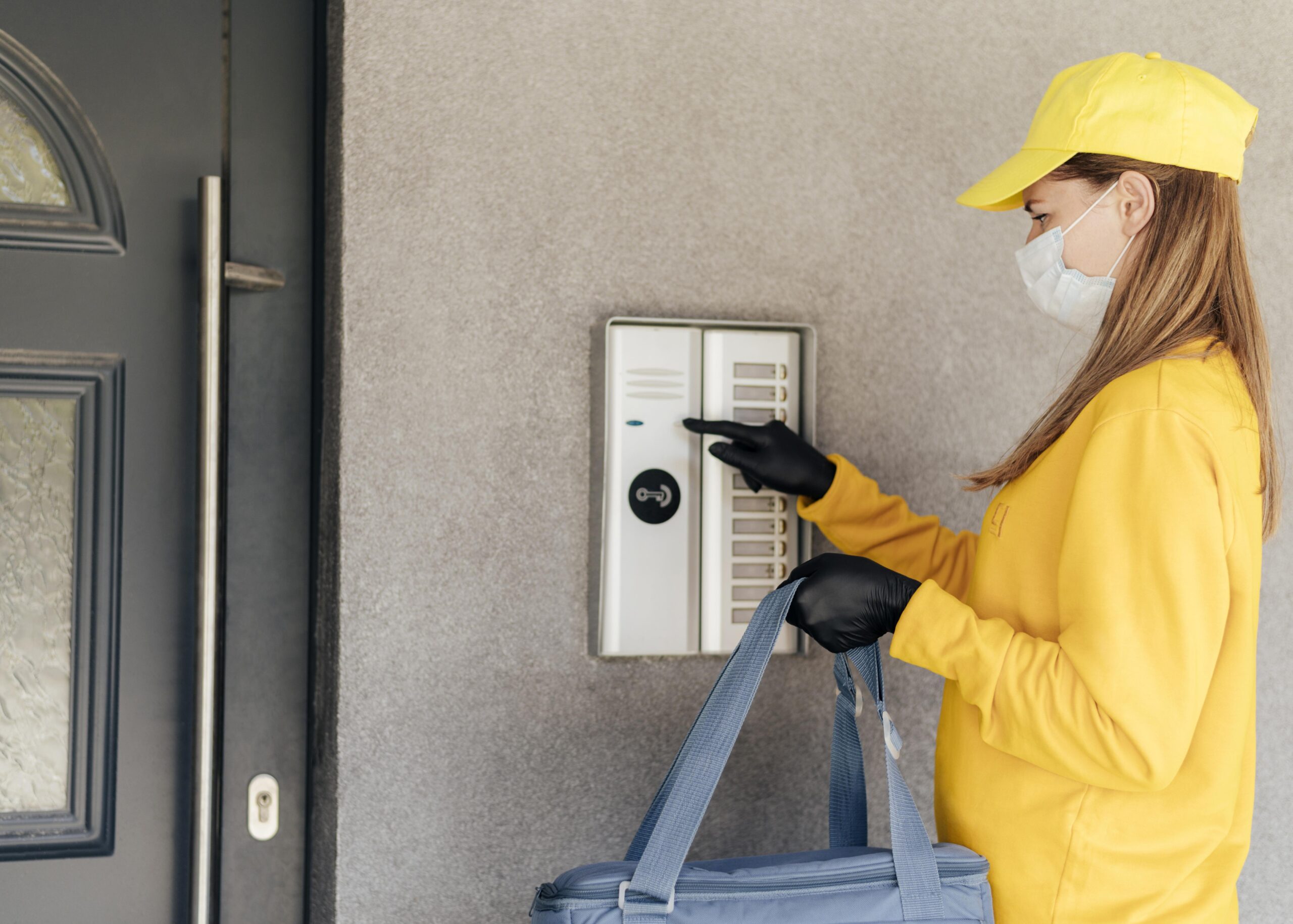

Door security upgrade options include replacing standard doors with impact-rated units, installing Grade 1 deadbolt locks, reinforcing the door frame and strike plate, adding multi-point locking systems, upgrading to laminated glass panels, and using smart locks with remote monitoring. The most effective approach combines a strong door, a strong frame, and strong hardware into one system that resists forced entry from every angle.
According to the FBI, there were 779,542 burglaries recorded in the United States in 2024. Reader's Digest reports that 34% of those break-ins happened through the front door. That makes your door the single most important security point in your home. A standard hollow-core door with a basic lock can be kicked in within seconds. Upgrading even one or two components can turn that weak point into a serious barrier. This article covers every major door security upgrade available, explains which ones make the biggest difference, and shows how impact-rated doors combine all of these features into one product.
How to Upgrade Door Security With the Right Options
You can upgrade door security by replacing the door itself, upgrading the locks, reinforcing the frame, or adding supplemental hardware. Each layer of protection makes forced entry harder and slower, which is the goal. According to multiple security studies, most burglaries last under 10 minutes, and most burglars spend less than 60 seconds trying to get through a door before giving up.
Replace Your Door With an Impact-Rated Unit
The single biggest door security upgrade is replacing a standard door with an impact-rated door. Impact doors use laminated glass, reinforced aluminum or steel frames, heavy-duty hinges, and multi-point locking systems. They are built to survive a 9-pound 2x4 projectile fired at 50 feet per second during Miami-Dade testing, which means a person with a crowbar or a kick will not get through them.
Standard doors fail because the door itself, the frame, or the hardware gives out under pressure. Impact doors address all three at once. The laminated glass holds together after being struck. The frame is anchored directly into the structure. The locking system engages at multiple points along the height of the door, distributing force evenly instead of concentrating it at one spot. For South Florida homes, this upgrade also provides hurricane protection, noise reduction, UV blocking, and energy savings.
Upgrade to a Grade 1 Deadbolt Lock
A deadbolt lock is the minimum requirement for any secure exterior door. The American National Standards Institute (ANSI) and the Builders Hardware Manufacturers Association (BHMA) grade locks on a scale from 1 to 3, with Grade 1 being the strongest. According to Family Handyman, burglars can open most entry doors with a few kicks or body blows, and even a deadbolt can fail if the doorjamb and strike plate are not reinforced.
A Grade 1 deadbolt has a bolt that extends at least one inch into the door frame. It must survive 250,000 cycles and withstand 10 strikes of 75 pounds each during testing. Pair it with a reinforced strike plate that uses 3-inch screws anchored into the wall framing, not just the door jamb. This simple upgrade makes kick-ins significantly harder.
Reinforce the Door Frame and Strike Plate
The door frame is the weakest part of most door systems. A standard strike plate is thin metal attached with two short screws that only reach the door jamb. One solid kick splits the jamb, and the door swings open regardless of how good the lock is. According to Doornkey, your door is only as strong as its weakest part, and most burglars do not pick locks. They kick doors in.
Upgrading to a heavy-duty strike plate that is at least four inches long with four screw holes makes a measurable difference. Use 3-inch screws that bite into the wall framing studs behind the jamb. For even more protection, install a door jamb reinforcement kit that adds a layer of steel over the entire jamb area. This distributes the force of a kick across a wider surface, making it much harder to split the wood.
Add a Multi-Point Locking System
A multi-point locking system engages the door at three or more locations along the height of the frame when you turn the handle or key. Standard doors lock at one point. That single point takes all the force during a kick-in. Multi-point systems spread the load across the top, middle, and bottom of the door, which makes forced entry dramatically harder.
Impact-rated entry doors typically come with multi-point locking systems as a standard feature. The hardware includes hardened steel components that resist drilling, cutting, and prying. When combined with a reinforced frame and laminated glass, a multi-point system creates a unified security barrier that addresses every potential vulnerability.
What Are the Latest Trends in Door Security?
The latest trends in door security are smart locks with remote access, video doorbells with AI-powered motion detection, biometric entry systems, impact-rated doors with integrated security features, and whole-home security platforms that connect doors, windows, and cameras into one system.
According to a 2024 SafeHome.org survey, 94 million U.S. households now use some type of security device, with 52% owning at least one security camera and 37% having a video doorbell. Smart deadbolts allow homeowners to lock and unlock doors remotely, set auto-lock timers, create temporary access codes for guests, and receive alerts when the door is opened.
The biggest structural trend is the shift toward impact-rated doors that combine physical security with storm protection. In hurricane-prone areas, a single product that stops both burglars and flying debris eliminates the need for separate security doors and storm shutters. Sliding impact doors with multi-track systems and heavy-duty rollers are increasingly popular for patios and rear entries because they provide wide openings with the same forced-entry resistance as solid impact entry doors.
How to Make an Old Door More Secure
You can make an old door more secure by replacing the strike plate with a heavy-duty version, upgrading to a Grade 1 deadbolt, adding a door reinforcement kit, installing a peephole or video doorbell, and securing the hinges with longer screws and hinge bolts.
If the door itself is hollow-core, no amount of hardware upgrades will make it truly secure. A hollow-core door can be punched through or kicked apart. Replacing it with a solid-core wood door, a fiberglass door, or a steel door is the first priority. For glass panel doors, replacing the glass with laminated impact glass makes the door far more resistant to break-ins. A burglar would need to strike laminated glass repeatedly to create a hole large enough to reach through, and the noise and time involved make it impractical.
According to the University of North Carolina's "Through the Eyes of a Burglar" study, 83% of convicted burglars said they would avoid homes with visible security systems, and 60% said they would choose a different neighborhood entirely if they saw extensive security measures. Even visible upgrades like a heavy-duty lock, a reinforced frame, and a security camera at the door can shift a burglar's decision toward skipping your home entirely.
What Do Burglars Hate the Most?
Burglars hate time, noise, and visibility the most. Anything that slows them down, makes noise during entry, or increases the chance of being seen or recorded pushes them to move on to an easier target.
According to Alarms.org, homes without a security system are 300% more likely to be broken into. A reinforced door that resists multiple kicks forces a burglar to spend more time at the entry point. Laminated glass that does not shatter quietly forces them to make noise. A security camera or video doorbell that records their face makes them visible. Every layer of security you add increases the likelihood that a burglar will give up before getting in.
According to FBI data, 72% of burglaries happen when nobody is home, and the majority occur during daytime hours when people are at work or school. Burglars want to get in and out without being noticed. A door system that requires heavy, noisy, time-consuming force to breach is the exact opposite of what they look for. Impact-rated impact doors with laminated glass and multi-point locks deliver all three deterrents in one product.
How to Make Sure No One Can Open Your Door
You can make sure no one can open your door by using a Grade 1 deadbolt, reinforcing the frame with a jamb kit, installing a multi-point locking system, adding a door barricade or security bar on the inside, and replacing glass panels with laminated impact glass that cannot be easily broken through.
No single upgrade makes a door completely impenetrable. But layering multiple upgrades together makes forced entry so difficult and time-consuming that virtually no burglar will attempt it. The combination of a solid or impact-rated door, a reinforced frame, a Grade 1 deadbolt, a multi-point lock, and laminated glass creates a system where there is no single weak point for an intruder to exploit.
For French doors and double-entry configurations, security is even more important because the doors meet in the middle without a fixed frame. Flush bolts at the top and bottom of the inactive door, combined with a multi-point lock on the active door, secure both panels. Impact-rated French doors include these features built into the design.
What Type of Door Is Hardest to Break Into?
The type of door that is hardest to break into is an impact-rated door with a reinforced aluminum or steel frame, laminated glass, and a multi-point locking system. This combination resists kicking, prying, drilling, and blunt-force impact better than any standard residential door.
Steel doors offer the highest raw strength against forced entry but can dent and are poor insulators without a thermal break. Fiberglass doors resist denting and do not warp, rot, or rust, and they provide good insulation. Fiberglass doors are a strong choice for security-conscious homeowners who also want low maintenance and weather resistance.
Solid wood doors look great but are vulnerable to moisture damage and can eventually warp, which weakens the seal and makes them easier to force open. In coastal climates with high humidity and salt air, solid wood requires constant maintenance to stay functional. Custom aluminum doors with thermal breaks and laminated glass are the preferred option for homes that need maximum security, storm protection, and long-term durability without the upkeep demands of wood.
What Is a Door Jammer?
A door jammer is a portable security device that braces against the floor and the door to prevent it from being pushed or kicked open from the outside. It works by using counterpressure between the base of the door and the floor surface.
Door jammers are useful as a temporary or supplemental security measure. They work on inward-swinging doors and can be deployed in seconds without any tools or installation. They are popular for hotel rooms, rental properties, and homes that need an extra layer of security at night. However, a door jammer is not a substitute for a properly secured door system. It does not protect the glass, reinforce the frame, or secure the hinges. If the door itself is weak or the glass panel can be shattered, a jammer alone will not stop an intruder.
How Do You Tell if Your House Has Been Marked?
You can tell if your house has been marked by looking for unfamiliar chalk marks, stickers, or scratches near your front door, mailbox, or gate. Burglars and scouts sometimes leave small symbols to communicate information about a property to other criminals, including whether someone is home during the day, whether there is a dog, or whether the home has a security system.
Other signs include repeated visits from unfamiliar people, strangers taking photos of your home, flyers or business cards left on your door that seem designed to test whether anyone is home, and unfamiliar vehicles parked nearby for extended periods. According to the U.S. Department of Justice, 30% of burglars personally knew their victims, and 54% of arrested burglars lived within two miles of the victim's home. That means the person casing your property may be someone you recognize from the neighborhood.
If you notice any of these signs, report them to local law enforcement and take steps to improve your visible security. Upgraded impact doors, security cameras, motion-activated lighting, and reinforced locks all signal that your home is not an easy target.
Door Security Upgrade Comparison
UpgradeSecurity BenefitStorm ProtectionEnergy BenefitGrade 1 DeadboltHigh (resists forced entry)NoneNoneReinforced Strike PlateHigh (prevents frame splitting)NoneNoneDoor Jammer / Security BarModerate (temporary, inward doors only)NoneNoneSmart Lock + CameraHigh (monitoring + deterrence)NoneNoneImpact-Rated Door (full system)Very high (laminated glass + multi-point lock + reinforced frame)Yes (meets Miami-Dade standards)Yes (insulated glass, Low-E coating)
Sources: ANSI/BHMA lock grading standards, FBI 2024 Crime Data, ASTM E1886/E1996 testing standards, SafeHome.org 2024 survey
Frequently Asked Questions
Do Impact Doors Improve Home Security?
Yes, impact doors improve home security significantly. The laminated glass holds together after being struck, the reinforced frame resists prying and kicking, and the multi-point locking system engages at multiple locations along the door height. Standard doors can be breached in seconds. Impact doors require sustained, noisy, time-consuming force that almost always causes a burglar to give up or get caught.
Are Impact Doors Burglar-Proof?
No door is completely burglar-proof, but impact doors come closer than any standard residential door. The laminated glass cannot be easily shattered to create an entry-sized opening. The reinforced frame and multi-point lock resist kicking, prying, and drilling. According to multiple security sources, most burglars abandon an entry attempt after 60 seconds of resistance, and impact doors provide far more than 60 seconds of resistance under sustained attack.
Do Deadbolts Actually Prevent Break-Ins?
Deadbolts reduce the risk of break-ins, but they do not prevent them on their own. A deadbolt is only as strong as the frame and strike plate it locks into. According to the FBI, 57% of recorded burglaries in 2017 involved forcible entry, meaning the intruder broke through a locked door or window. Pairing a Grade 1 deadbolt with a reinforced frame and a heavy-duty strike plate makes the system far more effective than the deadbolt alone.
Do Security Doors Increase Home Value?
Yes, security doors increase home value, especially in hurricane-prone and high-crime areas. Impact-rated doors combine security, storm protection, energy efficiency, and noise reduction into one product. According to the Insurance Information Institute, impact-resistant doors and windows can reduce homeowners insurance premiums by 10% to 35% in High Velocity Hurricane Zones, which is a direct financial benefit that buyers factor into their purchasing decision.
What Is the Most Secure Door Material?
The most secure door material depends on the application. Steel offers the highest raw strength against forced entry. Fiberglass provides excellent strength with better insulation and weather resistance. Reinforced aluminum with laminated impact glass delivers the best overall combination of security, storm protection, durability, and low maintenance for coastal homes.
Should You Upgrade Windows at the Same Time as Doors?
Yes, upgrading impact windows and doors at the same time provides the best overall security and storm protection. A strong door means nothing if an intruder can break a standard window next to it and reach in to unlock the door. According to the Bureau of Justice Statistics, first-floor windows are the entry point for 23% of residential burglaries. Securing all openings at once eliminates the weakest-link problem and may also qualify you for the maximum insurance discount.
The Bottom Line
Your door is your home's first line of defense. Upgrading the lock, the frame, the strike plate, or the door itself all improve security. But the most effective option is replacing the entire system with an impact-rated door that combines laminated glass, a reinforced frame, and a multi-point locking system into one unit. That single upgrade delivers more protection against forced entry, storms, noise, and energy loss than any combination of individual hardware changes on a standard door.
If your doors are aging, hollow-core, single-locked, or using standard glass panels, it is time to upgrade. ASP Windows and Doors can evaluate your current setup and recommend the right impact door solution for your home. Call (888) 782-8342 to schedule a free estimate.
Now Accepting Appointments
Proudly serving homeowners and businesses across South Florida and Southwest Florida. Book your visit and let our experts help protect and upgrade your space.
.avif)
.avif)
.avif)
%201.avif)
Insights & Resources
Stay informed with expert tips on impact windows, hurricane protection, and South Florida building standards.


%201.webp)
%201%20(1).webp)
%201.svg)
%201%20(1)%20(1).webp)
.png%20(1).webp)
.png.webp)
.avif)
.avif)


.avif)


.png)
.png)