.avif)


Do You Replace Windows in Florida with Hurricane Windows?


No, you do not have to replace every window in your Florida home with hurricane impact windows in all situations. However, the Florida Building Code does require that all glazed openings, meaning windows, glass doors, and skylights, must either be impact-resistant or protected by approved hurricane shutters. The specific requirements depend on where your home is located, when it was built, and how many windows you are replacing at one time. In the High Velocity Hurricane Zone, which covers Miami-Dade and Broward counties, the standards are the strictest in the country, requiring products tested to withstand wind speeds of 170 to 200 mph. According to the Florida Building Code (FBC 2023, 8th Edition), all new construction statewide must include impact-rated glazing or approved protective coverings. For existing homes, the "25 percent rule" determines when full code compliance is triggered during a replacement project. This article explains exactly what the law requires, who must comply, when you can use alternatives like shutters, and why most South Florida homeowners choose impact windows anyway.
Are Hurricane Impact Windows Required in Florida?
Hurricane impact windows are not universally required for every home in Florida, but some form of hurricane protection is mandatory statewide. The Florida Building Code requires that all glazed openings in a building must either use impact-resistant glass or be protected by approved hurricane coverings such as accordion shutters, roll-down shutters, or hurricane panels.
This requirement has been in place since 2002, when the Florida Building Code was significantly strengthened in response to the devastation caused by Hurricane Andrew in 1992. Before that, counties and cities set their own standards, and the lack of uniform enforcement led to catastrophic damage. The modern FBC is updated every three years and applies to all new construction and major renovation projects statewide.
The critical distinction is that impact windows are one way to meet the code, but they are not the only way. Homeowners can also comply by installing approved shutters over standard windows. However, shutters only protect when they are physically installed before a storm. Impact windows provide permanent, 24/7 protection without any setup, takedown, or storage, which is a major reason most homeowners in Doral, Miami, and the rest of South Florida choose them over shutters.
Are Hurricane Impact Windows Required in the High Velocity Hurricane Zone?
Yes, hurricane protection is strictly required in the High Velocity Hurricane Zone (HVHZ), which covers all of Miami-Dade County and Broward County. In these areas, all glazed openings must be protected with either impact-resistant products or approved hurricane coverings that meet the most rigorous testing standards in the country.
Products installed in the HVHZ must carry a Miami-Dade County Notice of Acceptance (NOA), which means they have been independently tested and approved through the county's product approval system. The testing requirements in the HVHZ include large missile impact testing (a 9-pound 2x4 fired at the glass at 50 feet per second) followed by 9,000 cycles of positive and negative pressure. These tests simulate conditions that exceed Category 5 hurricane forces.
Design wind speeds in the HVHZ range from approximately 170 mph to 200 mph, depending on the exact location and building type. Products must be rated to withstand both the wind pressures and the debris impacts associated with those speeds. This is significantly more demanding than the requirements for other parts of Florida, where design wind speeds typically range from 110 to 150 mph.
What Is the 25 Percent Rule for Windows in Florida?
The 25 percent rule for windows in Florida states that if you replace more than 25 percent of the total glazed opening area of your home within a 12-month period, the replacement windows must meet current Florida Building Code standards for hurricane protection. This rule applies specifically to existing homes built before the Florida Building Code took effect.
The rule is measured by the total surface area of glass being replaced, not by the number of windows. For example, if your home has 100 square feet of total glass area across all windows and doors, you can replace up to 25 square feet within 12 months without triggering the requirement to install impact-rated products. Once you cross that 25 percent threshold, all the replaced openings must comply with the current code, which means impact-resistant glass or approved shutters.
This rule exists in the Florida Building Code, Existing Building section (Section 707.4), and it applies to one- and two-family dwellings that were not originally built under any edition of the Florida Building Code. Homes constructed after March 1, 2002, were built to modern code standards and generally already meet impact requirements.
According to Karoly Windows & Doors, a Florida window contractor, the 25 percent rule is enforced through the permitting process. Every window replacement project requires a permit, and building officials track the cumulative area of glass replaced within rolling 12-month periods. Exceeding the threshold without proper impact-rated products can result in permit denial, fines, and forced removal of non-compliant windows.
For homeowners in South Florida planning a window upgrade, the practical advice is simple: if you are going to replace any windows, you might as well do them all at once with impact windows. It avoids the complexity of tracking the 25 percent threshold, brings your entire home up to code, and maximizes your insurance savings.
What Is the Law for Window Replacement in Florida?
The law for window replacement in Florida requires that all replacement windows meet the structural wind pressure requirements of the current Florida Building Code. In designated wind-borne debris regions, which cover most of Florida's coastal areas, the replacement windows must also be impact-resistant or protected by approved hurricane coverings.
A building permit is required for nearly every window replacement project in Florida, whether you are replacing one window or all of them. The permit application must include product approval documentation showing that the windows meet the required design pressures for your specific location. During installation, a building inspector will verify that the products match the approved plans and that the installation follows the manufacturer's instructions.
For homes in the wind-borne debris region, the FBC defines qualifying areas as those within 1 mile of the coastal mean high-water line where the design wind speed is 130 mph or higher, or any area where the design wind speed is 140 mph or higher regardless of distance to the coast. According to Renuity, these regions span large portions of Florida's Atlantic and Gulf coasts, and specific maps are issued by each county so homeowners can verify their requirements.
Failing to obtain proper permits or installing non-compliant windows can lead to serious consequences. Your homeowners insurance company may deny a claim if unpermitted work is discovered. The home may be harder to sell because title searches often reveal open or failed permits. And in the worst case, non-compliant windows can fail during a hurricane, putting your family and property at risk.
Working with a licensed, experienced contractor like ASP Windows & Doors means the permitting, product selection, installation, and inspection process is handled professionally from start to finish. Every impact window and impact door installed by ASP carries the required product approvals and is installed to manufacturer specifications.
Can a Handyman Replace Windows in Florida?
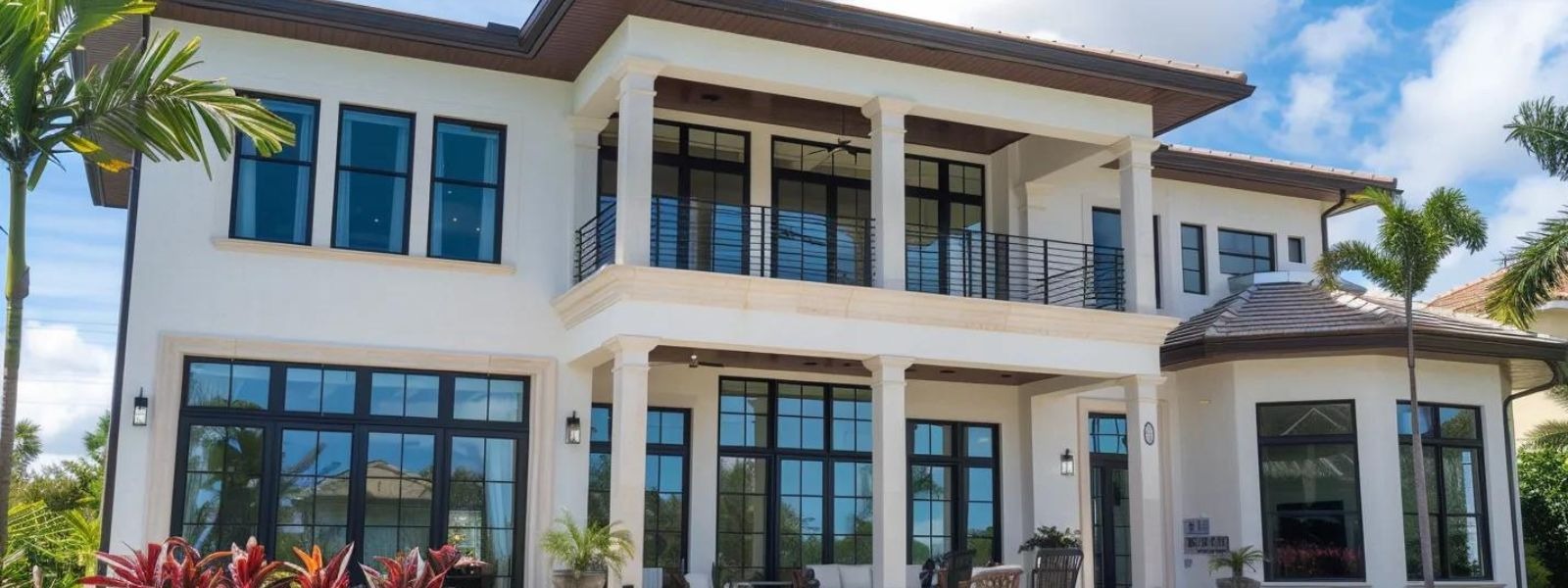
No, a handyman should not replace windows in Florida. Window replacement affects structural integrity, wind resistance, and weather protection, and it requires a building permit in nearly every Florida jurisdiction. Most handymen are not licensed to pull building permits or install products that must meet the Florida Building Code's strict performance requirements.
Using an unlicensed installer can void the manufacturer's warranty, result in a failed building inspection, and leave your home unprotected during a storm. If a non-permitted, non-code-compliant window fails during a hurricane and causes damage, your insurance company may deny the claim.
The Florida Building Code requires that all window installations be performed according to the manufacturer's installation instructions by qualified personnel. In the High Velocity Hurricane Zone, the standards are even more specific, requiring documented proof that the installer followed the approved installation method for the specific product being used.
For homeowners across Doral, Miami, and South Florida, the safest choice is to work with a licensed general contractor or a specialty window installer who is fully licensed, insured, and experienced with impact window installations. ASP Windows & Doors holds a certified general contractor license (CGC1513274) and is bonded for over $2 million, providing complete assurance on every project.
What Is Better, Hurricane Shutters or Impact Windows?
Impact windows are better than hurricane shutters for most Florida homeowners because they provide permanent protection that never needs to be installed, removed, or stored. Both options meet the Florida Building Code requirements, but the daily benefits of impact windows far outweigh what shutters can offer.
Shutters protect your home only when they are deployed. If a storm forms quickly and you cannot get your shutters up in time, your home is unprotected. Impact windows are always in place, providing hurricane protection, security against break-ins, noise reduction, UV blocking, and energy efficiency 365 days a year.
From an insurance perspective, both impact windows and approved shutters can qualify your home for wind mitigation credits. According to the Florida Department of Financial Services, homeowners can save between 10% and 45% on the windstorm portion of their insurance premiums when all exterior openings are properly protected. However, many insurance agents note that impact windows often receive the most favorable credits because they provide the most reliable, permanent protection.
From a resale standpoint, homes with impact windows sell faster and for more money than homes with shutters alone. Real estate professionals across South Florida report that buyers strongly prefer homes where the hurricane protection is already built into the glass, eliminating the need for shutters altogether. For a full comparison of your options, including sliding doors, French doors, and entry doors, the team at ASP Windows & Doors can walk you through every product available.
Why Don't People Use Storm Windows Anymore?
People don't use traditional storm windows anymore because modern impact windows have made them obsolete in hurricane-prone markets like Florida. Traditional storm windows were designed for cold climates to add insulation over existing windows. They were never engineered to stop flying debris or withstand hurricane-force wind pressures.
The Florida Building Code does not recognize traditional storm windows as an approved form of hurricane protection. To meet code requirements in wind-borne debris regions, windows must either be impact-rated (tested to resist missile impact and cyclic pressure) or protected by approved hurricane shutters or panels.
According to the U.S. Department of Energy, low-emissivity coated windows can reduce energy loss by 30% to 50% compared to standard glass. Modern impact windows combine this energy efficiency with hurricane-grade strength in a single product, eliminating the need for a separate storm window layer. They also block 99% of UV rays, reduce outside noise, and resist forced entry.
For homeowners in South Florida considering window upgrades, traditional storm windows simply do not meet the performance standards required by the Florida Building Code. Impact windows are the modern, code-compliant solution that provides every benefit of a storm window plus the hurricane protection that Florida demands.
What Happens If a Window Breaks During a Hurricane?
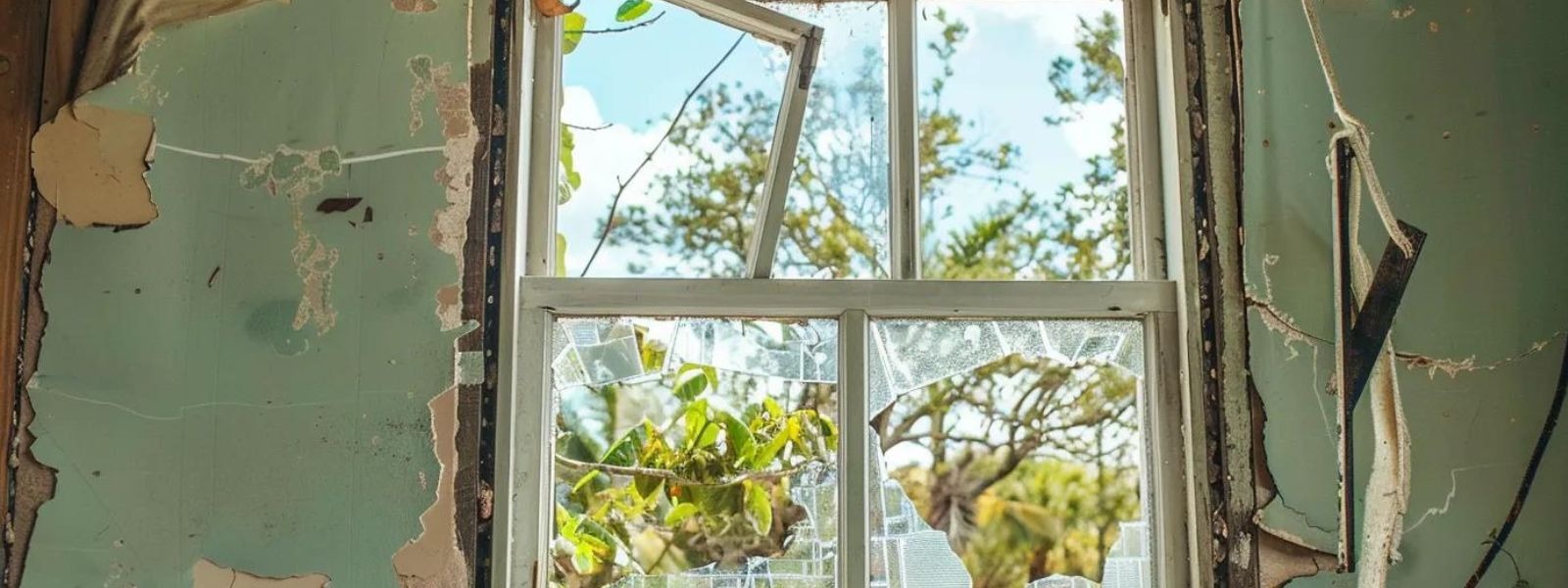
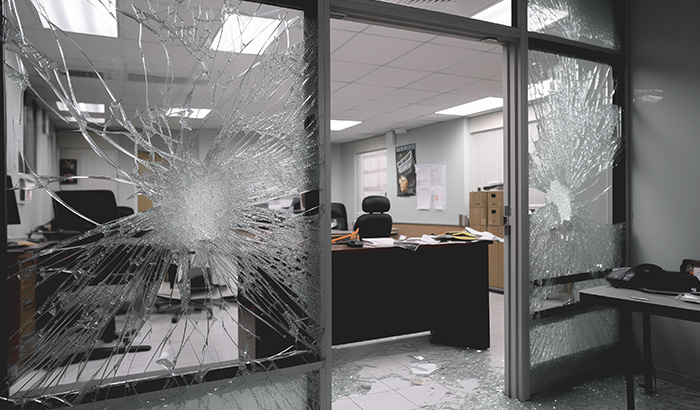
If a window breaks during a hurricane, the results can be catastrophic. Wind enters the home through the broken opening, pressurizes the interior, and can blow the roof off the structure. According to FEMA, window failure is one of the most common causes of severe structural damage during hurricanes.
Once the building envelope is breached, rainwater floods the interior, destroying walls, ceilings, flooring, furniture, electronics, and personal belongings. The internal pressure buildup can also blow out windows and doors on the opposite side of the home, turning the entire structure into a wind tunnel.
This chain of events is exactly why the Florida Building Code requires impact protection for all glazed openings. Impact glass is designed to absorb the hit from flying debris and stay in the frame even if the outer pane cracks. The laminated interlayer holds the glass together, preventing a full breach of the building envelope and keeping wind and rain outside.
For homeowners in Miami-Dade and Broward counties who live in the High Velocity Hurricane Zone, the stakes are even higher. Wind speeds in this zone can exceed 170 mph, and the debris field during a major storm includes everything from tree branches to roofing tiles to patio furniture. Having impact windows and impact doors installed before hurricane season is not just a code requirement. It is the single most important step you can take to protect your home and family.
What Is the $10,000 Grant for Windows in Florida?
The $10,000 grant for windows in Florida is the My Safe Florida Home (MSFH) program, a state-funded program that provides free wind mitigation inspections and matching grants of up to $10,000 to help homeowners make hurricane-resistant upgrades including impact windows, impact doors, and roof improvements.
For the 2025-2026 fiscal year, the Florida Legislature allocated $280 million in new funding for the program. The grant works on a matching basis: for every $1 the homeowner spends, the state contributes $2, up to the $10,000 maximum. Low-income homeowners may qualify for up to $10,000 covering 100% of the project cost.
Eligibility requires owning a site-built, single-family home or townhouse with a homestead exemption, an insured dwelling value of $700,000 or less, and a building permit issued before January 1, 2008. Only upgrades recommended by the program's official wind mitigation inspection qualify for reimbursement.
This program is a powerful tool for South Florida homeowners looking to upgrade to impact windows and doors. Combined with insurance premium reductions of up to 45%, energy savings, and increased home value, the financial case for impact windows becomes even stronger.
Do Impact Windows Lower Homeowners Insurance?
Yes, impact windows lower homeowners insurance in Florida. Florida law requires insurance companies to offer wind mitigation credits to homeowners who install approved hurricane-resistant features. According to the Florida Department of Financial Services, savings range from 10% to 45% on the windstorm portion of the premium.
To claim the discount, homeowners need a wind mitigation inspection performed by a licensed professional. The inspector completes the Uniform Mitigation Verification Inspection Form (OIR-B1-1802), documenting all protective features including impact-rated windows, doors, roof-to-wall connections, and secondary water resistance. The form is submitted to the insurance company, which applies the corresponding credits.
All exterior openings must be protected to qualify for the full opening protection credit. Partial upgrades, where some windows are impact-rated and others are not, typically result in reduced or no credit. This is another reason why upgrading all windows and doors at once with ASP Windows & Doors makes both financial and practical sense. The team ensures every opening is covered so you qualify for the maximum insurance savings.
Impact Windows vs. Hurricane Shutters vs. No Protection: A Comparison
Sources: Florida Building Code 2023, Florida Department of Financial Services, U.S. Department of Energy, FEMA, National Association of Realtors
Frequently Asked Questions
Are Impact Windows Mandatory in Doral, Florida?
Yes, hurricane protection is mandatory in Doral, Florida because Doral is located in Miami-Dade County, which falls within the High Velocity Hurricane Zone. All glazed openings in Doral homes must either use impact-resistant products carrying a Miami-Dade Notice of Acceptance or be protected by approved hurricane shutters. Impact windows are the most popular choice in Doral because they provide permanent, year-round protection without the hassle of deploying shutters.
What Happens If I Replace Windows Without a Permit in Florida?
If you replace windows without a permit in Florida, you risk fines from the local building department, a stop-work order on your project, difficulty selling your home due to open or unpermitted work on the title, and potential denial of insurance claims if the unpermitted windows fail during a storm. The Florida Building Code requires a permit for nearly all window and door replacement projects. Always work with a licensed contractor who pulls proper permits.
Can I Replace Just a Few Windows at a Time in Florida?
Yes, you can replace a few windows at a time in Florida under the 25 percent rule. If you replace 25 percent or less of the total glazed opening area of your home within a rolling 12-month period, and your home was built before the Florida Building Code took effect, those replacement windows may not need to be impact-rated. However, once you exceed 25 percent in any 12-month period, all replaced openings must meet current code standards. Tracking this threshold can be complicated, which is why many homeowners choose to replace all their windows at once with impact windows.
Does the Florida Building Code Apply to Older Homes?
Yes, the Florida Building Code applies to older homes when renovations, additions, or window replacements are performed. Existing homes built before 2002 are not required to retroactively upgrade to impact windows just because the code changed. However, any time you pull a permit for work on the home, the new work must comply with the current code. The 25 percent rule specifically addresses how and when older homes must bring their windows up to modern hurricane protection standards.
Do I Need Hurricane Windows If I Already Have Shutters?
No, you do not need hurricane windows if you already have approved shutters that meet Florida Building Code standards. Both options satisfy the code's requirement for opening protection. However, many homeowners in South Florida eventually upgrade from shutters to impact windows for the added benefits of year-round security, noise reduction, energy efficiency, UV protection, and the convenience of never having to deploy shutters before a storm.
How Much Do Hurricane Windows Cost in South Florida?
Hurricane windows in South Florida typically range from $40 to $55 per square foot installed, according to industry estimates. The total cost for a full home depends on the number and size of openings, the frame material, the glass specifications, and the design pressure requirements for your location. ASP Windows & Doors offers free estimates and flexible financing options including $0-down programs, PACE financing, and terms up to 30 years to make the investment manageable.
Who Has the Best Hurricane Windows in Florida?
The best hurricane windows in Florida come from manufacturers that carry Miami-Dade County Notice of Acceptance and meet or exceed Florida Building Code requirements. ASP Windows & Doors partners with top-rated manufacturers including CWS, Eco Window Systems, and ES Windows to provide a full range of residential, commercial, and high-rise impact products. With over 20 years of experience and 1,900+ five-star reviews, ASP is one of the most trusted impact window companies in South Florida.
Final Thoughts
The Florida Building Code is clear: every home in the state needs hurricane protection on its windows and doors. Whether you choose impact windows, hurricane shutters, or a combination of both, the goal is the same: keeping your building envelope intact when a storm hits. According to FEMA, a single broken window during a hurricane can lead to catastrophic structural failure, which is why this code exists in the first place.
For homeowners in the High Velocity Hurricane Zone, which includes all of Miami-Dade and Broward counties, impact-rated products approved by Miami-Dade County are the gold standard. For homeowners across the rest of South Florida, impact windows remain the most practical and valuable option because they deliver hurricane protection, energy savings of up to 30% according to the U.S. Department of Energy, insurance premium reductions of up to 45%, increased home value, and daily security against break-ins.
The 25 percent rule gives existing homeowners some flexibility to phase in upgrades, but most professionals and financial advisors recommend replacing all your windows at once. It simplifies permitting, maximizes insurance credits, and brings your entire home up to the safest possible standard in one project.
ASP Windows & Doors has served South Florida for over 20 years with Miami-Dade approved impact windows, impact doors, impact glass, and complete hurricane protection solutions for residential, commercial, and high-rise properties. Call (888) 782-8342 or visit the ASP Windows & Doors website to schedule your free estimate today. Hurricane season does not wait, and neither should you.
Now Accepting Appointments
Proudly serving homeowners and businesses across South Florida and Southwest Florida. Book your visit and let our experts help protect and upgrade your space.
.avif)
.avif)
.avif)
%201.avif)
Insights & Resources
Stay informed with expert tips on impact windows, hurricane protection, and South Florida building standards.


%201.webp)
%201%20(1).webp)
%201.svg)
%201%20(1)%20(1).webp)
.png%20(1).webp)
.png.webp)
.avif)
.avif)


.avif)


.png)
.png)