.avif)


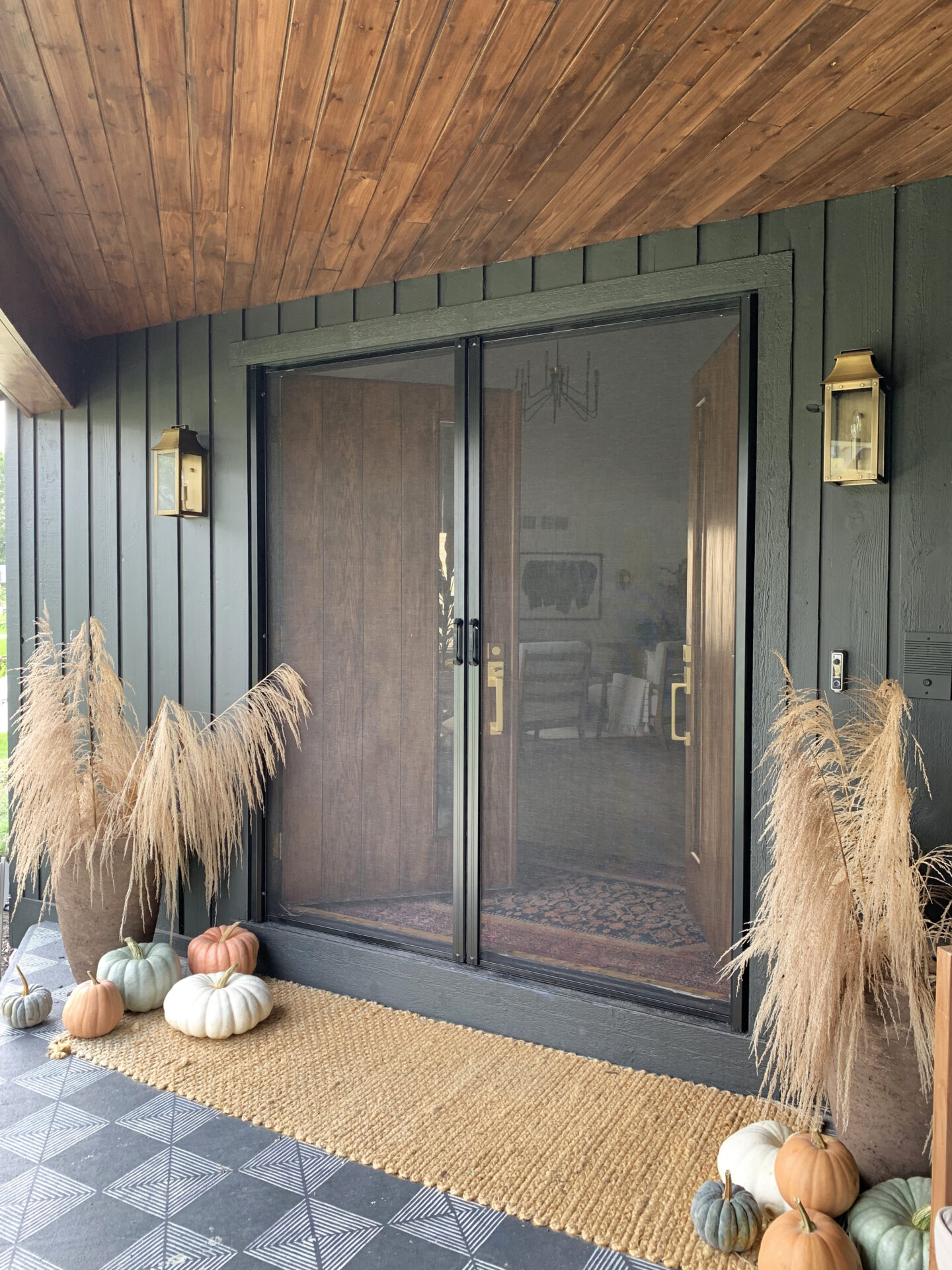

Yes, French doors can have screens. The four main screen options for French doors are retractable screens, sliding screens, hinged screen doors, and magnetic mesh screens. Retractable screens are the most popular choice because they disappear into a slim housing when not in use and work with both inswing and outswing French doors. Magnetic mesh screens are the most affordable option and require no permanent installation, making them ideal for renters and budget-conscious homeowners.
This guide covers every screen type that works with French doors, explains how to choose the right one based on your door's swing direction and your lifestyle, addresses the specific considerations for impact-rated French doors in hurricane zones, and answers the most common questions homeowners ask before adding screens to their French doors.
Key Takeaways
- French doors can absolutely have screens. Retractable, sliding, hinged, and magnetic mesh screens all work with different French door configurations.
- Retractable screens are the most popular option because they roll into a discreet housing and preserve the clean look of French doors when not in use.
- Door swing direction determines which screens are compatible: retractable screens work with both inswing and outswing doors, while hinged screen doors only work with inswing French doors.
- The global retractable screen door market reached $2.14 billion in 2024 and is growing at 6.1% annually, according to Dataintelo.
- Pet-resistant screen mesh provides 7 times stronger tear resistance than standard fiberglass mesh, according to Luxydoor.
- Professional retractable screen installation typically costs $100 to $300 per door, according to Mirage Screen Systems.
- Impact-rated French doors in hurricane zones can accommodate retractable and magnetic screens without affecting wind-load certification, as long as the screen is mounted to the frame surround rather than the door panel itself.
Do French Doors Have Screens and What Are Your Options?
French doors have screens in four main configurations: retractable screens that roll into hidden housings, sliding screens that glide on horizontal tracks, hinged screen doors that swing open like traditional doors, and magnetic mesh screens that attach with adhesive strips or magnets. Each screen type addresses the same core need, letting fresh air in while keeping insects out, but each does it differently based on the door's swing direction, the homeowner's budget, and the visual priority placed on preserving the French door's clean sightlines.
French doors are glass-paneled double doors that open from the center, creating a wide passageway that connects indoor and outdoor living spaces. The expansive glass panels flood interior rooms with natural light, and the double-door opening provides a clear passageway wide enough to move furniture, entertain guests, and create a seamless transition between the home and the patio, pool deck, or garden. The one concern homeowners raise most often about French doors is ventilation: opening both panels on a warm day invites fresh air, but it also invites mosquitoes, flies, and other pests. Screens solve that problem completely.
The screen market for French doors has grown significantly. The global retractable screen door market reached $2.14 billion in 2024 and is projected to reach $3.62 billion by 2033, growing at a compound annual growth rate of 6.1%, according to Dataintelo. That growth reflects the surge in demand for indoor-outdoor living solutions that maintain aesthetics while providing practical insect protection and natural ventilation.
What Types of Screens Work With French Doors?
The four types of screens that work with French doors are retractable screens, sliding screens, hinged screen doors, and magnetic mesh screens. Each type operates differently, fits different door configurations, and falls into a different price range.
Retractable Screens
Retractable screens pull out from a slim housing mounted on one or both sides of the French door frame. When not in use, the screen rolls back into the housing and virtually disappears. For double French doors, two retractable screens pull from opposite sides and meet in the center, sealing with a magnetic strip that creates a continuous bug barrier. Retractable screens work with both inswing and outswing French doors because the screen housing mounts to the door frame surround, not to the door panel itself.
Retractable screens are the most popular screen option for French doors because they preserve the clean visual lines that make French doors attractive in the first place. When retracted, there is no visible screen, no frame obstruction, and no interference with the door's glass panels. When deployed, the screen provides full coverage across the entire opening. Professional installation of retractable screens for French doors costs $100 to $300 per door, according to Mirage Screen Systems. Retractable screen systems for double French doors range from $400 to $1,500 installed, depending on the opening width, housing material, and mesh type selected.
Sliding Screens
Sliding screens glide horizontally on tracks installed at the top and bottom of the French door frame. Sliding screens work best with sliding French doors, which operate on tracks rather than hinges. The sliding screen follows the same track-based operation as the door itself, creating a consistent user experience. Sliding screens are more affordable than retractable systems and provide durable, long-lasting performance with minimal mechanical parts. The trade-off is that the track and screen frame are permanently visible, which alters the door's appearance even when the screen is pushed to one side.
Hinged Screen Doors
Hinged screen doors swing open and closed on hinges mounted to the outer jamb of the French door frame. Hinged screen doors work only with inswing French doors because the screen door must occupy the exterior side of the opening, swinging outward while the French door swings inward. Installing hinged screens on outswing French doors creates a conflict because both the door and the screen would swing in the same direction, blocking each other. Hinged screen doors are a traditional, sturdy option, but they permanently cover the French door's glass from the exterior, reducing the visual impact that drew most homeowners to French doors in the first place.
Magnetic Mesh Screens
Magnetic mesh screens consist of lightweight mesh panels that attach to the door frame with adhesive Velcro strips or magnetic tape. The mesh panels use a center magnetic closure that separates when you walk through and reseals behind you. Magnetic mesh screens are the most affordable screen option, ranging from $15 to $50 for a basic set on Amazon. Magnetic screens require no tools, no drilling, and no permanent modification to the door frame, which makes them ideal for renters and for homeowners who want a temporary, low-cost solution. The trade-off is durability: magnetic screens are less sturdy than retractable or hinged options, prone to blowing open in strong winds, and less resistant to pet claws and heavy foot traffic.
What Is the Best Screen Option for French Doors?
The best screen option for French doors is a retractable screen system for homeowners who prioritize aesthetics, smooth operation, and long-term durability. Retractable screens preserve the full visual appeal of French doors when not in use, operate smoothly with one-hand pull or motorized controls, and are customizable in frame color, mesh type, and size to match virtually any French door configuration.
Retractable screens offer the widest range of mesh options of any screen type. Standard fiberglass mesh provides basic insect protection and good visibility. Solar mesh reduces sunlight and heat gain, which is particularly valuable for south-facing and west-facing French doors that receive direct afternoon sun. Pet-resistant mesh delivers 7 times stronger tear resistance than standard fiberglass, according to Luxydoor, making it the right choice for households with dogs or cats that interact with the door area. High-visibility mesh uses thinner strands woven at a tighter density, maximizing the view through the screen while still blocking insects.
For homeowners on a tight budget or renters who cannot make permanent modifications, magnetic mesh screens are the best option. Magnetic screens cost a fraction of retractable systems, install in minutes without tools, and remove cleanly when no longer needed. Magnetic screens do not provide the same level of durability, wind resistance, or aesthetic refinement as retractable systems, but they solve the core problem of insect protection at the lowest possible cost.
How Do You Choose Between a Retractable and a Magnetic Screen for French Doors?
You choose between a retractable and a magnetic screen based on your budget, how often you use the doors, whether you have pets, and how important the door's appearance is to you. The two screen types sit at opposite ends of the cost and performance spectrum, and each serves a different homeowner profile.
FactorRetractable ScreenMagnetic Mesh ScreenCost (installed)$400-$1,500 for double doors$15-$50 (DIY, no install needed)AestheticsInvisible when retractedAlways visible when attachedDurability5-15 years with proper care1-3 seasons before replacementWind resistanceStrong (magnetic latch holds in moderate wind)Weak (blows open in gusty conditions)Pet resistanceAvailable with 7x stronger pet meshStandard mesh tears easily with clawsDoor compatibilityInswing and outswingInswing and outswingInstallationProfessional recommendedDIY in 15-30 minutesBest forPrimary-use doors, high-traffic areas, homeownersSecondary doors, occasional use, renters
Homeowners who use their French doors daily as a primary entry point between the house and the patio or pool area should invest in a retractable screen. The smooth operation, durable construction, and invisible profile when retracted justify the higher upfront cost through years of daily use. Homeowners who open their French doors only occasionally, or who are renting and cannot modify the door frame, get adequate protection from a magnetic mesh screen at a fraction of the investment.
Can You Add Screens to Existing French Doors?
Yes, you can add screens to existing French doors. Retractable screens and magnetic mesh screens are both designed for retrofit installation on existing door frames. Retractable screens mount to the door frame surround using screws and brackets, and professional installers can complete the work in one to two hours per door without modifying the door itself. Magnetic screens attach with adhesive strips that leave no permanent marks when removed.
Adding screens to existing impact doors follows the same process. The screen system mounts to the surrounding frame or wall surface, not to the impact-rated door panel. This mounting approach means the screen does not interfere with the door's impact certification, weatherstripping, or locking hardware. The screen operates independently of the door, providing insect protection when the door is open and retracting or folding out of the way when the door is closed.
Sliding screens require track installation at the top and bottom of the opening, which involves more modification than retractable or magnetic options. Hinged screen doors require hinge mounting and may need clearance adjustments to avoid interfering with the French door's swing arc. Both options are possible on existing doors but involve more installation complexity and are best handled by a professional installer who can verify clearances, alignment, and operation before finishing the job.
Do Retractable Screens Work on Outswing French Doors?
Yes, retractable screens work on outswing French doors by mounting the screen housing on the interior side of the door frame. When the French doors swing outward and away from the home, the retractable screen deploys across the opening from inside. The screen stays on the interior plane of the wall, and the French doors operate freely on the exterior plane without any interference.
Interior-mounted retractable screens are the preferred solution for outswing French doors because they keep the screen protected from weather exposure, which extends the mesh and mechanism lifespan. Outswing French doors are common in coastal Florida because outswing configurations resist wind pressure more effectively than inswing doors during storms. Outswing doors also free up interior floor space because the door panels do not swing into the room. Impact French doors in South Florida are frequently configured as outswing, making interior-mounted retractable screens the natural companion for hurricane-rated door systems.
Are Screens for French Doors Pet-Friendly?
Yes, screens for French doors are available in pet-friendly configurations that resist scratching, clawing, and pushing from dogs and cats. Pet-resistant screen mesh uses heavier-gauge polyester or vinyl-coated polyester strands that provide significantly greater tear strength than standard fiberglass. Pet-resistant mesh from manufacturers like Phifer (PetScreen) offers 7 times stronger tear resistance than standard screen mesh, according to Luxydoor.
Pet-resistant mesh costs more than standard fiberglass, but the investment prevents frequent mesh replacements that standard screen material requires in households with active pets. Standard fiberglass mesh tears easily under pet claws, and a single determined cat or excited dog can destroy a standard screen in one interaction. Pet-resistant mesh withstands repeated contact without tearing, sagging, or developing holes. The mesh is available for retractable, hinged, and sliding screen systems. Magnetic mesh screens are the least pet-friendly option because the lightweight panel construction cannot resist sustained pressure or clawing from animals.
For homes with both pets and specialty glass doors, pairing a pet-resistant retractable screen with an impact-rated French door gives the household year-round insect protection, natural ventilation, hurricane-grade structural integrity, and the peace of mind that the screen will survive daily interactions with family pets.
Do French Doors With Screens Let in Fresh Air?
Yes, French doors with screens let in fresh air while blocking insects, dust, and small debris. Opening both panels of a set of French doors creates a wide passageway that allows natural cross-ventilation throughout the room. The screen mesh provides a physical barrier against pests while allowing air to flow freely through the opening. Natural ventilation through screened French doors reduces reliance on air conditioning during mild weather, which lowers energy costs and improves indoor air quality.
The ventilation advantage of French doors over sliding doors is significant. A standard 72-inch French door opens to a full 72-inch clear passageway when both panels swing open. A standard 72-inch sliding door opens to only 36 inches of clear passageway because one panel remains fixed. French doors provide twice the ventilation area of a same-width sliding door when both panels are fully open. Screened French doors capture that full ventilation area while maintaining complete insect protection across the entire opening.
Solar screen mesh options go beyond insect protection and also reduce solar heat gain through the opening. Solar mesh blocks a portion of the sun's radiant energy before it enters the home, which reduces the cooling load on the air conditioning system. Solar screens are particularly effective on south-facing and west-facing French doors that receive direct afternoon sunlight. The combination of natural ventilation on mild days and solar heat reduction on hot days creates a measurable reduction in annual energy costs for homeowners who use their French doors regularly.
Is It Better to Have Sliding or French Doors?
French doors are better than sliding doors for maximum ventilation, full-width access, and classic architectural style. Sliding doors are better for space efficiency, modern aesthetics, and rooms where furniture or foot traffic patterns do not allow clearance for swinging door panels.
French doors open both panels to create an unobstructed passageway equal to the full width of the door frame. Sliding doors open to only half the frame width because one panel remains fixed. French doors with screens let in approximately twice the airflow of a same-width sliding door with a screen. French doors also create a grander visual connection between indoor and outdoor spaces because the entire opening is clear when both panels are open.
Sliding doors save floor space because the panels move along a track without swinging into the room or onto the patio. Sliding doors work better in tight spaces, narrow patios, and rooms where furniture near the door would block a swinging panel's arc. Impact windows and sliding doors in hurricane zones provide permanent protection without deployment, while impact French doors offer the same protection with the added benefit of full-width ventilation when screens are installed. The choice between sliding and French doors depends on the space, the homeowner's lifestyle, and whether maximum airflow or maximum space efficiency is the higher priority. Entry doors serve a different purpose entirely, providing the primary security-focused access point at the front of the home.
What Are the Latest Trends in Exterior French Doors?
The latest trends in exterior French doors include impact-rated construction for hurricane zones, slim aluminum frame profiles that maximize glass area, integrated retractable screen systems, black and bronze frame finishes, and energy-efficient Low-E glass with argon gas fill.
Impact-rated French patio doors are the fastest-growing segment of the French door market in coastal states. Impact French doors use laminated glass with a PVB interlayer bonded between two glass panes, installed in reinforced frames that resist hurricane-force wind loads. Impact French doors satisfy Florida Building Code requirements for opening protection in the High-Velocity Hurricane Zone (HVHZ) and throughout the wind-borne debris region. Homeowners who install impact French doors eliminate the need for storm shutters, gain year-round noise reduction and UV protection, and qualify for wind mitigation insurance credits that reduce annual premiums.
Slim-profile aluminum frames represent the aesthetic trend of maximizing glass area and minimizing visible frame material. Modern aluminum French door frames achieve sightlines as narrow as 2 to 3 inches, creating a near-seamless wall of glass when the doors are closed. Black and bronze frame finishes dominate the color trend, replacing the white and beige frames that were standard for decades. Energy-efficient glass glazing packages with Low-E coatings and argon gas fill are now standard on premium French doors, reducing heat transfer and lowering cooling costs year-round. These features combine to produce French doors that look more modern, perform more efficiently, and protect more effectively than any previous generation of the product.
How to Prevent Common Problems With French Door Screens
The most common problems with French door screens are mesh tears, sticky retraction mechanisms, track debris accumulation, and magnetic closure weakening. Regular maintenance prevents all four problems and extends screen lifespan by years.
Retractable screen mechanisms require periodic lubrication to maintain smooth operation. A silicone-based dry lubricant applied to the retraction spring housing and guide tracks once or twice per year keeps the screen pulling and retracting smoothly. Avoid petroleum-based lubricants because they attract dust and create sticky residue that worsens the problem over time. If the retractable screen sticks or hesitates during retraction, check for debris in the track before assuming the mechanism needs repair. A cotton swab or compressed air clears most track obstructions.
Mesh inspection should happen at the start of each season. Small tears in screen mesh grow larger over time as wind pressure pulls at the damaged area. Repair small tears immediately with screen patch kits available at any hardware store for a few dollars. Replacing the entire mesh panel is necessary when tears exceed 2 to 3 inches or when the mesh has sagged and lost tension across the frame. Magnetic closures on both retractable and magnetic mesh screens weaken over time as the magnets lose strength or the adhesive backing loosens. Replacing magnetic strips restores full closure performance and prevents gaps that allow insects to enter.
For impact glass French doors in coastal areas, screen frames and hardware should be corrosion-resistant aluminum or stainless steel. Salt air accelerates corrosion on standard steel and painted hardware, causing rust stains on the door frame and premature hardware failure. Washing screen frames with fresh water every few months removes salt deposits and extends the life of all metal components. The problems with old windows and doors compound over time, and screens that are not maintained can obscure signs of frame deterioration, seal failure, or hardware wear on the French doors themselves.
Frequently Asked Questions
What Are the Disadvantages of French Doors?
The disadvantages of French doors are that they require clearance space for the swinging panels, they provide less airtight sealing than sliding doors when closed, and they cost more than standard sliding patio doors of the same size. French doors with inswing configurations reduce usable floor space inside the room because furniture cannot be placed within the swing arc. Outswing configurations eliminate the interior space issue but require clear exterior space for the panels to open fully. Modern impact-rated French doors with multi-point locking systems and compression weatherstripping have significantly reduced the air leakage gap between French doors and sliding doors compared to older French door designs.
Are French Doors in Style in 2026?
Yes, French doors are in style in 2026. The trend toward indoor-outdoor living, open floor plans, and natural light maximization keeps French doors among the most popular exterior door styles. Black and bronze frame finishes, slim aluminum profiles, and impact-rated construction are the current design drivers. French doors with retractable screens represent the intersection of aesthetics and function that defines the 2026 design direction for exterior doors.
Do French Doors Increase Home Value?
Yes, French doors increase home value by enhancing natural light, improving the visual connection between indoor and outdoor spaces, and adding architectural character that buyers find attractive. Energy-efficient French doors with Low-E glass and proper weatherstripping reduce utility costs, which is an additional selling point for energy-conscious buyers. Impact-rated French doors in hurricane zones add even more value because they satisfy building code requirements and qualify the home for insurance premium reductions.
What Are Some Common Problems With French Doors?
Common problems with French doors include drafty seals around the center meeting point (astragal), misaligned panels that do not close flush, sticking or binding hinges, and water intrusion at the sill during heavy rain. Most of these problems result from improper installation or deferred maintenance rather than inherent design flaws. Professional installation with proper shimming, sealing, and hardware adjustment prevents the majority of French door performance issues. Regular hinge lubrication, weatherstripping inspection, and threshold cleaning maintain smooth operation for decades.
Can Impact French Doors Have Screens?
Yes, impact French doors can have screens. Retractable screens and magnetic mesh screens both mount to the door frame surround rather than the door panel itself, which means the screen does not interfere with the impact-rated door's wind-load certification, locking hardware, or weatherstripping. Interior-mounted retractable screens are the preferred option for outswing impact French doors in South Florida because the screen stays protected from weather while the impact door handles hurricane-force conditions on the exterior.
How Much Do French Door Screens Cost?
French door screen costs vary by type. Magnetic mesh screens cost $15 to $50 for a basic DIY set. Hinged screen doors cost $100 to $300 per door. Sliding screen doors cost $150 to $400 per door. Retractable screen systems for double French doors cost $400 to $1,500 installed, according to industry estimates from Mirage Screen Systems and Screenmobile. Professional installation adds $100 to $300 per door for retractable systems. The total cost depends on the screen type, mesh material (standard vs. pet-resistant vs. solar), frame finish, and the width and height of the opening.
The Bottom Line
French doors can absolutely have screens, and adding the right screen transforms the French door from a beautiful but bug-prone opening into a fully functional ventilation system that keeps insects out, lets fresh air in, and preserves the clean aesthetic that makes French doors so appealing. Retractable screens are the best all-around choice for homeowners who want a screen that disappears when not needed and performs reliably for years. Magnetic mesh screens are the best budget option for renters and occasional use. Impact-rated French doors in hurricane zones pair perfectly with interior-mounted retractable screens for year-round protection and ventilation.
At ASP Windows & Doors, we install impact-rated French doors across South Florida that are built for hurricane protection, energy efficiency, and the kind of indoor-outdoor living that makes this region special. Give us a call at (888) 782-8342 to schedule a free estimate and find the right French door solution for your home.
Now Accepting Appointments
Proudly serving homeowners and businesses across South Florida and Southwest Florida. Book your visit and let our experts help protect and upgrade your space.
.avif)
.avif)
.avif)
%201.avif)
Insights & Resources
Stay informed with expert tips on impact windows, hurricane protection, and South Florida building standards.


%201.webp)
%201%20(1).webp)
%201.svg)
%201%20(1)%20(1).webp)
.png%20(1).webp)
.png.webp)
.avif)
.avif)


.avif)


.png)
.png)