.avif)


Causes of Window Draft Issues

Window draft issues are caused by worn weatherstripping, cracked caulk, failed glass seals, poor installation, aging frames, and house settling that open small gaps between your window and the wall. These gaps let outside air push in, raise your energy bills, and make rooms feel uncomfortable no matter how hard your HVAC system works. This article covers every major cause of window drafts, how to find where cold air is coming from, and what you can do to fix the problem at the source.
What Are the Common Causes of Drafty Windows?
The common causes of drafty windows are worn weatherstripping, cracked or missing caulk, failed glass seals, improper installation, aging single-pane glass, and foundation settling that shifts your window frames out of square. Any one of these issues creates a path for outside air to enter your home, and in many cases, more than one problem is happening at the same time.
According to the U.S. Department of Energy, air leakage accounts for 25% to 40% of the energy used for heating and cooling in a typical home. Windows and doors are among the most common entry points for that leakage, and a drafty window that goes unaddressed can quietly drive up your utility costs month after month.
The Energy Star program reports that heat gain and heat loss through windows alone account for 25% to 30% of a home's residential heating and cooling energy use. That number climbs even higher when seals fail or weatherstripping breaks down. Understanding exactly which issue is causing your draft is the first step toward fixing it the right way.
Why Is a Lot of Cold Air Coming Through My Windows?
A lot of cold air comes through windows when multiple sealing systems break down at the same time. Weatherstripping, caulk, and the glass seal all work together to block outside air. When even one of these fails, outside air gets in. When two or three fail together, the draft becomes strong enough to feel from across the room.
Cold weather makes the problem worse. Low outdoor temperatures create a greater pressure difference between inside and outside your home. That pressure forces air through even the smallest gaps faster and harder than it would in mild weather. Older materials like rubber weatherstripping also contract in the cold, which widens existing cracks in caulk and opens up new gaps along the frame.
Worn or Damaged Weatherstripping
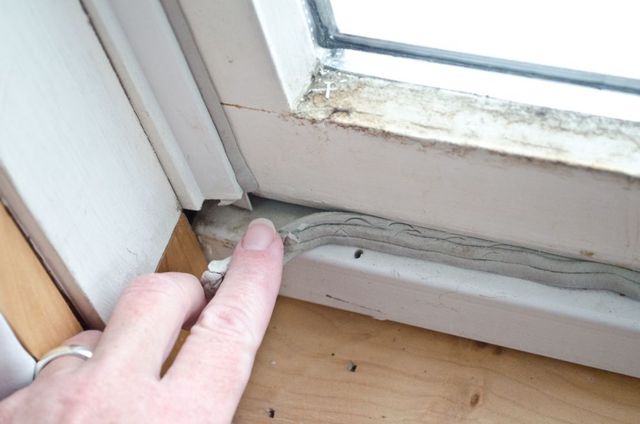
Weatherstripping is the rubber, foam, or felt material that lines the edges of your window sash. It creates the seal between the moving parts of the window and the frame. Over time, this material dries out, compresses, tears, or pulls away from the frame entirely. Once it goes, air slips through even when the window is fully closed and locked.
This is one of the most common and most fixable causes of drafty windows. Replacing old weatherstripping is a straightforward repair, and it can make a noticeable difference in how comfortable your home feels. If you press your window shut and still feel a draft, check the weatherstripping first. Run your fingers around the sash perimeter and look for sections that feel flattened, brittle, or missing altogether.
Cracked or Missing Caulk Around the Frame
Caulk seals the gap between your window frame and the wall. It is a stationary seal, not a moving one. Over time, caulk cracks, shrinks, and peels away from the surfaces it was bonded to. When that happens, outside air can travel straight through the gap between your window frame and the exterior wall.
According to the U.S. Department of Energy, faulty caulk around windows and doors is one of the leading causes of drafts and energy loss in American homes. The good news is that re-caulking is a low-cost repair you can often handle yourself. Scrape out the old caulk, clean the surface, and apply a fresh bead of silicone or latex caulk along the entire frame perimeter. For deeper gaps or gaps where insulation is missing behind the frame, a professional inspection is the better call.
If you are dealing with impact windows and notice caulk pulling away at the frame, do not delay. The frame-to-wall seal on impact glass needs to stay intact to maintain both draft protection and structural performance.
How Do I Find the Source of a Window Draft?
You can find the source of a window draft using the hand test, the smoke test, the dollar bill test, or a professional blower door assessment. Each method works best under certain conditions, and combining two of them gives you the clearest picture.
The hand test is the simplest. Close all doors and windows, turn off fans, and slowly move your hand along the edges of the window frame, sash, and sill. Any cool air movement you feel is a leak. This works best on cold days when the temperature difference between inside and outside is large. The U.S. Department of Energy also recommends the incense stick test. Light a stick of incense and hold it near the edges of the closed window. If the smoke drifts or gets pulled in one direction, air is moving through that spot. A third quick check is the dollar bill test. Close the window on a folded dollar bill. If you can pull the bill out easily without resistance, the seal is not tight enough.
If you are checking an entry door alongside your windows, use the same methods. Doors fail for all the same reasons and are often the bigger culprit when a room feels cold near the front of the house.
For a complete picture, a professional blower door test is the most accurate option. A technician depressurizes your home using a large fan, making it easy to detect every leak point. According to the Department of Energy, this test can find leaks that no DIY method would catch on its own.
What Are Signs of a Bad Window Seal?
Signs of a bad window seal include fog or moisture trapped between the glass panes, cold drafts near a closed window, unexplained increases in your energy bills, visible cracks or peeling around the frame, and windows that are harder to open or close than they used to be. If you can see condensation between the panes that you cannot wipe off from either side, the seal has failed and the insulating gas inside has escaped.
According to the U.S. Department of Energy, a failed window seal forces your heating and cooling system to work significantly harder, pushing heat loss through windows well beyond the typical 25% to 30% baseline. In South Florida, where heat, humidity, and salt air put constant stress on building materials, window seals tend to fail faster than in milder climates. We see these issues regularly across the communities we serve.
Failed Glass Seals in Double-Pane and Triple-Pane Windows
Double-pane and triple-pane windows trap argon or krypton gas between the glass layers. This gas slows heat transfer far better than regular air. When the seal between those panes breaks down, the insulating gas escapes and is replaced by ordinary humid air. The window loses most of its insulating value and starts behaving more like a single pane of glass.
Seal failure in insulated glass units happens because of age, repeated temperature cycling, harsh cleaning chemicals, extreme weather exposure, and occasionally poor manufacturing. Every time the sun heats your glass during the day and the night cools it back down, the frame and spacer expand and contract slightly. That repeated flexing stresses the sealant over thousands of cycles. Once the seal fails, moisture enters the airspace, and you start to see that characteristic fogging between the panes.
A failed seal is not just a cosmetic issue. Once the insulating gas is gone, heat transfers through the glass much faster, and the interior glass surface becomes colder in winter. Cold glass creates convection currents in the air near the window, which can feel like a draft even when no actual outside air is leaking in. If you are also seeing condensation between the panes, both effects are likely happening at once. Replacing the insulated glass unit restores the thermal barrier your window was designed to provide.
Poor Installation
Poor installation is one of the most frustrating causes of window drafts because it can affect a brand-new window just as easily as an old one. If a window is not shimmed correctly, sits off-level in its opening, or is installed without proper insulation packed around the frame, gaps form between the window and the rough opening in the wall. Those gaps become direct pathways for outside air.
Installation-related drafts do not improve with surface repairs like caulking or weatherstripping. The problem is structural, behind the trim. Common signs include drafts that appear only on windy days or during temperature swings, cold spots around the edges of a new window, and visible daylight visible around the frame when standing indoors. These issues usually require professional correction to fix properly. Always work with licensed installers and verify their credentials before any window work begins.
Our team approaches every window installation with attention to shimming, insulation, and perimeter sealing because proper fit is what determines long-term performance.
Is It Normal for Windows to Have Drafts?
No, it is not normal for windows to have drafts. A properly installed window with intact seals, good weatherstripping, and a tight caulk line should not allow outside air to enter. If you feel a draft near a closed window, that is a signal that one or more of the window's sealing systems has failed or was never working correctly to begin with.
That said, not every cold sensation near a window is a draft. Cold glass can create a convection current, which feels like moving air but is actually just room air cooling against the glass surface and sinking to the floor. This is especially common with older single-pane or failed double-pane glass. The distinction matters because the fix is different. A convection effect calls for better insulating glass; a true air leak calls for sealing repairs or replacement.
How Common Are Drafty Windows?
Drafty windows are extremely common. According to the U.S. Department of Energy, roughly $200 to $400 of the average American household's annual energy spending is wasted through drafts, air leaks, and outdated heating and cooling systems. The Department of Energy also notes that about 20% of all air infiltration in a home comes through openings around windows, doors, and skylights.
Older housing stock is particularly vulnerable. Homes built before modern energy codes were adopted often have single-pane windows, minimal insulation around frames, and weatherstripping that has not been replaced in decades. Small air leaks that individually seem minor can add up to the equivalent of leaving a window open around the clock, year-round.
Cause of Window DraftMost Affected Window TypesDIY Fix Possible?Typical UrgencyWorn or broken weatherstrippingAll operable windowsYesModerateCracked or missing caulkAll window typesYesModerateFailed glass seal (fogging between panes)Double-pane and triple-paneNo, professional repair neededHighPoor installationAll types, especially new windowsNo, professional correction neededHighAged or warped frameWood frames primarilyPartialModerate to HighFoundation/structural settlingAll window types in older homesNoHighSingle-pane glass (convection effect)Single-pane windowsNo, replacement recommendedHigh (long-term)
Sources: U.S. Department of Energy (energy.gov); U.S. Environmental Protection Agency / Energy Star (energystar.gov); University of Colorado State Extension, Air Sealing Colorado Homes.
Aging Window Frames and Warping
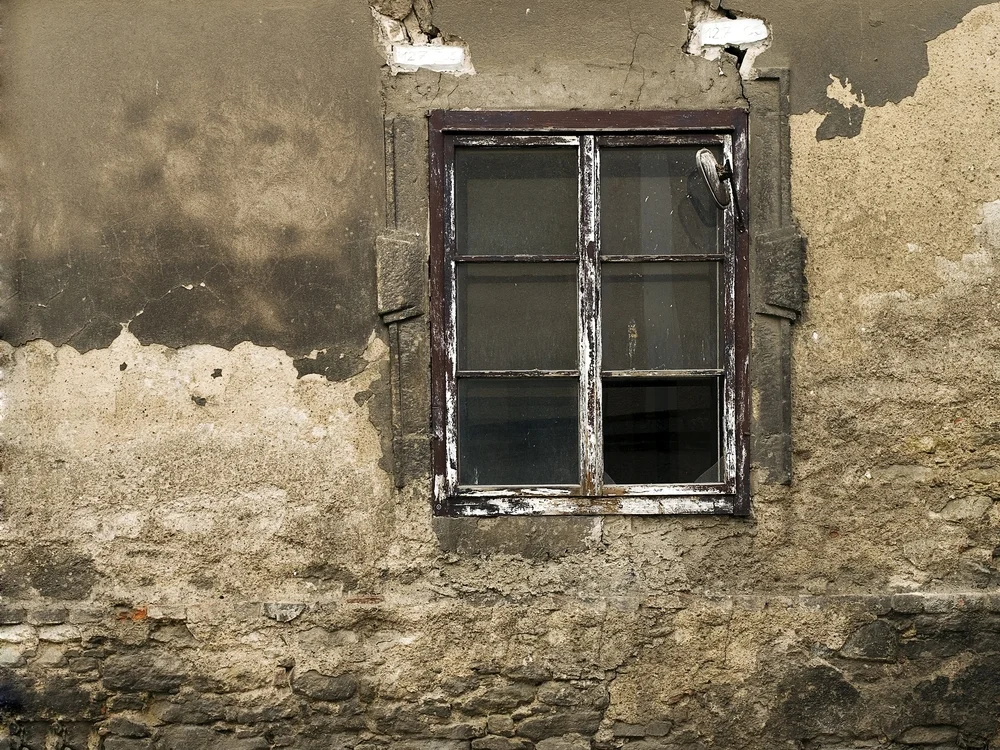
Window frames are not static objects. Wood frames absorb moisture, swell in humid weather, and shrink when it is dry. Over many years, this repeated movement warps the frame out of shape. Vinyl and aluminum frames can shift too, especially when exposed to extreme temperatures or when the original installation was not perfectly level. Once a frame warps or shifts, the window no longer closes to a tight seal, and drafts become unavoidable.
For wood frames, you may also see rot, soft spots, or peeling paint near the sill or apron. These are signs that moisture has been moving through gaps for some time. Rotted wood needs to be addressed beyond just sealing the surface because rot spreads and weakens the structural integrity of the entire window opening.
Homes in high-humidity coastal climates face accelerated frame wear. Salt air is particularly hard on sealants and frame finishes, breaking them down faster than in drier inland regions. Upgrading to impact glass in frames designed for coastal conditions gives you materials that hold up to that environment far better than standard residential windows. We also work with homeowners who want custom design options that combine performance with the exact look they want for their home.
Why Do Older Homes Have More Drafty Windows?
Older homes have more drafty windows because they were built with older materials, older construction standards, and no requirement for the energy-efficient glazing and sealing systems that are common today. Many homes built before the 1973 oil embargo were constructed with single-pane glass and minimal frame insulation as the standard.
Single-pane windows offer very little resistance to heat transfer. The interior glass surface gets cold in winter, creating that convection current that feels like a draft. According to the U.S. Department of Energy, storm windows alone can reduce heat loss through windows by 25% to 50%. For older homes where full window replacement is not yet planned, adding an interior storm window or heavy thermal treatments can reduce the immediate discomfort while longer-term upgrades are arranged.
Foundation Settling and Structural Movement
Houses move over time. Foundations settle, soil shifts, and framing lumber dries out and contracts over decades. When the structure around a window moves, the window frame can twist or tilt slightly out of the position it was installed in. That misalignment creates new gaps between the frame and the wall and puts stress on caulk and weatherstripping that then cracks.
This cause of drafts is often overlooked because it is not visible from the surface. The window may look fine and the weatherstripping may appear intact. But the frame is no longer sitting flush with the wall opening, leaving an air channel behind the trim. If you have noticed drafts appearing in windows that were fine before, especially in an older home, structural settling deserves serious consideration as the cause.
What to Use on a Window to Stop Cold Air from Seeping In
To stop cold air from seeping into a window, you can use new weatherstripping on the sash edges, fresh caulk around the frame perimeter, a rope caulk along the sash as a temporary winter measure, foam insulation between the rough opening and the frame, or a window insulation film kit for short-term cold-weather relief. The right fix depends on which of the underlying causes is driving the draft.
For weatherstripping, choose a material rated for your climate. Foam tape compresses easily but wears out faster. Vinyl v-strip weatherstripping lasts longer and holds its shape better through repeated opening and closing. For caulk, a silicone or siliconized latex product stays flexible through temperature changes better than rigid acrylic caulk.
These repairs address the symptoms. If the root cause is a failed glass seal, a warped frame, or a poor original installation, surface fixes will only go so far. A thorough inspection by a window professional will tell you whether a repair is sufficient or whether replacement is the smarter long-term choice.
What Are Common Window Sealing Mistakes?
Common window sealing mistakes include applying new caulk over old caulk without removing the deteriorated material first, using the wrong caulk type for exterior applications, using too little insulation behind the frame during installation, ignoring the sash weatherstripping while only fixing the frame perimeter, and sealing a window so tightly that it cannot be opened safely in an emergency.
Another common sealing mistake is using rope caulk or window film as a permanent solution. These are fine for a temporary fix during a cold season, but they do not address the root cause of the draft. If you seal over a failed glass unit or a warped frame, the draft will return when conditions change. The most common long-term mistake is simply waiting too long to address a known draft issue, because air infiltration compounds over time and the damage to surrounding materials from moisture movement can become expensive.
Can I Reseal a Window Myself?
Yes, you can reseal a window yourself if the issue is limited to surface caulk or weatherstripping. Both are DIY-friendly repairs that require only basic tools and materials available at most hardware stores. Scrape out the old caulk, clean the surface with rubbing alcohol, and apply fresh exterior-grade caulk along the full perimeter of the frame. For weatherstripping, peel off the old material, clean the surface, and press the new strip firmly into place.
However, DIY resealing has clear limits. If the draft is coming from missing insulation behind the frame, a failed glass seal between the panes, or a structural misalignment caused by settling, surface repairs will not hold. Attempting to fill deep gaps with surface caulk can trap moisture in the wall cavity, which leads to mold and rot over time. When in doubt, have a professional assess the full situation before committing to a repair strategy.
Can I Fix Drafty Windows Myself?
Yes, you can fix drafty windows yourself in many cases, particularly when the problem is worn weatherstripping or surface caulk. These are low-cost repairs with a short payback period. According to the Energy Star program, homeowners who air seal their homes can save an average of 15% on heating and cooling costs. Even partial sealing improvements produce measurable savings.
Where DIY fixes fall short is with failed glass units, poor installation, or structural causes. If you replace weatherstripping on a window that actually has a broken seal between the panes, you will still feel the cold because the glass itself is no longer insulating properly. If the draft is coming from behind the trim due to missing frame insulation, no surface repair will reach it. Know the cause before you commit to the fix.
Upgrading to impact-resistant windows eliminates most of these issues at once. Modern impact windows are installed with proper frame insulation, high-performance seals, and laminated glass that provides both draft resistance and storm protection in a single upgrade.
Does Condensation on Windows Mean the House Is Too Cold?
Condensation on windows does not necessarily mean the house is too cold. Condensation forms when warm, humid indoor air touches a cold glass surface. If the moisture is on the interior surface of the glass and you can wipe it off, that is a humidity management issue, not a window failure. Running a bathroom exhaust fan or dehumidifier often resolves interior glass sweating.
The condensation you need to worry about is moisture trapped between the glass panes that you cannot wipe away from either side. That is a definitive sign of glass seal failure. The insulating gas between the panes has escaped and been replaced by humid air. That moisture gets caught between the glass layers, creating the foggy or hazy appearance that does not clear on its own. In that case, the glass unit needs to be repaired or replaced.
Why Are My Windows Soaking Wet in the Morning?
Windows soaking wet in the morning are experiencing interior condensation caused by a large difference between the cold glass temperature and the warm, moist indoor air overnight. Bedrooms are especially prone to this because breathing releases moisture into a closed room all night. Kitchens and bathrooms also contribute to elevated indoor humidity. This is almost always a humidity problem, not a window problem, as long as the moisture is on the surface and not between the panes.
If the condensation is heavy and persistent across all windows despite reasonable indoor humidity levels, that can indicate the glass is too cold. Poor quality glass, failed seals, or very old single-pane windows lose heat to the outside so quickly that even modest indoor humidity produces heavy condensation. Improving the insulating performance of the glass through replacement resolves the pattern.
How to Winterize Old Drafty Windows
To winterize old drafty windows, start by checking and replacing any worn weatherstripping, then apply fresh exterior caulk to the frame perimeter, add rope caulk along the bottom of the sash, and consider applying a window insulation film kit on the interior for the season. Adding heavy insulating curtains provides an additional thermal barrier and can reduce the cold sensation near old glass.
These steps will reduce drafts and lower heating bills during the cold months. The U.S. Department of Energy notes that the potential energy savings from reducing drafts in a home range from 5% to 30% per year, with significant improvements in comfort. For old windows where the frame is also deteriorating, winterizing buys time but is not a substitute for eventual replacement. We recommend treating winterizing as a bridge measure while planning a more permanent upgrade. Homeowners who want to explore the full range of available options can check our residential services to see what solutions fit their situation.
Why Shouldn't You Leave Windows Open at Night?
You should not leave windows open at night because nighttime temperatures drop significantly, allowing cold air to enter the home and forcing your heating system to work harder to maintain a comfortable temperature. Overnight temperature swings also accelerate the deterioration of weatherstripping and caulk by repeatedly expanding and contracting the materials through their stress range.
In coastal South Florida, leaving windows open at night also allows salt-laden humid air inside the home. That air accelerates corrosion on metal fixtures, window hardware, and frames. Over time, it also increases indoor humidity, which can create condensation on glass surfaces and promote mold growth in wall cavities. Keeping windows closed at night preserves your HVAC efficiency, protects your window hardware, and extends the life of your sealing materials.
For homes that want natural ventilation without leaving windows open to the elements, impact-rated sliding doors with screen options allow controlled airflow while maintaining the structural protection your home needs.
How to Permanently Fix Drafty Windows
To permanently fix drafty windows, you need to address the root cause directly. For weatherstripping and caulk failures, a complete replacement of both materials with quality products provides a long-term fix that typically lasts several years. For failed glass seals, the insulated glass unit itself needs to be replaced. For installation deficiencies or structural settling, professional diagnosis and repair of the frame and surrounding structure is required.
For windows that are old, single-pane, badly warped, or repeatedly failing after repairs, full window replacement is the most permanent solution. Modern double-pane or impact-rated windows are factory-sealed with argon gas, engineered weatherstripping that resists compression over time, and frames designed to stay dimensionally stable. Once properly installed, they eliminate nearly every source of draft simultaneously.
The U.S. Department of Energy estimates that replacing single-pane windows with energy-efficient double-pane models can reduce heating and cooling energy use through windows by a substantial margin, and Energy Star-certified windows must meet an air leakage rating of 0.3 or lower. That means no more than a third of a cubic foot of air per minute moves through the window under test conditions. That is a dramatic improvement over an older window with failing seals and deteriorated weatherstripping. For buildings that need the highest level of protection, our high-rise impact windows meet the most demanding performance and sealing standards available.
Frequently Asked Questions
What Can I Put Over My Windows to Keep the Cold Air Out?
You can put window insulation film, heavy insulating curtains, or interior window inserts over your windows to keep cold air out during winter. Window insulation film kits create a secondary air barrier on the interior glass surface and are a common temporary solution. Heavy thermal curtains add another layer between the glass and the room. These options reduce drafts and cold sensations but do not fix the underlying sealing issue. For a permanent solution, the source of the draft needs to be repaired or the window needs to be replaced.
What Are the Signs of a Bad Window Seal?
The signs of a bad window seal are fog or moisture trapped between the glass panes that you cannot wipe away, cold drafts near a fully closed window, unexplained increases in energy bills, condensation patterns that appear repeatedly in the same spot on the glass, and visible frame deterioration such as peeling or soft wood near the sill. According to the U.S. Department of Energy, heat gain and heat loss through windows account for 25% to 30% of residential heating and cooling energy use, and a failed seal pushes that number significantly higher.
How Do I Find the Source of a Window Draft?
To find the source of a window draft, use the hand test by slowly moving your hand along the closed window frame on a cold day and feeling for moving air. The incense or smoke stick test is another reliable method recommended by the Department of Energy. Hold a lit incense stick near the window edges on a windy day. If the smoke wavers or gets pulled in one direction, you have found your air leak. The dollar bill test is also useful. Close the window on a dollar bill and try to pull it out. Resistance means a tight seal. Easy removal means air is getting through.
Is It Normal for Windows to Have Drafts?
No, it is not normal for windows to have drafts. A window in good condition with intact weatherstripping, sealed caulk, and a functional glass unit should not allow outside air in. Drafts are a sign that one or more components of the window system has worn out, failed, or was never installed correctly. The sensation of cold air near a window is sometimes convection from cold glass rather than a true air leak, but either way it signals that the window is no longer performing as it should.
Can I Reseal a Window Myself?
Yes, you can reseal a window yourself when the problem is limited to surface caulk or weatherstripping. Remove the old material completely, clean the surface, and apply fresh exterior-grade caulk or replacement weatherstripping. For deeper issues like missing insulation behind the frame or a failed glass seal, professional repair is the right call. DIY sealing applied over a structural problem can trap moisture inside the wall and cause more damage over time. When the cause is unclear, have a qualified window professional assess the window before committing to a repair approach.
What Is the Cheapest Time of Year to Replace Windows?
The cheapest time of year to replace windows is typically during late fall and winter in most markets, when demand for window installation services is lower and contractors may offer more competitive pricing. Spring and summer tend to be peak seasons for window replacement, which can mean longer wait times and fewer scheduling options. Regardless of timing, choosing a licensed and insured installer is more important than any seasonal discount. A poorly installed window at a bargain price will cost more in the long run than a properly installed one at full price.
Why Do Rich People Leave Their Windows Uncovered?
Rich people often leave windows uncovered because they have invested in high-performance windows with excellent insulating glass, low-emissivity coatings, and airtight seals that eliminate drafts and manage heat transfer effectively. When windows perform well, there is no need to cover them with heavy curtains for thermal reasons. Low-e glass coatings reflect infrared heat and block UV light while maintaining clear views, which is why high-end builds prioritize glass quality over window treatments as the primary thermal barrier.
The Bottom Line
Window draft issues come down to one simple reality: somewhere along the perimeter of your window, a seal has broken down. It might be weatherstripping that has flattened with age, caulk that cracked through years of temperature cycling, a glass seal that gave out and let the insulating gas escape, or an original installation that was never quite right. Each of these causes has a specific fix, and knowing which one you are dealing with is the difference between a repair that works and one that wastes your time and money.
The U.S. Department of Energy estimates that air leakage through windows and other openings accounts for 25% to 40% of a home's heating and cooling energy consumption. Addressing that leakage through proper sealing, repair, or replacement can cut those costs by 5% to 30% annually while making your home noticeably more comfortable. If you have been living with drafts and rising energy bills, it is worth taking a serious look at what your windows are actually doing.
At ASP Windows & Doors, we help homeowners across South Florida and Southwest Florida find the real source of their window performance problems and solve them with the right product and the right installation. Reach out to us at (888) 782-8342 to get a free estimate and start putting those drafts behind you.
Now Accepting Appointments
Proudly serving homeowners and businesses across South Florida and Southwest Florida. Book your visit and let our experts help protect and upgrade your space.
.avif)
.avif)
.avif)
%201.avif)
Insights & Resources
Stay informed with expert tips on impact windows, hurricane protection, and South Florida building standards.



%201.webp)
%201%20(1).webp)
%201.svg)
%201%20(1)%20(1).webp)
.png%20(1).webp)
.png.webp)
.avif)
.avif)


.avif)


.png)
.png)