.avif)


Benefits of Owning a Condo in South Florida
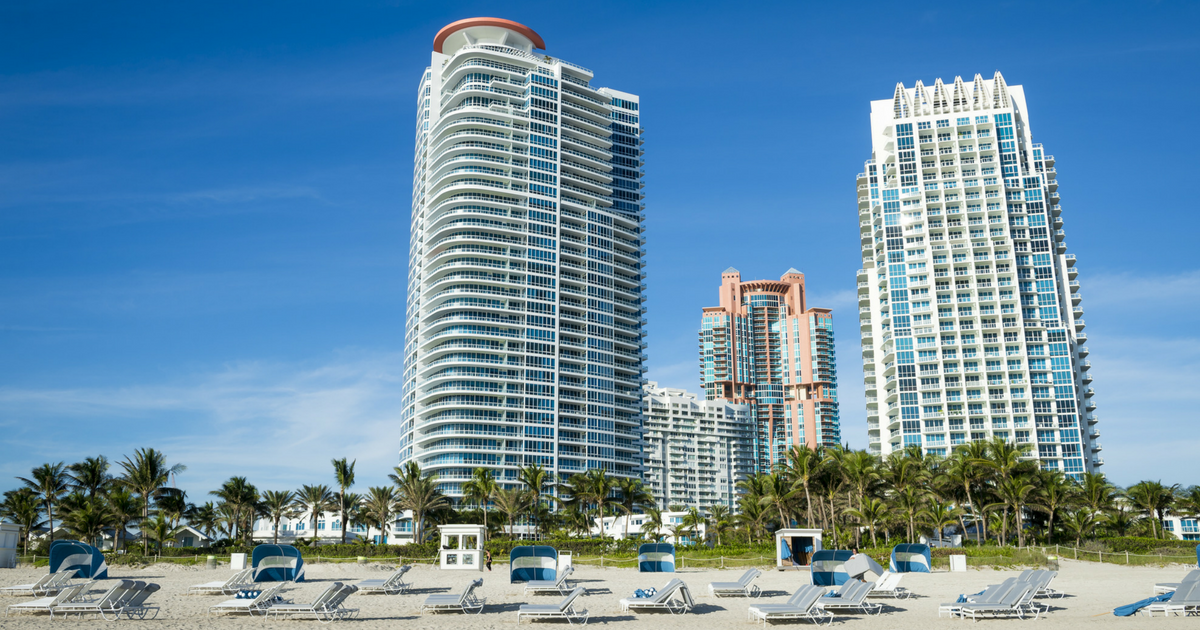

Year-round beach access, warm climate, luxury amenities, strong rental income potential, enhanced security, low taxes, and minimal maintenance are the benefits of owning a condo in South Florida. According to the Florida Realtors 2024 Market Report, South Florida condos appreciate 4-6% annually while providing rental yields of 8-12% in prime coastal locations. The Tax Foundation reports that Florida ranks as the second-lowest tax burden state with zero state income tax and no estate taxes, saving residents an average of $3,500-$7,000 annually compared to high-tax states.
South Florida's coastal peninsula location above the Tropic of Cancer creates tropical weather conditions attracting 126 million visitors annually according to Visit Florida tourism data. Miami-Dade, Broward, and Palm Beach counties contain over 400,000 condominium units offering beachfront living, resort-style amenities, and investment opportunities. Condo ownership provides lifestyle benefits impossible with traditional single-family homes while eliminating lawn maintenance, exterior repairs, and individual security systems.
Pros and Cons of Buying a Condo in Florida
Pros include lower purchase prices, resort amenities, beach access, rental income potential, minimal maintenance, and HOA security. Cons include monthly HOA fees, special assessments, resale restrictions, limited customization, parking limitations, and potential rental caps. The National Association of Realtors 2024 data shows Florida condos cost 30-40% less per square foot than single-family homes in equivalent locations. However, HOA fees averaging $300-$800 monthly plus 2-5% annual increases affect long-term affordability and investment returns.
Advantages of Condo Ownership
Lower entry costs make beachfront living accessible to more buyers. Miami Beach condos averaging $450,000-$650,000 provide ocean proximity that single-family homes costing $1.2-$2.5 million offer. This affordability opens coastal lifestyle opportunities to first-time buyers, retirees, and vacation home purchasers.
Resort-style amenities included in HOA fees provide value impossible to replicate individually. Pools, fitness centers, tennis courts, clubhouses, and concierge services would cost $15,000-$30,000 annually if purchased separately. Shared amenities through HOA dues create luxury lifestyle access at fraction of individual ownership costs.
Professional property management eliminates exterior maintenance responsibilities. HOA-managed landscaping, roof repairs, building painting, and common area upkeep free owners from weekend maintenance projects. Snowbird owners maintaining properties from northern states particularly benefit from management services handling issues during absences.
Strong rental demand generates income offsetting ownership costs. South Florida's 126 million annual visitors create consistent short-term rental demand. Condos near beaches rent for $150-$400 nightly during peak winter months, generating $25,000-$60,000 annual rental income for properties owners occupy only 4-8 weeks yearly.
Disadvantages Requiring Consideration
Monthly HOA fees range from $300-$800 for standard condos and $800-$2,500 for luxury properties with extensive amenities. These mandatory fees continue regardless of financial circumstances and increase 2-5% annually. Total HOA payments over 30-year ownership periods reach $150,000-$450,000 depending on initial fees and increase rates.
Special assessments for major repairs create unexpected expenses. Roof replacements, exterior painting, pool renovations, or hurricane damage repairs trigger one-time fees of $5,000-$50,000 per unit. Buildings with inadequate reserves require larger special assessments, making reserve fund reviews critical during purchase due diligence.
HOA rules limit customization freedom. Window replacements require architectural review board approval. Many associations mandate specific window styles, colors, and manufacturers. Owners seeking hurricane impact windows in Doral condo installations must verify HOA approval processes and acceptable product specifications before purchasing units.
Rental restrictions affect investment property strategies. Some HOAs prohibit short-term rentals under 30 days, eliminating lucrative Airbnb income. Other associations limit total rental units to 10-30% of building inventory, creating waitlists for rental approval. Buyers planning rental income should verify association rental policies before purchase.
What to Know Before Buying a Condo in Florida
Review HOA financial health, building inspection reports, rental restrictions, insurance requirements, and reserve fund adequacy before buying a condo in Florida. The Florida Department of Business and Professional Regulation requires HOAs to provide financial statements, budgets, meeting minutes, and governing documents to prospective buyers. Due diligence reviewing these documents prevents costly surprises after closing and identifies potential special assessment risks.
Essential Due Diligence Steps
Request three years of HOA financial statements examining income, expenses, and reserve fund balances. Healthy associations maintain reserves of 50-100% of annual budgets. Underfunded reserves below 30% of budgets signal potential special assessments for deferred maintenance. Calculate reserve funding per unit—$5,000-$10,000 per unit indicates adequate funding for typical 20-30 year old buildings.
Review meeting minutes identifying ongoing disputes, pending litigation, or maintenance concerns. Lawsuits against HOAs or contractors indicate potential financial problems affecting property values. Deferred maintenance discussions signal upcoming special assessments. Water intrusion, structural issues, or major system failures mentioned repeatedly warrant additional investigation.
Obtain building inspection reports examining structural integrity, plumbing systems, electrical systems, roofs, and hurricane protection. Older buildings constructed before 1994 often lack modern building code compliance. Post-Hurricane Andrew buildings meeting Miami-Dade County High Velocity Hurricane Zone standards provide superior protection. Buildings with mixed standard and impact windows require budgeting for future hurricane protection upgrades.
Verify insurance coverage adequacy including wind, flood, and liability policies. Some associations maintain minimal coverage requiring owners to purchase substantial gap insurance. Florida's challenging insurance market increased condo master policy premiums 30-200% during 2022-2024. Rising insurance costs drive HOA fee increases affecting affordability.
Understanding HOA Restrictions
Read governing documents including declarations, bylaws, and rules and regulations completely before purchase. These documents control permitted renovations, rental policies, pet restrictions, parking allocations, and use limitations. Restrictions vary dramatically between associations—assumptions based on one building's rules don't apply to others.
Rental restrictions particularly affect investment buyers. Minimum rental periods, total rental caps, and leasing approval processes vary by association. Some buildings prohibit all rentals while others allow unlimited rentals with minimum 30-day or 12-month lease terms. Verify rental rules match investment strategies before purchase.
Pet policies range from no restrictions to complete prohibitions. Weight limits, breed restrictions, and quantity limitations affect pet owners. Some associations require pet deposits or additional monthly fees. Review pet policies carefully if animal ownership affects purchase decisions.
Window replacement and exterior modification policies impact home improvement flexibility. Many associations require impact-resistant door installations in Doral to match specific colors, styles, and manufacturers. Some associations mandate uniform building appearance restricting individual choices. Architectural review board approval processes take 30-90 days, delaying planned improvements.
Insurance and Hurricane Preparedness
Florida condo insurance includes two components—HOA master policies covering building exteriors and common areas, plus individual unit policies covering interiors and personal property. Understanding coverage boundaries prevents gaps leaving owners financially exposed after disasters.
Master policies typically cover building structures, roofs, common areas, and exterior walls following "all-in" or "bare walls" approaches. All-in policies cover fixtures and improvements inside units including cabinets, flooring, and appliances. Bare walls policies cover only structural elements, requiring owners to insure all interior improvements separately.
Individual HO-6 policies cover personal property, interior improvements, liability, and loss assessment coverage. Loss assessment coverage pays special assessments for damages exceeding master policy limits. Adequate loss assessment coverage of $50,000-$100,000 protects against catastrophic building damage requiring owner contributions beyond insurance recoveries.
Hurricane preparedness in condos requires understanding building protection systems. Buildings with complete hurricane-rated impact protection require no pre-storm preparation. Properties with storm shutters depend on HOA or individual owners for deployment. Verify who handles hurricane preparation and what systems protect specific units.
Top South Florida Condo Markets
Understanding regional differences helps buyers select locations matching lifestyle priorities and investment goals.
Miami Beach and South Beach
Miami Beach offers iconic Art Deco architecture, vibrant nightlife, and direct ocean access. Median condo prices range from $450,000-$850,000 for standard units and $1.5-$8 million for luxury oceanfront properties. The area attracts international buyers, young professionals, and vacation home owners seeking energetic urban beach lifestyle.
Short-term rental demand remains exceptionally strong with nightly rates of $200-$600 depending on location, views, and amenities. Annual rental yields reach 8-12% before expenses in well-managed investment properties. However, high HOA fees of $500-$1,200 monthly plus expensive insurance reduce net returns.
Fort Lauderdale and Hollywood
Fort Lauderdale provides more affordable beachfront options with median condo prices of $320,000-$550,000. The area offers 23 miles of beaches, extensive canal systems, and growing downtown development. Hollywood Beach features a classic boardwalk atmosphere attracting families and retirees.
Rental markets serve both seasonal snowbirds seeking 3-6 month winter stays and vacation travelers. Monthly winter rentals generate $3,500-$8,000 for beachfront properties. Annual rental yields average 6-9% with lower HOA fees of $300-$600 monthly compared to Miami Beach.
Boca Raton and Palm Beach
Northern Palm Beach County attracts affluent retirees and families seeking excellent schools, golf communities, and upscale shopping. Median condo prices range from $400,000-$1.2 million. The area emphasizes luxury amenities, country club lifestyles, and sophisticated dining.
Rental markets focus on seasonal tenants rather than short-term vacationers. Many HOAs restrict or prohibit rentals under six months, limiting Airbnb strategies. Properties serve primarily as primary residences or seasonal retreats for owners rather than investment properties.
Naples and Southwest Florida
Naples offers Gulf Coast beaches, championship golf courses, and small-town charm. Median condo prices range from $350,000-$900,000. The area attracts retirees seeking quieter lifestyles away from Miami's urban intensity.
Rental demand serves primarily seasonal residents wintering in Florida. Six-month rental rates reach $15,000-$40,000 for beachfront properties. Short-term vacation rentals face more restrictions than Southeast Florida, with many communities prohibiting rentals under 30 days.
Investment Potential and Market Trends
Analyzing market conditions helps buyers time purchases and select properties with strongest appreciation potential.
Current Market Conditions
South Florida condo inventory increased 40-60% during 2023-2024 as new construction deliveries exceeded demand. This surplus created buyer-favorable conditions with 5-10% price reductions in many buildings. Median days on market extended from 30-45 days in 2021-2022 to 60-90 days currently.
Rising interest rates and insurance costs reduced buyer purchasing power by 25-30% compared to 2020-2021. Monthly payments increased substantially even with lower purchase prices. Buyers should focus on properties with strong fundamentals including recent building updates, adequate reserves, and stable HOA fees.
Future appreciation depends on interest rate trends, insurance market stabilization, and new construction pipelines. Markets with limited new supply face stronger appreciation as existing inventory absorbs. Overbuilt markets with substantial development pipelines may experience flat or declining values short-term.
Tax Advantages for Florida Residents
Florida's zero state income tax saves residents 4-7% compared to high-tax states. A household earning $150,000 annually saves $6,000-$10,500 yearly versus California, New York, or New Jersey. These savings compound over 20-30 year ownership periods, totaling $120,000-$315,000 in tax avoidance.
Homestead exemptions reduce property taxes by $25,000-$50,000 on assessed values for primary residents. Additional exemptions for seniors, veterans, and disabled residents further reduce tax burdens. Save Our Homes caps annual assessment increases at 3%, protecting long-term owners from dramatic tax increases.
No estate or inheritance taxes allow tax-free wealth transfers to heirs. High-tax states collect 10-16% estate taxes on values exceeding $1-$6 million. Florida residents avoid these taxes completely, preserving wealth for future generations.
Discover the perfect South Florida condo with enhanced value through impact window upgrades. ASP Windows & Doors works with condo associations throughout Miami-Dade, Broward, and Palm Beach counties providing Miami-Dade County approved impact window installations. Our certified systems meet HOA architectural requirements while qualifying for insurance discounts and improving energy efficiency.
Contact us today at (888) 782-8342 for a free consultation on condo window upgrades. Our experienced team navigates HOA approval processes and provides all documentation required for architectural review boards. Whether you're a condo owner seeking unit improvements or an HOA board evaluating building-wide upgrades, we deliver professional installation ensuring compliance with Florida Building Code and association requirements.
Now Accepting Appointments
Proudly serving homeowners and businesses across South Florida and Southwest Florida. Book your visit and let our experts help protect and upgrade your space.
.avif)
.avif)
.avif)
%201.avif)
Insights & Resources
Stay informed with expert tips on impact windows, hurricane protection, and South Florida building standards.


%201.webp)
%201%20(1).webp)


%201.svg)
%201%20(1)%20(1).webp)
.png%20(1).webp)
.png.webp)
.avif)
.avif)


.avif)


.png)
.png)