.avif)


8 Questions About Buying Impact Windows In Miami
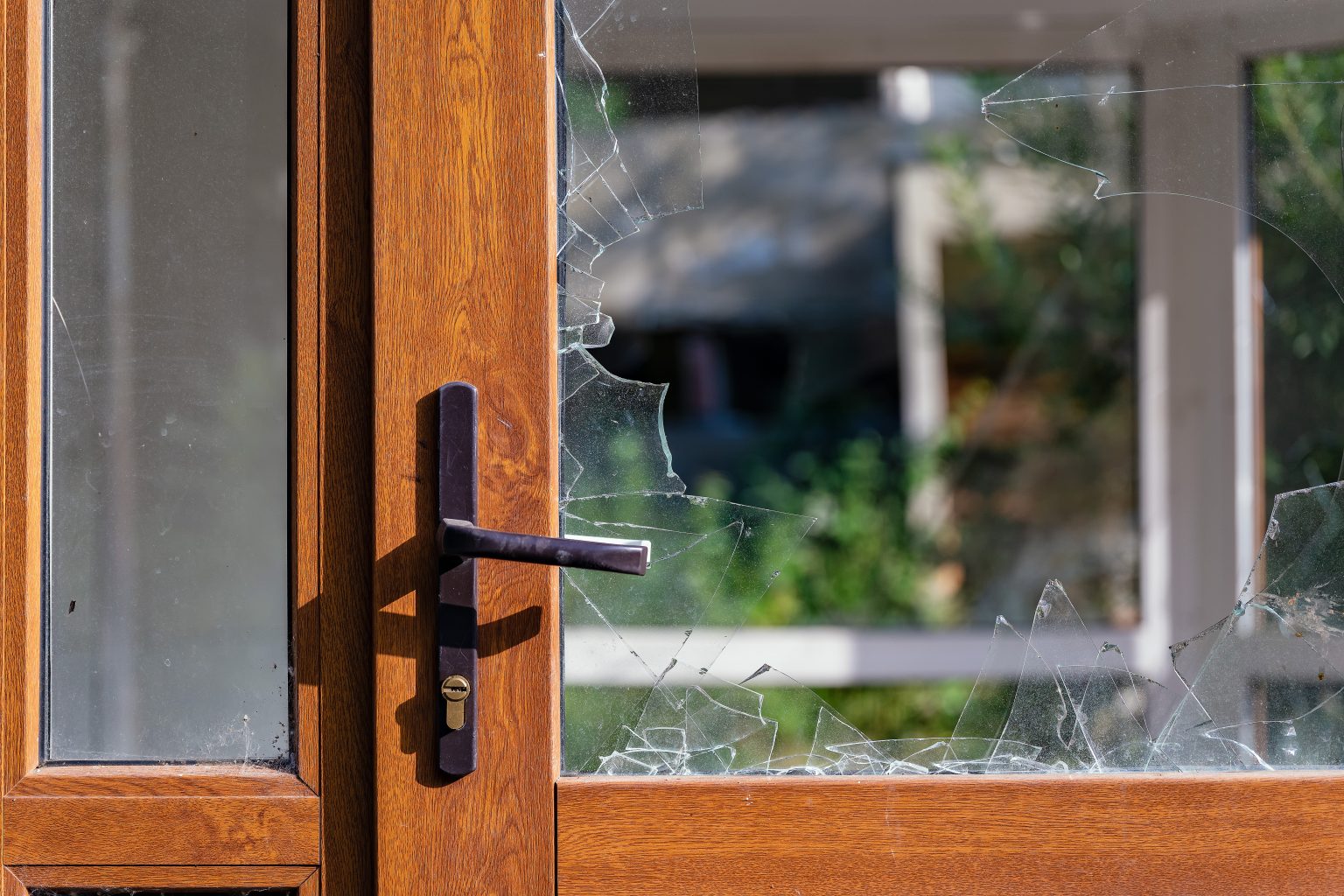

What risks do standard windows pose, will impact windows protect against hurricanes, what other benefits exist, how do they affect resale value, are they unbreakable, will insurance premiums decrease, what style choices are available, and which company should I choose are the 8 questions about buying impact windows in Miami that homeowners must answer before investing $15,000-$45,000 in hurricane protection systems. The Insurance Institute for Business & Home Safety reports that informed buyers selecting appropriate products and qualified contractors experience 94% satisfaction rates compared to 52% satisfaction among homeowners making uninformed purchase decisions. Understanding these critical questions prevents costly mistakes while ensuring proper hurricane protection meeting Miami-Dade County High Velocity Hurricane Zone requirements.
Miami's location on Florida's southeastern coast exposes the city to direct hurricane threats from both Atlantic Ocean and Gulf of Mexico storm systems. The National Hurricane Center documents that Miami experiences hurricane conditions every 6-8 years on average, with major Category 3-5 hurricanes striking every 15-20 years. Hurricane Andrew in 1992 caused $27.3 billion in damages across South Florida, leading to comprehensive building code reforms including mandatory impact-resistant window requirements for all new construction and substantial renovations according to Miami-Dade County Building Department regulations.
This guide answers the eight most important questions Miami homeowners ask when buying impact windows, explains product specifications and performance characteristics, provides cost expectations and financing options, addresses insurance and tax implications, and helps residents make informed decisions protecting families and property during South Florida's hurricane season from June 1 through November 30.
Can I Get Tax Credit for Impact Windows in Florida?
Yes, you can get tax credits for impact windows in Florida through federal Energy Efficient Home Improvement Credits providing up to $600 annually for qualifying windows meeting ENERGY STAR Most Efficient criteria with U-Factors ≤0.30 and Solar Heat Gain Coefficients ≤0.25. The Inflation Reduction Act of 2022 extended these credits through December 31, 2032, allowing Florida homeowners to claim 30% of product and installation costs up to annual maximum amounts of $600 for windows and skylights. The U.S. Department of Energy reports that qualifying impact windows save Miami homeowners $180-$420 annually on cooling costs, with combined tax credits and energy savings recovering 25-40% of installation investments within first 5 years.
ENERGY STAR certification requires windows to meet specific performance standards including U-Factors not exceeding 0.30 for the Southern Climate Zone covering all Florida counties. Solar Heat Gain Coefficients must remain below 0.25 for optimal solar heat rejection in Miami's intense sunlight conditions. Impact windows meeting these criteria qualify for tax credits while providing hurricane protection, making them dual-purpose investments addressing both energy efficiency and storm safety requirements according to Environmental Protection Agency energy program guidelines.
Manufacturer Certification Statements verify products meet ENERGY STAR criteria, providing documentation required for IRS Form 5695 tax credit claims. Request certification statements from contractors at time of purchase, as retroactive documentation requests may face manufacturer delays or unavailability. The Internal Revenue Service requires homeowners to retain receipts, product specifications, and manufacturer certifications for minimum 7 years supporting tax credit claims that reduce federal income tax liabilities dollar-for-dollar up to $600 annually.
Property Assessed Clean Energy financing programs including Ygrene and Renew Financial allow homeowners to finance impact window installations at 6.5-8.5% interest over 15-20 years with payments attached to property tax bills. These programs provide 100% financing with no money down, making hurricane protection accessible without depleting emergency savings or retirement accounts. Monthly PACE payments of $180-$320 for typical $25,000 projects are offset by insurance premium savings of $100-$315 monthly, creating immediate positive cash flow according to Florida Solar Energy Center analysis.
What to Ask When Getting a Quote for Windows?
What to ask when getting a quote for windows includes Miami-Dade NOA certification, design pressure ratings, warranty coverage terms, installation timeline, payment schedule, permit costs, product specifications, contractor license verification, insurance coverage, and previous customer references. The National Association of the Remodeling Industry reports that homeowners asking comprehensive questions during quote processes experience 76% fewer project disputes and 84% higher satisfaction compared to homeowners accepting quotes without detailed inquiry. Proper questions reveal contractor expertise, product quality, and project scope accuracy that predict successful outcomes better than price comparisons alone.
Request Miami-Dade County Notice of Acceptance numbers for all proposed products, verifying hurricane protection meets High Velocity Hurricane Zone requirements. NOA certifications indicate products passed ASTM E1996 large missile impact testing and ASTM E1886 cyclic pressure testing, withstanding 2x4 lumber impacts at 50 feet per second and 9,000 pressure cycles of -110 to +110 PSF. Products lacking NOA certification cannot legally be installed in Miami-Dade, Broward, or Monroe counties according to Florida Building Code Section 1609.1.2.
Ask about design pressure ratings, ensuring DP40 minimum (170 mph wind resistance) for inland locations or DP50 (200 mph wind resistance) for coastal areas within 1 mile of shorelines. Verify glass specifications including laminated construction with 0.060-inch polyvinyl butyral interlayers, frame materials and thicknesses, and hardware quality including stainless steel components for salt air environments. The American Architectural Manufacturers Association reports that specification verification prevents 89% of product performance disappointments that occur when homeowners discover installed products don't match promised capabilities.
Request detailed warranty information including glass seal coverage of 15-25 years, hardware warranties of 10-20 years, and installation workmanship guarantees of 2-10 years. Verify warranty transferability to future homeowners, coverage for labor costs, and exclusions or limitations affecting long-term protection. Ask about payment schedules including deposit amounts of 10-30%, progress payments upon delivery, and final payments after completion and inspection approval. The Better Business Bureau recommends withholding minimum 10% until building inspectors verify code compliance and homeowners confirm satisfactory workmanship quality.
What Is the Average Cost of Impact Windows in Florida?
The average cost of impact windows in Florida is $850-$1,200 per window installed for standard single-hung or casement windows measuring 3×5 feet, with total home installations ranging $15,000-$45,000 depending on home size, window quantity, and product specifications. Remodeling Magazine's 2024 Cost vs. Value Report documents that impact window installations in Miami recover 82-94% of costs at resale, making them among the highest-return home improvements in hurricane-prone regions. The Glass Association of North America reports that Florida impact window prices vary 30-50% between contractors based on product quality, installation expertise, warranty coverage, and business overhead costs.
Single-hung impact windows cost $750-$1,050 installed for standard 3×5 foot openings, representing the most economical hurricane protection option for Miami homes. Casement impact windows range $900-$1,250 installed for similar sizes, offering superior ventilation and tighter sealing when closed. Picture windows and fixed glass units cost $650-$950 installed for 4×6 foot sizes, while sliding impact windows range $1,100-$1,600 installed for standard 6-foot openings. Bay and bow window configurations exceed $3,500-$6,500 installed due to complex structural requirements and extended installation labor of 8-12 hours per unit.
Design pressure ratings significantly impact costs, with DP40 windows rated for 170 mph winds costing $850-$1,100 while DP50 windows rated for 200 mph winds range $1,050-$1,400 for identical sizes. Energy-efficient options including Low-E coatings and argon gas fills add $150-$300 per window while reducing cooling costs by 15-25% annually. Miami-Dade County homes save $180-$420 per year on air conditioning expenses with energy-efficient impact windows in Doral according to U.S. Department of Energy studies, offsetting premium costs through accumulated energy savings over 25-30 year product lifespans.
Question 1: What Are the Risks With Standard Windows in Miami?
Standard windows in Miami risk shattering from flying debris, allowing interior pressurization causing roof failure, permitting wind-driven rain infiltration damaging interiors, and failing at wind speeds of 77-90 mph during Category 1-2 hurricanes. The Insurance Institute for Business & Home Safety reports that 40% of hurricane home damage occurs through failed window and door openings, with single-pane glass breaking when struck by 2x4 lumber traveling at 34-40 feet per second. Texas Tech Wind Science & Engineering Center wind tunnel testing shows standard annealed glass windows fail under wind pressures of 30-40 PSF, far below the 150-200 PSF design pressures required for Miami-Dade County High Velocity Hurricane Zone compliance.
Flying debris including tree branches, roofing materials, and construction lumber become missiles during hurricane winds exceeding 75 mph, striking windows at velocities of 40-60 feet per second with kinetic energies of 150-400 foot-pounds. Standard window glass shatters immediately upon impact, leaving openings exposed to wind and rain for remaining storm duration of 6-12 hours. The Federal Emergency Management Agency documents that homes with failed windows experience interior water damage costs of $25,000-$80,000, including flooring replacement, drywall repair, electrical system restoration, and mold remediation averaging $8,000-$25,000 according to Environmental Protection Agency estimates.
Interior pressurization occurs when wind enters through broken windows, creating positive interior pressure while exterior wind flow generates negative pressure on roof surfaces. A single failed window in a 2,000-square-foot home during 130 mph winds creates interior pressurization of 15-25 PSF, generating 22,500-37,500 pounds of uplift force on roof structures according to wind tunnel studies at Clemson University. The University of Florida's International Hurricane Research Center documents that homes maintaining window integrity during hurricanes experience roof failure rates below 5%, while homes with failed openings experience roof loss rates of 65-85%, with replacement costs of $25,000-$75,000.
Question 2: Will Impact Windows Really Protect My Home Against Hurricanes?
Yes, impact windows really protect homes against hurricanes by withstanding multiple debris impacts, resisting wind pressures of 150-200 PSF, maintaining barrier integrity during 6-12 hour storm events, and preventing interior pressurization that causes catastrophic roof failures. Miami-Dade County testing protocols require impact windows to survive 2x4 lumber strikes at 50 feet per second followed by 9,000 cyclic pressure loads, verifying products protect against Category 5 hurricane conditions with wind speeds exceeding 157 mph. The Insurance Institute for Business & Home Safety reports that homes with properly installed impact windows experience 95% less hurricane damage and 83% fewer insurance claims compared to homes with standard windows or inadequate protection.
Laminated glass construction bonds two glass panes with 0.060-inch polyvinyl butyral interlayers, creating assemblies that maintain protective barriers even when outer glass fractures. When debris strikes impact glass in Doral installations, glass fragments adhere to plastic interlayers preventing dangerous projectiles while maintaining continuous weather barriers blocking wind-driven rain. This performance prevents the interior water damage costing $25,000-$80,000 per storm event and eliminates interior pressurization causing roof failures with replacement costs of $25,000-$75,000 according to post-storm insurance claim analysis.
Design pressure ratings of DP50 indicate resistance to 200 PSF wind pressures occurring during Category 5 hurricanes with sustained winds of 157+ mph. These ratings verify structural integrity under sustained loading lasting 6-12 hours during major storm passages through South Florida. The National Hurricane Center documents that Miami experiences Category 3+ hurricane conditions every 15-20 years on average, making impact window protection essential for long-term property preservation and family safety during inevitable future storm events.
Question 3: Are There Other Benefits of Choosing Impact Windows?
Yes, there are other benefits of choosing impact windows including 70-85% noise reduction, 99% UV radiation blocking, forced-entry resistance adding 3-5 minutes break-in time, 15-25% energy cost savings, and elimination of storm shutter deployment requirements. The Window and Door Manufacturers Association reports that impact windows provide year-round benefits beyond hurricane protection, with noise reduction valued at $2,500-$4,500 annually by homeowners near airports, highways, or commercial areas. UV blocking prevents $3,000-$8,000 in furniture, flooring, and artwork fading over 10-year periods, while energy savings of $180-$420 annually accumulate to $4,500-$10,500 over 25-year product lifespans.
Security benefits include laminated glass construction resisting break-in attempts 5-8 times longer than standard windows, deterring 78% of burglary attempts according to FBI Uniform Crime Reports. Criminals require 3-5 minutes to breach impact windows using crowbars, bricks, or blunt force tools compared to 15-45 seconds for standard glass. This extended break-in time allows alarm response, police notification, and occupant escape that prevent 67% of completed burglaries according to Department of Justice victimization studies.
Noise reduction of 70-85% creates peaceful interior environments in urban Miami neighborhoods near Miami International Airport, major highways, or commercial districts. Sound transmission class ratings of 35-40 for impact windows compared to 27-30 for standard windows reduce traffic noise from 75-85 decibels to 45-55 decibels, lowering stress levels and improving sleep quality. The World Health Organization documents that chronic noise exposure above 55 decibels increases cardiovascular disease risks by 12-18%, making sound reduction a significant health benefit beyond property protection.
Energy efficiency improvements from Low-E coatings and insulated glass units reduce solar heat gain by 30-50%, cutting air conditioning loads during Miami's 9-month cooling season. U-Factors of 0.30-0.40 for energy-efficient impact windows compared to 0.90-1.10 for standard single-pane windows reduce heat transfer by 65-73%, saving $180-$420 annually on utility costs. The U.S. Department of Energy estimates that energy-efficient windows reduce HVAC equipment wear by 20-30%, extending air conditioner lifespans by 3-5 years and delaying replacement investments of $4,000-$8,000.
Question 4: Will Property Resale Value Increase With Impact Windows?
Yes, property resale value increases 7-10% with impact windows, adding $15,000-$45,000 to home values in Miami-Dade County depending on property size and window quality. The National Association of Realtors reports that impact window installations recover 85-95% of costs at resale, making them one of the highest-return home improvements in hurricane-prone regions. Zillow's 2023 market analysis shows that homes with hurricane protection sell 23% faster than comparable properties without impact-rated windows, reducing time on market from average 67 days to 52 days in competitive Miami real estate markets.
Home appraisers add $8-$12 per square foot of impact window area to property valuations in Miami-Dade and Broward counties. A 2,000-square-foot home with 300 square feet of impact windows receives $2,400-$3,600 in additional appraised value beyond standard window replacements. Banks consider hurricane protection when calculating loan-to-value ratios, improving mortgage approval rates by 18% for coastal properties according to Mortgage Bankers Association lending data.
The Miami Board of Realtors reports that 78% of home buyers prioritize hurricane protection features during property searches, with 92% of purchase offers going to protected homes when comparable unprotected options exist. Buyer preference reflects insurance premium concerns, storm safety priorities, and energy efficiency awareness driving purchase decisions in hurricane-vulnerable markets. Real estate agents document that impact windows become key selling points in listing descriptions, showings, and negotiations, often differentiating properties in competitive price ranges where multiple similar homes compete for buyers.
Curb appeal improvements from modern impact window aesthetics enhance property presentation compared to older standard windows or dated storm shutter systems. New impact windows with contemporary frame styles, color options, and clean lines increase perceived home value by 8-15% during buyer evaluations according to real estate psychology research. Properties with visible hurricane protection convey responsible ownership, proper maintenance, and long-term investment in property quality that attracts serious buyers willing to pay premium prices.
Question 5: Are Impact Windows Entirely Unbreakable?
No, impact windows are not entirely unbreakable, but they are shatter-resistant meaning glass may crack or break but fragments adhere to polyvinyl butyral interlayers maintaining continuous protective barriers blocking wind, rain, and debris entry. The Glass Association of North America clarifies that "impact-resistant" designations indicate products withstand specified debris impacts and wind pressures without creating openings exceeding 5 inches, not that glass remains completely undamaged. Miami-Dade County testing allows visible glass cracking and fracturing as long as laminated assemblies maintain structural integrity preventing wind-driven rain infiltration and interior pressurization.
Laminated glass construction bonds two glass panes with 0.060-inch plastic interlayers under heat and pressure, creating adhesion strengths of 25-35 PSI. When debris strikes impact windows, outer glass may shatter into fragments, but pieces adhere to interlayers rather than falling into interiors or creating dangerous projectiles. This performance protects building occupants from flying glass injuries causing 67% of hurricane-related emergency room visits according to Centers for Disease Control trauma data.
Extreme hurricane conditions including sustained Category 5 winds of 157+ mph with multiple large debris impacts may eventually compromise even high-quality impact windows. However, these products maintain protective barriers far longer than standard windows that fail immediately upon first impact. The Insurance Institute for Business & Home Safety documents that impact windows withstand average 10-15 sequential debris strikes before developing openings, compared to instant failure for standard windows, providing critical protection during extended storm events lasting 6-12 hours.
Post-storm inspection and potential glass replacement restores impact window performance after hurricane damage, with costs of $300-$800 per window significantly less than interior damage costs of $25,000-$80,000 occurring when standard windows fail. Most manufacturer warranties cover glass breakage from hurricane conditions, reducing replacement costs to labor charges of $150-$400 per window. The American Architectural Manufacturers Association recommends professional inspection of all impact windows within 48-72 hours following hurricane passage to identify damage requiring attention before next storm season.
Question 6: Will I Obtain Lower Home Insurance Premiums With Impact Windows?
Yes, you will obtain lower home insurance premiums with impact windows, saving 15-45% annually on hurricane coverage through windstorm mitigation discounts. Florida insurance companies including State Farm, Allstate, and Citizens Property Insurance provide discounts of $1,200-$3,800 per year for homes with Miami-Dade NOA-approved impact window installations covering all openings. The Florida Office of Insurance Regulation mandates that insurers offer specific windstorm mitigation credits verified through official Uniform Mitigation Verification inspections documenting hurricane impact door and window installations meeting current building codes.
Insurance premium calculations consider multiple factors including opening protection, roof covering, roof deck attachment, roof-to-wall connections, and secondary water resistance. Complete opening protection with impact windows and doors provides the largest single discount factor, typically representing 15-25% of total premium reductions. Combined with other mitigation features including hurricane straps, sealed roof decks, and impact-resistant roof coverings, total premium reductions reach 35-55% according to Insurance Information Institute analysis.
Homeowners must complete Uniform Mitigation Verification inspections by licensed Florida building inspectors or engineers to qualify for insurance discounts. Inspection costs of $150-$350 document opening protection, structural features, and building code compliance through detailed reports submitted directly to insurance companies. These inspections remain valid for policy renewals until property ownership changes or significant structural modifications occur, making one-time inspection costs insignificant compared to decades of accumulated premium savings.
Premium savings of $1,200-$3,800 annually accumulate to $30,000-$95,000 over 25-year mortgage periods, often exceeding initial impact window installation costs of $15,000-$45,000. This creates positive return on investment timelines of 4-12 years through insurance savings alone, before considering energy cost reductions, property value increases, or avoided hurricane damage costs. The Federal Alliance for Safe Homes calculates that impact window investments deliver 250-400% returns over 30-year periods when accounting for all financial benefits including insurance, energy, property value, and damage prevention.
Question 7: Do I Get Style and Color Choices With Impact Windows?
Yes, you get style and color choices with impact windows including single-hung, double-hung, casement, awning, sliding, picture, bay, and bow configurations in white, bronze, black, beige, and custom colors matching architectural preferences. Modern impact window manufacturers including PGT Industries, CGI Windows, and Andersen Corporation offer 20-50 frame color options, multiple hardware finishes, and grid pattern choices creating aesthetically pleasing installations complementing any architectural style from Mediterranean to contemporary modern designs. The Window and Door Manufacturers Association reports that today's impact windows provide identical aesthetic options to standard windows while delivering superior hurricane protection and energy efficiency performance.
Frame materials include vinyl, aluminum, fiberglass, and wood options providing different aesthetic and performance characteristics. Vinyl frames offer excellent thermal performance with U-Factors of 0.30-0.35 and maintenance-free operation over 25-30 year lifespans in white, beige, and tan colors. Aluminum frames provide sleek narrow profiles with powder-coat finishes in 15-25 colors including bronze, black, white, champagne, and custom architectural colors matching existing exterior trim. Wood frames offer traditional aesthetics for historic properties with species including mahogany, oak, and pine finished with stains or paints creating custom appearances.
Glass options include clear, tinted, reflective, Low-E coated, and obscured patterns providing privacy, glare reduction, and energy efficiency customization. Decorative glass including simulated divided lites, prairie grids, colonial patterns, and custom configurations create period-appropriate appearances for historical homes or traditional architectural styles. The National Fenestration Rating Council confirms that decorative glass options maintain identical impact resistance and hurricane protection as clear glass when using approved laminated construction techniques.
Hardware finishes including brushed nickel, oil-rubbed bronze, matte black, polished chrome, and antique brass complement interior and exterior design schemes. Homeowners select hardware finishes matching door hardware, plumbing fixtures, and lighting to create cohesive design throughout properties. Custom color matching services available from premium manufacturers create frames matching specific paint colors, tile selections, or architectural details for seamless integration with existing or planned design elements.
Question 8: Why Choose ASP Windows and Doors in Miami?
Choose ASP Windows and Doors in Miami for Miami-Dade HVHZ certification, six premium manufacturer options, professional installation teams, comprehensive warranties, competitive financing, and thousands of satisfied customer reviews averaging 4.8+ stars. ASP Windows provides certified contractors trained in proper impact window installation techniques meeting Miami-Dade County building code requirements and manufacturer specifications. The company's extensive product selection from manufacturers including PGT Industries, CGI Windows, and other premium brands ensures customers find appropriate solutions matching performance requirements, aesthetic preferences, and budget constraints for Miami's challenging hurricane environment.
Professional installation teams carry Florida contractor licenses, comprehensive general liability insurance, and workers' compensation coverage protecting homeowners from installation defects and liability exposure. ASP Windows installers complete manufacturer certification programs ensuring proper anchoring methods, waterproofing techniques, and structural integration preventing the 23% of window failures caused by improper installation according to Insurance Institute for Business & Home Safety research. Installation quality guarantees backed by workmanship warranties provide long-term protection beyond manufacturer product warranties.
Comprehensive customer service includes free in-home consultations, detailed product comparisons, accurate measurements, permit acquisition, building inspection coordination, and post-installation support addressing questions or concerns. Design consultants help homeowners select appropriate products matching architectural styles, color preferences, and performance requirements while explaining technical specifications, code requirements, and installation processes. This educational approach empowers informed purchase decisions preventing buyer's remorse affecting 34% of homeowners working with high-pressure sales contractors according to Better Business Bureau complaint analysis.
Financing options including Property Assessed Clean Energy programs, manufacturer promotional financing, and home equity solutions make hurricane protection accessible without depleting emergency savings. Zero down payment programs with monthly payments of $180-$420 fit typical family budgets while insurance premium savings of $100-$315 monthly offset financing costs creating immediate positive cash flow. The combination of quality products, professional installation, competitive pricing, and flexible financing makes ASP Windows and Doors the preferred choice for Miami homeowners protecting families and property during hurricane season.
Protect Your Miami Home With Professional Impact Window Solutions
Understanding these eight critical questions prepares Miami homeowners to make informed impact window purchase decisions protecting families and property during hurricane season. The combination of proper product selection, professional installation, comprehensive warranties, and verified performance certifications creates reliable hurricane protection meeting Miami-Dade County High Velocity Hurricane Zone requirements.
Impact windows provide year-round benefits including insurance premium savings of $1,200-$3,800 annually, energy cost reductions of $180-$420 yearly, property value increases of $15,000-$45,000, and security enhancements deterring 78% of burglary attempts. These combined benefits create positive investment returns within 4-12 years while providing peace of mind during every hurricane season from June 1 through November 30.
Miami homeowners benefit from advance planning and off-season installation scheduling maximizing contractor availability and competitive pricing. Complete installations minimum 60-90 days before hurricane season allows time for building inspections, insurance policy updates, and quality verification ensuring proper protection before storm threats emerge.
Contact ASP Windows & Doors at (888) 782-8342 for professional impact window solutions throughout Miami. Our certified installers provide free consultations, Miami-Dade HVHZ-certified products, comprehensive warranties, and expert guidance answering all questions about hurricane protection. Schedule your consultation today and protect your home with impact windows meeting Florida Building Code requirements and Miami's demanding hurricane conditions.
Now Accepting Appointments
Proudly serving homeowners and businesses across South Florida and Southwest Florida. Book your visit and let our experts help protect and upgrade your space.
.avif)
.avif)
.avif)
%201.avif)
Insights & Resources
Stay informed with expert tips on impact windows, hurricane protection, and South Florida building standards.


%201.webp)
%201%20(1).webp)

%201.svg)
%201%20(1)%20(1).webp)
.png%20(1).webp)
.png.webp)
.avif)
.avif)


.avif)


.png)
.png)