.avif)


What is the Trend in the Smart Home Industry 2026? (Updated)
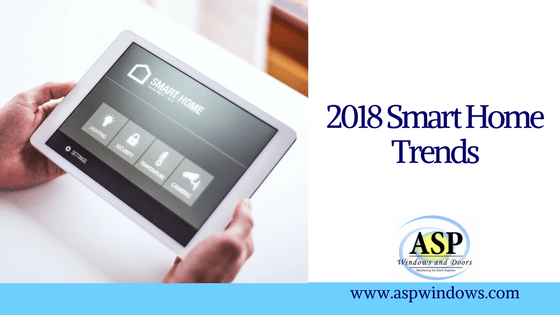

Smart home technology in 2026 focuses on AI-powered automation, energy management systems, and seamless device integration. Homeowners across South Florida now control lighting, security, climate, and entry systems through unified platforms that learn daily routines and adjust settings automatically.
The smart home market reached $174 billion globally in 2025, with projections showing continued growth through 2030. Florida homeowners lead adoption rates due to hurricane preparedness needs, energy costs, and insurance incentives for connected security systems.
Must-Have Home Technology for 2026
Modern homes require smart thermostats, automated door locks, security cameras, and impact-resistant windows with integrated sensors. These systems work together to create safer, more efficient living spaces while reducing energy bills by 20-30% annually.
Smart Climate Control Systems
Smart thermostats from Nest, Ecobee, and Honeywell now predict weather patterns and adjust cooling before temperatures rise. South Florida homes benefit most from these systems due to year-round heat and humidity. The devices learn when families leave for work or school, reducing air conditioning usage during empty hours.
Energy savings average $180-$240 per year in Miami-Dade County homes. The systems connect to smartphones, allowing remote temperature control from anywhere. Some models integrate with impact windows to detect when windows open, automatically shutting off cooling systems.
Advanced Door Lock Technology
Smart locks eliminate physical keys through fingerprint readers, numeric codes, and smartphone apps. August, Yale, and Schlage offer models that unlock automatically when homeowners approach, simplifying entry when carrying groceries or children.
Modern entry systems in Doral neighborhoods now include smart lock compatibility as standard features. The locks send alerts when children arrive home from school or when service providers enter the property. Integration with security cameras creates complete access monitoring systems.
Automated Lighting Systems
Philips Hue, LIFX, and Lutron lighting systems adjust brightness based on time of day and natural light levels. Motion sensors turn lights on when entering rooms and off after detecting no movement for set periods. Voice commands through Alexa or Google Assistant control individual bulbs or entire zones.
Automated outdoor lighting increases security by creating occupied-home appearances during vacations. South Florida homes use these systems to reduce electricity costs during peak summer months when utility rates climb highest.
Security Camera Networks
Ring, Arlo, and Nest cameras now feature 4K resolution, night vision, and AI-powered person detection. The cameras distinguish between people, animals, and vehicles, reducing false alerts. Two-way audio allows homeowners to communicate with visitors or delivery drivers remotely.
Many homeowners integrate cameras with hurricane impact windows in Doral installations for complete perimeter monitoring. Hurricane-rated cameras withstand winds up to 150 mph, maintaining operation during severe weather events. Cloud storage preserves footage even if power fails during storms.
Voice Assistant Integration
Amazon Alexa, Google Assistant, and Apple HomeKit serve as central control hubs for all smart devices. Single voice commands now control multiple systems simultaneously, like "goodnight" routines that lock doors, adjust thermostats, and turn off lights.
South Florida homeowners use voice commands to check hurricane shutter status, activate backup generators, and monitor water leak sensors. The assistants send weather alerts and suggest protective actions before storm arrivals.
What is Trending in 2026?
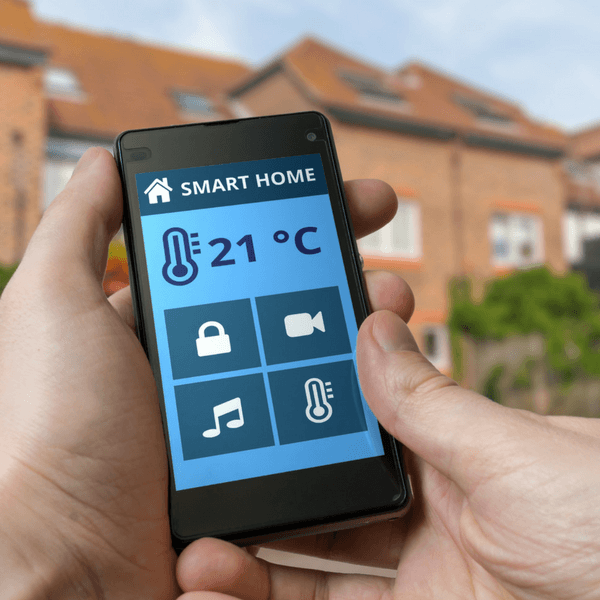
AI-powered predictive maintenance, whole-home energy management, and hurricane-resistant smart systems dominate 2026 smart home trends. Florida homeowners prioritize technologies that protect property during severe weather while reducing insurance premiums and utility costs.
Predictive Home Maintenance
AI systems now analyze data from sensors throughout homes to predict equipment failures before they occur. Smart water heaters alert homeowners weeks before elements burn out. HVAC systems detect refrigerant leaks and schedule service appointments automatically.
These systems save Florida homeowners $500-$1,200 annually by preventing emergency repairs and water damage. Sensors monitor foundation movement, roof integrity, and window seal conditions, particularly important for coastal properties facing salt air corrosion.
Whole-Home Energy Management
Tesla Powerwall, Generac PWRcell, and LG battery systems store solar energy and provide backup power during outages. The batteries charge during off-peak hours when electricity costs less, then discharge during expensive peak periods.
South Florida homes with solar panels and battery storage achieve 60-80% energy independence. Smart panels prioritize which circuits receive power during outages, ensuring refrigerators and air conditioning continue operating while shutting off non-essential systems.
Hurricane-Resistant Smart Technology
Modern windows now include integrated sensors that detect pressure changes and alert homeowners to potential failures. Smart storm shutters deploy automatically when wind speeds exceed preset thresholds. Battery-powered hubs maintain system operation when electrical grids fail.
Miami-Dade County residents reduce insurance premiums 15-45% by installing certified smart security systems alongside impact-resistant products. Insurance providers offer additional discounts when homeowners demonstrate active system monitoring through mobile apps.
Advanced Water Management
Smart irrigation systems from Rachio and Rain Bird adjust watering schedules based on weather forecasts and soil moisture levels. Leak detection sensors from Flo and Phyn shut off main water lines automatically when detecting unusual flow patterns.
Florida homeowners save 30-50% on water bills while preventing costly damage from burst pipes or leaking appliances. The systems send immediate alerts to smartphones when detecting problems, allowing quick responses even during vacations.
Health Monitoring Systems
Air quality monitors from Awair and uHoo track volatile organic compounds, carbon dioxide, particulate matter, and humidity levels. The devices integrate with HVAC systems to improve ventilation when indoor air quality declines.
South Florida's high humidity creates mold risks that smart dehumidifiers address automatically. The systems maintain optimal 40-50% humidity levels that prevent mold growth while maximizing comfort.
5 Essential Smart Home Components for South Florida
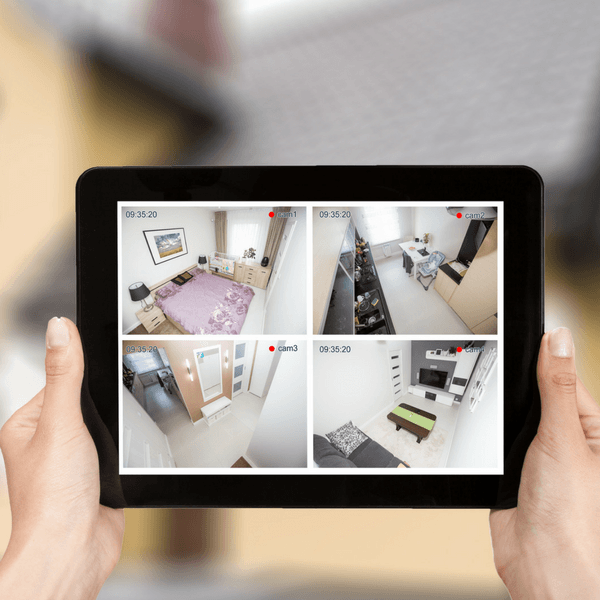
Modern Florida homes require specific smart technologies that address regional challenges like hurricanes, humidity, and high cooling costs.
Impact-Resistant Entry Systems
Storm-rated doors integrated with smart locks create secure entry points that withstand hurricane-force winds. The doors meet Miami-Dade County Notice of Acceptance requirements while providing keyless access through fingerprint readers or smartphone apps.
Yale Assure Lock SL and August Smart Lock Pro models fit impact-resistant door installations in Doral without compromising structural integrity. The systems maintain security during power outages through battery backup systems lasting 12-18 months per charge.
Smart Glass Solutions
Sliding glass doors with electrochromic glass tint automatically in response to sunlight intensity. The technology reduces cooling costs by blocking heat while maintaining clear views. Some systems integrate with home automation platforms for scheduled tinting during peak sun hours.
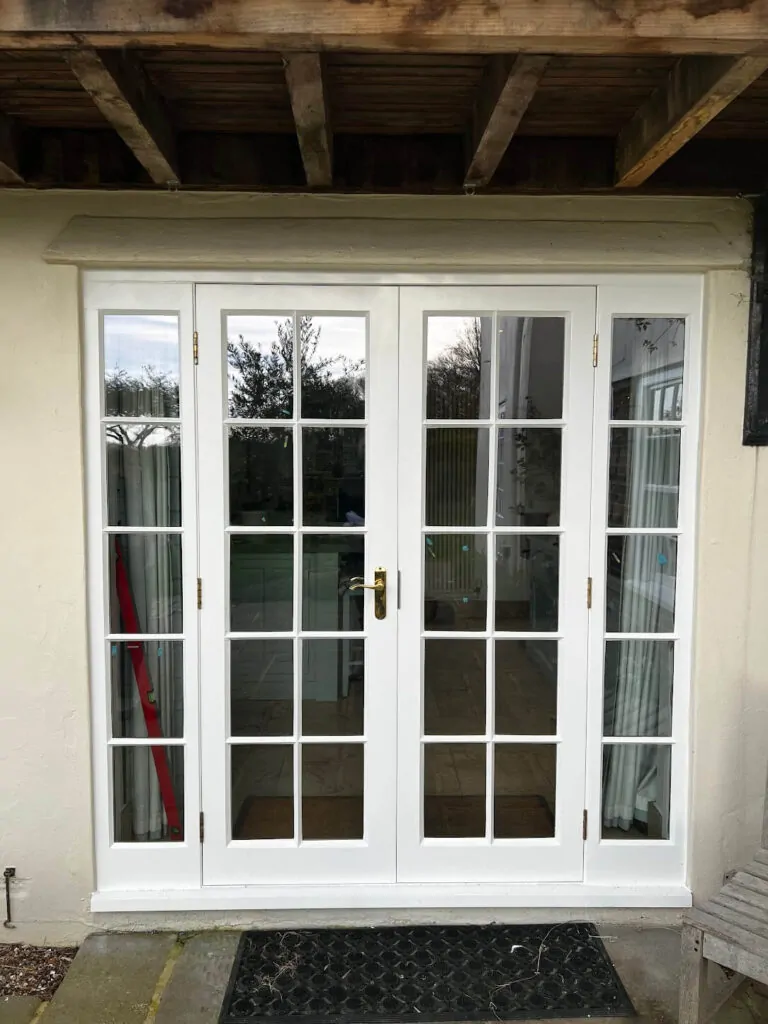
French doors featuring smart sensors detect attempted forced entry and trigger security alarms immediately. The sensors distinguish between normal operation and break-in attempts, reducing false alerts while maintaining protection.
Automated Hurricane Protection
Smart storm panels deploy remotely through smartphone commands, eliminating last-minute scrambles before hurricanes arrive. The systems track weather alerts and send reminders when storms enter Gulf waters.
Glass doors with hurricane-rated impact protection include built-in sensors that confirm secure closure before storms. The sensors integrate with smart home hubs to provide complete property protection status through single dashboard views.
Climate-Optimized Ventilation
Smart HVAC systems designed for Florida humidity include variable-speed air handlers that remove moisture more effectively than traditional single-speed units. The systems cycle more frequently at lower speeds, maintaining consistent comfort while reducing energy consumption.
Integration with impact windows allows systems to detect when windows open accidentally, preventing conditioned air waste. The technology saves $200-$400 annually compared to standard thermostats that lack this detection capability.
Backup Power Integration
Automatic transfer switches connect battery backup systems to essential circuits during power failures. The switches activate within milliseconds, preventing disruption to security systems, refrigerators, and medical equipment.
Smart load management ensures battery reserves last 24-48 hours by prioritizing critical systems over conveniences like television or gaming consoles. The systems recharge automatically when grid power returns.
How Smart Technology Improves Hurricane Preparedness
Smart home systems provide early warnings, automated protection deployment, and real-time damage monitoring during hurricanes. South Florida residents use these technologies to protect properties and maintain communication when storms approach.
Weather Alert Integration
Smart home hubs connect to National Hurricane Center feeds and local emergency management systems. The platforms send push notifications when tropical systems enter Gulf waters or Caribbean regions. Homeowners receive automated preparation checklists based on predicted storm intensity and arrival time.
Ring Alarm and ADT Command systems activate enhanced monitoring modes when hurricane watches issue for Miami-Dade, Broward, or Palm Beach counties. The mode increases camera recording frequency and extends cloud storage retention to capture any damage evidence.
Automated Shutter Deployment
Motorized storm shutters controlled through smartphone apps deploy with single button presses. Geofencing technology detects when homeowners leave preset areas, sending reminders to activate protection before evacuating.
Battery-powered systems operate independently of electrical grids, functioning even when power fails hours before storm arrival. The technology eliminates physical shutter installation labor while ensuring consistent protection across all openings.
Real-Time Damage Assessment
Security cameras positioned to monitor critical areas capture footage during storms, documenting wind damage, water intrusion, or structural failures. The video evidence streamlines insurance claims and contractor assessments after storms pass.
Smart water sensors placed near doors, windows, and HVAC equipment detect leaks immediately. The sensors send alerts allowing remote water main shutoff through smart valve controllers, preventing extensive flood damage.
Communication Maintenance
Smart home systems with cellular backup maintain operation when internet connections fail. The redundancy ensures security monitoring continues and allows remote property checks during evacuations.
Battery backup hubs from companies like Control4 and Savant maintain system operation for 24-48 hours without grid power. The extended runtime covers typical outage durations for most South Florida storms.
7 Benefits of Integrated Smart Home Systems
Connected smart devices create comprehensive automation that improves daily life while reducing costs and increasing security.
- Energy Savings: Automated climate, lighting, and appliance control reduces electricity bills 20-30%
- Enhanced Security: Connected cameras, locks, and sensors provide 24/7 monitoring with instant alerts
- Hurricane Protection: Automated storm preparation and real-time damage monitoring protect property
- Insurance Discounts: Certified security systems lower premiums 15-45% in South Florida
- Remote Management: Smartphone control allows property monitoring from anywhere globally
- Predictive Maintenance: AI analysis prevents equipment failures and reduces repair costs
- Property Value: Smart technology increases resale values 3-5% compared to non-equipped homes
Smart Home Installation Considerations
Professional installation ensures proper integration between devices and systems. DIY approaches work for individual devices but create compatibility issues when expanding systems.
Licensed electricians familiar with Florida building codes install smart switches, automated panels, and backup power systems safely. The installations require proper permitting in most South Florida municipalities.
Smart lock installation on impact doors requires careful attention to strike plate alignment and deadbolt positioning. Improper installation compromises both security and hurricane protection. Professional installers verify systems meet Miami-Dade County Product Control requirements.
Whole-home integration projects typically cost $3,000-$8,000 depending on home size and system complexity. The investment returns through energy savings, insurance discounts, and increased property values within 5-7 years.
Future Smart Home Developments
Matter protocol adoption accelerates in 2026, creating universal compatibility between previously incompatible smart devices. Apple, Google, Amazon, and Samsung collaborate on this standard, eliminating brand-specific ecosystem requirements.
AI assistants gain enhanced natural language understanding, reducing command specificity requirements. The systems interpret context better, understanding statements like "I'm cold" as thermostat adjustment requests rather than simple information acknowledgments.
5G home internet enables faster device communication and supports higher camera resolutions with minimal lag. The technology allows real-time 8K video streaming from security cameras to smartphones regardless of location.
South Florida homes benefit most from these advances due to high technology adoption rates and insurance company incentives for advanced monitoring systems. The region leads the nation in smart home penetration, with 68% of new construction including at least basic automation systems.
Protect your South Florida home with smart technology integration. ASP Windows & Doors specializes in impact-resistant windows and doors that work seamlessly with modern smart home systems. Our Miami-Dade County approved products include sensor compatibility for complete home automation.
Contact us today at (888) 782-8342 for a free consultation. Our experienced team serves Doral, Kendall, Fort Lauderdale, and surrounding areas with professional installation services. Visit our showroom to see smart-ready impact products designed specifically for Florida homes.
Now Accepting Appointments
Proudly serving homeowners and businesses across South Florida and Southwest Florida. Book your visit and let our experts help protect and upgrade your space.
.avif)
.avif)
.avif)
%201.avif)
Insights & Resources
Stay informed with expert tips on impact windows, hurricane protection, and South Florida building standards.


%201.webp)
%201%20(1).webp)

%201.svg)
%201%20(1)%20(1).webp)
.png%20(1).webp)
.png.webp)
.avif)
.avif)


.avif)


.png)
.png)