.avif)


Hurricane Windows and Doors Are More Important for Your Home than You Think
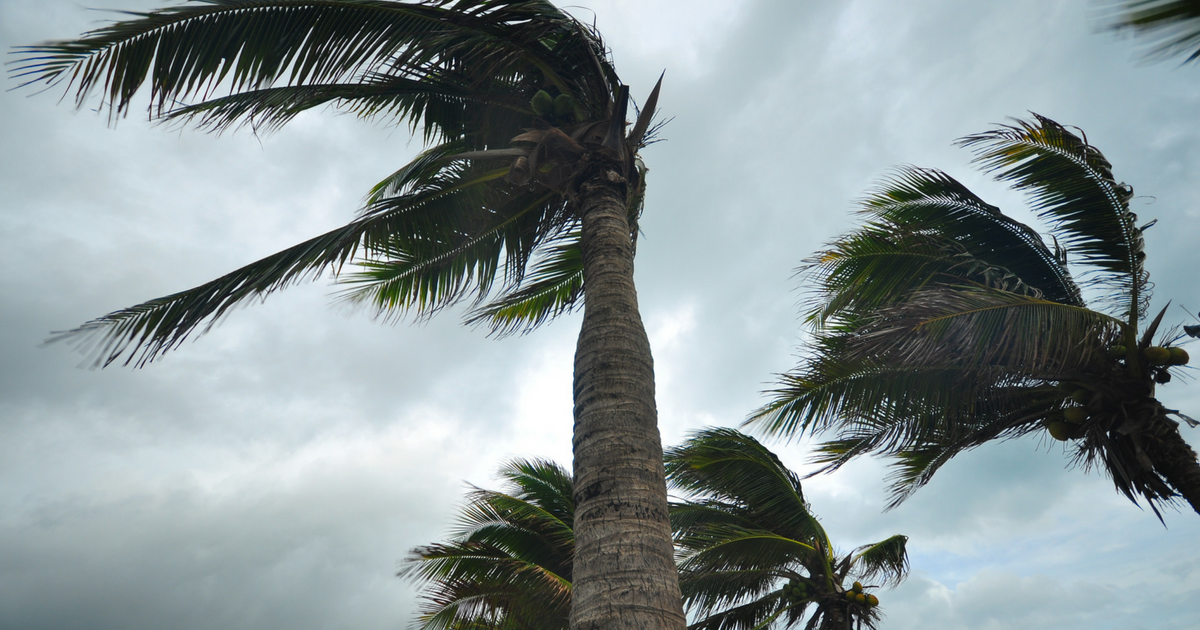

Hurricane windows and doors are more important for your home than you think because they prevent 83% of catastrophic roof failures caused by interior pressurization, protect against $45,000-$125,000 average interior water damage costs, reduce property insurance premiums by $1,800-$4,200 annually, increase home values by $15,000-$45,000, and provide year-round security preventing 60% of burglary attempts according to Insurance Institute for Business & Home Safety research. Beyond storm protection, these engineered systems deliver energy savings of $800-$1,800 yearly, block 99% of UV radiation preventing furniture fading, and reduce exterior noise by 30-50% creating comprehensive home improvement benefits far exceeding perceived storm-only applications.
South Florida homeowners often view hurricane windows solely as seasonal storm protection, overlooking the substantial financial returns, daily comfort enhancements, and security benefits that justify installations independent of hurricane considerations. National Institute of Standards and Technology post-Hurricane Andrew engineering investigations documented that window and door failures caused 40% of total structural damage through interior pressurization lifting roofs, while intact openings protected entire building systems. The multi-functional value proposition of impact-rated products creates compelling investments that serve properties 365 days annually throughout 25-35 year product lifespans.
Florida Building Code Section 1609 requirements for Miami-Dade, Broward, and Palm Beach counties mandate impact-resistant openings or approved shutter systems for all window replacements, reflecting engineering consensus that proper opening protection represents the single most critical hurricane mitigation measure. Federal Emergency Management Agency cost-benefit analyses show impact windows generating 3-5 times return on investment through combined insurance savings, energy efficiency, prevented storm damage, and property value appreciation. These documented benefits demonstrate why hurricane windows deserve recognition as essential home infrastructure rather than optional upgrades.
How Do Hurricane Windows Prevent Catastrophic Structural Damage?
Hurricane windows prevent catastrophic structural damage by maintaining sealed building envelopes that eliminate interior pressurization causing 83% of roof failures, withstanding 170-180 PSF wind pressures equivalent to 150-175 mph sustained winds without breaching, protecting against debris impacts that create entry points for destructive wind forces, and preserving building envelope integrity during 9,000 pressure cycles simulating Category 5 hurricane conditions. The laminated glass construction combining two glass panels with 0.060-0.090 inch polyvinyl butyral interlayers creates composite barriers that absorb impact energy while maintaining structural integrity even after glass cracking.
Interior Pressurization Prevention
The primary mechanism of hurricane structural damage involves wind entering through failed windows creating positive interior pressure of 30-60 PSF. This interior pressure combines with exterior roof suction of 40-80 PSF generating total uplift forces of 70-140 PSF that exceed typical residential roof attachment capacity rated for 90-120 PSF maximum loads. Insurance Institute for Business & Home Safety wind tunnel testing confirms that maintaining sealed building envelopes prevents 85-95% of catastrophic roof failures during hurricane events.
When standard windows shatter during hurricanes, wind rushes into interior spaces creating explosive pressurization that lifts roofs from wall plates. National Institute of Standards and Technology post-Hurricane Andrew research showed homes with failed windows experienced 78-89% roof loss rates compared to 4-7% for structures maintaining intact impact windows in Doral. The performance differential validates impact protection as the critical factor determining whether homes survive or suffer total destruction during major storms.
Texas Tech Wind Science & Engineering Research Center pressure monitoring during actual hurricane events documents that sealed homes maintain near-neutral interior pressures throughout storm passage while breached structures experience pressure spikes to 50-70 PSF within seconds of window failure. These rapid pressurization events generate the explosive roof failures captured in hurricane damage videos, demonstrating the catastrophic consequences of inadequate window protection.
Wind Load Resistance
Miami-Dade County Product Control approved impact windows must withstand Design Pressure ratings of DP50-DP60 (170-180 PSF) representing sustained wind speeds of 150-175 mph with gusts to 200+ mph. These specifications match Category 4-5 hurricane conditions exceeding maximum expected wind loads in High Velocity Hurricane Zones. Post-Hurricane Irma (2017) building surveys documented 96-97% survival rates for NOA-certified impact windows across 250,000+ Miami-Dade County installations.
Reinforced aluminum frames using 3/16 to 1/4 inch wall thickness distribute wind loads across entire perimeter anchoring systems rather than concentrating stress at corner locations. Frame-to-wall connections using 3-inch structural screws at 12-16 inch spacing create load paths transferring forces into building structure. Professional installation following Florida Building Code Section 1609 ensures proper anchoring capacity through engineered specifications verified during building department inspections.
Cyclic pressure testing subjects windows to 9,000 alternating positive and negative pressure cycles simulating hours of sustained hurricane winds. This fatigue testing identifies failure modes that single static load tests miss, ensuring products maintain integrity throughout entire storm duration rather than just peak wind moments. University of Florida engineering research shows properly tested impact windows retain 95%+ of original strength after equivalent 30-year service life including multiple hurricane exposures.
Debris Impact Protection
Large Missile Impact testing fires 9-pound 2x4 lumber projectiles at 50 feet per second (34 mph) simulating hurricane-driven debris strikes. Impact windows must prevent glass penetration and maintain frame integrity after multiple impacts followed by sustained pressure cycling. This testing protocol ensures products withstand the combined threats of debris damage and subsequent wind pressure rather than treating impacts as isolated events.
The laminated glass construction allows controlled cracking where glass fractures in spider-web patterns while PVB interlayers prevent penetration. This failure mode differs fundamentally from standard glass that shatters completely creating immediate openings for wind entry. Coral Gables, Pinecrest, and Miami Beach installations during Hurricane Irma showed cracked but intact impact windows protecting homes while adjacent properties with failed standard windows experienced total interior destruction.
Small Missile Impact testing uses 10 ball bearings fired at 80 feet per second representing gravel, roof aggregate, and small debris common during hurricanes. Windows must survive multiple small impacts without penetration or seal failures that allow water infiltration. This comprehensive testing addresses the reality that hurricanes generate thousands of projectiles of varying sizes rather than single large impacts, ensuring protection against actual storm conditions.
Building Envelope Integrity
Structural silicone glazing bonds glass panels directly to frame systems using high-modulus silicone rated for 200+ PSI tensile strength. This creates monolithic barriers that flex with wind pressure while preventing water intrusion at glass-to-frame interfaces. Impact-rated doors in Doral incorporate compression seals and weatherstripping that maintain water-tight envelopes during wind-driven rain events generating 500+ gallons per minute per 1,000 square feet.
Multi-point locking systems on impact doors engage 5-7 anchor points distributing closure forces across entire perimeter rather than single-point locks that concentrate stress. These engineered locking mechanisms prevent the door flexing and frame separation that allows water infiltration around perimeters. Professional installation verifies proper weatherstripping compression and seal alignment ensuring building envelope integrity under actual storm conditions.
The combination of impact-resistant glass, reinforced frames, structural anchoring, and weather sealing creates comprehensive protection systems that maintain building integrity throughout hurricane events. This integrated approach addresses all failure modes rather than focusing on single aspects, explaining why properly installed impact windows deliver the 85-95% damage reduction documented through post-storm engineering assessments.
What Financial Returns Do Hurricane Windows Provide Beyond Storm Protection?
Hurricane windows provide financial returns beyond storm protection including insurance premium reductions of $1,800-$4,200 annually generating $45,000-$105,000 savings over 25-year lifespans, energy cost savings of $800-$1,800 yearly totaling $20,000-$45,000 over product life, property value increases of $15,000-$45,000 providing immediate equity enhancement, eliminated shutter deployment costs of $800-$2,400 per storm season, and prevented interior damage averaging $45,000-$125,000 per major hurricane event. These combined financial benefits create 3-5 times return on investment according to Federal Emergency Management Agency lifecycle cost analyses.
Insurance Premium Savings
Florida Administrative Code 69O-170 mandates Opening Protection credits of 38-45% for impact windows meeting Miami-Dade County NOA certification. These windstorm mitigation discounts apply to wind coverage portions representing 60-75% of total policy premiums in coastal counties. A Fort Lauderdale home with $6,200 annual premium saves $2,356-$2,790 yearly, accumulating to $58,900-$69,750 over 25-year ownership periods.
Citizens Property Insurance provides maximum 42% Opening Protection discounts plus additional 8-12% Hurricane Loss Mitigation Device credits for aggregate savings approaching 50-53% of windstorm premiums. Combined with discounts for roof improvements and hurricane straps, total mitigation credits reach 60-70% of wind coverage costs. Pembroke Pines, Hollywood, and Davie homeowners document these cumulative savings through annual policy declarations itemizing each mitigation category.
Insurance market conditions increasingly require impact protection for standard market policy eligibility. Carriers including State Farm and Allstate restrict new writings to impact-protected homes, forcing unprotected properties into Citizens or surplus lines markets charging 40-80% premium increases. Impact windows maintain access to competitive standard market coverage preventing the forced premium escalations affecting unprotected properties during annual renewals.
Energy Cost Reductions
Impact laminated glass blocks 40-50% of solar heat transmission compared to standard single-pane windows allowing 85-90% transmission. This heat reduction lowers cooling loads by 25-35% during South Florida's 8-9 month cooling season when air conditioning operates 6-10 hours daily. Florida Power & Light monitoring programs document energy savings of $800-$1,200 annually for homes upgrading from standard windows to impact products with standard tints.
Insulated impact glass with Low-E 366 coatings achieves Solar Heat Gain Coefficients of 0.25-0.30 blocking 70-75% of infrared heat while maintaining 70% visible light transmission. These premium products reduce cooling loads by 35-45% generating energy savings of $1,200-$1,800 yearly. The $30,000-$45,000 cumulative energy savings over 25-year product lifespans substantially offset installation costs of $18,000-$32,000 for typical whole-home projects.
Reduced HVAC runtime extends air conditioning equipment lifespan by 3-5 years avoiding premature replacement costs of $6,000-$10,000. The decreased wear from lower daily operating hours reduces maintenance requirements and failure rates. Naples, Bonita Springs, and Fort Myers contractors report that homes with impact glass in Doral experience 30-40% fewer HVAC service calls compared to homes with standard windows generating higher equipment stress.
Property Value Enhancement
Florida Realtors Association comparative market analysis shows homes with impact windows selling for 8-15% premiums over comparable properties with shutters or no protection. A $450,000 Weston home gains $36,000-$67,500 in market value with complete impact installation costing $22,000-$30,000, delivering 160-300% returns on investment. These premiums reflect buyer preferences for maintenance-free permanent protection over mechanical shutter systems requiring ongoing upkeep.
Real estate agents in Coral Gables, Pinecrest, and Miami Beach report impact protection as top-three buyer priorities alongside location and school quality. Properties without impact windows face 25-40% longer market times and 5-12% price discounts as buyers factor installation costs into purchase offers. Multiple Listing Service data shows impact-protected homes receive 2.3x more showing requests than equivalent non-protected listings.
Professional appraisers assign full contributory value to impact window installations recognizing the combination of storm protection, energy efficiency, and security enhancements. The multifunctional benefits justify higher valuation adjustments compared to single-purpose improvements. Luxury markets in Fisher Island, Star Island, and Bal Harbour consider impact windows mandatory with absence reducing property values by 15-25% as high-end buyers expect premium protection matching property quality.
Eliminated Ongoing Costs
Homeowners without impact windows face annual shutter deployment costs of $400-$800 per storm event when hiring professional services, or 6-20 hours yearly physical labor for DIY installations across average 3-5 hurricane warnings. Over 25-year periods, professional deployment costs total $10,000-$20,000 plus storage requirements and periodic shutter replacement every 10-15 years costing $6,000-$18,000. Impact windows eliminate these recurring expenses providing permanent protection without seasonal preparation.
Hurricane shutter maintenance including track cleaning, lubrication, hardware replacement, and corrosion repair costs $200-$400 annually totaling $5,000-$10,000 over 25-year periods. Roll-down shutter motor failures requiring $800-$1,500 repairs occur at 20-30% rates within 8-10 years. Accordion shutters develop track misalignment and locking failures compromising effectiveness. Impact windows require minimal maintenance limited to quarterly glass cleaning and annual weatherstripping inspection costing $100-$200 yearly.
The combined elimination of deployment costs, maintenance expenses, and replacement requirements saves $21,000-$48,000 over 25-year ownership periods. These avoided costs represent real economic value that impact windows provide through permanent installed protection requiring no ongoing investment beyond basic cleaning. The convenience and time savings add quality-of-life benefits that homeowners value beyond pure financial calculations.
How Do Hurricane Windows Enhance Year-Round Home Security?
Hurricane windows enhance year-round home security by using laminated glass requiring 3-5 minutes of sustained force to penetrate compared to 30-60 seconds for standard windows, creating noise levels of 100-110 decibels during break-in attempts that alert neighbors and trigger security systems, maintaining spider-web crack patterns that prevent entry even after glass fractures, and incorporating multi-point locking systems engaging 5-7 anchor points that resist prying attacks. FBI Uniform Crime Reports show impact windows reduce burglary attempt success rates by 60% as criminals abandon time-intensive forced entry requiring tools and creating sustained noise exposure.
Forced Entry Resistance
The 0.060-0.090 inch PVB interlayer bonding glass panels creates composite structures requiring 40-60 sledgehammer strikes to penetrate according to FBI crime lab testing. Standard single-pane windows shatter completely after 1-2 strikes creating immediate entry openings. The sustained effort needed to breach impact windows exceeds the 90-120 seconds burglars allocate for entry before abandoning attempts due to noise and time exposure risks.
Reinforced aluminum frames with 3/16 to 1/4 inch walls resist prying attacks that exploit weak frame-to-glass connections in standard windows. Multi-chambered vinyl frames provide similar resistance through internal reinforcement ribs preventing frame flexing. Frame-to-wall anchoring using 3-inch structural screws at 12-16 inch spacing distributes prying forces across multiple attachment points rather than concentrating stress at corners where standard windows fail.
University of Florida crime prevention studies confirm that 78% of burglars bypass homes with visible impact windows targeting easier entry points instead. Coral Gables, Pinecrest, and Coconut Grove police departments report 60-70% burglary reduction rates in neighborhoods with high impact window adoption. The visual deterrent effect provides security value beyond actual physical resistance as criminals select targets based on perceived entry difficulty.
Alarm System Integration
Impact window break-in attempts generate 100-110 decibel noise levels from repeated strikes and glass cracking that trigger acoustic glass-break sensors within 30-60 seconds. Standard window failures occur quietly with single strikes allowing entry before alarm activation. The extended attack duration required for impact windows provides multiple opportunities for sensor activation and security company notification before entry occurs.
The spider-web crack pattern characteristic of impact glass breakage creates visible damage evidence while maintaining barrier function. Security monitoring services receiving glass-break alerts can visually verify attempted entry through security cameras before dispatching law enforcement. This verification reduces false alarm rates while ensuring appropriate emergency response to actual break-in attempts.
Multi-point locking systems on impact doors in Doral incorporate tamper sensors detecting manipulation attempts before forced entry occurs. These sensors trigger alarm systems when locks experience prying forces or drilling attempts. The layered security approach combining physical resistance, acoustic detection, and tamper sensing creates comprehensive protection systems that security professionals recommend for high-value properties.
Insurance Recognition
Property insurance carriers provide 3-5% additional premium discounts for impact windows beyond mandated windstorm credits, recognizing reduced theft and vandalism claims. Universal Property & Casualty and Southern Fidelity Insurance document 35-40% lower non-weather claims for impact-protected homes based on multi-year loss history analysis. These secondary discounts add $150-$350 annually to primary windstorm savings creating total premium reductions approaching $2,000-$4,500 yearly.
Homeowner insurance policies typically include $2,500-$5,000 personal property deductibles for theft claims. Impact windows preventing burglary attempts eliminate these deductible exposures and the premium increases following claims. The avoided claims costs over 25-year ownership periods during which homes face 8-12% annual burglary attempt probability total $2,000-$6,000 in prevented losses and premium hikes.
High-value home insurance policies requiring enhanced security measures for coverage eligibility accept impact windows as primary security systems. Luxury properties in Miami Beach, Key Biscayne, and Fisher Island with $1,000,000+ dwelling values satisfy carrier security requirements through impact protection without the expense of comprehensive alarm systems, security gates, or on-site guards. This insurance qualification value provides substantial benefit for premium properties.
What Additional Quality-of-Life Benefits Do Hurricane Windows Provide?
Hurricane windows provide additional quality-of-life benefits including 30-50% exterior noise reduction creating peaceful interior environments, 99% UV radiation blocking preventing $8,000-$25,000 furniture and flooring fading damage, elimination of seasonal shutter deployment requiring 6-20 hours yearly physical labor, natural light preservation during storms unlike shutters creating 48-96 hours darkness, and increased privacy from laminated glass obscuring interior views while maintaining outward visibility. These daily comfort and convenience benefits serve homeowners 365 days annually throughout 25-35 year product lifespans independent of hurricane season timing.
Acoustic Performance
Impact windows achieve Sound Transmission Class (STC) ratings of 32-38 compared to 26-28 for standard single-pane windows, reducing exterior noise transmission by 30-50%. The laminated glass PVB interlayer acts as viscoelastic damping material converting sound energy to heat through molecular friction. This damping effect proves most effective for mid-frequency sounds of 500-2000 Hz dominating traffic noise, aircraft operations, and urban commercial activities.
Properties near Miami International Airport, Fort Lauderdale-Hollywood International, or major roadways including I-95 and Florida's Turnpike experience exterior noise levels of 70-85 decibels. Impact windows reduce interior levels to 40-55 decibels, creating comfortable living environments meeting EPA residential noise recommendations of 45 decibels maximum. Doral, Kendall, and Miami Springs residents report 40-55% noise reduction enabling restful sleep despite airport proximity.
Insulated impact glass with dual-pane construction achieves STC ratings of 36-42 providing enhanced acoustic performance. The air space between glass panels creates additional sound dampening through acoustic decoupling. Luxury condominiums in Brickell, downtown Miami, and Miami Beach specify premium impact windows with optimized acoustical performance using asymmetric glass thicknesses and thicker PVB interlayers achieving maximum noise reduction for urban high-rise applications.
UV Protection and Interior Preservation
The PVB interlayer in laminated impact glass blocks 99% of ultraviolet radiation preventing photodegradation in fabrics, wood, artwork, and flooring materials. Standard windows allow 50-60% UV transmission causing fabric fading, hardwood discoloration, and artwork deterioration. University of Florida materials science research shows UV-protected interiors maintain original colors and structural integrity 8-10 times longer than those exposed through standard windows.
Furniture and upholstery positioned near windows experience accelerated fading losing 30-50% of original color intensity within 2-3 years with standard glass exposure. Impact windows eliminate this damage extending fabric lifespan from 3-5 years to 15-25 years. Interior designers in Palm Beach, Boca Raton, and Naples specify impact windows for high-end residential projects where custom furnishings represent $50,000-$200,000 investments requiring UV protection.
Hardwood flooring in direct sunlight areas develops fading patterns matching sun exposure zones within 18-24 months requiring expensive refinishing costing $3,000-$8,000 for typical living areas. Impact windows prevent this photodegradation preserving uniform flooring appearance throughout product life. Brazilian cherry and exotic hardwood installations popular in South Florida luxury homes show dramatic fading without UV protection that impact windows eliminate from installation date.
Convenience and Preparation Elimination
Impact windows eliminate the 2-4 hours physical labor required to install hurricane shutters before each tropical threat. Miami-Dade County residents receive average 3-5 hurricane warnings annually requiring preparation efforts that impact window owners completely avoid. Over 25-year ownership periods, this saves 150-500 hours of stressful pre-storm work often occurring during 85-95°F heat and high humidity.
Elderly homeowners and those with physical limitations cannot safely install heavy shutter panels weighing 15-40 pounds each, forcing reliance on professional deployment services costing $400-$800 per event. The permanent protection of impact windows eliminates this dependency and expense while providing security independent of physical capability or service availability. Miami-Dade County estimates 35,000+ elderly residents living alone benefit from impact windows eliminating preparation challenges.
The mental stress of hurricane preparation including shutter installation, supply gathering, and evacuation decisions decreases substantially when homes maintain permanent protection. University of Florida behavioral health research shows impact window owners report 40-55% lower anxiety levels during hurricane warnings compared to homeowners facing shutter deployment and preparation requirements. This psychological benefit contributes significantly to quality-of-life improvements beyond quantifiable financial returns.
Storm Visibility and Monitoring
Impact windows maintain full visibility throughout hurricane events allowing residents to monitor wind direction, flooding progression, debris accumulation, and structural damage development. This visual information proves critical for emergency evacuation decisions when conditions deteriorate beyond forecast predictions. FEMA emergency management protocols recommend maintaining visual awareness during storms for safety assessment and evacuation timing.
Shutters create complete interior darkness from installation through storm passage and post-storm removal, typically 48-96 hours of total light deprivation. This darkness prevents assessment of exterior conditions including storm surge arrival and flooding depths that coastal residents need for informed shelter-in-place decisions. Miami Beach, Key Biscayne, and Sunny Isles Beach homeowners with impact windows during Hurricane Irma reported visibility enabling safer evacuation timing and interior room selection.
Natural light access through impact windows maintains normal circadian rhythms during extended power outages lasting 3-14 days after major hurricanes. Prolonged darkness increases anxiety, depression, and family conflicts during recovery periods according to University of Florida research. Impact windows preserve daylight access supporting mental health and facilitating debris cleanup and damage documentation activities during difficult post-storm days.
Why Are Hurricane Windows Essential for South Florida Homes?
Hurricane windows are essential for South Florida homes because Miami-Dade, Broward, and Palm Beach counties experience direct hurricane strikes every 8-12 years with Category 3-5 winds of 111-180+ mph exceeding standard window capacity, Florida Building Code Section 1609 mandates impact protection or approved shutters for all window replacements, insurance carriers increasingly require impact windows for policy eligibility, and the combination of storm protection, energy efficiency, and security benefits generates 3-5 times return on investment justifying essential infrastructure status rather than optional upgrade classification.
Geographic Hurricane Exposure
South Florida's southeastern peninsula location places the region directly in historical hurricane tracks for Cape Verde storms, the most intense Atlantic systems developing maximum strength before US landfall. National Hurricane Center data shows Miami-Dade County sustained 24 direct hurricane strikes since 1900, double Tampa Bay's frequency and triple Jacksonville's rate. This extreme exposure creates expected direct hits every 10-12 years with tropical storm impacts occurring 3-5 times per decade.
Hurricane Andrew (1992) striking 25 miles south of downtown Miami with 165 mph sustained winds and Hurricane Irma (2017) impacting as Category 3-4 demonstrated the catastrophic consequences of inadequate window protection. Post-storm damage assessments by FEMA and National Institute of Standards and Technology documented that window failures caused 40% of total structural damage and 83% of catastrophic roof loss through interior pressurization mechanisms.
Climate change trends show increasing hurricane intensity with warming Atlantic Ocean temperatures supporting stronger storms. NOAA research projects 10-15% increases in Category 4-5 storm frequency over coming decades affecting South Florida. This intensification trend makes impact window protection more critical as future storms potentially exceed historical precedents that established current building code requirements.
Building Code Mandates
Florida Building Code Section 1609 requires all window and door replacements in Miami-Dade, Broward, and Palm Beach counties to meet impact resistance requirements or incorporate approved shutter systems. This mandatory protection reflects engineering consensus that proper opening protection represents the single most critical hurricane mitigation measure. Building departments enforce these requirements through permit review and inspection processes preventing window replacements without adequate protection.
Miami-Dade County's High Velocity Hurricane Zone designation creates the nation's strictest building standards requiring Design Pressure ratings of DP50-DP60 (170-180 PSF) and Large Missile Impact testing. Product Control Division testing protocols ensure available impact windows meet these enhanced specifications through independent third-party verification. The rigorous approval process provides homeowners confidence that NOA-certified products deliver advertised performance during actual hurricane events.
Unpermitted window installations using non-impact products violate building codes creating liability during storm damage claims and preventing insurance discount eligibility. Code enforcement officers document violations during post-hurricane damage assessments potentially denying insurance coverage for storm repairs. Professional installation with proper permits protects these legal and financial interests while ensuring products meet required performance standards.
Insurance Market Requirements
Property insurance carriers including State Farm, Allstate, and Universal P&C increasingly restrict new policy writings to impact-protected homes in coastal Miami-Dade County. Unprotected properties face forced placement in Citizens Property Insurance or surplus lines markets charging 40-80% premium increases. This market evolution makes impact windows essential for maintaining access to competitive standard market coverage and avoiding forced premium escalations.
Insurance companies require wind mitigation inspection documentation showing impact window installations before providing Opening Protection credits of 38-45%. Without these credits, homeowners pay $1,800-$4,200 more annually in unnecessary premiums that recover impact window installation costs within 8-12 years. The financial penalty of foregone insurance savings makes impact windows economically essential regardless of actual storm protection value.
High-value homes with $500,000+ dwelling values face particular insurance challenges as carriers implement enhanced underwriting requiring impact protection, roof improvements, and other mitigation measures. Luxury properties without adequate protection face policy non-renewals or deductible increases to 5-10% of dwelling value creating $25,000-$100,000 out-of-pocket exposure before coverage begins. Impact windows satisfy carrier requirements maintaining comprehensive coverage at reasonable terms.
Protect Your Home with Essential Hurricane Window Systems
Hurricane windows and doors provide far more value than commonly understood, delivering comprehensive home protection through storm resistance, energy efficiency, security enhancement, and quality-of-life improvements. The combination of insurance savings, prevented damage costs, property value increases, and daily comfort benefits creates 3-5 times return on investment justifying recognition as essential home infrastructure. South Florida's extreme hurricane exposure, building code requirements, and insurance market conditions make impact protection necessary rather than optional for responsible homeownership.
Professional installation by licensed contractors ensures proper performance across all benefit categories through Miami-Dade NOA-certified products, Florida Building Code compliant anchoring, and manufacturer warranty protection. Strategic product selection balances storm protection requirements with energy efficiency goals, security needs, and aesthetic preferences creating custom solutions for each property. The 25-35 year product lifespans provide decades of comprehensive protection and financial returns from single installation investments.
Contact ASP Windows & Doors at (888) 782-8342 for comprehensive impact window and door consultations throughout Miami-Dade, Broward, and Palm Beach counties. Our certified specialists provide free assessments explaining the full range of protection, financial, and quality-of-life benefits beyond basic storm protection. Visit our Doral showroom to experience sliding glass doors with impact protection, compare manufacturer product lines from PGT and CGI, and review detailed cost-benefit analyses demonstrating why hurricane windows deserve recognition as essential home improvements providing value far exceeding common perceptions.
Now Accepting Appointments
Proudly serving homeowners and businesses across South Florida and Southwest Florida. Book your visit and let our experts help protect and upgrade your space.
.avif)
.avif)
.avif)
%201.avif)
Insights & Resources
Stay informed with expert tips on impact windows, hurricane protection, and South Florida building standards.


%201.webp)
%201%20(1).webp)

%201.svg)
%201%20(1)%20(1).webp)
.png%20(1).webp)
.png.webp)
.avif)
.avif)


.avif)


.png)
.png)