.avif)


Hurricane Season May Have Passed, But Now’s the Time to Get Impact Windows
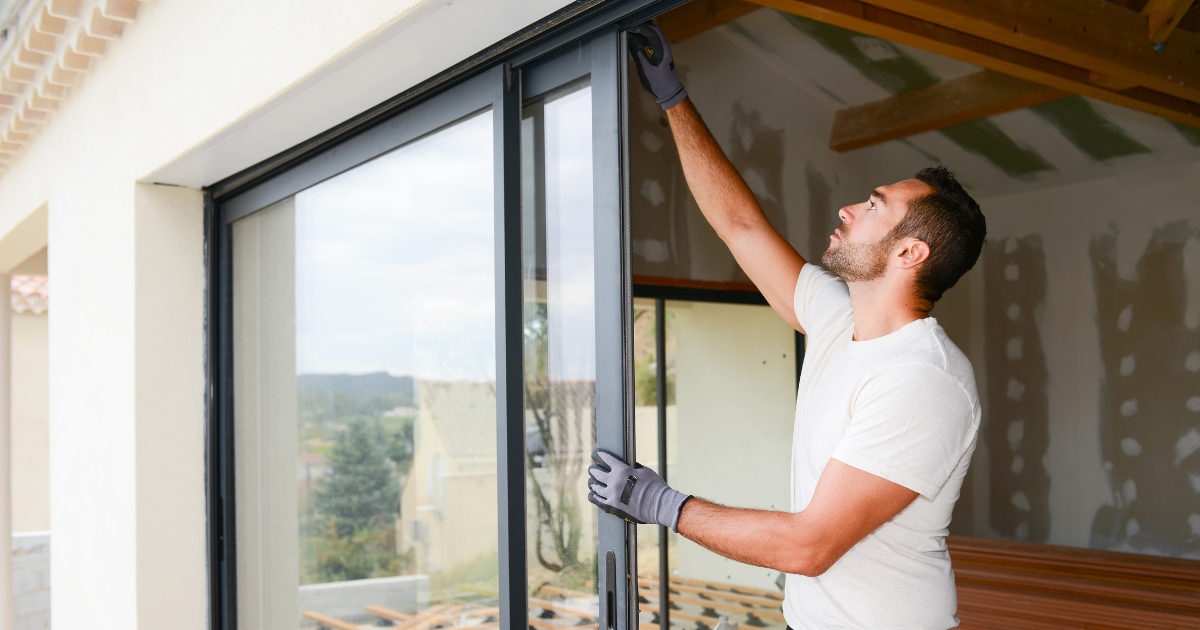

Hurricane season may have passed, but now is the time to get impact windows because December-May dry season provides optimal installation conditions with 60-70% lower rainfall, contractor availability increases 300-400% with competitive pricing 15-25% below peak season rates, product lead times drop from 12-16 weeks to 4-6 weeks, and early completion ensures full protection before next June 1 season start requiring 8-12 week advance planning. The National Weather Service documents that South Florida's dry season from November through April averages only 2-3 inches monthly rainfall compared to 6-9 inches during May-October wet season, creating ideal conditions for exterior construction projects without weather-related delays.
Miami-Dade, Broward, and Palm Beach county homeowners completing post-season installations gain immediate insurance premium reductions of $1,800-$4,200 annually, energy cost savings of $800-$1,800 yearly from reduced cooling loads, and property value increases of $15,000-$45,000 according to Florida Realtors Association market analysis. Professional contractors operating at 40-60% capacity during winter months provide flexible scheduling, dedicated installation crews, and standard pricing without the rush fees and timeline pressures characterizing May-June pre-season demand periods.
The post-hurricane season window from November through March represents optimal timing for impact window investments, allowing 6-8 months before next season threats develop. Insurance Institute for Business & Home Safety research shows homes with impact windows experience 85-92% less damage during Category 3-5 hurricanes compared to standard windows, making winter installation the strategic preparation period that protects properties throughout upcoming storm seasons while maximizing financial returns through year-round energy efficiency and security benefits.
Why Is Post-Season the Best Time for Impact Window Installation?
Post-season is the best time for impact window installation because South Florida's November-April dry season averages 15-20 rain days monthly compared to 25-30 during summer wet season, outdoor temperatures of 65-80°F provide comfortable working conditions versus 85-95°F summer heat, contractor availability increases 300-400% eliminating 6-8 week scheduling delays, and completion before next June 1 season ensures full hurricane protection without last-minute preparation stress. Florida Solar Energy Center climate data shows winter installation projects experience 90-95% on-time completion rates compared to 70-75% during summer months when daily thunderstorms halt exterior work.
Optimal Weather Conditions
South Florida's dry season from November through April brings stable weather patterns with frontal systems creating 3-5 day dry periods ideal for multi-day window installation projects. December-March months average only 2.1-2.8 inches monthly rainfall concentrated in occasional frontal passages rather than daily afternoon thunderstorms characterizing summer months. This predictable weather enables efficient project scheduling without the constant rain delays affecting May-October installations.
Temperature ranges of 65-80°F during winter months provide comfortable conditions for installation crews working outdoors 6-8 hours daily. Summer temperatures of 85-95°F with heat indices reaching 100-108°F create safety concerns requiring frequent breaks and reduced productivity. Professional contractors report 20-30% faster installation speeds during winter months when crews maintain consistent work pace without heat exhaustion risks.
Lower humidity levels of 50-65% during dry season compared to 75-85% in summer improve sealant curing, paint drying, and adhesive bonding critical to proper window installation. Structural silicone sealants require 24-48 hours curing at optimal humidity below 70% for maximum adhesion strength. Summer installations risk compromised seals when high humidity extends curing times and reduces bond quality affecting long-term water infiltration resistance.
Contractor Availability and Pricing
Licensed impact window contractors in Miami-Dade County operate at 40-60% capacity during November-March off-season compared to 85-100% during April-June pre-season rush. This availability translates to flexible scheduling with 2-3 week lead times rather than 6-8 weeks during peak demand. Kendall, Doral, and Coral Gables homeowners selecting winter installation dates coordinate projects with family schedules and personal preferences unavailable during busy seasons.
Competitive contractor pricing during off-season eliminates the 15-25% rush fees charged during May-June when homeowners desperately seek pre-season completion. Standard winter pricing on $18,000-$32,000 whole-home projects saves $2,700-$8,000 compared to peak season emergency installations. Multiple contractor bids during slow season create competitive pressure reducing prices 8-12% below contractor preferred rates.
Dedicated installation crews rather than stretched teams juggling multiple simultaneous projects provide better quality control and attention to detail. Winter installations receive experienced lead installers rather than seasonal helpers hired during busy months. ASP Windows and Doors assigns senior crews to off-season projects ensuring proper Miami-Dade County building code compliance and manufacturer specification adherence protecting warranty coverage and NOA certification validity.
Product Availability and Lead Times
Impact window manufacturers including PGT, CGI, and Andersen maintain full inventory of standard sizes, colors, and configurations during winter months with 4-6 week production schedules. Custom sizes, architectural shapes, and specialty glass options requiring 6-8 weeks under normal conditions ship faster during off-season when factories operate below capacity. November-January orders receive priority processing unavailable during March-May when manufacturers face 300-500% order volume increases.
Standard bronze and gray tints, white and tan frame colors, and popular glass configurations ship from warehouse stock with 2-3 week delivery during winter months. May-June orders for identical products face 8-12 week lead times as manufacturers prioritize earlier commitments. Miami Beach, Pinecrest, and Aventura homeowners specifying premium options including Low-E coatings, custom colors, or insulated glass benefit most from winter ordering ensuring delivery without allocation restrictions.
Raw material availability including aluminum extrusions, laminated glass, and hardware components remains stable during off-season while summer shortages create production bottlenecks. Winter orders avoid the supply chain disruptions affecting peak season deliveries when single component shortages delay entire window shipments. Early ordering provides delivery certainty eliminating stress of tracking delayed shipments as hurricane season approaches.
Pre-Season Preparation Advantages
Completing installations by March-April provides 8-12 week buffer before June 1 hurricane season start, ensuring homes maintain full protection when first tropical threats develop in Atlantic waters. This advance preparation eliminates the anxiety of racing season start or facing unprotected exposure during early-season storms. National Hurricane Center data shows June-July storms occurring in 15-20% of seasons, making early completion prudent risk management.
Insurance wind mitigation inspections required for premium discount activation take 30-45 days from installation completion to policy endorsement processing. Winter installations ensure discount activation by May-June policy renewal dates, capturing full annual savings of $1,800-$4,200. Late spring installations risk delayed credits forcing payment of higher premiums for several months while insurance companies process documentation.
Building permit final inspections and Certificate of Occupancy issuance occur 7-14 days after installation completion under normal conditions. Winter projects avoid the inspection scheduling delays during April-May when building departments face 250-400% increased permit volumes. Coral Gables, Miami Shores, and South Miami municipalities report 2-3 week inspection backlogs during pre-season compared to 3-5 day scheduling during winter months.
What Financial Benefits Does Post-Season Installation Provide?
Post-season installation provides financial benefits including immediate insurance savings starting at next policy renewal, full winter and spring energy cost reductions totaling $400-$900 before summer peak, contractor discounts of 15-25% below peak season pricing saving $2,700-$8,000 on typical projects, year-round security and UV protection benefits, and eliminated risk of mid-season emergency installation premiums reaching 40-80% above standard rates. These combined advantages create optimal return on investment timing that maximizes financial benefits while ensuring hurricane protection for upcoming seasons.
Insurance Premium Reduction Timing
Florida property insurance policies typically renew during May-June coinciding with hurricane season start, making December-March installations ideal for capturing discount activation at renewal dates. Wind mitigation inspections completed by April ensure insurance companies process Opening Protection credits before policy renewals. A Coral Gables home with $6,800 annual premium saves $2,584 yearly when winter installation enables timely June 1 discount activation.
Citizens Property Insurance and Universal P&C provide maximum 42% Opening Protection discounts plus additional 8-12% Hurricane Loss Mitigation Device credits for combined windstorm savings approaching 50-53%. These credits apply to wind coverage portions representing 60-75% of total policy costs in coastal Miami-Dade County locations. Early installation documentation submission allows multiple months for insurance company processing preventing delayed credits and temporary premium overpayments.
Insurance market conditions increasingly require impact protection in Doral for standard market policy eligibility. Winter installations maintain access to competitive carriers before May-June renewal dates when unprotected properties face non-renewal notices forcing placement in higher-cost Citizens or surplus markets. Proactive winter installation prevents the coverage disruptions affecting homeowners scrambling for last-minute protection during renewal periods.
Extended Energy Savings Capture
December-May installations capture 5-6 months of moderate cooling season energy savings before June-September peak demand periods when maximum benefits materialize. Winter months generate $400-$900 cooling cost reductions as impact windows reduce solar heat gain by 40-70% compared to standard single-pane products. These early savings begin immediate positive cash flow offsetting installation investments.
Impact laminated glass with Low-E coatings blocks 60-70% of infrared heat while maintaining 70% visible light transmission. This selective filtering reduces air conditioning runtime by 2-3 hours daily during March-May shoulder months when outdoor temperatures reach 80-88°F. Florida Power & Light monitoring programs document cooling load reductions of 25-35% in Kendall, Hialeah, and Miami Gardens installations replacing standard windows.
Insulated impact glass with dual-pane construction achieves Solar Heat Gain Coefficients of 0.25-0.30 providing maximum energy efficiency. Winter installation of these premium products captures spring cooling season benefits immediately while positioning homes for 35-45% summer energy reductions worth $840-$1,710 annually. The 6-8 month energy savings period before first full summer generates $600-$1,200 first-year returns accelerating payback timelines.
Contractor Pricing Advantages
Off-season contractor pricing eliminates the 15-25% premium charges during April-June when homeowners desperately seek pre-season completion. A typical $24,000 whole-home project costs $20,400-$21,600 during winter months, saving $2,400-$3,600 through timing alone. These savings directly reduce net installation costs improving return on investment calculations and payback periods.
Contractor willingness to negotiate during slow winter months creates additional 5-10% savings opportunities through competitive bidding. Multiple estimates from licensed contractors competing for limited winter work generate pricing 8-12% below their preferred rates. Fort Lauderdale, Pompano Beach, and Hollywood homeowners obtaining 3-5 winter quotes document savings of $1,440-$2,880 on $18,000-$24,000 projects.
Financing promotions from manufacturers and contractors during off-season offer 0% interest for 12-24 months or reduced rates of 2.9-4.9% compared to standard 6.9-8.9% terms. PGT and CGI seasonal incentives combined with contractor volume discounts create optimal financing conditions unavailable during peak demand periods. These promotional rates reduce total financing costs by $800-$2,400 over typical 36-60 month payment terms.
Year-Round Protection Benefits
Security benefits from impact-resistant doors in Doral provide immediate value independent of hurricane season timing. The laminated glass construction that withstands hurricane debris equally prevents forced entry attempts year-round. FBI crime statistics show burglaries occurring uniformly throughout calendar year making winter installation timing provide 12 months annual security value rather than seasonal hurricane protection alone.
UV radiation blocking of 99% prevents interior furnishing fading and deterioration during all seasons. South Florida's year-round sun exposure averaging 6-7 hours daily causes continuous fabric, wood, and artwork degradation that impact windows eliminate immediately upon installation. The $3,000-$8,000 extended furniture and flooring lifespan benefits begin accruing from installation date regardless of hurricane season timing.
Noise reduction of 30-50% compared to standard windows improves quality of life throughout the year in urban areas near highways, airports, and commercial districts. Miami International Airport flight paths, I-95 corridor traffic, and Brickell urban noise create continuous 65-80 decibel exterior levels that impact windows reduce to comfortable 40-50 decibel interiors. These acoustic benefits provide daily value maximizing installation return beyond seasonal storm protection.
How Does Post-Season Installation Ensure Next Season Protection?
Post-season installation ensures next season protection by providing 6-8 month completion buffer before June 1 start allowing proper product delivery, professional installation, building permit processing, and insurance discount activation without time pressure or emergency circumstances. Miami-Dade County Product Control approved products require 4-6 week manufacturing lead times plus 2-3 week installation scheduling that winter completion easily accommodates while May-June projects face compressed timelines risking season start without protection.
Adequate Product Delivery Timeframes
Standard impact window orders placed during November-February receive 4-6 week delivery schedules allowing material arrival by January-March for February-April installations. This timeline ensures projects complete by May 1 providing full month buffer before season threatens. Custom configurations requiring 6-8 weeks ship during winter manufacturing periods when factories maintain capacity for specialty orders without allocation restrictions.
May-June orders face 12-16 week lead times as manufacturers prioritize earlier commitments and struggle with component shortages during peak demand. Late orders risk delivery after season starts, leaving homes unprotected during July-October peak threat months when 70% of major Atlantic hurricanes develop. Winter ordering eliminates this risk ensuring products arrive, install, and inspect well before tropical threats emerge.
Material defects or shipping damage discovered during installation receive rapid replacement during off-season when manufacturers maintain ready inventory. Summer replacements face identical 12-16 week delays as new orders, potentially extending projects beyond season start. Winter installation problems resolve within 2-4 weeks maintaining project timelines and pre-season completion targets.
Professional Installation Quality
Dedicated installation crews working at sustainable pace during comfortable weather conditions provide superior workmanship compared to rushed summer installations under time and temperature pressure. Proper frame shimming, anchor placement, sealant application, and weatherstripping installation require attention to detail that hurried pre-season work compromises. Winter projects receive meticulous installation ensuring long-term performance and warranty compliance.
Miami-Dade County building inspections verify structural anchoring meets engineered specifications including 3-inch fastener penetration at 12-16 inch spacing. Inspectors document installation quality through photographs and measurements confirming compliance before final approval. Winter installations avoiding inspection backlogs receive thorough reviews rather than rushed approvals during peak season when departments process 300-400% normal permit volumes.
Manufacturer warranty coverage requires certified installer networks following approved methods and documented procedures. Winter installations by experienced crews maintain warranty validity through proper technique adherence. Summer rush installations using seasonal helpers or shortcut methods risk warranty voids if manufacturers determine improper installation caused future failures. The quality assurance from winter timing protects 15-25 year product warranty investments.
Building Permit Completion
Building permits for impact windows require plan submissions, plan review approval, rough-in inspections, and final inspections before Certificate of Occupancy issuance. Winter permit applications process in 2-3 weeks compared to 4-6 weeks during April-May peak periods. Pinecrest, Palmetto Bay, and South Miami building departments maintain standard review timelines during off-season while summer backlogs create unpredictable delays.
Inspection scheduling occurs within 3-5 days of contractor requests during winter months allowing efficient project progression from rough-in to final approval. Peak season inspection requests face 10-14 day scheduling delays as departments prioritize commercial projects and emergency repairs. Winter completion provides certainty that projects receive timely inspections and approvals before season pressures overwhelm building department resources.
Code compliance verification through proper permitting protects insurance discount eligibility and prevents violations discovered during post-storm damage assessments. Coral Gables, Miami Shores, and Aventura code enforcement officers document unpermitted installations when investigating hurricane claims. Winter permitted installations avoid these liabilities while summer rush projects tempt unlicensed contractors offering unpermitted work at reduced prices that create long-term legal and financial risks.
Insurance Documentation Processing
Wind mitigation inspections by licensed inspectors document impact window installations for insurance company submissions. Inspection reports require 7-10 days for site visits, form completion, and electronic filing with carriers. Winter inspections schedule within 5-7 days of contractor requests while May-June demand creates 14-21 day backlogs as inspectors face overwhelming appointment requests.
Insurance companies process wind mitigation documentation within 30-45 days updating policy endorsements and premium calculations. Winter submissions ensure processing completion before May-June renewal dates when Opening Protection credits activate. Late spring submissions risk premium overpayments for 1-6 months while insurance companies work through documentation backlogs during peak filing periods.
Policy renewal timing aligns with hurricane season creating optimal coordination when winter installations complete documentation by April. June 1 renewals reflect full windstorm mitigation credits generating immediate $1,800-$4,200 annual savings. The synchronization of installation timing, inspection completion, insurance processing, and policy renewal maximizes financial benefits through strategic planning unavailable with mid-season installations.
What Additional Benefits Does Winter Installation Provide?
Winter installation provides additional benefits including reduced construction dust and debris during comfortable open-window weather, easier furniture protection and room access during moderate temperatures, faster project completion with dedicated crews, lower seasonal allergen levels during outdoor work, and immediate enjoyment of noise reduction and security features before summer tourist season increases neighborhood activity. These quality-of-life advantages complement financial benefits making winter the optimal installation period from both economic and practical perspectives.
Comfortable Project Conditions
Winter temperatures of 65-80°F allow homeowners to maintain open interior doors during installation without excessive cooling costs or discomfort. Summer installations require closing interior spaces creating 85-95°F temperatures when air conditioning cannot operate with exterior openings exposed during window removal and installation. The comfortable winter conditions enable normal home occupation during multi-day projects.
Lower humidity of 50-65% reduces moisture concerns when homes remain open during installation. Summer humidity of 75-85% combined with afternoon thunderstorms creates water intrusion risks when openings remain exposed during lunch breaks or overnight periods. Winter's stable weather patterns allow installers to leave openings protected with temporary coverings without the moisture damage risks characterizing summer installations.
Reduced allergen levels during winter months benefit homeowners with respiratory sensitivities during construction periods when dust and debris circulate through homes. South Florida's January-March period shows lowest pollen counts and mold spore levels compared to spring and summer peaks. Families with asthma or allergies experience fewer health impacts from necessary construction disruption during winter installations.
Interior Protection Simplicity
Furniture and belonging protection proves simpler during winter when households maintain normal configurations rather than hurricane preparation mode. Clear access to windows without stored shutter panels, emergency supplies, or storm preparation materials allows efficient furniture moving and drop cloth placement. Summer installations conflict with hurricane supply staging creating workspace constraints.
Shorter daylight hours during winter months align better with typical 7:00 AM to 4:00 PM construction schedules, completing work before evening family activities. Summer's extended daylight tempts contractors toward longer days that disrupt dinner routines and evening schedules. Winter installation timing respects household rhythms while maintaining efficient project progression.
Holiday decoration timing coordinates well with November-January installations allowing projects to complete before or after seasonal decorating periods. February-March installations avoid both holiday and spring break conflicts when families travel or host guests. Strategic winter scheduling accommodates family calendars better than summer installations coinciding with vacation plans and children's school breaks.
Immediate Quality of Life Improvements
Noise reduction benefits from impact glass in Doral installations provide immediate value during winter months before summer tourist season increases traffic and activity levels. December-March installations create peaceful interior environments that homeowners enjoy during comfortable outdoor weather when windows might otherwise remain open. The 30-50% noise reduction transforms living spaces before May-September peak noise periods.
Security enhancement from forced-entry-resistant windows provides peace of mind during winter months when vacation travel peaks and homes remain unoccupied for extended periods. December-February installations protect properties during holiday travel season when burglary rates increase 20-30% according to FBI crime statistics. The immediate security benefits justify installation timing independent of hurricane season considerations.
Energy efficiency improvements generate measurable utility bill reductions visible on January-May billing cycles before summer peak rates inflate costs. Homeowners track energy savings month-over-month documenting return on investment through actual utility data rather than projected estimates. The tangible financial feedback during moderate-cost months builds confidence before summer bills where maximum savings materialize.
How Should Homeowners Plan Post-Season Installations?
Homeowners should plan post-season installations by requesting contractor quotes during November-December when competition creates favorable pricing, scheduling installations for January-March when weather and availability optimize, ordering custom products by December for February-March delivery, completing building permit applications by January for February approvals, and coordinating wind mitigation inspections for March completion ensuring May-June insurance renewal discount activation. This 4-6 month planning timeline ensures optimal pricing, quality installation, and timely protection before next season threatens.
November-December Planning Phase
Request detailed written estimates from 3-5 licensed contractors during November-December when competition for limited winter work creates aggressive pricing. Compare proposals reviewing product specifications, NOA certifications, warranty terms, and installation timelines rather than price alone. Verify contractor licenses at MyFloridaLicense.com and check Better Business Bureau ratings documenting complaint resolution history.
Schedule contractor consultations for detailed home assessments measuring existing openings, evaluating wall construction, and identifying potential installation challenges requiring structural modifications. Winter consultations allow thorough evaluations without rushed timelines characteristic of pre-season emergency quotes. Contractors provide accurate estimates rather than preliminary pricing requiring adjustments after detailed assessment.
Review product options including frame materials (aluminum versus vinyl), glass specifications (standard versus insulated), and performance features (Low-E coatings, specialty tints). Winter decision-making allows research time comparing manufacturer warranties, energy ratings, and aesthetic options. ASP Windows and Doors showroom visits provide hands-on product comparisons and performance demonstrations informing educated selections.
December-January Ordering Phase
Finalize contractor selection and product specifications by late December for January material ordering ensuring February-March delivery. Submit building permit applications during January when departments operate at normal capacity processing permits in 2-3 weeks. Early permit approval allows installation scheduling flexibility rather than waiting for last-minute approvals delaying projects.
Custom product orders including architectural shapes, specialty colors, or insulated glass configurations require 6-8 week lead times best accommodated through December-January ordering. Standard products shipping in 4-6 weeks provide February delivery for March installations completing before spring weather transitions bring increased rainfall. Manufacturers confirm order specifications and delivery dates during off-season when customer service maintains normal response times.
Coordinate financing applications during December-January when promotional rates of 0-2.9% interest offer optimal terms. Manufacturers and contractors provide seasonal incentives unavailable during peak demand periods. Secure financing approval before installation scheduling ensuring payment readiness when projects begin. Review payment schedules understanding deposit requirements, progress payments, and final payment terms tied to permit approval and project completion.
January-March Installation Phase
Schedule installations for January-March targeting completion by April 1 providing 8-week buffer before season starts. Flexible winter scheduling accommodates family calendars, travel plans, and personal preferences unavailable during summer contractor capacity constraints. Confirm installation crew assignments verifying experienced lead installers rather than seasonal helpers common during busy periods.
Prepare homes for installation by clearing window areas, protecting furniture, and arranging temporary storage for removed windows and debris. Coordinate utility access ensuring electrical outlets available for power tools and water sources for cleanup. Winter installations proceed efficiently when homeowners complete advance preparation allowing crews to focus on technical work rather than site organization.
Monitor installation progress through daily communication with project managers tracking material deliveries, crew schedules, and inspection coordination. Professional contractors provide progress updates and address questions promptly during projects. Document installation quality through photographs showing proper anchoring, sealing, and finishing work supporting warranty claims if future issues develop.
March-April Final Completion
Schedule wind mitigation inspections immediately after installation completion targeting March-April inspection dates ensuring April-May insurance company processing before June renewals. Licensed inspectors document impact window installations, verify Miami-Dade NOA labels, and photograph installations for insurance submissions. Early inspection scheduling avoids May-June backlogs when inspectors face overwhelming demand.
Submit wind mitigation reports to insurance companies by April 1 allowing 30-45 day processing before May-June renewal dates. Follow up with insurance agents confirming receipt and processing status. Request updated policy declarations showing Opening Protection credits and reduced premiums before renewal invoices generate. Early submission prevents the premium overpayments requiring subsequent refund requests.
Complete final building inspections and obtain Certificates of Occupancy by April documenting code compliance and permit closure. Retain all documentation including permits, inspection reports, wind mitigation forms, and contractor warranties in permanent home files. These records support future insurance claims, home sales, and warranty service requests. Proper documentation protects the $18,000-$32,000 installation investment throughout 25-30 year product lifespans.
Maximize Protection and Savings with Post-Season Installation
Hurricane season completion provides optimal timing for impact window installations that protect properties during upcoming storm seasons while maximizing financial returns through insurance savings, energy efficiency, and property value enhancement. South Florida's November-April dry season creates ideal weather conditions, contractor availability, and product delivery timelines that ensure quality installations without the time pressures and premium pricing characterizing pre-season rush periods. Strategic post-season planning allows 6-8 month preparation before next tropical threats develop.
Professional installation by licensed contractors familiar with Miami-Dade County building requirements ensures proper structural anchoring, weatherproofing, and code compliance protecting manufacturer warranties and insurance discount eligibility. Winter project timing provides dedicated installation crews, flexible scheduling, and thorough building inspections that rushed summer installations cannot match. The combination of optimal conditions and strategic timing creates comprehensive protection investments that serve properties for 25-35 year product lifespans.
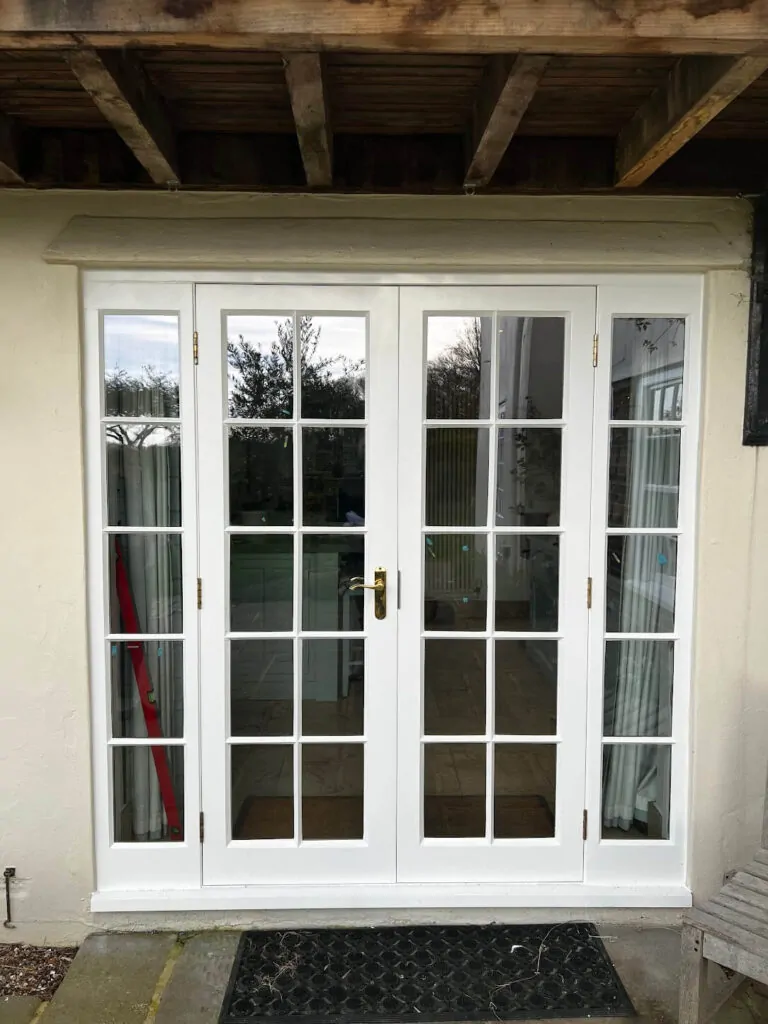
Contact ASP Windows & Doors at (888) 782-8342 for post-season impact window consultations and installation scheduling throughout Miami-Dade, Broward, and Palm Beach counties. Our certified specialists provide free winter assessments, competitive off-season pricing, Miami-Dade NOA product recommendations, and complete permit coordination for residential properties in Miami, Fort Lauderdale, Coral Gables, Kendall, Doral, and West Palm Beach. Visit our Doral showroom to review French door impact systems, compare manufacturer product lines from PGT and CGI, and schedule January-March installations ensuring complete protection before the 2025 Atlantic hurricane season begins June 1.
Now Accepting Appointments
Proudly serving homeowners and businesses across South Florida and Southwest Florida. Book your visit and let our experts help protect and upgrade your space.
.avif)
.avif)
.avif)
%201.avif)
Insights & Resources
Stay informed with expert tips on impact windows, hurricane protection, and South Florida building standards.


%201.webp)
%201%20(1).webp)

%201.svg)
%201%20(1)%20(1).webp)
.png%20(1).webp)
.png.webp)
.avif)
.avif)


.avif)


.png)
.png)