.avif)


How to Secure Doors and Windows against Raging Storms and Hurricanes
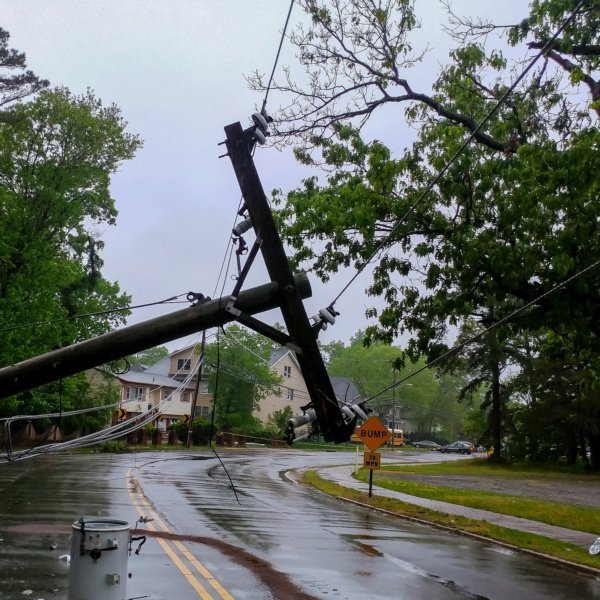

Secure doors and windows against raging storms and hurricanes by installing Miami-Dade NOA certified impact windows and doors providing permanent protection, reinforcing standard doors with 5/8-inch plywood secured to structural framing at 12-inch spacing, installing storm shutters rated for wind speeds exceeding 150 mph, reinforcing garage doors with horizontal bracing preventing wind entry, and ensuring proper anchoring using 3-inch structural fasteners penetrating framing members 3-4 inches. The Federal Emergency Management Agency reports proper door and window protection prevents 60% of wind-driven water intrusion and interior pressurization causing catastrophic structural failures. Temporary protection methods require installation 24-48 hours before storm arrival while permanent solutions eliminate pre-storm preparation stress.
Standard residential windows and doors fail at wind speeds of 75-110 mph allowing hurricane force winds entering homes creating 30-50 PSF interior pressure. This pressurization generates explosive uplift forces on roof structures causing separation within 5-10 minutes of initial breach. The Insurance Institute for Business & Home Safety identifies window and door failures as primary damage mechanism affecting 80% of destroyed homes during major hurricanes. Preventing initial breaches through proper protection saves properties from total loss.
This comprehensive guide explains temporary and permanent protection options, installation procedures, material specifications, cost comparisons, and effectiveness analysis for Doral, Kendall, and Fort Lauderdale homeowners securing properties against South Florida's hurricane threats.
How Do You Secure a Front Door During a Hurricane?
You secure a front door during hurricane by installing Miami-Dade certified impact door rated for 50-60 PSF design pressure providing permanent protection, reinforcing standard doors with 5/8-inch plywood sheets attached to door frames using 2.5-inch lag screws at 12-inch spacing, adding door bracing systems using 2x4 lumber creating diagonal supports from top hinge to bottom latch side, ensuring 3-4 hinges using 3-inch screws penetrating structural framing, and installing heavy-duty deadbolts with 1-inch throw and reinforced strike plates. The Federal Alliance for Safe Homes reports proper door reinforcement prevents wind entry through primary building access points eliminating interior pressurization risks. Garage doors require separate reinforcement systems due to large surface areas and structural vulnerabilities.
Impact Door Installation
Impact doors using laminated glass construction and reinforced frames provide permanent hurricane protection without pre-storm preparation. The doors withstand Design Pressure ratings of 50-70 PSF resisting wind speeds of 150-180 mph and debris impacts from 9-pound 2x4 lumber at 50 feet per second. Installation costs $2,500-6,000 per door including materials, labor, permits, and disposal.
Professional installation by licensed contractors ensures proper anchoring using 3-inch structural screws at 6-8 inch spacing penetrating wall framing. The aggressive anchoring distributes wind loads to building structure preventing frame pullout common during hurricanes. Improper installation reduces effectiveness by 30-50% despite quality products.
Impact doors eliminate pre-storm boarding stress providing year-round benefits including energy efficiency, security, and noise reduction. The 8-45% insurance discounts and 20-30% energy cost reduction offset installation costs within 8-12 years excluding hurricane damage prevention value justifying investments immediately.
Plywood Reinforcement Methods
Five-eighth inch exterior-grade plywood (CDX minimum) provides temporary door protection when properly installed. Cut plywood sheets 4 inches larger than door openings on all sides allowing frame overlap. Mark door frame locations on plywood before drilling pilot holes preventing splitting during installation.
Attach plywood using 2.5-3 inch lag screws or timber screws at 12-inch spacing around perimeters and 18-inch spacing across panel faces. Screws must penetrate structural wall framing minimum 2.5 inches, not just door jambs or trim. Inadequate anchoring causes panel separation at wind speeds below hurricane force.
Install plywood 24-36 hours before storm arrival allowing time for corrections if problems arise. Store pre-cut labeled panels between seasons simplifying future installations. However, plywood deteriorates after 3-5 storm seasons requiring replacement due to moisture damage and fastener hole degradation.
Door Bracing Systems
Two-by-four lumber bracing provides additional resistance for weak or damaged doors. Cut 2x4s running diagonally from top hinge side to bottom latch side. Notch lumber fitting door frame profiles. Secure using 3-inch wood screws at top and bottom penetrating wall studs.
Add horizontal 2x4 across door center secured to vertical studs flanking door. This creates X-pattern distributing wind loads across multiple structural members. The bracing system costs $20-40 in materials plus 1-2 hours installation labor per door.
Bracing proves most effective for solid wood or steel doors. Hollow-core doors lack structural capacity benefiting from bracing requiring complete replacement with solid doors. French doors and multi-panel systems need specialized bracing accommodating multiple panels and locking mechanisms.
Hardware Reinforcement
Replace lightweight hinges with heavy-duty strap hinges or continuous piano hinges distributing loads across entire door heights. Standard residential hinges fail under hurricane loading allowing door separation despite frame remaining attached. Heavy-duty hinges cost $15-30 each requiring 3-4 per door.
Install 1-inch throw deadbolts with hardened steel bolts resisting forced entry from wind pressure and flying debris. Standard deadbolts using soft metal bolts bend under extreme loads. Upgrade costs $30-80 per lockset providing security and structural benefits.
Add reinforced strike plates secured with 3-inch screws penetrating wall studs. Standard strike plates attach only to door jambs failing under high loads. Reinforced plates distribute forces to structural framing preventing jamb failure. Strike plate upgrades cost $10-25 per door.
What Is the Best Protection for Windows During a Hurricane?
The best protection for windows during hurricane is Miami-Dade NOA certified impact windows using laminated glass with 0.090-inch PVB interlayers providing permanent protection rated for 150-200 mph winds and multiple debris impacts, or alternatively aluminum storm shutters with Design Pressure ratings exceeding 60 PSF when impact windows prove cost-prohibitive. The Insurance Institute for Business & Home Safety rates impact windows as superior protection providing year-round benefits including energy efficiency, security, and noise reduction while storm shutters require pre-storm deployment and offer no benefits when not in use. Temporary plywood boarding provides minimal acceptable protection when properly installed but requires 8-12 hours labor before each storm and deteriorates within 5-7 years.
Impact Window Advantages
Impact windows prevent 85% of hurricane damage affecting homes with standard windows according to Insurance Institute for Business & Home Safety studies. The permanent installation eliminates pre-storm preparation stress and physical labor boarding windows. Homeowners focus on other preparation activities rather than window securing reducing overall emergency burden.
Year-round benefits include 20-30% energy cost reduction through Low-E coatings and improved insulation, 50-60% noise reduction creating quieter interiors, 99% UV blocking preventing furniture fading, and enhanced security resisting break-in attempts. These combined benefits justify $15,000-40,000 whole-house investments through 8-12 year payback periods excluding storm damage prevention.
Insurance discounts of 8-45% provide ongoing savings offsetting installation costs. A property with $3,500 annual premium saves $280-1,575 yearly through impact windows. Twenty-year cumulative savings reach $5,600-31,500 covering 30-75% of installation expenses depending on discount percentages.
Storm Shutter Options
Roll-down shutters provide convenient protection through motorized or manual operation. Aluminum slat construction achieves impact ratings and design pressures meeting code requirements. Motorized systems cost $20-35 per square foot installed operating via wall switches or smartphone controls. Manual versions cost $15-25 per square foot requiring hand crank operation.
Accordion shutters fold against building sides when not deployed unfolding across windows in 5-10 minutes per opening. The track-mounted systems allow single-person operation costing $18-28 per square foot installed. Permanent installation eliminates storage requirements though visible tracks affect exterior aesthetics year-round.
Bahama and colonial shutters provide both protection and architectural interest. Bahama shutters hinge at top providing shade when partially open and full protection when closed. Colonial shutters using side hinges create traditional appearance. Both styles cost $20-35 per square foot installed suiting specific architectural preferences.
Plywood Boarding Specifications
Three-quarter inch exterior-grade plywood provides minimal acceptable protection when aluminum or impact systems prove unaffordable. The American Plywood Association recommends 5/8-inch minimum thickness with 3/4-inch preferred for large windows or high wind zones. CDX grade structural panels withstand wind pressure and moisture exposure during installation and storm duration.
Cut plywood 4-8 inches larger than window openings on all sides allowing frame overlap. Pre-cut panels during calm periods labeling each panel matching specific windows. Drill pilot holes preventing wood splitting during installation. Store panels flat in dry locations preventing warping between seasons.
Attach plywood using 2-inch spacing around perimeters and 12-inch spacing across panel faces. Use 2.5-3 inch screws or 16d nails penetrating structural framing minimum 2 inches. Attachment into vinyl siding or stucco alone proves inadequate requiring penetration to wall studs or other structural members.
Protection Method Comparison
Installation Timing
Install permanent impact windows or shutters during January-May avoiding peak hurricane season and contractor busy periods. Projects require 4-8 weeks from consultation through completion. Early installation prevents rush fees and ensures completion before June 1 season start.
Deploy storm shutters or install plywood 24-48 hours before predicted storm arrival. Earlier deployment causes living inconvenience while delayed deployment risks inadequate protection if storms accelerate. Monitor National Hurricane Center forecasts determining optimal deployment timing balancing protection needs against false alarm probability.
Never wait until 24 hours before landfall to begin protection activities. Contractors stop accepting jobs and suppliers sell out forcing homeowners improvising inadequate solutions. Start preparations when storms enter Gulf of Mexico or approach Caribbean regardless of predicted tracks allowing maximum preparation time.
How Do You Reinforce Garage Doors for Hurricanes?
You reinforce garage doors for hurricanes by installing horizontal bracing kits using steel or aluminum struts attached to door panels at 2-4 foot intervals, adding vertical support posts from floor to header preventing inward collapse, upgrading to wind-rated garage doors with Design Pressure ratings exceeding 50 PSF, ensuring proper track mounting using lag screws into structural framing, and maintaining spring tension preventing door movement under pressure loads. The Insurance Institute for Business & Home Safety identifies garage doors as primary failure points in 70% of homes without impact protection because single-car doors capture 80-100 square feet and two-car doors capture 140-160 square feet of wind pressure creating forces exceeding 6,000-10,000 pounds at Category 3+ wind speeds.
Garage Door Vulnerabilities
Standard residential garage doors withstand wind pressures of 15-25 PSF adequate for normal conditions but insufficient for hurricanes. The large surface areas concentrate tremendous total forces despite moderate pressure ratings. A 16x7 foot door capturing 112 square feet experiences 5,600 pounds force at 50 PSF loading common in Category 2 hurricanes.
Door panel deflection under wind loading creates outward bowing then catastrophic inward collapse as negative pressure reversals occur. The sudden failure allows wind entering garages pressurizing homes through interior access doors. Many homes feature garage-to-house connections without weather sealing creating direct pressurization paths.
Older doors using thinner panels and inadequate bracing show highest failure rates. Homes built before 2001 hurricane code updates often feature garage doors inadequate for current wind requirements. Retrofitting improves protection without complete door replacement though replacement provides permanent solutions.
Bracing Kit Installation
Horizontal bracing kits cost $200-600 using steel or aluminum struts spanning door widths. Install struts at 2-4 foot vertical intervals depending on door height and wind zone requirements. Attach struts to door panels using self-tapping screws and reinforcing plates distributing loads.
Add vertical support posts from garage floor to header above doors. These posts prevent door bowing inward under pressure loads. Posts attach to floor using lag screws or concrete anchors and secure to headers using structural fasteners. The vertical support proves critical for wide two-car doors lacking mid-span bracing.
Professional installation costs $800-1,500 including materials ensuring proper attachment and structural adequacy. DIY installation saves labor costs but risks improper attachment creating false security. The Federal Alliance for Safe Homes emphasizes installation quality equals material quality for achieving protection goals.
Wind-Rated Door Replacement
Hurricane-rated garage doors achieve Design Pressure ratings of 40-60 PSF through reinforced construction using thicker panels, enhanced bracing, and structural hardware. The doors cost $1,500-3,500 installed for single-car openings and $2,500-5,500 for two-car openings. Premium pricing provides permanent solutions eliminating annual bracing installation and removal.
Wind-rated doors include reinforced tracks, heavier springs, and upgraded hardware handling increased operating forces from thicker panels. The complete system integration ensures all components meet wind requirements. Mixing standard components with reinforced panels creates weak links failing during storms.
Impact-rated garage doors using laminated glass or polycarbonate glazing provide natural light while maintaining hurricane protection. These premium doors cost $3,000-6,000 installed combining aesthetics with safety. The transparent panels prove popular for homes using garages as entertainment spaces or workshops.
If you need certified impact window and door installation providing permanent hurricane protection eliminating temporary boarding stress for your Doral, Kendall, or Fort Lauderdale property, ASP Windows & Doors provides complete solutions securing all building openings against hurricane threats. Our experienced team helps homeowners evaluate protection options including impact windows, impact doors, and garage door systems ensuring comprehensive property security. Call (888) 782-8342 to schedule your free consultation with protection analysis and project estimates. We serve residential and commercial properties throughout Miami-Dade, Broward, and Palm Beach counties with installations completed before hurricane season begins ensuring families stay protected when storms threaten.
Now Accepting Appointments
Proudly serving homeowners and businesses across South Florida and Southwest Florida. Book your visit and let our experts help protect and upgrade your space.
.avif)
.avif)
.avif)
%201.avif)
Insights & Resources
Stay informed with expert tips on impact windows, hurricane protection, and South Florida building standards.


%201.webp)
%201%20(1).webp)

%201.svg)
%201%20(1)%20(1).webp)
.png%20(1).webp)
.png.webp)
.avif)
.avif)


.avif)


.png)
.png)