.avif)


How to Keep Pets Calm During Tropical Storms
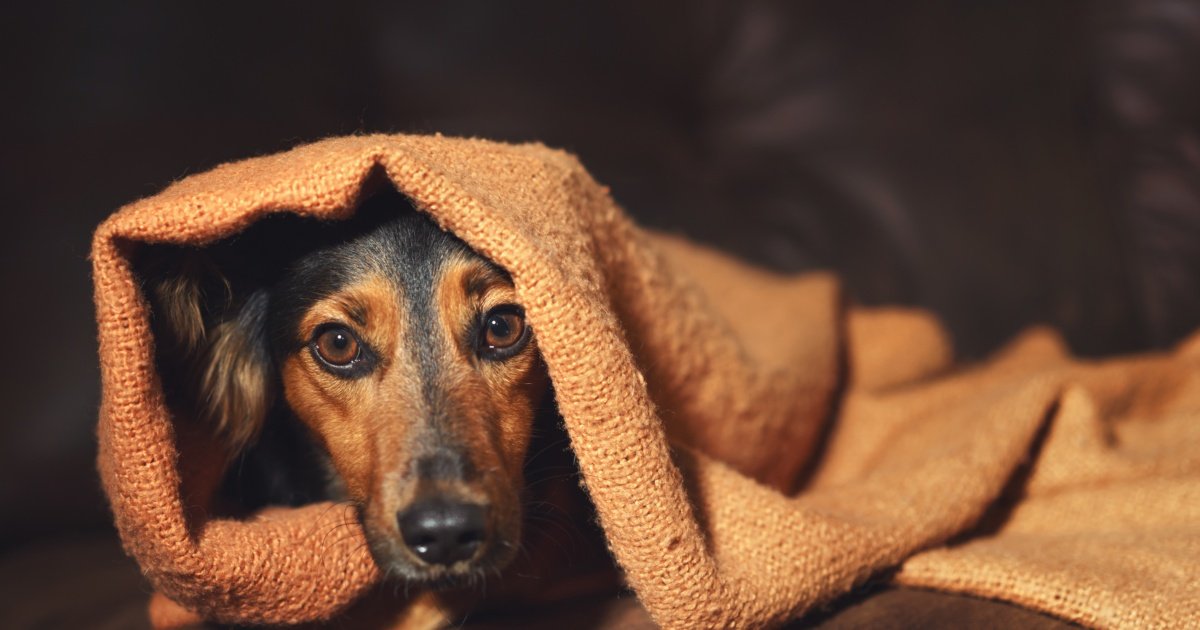

Keep pets calm during tropical storms by creating safe interior spaces away from windows, providing familiar comfort items like beds and toys, maintaining regular routines for feeding and play, using calming aids including pheromone diffusers and anxiety wraps, staying calm yourself as pets mirror owner emotions, and installing impact windows reducing exterior noise by 50-60% minimizing storm sound triggers. The American Veterinary Medical Association reports 40% of pets experience storm anxiety exhibiting behaviors including trembling, hiding, excessive barking, destructive chewing, and attempts to escape. Proactive preparation and calming strategies reduce pet stress protecting both animals and property during hurricane events.
Tropical storms and hurricanes create unique challenges for pet owners combining extended confinement, loud sounds, pressure changes, and human stress affecting animal behavior. The Humane Society reports 14% of pets go missing during disasters often during evacuation confusion or storm-induced panic. Proper preparation prevents these tragedies while maintaining pet emotional wellbeing through frightening events. Understanding animal psychology and implementing proven calming techniques creates safer, less stressful experiences for entire households.
This comprehensive guide explains pet anxiety causes, preparation strategies, calming techniques, medication options, evacuation planning, and post-storm care for Doral, Kendall, and Fort Lauderdale residents ensuring furry family members remain safe and comfortable during South Florida's hurricane season.
What Should You Do With Pets During a Hurricane?
You should do the following with pets during hurricanes: evacuate with them to pet-friendly hotels or shelters if ordered, never leave pets behind creating abandonment trauma and survival risks, create safe interior rooms away from windows stocked with food, water, medications, and comfort items for 7-10 days, maintain identification tags and microchips with current contact information, keep carriers and leashes accessible for rapid evacuations, and photograph pets for identification if separation occurs. The Federal Emergency Management Agency reports pets left behind during evacuations face injury, death, or permanent loss with only 15-20% of separated pets reuniting with owners. Including pets in disaster plans prevents these heartbreaking outcomes.
Evacuation Planning With Pets
Research pet-friendly hotels along evacuation routes before hurricane season begins. Many hotels waive pet policies during emergencies but require advance reservations. Book accommodations when evacuation becomes likely rather than waiting for mandatory orders when availability disappears. Confirm pet policies including size limits, breed restrictions, and additional fees avoiding arrival surprises.
Pet-friendly hurricane shelters operate in most Florida counties but fill quickly during major evacuations. Contact local emergency management offices at 2-1-1 identifying shelter locations, capacity, and requirements. Most require current vaccination records, carriers or crates, and adequate food supplies. Red Cross shelters typically prohibit pets except service animals directing owners to designated pet shelters.
Never leave pets behind during evacuations regardless of storm preparation. Animals cannot survive days without food and water in secured homes. Post-hurricane building damage creates escape routes leading to permanent loss. Pets experiencing abandonment suffer severe psychological trauma affecting long-term behavior and health.
Safe Room Preparation
Designate interior rooms without windows as pet safe spaces during storms. Bathrooms, closets, or interior hallways provide best protection from flying debris and reduced exposure to storm sounds. Stock rooms with 7-10 day supply of food, water, medications, first aid supplies, and comfort items.
Place familiar bedding, toys, and clothing with owner scent creating calming environments. Pheromone diffusers like Adaptil for dogs or Feliway for cats release calming hormones reducing anxiety. Battery-powered white noise machines or calming music masks storm sounds. Avoid sudden loud noises startling already-anxious animals.
Keep carriers or crates in safe rooms allowing quick pet securing if evacuation becomes necessary. Practice carrier acclimation before storms reducing stress during actual emergencies. Line carriers with absorbent materials and include favorite toys creating comfortable temporary housing.
Identification and Documentation
Ensure current identification tags attach securely to collars with phone numbers and addresses. Include temporary contact information for evacuation destinations enabling finder contact when regular homes prove inaccessible. Waterproof tags resist degradation during wet conditions.
Microchip registration provides permanent identification when collars fall off during chaos. Update microchip databases with current contact information before hurricane season. Multiple phone numbers including out-of-state contacts improve reunion chances when local communications fail.
Photograph pets from multiple angles creating identification records. Include distinctive markings, scars, or unique features aiding identification. Store photos digitally on phones and cloud services ensuring access if physical records wash away. Recent photos prove more valuable than year-old images showing outdated appearances.
Medication and Medical Records
Maintain 2-week supply of prescription medications and supplements preventing dangerous gaps if pharmacies close or evacuation extends beyond expectations. Request early refills before hurricane season explaining emergency preparation needs to veterinarians. Store medications in waterproof containers with instructions.
Copy vaccination records, medical histories, and veterinarian contact information keeping documents in waterproof bags. These records enable treatment at unfamiliar veterinary clinics if regular providers prove inaccessible. Include information about chronic conditions, allergies, and current treatments.
Assemble first aid kits containing bandages, antibiotic ointment, hydrogen peroxide, tweezers, and any specialized items for chronic conditions. The American Red Cross provides pet first aid guides downloadable from redcross.org. Basic training in pet first aid proves valuable when veterinary care proves unavailable.
How Do You Calm Dogs' Anxiety During Storms?
You calm dogs' anxiety during storms through behavior modification including desensitization training using recorded storm sounds at low volumes, counter-conditioning creating positive associations with storms through treats and play, providing safe spaces like crates or under beds where dogs feel secure, using calming aids including anxiety wraps applying gentle pressure, pheromone diffusers, and CBD products, maintaining calm owner demeanor as dogs mirror human emotions, and consulting veterinarians about anti-anxiety medications like trazodone or alprazolam for severe cases. The American Kennel Club reports 30% of dogs experience storm phobias with symptoms intensifying over time without intervention. Early treatment prevents escalation protecting both dogs and property from anxiety-induced damage.
Understanding Storm Anxiety Causes
Dogs detect barometric pressure changes 12-24 hours before storm arrival creating anticipatory anxiety. The pressure shifts cause physical discomfort similar to human sinus pressure or headaches. Combined with increasingly dark skies and wind changes, these early warnings create extended anxiety periods.
Thunder creates loud sudden noises triggering fear responses in sound-sensitive dogs. The unpredictable timing prevents adaptation unlike consistent sounds allowing habituation. Low-frequency thunder vibrations dogs hear better than humans create additional stress through physical sensations humans cannot perceive.
Static electricity buildup in fur during storms may cause uncomfortable shocks explaining why some dogs hide in grounded locations like bathtubs or behind toilets. The University of Pennsylvania School of Veterinary Medicine research shows dogs with storm phobias seek grounded areas more frequently than calm dogs suggesting electrical component to anxiety.
Desensitization and Counter-Conditioning
Desensitization training exposes dogs to recorded storm sounds at low volumes gradually increasing volume over weeks or months. Start barely audible playing during positive activities like meals or play. The gradual exposure builds tolerance preventing fear responses at normal storm volume levels.
Counter-conditioning pairs storm sounds with positive experiences creating new associations. Play favorite games, offer high-value treats, or engage in training sessions during sound exposure. The positive associations eventually override fear responses. However, this process requires patience and consistency over 3-6 months.
Professional animal behaviorists provide customized training plans for severe cases. Certification through International Association of Animal Behavior Consultants ensures qualified expertise. Investment of $500-1,500 for comprehensive behavior modification prevents years of ongoing stress and potential injury from panic behaviors.
Anxiety Wrap and Pressure Products
Thundershirts and similar anxiety wraps apply gentle constant pressure creating calming effects similar to swaddling infants. The pressure activates release of calming hormones including oxytocin and endorphins. Products cost $30-50 providing drug-free anxiety relief for 60-80% of users according to manufacturer surveys.
Apply wraps 20-30 minutes before storms begin allowing calming effects establishing before anxiety peaks. Leave wraps on throughout storms and 30-60 minutes after storm ends. Remove wraps between storms preventing habituation reducing effectiveness.
Some dogs reject wraps or show increased anxiety from confinement sensation. Gradual acclimation during calm periods improves acceptance. Offer treats and praise while wearing wraps creating positive associations. Never force wraps on resisting dogs causing additional stress.
Pheromone and Natural Calming Aids
Adaptil diffusers and collars release dog-appeasing pheromones mimicking nursing mother hormones. The synthetic pheromones create sense of safety and security. Diffusers cost $20-30 covering 700 square feet for 30 days. Collars cost $25-35 lasting 30 days providing continuous exposure during activities.
Start pheromone products 2-3 days before predicted storms allowing time for effect establishment. Continue use throughout hurricane season maintaining constant calming influence. Products prove most effective for mild-to-moderate anxiety requiring combination with other techniques for severe cases.
CBD products for dogs show promise for anxiety reduction though research remains limited. Products using hemp-derived CBD contain less than 0.3% THC avoiding intoxication. Dosing of 0.2-0.5 mg per pound body weight twice daily shows anxiety-reducing effects in preliminary studies. Consult veterinarians before using CBD products ensuring appropriate dosing and quality products.
Anti-Anxiety Medications
Trazodone provides short-term anxiety relief for predictable stressful events like storms. Veterinarians prescribe 2-5 mg per pound given 1-2 hours before anticipated anxiety. The medication creates calming effects lasting 6-8 hours without heavy sedation. Cost of $20-40 per prescription covers multiple storm events.
Alprazolam (Xanax) offers faster-acting relief with effects beginning within 30 minutes. Dosing of 0.01-0.05 mg per pound provides 4-6 hours anxiety reduction. However, some dogs experience paradoxical excitement requiring alternative medications. Never give human medications without veterinary consultation due to dosing differences and potential complications.
Sileo, an FDA-approved medication specifically for noise phobias, provides targeted anxiety relief. The gel absorbs through gums avoiding injection stress. Dosing based on body weight provides 2-3 hours of relief. Cost of $30-50 per dose makes it expensive for extended hurricane season use.
What Natural Methods Help Calm Cats During Storms?
Natural methods helping calm cats during storms include providing hiding spaces like covered beds, cardboard boxes, or elevated perches where cats feel secure, using Feliway pheromone diffusers releasing synthetic facial pheromones creating calm environments, maintaining regular feeding and play schedules providing routine during chaos, playing calming music or white noise masking storm sounds, avoiding forced interactions allowing cats to self-soothe, and installing impact windows reducing noise triggers by 50-60%. The American Association of Feline Practitioners reports cats experience storm anxiety less frequently than dogs but show more subtle signs including hiding, decreased appetite, and inappropriate elimination requiring careful observation for detection.
Understanding Feline Storm Responses
Cats detect environmental changes through acute hearing, smell, and whisker sensitivity. They perceive pressure shifts, electrical changes, and vibrations signaling approaching storms. The changes trigger instinctive survival behaviors including hiding and reduced activity conserving energy for potential escape.
Unlike dogs showing obvious anxiety through barking and pacing, cats often hide anxiety through decreased interaction and appetite. Owners may miss subtle signs assuming cats simply sleeping more. However, extended hiding, refusal to eat for 24+ hours, or aggressive responses to approach indicate significant stress requiring intervention.
Senior cats and those with previous trauma show higher storm anxiety rates. Cats experiencing natural disasters, shelter stays, or abandonment carry psychological scars amplifying storm responses. Understanding individual cat histories helps owners anticipate and address anxiety appropriately.
Safe Hiding Spaces
Cats instinctively seek enclosed spaces feeling vulnerable in open areas during perceived threats. Provide multiple hiding options throughout homes allowing cats choosing preferred locations. Cardboard boxes with holes cut for entries create instant safe spaces. Commercial cat caves and covered beds offer more permanent solutions.
Place hiding spaces in quiet interior rooms away from windows and exterior doors. Line spaces with familiar bedding carrying owner scent. Avoid forcing cats from hiding spaces as this increases stress and breaks trust. Allow cats emerging voluntarily when they feel safe.
Elevated perches provide alternative safe spaces for cats preferring height over enclosure. Cat trees, wall-mounted shelves, or cleared furniture tops offer observation points where cats feel secure watching environments while remaining out of reach. Some cats alternate between hiding and observation depending on anxiety levels.
Feliway Pheromone Products
Feliway Classic diffusers release synthetic facial pheromones cats naturally deposit when feeling content and secure. The pheromones signal safe territory reducing anxiety in stressful situations. Diffusers cost $20-30 covering 700 square feet for 30 days. Position diffusers in rooms where cats spend most time.
Feliway Multicat formulations address multi-cat household tensions that amplify during stressful events. The synthetic pheromones reduce conflict and increase social tolerance. This proves valuable when confined quarters during storms increase territorial stress.
Start diffusers 1-2 weeks before hurricane season establishing calming effects. Replace refills every 30 days maintaining effectiveness throughout season. Products show best results for mild-to-moderate anxiety though severe cases require additional interventions.
Routine Maintenance
Maintain regular feeding schedules throughout storms providing familiarity during chaos. Cats find comfort in routine with meal times representing safe predictable events. Stick to normal feeding times and amounts even if cats show reduced appetite. Leave food available allowing small frequent meals rather than forcing larger portions.
Continue play sessions using interactive toys if cats show interest. Play provides stress relief and mental stimulation distracting from storm anxiety. However, avoid forcing play on disinterested cats as this creates additional stress. Follow cat cues allowing them setting interaction levels.
Avoid introducing changes during storm periods. New foods, litter types, or household arrangements create additional stress layering on storm anxiety. Save changes for calm periods when cats better tolerate novelty.
If you need impact window installation reducing storm noise protecting both human and pet family members in your Doral, Kendall, or Fort Lauderdale home, ASP Windows & Doors provides certified installations creating quieter, safer environments during South Florida's hurricane season. Our noise-reducing impact windows achieve 50-60% exterior sound reduction calming anxious pets while providing maximum hurricane protection. Call (888) 782-8342 to schedule your free consultation learning how impact windows create calmer environments for pets and people. We serve residential properties throughout Miami-Dade, Broward, and Palm Beach counties with installations completed before hurricane season begins ensuring families stay safe and pets stay calm during inevitable South Florida storms.
Now Accepting Appointments
Proudly serving homeowners and businesses across South Florida and Southwest Florida. Book your visit and let our experts help protect and upgrade your space.
.avif)
.avif)
.avif)
%201.avif)
Insights & Resources
Stay informed with expert tips on impact windows, hurricane protection, and South Florida building standards.


%201.webp)
%201%20(1).webp)

%201.svg)
%201%20(1)%20(1).webp)
.png%20(1).webp)
.png.webp)
.avif)
.avif)


.avif)


.png)
.png)