.avif)


How to Choose the Right Hurricane Impact Windows for Home
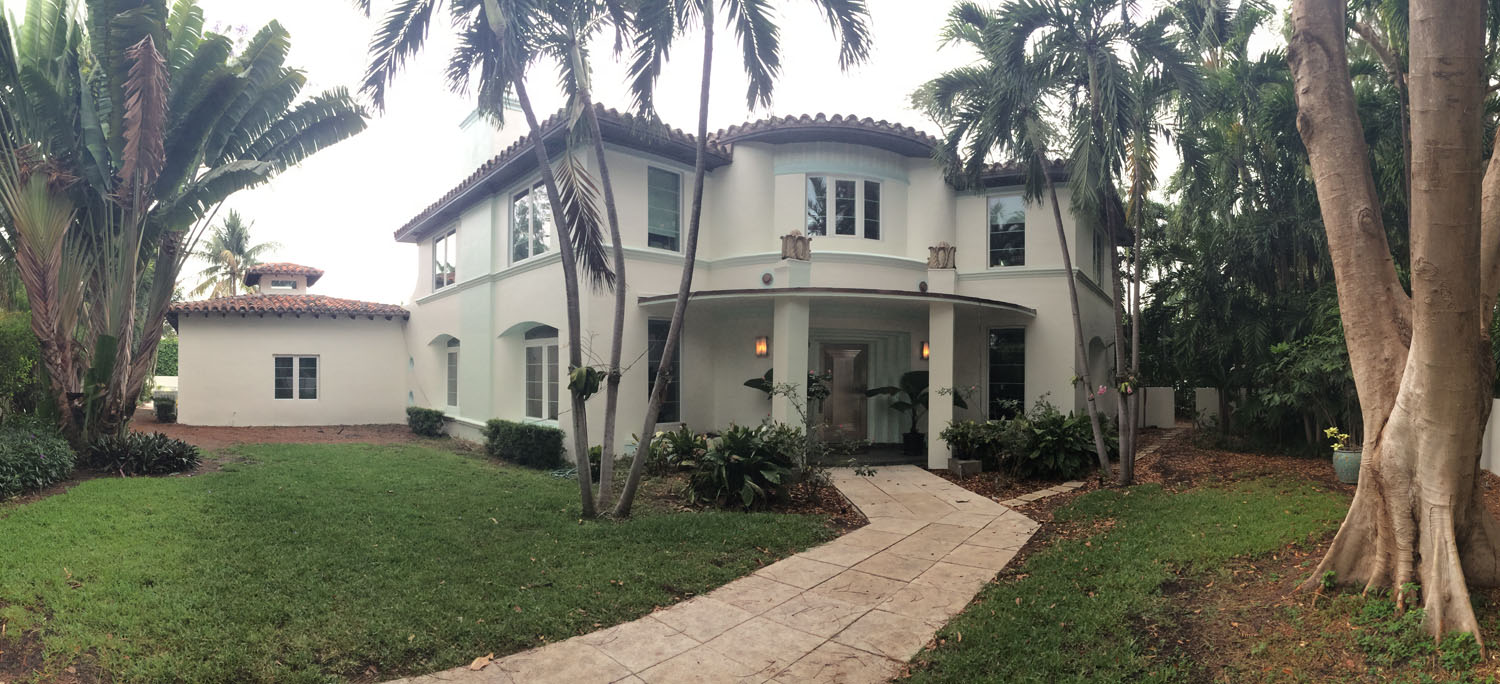

Choose the right hurricane impact windows for home by verifying Miami-Dade NOA certification matching your wind zone, selecting Design Pressure ratings of 50-60 PSF for standard residential or 60-70 PSF for coastal properties, choosing between vinyl, aluminum, or thermally broken frames based on climate exposure, evaluating glass packages with Low-E coatings and argon fills for energy efficiency, and selecting window styles matching architectural design while meeting operational requirements. The Federal Alliance for Safe Homes reports proper window selection based on building height, exposure category, and opening sizes ensures adequate protection while avoiding unnecessary costs from overbuilt specifications. Understanding selection criteria prevents costly mistakes from under-protected properties or excessive spending on features providing marginal benefits.
Window selection involves balancing hurricane protection, energy efficiency, aesthetics, budget constraints, and long-term value considerations. The National Fenestration Rating Council establishes rating systems documenting performance characteristics enabling objective product comparisons. No single "best" window exists for all applications requiring individualized analysis matching products to specific property characteristics and homeowner priorities. Professional guidance from experienced contractors helps homeowners navigate complex choices achieving optimal outcomes.
This comprehensive guide explains certification requirements, performance ratings, material comparisons, glass package options, style selections, and value analysis for Doral, Kendall, and Fort Lauderdale homeowners choosing hurricane impact windows providing maximum protection, efficiency, and satisfaction.
What Are the Best Replacement Windows for Hurricane Areas?
The best replacement windows for hurricane areas are Miami-Dade NOA certified impact windows featuring vinyl or thermally broken aluminum frames, laminated glass with 0.090-inch PVB interlayers, Low-E coatings achieving 0.25-0.30 SHGC values, argon gas fills, and Design Pressure ratings exceeding local code requirements by 10-15% from manufacturers including PGT Industries, CGI Windows, Andersen, and MI Windows. The Insurance Institute for Business & Home Safety rates products meeting these specifications as highest protection tier providing permanent hurricane safety without storm shutters or boarding. Energy Star certification ensures products deliver both protection and efficiency maximizing year-round value.
Top-Rated Manufacturer Products
PGT WinGuard Impact Windows achieve Design Pressure ratings up to 70 PSF with comprehensive product lines including single-hung, horizontal sliding, casement, and fixed windows. The manufacturer provides lifetime glass unit warranties and 10-year frame warranties demonstrating confidence in longevity. Prices range $45-75 per square foot installed depending on size and style selections.
CGI Sentinel Impact Windows offer similar performance with aluminum frame construction and commercial-grade hardware. The company provides 20-year glass warranties and 10-year frame warranties. Advanced Low-E coatings achieve 0.24 SHGC ratings combining hurricane protection with superior energy efficiency. Installation costs $50-80 per square foot for typical residential applications.
Andersen Stormwatch Impact Windows feature Fibrex composite frames combining wood fiber and polymer resins. The proprietary material provides exceptional strength and thermal performance. Miami-Dade certification covers multiple product lines including double-hung, casement, and picture window configurations. Premium pricing reaches $60-90 per square foot installed.
MI Windows Legacy Steel Impact Windows use steel-reinforced vinyl frames achieving excellent Design Pressure ratings at competitive pricing. The product line targets value-conscious buyers seeking code compliance without premium features. Costs range $40-65 per square foot installed providing entry-level impact protection.
Frame Material Comparison
Vinyl frames achieve U-Factor ratings of 0.28-0.32 through multi-chamber construction and fusion-welded corners. The material requires no painting or refinishing maintaining appearance throughout 25-30 year lifespans. Quality vinyl resists UV degradation and temperature cycling common in South Florida climate.
Thermally broken aluminum frames provide superior strength and durability in coastal environments. Marine-grade powder coating resists salt air corrosion maintaining finish quality 15-20 years. Thermal breaks reduce U-Factors from 1.0-1.2 for standard aluminum to 0.35-0.45 for broken designs improving energy efficiency.
Fiberglass frames offer best-in-class thermal performance and dimensional stability. However, limited manufacturer availability and 30-40% cost premiums versus vinyl restrict market penetration. The material suits premium applications where performance justifies pricing.
Glass Package Selection
Standard laminated packages use two 3mm tempered glass sheets with 0.060 inch PVB interlayers meeting minimum certification requirements. This construction provides adequate protection for most residential applications under 40 feet height in standard exposure conditions. Material costs represent baseline pricing for impact windows.
Heavy-duty laminated packages increase PVB thickness to 0.090 inches or use thicker 4mm glass sheets achieving higher Design Pressure ratings. These packages suit coastal properties, high-rise buildings, or areas with extreme wind exposure. Enhanced construction adds 15-25% to material costs providing maximum protection margins.
Insulated laminated glass combines impact-resistant exterior panes with standard interior panes creating dual-pane assemblies. Low-E coatings and argon fills optimize energy efficiency. U-Factors of 0.30-0.35 and SHGC values of 0.25-0.30 qualify products for Energy Star certification. Premium packages cost 30-40% more than standard construction delivering superior thermal performance.
Performance Rating Verification
Design Pressure ratings indicate structural capacity resisting wind loads. Residential applications typically require 40-60 PSF depending on building height and exposure. Coastal properties need 60-70 PSF ratings. Verify ratings match or exceed code requirements for specific property locations avoiding undersized products.
U-Factor ratings measure heat conduction through window assemblies. Lower values indicate better insulation with Energy Star requiring 0.40 or less in Florida. Quality impact windows achieve 0.30-0.35 U-Factors through Low-E coatings, gas fills, and optimized frame designs.
Solar Heat Gain Coefficient ratings measure solar radiation transmission. Lower SHGC values reduce cooling loads in South Florida climate. Energy Star requires 0.25 or less with premium products achieving 0.22-0.26. Balance SHGC reduction with visible light transmission maintaining natural daylighting.
What Should You Look for in Hurricane Impact Windows?
You should look for Miami-Dade County Notice of Acceptance certification, Design Pressure ratings matching building height and exposure category, laminated glass with visible PVB interlayers, reinforced frames rated for wind loads, multi-point locking systems, Low-E coatings achieving target SHGC values, proper installation by licensed contractors, and comprehensive warranties covering glass units for 15-20 years and frames for 10-15 years. The American Architectural Manufacturers Association reports these critical features distinguish quality impact windows from substandard products failing performance expectations. Verification during purchase prevents costly mistakes requiring premature replacement.
Certification Documentation
Miami-Dade NOA certification requires large missile impact testing, small missile testing, and cyclic pressure testing exceeding Florida Building Code minimums. Permanent labels on windows display NOA numbers formatted as "NOA XX-XXXX.XX" identifying approved products. Missing labels indicate non-certified products or installation errors.
Florida Product Approval numbers document statewide certification for areas outside Miami-Dade HVHZ. The less stringent testing still ensures adequate hurricane protection. However, HVHZ properties must use Miami-Dade certified products meeting higher standards.
Manufacturer certifications from NFRC, Energy Star, and AAMA provide independent verification of performance claims. These third-party certifications prevent misleading marketing ensuring products meet stated specifications. Request certification documentation before purchase confirming product qualifications.
Construction Quality Indicators
Visible PVB interlayer between glass sheets confirms laminated construction. View glass edges under good lighting identifying thin plastic film between panes. Standard tempered or annealed glass shows single thickness without interlayer. Insulated glass units show completely separate panes with air space rather than bonded laminated construction.
Frame wall thickness of 0.125-0.187 inches indicates proper reinforcement for impact applications. Measure frame members with calipers comparing specifications to manufacturer documentation. Thinner frames lack structural capacity for hurricane forces despite marketing claims.
Welded vinyl frame corners provide superior strength versus mechanically fastened joints. Examine corner construction identifying fusion welds creating monolithic assemblies. Quality manufacturers use thermal welding eliminating fasteners and potential failure points.
Hardware and Operation
Multi-point locking mechanisms with 3-5 locking points indicate proper construction. Examine locks identifying engagement points along frame perimeters. Single-point locks prove inadequate for hurricane applications despite lower costs.
Commercial-grade operators and hardware suggest quality construction. Casement and awning windows should use multi-gear operators providing mechanical advantage for panel control. Sliding windows require heavy-duty rollers supporting 300-400 pound panel weights.
Smooth operation despite substantial window weights indicates proper hardware and balance systems. Test windows checking for binding, excessive force requirements, or adjustment needs. Quality products operate smoothly despite 2-3x weight increases versus standard windows.
Energy Performance Features
Low-E coatings visible as slight haze on glass surfaces block infrared radiation reducing cooling loads. Verify Low-E placement on interior glass surfaces (#3 or #4 surface positions) optimizing solar control for South Florida climate. Request NFRC labels documenting actual performance ratings.
Argon gas fills between panes improve insulation reducing heat transfer 20-30% versus air-filled units. Verify manufacturer specifications documenting gas fill percentages. Quality sealed units maintain 95%+ gas retention throughout 20-year warranties.
Warm-edge spacers separate glass panes using low-conductivity materials reducing edge heat transfer. Examine spacer systems identifying stainless steel, foam, or composite materials versus aluminum spacers conducting heat. Advanced spacers improve window efficiency 5-8%.
Warranty Coverage Terms
Glass unit warranties covering seal failure, delamination, and spontaneous breakage for 15-20 years indicate manufacturer confidence. Lifetime warranties often contain limitations requiring careful review. Compare warranty terms across manufacturers identifying most comprehensive coverage.
Frame warranties covering finish deterioration and structural defects for 10-15 years protect long-term investments. Limited lifetime warranties on frame structure provide additional confidence beyond initial warranty periods. Ensure warranties transfer to subsequent homeowners maintaining property value.
Installation warranties from contractors covering workmanship for 1-5 years protect against installation errors. Separate from manufacturer warranties, installation coverage addresses seal failures, water intrusion, and hardware problems from improper installation. Request written warranties documenting coverage terms and claim procedures.
How Do Impact Window Styles Affect Performance and Cost?
Impact window styles affect performance and cost with casement windows achieving best air tightness (0.1-0.2 CFM/sq ft) through compression seals costing $450-800 per unit, double-hung windows providing traditional aesthetics at $400-700 per unit with moderate air leakage (0.3-0.4 CFM/sq ft), horizontal sliders offering economical options at $350-650 per unit with 0.3-0.5 CFM/sq ft leakage, and fixed picture windows providing maximum energy efficiency at $300-600 per unit through eliminated moving parts. The Window & Door Manufacturers Association reports style selection balancing operational requirements, architectural compatibility, and budget constraints optimizes overall project value. No single style proves universally superior requiring case-by-case analysis.
Casement Window Advantages
Casement windows swing outward on side hinges creating compression seals around entire perimeters when closed. Multi-point locking systems draw sashes tightly against weatherstripping eliminating gaps common in sliding designs. This superior sealing achieves 10-20% better energy efficiency than double-hung windows with identical glass construction.
Unobstructed glass area maximizes views and natural light without dividing rails interrupting sightlines. Large opening area provides superior ventilation capturing breezes and directing airflow into living spaces. South Florida homeowners value ventilation benefits during mild weather reducing air conditioning dependence.
Installation costs of $450-800 per casement window exceed double-hung pricing 15-25% due to complex hardware and hinge systems. However, energy efficiency advantages and operational benefits justify premium pricing for homeowners prioritizing performance. Proper maintenance lubricating hinges ensures smooth operation throughout 25-30 year lifespans.
Double-Hung Traditional Appeal
Double-hung windows suit traditional architectural styles including Colonial, Victorian, and Craftsman designs. The familiar styling maintains historic character important for neighborhood aesthetics and property value preservation. Many historic districts and homeowner associations require double-hung windows maintaining architectural integrity.
Both sashes operate independently providing ventilation flexibility. Open top sash only for passive ventilation or both sashes for maximum airflow. Tilt-in sash designs simplify cleaning from interior eliminating exterior access requirements. This convenience proves valuable for second-story windows.
Higher air infiltration rates of 0.3-0.4 CFM per square foot versus 0.1-0.2 CFM for casements reflect sliding sash operation and meeting rail joints. However, quality double-hung windows with compression weatherstripping narrow efficiency gaps. Costs of $400-700 per window match or slightly undercut casement pricing making double-hung economical traditional choices.
Horizontal Slider Economy
Horizontal sliding windows provide economical impact protection at $350-650 per unit. The simple construction reduces manufacturing costs while achieving adequate hurricane protection. Budget-conscious projects benefit from slider pricing without sacrificing code compliance.
Large glass area suits contemporary architectural styles. Minimal frame members maximize transparency creating modern aesthetics. Slider popularity in coastal condominiums reflects contemporary styling and competitive pricing.
Limited ventilation area opening only 50% of total window size compares unfavorably to 90-100% for casements. Air infiltration of 0.3-0.5 CFM per square foot falls between casement and double-hung performance. These operational compromises prove acceptable when budgets constrain choices.
Fixed Window Performance
Fixed picture windows eliminate moving parts achieving near-zero air infiltration. Sealed glazing units mount directly to frames without operating hardware creating optimal thermal barriers. Large glass areas flood interiors with natural light reducing daytime artificial lighting energy consumption.
Design flexibility allows custom shapes including arched tops, angles, circles, and geometric configurations. Architectural applications combine fixed windows with operating units creating dramatic facades while maintaining ventilation. Costs of $300-600 per window reflect simpler construction without hardware requirements.
Limited ventilation capability restricts fixed window use requiring combination with operable units. Strategic placement preserves views while flanking units provide air circulation. Energy modeling optimizes fixed-to-operable ratios balancing efficiency, ventilation, and budget considerations.
If you need expert guidance choosing the right hurricane impact windows for your Doral, Kendall, or Fort Lauderdale home, ASP Windows & Doors provides comprehensive consultation services analyzing wind zones, architectural requirements, energy goals, and budget constraints. Our experienced team helps homeowners evaluate manufacturer options, frame materials, glass packages, and style selections achieving optimal protection and value. Call (888) 782-8342 to schedule your free consultation with product demonstrations, performance comparisons, and detailed project estimates customized to your property. We serve residential and commercial properties throughout Miami-Dade, Broward, and Palm Beach counties with certified installations meeting all code requirements and manufacturer warranty specifications.
Now Accepting Appointments
Proudly serving homeowners and businesses across South Florida and Southwest Florida. Book your visit and let our experts help protect and upgrade your space.
.avif)
.avif)
.avif)
%201.avif)
Insights & Resources
Stay informed with expert tips on impact windows, hurricane protection, and South Florida building standards.


%201.webp)
%201%20(1).webp)

%201.svg)
%201%20(1)%20(1).webp)
.png%20(1).webp)
.png.webp)
.avif)
.avif)


.avif)


.png)
.png)