.avif)


How to Choose the Right Hurricane Impact Doors for Your Home
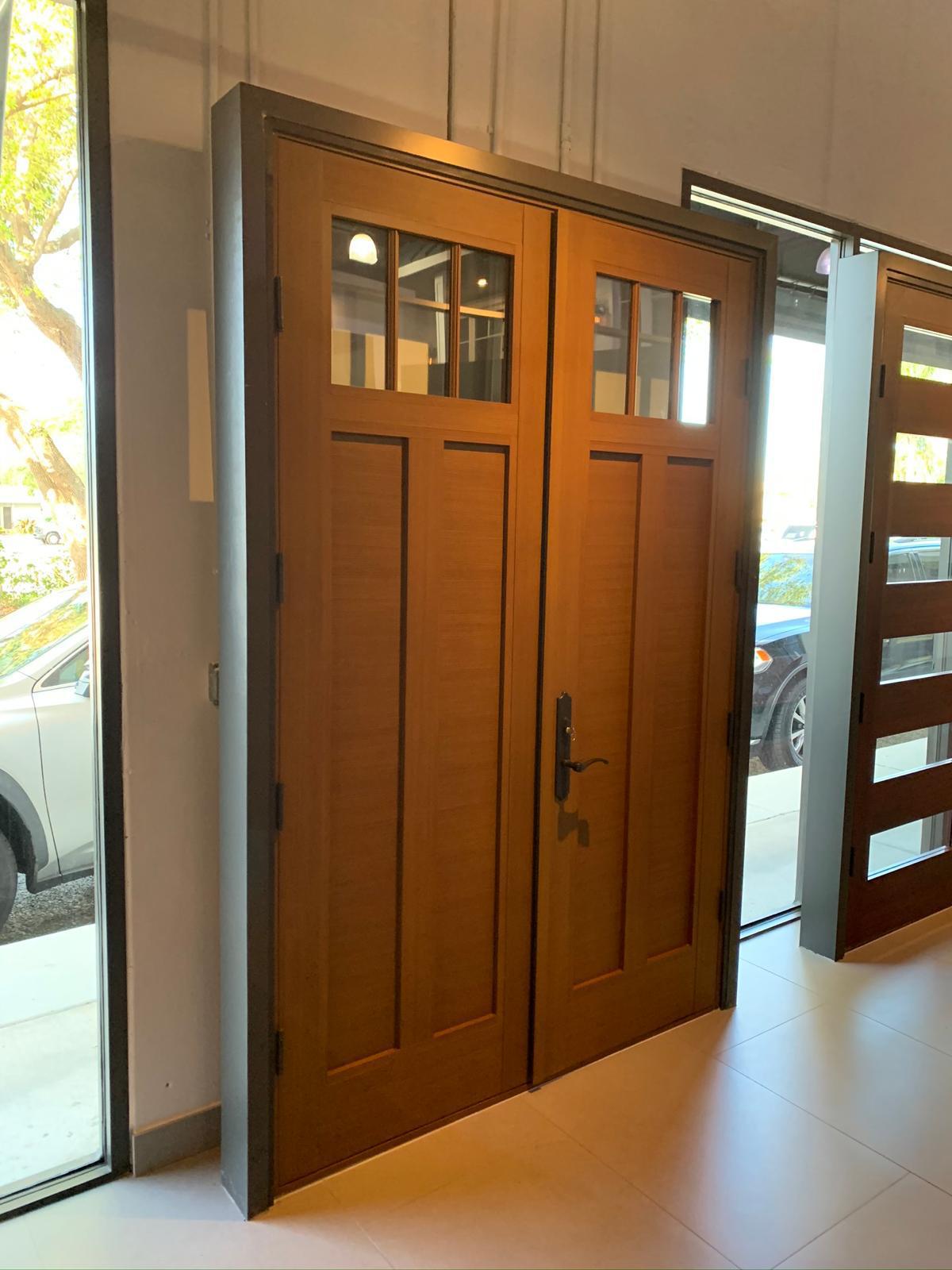

Choose the right hurricane impact doors for your home by verifying Miami-Dade NOA certification matching wind zone requirements, selecting Design Pressure ratings of 50-60 PSF for standard residential or 60-70 PSF for coastal properties, choosing between fiberglass, steel, or aluminum materials based on climate exposure, evaluating glass packages with 0.090-inch PVB interlayers for maximum protection, and confirming multi-point locking systems with commercial-grade hardware. The Federal Alliance for Safe Homes reports proper door selection based on building height, exposure category, and opening size ensures adequate protection while avoiding overbuilt specifications increasing costs unnecessarily. Undersized doors create vulnerabilities while properly specified products provide decades of reliable service.
Door selection involves balancing multiple factors including budget constraints, aesthetic preferences, architectural style compatibility, operational requirements, and performance specifications. The Window & Door Manufacturers Association emphasizes no single "best" door exists for all applications requiring individualized analysis matching products to specific property characteristics. Understanding selection criteria prevents costly mistakes from under-protected properties or excessive spending on unnecessary features.
This comprehensive guide explains door specification requirements, material comparisons, glass package options, hardware selections, style considerations, and installation requirements for Doral, Kendall, and Fort Lauderdale homeowners choosing hurricane impact doors providing maximum protection and value.
What Design Pressure Rating Do I Need for Hurricane Doors?
Design Pressure ratings you need for hurricane doors range from 40-50 PSF for single-story inland properties to 60-70 PSF for coastal locations and high-rise buildings based on Florida Building Code wind load calculations using ultimate wind speeds of 140-180 mph, building height, exposure category, and door size. The American Society of Civil Engineers ASCE 7 standard provides calculation methodology licensed engineers use determining proper ratings. Miami-Dade County requires minimum 50 PSF ratings in High Velocity Hurricane Zone with higher ratings for specific applications. Undersized doors fail during hurricanes while properly rated products withstand Category 5 conditions.
Wind Zone Classification
Florida Building Code divides state into wind zones with basic wind speeds ranging from 140-180 mph ultimate design values. South Florida coastal areas require calculations based on 170-180 mph winds while inland areas use 140-160 mph depending on distance from coast. These wind speeds translate to pressure loads on building surfaces including doors and windows.
High Velocity Hurricane Zone encompasses Miami-Dade and Broward counties requiring strictest standards. Properties throughout these counties face 170-180 mph design winds regardless of distance from coast. The HVHZ designation originates from Hurricane Andrew damage demonstrating extreme wind potential throughout region.
Wind-Borne Debris Regions include coastal areas within one mile of mean high water where wind speeds equal or exceed 130 mph or all areas with wind speeds exceeding 140 mph. These regions require impact-resistant doors or approved protection systems. Local building officials determine specific property classifications based on address and wind speed maps.
Exposure Category Effects
Exposure D represents open coastlines, large water bodies, and flat terrain with minimal obstructions. Properties in this category experience highest wind speeds requiring 15-25% higher Design Pressure ratings than inland locations. Waterfront properties on barrier islands and beach zones typically classify as Exposure D.
Exposure C covers suburban residential areas with scattered obstructions including buildings, trees, and terrain variations. Most South Florida properties not directly on water fall in Exposure C category. The partial wind shielding from surrounding development reduces design wind speeds by 10-15% compared to Exposure D.
Exposure B includes urban areas with dense development creating significant wind obstruction. Downtown Miami and Fort Lauderdale high-density areas may qualify for Exposure B classification. However, conservative practice applies Exposure C avoiding potential misclassification issues affecting code compliance.
Building Height Considerations
Ground-floor doors in single-story buildings require minimum Design Pressure ratings calculated for 15-foot height above grade. Single-story residential applications typically need 40-50 PSF ratings depending on exposure category and wind zone. These represent baseline requirements for standard residential construction.
Second-floor doors in two-story buildings require 50-60 PSF ratings accounting for increased wind speeds at elevated heights. Wind velocity increases with height above ground requiring enhanced door specifications. Stairwell and balcony doors face full wind exposure without adjacent walls providing shelter.
High-rise buildings above 60 feet require engineering analysis determining site-specific wind loads. Upper-floor doors may need 70-80 PSF ratings depending on building height, shape, and exposure. The American Society of Civil Engineers ASCE 7 provides detailed calculation procedures for tall buildings requiring professional engineering involvement.
Door Size Impact on Ratings
Larger doors experience greater total wind forces requiring enhanced structural capacity. An 8-foot wide sliding glass door captures 4 times the wind force of 4-foot wide door at equivalent wind speed. Design Pressure ratings account for door size through tributary area calculations determining total loads.
French doors and multi-panel systems require higher Design Pressure ratings than single doors of equivalent total width. The multiple panels and locking mechanisms create structural complexity affecting load distribution. Manufacturers specify maximum sizes for each Design Pressure rating preventing oversize installations.
Custom oversized doors require engineering calculations verifying structural adequacy. Doors exceeding 40-50 square feet total area may need enhanced framing, additional locking points, or specialized construction meeting code requirements. Professional engineers seal calculations documenting code compliance for unusual applications.
How Much Should I Expect to Pay to Have a Storm Door Installed?
You should expect to pay $2,500-4,500 for fiberglass or steel impact entry door installation, $4,500-7,000 for impact sliding glass doors, $4,000-7,000 for impact French doors, and $8,000-15,000 for multi-panel sliding or bi-fold systems including materials, professional installation, permits, and disposal in South Florida. The Window & Door Manufacturers Association reports material costs represent 50-60% of total pricing with labor, permits, and disposal accounting for remaining 40-50%. Miami-Dade NOA certification adds 15-25% to costs compared to standard Florida Building Code products due to enhanced testing and quality control requirements.
Entry Door Installation Costs
Single impact entry doors cost $2,500-4,500 installed for standard 3x8 foot sizes. Fiberglass doors range $2,200-3,800 while steel doors cost $2,000-3,200 depending on finish quality and hardware selections. Mahogany wood doors reach $4,000-6,500 installed providing luxury aesthetics at premium pricing.
Double entry door systems cost $4,500-8,500 installed for 6x8 foot openings. French door styles with divided lites and decorative glass range $5,500-10,000 installed. The enhanced aesthetics and additional hardware complexity increase costs 80-100% compared to single doors.
Pivot entry doors for contemporary architecture cost $6,000-15,000 installed depending on size and material selections. Custom aluminum pivot doors with oversized glass panels reach $15,000-30,000 for architectural applications. These dramatic designs feature offset hinges and substantial weights requiring specialized installation.
Sliding Glass Door Pricing
Standard 6x8 foot two-panel impact sliders cost $4,000-6,000 installed. Vinyl frames range $3,500-5,000 while aluminum frames cost $4,500-6,500 depending on finish options. Three-panel systems spanning 9-12 feet range $6,000-10,000 installed providing wider openings.
Large 8x8 foot sliders cost $5,000-8,000 installed for standard configurations. Four-panel systems reaching 12-16 feet wide cost $8,000-15,000 installed. Commercial-grade heavy-duty hardware and reinforced frames support larger glass areas meeting Design Pressure requirements.
Lift-and-slide premium systems cost $10,000-20,000 installed for 8-12 foot openings. German-engineered hardware provides effortless operation and superior weathersealing justifying premium pricing. These luxury products suit high-end waterfront properties demanding best performance and aesthetics.
French Door and Specialty Costs
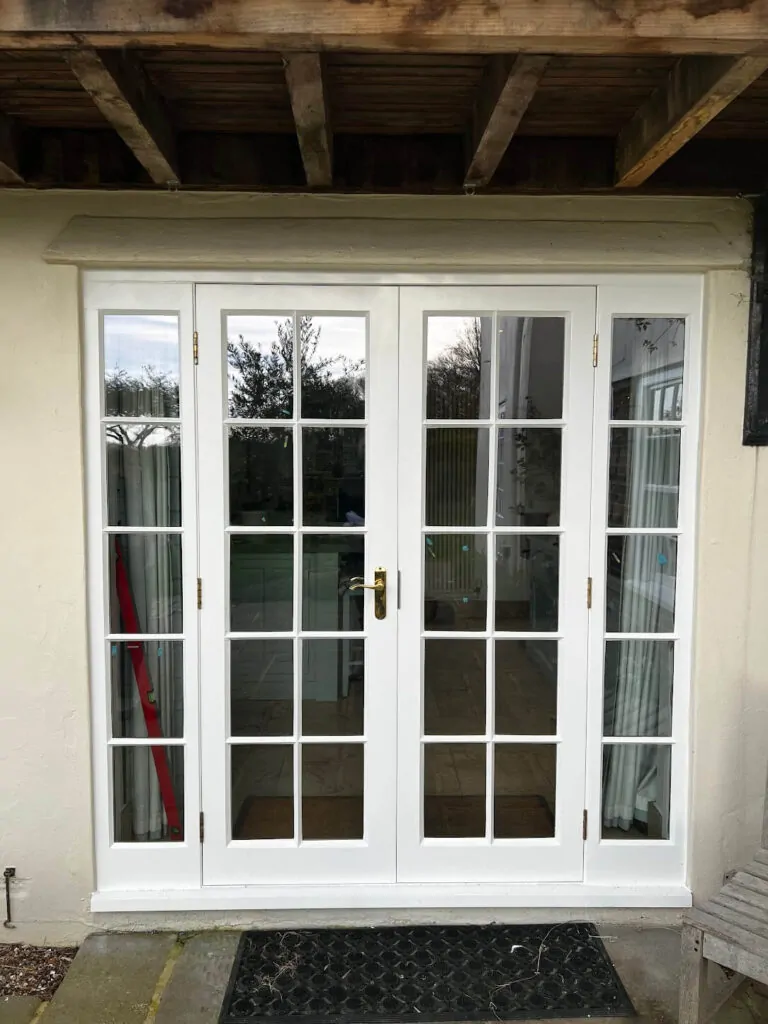
Impact French doors cost $4,500-7,500 installed for 6x8 foot openings. Inswing configurations cost less than outswing due to simpler installation and trim work. Multi-point locking mechanisms with flush bolts ensure secure closure meeting impact testing requirements.
Bi-fold door systems cost $8,000-18,000 installed depending on panel count and width. Four-panel systems spanning 12 feet cost $10,000-14,000 while six-panel systems for 16-18 foot openings reach $14,000-22,000. Stainless steel track systems and premium hardware ensure smooth operation.
Accordion hurricane doors cost $300-500 per linear foot installed. An 8-foot opening costs $2,400-4,000 while 12-foot openings run $3,600-6,000. These systems protect existing standard doors during storms without door replacement but lack year-round benefits of impact doors.
Additional Cost Factors
Permits cost $100-300 per door in Miami-Dade and Broward counties. Building inspections verify proper installation and product certification compliance. Some municipalities require engineering calculations for large openings adding $300-800 to project costs.
Structural modifications including header reinforcement or opening size changes add $500-2,000 per opening. Older homes may need framing upgrades supporting heavier impact door weights. Stucco repair, trim carpentry, and paint touch-up cost $200-500 per door completing professional installations.
Disposal fees for old doors cost $50-150 per unit. Lead paint abatement in pre-1978 homes adds $200-500 per door following EPA regulations. Rush installations during peak season command 20-30% premium pricing due to contractor demand.
What Are Hurricane Impact Doors Made Of?
Hurricane impact doors are made of laminated glass using two sheets of 3-4mm tempered glass bonded to 0.060-0.090 inch polyvinyl butyral interlayers, reinforced aluminum frames with 0.125-0.187 inch wall thickness, fiberglass or steel door panels for entry applications, multi-point stainless steel locking mechanisms, and compression weatherstripping creating multiple water barriers. The Glass Association of North America reports laminated construction provides impact resistance maintaining structural integrity when glass cracks while reinforced frames resist Design Pressure loads without deflection. Material combinations optimize strength, durability, weather resistance, and aesthetic appeal for South Florida's challenging climate.
Laminated Glass Construction
Two sheets of tempered glass undergo heat treatment reaching 1,200°F then rapid cooling creating surface compression of 10,000+ PSI. This tempering increases strength 4-5 times compared to annealed glass while creating safe breakage patterns producing small cube-shaped fragments rather than dangerous shards.
Polyvinyl butyral interlayers bond tempered sheets through autoclave processing at 200-250 PSI pressure and 250-280°F temperature. The thermoplastic material provides adhesive strength holding glass fragments when impact cracks sheets. This assembly maintains weathertight barrier preventing wind and water intrusion causing structural failures.
Standard laminated packages use 0.060 inch PVB while heavy-duty applications use 0.090 inch interlayers. The thicker PVB provides enhanced impact resistance for extreme exposure locations. Some security applications use multiple interlayers reaching 0.120+ inch thickness resisting forced entry and ballistic threats.
Frame Material Options
Aluminum extrusions provide optimal strength-to-weight ratios resisting corrosion in salt air environments. Marine-grade 6063-T5 alloy with powder coating finishes maintains appearance 15-20 years without fading or chalking. Wall thicknesses of 0.125-0.187 inches achieve required structural capacity.
Thermally broken aluminum frames insert polyurethane barriers between interior and exterior sections preventing heat conduction. These thermal breaks reduce frame U-Factors from 1.0-1.2 to 0.35-0.45 improving energy efficiency. The enhanced performance qualifies products for Energy Star certification and utility rebates.
Vinyl frames with internal aluminum or steel reinforcement provide good thermal performance at moderate costs. Quality vinyl resists UV degradation maintaining appearance throughout 25-30 year lifespans. However, reinforcement proves necessary for structural capacity meeting impact door requirements.
Door Panel Construction
Fiberglass entry doors use high-density composite construction with polyurethane foam cores providing strength and insulation. The material accepts wood grain textures mimicking luxury appearance at 40-50% lower cost than wood. Fiberglass resists warping, rotting, and deterioration in humid environments.
Steel entry doors use 16-18 gauge steel skins over reinforced frames achieving required Design Pressure ratings. Powder coat finishes resist salt air corrosion. However, steel proves less durable than fiberglass in marine environments showing 15-20 year lifespans versus 25-30 years for fiberglass.
Wood doors require regular maintenance including refinishing every 3-5 years in South Florida climate. Despite maintenance needs, wood provides authentic luxury aesthetics some architectural styles require. Mahogany and similar hardwoods offer best durability for coastal applications.
Hardware and Locking Systems
Multi-point locking mechanisms engage 3-5 locking points along door perimeters distributing wind loads and providing security. Active shoot bolts at top and bottom secure panels to headers and thresholds. Commercial-grade deadbolts provide security beyond wind resistance.
Stainless steel and bronze hardware resists corrosion in salt air lasting 15-20 years longer than zinc-plated alternatives. The Builders Hardware Manufacturers Association Grade 1 locksets provide highest durability and security ratings. Premium hardware adds $200-400 to door costs.
Hinges require structural fastening into wall framing using 3-inch screws rather than door jambs alone. Three hinges minimum distribute door weights and wind loads. Ball-bearing hinges support 200-300 pound impact door weights ensuring smooth operation throughout 100,000+ cycle lifespans.
How Much Is a Hurricane Impact Front Door?
A hurricane impact front door costs $2,000-4,500 installed for standard 3x8 foot single doors with fiberglass or steel construction, $4,500-8,500 for double entry systems, and $6,000-15,000 for custom pivot or oversized applications in South Florida. Material costs range $1,200-3,000 for quality certified products while installation labor adds $800-1,500 depending on complexity. The Window & Door Manufacturers Association reports Miami-Dade NOA certification adds $200-400 per door compared to standard Florida Building Code products due to enhanced testing requirements. Total installed costs include permits ($100-300), disposal ($50-150), and finish work ($200-500) completing professional installations.
Single Door Cost Breakdown
Fiberglass impact doors cost $1,500-2,800 for materials in standard 3x8 foot sizes. Quality manufacturers including Therma-Tru and Plastpro provide comprehensive warranties covering materials and finishes. Premium wood grain textures and upgraded hardware increase costs toward upper ranges.
Steel impact doors cost $1,200-2,400 for materials offering lower entry pricing. However, coastal properties should consider fiberglass durability advantages justifying 20-30% premium costs. Steel door shorter lifespans in marine environments offset initial savings through earlier replacement requirements.
Installation labor costs $800-1,500 depending on opening condition and complexity. Simple like-for-like replacements cost less than structural modifications or opening size changes. Second-story installations requiring scaffolding add 25-35% to labor costs.
Double Door Premium
Double entry systems cost $3,000-6,000 for materials representing 80-100% premium over single doors. The additional panel, hardware complexity, and enhanced aesthetics justify higher pricing. French door styles with divided lites cost $4,000-8,000 for materials.
Installation labor for double doors ranges $1,500-3,000 requiring careful alignment ensuring proper operation and weathersealing. The additional time and complexity warrant premium labor charges. Total installed costs of $4,500-8,500 provide dramatic entryways enhancing curb appeal and property values.
Material Upgrade Costs
Mahogany wood doors cost $3,000-5,000 for materials providing authentic luxury aesthetics. Annual maintenance including refinishing adds $200-400 per year to ownership costs. The enhanced beauty and prestige justifies premium for high-end properties.
Custom glass designs including decorative patterns, etchings, or colored glass add $500-2,000 to material costs. Sidelites and transom windows flanking entry doors cost $800-1,500 per sidelight installed. These architectural enhancements create distinctive entryways distinguishing properties.
If you need expert guidance choosing the right hurricane impact doors for your Doral, Kendall, or Fort Lauderdale home, ASP Windows & Doors provides comprehensive consultation services analyzing your specific requirements including wind zone, exposure category, architectural style, and budget constraints. Our experienced team helps homeowners navigate material options, glass packages, hardware selections, and design choices ensuring optimal protection and value. Call (888) 782-8342 to schedule your free consultation with detailed product recommendations and project estimates customized to your property. We serve residential and commercial properties throughout Miami-Dade, Broward, and Palm Beach counties with certified installations meeting all code requirements and manufacturer warranty specifications.
Now Accepting Appointments
Proudly serving homeowners and businesses across South Florida and Southwest Florida. Book your visit and let our experts help protect and upgrade your space.
.avif)
.avif)
.avif)
%201.avif)
Insights & Resources
Stay informed with expert tips on impact windows, hurricane protection, and South Florida building standards.


%201.webp)
%201%20(1).webp)

%201.svg)
%201%20(1)%20(1).webp)
.png%20(1).webp)
.png.webp)
.avif)
.avif)


.avif)


.png)
.png)