.avif)


How Much Window Replacement Costs and What to Expect
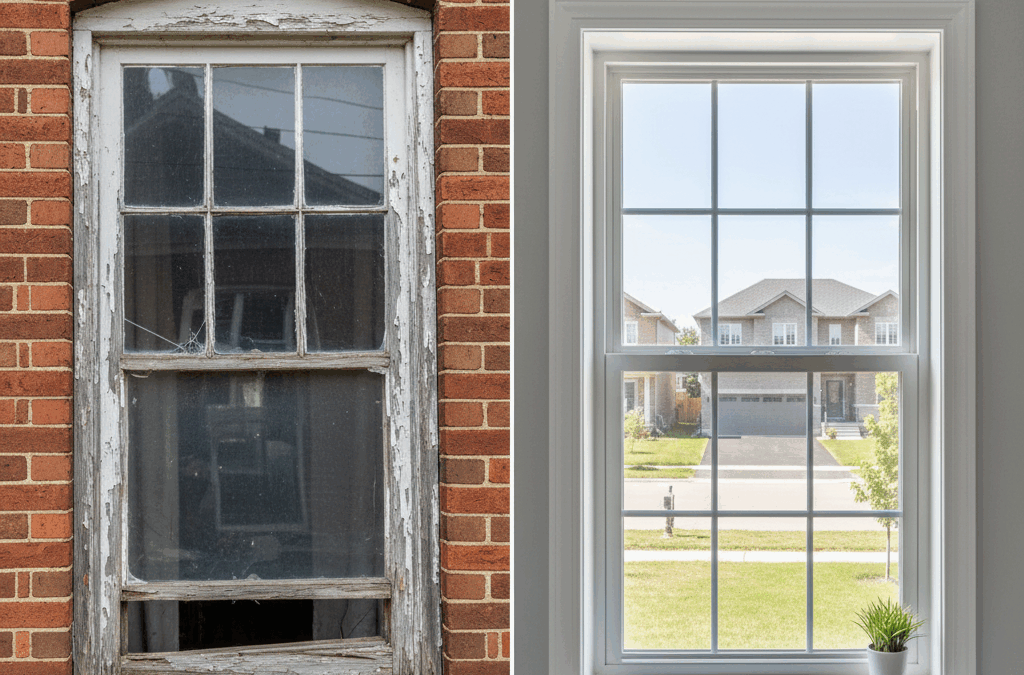

Window replacement cost depends on the frame material, the type of window, the glass package, the installation method, and whether the home is in a hurricane zone that requires impact-rated products. The U.S. Department of Energy reports that heat loss and heat gain through windows account for 25% to 30% of residential heating and cooling energy use, which means the windows you choose and how they are installed directly affect what you pay in utility bills for years after the project is finished. According to the 2025 Zonda Cost vs. Value Report, vinyl window replacement adds an average of $16,657 to a home's resale value, and wood window replacement adds an average of $18,764, making window upgrades one of the highest-return investments a homeowner can make.
This article explains what drives window replacement cost, how each variable affects the total, what a professional estimate should include, how long the process takes, and what homeowners in hurricane zones should expect when upgrading to impact-rated products.
Key Takeaways
- Window replacement cost is determined primarily by frame material, window type, glass performance, installation method, and regional requirements like hurricane-zone impact ratings.
- Frame material accounts for the largest share of the product cost; vinyl is the most affordable, fiberglass offers the best performance-to-maintenance balance, and wood delivers the highest aesthetic value.
- The U.S. Department of Energy reports that windows account for 25% to 30% of residential heating and cooling energy use.
- ENERGY STAR certified windows save homeowners $101 to $583 per year when replacing single-pane windows, according to ENERGY STAR.
- Vinyl window replacement recoups 68% to 73% of project cost at resale (2025 Zonda Cost vs. Value Report).
- In Florida's hurricane zones, impact windows must carry Miami-Dade NOA or Florida Product Approval certification, which adds to cost but also qualifies homeowners for insurance premium reductions of 10% to 45%.
- A 2025 This Old House survey found that fiberglass was the most popular frame material among window buyers, followed by vinyl.
What Factors Determine Window Replacement Cost?
Window replacement cost is determined by six primary factors: frame material, window type, glass package, installation method, project scope, and geographic location. Each of these variables can shift the total investment significantly, which is why two homeowners replacing the same number of windows in the same city can end up with very different project totals. Understanding what each factor contributes helps you evaluate estimates accurately and make informed decisions about where to invest and where to economize.
Frame material drives the largest portion of the product cost. Window type affects both unit price and installation complexity. The glass package, including the number of panes, Low-E coatings, and gas fills, determines the window's energy performance and its price. The installation method, whether full-frame replacement or insert (pocket) installation, affects labor scope and cost. Project scope matters because replacing all windows at once often carries different economics than replacing one or two at a time. Geographic location influences labor rates, and in coastal states like Florida, hurricane-zone requirements for impact-rated glazing add a layer of cost that inland regions do not face.
How Does Frame Material Affect Window Replacement Cost?
Frame material is the single largest cost variable in window replacement because it determines the product's price, its lifespan, its energy performance, and its maintenance demand over the life of the window. The four primary residential frame materials are vinyl, fiberglass, wood, and aluminum, and each occupies a different position on the cost-to-performance spectrum.
Sources: This Old House 2025 homeowner survey; GEALAN Windows lifespan data; U.S. Department of Energy frame material guidance; general industry performance specifications.
A 2025 This Old House survey of 1,000 homeowners who purchased new windows found that fiberglass was the most popular frame material choice, followed by vinyl. Fiberglass earned that position because it combines low maintenance with strong thermal performance and a lifespan that can reach 50 years. Vinyl remains the most common frame material in total market share because of its lower price point and because it delivers reliable performance for homeowners who prioritize value over premium aesthetics.
Wood frames carry the highest product cost and the highest ongoing maintenance cost, but they deliver an aesthetic warmth that no synthetic material fully replicates. Clad windows address this by pairing a wood interior with an aluminum or fiberglass exterior cladding, which preserves the visual warmth of wood indoors while eliminating the maintenance burden on the weather-facing surface.
How Does Window Type Affect Cost?
Window type affects cost through the complexity of the operating mechanism, the size of the unit, and the amount of hardware each design requires. Fixed picture windows are the least expensive per square foot because they have no moving parts. Double-hung windows, the most common residential type, occupy the mid-range because each unit contains two operable sashes with balance mechanisms. Casement windows cost slightly more because the crank-operated hinge system and multi-point locking hardware add to both the product and installation cost.
Specialty window types carry the highest costs. Bay and bow windows project outward from the wall, which requires structural support and custom framing that standard flat windows do not need. Sliding doors and large sliding window panels cost more than standard-sized units because the track system, rollers, and larger glass area increase both material and labor requirements.
The 2025 This Old House survey found that sliding windows were the most popular window type among homeowners nationwide. Double-hung windows remain the default in most existing homes because they fit standard rough openings and operate simply. Casement and awning windows are popular in kitchens and bathrooms where a crank mechanism allows the window to open fully for ventilation without requiring the homeowner to reach over a counter or tub.
How Does Glass Type Affect the Price?
Glass type affects window replacement price through the number of panes, the coatings applied to those panes, the gas fills between them, and whether the glass is rated for impact resistance. Each of these upgrades improves the window's energy performance, sound insulation, or structural strength, and each adds to the product cost.
Double-pane insulated glass units (IGUs) are the standard configuration in modern replacement windows. Two panes of glass separated by a sealed airspace filled with argon or krypton gas reduce heat transfer significantly compared to single-pane windows. Low-E (low emissivity) coatings, which are microscopically thin metallic layers applied to the glass surface, reflect radiant heat while allowing visible light to pass through. The combination of double panes, gas fill, and Low-E coating is what allows modern windows to meet ENERGY STAR certification standards.
Triple-pane glass adds a third pane and a second gas-filled airspace, which further reduces heat transfer and sound transmission. Triple-pane windows cost more than double-pane, but the energy savings are most significant in climates with extreme winter cold. In South Florida's warm climate, the priority is typically solar heat gain control rather than winter heat retention, which makes Low-E coatings with low solar heat gain coefficients (SHGC) the more impactful upgrade for this region.
Impact glass is a laminated glass product that bonds two panes of glass to a polyvinyl butyral (PVB) interlayer. Impact glass resists shattering from flying debris during hurricanes and holds together even after cracking, which prevents wind and water from penetrating the opening. Impact-rated glazing is required by the Florida Building Code in the High Velocity Hurricane Zone and carries a higher cost than standard insulated glass because of the lamination process, the thicker glass, and the testing certification required for compliance.
What Is the Difference Between Full-Frame and Insert Installation?
Full-frame installation removes the entire existing window unit, including the frame, and replaces it with a new window and frame assembly set into the rough opening. Insert installation, also called pocket installation, removes only the sashes and hardware while keeping the existing frame in place, and a new window unit is fitted inside that existing frame. The two methods differ in scope, labor time, and cost.
Full-frame replacement is the more thorough approach. It allows the installer to inspect the rough opening for moisture damage, wood rot, and structural issues that hide behind the old frame. Full-frame replacement also provides the opportunity to add or replace insulation and flashing around the entire opening, which maximizes the energy seal. The trade-off is more labor hours, more materials, more disruption to the surrounding wall finish, and higher cost.
Insert installation is faster and less disruptive because the existing frame stays in place and the surrounding wall, trim, and siding are not disturbed. The new window slides into the existing frame and is secured, shimmed, and sealed. Insert installation costs less in labor and materials, but it works only when the existing frame is structurally sound, square, and free of rot. It also slightly reduces the glass area compared to the original window because the new unit sits inside the old frame, adding a layer of frame material to the opening.
For most whole-home replacement projects, full-frame installation delivers the better long-term result because it addresses hidden damage and creates a complete weather barrier. For single-window replacements where the frame is in good condition, insert installation is a practical and cost-effective choice. A professional window installation assessment determines which method is appropriate for each opening in the home.
Do Impact Windows Cost More Than Standard Windows?
Yes, impact windows cost more than standard windows because the laminated glass construction, reinforced aluminum frames, specialized hardware, and mandatory product certification add material and testing costs that standard windows do not carry. According to Angi, impact-rated windows in Florida and other coastal states start at a significantly higher per-window price point than standard replacement windows of comparable size, and the cost increases further for larger units, custom shapes, and architectural configurations.
The higher upfront cost of impact windows is offset by several financial benefits that standard windows do not provide. Insurance premium reductions represent the most immediate offset. The Florida Office of Insurance Regulation reports that homes with certified impact protection on all openings receive premium discounts of 10% to 45%, depending on the carrier and the wind mitigation inspection results. Those annual savings accumulate over the 30- to 40-year lifespan of the impact windows.
Impact windows also eliminate the need for hurricane shutters, which have their own purchase, storage, and installation costs. The Insurance Institute for Business and Home Safety reports that 40% of hurricane structural damage occurs through window and door failures, so the protection impact windows provide has a tangible value in avoided damage that standard windows cannot match.
Energy performance is another offset. Impact windows with Low-E coatings and insulated frames reduce heating and cooling costs in the same way that standard energy-efficient windows do, while simultaneously providing storm protection. ENERGY STAR certified windows save homeowners $101 to $583 per year when replacing single-pane windows, according to ENERGY STAR. Over a decade, those savings contribute meaningfully to the payback calculation.
What Does a Window Replacement Estimate Include?
A professional window replacement estimate should include the cost of the window units, installation labor, removal and disposal of old windows, weatherproofing materials, and any required permits. Knowing what is included, and what is priced separately, helps homeowners compare estimates from different contractors accurately. Two estimates that appear different in total may actually cover different scopes of work.
- Window units: the product itself, including the frame, sashes, glass, hardware, and weatherstripping. This is typically the largest line item in the estimate.
- Installation labor: the labor hours to remove old windows, prepare the openings, install new units, shim, level, insulate, and seal each window. Labor rates vary by region and by installation complexity (first floor vs. second or third floor, standard vs. structural modification).
- Removal and disposal: taking out the old window units and hauling them away. Some contractors include this in the labor line; others list it separately.
- Weatherproofing: flashing, caulking, spray foam insulation around the frame, and exterior trim or siding repair where the new window meets the wall. This is critical for energy performance and water resistance.
- Permits and inspections: in Florida, all exterior window replacements require a building permit. The permit fee and the required final inspection should be accounted for in the estimate. The contractor submits the Florida Product Approval or Miami-Dade NOA number for each product with the permit application.
- Interior trim and finish work: casing, extension jambs, and interior trim around the new window. Some contractors include basic trim; others quote it as an add-on.
Items that are commonly NOT included in a standard estimate and may be quoted separately: structural framing modifications (enlarging or reducing openings), lead paint abatement in pre-1978 homes, exterior stucco or siding repair beyond the immediate window area, and custom paint or stain finishes on wood windows.
How Long Does Window Replacement Take?
Window replacement takes approximately 30 to 60 minutes per standard-size window for an experienced crew performing insert installations, and 1 to 2 hours per window for full-frame replacements that involve removing the old frame and weatherproofing the rough opening. A typical whole-home project replacing 10 to 15 windows takes 2 to 4 days with a professional crew, depending on the installation method, accessibility (first floor vs. upper stories), and whether structural modifications are required at any opening.
Impact window installation in Florida's HVHZ takes longer per unit than standard window installation because each window must be anchored with specific fastener patterns, types, and spacing that match the manufacturer's approved installation detail. The inspector verifies these details during the final inspection, so precision during installation prevents failed inspections and costly rework.
Scheduling the project during mild weather months reduces the risk of rain entering open wall cavities during installation. In South Florida, the optimal window replacement season is late fall through early spring, when humidity is lower and the likelihood of afternoon thunderstorms is reduced compared to summer.
Is It Worth Replacing 30 Year Old Windows?
Yes, replacing 30 year old windows is worth the investment because windows of that age have almost certainly lost their seal integrity, their weatherstripping has degraded, and their energy performance falls far below what modern windows deliver. The U.S. Department of Energy reports that windows account for 25% to 30% of residential heating and cooling energy use. Windows manufactured 30 years ago used single-pane or early double-pane glass without Low-E coatings, without gas fills, and with frame materials that have likely warped, corroded, or deteriorated over three decades of thermal cycling, UV exposure, and moisture contact.
The energy savings alone make the replacement worthwhile. ENERGY STAR reports that replacing single-pane windows with certified double-pane windows saves $101 to $583 per year depending on the home's size, climate, and the number of windows replaced. Over a 10-year period, those savings contribute $1,000 to $5,830 toward the original investment, and the savings continue for the full 20- to 50-year lifespan of the new windows.
Beyond energy, 30 year old windows in Florida face additional considerations. Windows installed before the current Florida Building Code may not meet wind load or impact requirements. Replacing them with hurricane-rated windows brings the home into compliance, qualifies the homeowner for insurance discounts, and eliminates the need for storm shutters. The combined value of energy savings, insurance reductions, storm protection, and increased resale value makes replacing windows of this age one of the clearest return-on-investment decisions in home improvement.
Which Is Better, Vinyl or Fiberglass Windows?
Fiberglass windows are better than vinyl windows in thermal stability, lifespan, and structural rigidity, while vinyl windows are better in affordability and availability. Both materials deliver low maintenance and strong energy performance, but they differ in how they handle extreme conditions over time.
Fiberglass has a lower thermal expansion coefficient than vinyl, which means fiberglass frames expand and contract less with temperature changes. This dimensional stability keeps the seals tighter over a longer period, which is why fiberglass windows maintain their energy performance longer than vinyl. Fiberglass windows typically last 30 to 50 years, compared to 20 to 30 years for vinyl, according to multiple industry sources including GEALAN Windows and This Old House.
Vinyl windows are manufactured from polyvinyl chloride (PVC), which provides effective multi-chamber insulation at a lower cost than fiberglass. Vinyl is the most widely available frame material and fits the broadest range of budgets. The 2025 Zonda Cost vs. Value Report shows that vinyl window replacement recoups 68% to 73% of project cost at resale, making it a strong investment even at the lower price point.
For homeowners in coastal environments where salt air, high UV exposure, and extreme heat are daily factors, fiberglass offers the more durable long-term performance. For homeowners prioritizing upfront affordability on a whole-home replacement, vinyl delivers dependable results at a lower per-window cost. Both materials are available in glass glazing configurations that meet ENERGY STAR standards.
What Type of Windows Last the Longest?
Fiberglass windows last the longest among common residential frame materials, with a typical lifespan of 30 to 50 years, followed by aluminum at 30 to 40 years, wood at 30 to 50 years with consistent maintenance, and vinyl at 20 to 30 years. The longevity of any window depends on the frame material, the quality of the glass seal, the installation quality, and the environmental conditions the window faces over its service life.
Fiberglass achieves the longest low-maintenance lifespan because the material does not rot, warp, corrode, or degrade under UV exposure. The glass seal in a well-manufactured fiberglass window holds its integrity longer because the frame's dimensional stability reduces stress on the seal over years of thermal cycling.
Aluminum-framed impact windows also achieve exceptional longevity because aluminum does not deteriorate from moisture, salt air, or UV radiation. The laminated impact glass in these windows retains its structural integrity for the full life of the frame.
Many manufacturers back impact-rated aluminum windows with warranties covering both the frame and the glass system for extended periods.
Wood windows can match or exceed fiberglass in raw lifespan, but only with diligent maintenance. Wood absorbs moisture, which leads to swelling, warping, and rot if the finish is not maintained on all six surfaces. In humid climates, the maintenance cycle for wood windows is shorter than in dry climates, which increases the lifetime cost of ownership.
Does Replacing All Windows at Once Save Money?
Yes, replacing all windows at once typically saves money compared to replacing them in separate projects over time because the fixed costs of mobilization, permitting, and equipment are spread across more units, and many contractors offer better per-window pricing on larger projects. The fixed costs that apply regardless of how many windows are being replaced, including permit fees, crew mobilization, equipment setup, debris removal, and final inspection, represent a smaller percentage of the total when divided across 10 or 15 windows than when applied to a single replacement.
Whole-home replacement also produces the greatest energy improvement because every opening is sealed and insulated to the same standard simultaneously. Replacing half the windows leaves the other half as ongoing sources of air leakage and heat transfer, which limits the total energy savings. Insurance discounts in Florida require that ALL openings be protected to qualify for the full opening-protection credit. Partial upgrades may result in reduced or no insurance benefit.
The logistical advantage is equally significant. One project means one permitting process, one inspection, one disruption to the household, and one warranty start date across all units. Phasing the work over multiple years means repeating the permitting, scheduling, and inspection process each time, and it means the first windows installed will be years older than the last ones by the time the project is finished.
How Does Window Replacement Affect Home Value?
Window replacement affects home value positively, with vinyl window replacement adding an average of $16,657 to resale value and wood window replacement adding an average of $18,764, according to the 2025 Zonda Cost vs. Value Report published by the Journal of Light Construction. Vinyl window replacement recoups 68% to 73% of project cost at resale, and wood window replacement recoups 62% to 69%. When the ongoing energy savings during the years the homeowner lives in the home are factored in, the effective return on investment approaches 90% to 100% over a 10-year period, according to BuiltRight Academy analysis.
Real estate agents consistently rank new windows among the top five improvements for selling a home. Buyers notice foggy glass, failed seals, drafty frames, and outdated window styles immediately during showings. New windows signal to buyers that the home has been maintained and upgraded, which supports a higher asking price and faster time on market.
In Florida, the value impact is amplified by the insurance and code compliance benefits of impact-rated windows. Buyers in hurricane-prone markets actively seek homes that already have impact windows installed, because it eliminates the need for the new owner to undertake the project and because the insurance savings begin immediately at closing.
What Should I Look for When Buying Replacement Windows?
When buying replacement windows, look for the frame material that matches your climate and maintenance preferences, the glass performance ratings that meet your energy goals, the product certifications required in your region, and a licensed installer who provides a detailed written estimate.
- Check the NFRC (National Fenestration Rating Council) label on every window. The label displays the U-factor (heat transfer rate, lower is better), the Solar Heat Gain Coefficient (SHGC, the amount of solar radiation the window allows through), and the Visible Transmittance (VT, how much natural light enters). These ratings allow you to compare energy performance across brands and materials objectively.
- Verify ENERGY STAR certification for the climate zone where the home is located. ENERGY STAR requirements differ by zone, so a window certified for the Northern zone may have different SHGC requirements than one certified for the Southern zone. In Florida, a low SHGC is the priority because reducing solar heat gain lowers air conditioning demand.
- In the HVHZ, verify that the window carries a current Miami-Dade Notice of Acceptance (NOA). Outside the HVHZ but within the Wind-Borne Debris Region, verify a Florida Product Approval with impact rating. These certifications are required by law and must be submitted with the building permit application.
- Request a written estimate that itemizes the window units, installation labor, removal and disposal, weatherproofing materials, permits, and trim work separately. An all-inclusive lump sum makes it difficult to compare scope across contractors.
- Ask about the warranty structure. A strong warranty covers the glass seal, the frame, the hardware, and the installation workmanship as separate line items with clearly stated durations. The best warranties are transferable to future owners, which adds resale value.
- Confirm the installer's license number, insurance coverage, and experience with the specific product being installed. In Florida, the contractor should hold a CGC (Certified General Contractor) or CBC (Certified Building Contractor) license and should be familiar with the Product Approval database and local inspection requirements.
Frequently Asked Questions
What Is the New Trend for Windows?
The new trend for windows includes larger glass areas with thinner frames, black and dark bronze frame finishes, floor-to-ceiling configurations, and smart glass technologies that adjust tint automatically based on sunlight intensity. Homeowners are also trending toward fewer grille patterns in favor of clean, unobstructed glass for a more contemporary look. Impact-rated windows with narrow sightlines are particularly popular in Florida because they combine hurricane protection with the open, light-filled aesthetic that modern architecture demands.
How Long Does It Take to Replace 20 Windows in a House?
Replacing 20 windows in a house takes 3 to 5 days with a professional crew, depending on the installation method, the accessibility of each window location, and whether any openings require structural modification. Insert installations proceed faster than full-frame replacements. Impact window installations in the HVHZ require additional time for the specific anchoring and sealing protocols that the building inspector will verify during the final inspection.
How Long Do Windows Last Before You Need to Replace Them?
Windows last 20 to 50 years before needing replacement, depending on the frame material, glass quality, installation quality, and environmental exposure. Vinyl windows typically last 20 to 30 years. Fiberglass and aluminum windows last 30 to 50 years. Wood windows can last 30 to 50 years with consistent maintenance. Signs that replacement is due include fogging between glass panes (seal failure), persistent drafts, difficulty operating, visible frame deterioration, and increased energy bills.
Do You Need a Permit for Window Replacement in Florida?
Yes, a building permit is required for all exterior window replacements in Florida. The permit ensures that the replacement products meet Florida Building Code wind load and impact requirements, and that the installation follows the manufacturer's approved installation detail. Interior window changes do not require permits. In the HVHZ (Miami-Dade and Broward counties), every replacement window must carry a Miami-Dade NOA certification.
Does Window Replacement Reduce Energy Bills?
Yes, window replacement reduces energy bills. The U.S. Department of Energy reports that windows account for 25% to 30% of residential heating and cooling energy use. ENERGY STAR certified replacement windows save homeowners $101 to $583 per year when replacing single-pane windows. Modern double-pane windows with Low-E coatings and gas fills reduce heat transfer by up to 70% compared to single-pane units. The savings are highest in homes with older, single-pane, or failed-seal windows.
How Do You Save on Window Replacement Without Sacrificing Quality?
You save on window replacement without sacrificing quality by replacing all windows at once to benefit from volume pricing and reduced fixed costs, choosing a frame material that matches your needs without over-specifying (vinyl delivers strong performance at the lowest cost), selecting French doors and window configurations that use standard sizes rather than custom dimensions, and scheduling the project during the contractor's off-peak season when crews may be more available. Avoiding unnecessary upgrades like triple-pane glass in warm climates where the additional pane provides minimal benefit over double-pane Low-E also keeps costs in check without reducing performance.
The Takeaway
Window replacement cost is driven by a set of specific, measurable variables that homeowners can evaluate before the first estimate arrives. Frame material, window type, glass package, installation method, and hurricane-zone requirements each contribute to the total, and understanding how each factor works helps you make decisions that balance upfront investment with long-term value. The energy savings, insurance benefits, comfort improvements, and resale value gains that modern windows deliver make the investment one of the most thoroughly documented returns in home improvement.
Every home is different, and the best way to understand what your specific project will require is a professional assessment of your current windows, your openings, and your goals. ASP Windows & Doors provides free estimates that cover every variable discussed in this article, matched to your home's requirements.
Call us at (888) 782-8342 or request a free estimate to get started.
Now Accepting Appointments
Proudly serving homeowners and businesses across South Florida and Southwest Florida. Book your visit and let our experts help protect and upgrade your space.
.avif)
.avif)
.avif)
%201.avif)
Insights & Resources
Stay informed with expert tips on impact windows, hurricane protection, and South Florida building standards.


%201.webp)
%201%20(1).webp)

%201.svg)
%201%20(1)%20(1).webp)
.png%20(1).webp)
.png.webp)
.avif)
.avif)


.avif)


.png)
.png)