.avif)


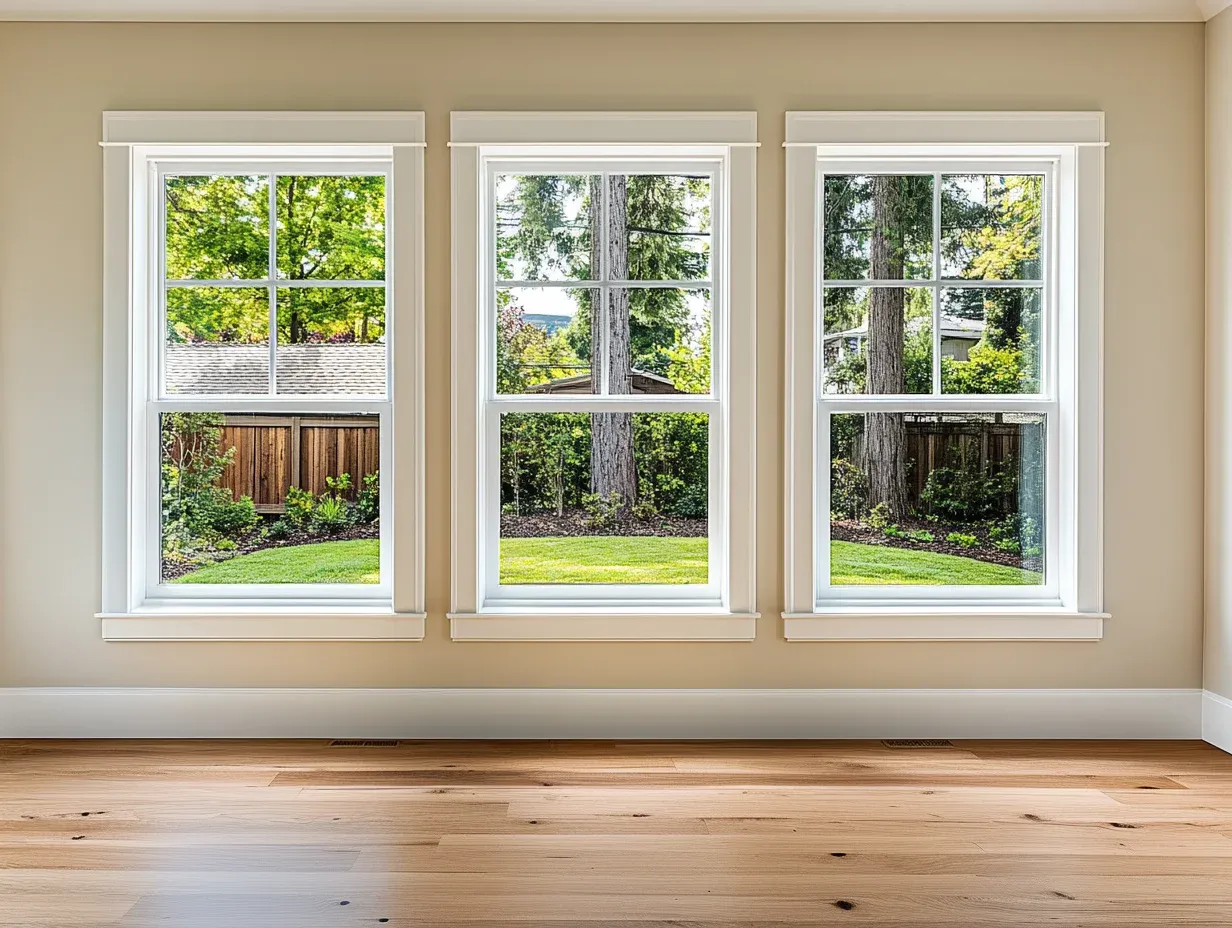

Vinyl windows last 20 to 40 years when built from quality polyvinyl chloride (PVC) with UV stabilizers, installed correctly, and maintained regularly. Builder-grade vinyl windows with thinner walls and fewer stabilizers can fail in as few as 8 to 15 years, particularly in climates with intense UV exposure, high humidity, and extreme heat cycling. The U.S. Department of Energy reports that windows account for 25% to 30% of residential heating and cooling energy use, which means aging vinyl windows that have lost their seal integrity or developed frame degradation are costing the homeowner more in energy every month they remain in place.
This article explains what determines how long vinyl windows last, how Florida's climate shortens that timeline, what signs indicate replacement is overdue, how vinyl compares to fiberglass and impact-rated alternatives, and what homeowners should look for when the time comes to upgrade.
Key Takeaways
- Quality vinyl windows last 20 to 40 years; builder-grade vinyl lasts 8 to 15 years, according to industry sources including Forshaw and JC Tonnotti Window Company.
- Fiberglass windows last 30 to 50 years, and aluminum-framed impact windows can last 40 to 50 years with proper care.
- Florida's intense UV radiation, salt air, humidity, and heat accelerate vinyl degradation faster than in northern climates.
- South- and west-facing windows degrade up to 20% to 30% faster than north- and east-facing windows due to greater solar exposure.
- Signs of failing vinyl windows include foggy glass between panes, persistent drafts, sticky or binding sashes, frame warping, and rising energy bills.
- Replacing aging vinyl with impact windows in Florida provides hurricane protection, insurance premium reductions of 10% to 45%, and a lifespan of 30 years or more.
- ENERGY STAR certified replacement windows save homeowners $101 to $583 per year when replacing single-pane windows.
How Long Do Vinyl Windows Last?
Vinyl windows last 20 to 40 years when manufactured from high-quality PVC with sufficient UV stabilizers, titanium dioxide for color retention, and multi-chamber frame construction that provides structural rigidity and thermal insulation. The wide range reflects the significant quality difference between premium vinyl and budget vinyl products. A 2025 analysis by Forshaw of St. Louis found that the variation within the "vinyl" category is enormous: premium models with better vinyl compounds and hardware reach 25 to 30+ years, while the cheapest vinyl windows can start failing within 8 to 10 years.
The lifespan of a vinyl window is determined by the performance of three systems working together: the frame, the glass seal, and the hardware. The frame must resist UV degradation, thermal expansion, and moisture absorption for the full life of the window. The glass seal, which holds the insulating gas fill between the panes, must remain airtight to maintain energy performance. The hardware, including locks, balances, and operators, must function smoothly to allow the window to open, close, and lock securely. When any one of these three systems fails, the window's performance degrades even if the other two are still intact.
What Determines How Long Vinyl Windows Last?
How long vinyl windows last is determined by five factors: material quality, climate and sun exposure, installation quality, glazing and hardware grade, and ongoing maintenance.
Material quality is the foundational variable. PVC formulations vary in the concentration of UV stabilizers, impact modifiers, and thermal stabilizers added during manufacturing. Higher-quality vinyl uses more of these additives, which is why premium windows resist yellowing, chalking, and brittleness longer than economy windows. The wall thickness of the vinyl extrusion also matters: thicker walls and more internal chambers create a stiffer frame that resists bowing and warping under thermal stress.
Climate and sun exposure have a direct effect on degradation rate. Vinyl is a thermoplastic with a glass transition temperature of approximately 176 degrees Fahrenheit, according to Biology Insights. At that temperature, the polymer chains begin to soften and lose structural rigidity. Dark-colored vinyl frames absorb more solar radiation than light-colored frames, which raises the frame's surface temperature closer to that softening threshold during peak sun exposure. South-facing and west-facing windows receive the most solar radiation over the course of a day, which is why they typically show degradation signs 20% to 30% faster than north-facing and east-facing windows on the same home.
Installation quality affects lifespan because improper shimming, inadequate flashing, and missing insulation around the frame allow water intrusion that damages both the frame and the surrounding wall structure. A window installed without proper drainage can trap moisture against the frame for years, accelerating seal failure and promoting mold growth in the wall cavity behind the window.
Glazing and hardware grade determine how long the window maintains its operational performance. Double-pane insulated glass units (IGUs) with Low-E coatings and argon gas fills retain their insulating properties for 15 to 25 years before the gas seal typically begins to degrade. Triple-pane glass extends that performance window further. Quality balance mechanisms and locking hardware operate smoothly for decades; cheap hardware binds, corrodes, and fails within 10 to 15 years.
How Long Do Vinyl Windows Last in Florida?
Vinyl windows in Florida last toward the lower end of the 20- to 40-year range because the state's intense UV radiation, high humidity, salt air exposure, and extreme heat cycling accelerate every degradation mechanism that affects PVC frames and glass seals. A Florida-specific guide from Secure Windows & Doors reports that vinyl windows in the state typically last 15 to 25 years, compared to 20 to 40 years in less demanding climates.
UV radiation is the primary accelerant. South Florida receives approximately 3,000 hours of sunshine per year, and the UV index regularly exceeds 10 during summer months. UV radiation breaks down the molecular bonds in PVC over time, which causes the material to become brittle, chalk on the surface, and eventually crack. UV stabilizers in quality vinyl slow this process, but they do not stop it indefinitely. Economy vinyl windows with fewer stabilizers degrade visibly within 10 to 15 years of Florida sun exposure.
Salt air in coastal areas adds a corrosive element that affects hardware, seals, and any metal reinforcements inside the vinyl frame. Humidity promotes condensation within the frame's internal chambers, which can accelerate seal degradation from the inside out. The thermal cycling between daytime highs above 90 degrees and overnight lows in the 70s creates a daily expansion-and-contraction cycle that stresses the frame and seal joints year-round. Vinyl's thermal expansion coefficient of approximately 3.33 times 10 to the negative fifth inch per inch per degree Fahrenheit, according to GEALAN Windows, means the frames expand and contract measurably with every temperature swing.
How Long Do Builder-Grade Vinyl Windows Last?
Builder-grade vinyl windows last 8 to 15 years before showing significant performance decline, according to JC Tonnotti Window Company and Forshaw of St. Louis. Builder-grade windows are the economy-tier products that production homebuilders install during new construction to meet code requirements at the lowest possible cost per unit. These windows use thinner PVC extrusions, fewer internal chambers, lower-grade hardware, and less UV stabilization than premium replacement windows.
The 8- to 15-year decline manifests as seal failure between the glass panes (visible as fogging or condensation between the panes that cannot be wiped away), balance mechanism failure (sashes that will not stay open or that slam shut), lock failure (latches that no longer engage securely), and frame discoloration or warping. Once these failures begin, they typically accelerate, because a failed seal allows moisture into the insulated glass unit, which degrades the remaining seal from the inside, and a warped frame puts additional stress on the glass and hardware.
For homeowners living in builder-grade homes in high-UV climates, the 15-year inspection mark recommended by industry experts is especially important. At that age, the windows may still look acceptable from across the room, but a close inspection often reveals seal failure, hardware degradation, and frame softening that are quietly increasing energy bills and reducing hurricane readiness.
How Long Do Impact Windows Last Compared to Standard Vinyl?
Impact windows last 20 to 30 years or more, and aluminum-framed impact windows can last 40 to 50 years with proper care, which exceeds the lifespan of standard vinyl windows by 10 to 20 years in comparable conditions. According to an ASP Windows & Doors lifespan analysis, the frame material is the primary differentiator. Aluminum does not degrade from UV exposure, does not absorb moisture, and does not soften or become brittle over time. The laminated impact glass retains its structural integrity for the full life of the frame because the polyvinyl butyral (PVB) interlayer that bonds the glass panes together is protected from direct UV contact by the glass itself.
Standard vinyl windows rely on the PVC frame to maintain structural shape for 20 to 40 years. Impact windows with aluminum frames rely on extruded aluminum that maintains its structural shape indefinitely under normal residential conditions. The hardware on impact-rated windows is also built to a higher standard because the locking systems must engage at multiple points to resist hurricane-force wind pressures, which means the locks, hinges, and operators are overbuilt compared to standard vinyl window hardware.
The Insurance Institute for Business and Home Safety reports that 40% of hurricane structural damage occurs through window and door failures. Impact windows eliminate that vulnerability while delivering the same energy efficiency benefits as standard insulated windows. For Florida homeowners, the longer lifespan, the hurricane protection, and the insurance premium reductions of 10% to 45% reported by the Florida Office of Insurance Regulation make impact windows a stronger long-term investment than replacing standard vinyl with more standard vinyl.
How Do Different Window Frame Materials Compare in Lifespan?
Window frame materials differ significantly in lifespan, with fiberglass lasting the longest at 30 to 50 years, followed by aluminum at 30 to 40 years, quality vinyl at 20 to 40 years, and wood at 15 to 30 years with consistent maintenance.
Frame Material
Typical Lifespan
Maintenance Required
UV Resistance
Best Suited For
Fiberglass
30 to 50 years
Very low
Excellent
Long-term value; extreme climates
Aluminum (impact-rated)
30 to 50 years
Low
Excellent
Hurricane zones; coastal homes; commercial
Premium vinyl
20 to 40 years
Very low
Good (with stabilizers)
Budget-conscious whole-home replacement
Builder-grade vinyl
8 to 15 years
Very low
Fair
New construction minimum code compliance
Wood
15 to 30 years
High (paint/seal every 5-10 years)
Poor without finish
Historic homes; premium aesthetics
Sources: Forshaw of St. Louis 2026 lifespan analysis; GEALAN Windows; JC Tonnotti Window Company; This Old House; NewSouth Window Solutions; ASP Windows & Doors impact window lifespan data.
Fiberglass achieves the longest maintenance-free lifespan because its thermal expansion coefficient is close to that of glass, which means the frame and the glass expand and contract at nearly the same rate. This matched expansion reduces stress on the glass seal over decades of thermal cycling. Glass glazing systems in fiberglass frames retain their insulating performance longer because the seal is under less mechanical stress than it would be in a vinyl frame that expands and contracts at a much higher rate.
Clad windows combine materials to capture the advantages of each: a wood interior for aesthetic warmth and a fiberglass or aluminum exterior cladding for weather resistance and longevity. This hybrid approach extends the effective lifespan of the window system beyond what either material would achieve alone.
What Are the Signs That Vinyl Windows Need Replacing?
The signs that vinyl windows need replacing include condensation between the glass panes, persistent drafts around the frame, sashes that stick or bind during operation, visible frame warping or cracking, rising energy bills without another explanation, and increased outside noise transmission.
- Condensation or fogging between the panes indicates that the insulated glass unit seal has failed. Once the seal breaks, the argon or krypton gas fill escapes and is replaced by ambient air that carries moisture. The moisture condenses between the panes when the temperature drops, creating the fog. A failed seal cannot be repaired; the entire glass unit or the window must be replaced.
- Drafts around the frame indicate that the weatherstripping has degraded or the frame has shifted out of square. Replacing weatherstripping may solve minor air leakage, but persistent drafts after weatherstripping replacement point to a frame alignment problem that requires a new window.
- Sashes that stick, bind, or will not stay open indicate that the balance mechanisms have failed or the frame has warped enough to interfere with the sash track. Warped frames cannot be straightened; the distortion is permanent once the PVC has yielded beyond its elastic limit.
- Visible cracking, chalking, or discoloration on the vinyl surface means UV degradation has progressed to the point where the material is losing structural integrity. Chalking is often the first visible sign. Cracking follows as the material becomes brittle.
- Rising energy bills without a corresponding change in HVAC equipment, thermostat settings, or usage patterns suggest that the windows are losing their insulating performance. ENERGY STAR reports that replacing old windows with certified models saves $101 to $583 per year.
- Increased noise from outside means the glass or the seal is no longer providing effective sound insulation. Sound transmission through a window increases as the seal degrades and the insulating gas fill is lost.
Should I Replace 30 Year Old Vinyl Windows?
Yes, 30 year old vinyl windows should be replaced because they have exceeded the expected lifespan of most vinyl products and are almost certainly underperforming in energy efficiency, security, and weather resistance. Vinyl windows manufactured 30 years ago used PVC formulations with fewer UV stabilizers and impact modifiers than modern products. The glass technology of that era, typically single-pane or early double-pane without Low-E coatings, provides a fraction of the insulation that current ENERGY STAR certified windows deliver.
The 2025 Zonda Cost vs. Value Report shows that vinyl window replacement adds an average of $16,657 to a home's resale value and recoups 68% to 73% of the project cost at the time of sale. When the cumulative energy savings over the years the homeowner lives in the home are added, the effective return approaches 90% to 100%.
For Florida homeowners, 30 year old windows present an additional concern: they were installed before the current Florida Building Code and almost certainly do not meet impact-resistance requirements for the High Velocity Hurricane Zone. Replacing them with hurricane-rated windows addresses the structural vulnerability while simultaneously delivering modern energy performance, noise reduction, and security.
How Can You Tell If a Vinyl Window Is Good Quality?
You can tell if a vinyl window is good quality by examining the frame wall thickness, the number of internal chambers, the fusion weld quality at the corners, the hardware grade, and the presence of ENERGY STAR and NFRC certifications.
Frame wall thickness should be at least 0.070 inches for the main frame members. Thinner walls flex under wind pressure and thermal stress, which accelerates seal failure. The number of internal chambers within the frame profile indicates insulation capacity: premium vinyl windows have 3 to 6 chambers that trap air and reduce heat transfer through the frame. Economy windows often have 1 to 2 chambers.
Fusion-welded corners, where the frame pieces are heat-bonded at the joints rather than mechanically fastened, produce a stronger and more watertight connection. Mechanically fastened corners (screwed or snapped together) are more common in builder-grade products and represent a potential failure point over time as the screws loosen and the joints separate.
The NFRC (National Fenestration Rating Council) label provides objective performance data: U-factor (heat transfer, lower is better), Solar Heat Gain Coefficient (SHGC, the amount of solar radiation the window allows through), and Visible Transmittance (VT, how much natural light enters). ENERGY STAR certification confirms the window meets minimum performance thresholds for the climate zone where it will be installed. A quality vinyl window will display both the NFRC label and the ENERGY STAR certification prominently.
What Is Better Than Vinyl Windows?
Fiberglass windows and aluminum-framed impact windows are better than vinyl windows in lifespan, thermal stability, and structural performance, while vinyl windows remain better in upfront affordability. Fiberglass provides 30 to 50 years of service life with virtually zero maintenance and a thermal expansion rate close to glass, which keeps seals tighter longer. Impact-rated aluminum windows provide 40 to 50 years of service in hurricane zones while delivering hurricane protection that vinyl cannot match.
For homeowners who want the warmth of real wood on the interior with the durability of a synthetic exterior, entry doors and windows with aluminum or fiberglass cladding over wood interiors provide the best of both worlds.
French doors and sliding doors are available in the same clad configurations, so the entire home can use a consistent material approach that maximizes lifespan on the weather-exposed surfaces while preserving aesthetics indoors.
Should I Get New Windows or Just Replace the Glass?
You should get new windows rather than just replacing the glass when the frame is warped, cracked, chalking, or more than 20 years old, because the frame's degradation will continue to compromise the new glass unit's seal and energy performance. Glass-only replacement (also called reglazing or IGU replacement) makes sense only when the frame is structurally sound, square, and free of degradation. In that narrow scenario, a new insulated glass unit installed in the existing frame restores the window's energy performance at a lower cost than full replacement.
The problem is that when vinyl windows are old enough for the glass seal to fail, the frame is usually degraded as well, even if the degradation is not immediately visible. A new glass unit installed in a softened, warped, or UV-damaged frame will not seal properly, and the investment in the new glass is wasted when the frame fails shortly afterward. Full window replacement with a new frame, new glass, new hardware, and new weatherstripping delivers a complete performance reset that glass-only replacement cannot match.
Does Replacing All Windows at Once Save Money?
Yes, replacing all windows at once saves money compared to phased replacement because the fixed costs of permitting, crew mobilization, equipment, and inspection are spread across more units, and many contractors offer better per-unit pricing on larger projects. The logistical benefit is equally important: one project means one permit, one inspection, one disruption period, and one warranty start date across all windows.
In Florida, whole-home replacement also delivers the maximum insurance benefit. The Florida Office of Insurance Regulation reports premium discounts of 10% to 45% for homes with certified impact protection on all openings. Partial upgrades, where some windows are impact-rated and others are not, typically result in reduced or no insurance credit. Replacing all windows at once with impact-rated products qualifies the home for the full opening-protection credit immediately.
How to Extend the Lifespan of Vinyl Windows
You extend the lifespan of vinyl windows by maintaining the seals, keeping the drainage system clear, cleaning the frames regularly, and inspecting annually for early signs of degradation.
- Clean the vinyl frames two to four times per year with mild soap and water. Avoid abrasive cleaners, solvents, or pressure washers, which can damage the vinyl surface and strip UV-protective coatings. In coastal areas, increase cleaning frequency to remove salt deposits that accelerate hardware corrosion.
- Inspect and replace weatherstripping every 3 to 5 years, or whenever drafts are noticeable around the frame edges. Weatherstripping is the first component to wear out and the easiest to replace, and fresh weatherstripping restores the air seal without requiring a full window replacement.
- Clear the weep holes at the bottom of the frame at least twice a year. Weep holes allow condensation and rainwater to drain out of the frame's internal channels. Clogged weep holes trap water inside the frame, which promotes seal degradation, mold growth, and frame swelling.
- Lubricate the hardware, including locks, balances, and track mechanisms, once per year with a silicone-based lubricant. Avoid oil-based lubricants, which attract dust and can gum up the mechanisms over time.
- Inspect the glass seal annually by looking for condensation, fogging, or moisture between the panes. Early detection of seal failure allows you to plan replacement before the failed window significantly increases energy costs or allows moisture damage to the surrounding wall structure.
- Apply UV-protective window film to south-facing and west-facing windows to reduce the UV load on the frame and the glass seal. Window film reduces solar heat gain and slows the UV degradation of the vinyl without affecting the window's operation.
What Is the Trend in Windows for 2026?
The trends in windows for 2026 include larger glass areas with thinner frame profiles, matte black and dark bronze finishes, triple-pane glass for sound and energy performance, smart glass with electrochromic tinting, and impact-rated products expanding beyond traditional hurricane markets into broader security and noise-reduction applications. Fiberglass and aluminum frames are gaining market share over vinyl in the premium replacement segment because they support thinner sightlines and larger glass panels without the structural limitations that wide vinyl frames impose.
Balcony enclosures and floor-to-ceiling glass systems are trending in high-rise and luxury residential construction, reflecting the broader shift toward maximizing natural light and erasing the boundary between indoor and outdoor living space. Impact-rated versions of these large-format glass systems allow Florida homeowners to achieve the expansive glass aesthetic while meeting the strictest building codes in the country.
Frequently Asked Questions
How Long Do Double-Hung Vinyl Windows Last?
Double-hung vinyl windows last 20 to 30 years on average. The balance mechanisms that allow the sashes to slide up and down are the most common failure point in double-hung windows, often wearing out before the frame or glass. Quality double-hung windows use block-and-tackle or constant-force balance systems that last longer than the spiral balances found in economy models.
Do Vinyl Windows Off-Gas?
Vinyl windows can release trace amounts of volatile organic compounds (VOCs) during the first weeks after installation, particularly when the windows are exposed to direct sunlight and heat. The off-gassing diminishes significantly after the initial period and is considered minimal in well-manufactured products that use stabilized PVC compounds. Opening windows for ventilation during the first few weeks after installation accelerates the off-gassing process.
When Should Vinyl Windows Be Replaced?
Vinyl windows should be replaced when they show multiple signs of failure: fogging between the panes, persistent drafts, difficulty opening or closing, visible frame warping or cracking, or rising energy bills. Industry experts recommend beginning the inspection and budgeting process when vinyl windows reach 15 to 20 years of age, even if they still appear to be functioning, because performance degradation often precedes visible damage.
How Long Do Double-Pane Vinyl Windows Last?
Double-pane vinyl windows last 20 to 30 years for the frame and 15 to 25 years for the insulated glass unit seal. The glass seal is typically the first component to fail, which manifests as fogging or condensation between the panes. Once the seal fails, the insulating gas fill escapes and the window's energy performance drops significantly, even though the frame may still be structurally intact.
Does Window Replacement Require a Permit in Florida?
Yes, all exterior window replacements in Florida require a building permit. The permit application must include the Florida Product Approval number or Miami-Dade NOA for each product, and the installation must follow the manufacturer's approved installation detail. Interior window changes do not require permits. A final building inspection verifies that the installed products match the approved specifications.
What Should I Look for When Buying Replacement Windows?
When buying replacement windows, look for NFRC-labeled performance ratings (U-factor, SHGC, VT), ENERGY STAR certification for your climate zone, fusion-welded vinyl corners or reinforced fiberglass/aluminum frames, multi-point locking hardware, and manufacturer warranties that cover the frame, glass seal, and hardware separately with clearly stated durations. In Florida's HVHZ, verify that the product carries a current Miami-Dade NOA.
The Takeaway
Vinyl windows deliver 20 to 40 years of service when the quality is right, the installation is proper, and the maintenance stays consistent. In Florida's demanding climate, that range compresses, and builder-grade vinyl compresses further. Knowing the age, the condition, and the performance of your current windows gives you the information you need to decide whether maintenance, repair, or full replacement is the right next step. For homeowners whose vinyl windows are nearing or past the 20-year mark, the combination of modern energy efficiency, hurricane protection, insurance savings, and resale value that impact-rated replacement windows deliver makes the upgrade one of the strongest investments available.
ASP Windows & Doors helps South Florida homeowners evaluate their current windows and choose the right replacement system for their home's specific needs.
Call us at (888) 782-8342 or request a free estimate to schedule an assessment.
Now Accepting Appointments
Proudly serving homeowners and businesses across South Florida and Southwest Florida. Book your visit and let our experts help protect and upgrade your space.
.avif)
.avif)
.avif)
%201.avif)
Insights & Resources
Stay informed with expert tips on impact windows, hurricane protection, and South Florida building standards.


%201.webp)
%201%20(1).webp)
%201.svg)
%201%20(1)%20(1).webp)
.png%20(1).webp)
.png.webp)
.avif)
.avif)


.avif)


.png)
.png)